
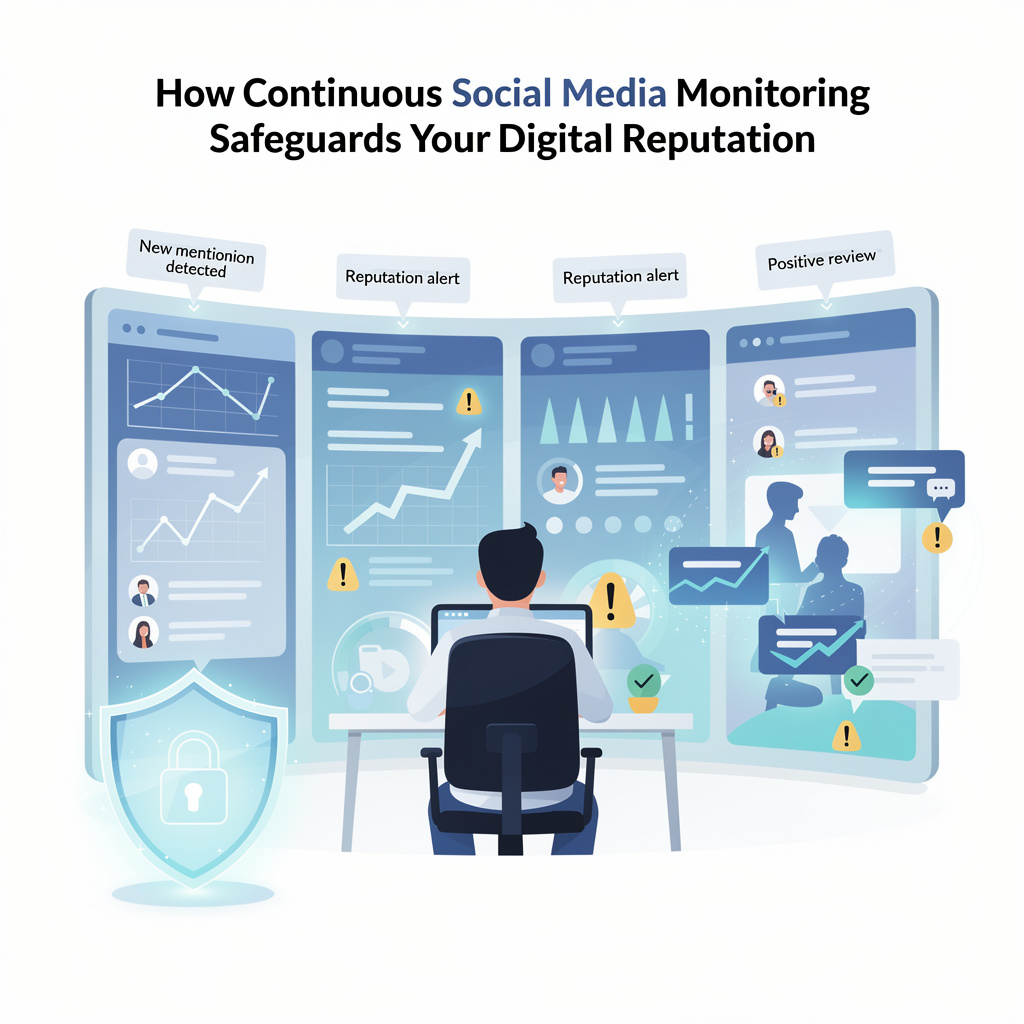
In the fast-paced world of digital marketing and e-commerce, a brand’s online storefront never truly closes. Consumers are constantly browsing, buying, and voicing their opinions across social platforms, regardless of the time of day. Building a strong brand identity requires consistent messaging, proactive audience engagement, and an unwavering commitment to customer satisfaction. While having a solid foundation outlined in a social media reputation strategy is essential for long-term growth, executing these best practices around the clock is where many internal teams struggle. Without constant vigilance, a viral complaint or sudden customer service crisis can escalate in minutes, turning a minor oversight into a severe threat to a business’s operational stability.
To handle these continuous pressures, many scaling organisations are radically shifting their approach to digital asset protection. Rather than relying solely on internal staff during standard business hours, modern e-commerce leaders recognise the necessity of external expertise. They actively invest in 24/7 Social Media Monitoring and Community Management Services to ensure that no customer query or negative comment goes unnoticed. This forward-thinking approach guarantees that dedicated professionals are always available to handle rapid crisis escalation and continuous customer engagement. By maintaining this level of responsiveness, brands prevent a single frustrated buyer from turning a private complaint into a wider public relations issue.
The High Price of Slow Engagement
When a customer reaches out with a grievance, the clock starts ticking immediately, and the stakes for the brand are remarkably high. Shifting consumer expectations dictate that approximately 60 percent of modern buyers want their social media queries resolved within 24 hours, while a strict 40 percent demand a same-day resolution. Failing to meet these tight turnarounds can have a severe financial impact on customer retention and overall brand loyalty. In fact, comprehensive industry data from Sprout Social reveals that 73 percent of consumers will switch to a competitor if a brand ignores their social media inquiries. This data underscores the reality that timely responses are directly tied to revenue preservation.
Beyond immediate lost sales, an unaddressed crisis can cause a brand’s overall favourability to drop significantly within a matter of days. Consumers today expect transparency and rapid accountability. Currently, 80 percent of corporate executives acknowledge that unmanaged social media crises have a direct, material impact on bottom-line revenue and long-term shareholder value. Over 40 percent of frustrated buyers will actively and publicly call out an online business on their own feeds if they experience slow or poor customer service, effectively weaponising their networks against the brand.
Closing the Gap Outside of Business Hours
A major vulnerability for many Australian e-commerce businesses is the gap between peak online activity and standard office hours. Weekend engagement metrics consistently show that platforms experience significant traffic spikes outside of the traditional workweek. Sundays, in particular, often see peak engagement rates that far exceed weekday averages. Since mobile commerce drives hundreds of billions in global sales annually, the majority of impulse buying and post-purchase support requests frequently occur long after marketing teams have logged off for the day. This creates a dangerous blind spot for companies that only monitor their feeds from nine to five.
Protecting your digital assets requires more than just reactive customer service protocols. It involves a proactive, comprehensive approach to sentiment tracking and risk management across all digital touchpoints. Across the digital marketing sector, 81 percent of marketers now identify social platforms as their most critical channel for real-time crisis mitigation. This consensus highlights the need for a robust infrastructure that can detect and address issues before they gain traction in the wider public sphere.
Actionable Steps to Protect Your Brand Equity
To safeguard your digital reputation effectively, consider implementing the following tactical strategies:
- Establish a digital war room: Create a centralised, round-the-clock hub where marketing, PR, and customer support can align instantly. This collaborative environment allows teams to escalate and neutralise threats in minutes rather than hours.
- Leverage artificial intelligence: Integrate advanced machine learning tools into your social listening protocols to track rapid sentiment shifts. AI can flag potential out-of-hours emergencies before human teams log in for the morning.
- Prepare rapid public statements: Fast-acting Australian brands successfully protect their reputations by issuing rapid public statements to distance themselves from controversy. This transparency avoids the audience backlash that typically follows delayed or evasive responses.
- Expand weekend coverage: Allocate specific resources to monitor channels during high-traffic periods, capturing the Sunday engagement peaks that leave standard operations completely vulnerable to sudden crises.
Staying Ahead of the Conversation
By the 24-hour mark of an unaddressed social media crisis, the resulting reputational damage to an online business is often considered irreversible. Research indicates that a large percentage of companies that fail to issue a clear response within 48 hours suffer long-lasting damage to their brand equity and consumer trust. By treating social channels as a critical environment for real-time monitoring rather than an afterthought, you can transform potential disasters into opportunities for exceptional customer service. Ultimately, investing in continuous oversight protects your search presence, preserves your brand equity, and keeps your digital reputation secure in an unpredictable online landscape.