
Bridging the Gap Between Marketing and Operations
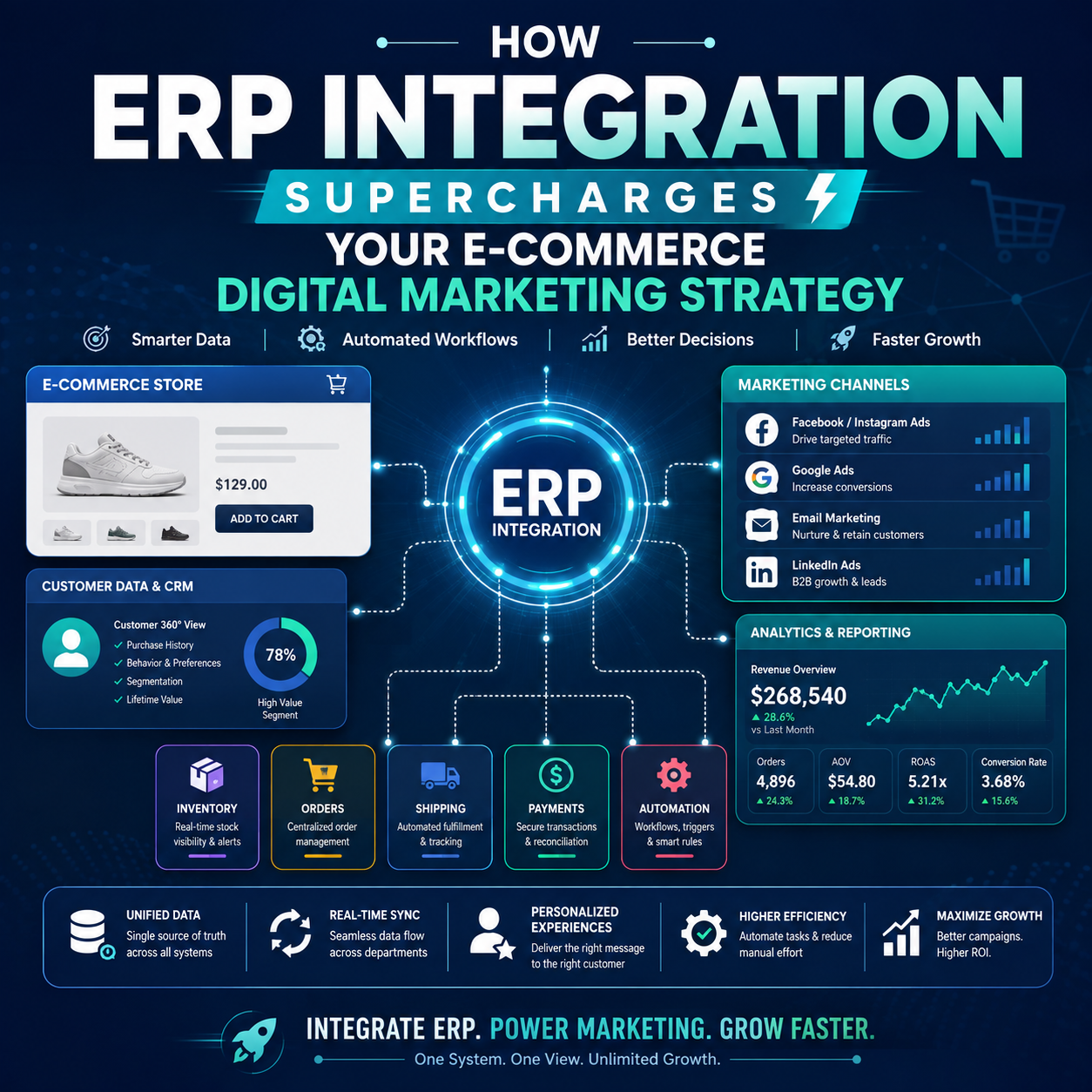
An integrated ERP acts as a central hub that organises the wealth of data generated by your online storefront. Connecting a frontend e-commerce platform with a modular backend system establishes a single source of truth for all business operations. This entirely eliminates the need for duplicate data entry and ensures that every customer touchpoint is accurately recorded from the first click to the final delivery.
For brands operating in Southeast Asia, finding a scalable and budget-friendly system is vital for long-term growth. When businesses research Odoo pricing Indonesia, they often discover that open-source, modular software allows them to add integrated CRM and marketing tools at a pace that suits their financial capabilities. This modular approach means you only invest in the backend capacity you need right now, while retaining the ability to expand rapidly during major sales events like National Online Shopping Day.
The Hidden Cost of Data Silos
Many growing businesses run into a common roadblock when their sales, marketing, and finance departments operate in separate software environments. Disconnected systems create a hidden data silo tax. Teams spend more time manually reconciling conflicting customer records than actually optimising their campaigns. When marketing data is isolated from the central business management system, highly qualified leads often receive generic outreach rather than targeted offers. This misalignment can severely impact your return on investment.
Delivering tailored experiences is no longer optional for modern consumers. Comprehensive research highlights that 71 percent of consumers expect personalised interactions, and companies that get this right drive up to 40 percent more revenue. Without a unified data structure, achieving this level of customer intimacy at scale is nearly impossible.
Key Benefits of Integrating Your Systems
Fusing your digital marketing strategy with backend operations unlocks several measurable advantages. By consolidating your digital tools, marketing and customer support teams gain a complete 360-degree view of the buyer journey, enabling a much deeper understanding of consumer behaviour.
Here is how ERP integration directly enhances your e-commerce performance:
Real-time Inventory Synchronisation: Connecting your online storefront with warehouse modules actively prevents costly overselling. This keeps your marketing campaigns aligned with actual stock levels, reducing return rates and improving customer trust.
Automated Post-Purchase Workflows: Advanced integrations allow marketers to trigger automated email sequences based on highly specific backend attributes, such as payment terms, order history, and lifetime customer margin.
Improved Forecasting Accuracy: With historical sales data and marketing metrics housed in one place, businesses can accurately predict demand spikes and adjust their advertising budgets accordingly.
Enhanced Data Analytics: Gathering information across all touchpoints provides marketers with richer analytics, leading to better demographic targeting and more efficient ad spend allocation.
Error Reduction: Implementing a unified business platform dramatically reduces manual data entry mistakes. This frequently pushes order processing accuracy rates above 99 percent and accelerates financial reconciliation.
Maximising Marketing Automation
To truly unleash your marketing potential with digital solutions, your frontend customer acquisition strategies must be backed by a system that can process and organise the resulting data. Marketing automation adoption has reached near-universal levels, with 96 percent of modern marketers currently using or planning to implement automated workflows. As e-commerce competition intensifies, relying on manual processes is no longer a viable strategy for ambitious brands.
However, these automated systems are only as smart as the data feeding them. When your ERP seamlessly feeds clean, real-time data into your marketing platforms, you can build highly targeted campaigns that convert casual browsers into loyal buyers. Organisations that invest in these unified data integrations consistently report higher return on investment, with typical software payback periods occurring within just two to three years.
Building a Foundation for Sustainable Growth
Ultimately, a successful e-commerce strategy requires much more than just high-converting adverts and a beautifully designed website. It requires a cohesive technological infrastructure where marketing, sales, and operations work in perfect harmony. By integrating a robust ERP system, you ensure that every marketing pound or rupiah spent is supported by efficient, data-driven backend operations. As the Indonesian digital marketplace continues to mature, those who unite their marketing vision with operational excellence will undoubtedly secure the greatest market share.