
AI Text Generator tools are everywhere right now, and honestly, it’s hard to blame people for being curious. Writing has always been one of those skills that looks easy from the outside but drains you mentally once you sit down to actually do it. You need focus, clarity, and momentum — and most days, you’re lucky if you have even one of those. Whether you’re a blogger staring at a blank screen at 2 a.m., a marketer juggling five deadlines at once, or a business owner trying to sound professional without hiring a copywriter, the promise is tempting: type a prompt, get clean text, move on with your life.
But here’s the real question — which tools actually work, and which ones just sound clever for two sentences and then completely fall apart?
This article isn’t hype. I actually tested popular and reliable tools that real people use every day, not obscure experiments or overhyped demos. Some surprised me in a good way. Some disappointed me almost immediately. And a few genuinely felt like they understood what I wanted to say better than I did, which is both impressive and a little unsettling.
Find More: 7 Powerful Things Janitor AI Can Do That Most Users Miss
What Is an AI Text Generator and Why Everyone Is Using One
An ai text generator is software that uses artificial intelligence to produce written content based on prompts you give it. You provide an idea, a goal, or even a messy paragraph, and it generates text that sounds human — sometimes uncomfortably human. Not perfect, not magical, but often good enough to get you unstuck.
The reason adoption exploded isn’t because people suddenly got lazy. It’s because writing is everywhere now. Blogs, product descriptions, emails, ads, social posts, scripts — the demand for text never stops. An ai generator text tool doesn’t replace thinking, creativity, or experience, but it removes friction. It helps you start faster, move quicker, and explore angles you wouldn’t normally consider on your own.
How an AI Text Generator Works in Real Life
Behind the scenes, these tools are trained on massive amounts of text from books, articles, websites, and conversations. They learn patterns, structure, tone, and context. In real life, this means you can say something like “write a friendly product description for a smart water bottle,” and get something usable in seconds instead of staring at the screen for twenty minutes.
The quality of the output usually depends on three things: the model powering the tool, how clear your prompt is, and how much control the platform gives you over tone, length, and structure. The better those three align, the better the result feels.
AI Text Generator for Articles, Ads, and SEO Content
Most people use an ai text generator for blog posts, marketing copy, or SEO-focused content. That includes long-form articles, landing pages, meta descriptions, email campaigns, and even affiliate reviews. The smartest users don’t publish raw output. They treat AI as a first draft partner — editing, refining, and injecting personality afterward. That human touch is what turns decent text into great content.
How We Tested These AI Text Generators
I didn’t just open these tools once, generate a paragraph, and move on. I tested them across real scenarios: blog introductions, long-form sections, product descriptions, ad copy, and rewrites of existing content. I also paid close attention to how often they sounded generic, repetitive, or overly polished in a way that feels fake.
Consistency mattered more than flashy one-off results. A tool that gives you good output once but fails the next five times isn’t useful in the real world.
Criteria Used to Evaluate Each AI Text Generator
Each tool was evaluated based on several practical factors:
-
How natural and human the writing feels
-
Ability to follow detailed instructions
-
Flexibility in tone, voice, and style
-
Long-form consistency across sections
-
Speed, interface, and ease of use
-
Overall value for money
Accuracy, Human Tone, and Use Cases
Some tools are amazing at short copy like ads or captions but completely fall apart when asked to write a full article. Others shine in structured content like blogs, guides, and SEO pages. I factored these strengths and weaknesses in instead of judging them all by the same standard.
Who This Comparison Is For
This comparison is for creators, freelancers, marketers, founders, and small teams who actually care about quality. It’s not for people looking to mass-produce low-effort content. If you want writing that still feels human, this is for you.
The 7 Most Powerful AI Text Generators (Tested & Compared)
1. ChatGPT — Best Overall for Natural Writing
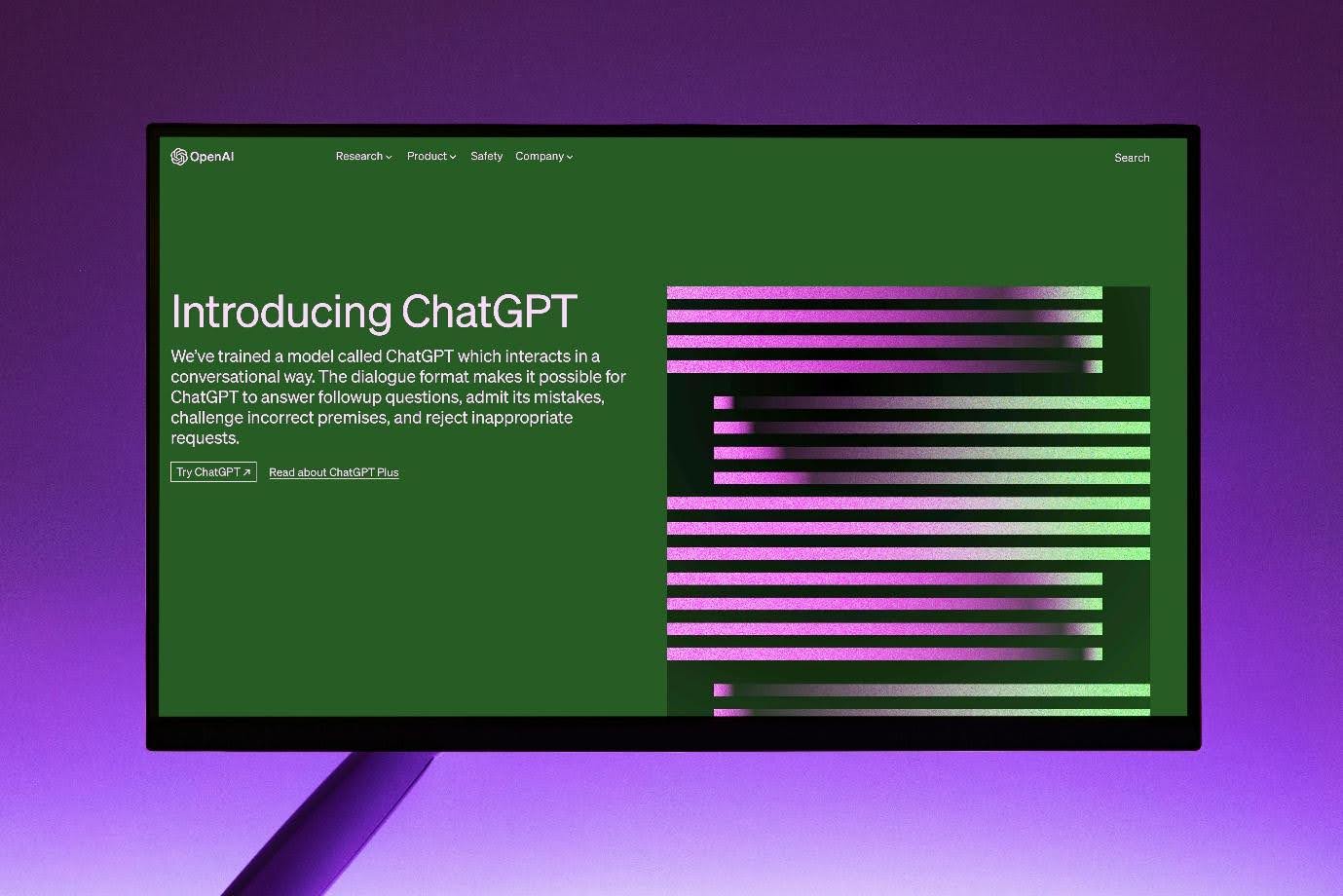
ChatGPT is still the most flexible and human-sounding ai text generator available today. It understands nuance, context, and follow-up instructions better than anything else I tested.
It’s especially strong for long-form content, brainstorming, rewriting, and conversational writing. You can talk to it like a person, refine ideas step by step, challenge its output, and guide the tone naturally. That back-and-forth is where ChatGPT really stands out.
Best use cases include blog posts, scripts, explanations, creative writing, and even outlining complex ideas.
2. Jasper — Best for Marketing and Brand Voice
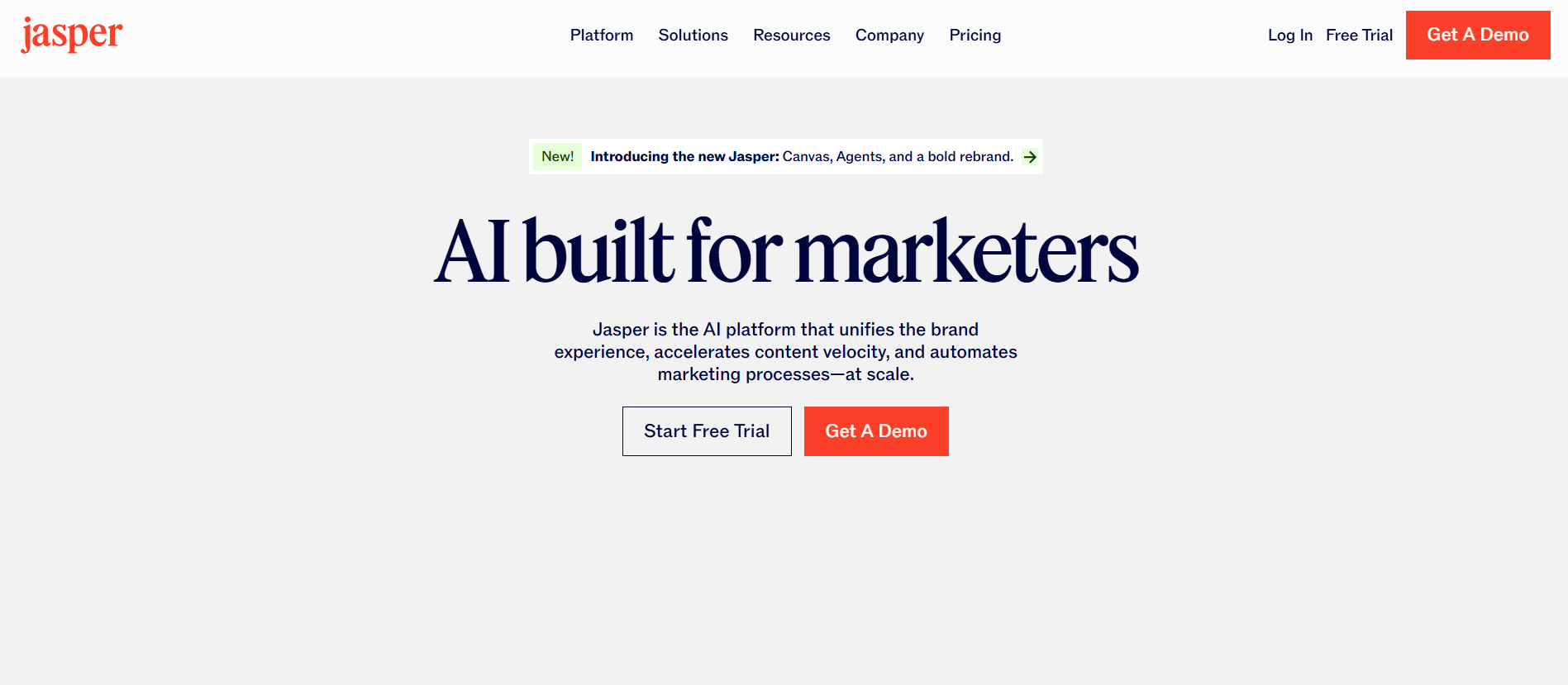
Jasper is built specifically for marketers and businesses. It shines when you need consistent brand tone across ads, emails, and landing pages.
It’s less conversational than ChatGPT but far more structured for commercial use. If you work in a team, manage multiple brands, or care deeply about conversion-focused copy, this is where Jasper earns its price.
3. Copy.ai — Best for Short-Form and Social Content

Copy.ai is fast, simple, and focused. It’s excellent for social media captions, product descriptions, ad variations, and quick ideas.
It’s not ideal for deep, thoughtful articles, but for speed and inspiration, it does the job well without unnecessary complexity.
4. Writesonic — Best for SEO and Blog Content
Writesonic is designed with SEO in mind. It handles blog outlines, headings, keyword placement, and structured writing better than most tools.
It’s a solid ai generator text option if your main goal is ranking content and you want help with organization from the start rather than editing everything later.
5. Claude — Best for Thoughtful, Long-Form Writing
Claude feels calmer, more reflective, and less salesy than many other tools. It’s excellent for essays, explanations, guides, and content that needs depth and clarity.
It avoids hype-heavy language, which makes it ideal for educational, analytical, or opinion-based writing.
6. Rytr — Best Budget-Friendly Option
Rytr is affordable, lightweight, and easy to use. It’s not the smartest tool on this list, but it’s consistent and reliable for basic tasks.
If you’re looking for a free ai text generator or a low-cost way to test AI writing without commitment, Rytr is a solid starting point.
7. GrammarlyGO — Best for Enhancing Existing Writing
GrammarlyGO isn’t meant for writing from scratch. It’s designed to improve what you already wrote.
It shines in rewrites, clarity improvements, tone adjustments, and polishing emails or professional messages where wording really matters.
AI Text Generator Comparison Overview
Each tool has a personality. Some think like marketers. Some think like writers. Others act more like editors. The best option depends on your workflow, goals, and how much control you want over the final result.
How to Choose the Best AI Text Generator for Your Needs
For Bloggers and Content Creators
Choose a tool that handles long-form content, understands context, and doesn’t lose quality halfway through. ChatGPT and Claude are strong choices here.
For Businesses and Marketers
If consistency, tone control, and conversion matter most, Jasper or Copy.ai will feel more aligned with your goals.
For SEO and Affiliate Content
Writesonic paired with ChatGPT can cover structure, keywords, optimization, and natural flow without sounding forced.
Pros and Cons of Using an AI Text Generator
The biggest advantage is speed. You move faster, publish more consistently, and reduce mental friction. The downside is over-reliance. Raw output without editing will almost always sound generic.
The sweet spot is collaboration — you think, plan, and decide, while the AI supports and accelerates the process.
Conclusion — Which AI Text Generator Should You Use?
There’s no single winner for everyone. If I had to choose one tool that adapts to almost any situation, it would still be ChatGPT. But the real power comes from understanding when and how to use each tool effectively.
Use AI to amplify your thinking, not replace it. The best results happen when human judgment and AI efficiency work together.
Find More: Boost Your Sales With SEO Services
FAQs
1. What is the best AI text generator right now?
For flexibility, quality, and natural writing, ChatGPT is currently the strongest all-around option for most users.
2. Can an AI text generator really write better than humans?
It can write faster and sometimes clearer, but great writing still needs human judgment, emotion, experience, and intent.
3. Is AI-generated content safe for SEO?
Yes, as long as it’s edited, useful, original, and written for people first — not just search engines.
4. Are there free AI text generators?
Yes. Several tools offer free plans or trials, including ChatGPT, Rytr, and Copy.ai.
5. How do I make AI-generated text sound more human?
Use clear prompts, add personal context, rewrite key sections, and never skip editing. AI is a draft partner, not a final editor.