UK: +44 2038074555 info@atamgo.com
Composable Commerce Unleashed: Transforming Your SAP Tech Stack for Adaptive Business Strategies

Composable Commerce Unleashed: Transforming Your SAP Tech Stack for Adaptive Business Strategies

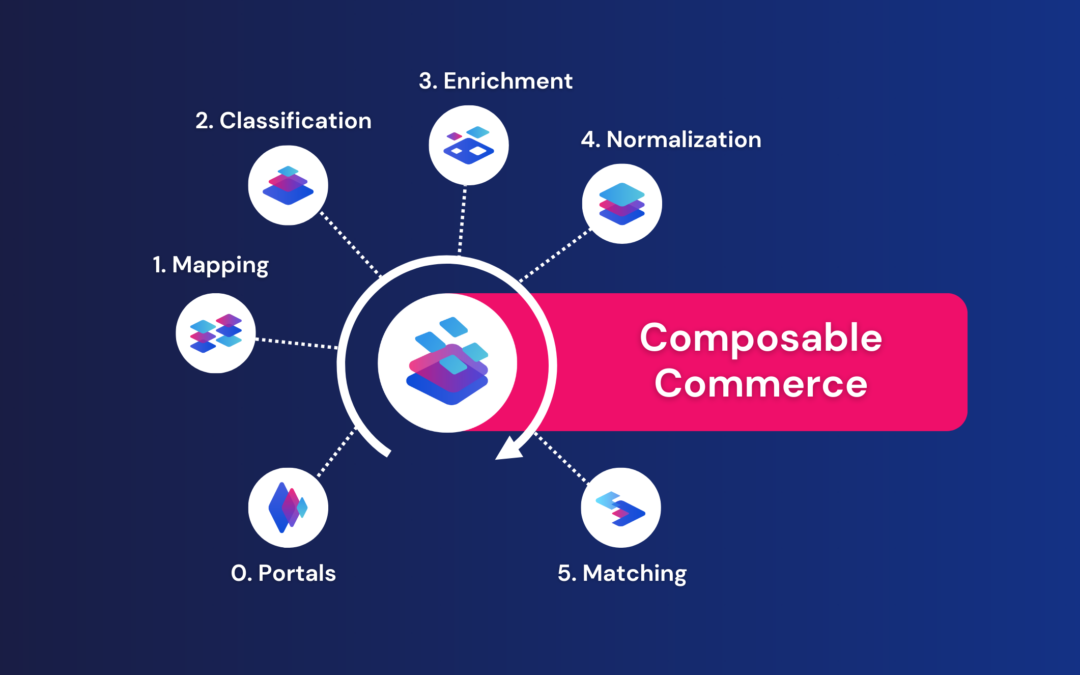
Composable Commerce

Are you up-to-date on the latest SAP technology evolution? In an age where customers’ needs are rapidly shifting and competition is becoming more sophisticated, one strategy for business success stands out: composable commerce. 

By leveraging your existing investments in SAP upgrades while building new tools to meet customer demands at any moment, this approach enables proactive strategies that promise steady financial returns. Today, we’re taking a closer look at how composable commerce can give you complete control of your SAP tech stack for adaptive future planning. Fasten your seatbelt – it’s time to explore the potential of this revolutionary strategy.

What is Composable Commerce and Why it’s Transforming Your SAP Tech Stack

The commerce landscape changes rapidly, and businesses must adapt to stay competitive. One innovation that is transforming the tech stack of organizations is composable commerce. Simply put, composable commerce is an approach that enables businesses to build their commerce stacks from a range of loosely coupled, modular applications and services. This approach allows companies to easily add and remove elements of their tech stack as their needs change while also reducing the risk of vendor lock-in.

For SAP users, embracing composable commerce means unlocking new flexibility and agility when building and managing their commerce applications. By adopting a composable approach, businesses can avoid the headache of managing legacy software and instead focus on creating a lean, adaptable, and extensible commerce stack. Composable commerce SAP applications are built with a service-oriented architecture, meaning they can be easily integrated with other systems and modified to meet evolving business needs.

How to Leverage Composable Commerce for Adaptive Business Strategies

Composable commerce provides businesses with a competitive edge by enabling them to quickly adapt to changing customer demands and market trends. With the ability to easily add or remove components from their tech stack, businesses can stay agile in a constantly evolving marketplace. It is crucial for SAP users, as it allows for seamless integration of new technology solutions while leveraging existing investments.

But what does this mean in practice? For example, suppose your business decides to expand into a new market or launch a new product line. In that case, you can use composable commerce to quickly add the necessary functionality to support these initiatives without overhauling your tech stack completely. This flexibility allows businesses to respond rapidly and efficiently to customer needs while minimizing risk and cost.

Critical Benefits of Composable Commerce in the SAP Context

As businesses continue to navigate the ever-changing e-commerce landscape, composable commerce has emerged as a powerful solution to the challenges companies face. In the SAP context, composable commerce allows for integrating multiple systems and technologies to create a flexible, customizable platform that meets the unique needs of a business.

At its core, composable commerce enables companies to quickly adapt to changing market conditions, scale their operations more efficiently, and ultimately deliver a better customer experience. With the ability to layer and replace components as needed, composable commerce offers businesses greater flexibility and agility in a rapidly evolving industry. By embracing this approach, SAP users can streamline their operations, reduce costs, and drive growth in the years ahead.

Best Practices and Challenges When Implementing Composable Commerce

While composable commerce offers many benefits, it is essential to note that there are also challenges that businesses may face when implementing this approach. One key challenge is ensuring proper integration and compatibility between different components of the tech stack. It requires careful planning and coordination between teams to ensure a seamless transition.

In addition, businesses must also consider factors such as data security and privacy when leveraging composable commerce. With multiple systems and technologies being integrated, it is crucial to have proper measures in place to protect sensitive customer information.

To successfully implement composable commerce in the SAP context, businesses should follow certain best practices. These include conducting thorough research on available solutions, evaluating their current tech stack, identifying areas for improvement, and involving all relevant stakeholders in decision-making processes.

Achieving Maximum ROI Through Composable Commerce

By embracing composable commerce and transforming their SAP tech stack, businesses can achieve maximum ROI through increased agility, scalability, and cost savings. With the ability to quickly adapt to changing market conditions, companies can stay ahead of the competition and deliver a seamless customer experience that drives revenue growth.

Furthermore, with a modular approach to building their tech stack, businesses can avoid vendor lock-in and reduce the risk of costly software upgrades. It allows for more efficient use of resources and better budget allocation towards innovation and growth initiatives.

What’s Next For SAP Technology And The Future Of Composable Commerce

As the landscape of commerce continues to evolve, so too will the technology used to power it. In the SAP context, we expect to see continued innovation and advancements in composable commerce solutions. It will allow businesses to streamline their operations further and deliver even more personalized customer experiences.

Additionally, with the rise of technologies such as artificial intelligence and machine learning, we may see these capabilities integrated into composable commerce solutions to enhance business processes and decision-making further. Finally, as businesses prioritize flexibility and agility, we can expect composable commerce to become a standard approach in building and managing tech stacks for all types of enterprises.

By embracing this approach now, SAP users can future-proof their operations and stay ahead of the game in an ever-changing marketplace. So, businesses must stay informed about the latest advancements in composable commerce and be ready to adapt and evolve with these changes.

Composable Commerce

Optimizing Time: How to Manage Your Day as a Digital Marketer

Optimizing Time: How to Manage Your Day as a Digital Marketer

Digital Marketer

Introduction

In today’s fast-paced digital landscape, effective time management is the linchpin of success for digital marketers. As marketing methods constantly evolve, professionals in the field find themselves managing a diverse array of tasks, from crafting compelling content and analyzing data to staying updated with the latest SEO practices. Properly managing one’s time not only ensures that each task is given due attention but also maximizes productivity and ROI.

However, the digital world is not without its challenges. Digital marketers often face a barrage of tasks that demand simultaneous attention. The very nature of online marketing—real-time interactions, instant feedback loops, and the non-stop influx of data—makes it both exciting and overwhelming. Additionally, with the explosion of social media platforms and the constant need for fresh content, the challenge to prioritize and allocate time efficiently becomes paramount. 

In the face of such challenges, how can a digital marketer ensure they’re making the best use of their time? This guide delves deep into the techniques and tools that can help streamline your daily routine, allowing you to optimize your efforts and achieve better results. 

Understanding the Digital Marketer’s Role

In the bustling realm of the digital world, the role of a digital marketer is both diverse and crucial. They wear many hats and juggle a plethora of responsibilities that drive online presence and business growth. 

  1. Content Creation: At the heart of digital marketing lies content. Whether it’s blog posts, videos, or infographics, a digital marketer crafts compelling narratives that resonate with the target audience, building trust and engagement.
  1. Social Media Management: The digital marketer harnesses the power of platforms like Facebook, Twitter, and Instagram. They curate content, interact with followers, and amplify the brand’s voice, ensuring it reaches the corners of the vast social media universe.
  1. Email Marketing: Far from being obsolete, email remains a potent tool. Digital marketers design newsletters, promotional campaigns, and personalized messages, turning the humble inbox into a hub of conversion.
  1. Analytics and Reporting: Beyond creativity, digital marketing is a game of numbers. Marketers analyze data to gauge campaign effectiveness, user engagement, and ROI, using tools like Google Analytics to refine strategies and maximize impact.
  1. SEO and SEM Strategies: Visibility on search engines is paramount. Through search engine optimization (SEO) and search engine marketing (SEM), digital marketers ensure that the brand appears prominently when users seek related content.

Time Management Techniques for Digital Marketers

In the world of digital marketing, managing your time efficiently is vital for success. Even an online accountability coach would emphasize the importance of mastering the art of time management. Let’s dive into some proven techniques: 

  1. The Eisenhower Box: This method helps in distinguishing tasks based on their urgency and importance. It’s a simple yet effective way to decide on what needs immediate attention and what can wait. Many accountability coaches suggest this technique to streamline day-to-day tasks.
  1. The Pomodoro Technique: Named after the Italian word for ‘tomato’, this method involves breaking your work into 25-minute intervals (known as Pomodoros) followed by a 5-minute break. It keeps you focused and prevents burnout.
  1. Time Blocking: Allocate specific blocks of time for designated tasks. For instance, set aside the first two hours of your workday solely for content creation, followed by an hour for email marketing. This ensures that every task gets undivided attention.
  1. Setting SMART Goals: Every digital marketer should be familiar with SMART – Specific, Measurable, Achievable, Relevant, Time-bound. It provides a clear roadmap of what needs to be done, ensuring you’re always on the right path.
  1. The 2-Minute Rule: As the name suggests, if a task takes less than 2 minutes to complete, do it immediately. It’s a favorite among accountability coaches, helping to clear small tasks that can otherwise pile up.

Leveraging these techniques, along with guidance from an accountability coach, can significantly optimize your productivity as a digital marketer. Always remember, time saved is time earned. 

Managing Distractions in the Digital Space

In the bustling realm of digital marketing, distractions are abundant. Every chime of an email notification or the tempting allure of social media updates can pull a digital marketer away from their core tasks, making the day less productive. 

Firstly, recognizing these distractions is pivotal. For digital marketers, common disruptions include incessant emails, impromptu team chats, trending social media updates, and even the rabbit hole of online research. When you know what sidetracks you, you’re better equipped to address it. 

Combatting these interruptions requires deliberate actions. One proven method is creating a dedicated workspace. This physical boundary helps mentally segregate ‘work’ from ‘play’, making it easier to stay on track. If online temptations loom large, consider utilizing apps like ‘Cold Turkey’ or ‘Freedom’. These tools block access to distracting websites during work hours, ensuring you remain focused. Moreover, to prevent the constant ping of emails or social media notifications, allocate specific windows in your day exclusively for these tasks. By setting aside, say, 10 am and 3 pm for checking emails, you’re not continually diverted throughout the day. 

Long-term Planning and Goal Setting in Digital Marketing

In the dynamic world of digital marketing, forward-thinking and meticulous planning are essential. At the heart of this planning lies the invaluable content calendar. A content calendar not only organizes your marketing activities but also ensures consistency, the lifeblood of effective brand messaging. Think of it as a roadmap; it allows marketers to visualize their content distribution throughout the year, aligning with company goals, seasonal trends, and key dates. 

However, simply having a content calendar isn’t enough. The digital marketing landscape is ever-evolving, with new platforms, algorithms, and consumer behaviors emerging frequently. Thus, marketers must make it a habit to periodically review and update their strategies. What worked a few months ago might not be effective today. Regular audits can highlight successes to replicate and areas needing adjustment, ensuring that your marketing efforts aren’t just active, but effective and ROI-positive. 

Lastly, the most successful digital marketers know that resting on one’s laurels in this industry is a recipe for obsolescence. Setting aside time for continued learning and staying updated with industry trends is non-negotiable. Whether it’s subscribing to industry news, enrolling in online courses, or attending webinars, dedicating time to expand one’s knowledge base can be the distinguishing factor between an average marketer and a standout digital marketing guru. 

Conclusion

In the whirlwind world of digital marketing, where trends shift rapidly and tasks can easily pile up, effective time management isn’t just a luxury—it’s a necessity. We’ve ventured through the multifaceted landscape of a digital marketer’s day, shedding light on the pressing importance of handling one’s time efficiently. From crafting the perfect social media post to diving deep into analytics, each task carries its weight, and mishandling even one can ripple through a campaign’s success. 

But mastering time isn’t a one-time affair. The digital realm is ever-evolving, and so too should our approaches to managing our days. It’s not just about finding a system that works now, but about being open to the idea that as the landscape changes, so might our methods. The tools that serve us today might be obsolete tomorrow, and the strategies we swear by now might need a fresh touch in the future. 

Therefore, as you chart your journey in the vast seas of digital marketing, remember to hold your time in high regard. Respect it, nurture it, and most importantly, be willing to adapt in how you command it. Because in a world where time is money, the best investment a digital marketer can make is in refining how they spend each minute. Embrace change, keep refining your time management strategies, and you’ll not only sail smoothly but also lead the way for others to follow.

How to Set Up Your Digital Storefront for Maximum Conversions

How to Set Up Your Digital Storefront for Maximum Conversions

Digital Storefront

Standing out amidst the growing competition in the eCommerce market requires more than just a great product. You need an impressive digital storefront and spot-on marketing efforts that can fetch you leads who get converted into paying customers.  

Therefore, when setting up a storefront, it’s essential to optimize resources and focus on efforts that priortize the principles of revenue marketing. These principles focus efforts that directly impact revenue and push ROI. Usually, digital storefront marketers may limit their KPIs to visitors, but it is best to adopt a cohesive revenue marketing philosophy where the sales and marketing teams work together to achieve the goal of maximum conversion. 

You can consider Google Analytics for standard reference to consider sales transactions at the digital storefront. Google defines an eCommerce conversion rate in percentage, measured based on the relationship between transactions and sessions.  

For instance, if you get two transactions for every ten sessions, your conversion rate would be 20%. 

For reference, eCommerce websites have a conversion rate of 1.84% – 3.71%, and Unbounce’s Conversion Benchmark Report suggests that catering & restaurant sites top with an average conversion rate of 9.8%. This means even 5 % of conversion would be a significant achievement for your digital storefront. 

So, let’s scratch the surface and find out how you can set up your digital storefront with the intent to drive maximum conversions.

Ensure responsive design

Over half of the global website traffic came from mobile devices. Therefore, ensure your site looks and functions well on mobile or be prepared to lose out on many potential customers. Aim to offer users an intuitive storefront design that makes finding what they want easy. 

There are a few things to do here. 

Choose a responsive theme: Most modern website builders like Shopify, WordPress with WooCommerce, Wix, etc., offer responsive themes right out of the box. These themes ensure a seamless mobile viewing experience without many glitches. 

Test on multiple devices: You’d need to regularly test your website on different screen sizes and devices, including smartphones, tablets, and desktops. This is to provide a native experience to audiences across the devices. 

Avoid large files: Large media images can slow down your site, especially on mobile. Therefore, compress images and avoid unnecessarily large scripts that can spoil the mobile experience.

Optimize keywords

Keyword optimization can be a part of a greater SEO strategy for your digital storefront that helps enhance its online presence. Using the right keywords for relevant products makes it easy for potential customers to find the product they want, ultimately inching towards conversion.  

Once you follow the keywords optimization strategy, the next step is to enhance your digital storefront’s content and meta descriptions. For this, you may consider working with digital marketing experts who leverage WordPress editorial collaboration tools for agencies and streamline content creation.  

Different team members can contribute simultaneously to provide your storefront with consistent product descriptions, meta descriptions, and more. This makes it easier for teams to work together and maintain a uniform tone and style throughout the site. 

Here are a few of the to-do’s to consider. 

Keyword research: Leverage tools like Google Keyword Planner, SEMrush, Ahrefs, or Ubersuggest to identify keywords relevant to the products listed on your digital storefront. Ideally, you’d search for “long-tail” keywords with more specific search intent, which are less competitive and can drive highly targeted traffic. 

Product titles: Include keywords in your product title and ensure they are clear, concise, and contain the main keyword for the product. 

Product descriptions: Integrate keywords naturally for the product descriptions while ensuring they remain user-friendly and SEO-optimized. 

Meta tags: This includes the meta title and meta description. They should be relevant, compelling, and keyword-optimized. 

  • Meta title: A concise title that describes the page. It should be under 60 characters.
  • Meta description: A summary of the page’s content. It should be under 160 characters and should entice users to click.

High-quality image

The digital storefront having high-quality images helps users see product details better, which can build trust and set expectations. Such images can provide a virtual touch-and-feel experience that can fill the void of physical touch since they can’t physically touch or try the product. 

You can provide a high-quality image by following some of the actions below. 

Opt for professional photography: Spare some budget to invest in professional product photography. Ensure good lighting and background that adds a significant difference. 

Shoot from multiple angles: Show the product from various angles. For clothing, this could be front, back, and side views. 

Add zoom functionality: Provide the zoom-in/zoom-out functionality that helps users see the finer details of the product. 

Consistent presentation: Ensure all product images have a consistent style, background, and size for a unified look.

Aim for fast loading times

Lastly, consider the site speed aspect when starting a digital storefront since it can affect the user experience, influencing conversion rates. Slow-loading site frustrates users, leading them to leave without purchasing. 

Also, site speed is one of the major factors that Google considers for SEO ranking faster, as websites tend to rank higher in search results, leading to more organic traffic. As for the conversion, research shows that even a one-second delay in page load time can lead to a 7% reduction in conversions. 

Here are some of the ways you can offer quicker page load times: 

Image optimization:

  • Tools like TinyPNG or Compressor.io can help compress images without losing quality.
  • Use responsive images so mobile users don’t need to download desktop-sized images that can fasten their product navigation.
  • Leverage lazy loading, wherein images can load only when they are about to become visible to the user.

Reduce server response time:

  • A high-quality host can offer a virtual private server (VPS). Alternatively, a dedicated WordPress hosting is recommended if you’re on shared hosting.
  • Consider using a Content Delivery Network (CDN) like Cloudflare or Akamai since it helps deliver your content from the server closest to the user to reduce load times.

Minify CSS, JavaScript, and HTML:

  • Use tools like UglifyJS for JavaScript and CSSNano for CSS to compress your code size.

Leverage browser caching

  • Set the expiry date or maximum age in the HTTP headers by instructing browsers to use previously downloaded resources from the local disk rather than fetching them over the network. This will increase the site speed, providing a smooth shopping experience to users.

Over to you

Creating a high-converting digital storefront requires careful consideration, continuous iteration, and a keen understanding of your audience’s needs. We have covered what should be the bare basics of creating a digital storefront with a focus on better user experience. But you’ll need to discover plenty of other factors and try to maximize digital storefront conversions.

Building Your Brand through Effective Web Design | Expert Tips & Strategies

Building Your Brand through Effective Web Design | Expert Tips & Strategies

Effective Web Design

A strong brand presence is crucial in the digital age. In a mere 0.05 seconds, visitors can develop an impression of a website. A well-designed website establishes a brand identity. Good web design is more than looks. It must strategically connect with users. People form first impressions fast. Creating a catchy and easy-to-use website is crucial to entice visitors. Read on for pro tips on branding through web design. 

We’ll discuss vital factors for a strong web presence: consistent branding, easy navigation, mobile-friendly design, striking visuals, and compelling content. These tactics can boost credibility, engagement, and conversions. Let’s unlock effective web design to strengthen your brand identity.

How Does Website Design Help Build Your Brand?

A reputable website design Canberra company can help you to establish your brand by creating a perfect website design. Creating an impressive online presence enhances your brand’s reputation and boosts its competitiveness.

Website design builds your brand in several ways:

  • First Impressions

Potential clients first see your website. Visitors are drawn to your brand by a well-designed, visually appealing website. Colors, typefaces, and graphics that match your brand identity create a cohesive and memorable experience. Hiring a skilled wordpress web designer can ensure your site reflects your brand perfectly.

  • User Experience

A significant proportion of customers, approximately 31%, give high priority to a website’s captivating user experience. Well-designed websites provide a smooth user experience. Intuitive navigation, clear information architecture, and logical flow boost user happiness. Visitors trust your brand when they can quickly find what they need and browse your website.

  • Brand Consistency 

Your website represents your brand. You provide a consistent brand experience across touchpoints using your logo, color palette, and voice. Design consistency lends credibility to your brand. By leveraging WordPress development services, you can easily manage content, implement custom features, and maintain a consistent brand experience across your website.

  • Differentiation 

Good Shopify Web Design Services sets your brand apart. You may use unique design elements, storytelling approaches, and interactive features to differentiate your brand. A well-designed website conveys your brand’s distinct value proposition and captures its uniqueness.

  • Conversion Optimization 

A strategic website considers user behavior and conversion optimization. Call-to-action buttons, persuasive messaging, and well-placed contact forms can help visitors take desired activities like buying, signing up for a subscription, or contacting your business. Conversion-optimized websites boost businesses and establish brands.

What Things to Keep in Mind for Your Brand Website?

In this section, we’ll discuss website development. Consider factors before working on your site. Here are 8 critical points for designing a website.

  • Branding Elements

A paramount element in establishing a robust online identity is maintaining consistent branding across one’s website. Employing a logo, color palette, typography, and imagery to endorse brand identity and establish an integrated visitor experience is crucial. Employing a logo design, color palette, typography, and imagery to endorse brand identity and establish an integrated visitor experience is crucial.  Maintaining a consistent brand image enhances the ability of customers to remember, trust, and professionally perceive the brand.

Moreover, it serves the purpose of distinguishing your brand from its competitors through the utilization of distinct visual communication. Maintaining a consistent approach reinforces establishing a distinct brand personality, generating a marked and enduring resonance with the audience.

To further strengthen brand identity, consider aligning physical brand assets with your values. For example, using eco-friendly trophies for awards and recognition reinforces a commitment to sustainability while elevating your brand’s image. These thoughtful, environmentally conscious choices help create a lasting impression both online and off.

  • Clear Messaging

Effective messaging is critical for branding and connecting with your website’s audience. Use concise and compelling copy to tell your brand’s story. Articulate vital messages & unique selling points to stand out. Use headlines, taglines & subheadings for attention and effectiveness. 

By telling your brand’s story and value proposition clearly and effectively, you engage visitors and establish a connection, leading them to take desired actions and build brand loyalty.

  • User-Centered Design

The user-centered web design prioritizes users’ needs, preferences, and behaviors for a successful website. Tailor the website to the audience. Intuitive nav and organized content = user-centered design. Make finding what visitors want easy to enhance their experience and encourage exploration. 

Clear calls-to-action and user-friendly interfaces help drive conversions and achieve business goals. A user-centered approach creates a website that engages your audience and enhances your brand-user relationship.

  • Visual Appeal

Including high-quality visuals is indispensable in ensuring visitors’ attraction and continued engagement with a website. Incorporating superior-quality visuals such as graphics, videos, and images may enhance the user experience. Select visually appealing elements that align with your brand identity and will likely resonate with your intended audience.

The employment of meticulous design elements and strategic visual organization results in a captivating website. Enhancing the user experience through high-quality visuals becomes more efficient and effective when using a website builder that simplifies the design process. Consistent visual elements reinforce brand identity, creating a memorable and captivating website experience that strengthens brand image. 

  • Speed and Performance

Fast loading times improve user experience and brand perception on websites. Optimize loading speed to avoid frustration.

Fast websites attract users and promote engagement. Compress images, minify code, and cache frequently accessed data. Optimizations reduce load times, enhance user interactions, and improve satisfaction, encouraging further exploration of your brand.

  • Call-to-Action

CTA buttons guide visitors toward actions, drive conversions, and achieve business goals. Effective CTAs prompt visitors to take action through engaging copy and visually appealing design. Strategically place CTAs on key pages to increase conversions. 

A strong CTA communicates benefits and provides a seamless pathway to action. Optimize CTAs for a user-friendly, conversion-focused website that drives measurable results.

  • Analytics and Optimization

Use analytics tools to track visitor behavior, engagement, and conversion metrics for website performance improvement. Analyzing data helps understand users and optimize website aspects. Identify high bounce rates, drop-off areas, and popular content. 

Optimize, experiment, and test changes for better performance, conversions, and user experience. Analytics and optimization enhance your website, ensuring it meets user and business goals. Continuously monitor and improve for better outcomes, user satisfaction, and competitive advantage. 

How Can Web Design Companies Help?

Web design firms offer expert assistance for impactful websites. They deliver various services for smooth site development. Companies such as Property Stream illustrate how tailored solutions can meet the needs of specific industries while maintaining strong brand identity. Web design companies employ professionals with specialized skills in graphic design, UX design, coding, and content creation who collaborate harmoniously to create aesthetically pleasing designs that are consistent with the client’s brand identity and successfully engage their target audience. Web design companies employ professionals with specialized skills in graphic design, UX design, coding, and content creation who collaborate harmoniously to create aesthetically pleasing designs that are consistent with the client’s brand identity and successfully engage their target audience.

  • The entities operating in the web design domain engage in tailoring visual and structural arrangements, fine-tuning user interaction, and maintaining up-to-date knowledge of the latest advancements and developments in web technology. 
  • By harnessing their proficiency in responsive design, mobile optimization, and search engine optimization (SEO), enterprises can ensure the creation of websites that are easy to access, user-centric, and primed for high visibility on search engines.
  • Web design agencies conduct investigative research and thorough analysis to determine the intended market, rival entities, and prevalent patterns, formulating an optimal website game plan that aligns with the client’s objectives.
  • Collaborating with a web design company offers businesses a dedicated team for all aspects of website development whether it be the role of web developer or web designer, including usability testing and feedback to improve performance. Web design companies bring expertise, creativity, and industry knowledge to create successful websites, allowing business owners to focus on core operations. 

Conclusion

Effective web design builds your brand and engages your target audience. Branding, clear messaging, user-centered design, visual appeal, speed, and strategic CTAs are critical. Optimize using web analytics for continuous improvement based on data. 

To boost your brand’s online presence, focus on credibility, connection with the audience, and differentiation from competitors through your website. It increases conversions. Embrace effective web design to enhance your digital brand identity.

Essential Skills for Digital Marketers: What to Learn in a Digital Marketing Course

Essential Skills for Digital Marketers: What to Learn in a Digital Marketing Course

Digital Marketing Course

Introduction 

In today’s rapidly evolving digital landscape, businesses must adapt their marketing strategies to stay competitive. Digital marketing has become an integral tool for reaching target audiences effectively. To excel in this field, digital marketers need to equip themselves with a range of essential skills. One of the best ways to acquire these skills is through online digital marketing courses. Online courses have several advantages, such as working during flexible hours and learning at your own pace. In this article, we will explore the key skills that aspiring digital marketers should learn in such courses, empowering them to navigate the ever-changing world of digital marketing successfully. 

Understanding the Digital Marketing Landscape 

Before diving into specific skills, it’s crucial to grasp the fundamentals of digital marketing. A solid foundation in digital marketing basics will provide the necessary context for the skills discussed later in the article. Digital marketing basics encompass a wide range of concepts and strategies that form the backbone of successful online marketing campaigns. Some of the core areas covered in digital marketing courses include: 

Market Research and Analysis 

Market research and analysis are essential for understanding target markets, consumer behaviors, and competitive landscapes. Digital marketers need to learn how to conduct thorough market research to identify their target audience’s preferences, needs, and pain points. This knowledge helps in creating effective marketing campaigns that resonate with the target audience. 

Content Marketing 

The goal of content marketing is to create and distribute valuable, relevant, and consistent content in order to attract and engage customers. Digital marketers need to learn how to craft compelling content that aligns with the brand’s messaging and objectives. They should understand the principles of storytelling, brand voice, and content optimization techniques for various digital platforms

Search Engine Optimization (SEO) 

SEO is the practice of optimizing websites and content to rank higher in search engine results. Digital marketers should learn how to conduct keyword research, implement on-page and off-page SEO strategies, and monitor website performance using analytical tools. A strong understanding of SEO is crucial for driving organic traffic and improving online visibility. 

Social Media Marketing 

Social media platforms have become powerful marketing channels for businesses of all sizes. Digital marketers should learn how to leverage social media to build brand awareness, engage with customers, and drive website traffic. Understanding the nuances of different social media channels, developing effective social media campaigns, and managing online communities are key skills in this area. 

Pay-Per-Click (PPC) Advertising 

PPC advertising interests placing ads on search engines, social media platforms, and other websites, paying only when users click on them. Digital marketers should learn how to develop and manage PPC campaigns, conduct keyword research, and optimize ad targeting to maximize return on investment (ROI). 

Email Marketing 

Email marketing is a decisive tool for nurturing leads, driving conversions, and building customer loyalty. Digital marketers should learn how to build targeted email lists, design compelling email campaigns, implement personalization and segmentation techniques, and analyze email campaign metrics. Mastery of email marketing helps in developing effective communication strategies and fostering customer relationships. 

Web Analytics 

Web analytics provides valuable insights into website performance, user behavior, and conversion rates. Digital marketers should learn how to track website traffic, set up goals and funnels, and analyze data using tools like Google Analytics. This data-driven approach helps in making informed marketing decisions, optimizing website performance, and refining marketing strategies. 

Advanced Digital Marketing Skills 

Once a solid foundation is established, digital marketers can explore more advanced skills to stay ahead of the competition and achieve exceptional results. These skills enable marketers to leverage emerging trends and technologies effectively. Some advanced skills that aspiring digital marketers should consider learning include: 

Marketing Automation 

Marketing automation involves using software tools to automate repetitive marketing tasks, such as email campaigns, social media posting, and lead nurturing. Digital marketers should learn how to implement marketing automation tools, create personalized customer journeys, and integrate automation with other digital marketing channels. 

Conversion Rate Optimization (CRO) 

CRO focuses on improving the percentage of website visitors who take desired actions, such as making a purchase or filling out a form. Digital marketers should learn how to analyze user experience, conduct A/B testing, and implement changes to increase conversion rates. Techniques like heat maps, user feedback, and usability testing are valuable in optimizing user flow and minimizing bounce rates. 

Data Analysis and Interpretation 

As digital marketing becomes increasingly data-driven, digital marketers should develop proficiency in data analysis tools and techniques. They should learn how to extract meaningful insights from complex data sets, apply statistical analysis to measure marketing campaign effectiveness and use data to make informed decisions. 

Mobile Marketing 

With the rise of mobile usage, digital marketers should understand the unique aspects of mobile marketing and mobile user behavior. They should learn how to optimize websites and campaigns for mobile devices, leverage mobile apps, and implement location-based marketing strategies. 

Influencer Marketing 

Influencer marketing involves partnering with influential individuals to promote products or services. Digital marketers should learn how to identify relevant influencers, build partnerships, and develop influencer marketing campaigns that align with brand values. Measuring the impact and return on investment (ROI) of influencer collaborations is also crucial. 

Emerging Trends and Specializations in Digital Marketing 

As digital marketing continues to evolve, new trends and specializations are emerging that digital marketers should be aware of. These trends often reflect changes in consumer behavior, advancements in technology, and shifts in the digital landscape. Some noteworthy trends and specializations include: 

Voice Search Optimization 

With the rise of voice-activated devices like smart speakers and virtual assistants, optimizing content for voice search has become crucial. Digital marketers should learn how to optimize their websites and content to answer voice-based queries effectively, considering the differences in language and search patterns compared to traditional text-based searches. 

Video Marketing 

Video content, especially with unlimited video editing, has become increasingly popular and engaging across digital platforms.. Digital marketers should learn how to create compelling video content, optimize videos for search engines, and leverage video marketing strategies to connect with their audience. Understanding the intricacies of video production, storytelling, and video distribution platforms is essential in this specialization. 

Social Media Advertising 

Social media advertising has evolved beyond organic reach. Digital marketers should learn how to effectively utilize paid social media advertising options, such as Facebook Ads, Instagram Ads, and LinkedIn Ads. Understanding audience targeting, ad formats, and campaign optimization techniques is crucial to drive desired results in social media advertising. 

Artificial Intelligence and Machine Learning 

Artificial Intelligence (AI) and Machine Learning (ML) are revolutionizing the digital marketing landscape. Digital marketers should familiarize themselves with AI and ML technologies to leverage predictive analytics, personalized recommendations, chatbots, and automation tools. Understanding how to apply AI and ML in marketing strategies can enhance customer experiences and improve overall campaign effectiveness. 

E-commerce Marketing 

With the rapid growth of online shopping, digital marketers should acquire specialized skills in e-commerce marketing. This includes understanding customer journey mapping, cart abandonment strategies, product recommendations, and optimizing the checkout process. Digital marketers should learn how to drive traffic, increase conversions, and build customer loyalty within the e-commerce space. 

Mobile App Marketing 

As mobile apps become increasingly prevalent, digital marketers should learn how to promote and market mobile applications effectively. This involves understanding app store optimization (ASO), mobile app analytics, in-app advertising, and push notification strategies. Mastering mobile app marketing enables digital marketers to leverage the immense potential of the mobile app market. 

Continual Learning and Adaptability 

Digital marketing is a dynamic field that constantly evolves alongside technological advancements and changing consumer behaviors. To stay ahead, digital marketers must embrace a mindset of continual learning and adaptability. In addition to completing Online Digital Marketing Courses, it’s essential to stay updated on industry news, follow thought leaders, and actively engage in networking opportunities. 

Moreover, digital marketers should experiment with new strategies, analyze data, and stay attuned to emerging trends. This willingness to adapt and innovate ensures that digital marketers can effectively navigate the ever-changing digital landscape, maximize opportunities, and achieve long-term success. This willingness to adapt and innovate ensures that digital marketers can effectively navigate the ever-changing digital landscape, maximize opportunities, and achieve long-term success, positioning them as prime candidates for CMO headhunters seeking to build top-performing marketing teams.

Conclusion 

Digital marketing is a multifaceted domain that requires a diverse set of skills to succeed. Online digital marketing courses provide a structured learning environment to acquire these essential skills, ranging from the fundamentals of digital marketing to advanced techniques and specializations. By understanding the digital marketing landscape, mastering core concepts, and keeping abreast of emerging trends, aspiring digital marketers can position themselves for success in an increasingly competitive industry. Remember, the key lies in continuous learning, adaptability, and a passion for leveraging digital tools to connect with audiences and drive business growth.


About the Author

Nisha Nemasing Rathod works as a Technical Content Writer at Great Learning, where she focuses on writing about cutting-edge technologies like Cybersecurity, Software Engineering, Artificial Intelligence, Data Science, and Cloud Computing. She holds a B.Tech Degree in Computer Science and Engineering and is knowledgeable about various programming languages. She is a lifelong learner, eager to explore new technologies and enhance her writing skills.

The Synergy of Content: Crafting SaaS Email Newsletters that Naturally Encourage Backlinks

The Synergy of Content: Crafting SaaS Email Newsletters that Naturally Encourage Backlinks

Email Newsletters

As an astute business owner or entrepreneur in the SaaS space, you are well aware of the power of email marketing in building and sustaining customer relationships. But did you know that the same emails you send to engage your audience can also be potent tools for acquiring high-quality backlinks? This is especially critical in today’s digital landscape where backlinks management plays a pivotal role in SEO and online visibility. Dive in to discover how you can craft SaaS email newsletters that not only captivate your readers but also encourage organic backlinks.

The Vital Role of the Email Newsletter in the SaaS Industry

The SaaS world is brimming with innovations and relentless competition. Here, an email newsletter isn’t just a medium to update customers about new features or changes but a potent tool for relationship-building. Beyond just open rates, the true metric of a successful newsletter is its ability to be shared, cited, and linked by authoritative platforms and individuals. Engaging newsletters, enriched with well-researched facts and fresh insights, often find their way into blogs, forums, and discussions, thereby acting as a catalyst for organic backlinking.

A Deep Understanding of Your Audience’s Needs

Empathy is at the heart of effective marketing. By stepping into your audience’s shoes, you can curate content that truly resonates. Begin by segmenting your email list based on factors like product usage, business size, or engagement levels. Furthermore, incorporating the right SaaS email marketing strategies can further tailor your approach, ensuring your messaging aligns perfectly with your audience’s needs.

For instance, a startup might value content around best practices and scalability, informed by tried-and-true SaaS tactics, while an enterprise could be more interested in advanced integrations or security features. Additionally, proactively seek customer feedback. Regular surveys, feedback forms, or even one-on-one interviews can offer invaluable insights into what your audience values, allowing you to fine-tune your content strategy and elevate the shareability of your newsletters.

Crafting a Linkable Email Newsletter: The Essentials

Creating a newsletter that people not only want to read but also share requires a blend of science and art. It starts with content relevance: What are the burning questions in your industry? What insights can you provide that few others are discussing? Incorporate industry reports, case studies, and actionable advice.

On the art side, visuals play an invaluable role. Integrate infographics, charts, or animations that break down complex topics into digestible, share-worthy content. Also, desktop and mobile optimization of your newsletter layout will ensure a seamless reading experience. A well-structured newsletter, coupled with compelling visuals and CTAs, fosters sharing.

These are the key components that make a newsletter share-worthy and ‘linkable’.

Content Relevance and Depth. Start by addressing pressing industry concerns. Instead of merely presenting news, offer in-depth insights and actionable solutions. Depth in content can position your newsletter as a trusted source, urging readers to share and link.

Incorporate Diverse Content Formats. Beyond text, mix in diverse formats like infographics, short explainer videos, and interactive quizzes. Using tools like Quiz Plugin WordPress or AI Quiz Generator, you can easily create engaging quizzes that not only captivate your audience but also make your content more shareable and memorable. Such varied content not only maintains engagement but also makes the information more digestible, promoting sharing.

Visual Appeal. Aesthetics matter. Use consistent color schemes and fonts that resonate with your brand identity. Charts and relevant images can enhance content understanding, making the reader’s journey more engaging.

Optimized Layout and User Experience. Ensure your newsletter is mobile-responsive. A clutter-free, well-structured layout encourages readers to delve deeper and increases the likelihood of them sharing the content.

Strategic CTAs. Guide readers subtly towards sharing with personalized CTAs. Instead of generic prompts, use engaging ones like “Spread the knowledge!” to motivate action.

Exclusivity and Anticipation. Offer content that’s exclusive to your newsletter subscribers, like early product access or unique insights. When readers feel they’re receiving unparalleled value, they’re naturally inclined to share. Teasing the next edition’s content can also build anticipation, ensuring continued readership.

Incorporate Effective Ad Strategies. Leveraging tools like white label Google ads can enhance your promotional efforts, driving more readers to your newsletter while maintaining your brand’s look and feel.

The Power of Data in Email Marketing

While intuition has its place, modern email marketing demands a data-driven approach. Tools like Google Analytics, Mailchimp, and HubSpot can shed light on which content gets the most clicks, shares, and engagement. Dive deeper by setting up A/B tests on subject lines, content formats, and CTAs to discern what truly captivates your audience. Over time, these insights will not only improve engagement rates but also enhance the likelihood of your newsletter being shared and linked.

Promoting Content that Beckons Shares and Links

While it’s crucial to keep content informative, infusing it with unique elements can drastically elevate its appeal. Consider creating a series of expert interviews, exclusive whitepapers, or even user-generated content. Hosting webinars and promoting them through newsletters can also be a goldmine for engagement. This level of exclusivity not only fosters reader loyalty but increases the chances of your content being cited by industry peers, bloggers, and influencers.

Amplifying Engagement: From Passive Readers to Active Promoters

Even the most captivating content can benefit from a nudge. Rather than hoping readers will share your content, make it effortless for them. Embed social sharing buttons within the newsletter, and occasionally run campaigns that reward users for sharing or referring friends. For instance, consider using tools like ReferralCandy and create a referral program where both the referrer and the new subscriber get access to premium content or discounts. Such strategies can transform readers from passive consumers to active brand ambassadors. If you wonder how it’s better to create a referral program, Check this step-by-step guide with examples.

Measuring, Analyzing, and Refining for Success

In the dynamic realm of email marketing, simply sending out newsletters is not enough. It’s the detailed analysis of their performance that can set you apart and maximize your results. And this is where email marketing statistics come into play, offering granular insights into how your content fares with your audience.

Holistic Analytics for Comprehensive Insights

Beyond just open rates or click-through rates, you should be asking: How many subscribers moved from your email to your website? Which specific sections or call-to-actions piqued their interest? Dive deep into these metrics to comprehend the user journey from the email click to website interaction. Make sure your website is secure for visitors and will serve the utmost experience. By getting a free VPS hosting, you will keep your servers safe and will maintain better control over them

Content Performance

As you study your email marketing statistics, identify which content topics or formats resonated the most. Was it a case study, a product update, or perhaps an industry insight that garnered the highest engagement? Recognizing these patterns will inform your future content strategies.

Link Tracking and Shareability

By leveraging tools like Ahrefs or SEMrush, you can track not only which links within your email were clicked but also which ones were shared externally. This gives you a window into what kind of content is seen as valuable enough to be shared, and thus, has potential to earn backlinks.

Feedback Loop

Email marketing isn’t a one-off endeavor. With every campaign, there’s an opportunity to learn and refine through collecting customer feedback. If a particular piece of content or a certain CTA led to increased website traffic, consider replicating that success in future campaigns. Conversely, if something didn’t resonate, dive into why it missed the mark and adjust accordingly.

Conclusion

In the dynamic digital age, astute SaaS businesses have the unique opportunity to leverage their newsletters as a dual tool for both engagement and organic link-building. By melding data-driven strategies with unique content curation, you can craft newsletters that resonate deeply with your readers, encouraging them to not only stay loyal to your brand but also amplify its reach in the vast digital realm.