UK: +44 2038074555 info@atamgo.com
The Hidden Technical Roadblocks Affecting Crawlability and Indexation

The Hidden Technical Roadblocks Affecting Crawlability and Indexation

Technical Roadblocks

When it comes to SEO, most businesses focus on the more well-known aspects of it – keyword optimisation, content, and backlinks. But think of it this way: what good will that be if your content does not reach the right audience? The idea is to make sure that your content serves the very purpose that you had intended, and this can only happen when you also take into account the technical aspect of SEO. 

This is where crawlability comes in. Search engines should be able to crawl to your website and find it easily. That is the only way that your content can reach the right audience. 

Technical SEO is one of the most overlooked parts of optimization, despite being one of the most critical. No matter how strong your content strategy is, small technical errors can quietly erode results, leading to wasted crawl budgets and limited visibility. Search engines are also becoming smarter, which makes the structure of your site more crucial than ever. 

This is especially true for businesses using JavaScript-heavy frameworks, where indexing hurdles often raise the question, Why is MEAN/MERN Stack SEO challenging? These frameworks tend to load content client-side, which can delay or block crawlers from seeing vital information, ultimately reducing search performance. 

1. Poor Site Architecture and Internal Linking

Search engines will only be able to find your site if it is structured well and if there are no technical issues. Internal linking is also one of the most important factors that help search engines find your site. 

A flat architecture is great, since it allows search engines to find your homepage very easily. Deep structures tend to bury the content, which makes it all really hard. Furthermore, pages without internal links are also not visible, which is why it is highly recommended that all pages have internal linking done really well. The key is to regularly audit your internal linking and make sure that everything is done perfectly. 

2. Misconfigured Robots.text and Meta Directives

Any error in our robots.text file or meta directives can block search engines from crawling critical content. This is why you must make sure things are done in the right way. Accidentally disallowing entire directories can prevent crawlers from rendering pages correctly. You need to review your robots.txt files correctly and make sure that Google can easily crawl and index your pages. 

3. Slow Page Load Speeds

At the end of the day, it is all about providing customers with what they want. Customers can get really frustrated when the speed is low. So you have to make sure that speed is a ranking factor in terms of user experience. Slow loading speed eats into the crawl budget and also results in higher bounce rates. When you prioritize user experience in the best way, you can make sure that customers are happy and satisfied with what you are offering. Check to ensure that the server response time is doing alright. A weak hosting setup can cost you a lot. To fix this, try to compress images and consider a CDN to boost performance. 

4. Improper Canonicalization

Not all duplicate content is deliberate. For instance, filters and tracking parameters frequently result in duplicate product URLs on e-commerce websites. Crawlers may split ranking signals among duplicates or index the incorrect version of a page if adequate canonical tags are not used. To fix this, implement canonical tags and use parameter handling in the best way. Try to also ensure that HTTPs and non-HTTPS are consolidated so that there are no issues later on. 

5. Inefficient Use of Crawl Budget

The crawl budget has to be used very sensibly. This comes as part of your strategy, so you have to make sure that you focus on this and do it very well. Focus on never wasting the budget on low-value pages. This can prevent your content from being discovered. When pages are poorly structured, this eventually leads to the crawl budget being wasted because, despite you having that budget and spending, search engines cannot find you. Optimize the budget by consolidating thin content and ensuring that your sitemap focuses on priority URLs. 

The Way Forward

You need to bear in mind that crawlability and indexation are two of the most important parts of search visibility. Even if you put a lot of effort into your content strategy, it won’t bear fruit if you don’t have the technical aspects covered well. The idea is to spend and see results, also. When you overcome the hidden roadblocks, you will be able to achieve what you have in mind. Your content needs to get the visibility that it deserves, and that can only happen when you focus on the technical aspects of SEO.


7 Powerful AI SEO Tools For Small Business That Can’t Afford to Ignore

7 Powerful AI SEO Tools For Small Business That Can’t Afford to Ignore

ai seo tools for small business

Introduction

AI SEO tools for small business have become absolute game changers. If you’re running a small shop, an online store, or even just managing your local service business, you’ve probably felt how tough it is to compete with bigger brands online. You’ve likely tried the basics—writing blog posts, tweaking your website, maybe even running some ads—only to find yourself buried on page two or three of Google. It’s frustrating, right?

That’s where AI steps in. Instead of spending hours guessing at what might work, these tools actually show you data-backed recommendations that can immediately move the needle. They analyze competitors, uncover hidden keyword opportunities, and even help you write content in half the time. In other words, AI SEO tools don’t just save you time—they give you a fighting chance against businesses with far more resources.

Think of it this way: a decade ago, only enterprise-level companies could afford access to deep SEO data and consultants. Now, with the best AI SEO tools for small businesses 2025, even a solo entrepreneur can understand search intent, optimize content, and outmaneuver local competition. And it’s not just about rankings—it’s about driving qualified traffic that actually converts into paying customers. For small businesses aiming to maximise AI-driven search performance, it’s worth learning AI visibility, so you can structure your pages and clusters in ways that improve visibility and ensure your efforts actually reach the right audience. Even many seo companies pittsburgh rely on AI-driven optimization strategies to improve rankings and generate better local traffic.

So, let’s slow down and really explore what are the best AI SEO tools for small businesses in today’s market. By the end of this article, you’ll know what are the top AI SEO tools for small businesses, how they fit different goals, and which one might be your secret weapon to finally getting noticed online. compete with bigger brands online. The good news? AI has leveled the playing field. Today, with the best AI SEO tools for small businesses 2025, you can do keyword research, optimize content, and even spy on competitors with the same power as the big guys — without burning your budget.

So, let’s break down what are the best AI SEO tools for small businesses right now and how you can use them to boost your traffic, get found on Google, and actually convert visitors into customers.

Find More: 7 Best SEO Apps for Shopify That Skyrocket Your Store Traffic

8 Powerful AI SEO Tools for Small Business

1. Surfer SEO – AI-Powered Content Optimization

Surfer

If content is king, Surfer SEO is like the king’s best advisor. Surfer uses AI to analyze top-ranking pages for any keyword and shows you exactly what you need to improve. It tells you word count, keyword usage, structure, and even NLP (natural language processing) terms Google expects to see.

  • Why it’s great for small businesses: You don’t need a massive content team. Even one person can create blog posts that have a real shot at ranking.
  • Key features: Content editor, AI-driven keyword suggestions, and SERP analysis.

2. Semrush with AI Features – Complete SEO Suite

SEMrush

Semrush has been around forever, but now it’s getting smarter with AI. From generating content briefs to identifying ranking opportunities, it’s like having an SEO agency in your back pocket.

  • Why it’s great for small businesses: One dashboard for everything — keyword research, competitor analysis, site audits, and backlink tracking.
  • Key features: AI-driven keyword clusters, SEO writing assistant, and traffic analytics.

3. WRanker

WRanker

Your AI-Powered SEO Control Center WRanker is an AI-powered SEO and analytics platform designed for marketers, agencies, and businesses to manage every aspect of search visibility from one unified dashboard. It connects data from Google Search Console (GSC), Google Analytics 4 (GA4), and its own crawlers to deliver insights on technical SEO, content, and backlinks. With advanced modules for site audits, keyword tracking, backlink insights, content scoring, and report automation, WRanker helps users plan, execute, and monitor SEO strategies efficiently. Its AI-driven recommendations simplify complex issues—explaining what went wrong, why it matters, and how to fix it. Ideal for agencies and small businesses alike, WRanker enables smarter decision-making through automation, data visualization, and actionable insights—making SEO management faster, simpler, and more intelligent.

👉 Explore WRanker’s free AI SEO dashboard at wranker.com

4. Jasper AI – Content Creation with SEO in Mind

Jasper

Jasper is one of the most popular AI writing assistants, but what makes it shine for small businesses is its SEO integrations. With tools like Surfer SEO, Jasper helps you write blog posts, product descriptions, and even emails that are not only engaging but also optimized for search.

  • Why it’s great for small businesses: Saves time and makes content creation less stressful.
  • Key features: AI templates, Surfer SEO integration, and tone customization.

5. RankIQ – Keyword Research Made Simple

RankIQ

RankIQ is designed specifically for bloggers and small business owners who want quick wins. It gives you a list of low-competition, high-traffic keywords and even outlines the structure of your article.

  • Why it’s great for small businesses: Instead of drowning in keyword tools, you get hand-picked terms that are easier to rank for.
  • Key features: Keyword library, AI content optimizer, and content briefs.

6. Frase.io – Answer Your Customers’ Questions

Frase

Frase is an AI SEO tool that helps you create content around the exact questions your audience is asking online. It scrapes Google results, forums, and competitor blogs, then builds outlines and drafts for you.

  • Why it’s great for small businesses: Instead of guessing what to write, you know exactly what your customers want to read.
  • Key features: AI content briefs, question-based keyword research, and content scoring.

7. BrightLocal – AI for Local SEO

BrightLocal

If you’re a small business that relies on local customers (restaurants, dentists, plumbers, gyms), BrightLocal is a lifesaver. It uses AI to track your local rankings, manage reviews, and optimize your Google Business Profile.

  • Why it’s great for small businesses: Local SEO is often where small businesses win — this tool makes sure you’re showing up when people nearby search for your service.
  • Key features: Local rank tracking, citation building, and AI-driven reputation management.

8. Link Whisper – Smarter Internal Linking with AI

Link Whisper

One of the most overlooked parts of SEO is internal linking, and Link Whisper makes it effortless. It uses AI to suggest where you should add internal links inside your content to boost SEO.

  • Why it’s great for small businesses: Easy to set up, saves hours of manual work, and helps distribute authority across your website.
  • Key features: AI internal link suggestions, broken link fixing, and anchor text optimization.

How to Choose the Best AI SEO Tools for Your Small Business

When you’re deciding what are the top AI SEO tools for small businesses, keep these points in mind:

  1. Budget: Some tools are free or low-cost (like RankIQ), while others are more premium (like Semrush). Pick based on your current stage.
  2. Goals: Do you need more traffic, better content, or improved local visibility?
  3. Ease of use: Don’t overwhelm yourself with complex dashboards. Choose tools that are intuitive.

Tip: Start with one or two tools that solve your biggest pain point — whether that’s content creation, local rankings, or competitor analysis.

Conclusion – Take Advantage of AI SEO Tools Today

The future of SEO isn’t just about keywords and backlinks anymore — it’s about how well you can use AI to work smarter, not harder. The 7 powerful AI SEO tools for small business we just covered can help you:

  • Write better content
  • Find easier keywords
  • Track your competitors
  • Improve local rankings

Big brands may have big budgets, but with these tools, small businesses can actually compete — and win.

So, don’t wait around. Pick one tool that fits your needs, start testing, and watch how fast your rankings improve.

Find More: Boost Your Sales With SEO Services

FAQs

1. Are AI SEO tools worth it for small businesses?

Yes. They save time, reduce costs, and give small businesses access to the same level of insights that large companies pay agencies thousands for.

2. Can AI tools replace human SEO experts?

Not entirely. AI is great for data, automation, and content generation, but human strategy and creativity are still essential.

3. Which AI SEO tool is best for beginners?

RankIQ and Surfer SEO are very beginner-friendly. They provide clear instructions and easy-to-follow optimization tips.

4. How much do AI SEO tools cost for small businesses?

Most range from $20/month (RankIQ, Link Whisper) to $120+/month (Semrush, Surfer SEO). Some also offer free trials.

5. Do AI SEO tools work for local SEO?

Yes. Tools like BrightLocal are built specifically for local rankings, reviews, and Google Business Profile optimization.

Tags:
SEO Price in the UK: 7 Shocking Facts Every Business Must Know

SEO Price in the UK: 7 Shocking Facts Every Business Must Know

SEO Price in the UK

Introduction: Understanding SEO Price in the UK

SEO price in UK is one of the hottest questions business owners ask when they’re ready to get serious about growing online. And honestly, it’s a fair question. You’ve probably heard wildly different numbers — some agencies promising the world for just a few hundred pounds, while others charge thousands each month. So, how much should SEO really cost? And what’s hiding behind those price tags?

Find More: SEO Strategies for Local Businesses to Stand Out in Regional Searches

Before we dive into the 7 shocking facts, let’s set the stage with some perspective. According to research, SEO costs around the world vary massively. In fact, they found that 70.6% of SEO providers charge a monthly retainer, with the average falling between $500 and $1,500 per month. About 24% of providers charge hourly rates, averaging $100–$250 per hour. Now, that’s not specifically for the UK, but it shows how wide the range can be. In the UK market, the story is very similar — prices are all over the place. That’s why understanding the real cost of SEO is so important. Without this understanding, businesses can easily overspend or underspend, both of which lead to disappointment.

seo prices in the uk

What Determines SEO Price in the UK?

Agency vs Freelancer: Which Impacts Cost More?

One of the biggest factors in SEO pricing is who you hire. A freelancer might charge less, but they usually handle fewer clients and may not have access to the same tools or team resources that an agency does. Agencies, on the other hand, can cost more, but you’re often paying for a whole team of specialists — from technical SEOs to content writers and outreach experts. That team structure is what allows agencies to scale and tackle bigger campaigns.

Hourly, Monthly, or Project-Based: Pricing Models Explained

In the UK, most SEO services are billed monthly, but you’ll still see some charging hourly or on a project basis. Hourly rates can range anywhere from £50 to £150 per hour, depending on experience and niche expertise. Monthly retainers often start at around £500 for small businesses and can scale into several thousand for larger campaigns. Project-based pricing is common for one-off needs like a full SEO audit or a website migration.

The Role of Industry Competition in SEO Costs

Not all SEO is created equal. If you’re a local café in Manchester, your SEO battle will be very different from a nationwide e-commerce brand trying to rank for high-volume keywords. The more competitive your industry, the more content, links, and technical work it usually takes to rank. Competition is a hidden driver of SEO prices that many business owners underestimate.

seo services price

7 Shocking Facts About SEO Price in the UK Every Business Must Know

Fact #1 – Why “Cheap SEO” Often Becomes the Most Expensive Mistake

Here’s the harsh truth: cheap SEO usually means cut corners. Maybe they’ll use shady tactics, outsource to low-quality providers, or automate everything. The result? Google penalties, wasted money, and often, worse rankings than when you started. What looked like a bargain ends up costing far more in the long run.

Fact #2 – The Huge Gap Between Local and National SEO Costs

Local SEO for a small shop might cost £500–£1,000 per month, but national campaigns? Those can easily jump to £3,000–£10,000 per month depending on the competition. The gap is massive, and a lot of business owners are shocked when they see the difference. National campaigns require content on a larger scale, high-quality backlinks, and a broader strategy.

Fact #3 – How Hidden Fees Inflate Your SEO Bill

Some agencies advertise a low monthly rate, then sneak in extra charges for things like “content creation,” “link building,” or “technical audits.” Always ask for a full breakdown of what’s included. A transparent agency will explain where every pound is going and how it benefits your business.

Fact #4 – Why Long-Term Contracts Could Cost You More

Many agencies in the UK lock clients into 12-month contracts. On the surface, this sounds fine, but if the results don’t come, you could be stuck paying thousands for underwhelming work. Flexibility is often better. A good agency should be confident enough in their results to keep you without forcing a long-term contract.

Fact #5 – The True Price of SEO Tools and Technology (That You’re Indirectly Paying For)

SEO tools like Ahrefs, SEMrush, Screaming Frog, and Surfer SEO aren’t cheap. Agencies often pay hundreds or even thousands per month for these tools, and those costs are indirectly baked into your fees. On the flip side, this means you’re benefiting from premium technology without paying for it separately.

Fact #6 – The Secret Reason Some Agencies Charge 10x More

Why would one agency quote you £800 a month while another says £8,000? Often, it comes down to reputation, client base, and proven results. Top-tier agencies with a track record of ranking huge brands can command premium prices because they’ve demonstrated their value. You’re not just paying for time; you’re paying for experience and credibility.

Fact #7 – Why Results, Not Price, Should Be the Real Metric

At the end of the day, focusing only on cost is a mistake. What matters is ROI. If a £2,000 monthly SEO service in the UK helps you bring in £20,000 in sales, it’s worth it. Cheap SEO that brings nothing? That’s money wasted. Always measure success by outcomes, not invoices.

SEO Price Ranges in the UK for 2025

Average Monthly SEO Costs for Small Businesses

For smaller local businesses, SEO services price in UK typically ranges from £500 to £1,500 per month. This usually covers on-page optimization, Google Business Profile improvements, local citations, and some content work. It’s manageable for most small businesses but still requires a commitment.

Typical SEO Pricing for Mid-Sized Companies

Mid-sized businesses can expect to pay anywhere between £2,000 and £5,000 per month, especially if they’re competing on a national scale. This often includes content strategy, high-quality link building, and continuous technical site audits.

Enterprise-Level SEO: How Much Big Brands Really Pay

Large companies or e-commerce sites with thousands of products often pay £10,000+ per month. This level of SEO requires a full team dedicated to content creation, technical SEO, link acquisition, and ongoing optimization. Big brands treat SEO as a long-term investment, not a short-term project.

How to Choose the Right SEO Package in the UK

Warning Signs of Overpriced SEO Packages

If an agency can’t clearly explain what you’re paying for, or if they promise “guaranteed rankings,” that’s a huge red flag. SEO is unpredictable by nature, and guarantees usually mean shortcuts.

How to Spot Value-Driven SEO Services

Look for agencies that focus on transparency, provide detailed reports, and talk about business growth, not just rankings. A value-driven SEO partner will tailor their strategy to your specific goals, whether that’s more local customers or national visibility.

Tips for Negotiating with UK SEO Agencies

Don’t be afraid to ask for customized packages. Many agencies are willing to adjust pricing if they believe in your long-term growth potential. You can also negotiate on deliverables — for example, fewer backlinks but more content creation — to fit your budget.

Conclusion – Getting the Best ROI from SEO in the UK

So, here’s the big takeaway: SEO prices in the UK can feel like a rollercoaster, but the key is understanding what’s behind the numbers. Cheap doesn’t always mean good, and expensive doesn’t always mean better. What matters most is whether the investment turns into real business growth.

If you’re serious about SEO, focus less on the price tag and more on the value it delivers. Think ROI, not just cost. A well-executed SEO strategy can be the difference between a website that’s invisible and one that’s driving consistent leads and sales.

Find More: Boost Your Sales With SEO Services

FAQs

1. What is the average monthly SEO price in the UK?

Most small businesses pay between £500 and £1,500 per month, while larger campaigns can go into several thousand.

2. Why are SEO prices in the UK so different from one agency to another?

It usually comes down to experience, resources, and the type of clients they work with. Bigger agencies with big-name clients can charge more.

3. Is paying more for SEO in the UK worth it?

If the higher cost brings you higher returns, absolutely. The key is measuring ROI, not just price.

4. How long before I see results from UK SEO services?

Most businesses see results in 3–6 months, but it depends on your competition and starting point. Highly competitive industries may take closer to 9–12 months.

5. Can small businesses in the UK afford good SEO?

Yes. With the right package and realistic goals, even small businesses can benefit from affordable, value-driven SEO. Many agencies also offer tiered packages so companies can start small and scale as they grow.

Tags:
The Actual ROI of SEO: The Numbers Every Marketer Needs to Know

The Actual ROI of SEO: The Numbers Every Marketer Needs to Know

ROI of SEO

SEO is not a game of traffic. It’s a performance game. Marketers who play SEO as a crapshoot or a branding bonus are getting it wrong. Good SEO invests in itself. Great SEO scales. The problem is, most businesses have no idea how to track that return. Or worse, they become too obsessed with vanity metrics like page views versus conversions.

This article breaks down what actual SEO ROI is, which metrics matter, and how smart strategies drive measurable results. SEO is part of a bigger picture: driving qualified leads and long-term revenue. Here’s how to tell whether your SEO investment is paying off—and what to track to make sure it keeps growing.

What Does ROI in SEO Really Mean?

The marketers loosely use the term “ROI,” but they most likely misunderstand or abuse it in SEO. ROI is not about where you rank or the number of keywords you are tracking. It’s about what you’re receiving in return for your investment in revenues, conversions, and savings on costs over a period of time. SEO is one of the few digital channels that appreciates value the longer you have it running. But only if it is tracked well and metrics have been aligned with business goals. 

This section explains what SEO ROI actually means in practice and how it can be calculated with real numbers. Conversion Pipeline digital marketing agency, builds SEO strategies with ROI baked in from the start, not added on later.

What ROI Means in SEO Terms

SEO Return on Investment (ROI) is calculated just like for any other marketing channel:

ROI = (Revenue from SEO – Cost of SEO) / Cost of SEO

If your business invests $4,000 per month in SEO and earns $16,000 in attributable revenue, your ROI is 300%. That is the type of return that indicates a solid organic approach.

What Constitutes a Return?

Your returns on SEO can be:

  • Organic traffic increases
  • Sales increase from organic channels
  • Increased leads or signups
  • Reduced customer acquisition costs (CAC)
  • Better conversion rates from SEO-optimized pages

Traffic Alone Isn’t ROI

More visitors do not necessarily translate to more money. Traffic is only valuable if it converts. That’s why SEO needs to be linked to lead gen and sales, and not visibility.

Long-Term Gains

SEO is a game of the long term. In contrast to paid advertising, which stops working when the budget runs out, SEO snowballs over time. Quality content and pages can pay dividends months or even years after publication.

Most Valuable SEO Metrics That Show ROI

ROI demands more than a sense that things are “getting better.” You must have figures that can be directly associated with the business’s performance. Not everything winning with SEO is going to show up on the surface, but the right metrics show how much value you’re creating with your strategy. Partnering with a white label link building agency can further strengthen these results by providing high-quality backlinks that directly impact traffic and rankings.  Partnering with a white label link building agency can further strengthen these results by providing high-quality backlinks that directly impact traffic and rankings.

Partnering with a white label link building agency can further strengthen these results by providing high-quality backlinks that directly impact traffic and rankings. This section highlights the most valuable metrics to measure actual results of SEO, starting with traffic through revenue attribution.

Organic Traffic Growth

Traffic is a simple metric, but it’s where it all begins. Identify trends in organic sessions over time, particularly:

  • Non-branded search traffic: Shows reach beyond individuals seeking out your business.
  • Traffic by landing page: Assists in determining which content attracts new users.
  • Device and location data: Helpful when doing local SEO or mobile-first optimization.

Monitor growth across 3-, 6-, and 12-month increments using Google Analytics or GA4.

High-Intent Search Keyword Rankings

Ranking keywords in isolation is valuable only if those keywords are inspiring action. Focus on:

  • Transactional keywords: Terms expressing purchase intent (e.g., “buy CRM software,” “SEO agency near me”)
  • Long-tail search: More specific, often less competitive, and more converting
  • Featured snippets and local pack visibility: Adds credibility and click-through potential

Use Google Search Console, Ahrefs, or SEMrush to track keyword movement.

Organic Search Conversion Rate

Traffic is worthless if users aren’t converting. Keep an eye on these conversion metrics:

  • Form submissions
  • E-commerce transactions
  • Phone calls or appointment bookings
  • Newsletter signups

Use goal tracking in GA4 or tag manager tools to track actions users take after reaching your site.

Cost Savings Over Paid Ads

SEO can reduce the need for paid search over time. To calculate savings:

  • Estimate what the same traffic would cost via Google Ads
  • Multiply the average CPC (cost per click) by the number of organic visits

Example: If your SEO brings in 5,000 visitors/month, and your industry CPC is $3, you’re saving about $15,000/month.

Revenue Attribution (Last Click vs Assisted)

SEO often starts the conversion journey, even if it doesn’t close the sale.

Use attribution modeling to look where SEO falls in the funnel:

  • Last-click attribution: Giving credit solely to the last source of conversion
  • Assisted conversions: Giving credit to SEO when it helps earlier in the process

GA4, HubSpot, or other CRM-based analytics can reveal this layered impact.

Pro Tip: Don’t count leads. Count qualified leads from organic search. That’s where ROI lives.

How to Build an SEO Strategy That Delivers ROI

Getting real ROI from SEO is not luck. It takes strategy, effort, and a good link between content and business goals. Some businesses spend months optimistically chasing rankings with nothing to gain. The difference is the way that SEO is planned and done. 

Map Keywords to Revenue, Not Just Traffic

Start with targeting keywords that have proven business value:

Bottom-of-funnel terms(e.g., “best accounting software for small business”)

Commercial intent phrases

Local searches with buyer signals

Don’t target high-volume keywords with little conversion potential. Always ask yourself: *Will ranking for this keyword result in a sale or lead?*

Optimize Pages for Intent and Action

Ranking is step one. Converting is step two. Pages need:

    • Clear CTAs (calls-to-action)
  • Fast load times
  • Mobile responsiveness
  • Easy navigation
  • Trust signals (testimonials, reviews, case studies)

Make each page a landing page. Construct it to convert.

Eliminate Technical Obstacles Early

Even superb content can tank if the website structure prevents crawlers or frustrates users. Common issues:

  • Link breaks
  • Loading sluggishness
  • Unbecoming internal linking
  • Redirect chains or duplicate content

Discover and address these issues with tools like Screaming Frog or Google Search Console prior to harming rankings.

Include Conversion Rate Optimization (CRO) layer

SEO and CRO go hand in hand. Improve performance by:

  • Testing headlines and calls-to-action via A/B testing
  • Streamlining forms
  • Clearing pages
  • Adding schema markup for rich results

A 1% increase in conversion rate can mean thousands of additional monthly revenue from the same traffic.

Develop Content for Every Stage in the Funnel

One blog post will not close them all. Structure content across:

Informative content to encourage awareness

  • Middle-of-funnel: Guides, comparisons, webinars
  • Bottom-of-funnel: Case studies, demos, testimonials

Connect these pieces together using internal linking so that users flow naturally into conversion.

Report on What Counts

Use dashboards to illustrate:

  • Organic traffic + conversions
  • Keyword movement in relation to value
  • Monthly SEO spend vs revenue generated

Skip the fluff. Focus on the numbers decision-makers care about.

Conclusion

SEO works when it’s built on strategy, tracked with purpose, and aimed at real outcomes. Traffic is just the starting point. Conversions and revenue are the destination. Marketers who understand this difference don’t just get rankings—they get results. If your SEO isn’t driving ROI, it’s time for a new approach. SEO isn’t magic. It’s math. And the right numbers never lie.

Boost Your Online Visibility with Expert SEO Marketing Strategies

Boost Your Online Visibility with Expert SEO Marketing Strategies

Expert SEO Marketing Strategies<br />

In today’s competitive digital landscape, having a strong online presence is no longer optional—it’s essential. Search engine optimization (SEO) marketing plays a pivotal role in helping businesses gain visibility, attract targeted traffic, and convert visitors into loyal customers. Whether you’re a local service provider or an e-commerce brand, implementing effective SEO strategies can significantly enhance your reach and profitability. This article explores the core components of SEO marketing, its benefits, and how businesses can harness it to thrive, especially in high-growth areas like Denver.

What Is SEO Marketing and Why Does It Matter?

SEO marketing is optimizing your website and content to rank higher in search engine results pages (SERPs). It involves a combination of on-page, off-page, and technical techniques to improve visibility for specific keywords relevant to your business. From optimizing meta tags and improving page speed to earning backlinks and producing high-quality content, SEO enables businesses to connect with customers at every stage of the buyer journey. Working with a local SEO expert can provide targeted strategies for businesses seeking SEO marketing near Denver that align with regional search behaviors, local competition, and geographic relevance. Local SEO professionals also understand the nuances of the Denver market, allowing for more effective keyword targeting and content relevance. They can help businesses appear in Google’s Local Pack, Maps, and organic search listings, maximizing exposure. pittsburgh seo company can develop customized SEO campaigns with their insights that generate measurable, long-term results. With the right approach, integrating Enterprise SEO Services can strengthen overall SEO efforts and drive even greater results.

Key Components of an Effective SEO Strategy

Incorporating these keywords naturally into your content, meta descriptions, titles, and headings boosts your chances of ranking. For highly regulated industries, utilizing specialized cannabis SEO strategies is crucial for navigating restrictions while still reaching the target audience.

Keyword Research and Optimization: The foundation of SEO is identifying high-intent keywords that your target audience uses. Incorporating these keywords naturally into your content, meta descriptions, titles, and headings boosts your chances of ranking.

On-Page SEO: This includes optimizing page content, internal linking structures, title tags, and URLs. User experience also plays a role, ensuring your site is mobile-friendly and easy to navigate.

Off-Page SEO: Backlinks from authoritative websites increase domain credibility and signal trustworthiness to search engines. To better understand this process, you can explore SEO blogger outreach explained, which highlights how building relationships and creating shareable content helps foster quality backlinks.

Technical SEO: Ensuring your site loads quickly, has a clean structure, and is indexed correctly helps search engines crawl and understand your content more efficiently.

Local SEO: Optimizing your Google Business Profile and earning local citations for location-based businesses can drive nearby traffic, increasing both visibility and foot traffic. In this context, working with an SEO Company in Delaware can provide guidance on local strategies and help ensure your site reaches the right audience.

Many businesses also choose to work with a specialized SEO Company Dudely to ensure these marketing strategies are properly implemented and optimized for local search visibility.

Benefits of SEO Marketing for Businesses

  • Increased Organic Traffic: Ranking on the first page of search results dramatically increases the likelihood of users visiting your site without paid ads.
  • Higher Credibility and Trust: Users tend to trust websites that appear at the top of SERPs, assuming they’re more reputable or authoritative.
  • Cost-Effective Lead Generation: SEO provides a long-term ROI by attracting users actively searching for your offerings, unlike traditional interruptive marketing methods.
  • Better User Experience: SEO improvements often align with a better on-site experience—faster load times, mobile compatibility, and structured content.

How to Choose the Right SEO Marketing Partner

Selecting the right SEO partner can significantly influence the success of your digital marketing efforts. Look for an SaaS SEO agency with a proven track record, transparent reporting practices, and a deep understanding of national and local SEO strategies. It’s essential to choose professionals who take the time to understand your business goals, analyze your current digital presence, and craft a tailored strategy that aligns with your objectives. A reliable SEO provider will offer consistent performance reviews, keyword ranking reports, and data-driven adjustments to keep your campaign on track. Whether you’re a startup or an established brand, partnering with the right team ensures your investment delivers sustainable and measurable growth. Many agencies are also expanding into advanced areas like generative engine optimization services, helping businesses adapt to AI-driven search and stay ahead of competitors

Conclusion

SEO marketing is more than just a trend—it’s a necessity for businesses that want sustainable online growth. From boosting visibility to enhancing user experience, the benefits of a strong SEO strategy are far-reaching. Partnering with a local SEO expert can make all the difference for businesses near Denver aiming to outperform local competition and capture market share. Start building your digital footprint today and transform how customers find and connect with your brand.

9 Must-Have SEO Tools for Small Businesses That Want to Rank Fast

9 Must-Have SEO Tools for Small Businesses That Want to Rank Fast

best seo tools for small businesses

Introduction: Why the Best SEO Tools for Small Businesses Are a Game-Changer

The best SEO tools for small businesses are no longer optional — they’re essential. Whether you’re running a local coffee shop, an online boutique, or a service-based business, SEO can help people find you exactly when they need you. It’s how small players get noticed in a noisy online world.

The problem? Most small business owners don’t have time to learn SEO from scratch or budget for an in-house marketing team. Juggling operations, marketing, and customer service is already a full-time job. So how do you compete with businesses that have entire marketing departments? That’s where smart SEO tools make a huge difference.

With the best SEO tools for small business owners, you can rank higher on Google, attract more local customers, and grow your traffic without hiring a digital marketing expert. Whether you’re optimizing a few blog posts, trying to improve your local listings, or analyzing your competitors, the right tool can make the task easier, faster, and more impactful.

Some tools are free, some are paid, but all of them are designed to give you the kind of insights and automation that used to be reserved for big companies. Many are surprisingly beginner-friendly too — perfect if you’re wearing multiple hats in your business.

If you’ve been Googling the best free SEO tools for small businesses, wondering whether you need a plugin, a full suite, or just some simple keyword research help — this article will clear it up for you.

Let’s jump into the 9 SEO tools that will help you rank faster, drive more traffic, and grow smarter.

Find More: 10 Powerful Link Acquisition Tactics You’re Not Using (But Should Be)

1. SEMrush – All-in-One SEO Suite for Data-Driven Decisions
SEMrush

Why Small Businesses Love SEMrush

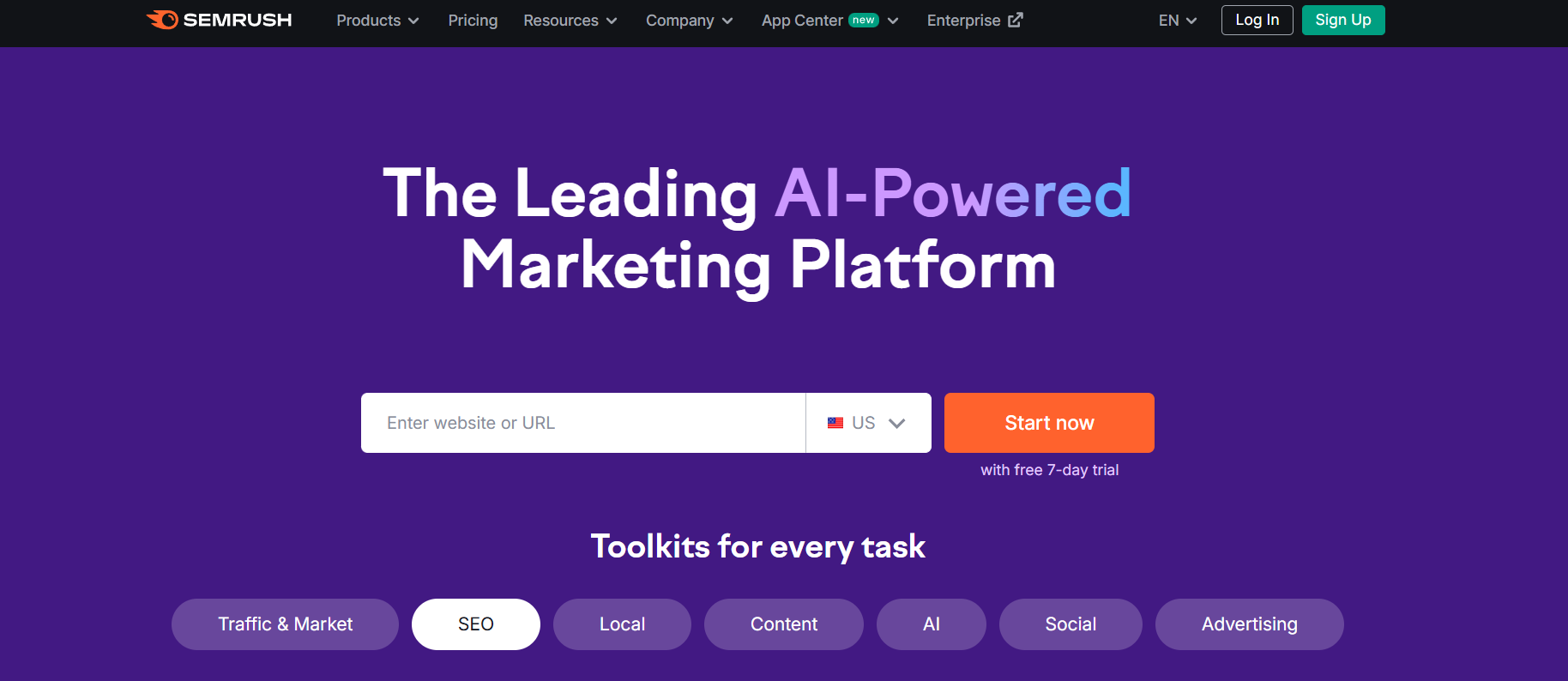
SEMrush is like the Swiss Army knife of SEO. It’s comprehensive, robust, and has everything you need in one place. From deep keyword analysis to competitor spying and content suggestions, this tool does it all. Small businesses that want to grow strategically love SEMrush because it doesn’t just show you the “what,” it explains the “why” behind your rankings.

Key Features Worth Exploring

  • Keyword Magic Tool for discovering high-ROI keywords
  • Site Audit that automatically finds critical issues on your site
  • Competitive analysis to learn what’s working for your rivals
  • Traffic analytics and backlink tracking

Pricing and Best Use Cases

SEMrush isn’t the cheapest option, with plans starting at around $129/month, but the value is unmatched if you’re serious about growing your digital presence. If you’re managing an eCommerce store, publishing regular content, or running ads, this tool will pay for itself quickly.

2. Ahrefs – Best for Backlink Analysis and Competitor Research
Ahrefs

How Ahrefs Helps You Spy on Competitors

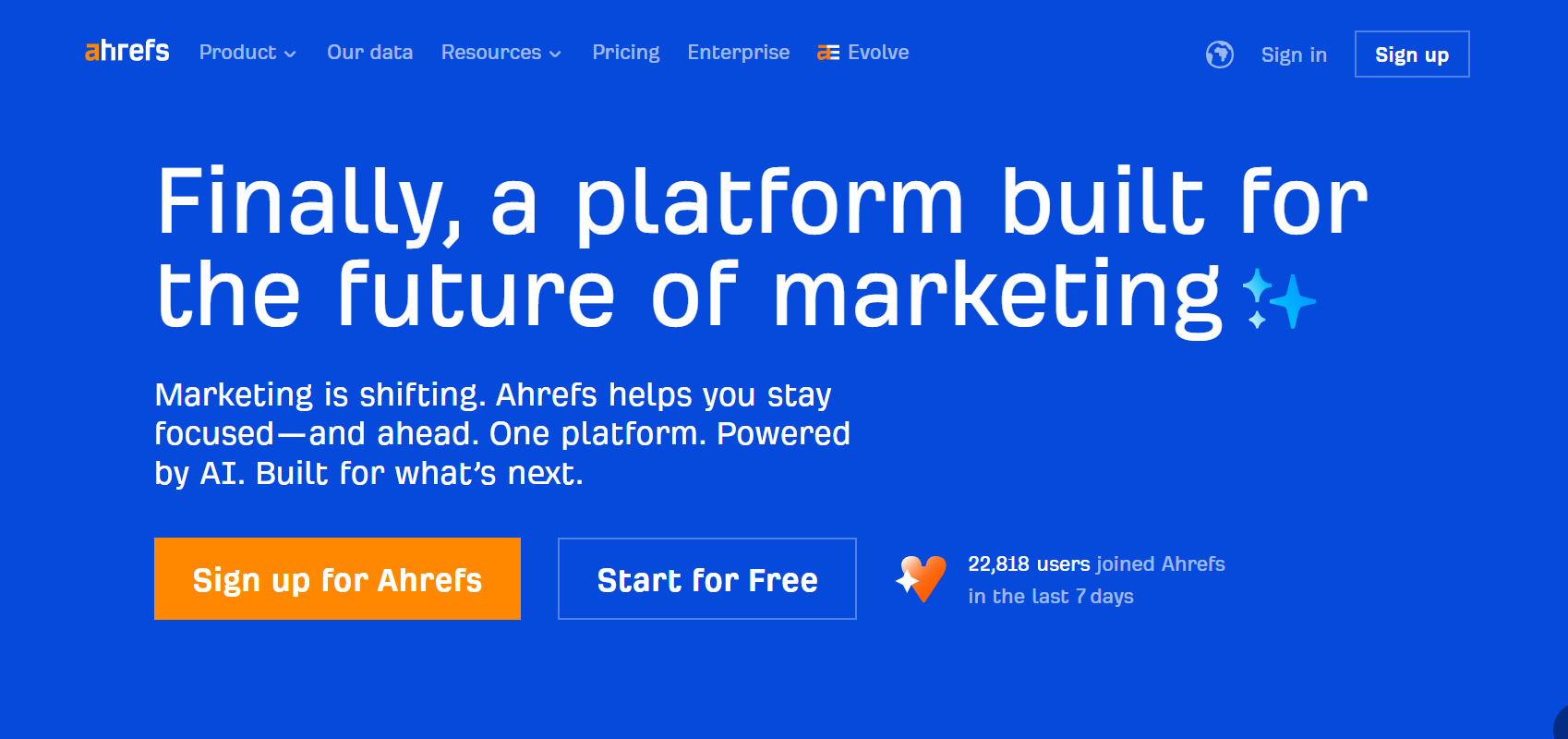
Want to know why your competitors are ranking higher than you? Ahrefs lets you pull back the curtain on their SEO strategy. From tracking backlinks to analyzing top-performing pages, Ahrefs offers detailed insights you can act on.

Ideal Scenarios for Small Businesses

If your growth strategy includes blogging, link building, or just understanding who’s beating you on search engines — Ahrefs is a must. It’s especially useful for content marketers and digital agencies, but small business owners can absolutely use it too.

Bonus: The interface is clean, and the learning curve is gentle thanks to tons of helpful tutorials.

3. Ubersuggest – Budget-Friendly and Beginner-Friendly
Ubersuggest

What Makes Ubersuggest Perfect for Small Teams

Ubersuggest was built for entrepreneurs. It simplifies SEO without dumbing it down. Whether you’re launching your first website or managing a small marketing team, this tool covers all your basics: keyword research, traffic estimates, domain overviews, and backlink suggestions.

Key Features That Help You Rank Fast

  • Keyword analysis with trend data
  • Competitive research showing what’s working for others
  • SEO audit reports with prioritized recommendations
  • Daily rank tracking

Ubersuggest also offers a chrome extension to give you real-time insights while browsing Google. Best part? You can get started for free, and the lifetime plan is insanely affordable compared to other tools.

4. Moz Pro – Trusted by Thousands for Local and National SEO
Moz Pro

Unique Features Tailored to Small Businesses

Moz is practically a household name in SEO. It’s known for being accurate, reliable, and incredibly user-friendly. Moz Pro offers everything from keyword research and link tracking to technical site audits.

When Moz Outperforms Other Tools

If your business serves a local audience — like a clinic, salon, or real estate firm — Moz Local is a standout. It helps you manage and sync your business listings across the web, so customers can always find the correct info. For those just starting out, Moz also provides step-by-step guides, checklists, and a supportive online community.

5. Google Search Console – Free and Powerful SEO Insights
Google Search Console

What You Can Learn from GSC

Think of Google Search Console (GSC) as your direct connection to how Google sees your website. It shows which keywords bring traffic, what pages get clicks, and where your site may be falling short. It’s 100% free, and arguably more valuable than most paid tools.

How to Set It Up and What to Monitor

Setup is as simple as verifying your domain and waiting a day or two for data. Once live, track:

  • Top performing queries
  • Mobile usability issues
  • Index coverage errors
  • Page speed insights

It’s one of the best free SEO tools for small businesses and should be installed on every site, no matter how big or small.

6. Yoast SEO – Best WordPress SEO Plugin for Small Websites
Yoast SEO

How Yoast Helps You Optimize Content Instantly

If you’re using WordPress (and many small businesses do), Yoast SEO is essential. It helps you optimize posts and pages in real-time, making sure you include keywords, fix readability issues, and write better meta tags.

Free vs Premium: What Do You Really Need?

The free version offers keyword optimization, XML sitemaps, and content analysis. The premium version adds internal linking help, multiple keyword optimization, and redirect tools. If you’re just getting started, the free version is more than enough.

7. Surfer SEO – Boost On-Page SEO with Data-Driven Recommendations

Surfer

Why Surfer Is a Secret Weapon for Small Businesses

Surfer doesn’t guess — it shows exactly what top-ranking pages are doing and helps you mirror their success. It’s like having a personal SEO coach that guides your content strategy.

Using Surfer to Create High-Performing Content

Surfer’s Content Editor gives you a live SEO score as you write. It suggests headings, keyword density, image count, and more. Great for blogs, landing pages, or any content you want to rank fast.

8. Screaming Frog – Technical SEO Made Simple
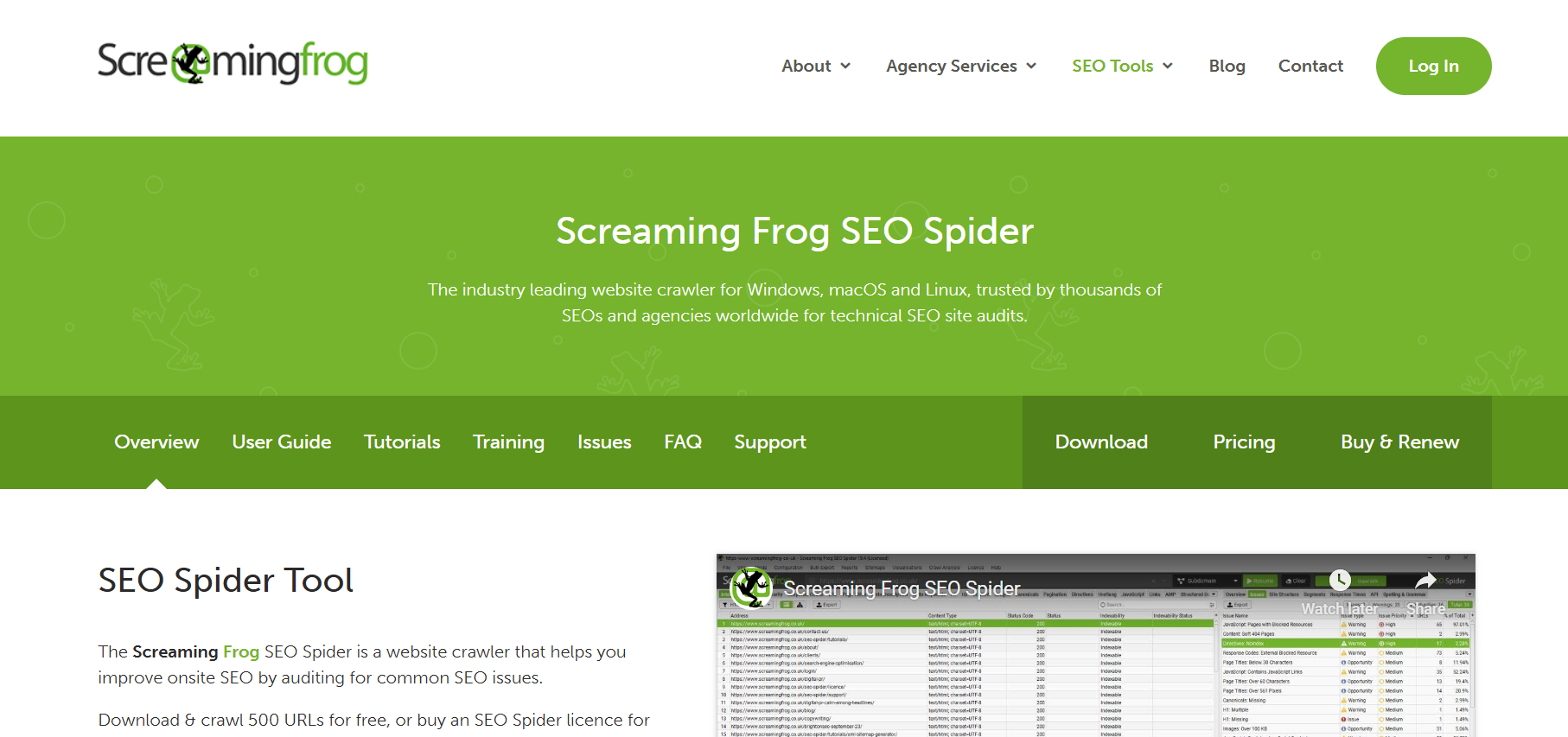
Screaming Frog

Crawl, Audit, and Fix Your Site Like a Pro

Screaming Frog may sound intimidating, but it’s actually super helpful. It crawls your website like a search engine would, spotting things like broken links, duplicate content, and missing tags. It even finds redirect chains that could hurt your SEO.

Common Use Cases for Small Business Owners

This tool is perfect if you’re launching a site, migrating to a new platform, or just trying to clean up your technical SEO. It’s free for up to 500 URLs and incredibly detailed for what it offers.

9. Rank Math – Powerful SEO Plugin for WordPress Users
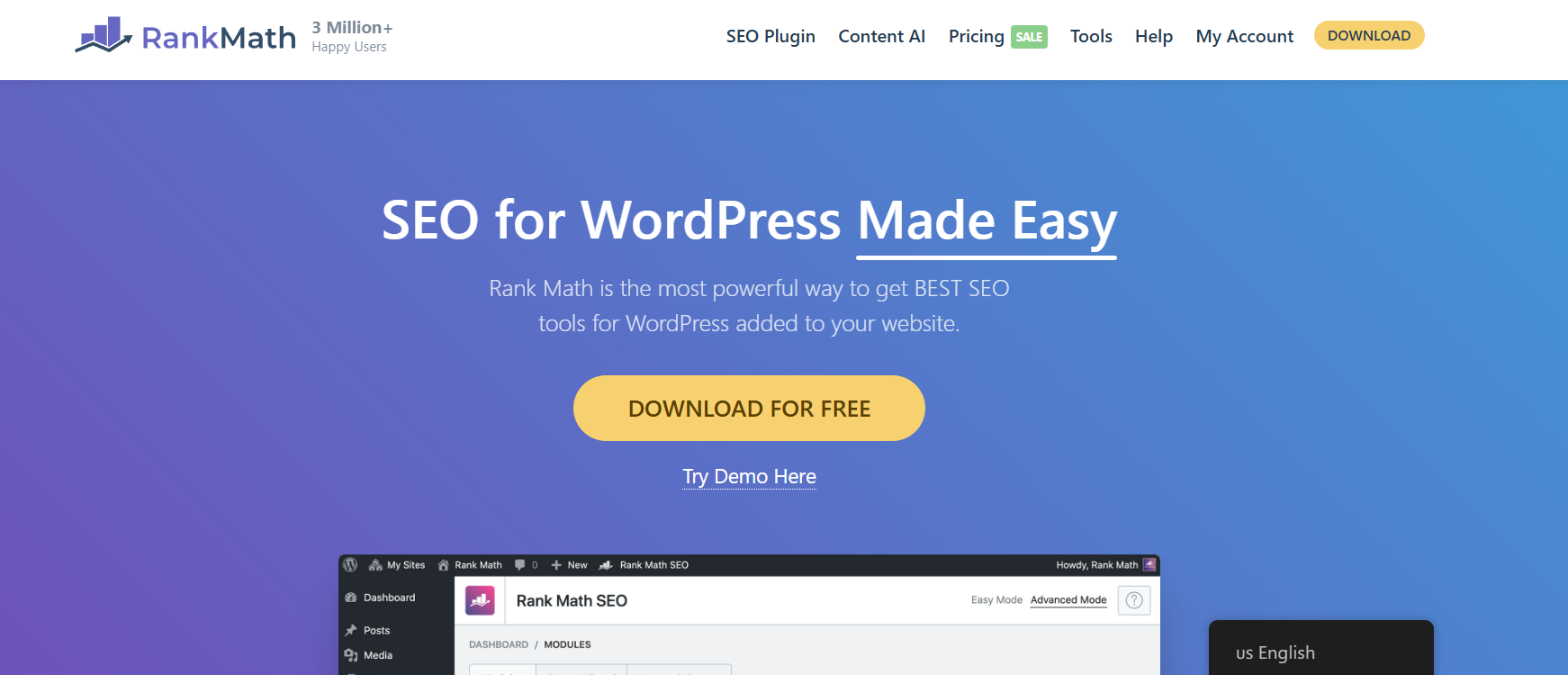
Rank Math

What Sets It Apart from Other SEO Plugins

Rank Math is like the cooler, younger sibling of Yoast. It has a slick interface, powerful automation, and integrates deeply with Google tools. You can manage schema markup, monitor 404 errors, and optimize everything from one dashboard.

Key Features That Drive Results

  • Focus keyword suggestions as you write
  • Deep integration with Google Analytics and GSC
  • Modular setup so you only use what you need

Rank Math is especially great for businesses that want more SEO firepower without added cost.

Final Thoughts: Choosing the Best SEO Tools for Small Businesses in 2025

Start Small, Then Scale

You don’t need all 9 tools from day one. Start with free options like Google Search Console, Rank Math, and Ubersuggest. Then, as your confidence (and budget) grows, bring in more advanced tools like SEMrush or Surfer.

What Tool Should You Try First?

If you’re just dipping your toes into SEO, Ubersuggest is a fantastic starting point. It’s affordable, simple, and still very effective. If you’re on WordPress, install Rank Math or Yoast right away.

Ranking Fast Doesn’t Mean Rushing the Process

SEO is a long game. These tools can help you make smarter decisions faster, but results still take time. The key is consistency. Keep optimizing, learning, and tracking — and you’ll absolutely see progress.

Find More: Boost Your Sales With SEO Services

FAQs

1. What are the best free SEO tools for small businesses?

Top free tools include Google Search Console, Ubersuggest (free version), Yoast SEO, and Rank Math. Each provides unique insights and functionality that can help your business without spending a dime.

2. Can I handle SEO myself as a small business owner?

Yes, and many do. These tools are designed to help non-experts succeed. With a little time and consistency, you can absolutely manage SEO in-house.

3. How do I know which SEO tool is right for me?

Focus on your goals. Want content that ranks? Try Surfer. Need technical help? Screaming Frog. Local visibility? Moz. For everything else, Ubersuggest and SEMrush are safe bets.

4. Are paid SEO tools really worth the investment?

If you’re serious about growth, yes. Paid tools often provide more accurate data, deeper insights, and time-saving automation. But start with free tools first to learn the basics.

How long does it take to see results from SEO tools?

SEO results aren’t instant. Expect to see meaningful changes within 3–6 months, though quick wins (like fixing broken links or improving titles) can happen in just a few weeks.

Tags: