
...
UK: +44 2038074555 info@atamgo.com
Local SEO Checklist for Dentists: Rank Higher in Your City

Local SEO Checklist for Dentists: Rank Higher in Your City

Local SEO Checklist for Dentists

As a dentist, you help people smile. But is your online presence helping your practice? 

If your dental practice doesn’t show up high in local search results, you’re missing new patients. Local SEO checklist for dentists can change that.

This guide is your go-to checklist for optimizing your dental clinic’s visibility on Google and attracting more local patients.

Why Local SEO Matters for Dentists

When someone searches for “best dentist near me” on Google, you want your name to show up, not your competition’s. Dental local search engine marketing helps you improve your online presence. This makes it more likely for your business to appear in local searches, especially on Google Maps and in local listings.

Here’s what’s at stake:

  • 46% of all Google searches are for local businesses.
  • 97% of people learn more about a local company online than anywhere else.

So, if you’re not actively working on your Local SEO dental marketing, you’re wasting money (and patients).

The Ultimate Local SEO Checklist for Dentists
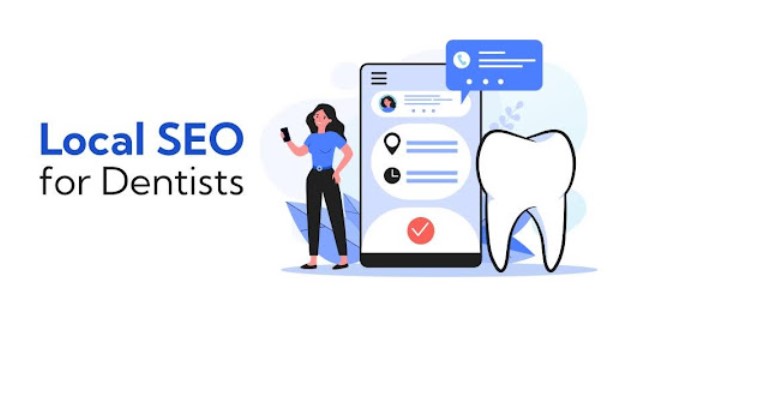
Local SEO Checklist for Dentists

Let’s break this down into actionable steps you can start implementing dental online marketing services today.

Claim and Optimize Your Google Business Profile

Your Google Business Profile (formerly Google My Business) is like your digital storefront on Google. It’s often the first thing potential patients see.

Action Steps:

  • Claim your profile on Google Business
  • Keep your Name, Address & Phone (NAP) consistent
  • Upload quality photos of your office, team & services
  • Choose accurate business categories (e.g., “Dentist,” “Cosmetic Dentist”)Get More Positive Patient Reviews

Google reviews are huge trust signals for both search engines and potential patients.

Action Steps:

  • Politely ask happy patients to leave a review.
  • Make it easy by sending them a direct link.
  • Respond to all reviews (positive or negative) with professionalism.
  • Never post fake reviews: Google will catch you.

Consistent NAP Across the Web

NAP stands for Name, Address, and Phone Number. Consistency is key.

Action Steps:

  • Update your business details on directories like Yelp, Healthgrades, Zocdoc, and local chamber of commerce sites. 
  • Use tools like Yext or BrightLocal to manage citations easily.

Create Location-Specific Pages on Your Website

If you serve more than one city or neighborhood, having pages that speak directly to those areas can improve your ranking.

Action Steps:

  • Create pages like “Cosmetic Dentist in [City]” or “Emergency Dental Services in [Neighborhood]”.
  • Include localized content, testimonials, and directions.

Optimize Your Website for Local Search

Your website should help Google understand what services you offer and where.

Action Steps:

  • Use local keywords like “family dentist in [City Name]” in your headers and page titles.
  • Include schema markup (your web developer can help), highlighting local data.
  • Make sure your site is mobile-friendly as most local searches happen on phones.

Start a Dental Blog with Local Focus

A blog helps you target more local keywords and build trust.

Action Steps:

  • Write about topics like “What to Do During a Dental Emergency in [City]” or “Best Ways to Maintain Oral Hygiene in Winter”.
  • Answer common patient questions.
  • Share updates about your practice or community involvement.

Use Local Backlinks to Boost Credibility

Backlinks, links from other websites to yours, act as votes of confidence in Google’s eyes.

Action Steps:

  • Join and get listed in local associations, dental directories, and local blogs.
  • Partner with other local businesses to cross-promote each other online.
  • Submit guest posts or sponsor local events and request a backlink to generate leads for a dental clinic.

Leverage Social Media for Local Engagement

Social media isn’t just about likes and shares. The right local SEO practices can help you improve your ranking.

Action Steps:

  • Tag your location in every post.
  • Share patient success stories (with permission).
  • Run location-based ads to target people nearby.
  • Engage with local hashtags and community events.

Monitor Your Local SEO Performance

What gets measured gets managed. Keep an eye on your local SEO service strategy – what’s working and what’s not.

Action Steps:

  • Use tools like Google Analytics, Google Search Console, and Google Business Insights.
  • Track your keyword rankings and how many calls/directions requests you’re getting.
  • Adjust your digital strategy for healthcare every month based on performance.

Voice Search Optimization

More people are using voice search to find local services, and that includes dental care.

Action Steps:

  • Use conversational keywords like “Where’s the nearest dentist?”
  • Add an FAQ section with natural language questions and answers.
  • Ensure your Google Business Profile is optimized (Google reads from there!).

Additional Tips to Stay Ahead in Local SEO

Dominating the local SEO for dentists is challenging when competitors work ahead of you. You need to go the extra mile. Here are some additional tips to stay updated in local SEO:
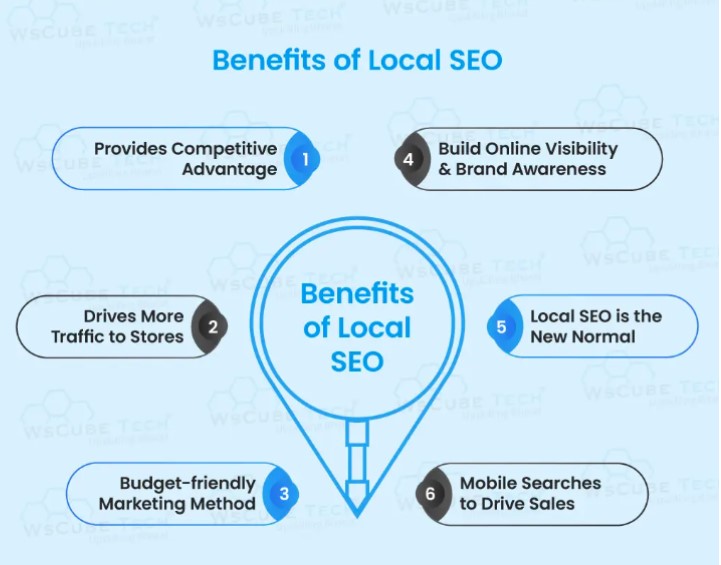
Local SEO Checklist for Dentists

Stay Updated With Google’s Local Algorithm Changes

Google updates its algorithms all the time. Subscribe to local SEO for dental blogs or partner with an agency that specializes in dental SEO.

Use Paid Local Ads to Supplement Organic Reach

While local SEO dental marketing is a long-term game, you can use Google Ads to drive quick visibility.

Tip: Try Google’s Local Services Ads for Dentists. They show up at the top of search results with a “Google Guaranteed” badge.

Showcase Trust Factors on Your Website

  • Display certifications, awards, and patient testimonials.
  • Add secure HTTPS encryption to your website.
  • Include clear CTAs like “Book Your Appointment Today” with a phone number.

Common Mistakes Dentists Make With Local SEO (and How to Fix Them)

It’s common to make mistakes when multiple competitors are involved in the same battle. However, knowing the mistakes can be prudent for your dental clinic. Let’s discuss some of the most common mistakes in search engine optimization for dentists and how you can fix them quickly.
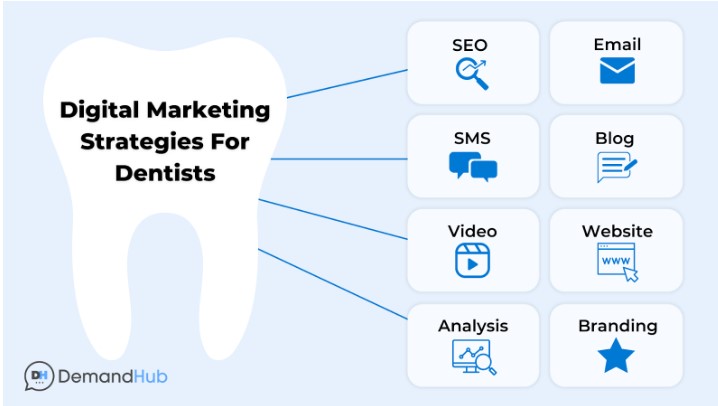
Local SEO Checklist for Dentists

Mistake 1: Ignoring Google Business Profile

Fix: Claim it, optimize it, and keep it updated every month.

Mistake 2: Inconsistent NAP Across Listings

Fix: Do a full audit of all directories and update outdated info.

Mistake 3: Not Responding to Reviews

Fix: Set aside 10 minutes a week to reply to all patient feedback.

Mistake 4: Generic Website Content

Fix: Add locally relevant info and show real photos of your team and office.

Final Thoughts

Local SEO for dentists is more of a marathon than a sprint. But the beauty is that it compounds once you start building authority in your area. You’ll attract more traffic, book more appointments, and grow your reputation.

You can take the help of a professional healthcare marketing agency to succeed. These agencies help to take consistent action using a checklist, and soon enough, your dental practice will be the first name people see when they search “dentist near me.”

Top Strategies for Local SEO for Dentists: Boost Your Practice’s Visibility

Top Strategies for Local SEO for Dentists: Boost Your Practice’s Visibility

Local SEO for Dentists

Want to attract more local patients to your dental practice? Local SEO for dentists can help you show up in local searches. This guide provides the essential steps to improve your online visibility and grow your practice.

The Importance of Local SEO for Dental Practices

Local SEO is the cornerstone of successful dental practices in the digital age. It not only helps your practice rank higher in relevant search results but also makes it easier for potential patients to find you when they need dental services. 

Imagine a potential patient searching for “dental implants near me” and finding your practice at the top of the search engine results page. This visibility can lead to increased patient acquisition and practice growth.

Implementing strong local SEO strategies enhances your dental practice’s online visibility, ensuring it appears prominently in local search results and attracts more patients. This ongoing process requires regular updates and optimizations to implement local seo strategies and stay competitive as part of your dental seo strategy.

As the number of dental practices grows, maintaining competitive dental practice’s local seo is vital. Continuous efforts and adaptations keep your practice at the forefront of search engine rankings, ensuring visibility to potential patients actively seeking dental services in your area.

Investing in local SEO services involves:

  • On-page SEO
  • Keyword optimization
  • Managing online reviews
  • Building local citations and backlinks

Dedicating time and resources to these efforts improves search engine rankings and attracts more local patients, ensuring long-term success for your practice.

Read more: How Marketers Can Leverage Audio Data for SEO and Beyond

Setting Up Your Google Business Profile

Your Google Business Profile acts as a digital storefront for your dental practice. Optimizing this profile enhances your local visibility and attracts potential patients. 

A well-structured Google Business Profile appears and makes a positive first impression, providing crucial information, such as your practice’s address, phone number, business hours, and services offered.

Here are the key steps to set up and optimize your Google Business Profile for maximum google business profile optimization impact.

Claim and Verify Your Listing

The first step in optimizing your Google Business Profile is to claim and verify your listing. This ensures that your dental practice appears prominently in local search results. If you haven’t already, claim or create your Google Business Profile immediately.

Ensure that your profile is filled out with detailed and accurate information, including your practice’s name, address, phone number, and website. The best way to verify your profile is to use your office number or a business video for verification.

Optimize Your Business Description

A well-crafted business description is crucial for improving your practice’s visibility in local search results. Use relevant keywords naturally within your description to enhance search visibility. Highlight the specific dental services you offer to attract potential patients. This not only improves your search engine rankings but also helps potential patients understand what sets your practice apart from others.

Manage Business Hours and Contact Information

Accurate and up-to-date business hours and contact information are essential for building trust with potential patients. Ensure that your Google Business Profile reflects your current business hours, phone number, location, and google maps.

Regularly updating this information prevents confusion and ensures that patients can easily reach you when needed.

Conducting Local Keyword Research

Effective keyword research is the backbone of a successful local SEO strategy. Understanding your target audience’s search behavior helps identify relevant keywords that improve your practice’s visibility in search engine results, including the primary keyword.

Concentrate on long-tail keywords related to specific dental services, which often have higher search volumes and lower competition, making them ideal for local SEO.

Tools for Keyword Research

Using the right free keyword research tools helps identify relevant local keywords that enhance your online visibility. Using the right keyword research tools helps identify relevant local keywords that enhance your online visibility. Tools like Google Keyword Planner and SEMrush are invaluable for discovering high-volume local keywords suitable for dental practices. 

For practices also maintaining a blog, this comprehensive blog SEO guide can help align your content with keyword strategy and drive additional local traffic.

These tools help evaluate your keyword performance against competitors and refine your local SEO strategy for better results.

Integrating Keywords into Website Content

After identifying relevant keywords, follow these steps to integrate them naturally into your website content:

  • Incorporate local keywords into your service pages.
  • Include local keywords in your title tags.
  • Add local keywords to your meta descriptions to boost your search engine rankings.

Ensure that the keywords are embedded naturally to maintain the quality and readability of your content. This will help attract more local patients to your practice.

Optimizing Your Dental Website for Local SEO

A well-optimized dental website and dental websites are crucial for local SEO success, enhancing visibility in local search results and improving patient acquisition with the help of dental search engine optimization, dental seo services, a cosmetic dentist, dental seo efforts, and seo for dentists.

Create location-specific and service pages with conversion-focused designs to target specific dental services. Implementing technical SEO ensures your website is visible and accessible to both search engines and patients, boosting your online presence.

On-Page SEO Best Practices

On-page SEO is crucial for enhancing your dental practice’s visibility, especially for better local search rankings. Incorporating best practices in SEO for dentists ensures each page effectively targets location-specific searches and improves patient acquisition.

Optimize title tags, meta descriptions, and headers with relevant local keywords to attract nearby patients. Each page should have unique title tags and a meta description to help search engines identify the content’s relevance.

This will improve search engine rankings and draw more local patients to your practice.

Mobile Optimization

In today’s mobile-driven world, a mobile-optimized website is critical for local SEO. A responsive design ensures your dental website provides a seamless experience across mobile devices. Fast loading times and mobile-friendly features, like clickable phone numbers and lead generation forms above the fold, are essential for retaining visitors and improving your online presence.

Building Local Citations and Backlinks

Local citations and backlinks are significant for boosting your dental practice’s online visibility. Citations act as votes of confidence, confirming your practice’s existence to search engines. Consistent and accurate citations across online platforms build credibility and reassure both Google and potential patients.

Additionally, earning quality backlinks by collaborating with local businesses or sponsoring community events can enhance your effective local seo efforts.

Consistent NAP Across Directories

Maintaining consistent and accurate NAP (Name, Address, Phone number) information across all online platforms builds trust with search engines and potential patients. Consistency in NAP information prevents confusion and ensures reliability.

Use tools like BrightLocal to audit your NAP-W listings and ensure accuracy across online directories.

Earning Quality Backlinks

High-quality backlinks are crucial for improving local SEO and boosting online visibility. Focus on relevant link opportunities and gradually expand your backlink profile for sustainability. Collaborating with local businesses and sponsoring community events can help earn quality backlinks.

Use tools like Ahrefs to analyze your backlinks and identify opportunities for improvement.

Managing Online Reviews

Online reviews are vital for improving search engine rankings and dental practices’ online visibility for dental practices. Positive reviews enhance your reputation and increase the likelihood of prospective patients choosing your practice. 

The online reviews’ impact is significant, and proactively managing online reviews significantly improves visibility and attracts more patients.

Consider using services like Whiteboard Marketing to drive strong online reviews and manage feedback effectively.

Encouraging Positive Feedback

Encouraging satisfied patients to leave positive feedback enhances your online reputation. Regularly collect reviews from patients after their appointments and highlight positive testimonials on social media to foster trust and attract new patients.

Posting educational content can also engage local patients and encourage them to share their experiences.

Responding to Reviews

Responding to all reviews, both positive and negative, is crucial for maintaining a good online reputation. Address negative reviews promptly and professionally to mitigate potential damage. Use review management tools to stay organized and ensure timely responses.

Showing appreciation and engagement through responses can enhance your practice’s credibility and attract more patients.

Utilizing Social Media for Local SEO

Social media is a powerful tool for enhancing local SEO and attracting more patients to your dental practice. Engaging with the community and sharing valuable content improves search engine rankings and increases online visibility.

Effective strategies include creating engaging content, interacting with the community, and using tools like Birdeye Social to manage your social media presence.

Creating Engaging Content

Engaging content on social media captures the interest of local patients and encourages shares. Use visually appealing images and videos to increase patient interaction. Collaborate with local influencers or bloggers to broaden your reach and attract more patients.

Engaging content not only enhances your visibility but also builds trust and credibility in your dental practice.

Promoting Patient Reviews

Social media platforms highlight positive patient testimonials, build trust, and attract new patients. Sharing patient reviews showcases the positive impact of your dental services and influences potential patients.

By promoting numerous positive reviews, you can enhance your practice’s online visibility and attract more local patients.

Monitoring and Analyzing Local SEO Performance

Monitoring local SEO performance is crucial for tracking success and making informed decisions for improvement. Use tools like Google Analytics to measure SEO efforts and track key metrics such as search engine optimization, keyword rankings, website traffic, and conversion rates.

Regularly evaluating and updating your local SEO strategy effective local seo ensures its effectiveness and maintains your online visibility.

Key Metrics to Track

Key metrics for measuring the ROI of local SEO efforts include:

  • Keyword rankings
  • Website traffic
  • User engagement
  • Conversion rates

Regularly monitoring these metrics evaluates the effectiveness of your local SEO strategies and informs data-driven adjustments.

By tracking these key metrics, you can ensure that your practice appears prominently in local search results and attracts more patients.

Tools for Performance Analysis

Using tools like Google Search Console and Google Analytics is essential for monitoring and analyzing local SEO performance. Google Search Console tracks your dental website’s presence in Google Search results, while Google Analytics provides insights into organic traffic and the effectiveness of your SEO strategies.

Consistently using these tools helps you adapt your local SEO strategies for ongoing success.

Summary

In conclusion, implementing effective local SEO strategies is essential for enhancing your dental practice’s online visibility and attracting more local patients. 

By setting up and optimizing your Google Business Profile, conducting thorough keyword research, optimizing your website, building local citations and backlinks, managing online reviews, and utilizing social media, you can significantly improve your search engine rankings and grow your practice. 

Remember, local SEO is an ongoing process that requires regular updates and optimizations to maintain competitiveness. Start implementing these strategies today and watch your practice thrive!

How to Accelerate SEO Content Production without Sacrificing Quality

How to Accelerate SEO Content Production without Sacrificing Quality

SEO Content Production

Every business that exists today is trying to grow its digital reach. That means all of these businesses are competing to rank higher on search engine results. Of course, this climb to the top of search engines like Google is easier said than done. 

For starters, Google takes note of around 200 ranking factors to determine which websites or contents will dominate the top results. Keeping track of all these factors is nearly impossible for most businesses or website owners. 

The problem gets bigger for newly published sites or webpages. That’s because only 1.74 percent of them rank in the top ten of Google within a year. 

Deploying an effective search engine optimization (SEO) strategy, however, can work wonders here. High-quality SEO content can really help give your rankings a boost. But for that, you need a lot of content, meaning high volumes of articles on various topics surrounding your industry. 

Again, producing SEO-friendly content isn’t an issue, unless you want to rush things. That would mean choosing quantity over quality, something that could hamper your rankings. Of course, there are ways to accelerate SEO content production without sacrificing quality. We’ll tell you how.  

Know What You’re Actually Trying to Rank For

It sounds obvious, but you’d be surprised how many people skip targeting the right keywords. 

If you’re churning out articles with no clear keyword intent behind them, you’re basically throwing darts in the dark. Each piece of content should serve a specific purpose. That purpose? To show up when someone searches for something very specific. 

So don’t just write about “how to fix a leaky faucet.” Write about “how to fix a leaky kitchen faucet without turning off the water.” See the difference?

When you target specific keywords for each article, you’re giving your content a fighting chance to rank for exactly what people are looking for. These keywords should ideally have decent search volume, relatively low competition, and clear user intent. Using a keyword tracker can help you identify and monitor these opportunities more effectively, ensuring you focus on terms that actually drive results. If all these are ensured, you’ll start seeing real movement in your rankings. 

SEO Content Production


How AI Can Help You Hit Your Keyword Targets Faster

Using a solid SEO automation platform can seriously cut down your research and writing time. It can find keyword variations, identify what’s already ranking, and suggest how you can do it better with absolute ease.

Content automation software is also making it easier to produce AI-generated SEO content that doesn’t sound robotic or soulless. Instead, it can help you develop high-quality generative content for search engines that’s actually optimized from the start. 

You don’t have to stuff keywords anymore. Such tools can naturally optimize content for Google and AI research models without making your writing awkward or unreadable. These platforms are trained to understand tone, user intent, and what’s likely to satisfy both the reader and the algorithm. 

Thanks to AI SEO tools like Upfront-AI, teams are now producing optimized articles in minutes. These tools can create dedicated SEO-friendly sections on your website. Afterward, they can populate those sections with thousands of articles containing the top keyword clusters for your industry. This way, your SEO efforts stay on track, your content stays human, and your workflow becomes way more efficient.  

Outline First, Write Second

Once you know your keyword and have some solid AI suggestions to guide you, don’t jump straight into writing. That’s a trap. A rough outline keeps your thoughts on track, stops you from rambling, and helps you naturally include subtopics that strengthen your article. 

When you outline first, your content flows better, stays focused, and feels more cohesive. It also helps ensure you’re answering the questions people are really asking.

Also, when you write from an outline, editing becomes way less painful. You’ve already built a structure, so you’re just cleaning up instead of rewriting whole paragraphs. That’s a huge time-saver when you’re trying to move fast without putting out half-baked work. 

Use a Real Human Voice

One thing you definitely don’t want is your content to sound like it was spat out by a robot. No one wants to read that, and search engines can sniff it out as well. They won’t penalize you for using AI, but if the content’s quality is bad, it won’t rank well.

The trick is to keep your tone relaxed and conversational like you’re explaining something to a friend over coffee. If you’re using AI, train it to understand your tone or rewrite outputs in your own voice. 

Sprinkle in personal insights, common sense examples, and real-life references when possible. That’s what makes your writing relatable and readable.

People want answers but they also want a bit of personality. If your content makes them feel like they’re learning from a real person who gets it, they’re more likely to trust you. And trust means clicks, shares, and eventually, rankings.

Even if you’re relying on automation to get most of the heavy lifting done, don’t skip the final polish. A real human should always do the final pass. 

Streamlining SEO content production doesn’t mean lowering your standards. It just means being smarter about how you work. With the right approach, as discussed above, you can build a content engine that keeps your rankings rising and your readers engaged.

So go ahead, write more, rank better, and keep your standards high. Quality and quantity can coexist. You just need the right strategy to make it happen.

Every business that exists today is trying to grow its digital reach. That means all of these businesses are competing to rank higher on search engine results. Of course, this climb to the top of search engines like Google is easier said than done. 

For starters, Google takes note of around 200 ranking factors to determine which websites or contents will dominate the top results. Keeping track of all these factors is nearly impossible for most businesses or website owners. 

The problem gets bigger for newly published sites or webpages. That’s because only 1.74 percent of them rank in the top ten of Google within a year. 

Deploying an effective search engine optimization (SEO) strategy, however, can work wonders here. High-quality SEO content can really help give your rankings a boost. But for that, you need a lot of content, meaning high volumes of articles on various topics surrounding your industry. 

Again, producing SEO-friendly content isn’t an issue, unless you want to rush things. That would mean choosing quantity over quality, something that could hamper your rankings. Of course, there are ways to accelerate SEO content production without sacrificing quality. We’ll tell you how.  

Know What You’re Actually Trying to Rank For

It sounds obvious, but you’d be surprised how many people skip targeting the right keywords. 

If you’re churning out articles with no clear keyword intent behind them, you’re basically throwing darts in the dark. Each piece of content should serve a specific purpose. That purpose? To show up when someone searches for something very specific. 

So don’t just write about “how to fix a leaky faucet.” Write about “how to fix a leaky kitchen faucet without turning off the water.” See the difference?

When you target specific keywords for each article, you’re giving your content a fighting chance to rank for exactly what people are looking for. These keywords should ideally have decent search volume, relatively low competition, and clear user intent. If all these are ensured, you’ll start seeing real movement in your rankings.  

How AI Can Help You Hit Your Keyword Targets Faster

Using a solid SEO automation platform can seriously cut down your research and writing time. It can find keyword variations, identify what’s already ranking, and suggest how you can do it better with absolute ease.

Content automation software is also making it easier to produce AI-generated SEO content that doesn’t sound robotic or soulless. Instead, it can help you develop high-quality generative content for search engines that’s actually optimized from the start. 

You don’t have to stuff keywords anymore. Such tools can naturally optimize content for Google and AI research models without making your writing awkward or unreadable. These platforms are trained to understand tone, user intent, and what’s likely to satisfy both the reader and the algorithm. 

Thanks to AI SEO tools like Upfront-AI, teams are now producing optimized articles in minutes. These tools can create dedicated SEO-friendly sections on your website. Afterward, they can populate those sections with thousands of articles containing the top keyword clusters for your industry. This way, your SEO efforts stay on track, your content stays human, and your workflow becomes way more efficient.  

Outline First, Write Second

Once you know your keyword and have some solid AI suggestions to guide you, don’t jump straight into writing. That’s a trap. A rough outline keeps your thoughts on track, stops you from rambling, and helps you naturally include subtopics that strengthen your article. 

When you outline first, your content flows better, stays focused, and feels more cohesive. It also helps ensure you’re answering the questions people are really asking.

Also, when you write from an outline, editing becomes way less painful. You’ve already built a structure, so you’re just cleaning up instead of rewriting whole paragraphs. That’s a huge time-saver when you’re trying to move fast without putting out half-baked work. 

Use a Real Human Voice

One thing you definitely don’t want is your content to sound like it was spat out by a robot. No one wants to read that, and search engines can sniff it out as well. They won’t penalize you for using AI, but if the content’s quality is bad, it won’t rank well.

The trick is to keep your tone relaxed and conversational like you’re explaining something to a friend over coffee. If you’re using AI, train it to understand your tone or rewrite outputs in your own voice. 

Sprinkle in personal insights, common sense examples, and real-life references when possible. That’s what makes your writing relatable and readable.

People want answers but they also want a bit of personality. If your content makes them feel like they’re learning from a real person who gets it, they’re more likely to trust you. And trust means clicks, shares, and eventually, rankings.

Even if you’re relying on automation to get most of the heavy lifting done, don’t skip the final polish. A real human should always do the final pass. 

Streamlining SEO content production doesn’t mean lowering your standards. It just means being smarter about how you work. With the right approach, as discussed above, you can build a content engine that keeps your rankings rising and your readers engaged.So go ahead, write more, rank better, and keep your standards high. Quality and quantity can coexist. You just need the right strategy to make it happen.

The Art of Keyword Research: Crafting Content That Speaks Volumes Without Saying a Word

The Art of Keyword Research: Crafting Content That Speaks Volumes Without Saying a Word

Keyword Research

Introduction to Keyword Research

In the ever-evolving landscape of digital marketing, keyword research services have become essential for businesses aiming to improve their online presence. Keywords serve as the linchpin of effective search engine optimization (SEO), acting as the conduit between search engines and the content consumers seek. This strategic use of keywords enables websites to attract higher traffic, retain users, and ultimately convert visitors into valuable interactions, making businesses more visible in an increasingly competitive online marketplace.

Imagine keywords as the dialect through which you converse with search engines. These words and phrases are more than just tools—they decode the complexities of web pages, assisting in surfacing the most relevant content for users based on their queries. The question becomes, how do you determine the right words that will resonate best with your target audience and compel them to engage with your content rather than scrolling past to the next search result?

Understanding User Intent

To truly excel in keyword research, it’s crucial to grasp what your audience is genuinely searching for. This process extends far beyond compiling a list; it delves into the psyche of users at different stages of their search journey. Are they seeking information, exploring potential purchases, or are they ready to make a buying decision? Understanding user intent is pivotal in aligning your keyword strategy to satisfy these varying needs effectively.

For instance, when a potential customer searches for “sustainable fashion,” the interpretation of this query could vary. The search could signify an interest in learning about sustainable brands, discovering products made from eco-friendly materials, or even comparing prices across different retailers. By recognizing these nuances and tailoring your keywords to match this intent, you can guide the consumer’s journey within your website seamlessly, increasing the likelihood of capturing their interest and achieving conversion.

Techniques for Successful Keyword Research

The journey of keyword research isn’t about luck; it’s about strategic exploration and disciplined methodology. Begin by brainstorming potential keywords that align with your niche’s core themes and focus areas. Utilize advanced tools like Google Keyword Planner, SEMRush, or Moz to refine these ideas further, explore variations, and discover untapped opportunities that could give your content a competitive edge. Start this process by focusing on topics that resonate deeply with your audience, ensuring the relevance and engagement factors are never compromised.

Keyword tools serve as robust companions in this endeavor, providing data on search volumes, historical trends, and competition metrics—valuable insights that inform decision-making at every step. These metrics can uncover hidden potential in niche keywords, guiding you towards content paths that align perfectly with audience demands and industry movements.

Analyzing Keyword Metrics

Not all keywords are created equal, which underscores the importance of understanding their distinctive metrics. Factors such as search volume, competitiveness, and contextual relevance should govern your decisions. While a keyword with a high search volume might seem attractive due to potential visibility, it also usually signifies a more competitive landscape. High competition can make it challenging to rank effectively, especially for newer websites.

On the other hand, opting for lower competition phrases often provides a clearer path to visibility, particularly when these long-tail keywords offer greater specificity and insight into user intent. These longer phrases can attract targeted traffic that is more likely to convert because they align more closely with specific user needs and queries. It is crucial to recognize these dynamics to avoid common pitfalls like focusing disproportionately on popular keywords at the expense of strategic optimization with less competitive, high-value terms.

Crafting Engaging Content

Once you’ve identified the right keywords, the challenge becomes incorporating them smoothly into your content—a process that should maintain the integrity and readability of your message. This balances the artistry of writing with the precision of SEO. Strive for organic integration where keywords enhance rather than detract from the narrative flow. Utilize semantic keywords and Latent Semantic Indexing (LSI) terms to enrich the text naturally, providing broader context and depth without an overt focus on a single keyword.

The success of SEO is rooted in driving meaningful engagement, so your content should prioritize the reader’s experience above mechanical optimization. By focusing on delivering value through well-researched, conversationally integrated information, you create content that satisfies both search engine algorithms and human users.

Refreshing and Refining Keyword Strategy

The digital marketplace is dynamic, requiring ongoing adjustments to your keyword approach. Changes in industry trends, consumer behavior, and search engine algorithms can impact your visibility online, demanding a flexible strategy that can adapt quickly to new realities. Regular revisitation of your keyword list, alongside competitor analysis and consumer trend monitoring, ensures you remain aligned with current market conditions and shifting user interests.

Such adaptive strategies allow your brand to sustain relevance, ensuring that your content remains competitive and insightful. By being proactive and responsive to these changes, you not only protect but enhance your digital footprint.

Enhancing the User Experience Through Keywords

The symbiotic relationship between keyword selection and user experience is undeniable. Keywords can significantly influence key performance metrics such as bounce rates, user engagement, and conversion rates by guiding users to the content they desire. Effective keywords create a seamless pathway from search query to query fulfillment, directly impacting user satisfaction with less navigation friction.

Ultimately, keyword research is not just about achieving a high ranking; it’s about communicating with and addressing the needs of your audience. By providing content that not only answers queries but also genuinely engages and enriches the user experience, brands can foster stronger connections and higher loyalty among their consumers in the long term.

SEO Strategies for Local Businesses to Stand Out in Regional Searches

SEO Strategies for Local Businesses to Stand Out in Regional Searches

SEO Strategies for Local Businesses

You want your business to pop up when people search for the products or services you sell, don’t you? But it’s not that easy to show up. 

You’re not only facing well-known national companies, but also a significant number of other local businesses, all trying to secure that top spot. 

Whether you run a cozy café or a local consulting firm, the competition in search results can be tough. So, how do you make it easier for folks right in your neighborhood to find you when they need what you offer? Local SEO is the secret. 

Here, we’ll share a few solid strategies that can help your business stand out in local searches.

#1 Publish Locally-Focused Content

You already know that content is one of the most important ranking factors on Google, right? 

But what you might not know is that Google’s ranking system is designed to present the most relevant and useful content. When someone searches for something, Search algorithms look at many factors, including query words and location

If you don’t sprinkle local flavor in your content, your blog posts won’t rank for local searches.

This is especially important when it comes to SEO for financial advisors. That is because client acquisition is a struggle for the majority of advisors. 

If you’re trying to attract clients in, say, Charlotte, generic blog posts won’t help. Something that resonates with the local audience is way more likely to get clicks from people in your area.

There are tons of ways to do this. You can cover local events, write about financial trends in your city, or break down state-specific laws. 

Just make sure to use local keywords. Advisor Rankings notes that finding the right keywords is important to ensure your website shows up in search results. So, do a bit of research before you lay down your content strategy. 

#2 Secure Backlinks from Local Media

Backlinks, which are links from other websites to your website, act like votes of confidence for search engines. 

When you get backlinks from local media outlets, it can boost your regional search ranking. These local backlinks tell search engines that your website is a relevant and authoritative source within your specific geographic area.

One effective method to secure backlinks is to regularly publish press releases about newsworthy updates related to your business. This could include new product launches, significant company milestones, or community events you’re hosting or sponsoring. 

Local newspapers and media outlets are often looking for local stories, so make sure your press releases highlight your connection to the community. Focus on making your content genuinely newsworthy rather than just promotional.

Building relationships with local journalists and bloggers is another smart strategy. 

Offer your expertise or insights on topics relevant to your industry and your local area. A technique called the tabloid technique can also be effective. This involves finding newsworthy topics, gathering local data related to them, and then pitching that data to local journalists. Local directories for business can also be used to source local backlinks. When getting your business listed on these directories, make sure that you choose relevant and reputable ones. 

#3 Create Location-Based Landing Pages 

If you serve more than one town or neighborhood, this is a must. 

Location-based landing pages go beyond a generic ‘Contact Us’ page and provide specific, relevant information to potential customers in those particular locations. 

These location-based landing pages are incredibly important for local SEO. They significantly enhance your visibility in local search results and help you capture high-intent local traffic. 

Crafting these focused pages enables you to personalize your brand’s presence for every distinct market you cater to. This makes your business feel more local and relevant and helps build local authority and trust with both search engines and potential customers. 

Moreover, focusing on location-specific keywords on these pages can help you bypass the tougher competition you might face for more general search terms.

To create effective location-based landing pages, use localized URLs, page titles, and content that includes the specific city or neighborhood you’re targeting. 

Include your accurate and consistent NAP information on each page and embed a Google Map to make it easy for customers to find you. Use original, high-quality images and videos that are relevant to that specific location.

So, there you have it! These three strategies are your roadmap to standing out in those regional online searches. 

It might seem like a lot to take in. But remember that even small, consistent steps in the right direction can make a big difference over time.

So, focus on the people in your area, serve them well, and let your online presence reflect that. That’s how you win at local SEO.

Building a Scalable SEO Strategy: What Top Companies Do Differently

Building a Scalable SEO Strategy: What Top Companies Do Differently

Scalable SEO Strategy

In today’s digital landscape, the difference between a struggling online presence and a dominant market position often comes down to one thing: a scalable SEO strategy. While most businesses understand the basics of search engine optimization, top-performing companies implement sustainable systems that grow with their business—not quick fixes that deliver temporary results.

Organizations like PageTraffic SEO Company have documented how enterprises that invest in scalable SEO frameworks consistently outperform competitors who chase algorithm updates. Their research reveals that companies taking the systematic approach typically see 3-4x the organic traffic growth over a 24-month period compared to those implementing disconnected tactics.

The Hidden Cost of Patchwork SEO

Most businesses are unknowingly bleeding money through inefficient SEO processes. Without a scalable framework, each new product launch, content initiative, or market expansion forces teams to reinvent the wheel. This approach is not just exhausting—it’s expensive and increasingly risky as Google’s algorithms grow more sophisticated.

Are your competitors already building systems while you’re still stuck implementing tactics? The truth is harsh but necessary: piecemeal SEO efforts will eventually hit a ceiling, leaving your business vulnerable to competitors who’ve built sustainable growth engines.

What Makes an SEO Strategy Truly Scalable?

The elite performers in any industry approach SEO differently. Their strategies share critical components that enable growth without proportional increases in time, budget, or resources:

1. Centralized SEO Knowledge Management

Top companies don’t lose critical insights when team members leave. They build comprehensive internal wikis that document:

  • Keyword research processes
  • Content creation templates
  • Technical SEO checklists
  • Link building methodologies
  • Custom reporting frameworks

This institutional knowledge becomes more valuable over time, allowing new team members to contribute effectively from day one.

2. Clear Content Classification Systems

Leading organizations don’t treat all content equally. They implement tiered content systems that categorize assets by:

  • Business impact
  • Conversion potential
  • Competitive opportunity
  • Resource requirements
  • Maintenance needs

This systematic approach allows them to scale content production while maintaining quality and relevance. With clear frameworks in place, content decisions become faster and more consistent.

3. Automated Technical Foundations

While most businesses conduct periodic technical audits, market leaders build monitoring systems that continuously evaluate site health, including:

  • Automated crawling schedules
  • Real-time indexing alerts
  • Schema implementation verification
  • Core Web Vitals monitoring
  • Mobile experience tracking

When technical issues arise, these companies don’t scramble—they execute predefined resolution workflows that minimize impact on rankings.

4. Integration Across Business Functions

Perhaps the most significant difference is how top-performing companies integrate SEO across departments. Their approach includes:

  • Product teams incorporating keyword research into feature development
  • Customer support feeding common questions to content creators
  • Sales teams sharing competitive intelligence for SEO positioning
  • Development implementing SEO requirements in their standard workflows

This integration transforms SEO from a marketing tactic to a business-wide advantage that grows stronger with each interaction.

The Implementation Gap: Why Most Companies Fall Short

Despite understanding these principles, many organizations struggle to implement truly scalable SEO. The primary obstacles include:

Short-term thinking: Quarterly goals often undermine the long-term investments required for scalable SEO.

Skill limitations: Many teams lack the technical and strategic expertise to build sustainable systems.

Organizational silos: Departmental boundaries prevent the cross-functional collaboration necessary for integrated SEO.

Measurement challenges: Traditional metrics fail to capture the compounding benefits of scalable approaches.

Companies that overcome these barriers create significant competitive advantages that become increasingly difficult for others to replicate over time.

Building Your Scalable SEO Framework

Developing a scalable SEO strategy begins with these foundational steps:

Step 1: Audit Your Current Approach

Before implementing new systems, evaluate your existing processes. Document where your team currently spends the most time and identify repetitive tasks that could be systematized or automated.

Step 2: Develop Your SEO Playbook

Create a centralized resource that codifies your approach to:

  • Keyword research methodologies
  • Content briefs and templates
  • Technical requirements
  • Internal linking strategies
  • Measurement frameworks

This playbook becomes your scaling mechanism, ensuring consistency as your business grows.

Step 3: Implement Cross-Functional Workflows

Establish formal processes for SEO collaboration across departments:

  • Regular meetings between SEO and product teams
  • Feedback loops from customer-facing staff
  • SEO requirements integrated into development sprints
  • Shared metrics with executives and stakeholders

These connections transform SEO from a marketing function to a business advantage.

Step 4: Build Measurement Systems That Capture Long-Term Value

Look beyond traditional SEO metrics to measure the compounding benefits of your scalable approach:

  • Efficiency gains in content production
  • Reduced time-to-rank for new initiatives
  • Cross-category ranking improvements
  • Keyword portfolio diversification
  • Organic conversion improvements

These metrics better reflect the true value of systematic SEO investments.

The Competitive Edge of Systematic SEO

Companies that implement scalable SEO strategies don’t just achieve better rankings—they fundamentally change their market position. Their advantages compound over time, creating sustainable growth while competitors remain trapped in cycles of reactive optimization.

The question isn’t whether your business can afford to build a scalable SEO strategy. In today’s digital landscape, the more urgent question is: can you afford not to?

As search continues to evolve, the gap between systematic and tactical approaches will only widen. Organizations that invest in scalable frameworks today are positioning themselves for dominance not just in current search results, but in the more complex algorithmic environments of the future.

The most successful companies understand this reality. They’re already building the systems that will drive their organic growth for years to come. The only question is whether your organization will join them or be left behind.