UK: +44 2038074555 info@atamgo.com
Securing Your Online Store: The Essential Role of VPNs for E-commerce

Securing Your Online Store: The Essential Role of VPNs for E-commerce

VPNs for E-commerce

E-commerce has exploded in popularity over the past decade. More and more businesses are establishing an online presence and opening online stores. However, with the convenience of online shopping comes increased security risks. As an e-commerce business owner, you have a responsibility to secure your online store and protect your customers’ data. This is where a Business Virtual Private Network (VPN) solution can play an invaluable role.

The Threats Facing E-commerce Sites

E-commerce sites face a range of cyber threats that can disrupt business operations and cause irreparable reputational damage. Hackers routinely target online stores to steal financial and personal customer information. Common threats include:

  • Malware attacks – Malicious software designed to infect systems and steal data. Once installed, malware can capture keystrokes, screenshots, and other sensitive information entered into your site.
  • Phishing scams – Fraudulent emails and sites impersonating your business to trick customers into handing over login credentials and credit card details.
  • Distributed Denial of Service (DDoS) attacks – Floods of traffic designed to overwhelm your servers and take your site offline.
  • SQL injection attacks – Exploiting vulnerabilities in your site’s database to access, delete, or manipulate information. Using a VPN for Mac can help protect Apple users from these threats by encrypting their data and securing their connection to your e-commerce site.
  • Man-in-the-Middle attacks – Intercepting Business communication between your site and users to eavesdrop on transactions and steal data.

How a VPN Protects Your E-commerce Site

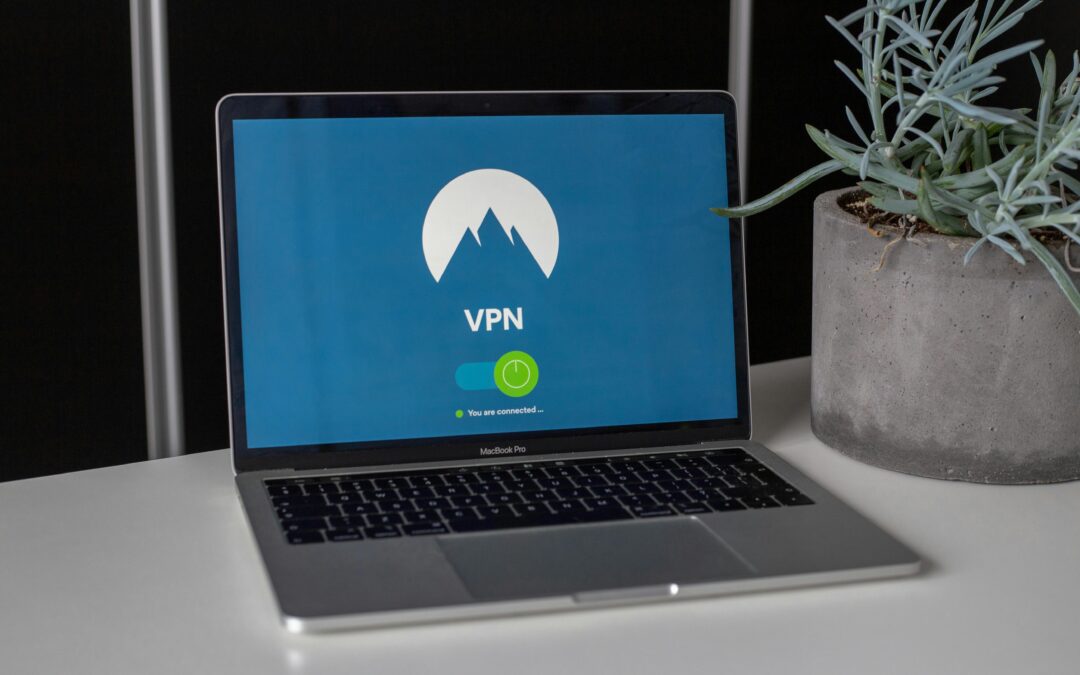
A business VPN provides an encrypted tunnel for all traffic between your online store and customers. This prevents hackers from snooping on transactions or intercepting sensitive information. A VPN hides your real IP address, providing anonymity.

Key protections offered by a VPN include:

  • Encryption – Securely scrambles data to make it unreadable to outside parties. This prevents snooping on customer and business information.
  • Anonymity – Masks your real IP address and physical location, making it much harder for hackers to target your infrastructure.
  • Access control – Allows you to restrict connections to your online store to only those coming through the VPN tunnel. Traffic from unknown sources is blocked.
  • Malware blocking – Affordable VPN services like IPVanish VPN include threat protection to block access to known malicious sites and servers. This prevents malware reaching your site via customer devices.
  • Activity logging – Provides visibility into all connections and activity through the VPN tunnel. This helps quickly identify and block any suspicious access attempts.
  • Secure remote access – Staff can securely connect to your business network and online infrastructure from anywhere to manage the site. They can use the VPN Opera extension to ensure secure and private connections.

Choosing the Right VPN

With so many VPN providers on the market, it’s essential to choose one that offers robust security tailored to e-commerce sites. Key factors to consider include:

  • Proven security features – Look for advanced encryption, malware blocking, activity logging, and other protective measures.
  • Reliable performance – The VPN must be able to handle your site’s traffic levels without slowing connectivity or causing bottlenecks.
  • Server locations – Choose a provider with servers located near your customers to reduce latency.
  • Ease of use – The VPN should be simple for your team to set up and manage across various devices.
  • Customer support – Pick a provider known for responsive and knowledgeable support in case any issues arise.
  • Cost – Balance security with affordability to find a provider that fits your budget.

Operating a secure online store is critical for success in e-commerce. By investing in a robust VPN solution and following best practices, you can effectively reduce cyber risks and protect your business from threats. Taking a proactive approach to security gives customers confidence in your brand and helps your online store thrive over the long term.

How Do Different Plotter Types Affect Print Quality?

How Do Different Plotter Types Affect Print Quality?

print quality

Plotters are key in industries where high-quality, large-format prints are essential. However, types of plotters differ significantly in the quality they deliver, depending on their technology, speed, and precision. Understanding these differences can help you choose the plotter that best suits your needs. Here, we’ll explore the impact of various plotter types—inkjet, laser, pen, and thermal—on print quality to guide your decision.

1. Inkjet Plotters: Vibrant Colours and Detailed Imagery

Inkjet plotters are highly regarded for their superior colour accuracy and ability to produce detailed images. Using fine nozzles to spray tiny droplets of ink, these plotters can create smooth colour transitions and sharp lines, ideal for high-quality, visually rich prints.

Impact on Print Quality
Inkjet plotters deliver impressive print quality, especially for designs that require vivid colours and fine details. They are ideal for architectural renderings, posters, and any print material where precise colours and gradients are critical. The colour quality of inkjet plotters is unmatched by other plotter types, making them perfect for creative and visual projects. However, their slower speed compared to laser plotters can be a consideration if you need fast output.

2. Laser Plotters: Sharp Lines and Efficient Output

Laser plotters are known for their speed and efficiency, especially in producing clear, high-contrast monochrome prints. They use laser technology and toner, which creates crisp lines and sharp contrasts, making them popular in engineering and technical fields.

Impact on Print Quality
Laser plotters excel in producing sharp, black-and-white prints that are easy to read and professional-looking, which makes them perfect for technical drawings, blueprints, and schematics. However, they are not as effective for producing vibrant colours or gradients as they are primarily suited for monochrome work. Laser plotters provide reliable results without compromising speed if you focus on fast, clear, and accurate line work.

3. Pen Plotters: Precision for Line Work and Technical Drawings

Pen plotters take a different approach to printing. They use a mechanical arm with a pen to draw directly onto the media. This precise method allows for detailed line work that’s highly valued in technical and engineering applications.

Impact on Print Quality
Pen plotters deliver some of the most accurate line-based images, perfect for blueprints, circuit diagrams, and any print that relies heavily on clarity inline placement. While their print quality for line work is excellent, pen plotters lack the capability for colour shading and gradients, as each line must be drawn individually. They also operate at a slower pace, which can be a limitation for high-volume tasks but is ideal for highly detailed line-focused prints.

4. Thermal Plotters: Durable Prints for Outdoor Use

Thermal plotters apply heat to transfer dye or wax-based ink onto the media. This method makes the prints durable and resistant to environmental factors, which is essential for applications requiring long-lasting prints, such as outdoor signage.

Impact on Print Quality
Thermal plotters produce durable, weather-resistant prints, although their colour range is usually limited. They focus more on functionality and durability than on producing vivid or high-resolution images. As a result, thermal plotters are best suited for industrial applications where print longevity is essential, such as construction signage and maps exposed to outdoor conditions. Their print quality is practical but may lack the detail and colour depth required for visually intensive projects.

5. Multifunction Plotters: Balanced Quality for Varied Tasks

Multifunction plotters combine various functions, such as printing, scanning, and copying, into one device. They are versatile and practical for businesses that need different tasks handled by a single machine, although they may not match the print quality of dedicated plotters.

Impact on Print Quality
Multifunction plotters offer decent print quality for general office and design work, making them suitable for environments requiring a range of document handling options. However, because they aim to balance multiple functions, they may compromise on certain aspects of print quality. A dedicated inkjet or pen plotter may be more effective for high-resolution colour work or precise line details. Multifunction plotters are best for companies that value versatility but may not need specialised print quality.

6. Cutting Plotters: Precision Cutting for Creative Projects

Unlike other plotters that print images, cutting plotters are designed to cut shapes from materials like vinyl, fabric, and cardstock. Although they don’t directly affect print quality, they add value by providing precise cuts for designs that require physical detailing.

Impact on Print Quality
Cutting plotters don’t contribute to image print quality but instead offer precision in cutting, which is beneficial for projects that require custom shapes and patterns. They are widely used in signage, fashion, and creative industries where detailed cutouts are essential. While they don’t produce printed images, cutting plotters enhance the overall presentation quality of designs that need precise physical shapes.

Selecting the Right Plotter Based on Print Quality

When choosing a plotter based on print quality, consider the unique characteristics of each type to find one that aligns with your needs:

  • For High-Resolution Colour: Inkjet plotters are ideal for projects requiring vibrant, detailed colour prints.
  • For Fast Monochrome Prints: Laser plotters deliver speed and sharp contrast, which is ideal for technical drawings.
  • For Detailed Line Work: Pen plotters provide unparalleled accuracy for line-based projects.
  • For Durability: Thermal plotters are best for outdoor applications that need weather-resistant prints.
  • For Multifunctional Needs: Multifunction plotters offer a balance of quality and versatility for varied tasks.

In conclusion, understanding how different plotter types affect print quality can help you choose the best tool for your projects. With various types of plotters offering unique benefits, from inkjet’s vibrant colour depth to the durability of thermal prints, selecting the right plotter ensures that your prints meet the highest standards. Whether you need sharp monochrome drawings, highly detailed line work, or durable outdoor prints, each plotter type has its strengths, helping you achieve professional results tailored to your needs.

Mastering Forex Markets: Top Strategies for Successful Trading

Mastering Forex Markets: Top Strategies for Successful Trading

Top Strategies for Successful Trading

The foreign exchange market, often called forex, is the largest financial market in the world, where currencies are bought and sold based on exchange rates. For those looking to enter this market, understanding key strategies is essential for success. This article explores the top strategies for effective trading in the forex market, offering insights into how investors can make informed decisions, manage risks, and improve their chances of success. 

Understanding the Basics

Forex trading, also known as currency trading, involves exchanging one currency for another with the aim of making a profit. It operates on a 24-hour cycle, allowing investors to trade at any time of day or night. Various factors, including economic data, geopolitical events, and market sentiment, influence the forex market. Because of its accessibility and potential for high returns, this trading attracts both new and experienced investors. 

To succeed in foreign exchange trading, investors must understand the fundamental concepts that drive currency value changes. By studying these factors, traders can predict price movements and decide when to enter or exit trades. Knowledge of terms like “pip,” “spread,” and “leverage” is also essential to understand trading costs and profits. 

Analysing Market Trends for Better Decisions

One effective strategy in foreign exchange trading is market trend analysis. By observing the market’s directional movements over time, traders can identify trends that indicate price stability or potential shifts. Trend analysis helps investors understand the broader context of currency pairs and make educated predictions on future price behaviour. 

Two popular methods for trend analysis include technical and fundamental analysis. Technical analysis focuses on historical price data and chart patterns, while fundamental analysis examines economic indicators and news events. Traders often combine these methods to create a comprehensive picture of the market and make more accurate trading decisions. 

Implementing Risk Management Techniques

Risk management is crucial for successful trading in the forex market. The volatile nature of currency values means that prices can change rapidly, creating the potential for both gains and losses. One common approach to managing risk is setting stop-loss and take-profit orders, which automatically close a trade when it reaches a certain price level, thus controlling potential losses or securing profits. 

Another risk management technique is limiting leverage usage. Leverage allows traders to control larger amounts of money with a smaller deposit, but it also increases potential losses. By using lower leverage, traders can minimise the risk of significant losses, ensuring they only risk what they can afford to lose.


Utilising Technical Indicators for Precise Entries

Commonly used indicators include moving averages, relative strength index (RSI), and Bollinger Bands. Moving averages smooth out price data to help traders identify trends, while RSI measures the speed and change of price movements, indicating overbought or oversold conditions. 

By using these indicators, traders can determine optimal entry and exit points for trades. Incorporating technical indicators into a trading strategy can help traders make precise, data-driven decisions. You can also use AI-Powered XAUUSD Trading solution like.

Staying Updated with Global News Events

Global events and economic news have a significant impact on forex markets. News like interest rate changes, inflation data, and political developments can quickly affect currency values. Successful traders stay informed on these events to anticipate potential market movements and adjust their strategies accordingly. 

By following economic calendars and news feeds, traders can prepare for high-impact events and avoid making trades that could lead to unexpected losses. Staying updated with global news helps traders make better decisions and align their strategies with the current market conditions. 

Mastering Emotional Discipline in Trading

Market volatility can lead to impulsive decisions driven by fear or greed, which often result in losses. Traders need to remain calm and stick to their strategies, even during market fluctuations. Setting realistic goals and following a trading plan can prevent emotional reactions that harm trading outcomes. 

Successful traders also know when to take breaks, as constant monitoring can lead to stress and fatigue. By practising patience and maintaining discipline, traders can make thoughtful, informed decisions in the forex market, avoiding the pitfalls of emotional trading. 

Learning from Past Trades

Analysing past trades is an effective way for traders to improve their strategies and learn from mistakes. By reviewing trade history, traders can identify patterns in successful trades and understand why certain trades were less profitable. 

This process of self-evaluation is essential for continuous improvement in forex trading. By learning from past trades, traders can adapt their strategies, avoid repeating mistakes, and gradually enhance their skills. 

Mastering the forex market requires a combination of strategies, from understanding market trends and managing risk to selecting the right trading style and maintaining discipline. Each strategy offers unique benefits, helping traders make informed decisions and increase their chances of success. With consistent practice, attention to market changes, and a disciplined approach, traders can navigate the forex market effectively and build a strong foundation for long-term success.

How Behavioral Health Billing Software Improves Efficiency?

How Behavioral Health Billing Software Improves Efficiency?

Health Billing Software

Managing billing for behavioral health services can be a complex and time-consuming process. From insurance claims to patient invoicing, the administrative burden on healthcare providers often results in inefficiencies, errors, and delays in payment. Thankfully, behavioral health billing software offers a solution by streamlining these tasks and ensuring accuracy, leading to better efficiency for healthcare practices.

In this blog, we’ll explore how this software transforms the billing process, reduces administrative burden, and ultimately improves the productivity of behavioral health practices.

What Is Behavioral Health Billing Software?

Behavioral health billing software is a specialized tool designed to automate and simplify the billing process for behavioral health providers. It helps manage everything from insurance claims and payments to patient billing and revenue tracking, all within one platform.

This software is tailored to meet the unique needs of mental health professionals, including therapists, counselors, psychologists, and social workers. It ensures compliance with the complex billing codes specific to behavioral health services, reducing the chances of costly errors and claim rejections.

The Challenges of Behavioral Health Billing

Billing in the behavioral health field comes with its own set of challenges. Many providers face difficulty keeping up with the ever-changing regulations, billing codes, and insurance requirements. Common issues include:

  • Incorrect billing codes, leading to claim denials or payment delays.
  • Time-consuming administrative tasks that take providers away from patient care.
  • Increased chances of human error due to manual entry of data.
  • Complex insurance verification processes that slow down reimbursement.

These challenges can overwhelm behavioral health practices, causing delays in payment and loss of revenue. Integration with hospital risk analysis systems helps identify potential financial vulnerabilities and compliance gaps in behavioral health billing practices.That’s where behavioral health billing software comes in to address these issues and improve efficiency.

How Behavioral Health Billing Software Improves Efficiency

1. Automating Billing Processes

One of the biggest benefits of behavioral health billing software is automation. By automating routine billing tasks, such as generating invoices, submitting insurance claims, and sending payment reminders, this software eliminates manual entry and reduces errors. Automation ensures that claims are submitted quickly and accurately, minimizing delays in reimbursement.

With the software managing the billing cycle, providers can focus more on patient care and less on administrative work. This results in improved workflow efficiency and less time spent on non-clinical tasks.

2. Improving Accuracy in Billing and Coding

Behavioral health services require the use of specific billing codes, and errors in these codes can lead to claim denials or delayed payments. Behavioral health billing software is equipped with the latest billing codes and compliance regulations. It automatically cross-checks codes and claims for accuracy before submission, reducing the risk of errors.

Inaccurate billing can cost a practice both time and money. By ensuring that the correct codes are used and claims are compliant with industry standards, the software improves the likelihood of timely reimbursement.

3. Streamlining Insurance Verification

Insurance verification is a critical part of the billing process, but it can be time-consuming and prone to errors. Behavioral health billing software often includes tools that streamline insurance verification by automatically checking patients’ insurance coverage before services are rendered.

This helps providers avoid unexpected denials or delays in payment. With real-time verification, practices can confirm coverage and ensure proper billing from the outset, improving efficiency and reducing administrative headaches.

4. Centralizing Data and Documentation

Behavioral health billing software acts as a centralized hub for all billing-related data and documentation. Patient records, insurance details, and payment history are stored securely in one place, making it easy for staff to access necessary information without sifting through paperwork or multiple systems.

This centralization not only improves the efficiency of the billing process but also enhances data security and compliance. With everything in one place, practices can ensure that sensitive information is protected while streamlining workflows.

5. Faster Payment and Revenue Cycle Management

By automating billing tasks and improving accuracy, behavioral health billing software helps practices get paid faster. The software tracks the entire revenue cycle from patient intake to final payment, providing transparency and control over the process.

Faster payment times mean healthier cash flow for the practice, allowing providers to focus on delivering quality care without worrying about financial bottlenecks. Revenue cycle management tools included in the software also offer insights into billing performance, helping practices identify areas for improvement.

6. Reducing Administrative Burden

Administrative tasks like billing can take up a significant amount of time for behavioral health professionals, especially in smaller practices with limited staff. Behavioral health billing software reduces the need for manual data entry, paperwork, and follow-up, freeing up staff to focus on patient care and other important responsibilities.

By streamlining the billing process, the software lightens the load on administrative staff, making the entire practice more efficient.

The Long-Term Benefits of Behavioral Health Billing Software

Implementing behavioral health billing software is an investment that pays off in the long run. Over time, practices will experience:

  • Increased efficiency: Automation and streamlined processes reduce time spent on administrative tasks.
  • Higher accuracy: Fewer billing errors mean faster payments and fewer claim denials.
  • Improved financial health: Quicker reimbursements improve cash flow and ensure steady revenue.
  • Better patient care: With less focus on paperwork, providers can dedicate more time to their patients.

As the healthcare industry becomes increasingly digital, the adoption of behavioral health billing software is essential for staying competitive and maintaining high levels of patient satisfaction.

Conclusion: 

In today’s fast-paced healthcare environment, efficiency is more important than ever. Behavioral health billing software offers a solution to the common challenges faced by mental health professionals, helping them manage billing tasks more efficiently, reduce errors, and improve cash flow.

For practices looking to streamline operations, increase accuracy, and free up valuable time for patient care, implementing behavioral health billing software is a smart and strategic choice.

How Data Visualisation Enhances Analytics

How Data Visualisation Enhances Analytics

Data Visualisation

Data visualisation is not just an extra tool in data analytics but an integral part of the process. As organisations handle increasingly extensive and significant amounts of data, they must be able to effectively visualise them. Visualising raw data into an actionable format enables professionals to make better decisions and maximises the Benefits of Data Analytics. This allows businesses to utilise their data effectively, enhancing overall performance and decision-making processes.

Are you a data analyst who thinks about how to effectively use data analytics? Data Analytics and improve your skills and utilise its advantages. Let’s discuss how data visualisation improves data analytics and assists organisations in growing by leveraging these benefits here.

Table Of Contents

  • The Role of Data Visualisation in Analytics
  • Fundamental Techniques in Data Visualisation
  • Applications of Data Visualisation Across Industries
  • Conclusion

The Role of Data Visualisation in Analytics

Data visualisation is the process of presenting information and data in graphical representation. Data visualisation tools use pictures like charts, graphs, and maps. This makes it easy to see and understand patterns and trends in data. The main objective is to give users clear and valuable knowledge to understand complicated ideas or find new patterns.

Enhanced Comprehension

The brain processes images 60,000 times faster than words, which shows that we are visual creatures. Data visualisation uses this advantage by turning significant, complicated information into images that are easier to understand and absorb. This instant understanding opens up the value of data analytics by speeding up the analysis process and making it easier to make decisions more quickly.

Demonstrating Hidden Patterns and Relationships

Data visualisation can show trends and connections that might not be noticeable when you look at the raw data. Visualisation can help you find trends and connections that give helpful business insights. For example, a time series graph can show regular consumer behaviour patterns, which can help plan production and marketing.

Improved Data Driven Decisions

It is essential to make choices and decisions based on the right information and the data analyst. Data visualisation allows decision makers to utilise data analytics immediately. Visual tools help show what might happen in different hypothetical situations. This lets businesses simulate decisions and see their potential impacts before they are made.

Fundamental Techniques in Data Visualisation

Here are some methods that make data visualisation in analytics more useful:

Choosing the Right Chart

Different types of information need to be presented in various ways. Bar charts are excellent for comparing amounts, while line charts show how things change over time. Pie charts show parts of a whole. Choosing the right chart is essential for clearly describing or presenting the data.

Use of Colour

Colour can make data visualisations easier to read, but if it’s used wrong, it can be confusing. Colours should not be used for decoration but to draw attention to important information without confusion.

Interactive Visualisations

Using interactive tools, users can extract more information from charts and graphs, allowing them to better understand the data whenever they need to.

Applications of Data Visualisation Across Industries

There are different ways that different businesses can use data visualisation to improve their analytics:

Healthcare

Visualisation tools in healthcare can help monitor disease outbreaks over time and space, manage hospital resources, and better understand patient data.

Finance

Data visualisation helps people in the financial sector monitor how markets change, evaluate risk, and see how different business units or product lines are doing regarding financial success metrics.

Retail

Retailers use data visualisation to monitor performance and understand how customers buy. They also use predictive analytics to optimise inventory levels.

Marketing

Data visualisation helps marketers track the success of their campaigns and understand how customers behave. It also helps divide the viewers into groups based on their demographics and buying habits.

Conclusion

In analytics, data visualisation is a powerful tool that can turn raw data into exciting stories that teach and convince. It improves analytics by making data more accessible to find and understand, which helps organisations make choices more quickly and with more information. As data gets more extensive and complicated, it becomes even more critical to have good visualisation tools. If you are looking for methods to improve your data analytics skills, consider joining courses The Knowledge Academy offers. For more information visit: The Knowledge Academy.


Ultimate Guide to Choosing an Educational Staffing Agency

Ultimate Guide to Choosing an Educational Staffing Agency

Educational Staffing Agency

Introduction

If you’re in the education sector, you’ve likely heard about an educational staffing agency.

These agencies are a game-changer for schools and institutions struggling to find the right talent.

Let’s dive into how these agencies work and why they might be the perfect solution for your staffing needs.

What is an Educational Staffing Agency?

An educational staffing agency specializes in connecting schools and educational institutions with qualified professionals.

These agencies provide a bridge between job seekers and employers, ensuring that schools can find the best fit for their open positions.

They cater to various roles, from teachers and administrators to support staff.

Why Schools Need Staffing Agencies

Finding the right staff can be a daunting task for schools.

Traditional hiring processes are time-consuming and often fail to yield the best candidates.

Educational staffing agencies streamline this process by pre-screening candidates and matching them with suitable positions.

This not only saves time but also ensures a higher quality of hire.

Benefits of Using an Educational Staffing Agency

Time and Cost Efficiency

Hiring new staff involves posting job ads, sifting through resumes, and conducting interviews.

This process can take weeks or even months.

Educational staffing agencies handle these tasks for you, significantly reducing the time and cost involved in hiring.

Access to a Larger Talent Pool

Staffing agencies have extensive databases of qualified candidates.

They have access to professionals who may not be actively seeking jobs but are open to new opportunities.

This increases the chances of finding the perfect match for your school’s needs.

Flexibility and Scalability

Whether you need temporary staff to cover a short-term absence or permanent employees, an educational staffing agency can provide the flexibility you need.

They can quickly scale their services to match your requirements, making them an ideal partner for schools of all sizes.

How to Choose the Right Educational Staffing Agency

Identify Your Needs

Before you start looking for an educational staffing agency, it’s essential to identify your specific needs.

Are you looking for temporary or permanent staff?

What qualifications and experience are required for the positions you need to fill?

Having clear answers to these questions will help you choose the right agency.

Research and Reviews

Look for agencies with a good reputation and positive reviews.

Ask other schools about their experiences with staffing agencies.

Online reviews and testimonials can provide valuable insights into an agency’s reliability and quality of service.

Interview the Agencies

Don’t hesitate to interview potential staffing agencies.

Ask about their hiring process, the size of their talent pool, and their success rate in placing candidates.

A good agency will be transparent and willing to answer all your questions.

Real-Life Example: A Success Story

Consider the experience of Greenfield High School.

Struggling with a high turnover rate and numerous vacant positions, they decided to partner with an educational staffing agency.

Within a month, the agency provided several qualified candidates, two of whom were hired and have since become invaluable members of the school’s team.

The principal noted a significant improvement in the hiring process and the overall quality of candidates.

Challenges and Considerations

Cost

While educational staffing agencies can save you time and effort, their services come at a cost.

It’s important to weigh this cost against the benefits they provide.

In many cases, the improved quality of hires and the reduced time to fill positions justify the expense.

Compatibility

Not all agencies are created equal.

It’s crucial to find an agency that understands your school’s culture and specific needs.

A mismatch can lead to unsuitable hires, which can be disruptive and costly in the long run.

Dependence

Relying too heavily on staffing agencies can be a risk.

It’s important to balance the use of external agencies with your internal HR capabilities.

Developing a robust internal hiring process can provide long-term stability and reduce dependence on external agencies.

Future of Educational Staffing

The landscape of education is changing rapidly, and staffing needs are evolving.

Educational staffing agencies are adapting by incorporating technology and expanding their services.

From virtual classrooms to online learning platforms, the future of educational staffing is promising and full of opportunities.

Conclusion

Choosing the right educational staffing agency can significantly impact your school’s success.

By understanding your needs, researching potential agencies, and weighing the pros and cons, you can make an informed decision.

Remember, the right agency can save you time and money while providing access to a larger, more qualified talent pool.

In the end, this will ensure that your students receive the best education possible, delivered by dedicated and competent professionals.

Final Thoughts

An educational staffing agency can be a valuable partner in achieving your school’s staffing goals.

With their expertise and resources, they can help you find the right candidates quickly and efficiently.

As the education sector continues to evolve, staying ahead with the right staffing solutions will be key to maintaining high standards and achieving success.

This comprehensive guide should equip you with the knowledge to make an informed decision about partnering with an educational staffing agency.

By leveraging their services, you can focus on what truly matters: providing quality education to your students.