...
UK: +44 2038074555 info@atamgo.com
When You Shouldn’t Share Your Phone Number Online (And What to Do Instead)

When You Shouldn’t Share Your Phone Number Online (And What to Do Instead)

Phone Number Online

How often do you give out your phone number online without thinking twice about it? We’re so used to companies asking for our numbers that we don’t stop to consider the repercussions of making our personal data so accessible online. 

Sometimes, you’ll have no choice but to use your own number. But in this article, we’re focusing on the times when you shouldn’t share your real phone number—and what you can do instead when a phone number is a mandatory requirement. 

How Can Sharing Your Real Number Backfire?

When a website doesn’t clearly explain why it wants your number, the safest thing you can do is not give it to them.  

It’s become incredibly common practice for platforms to ask for phone verification just to collect your data. The reality is that they don’t care about your security—they just want to sell your number to marketers or link your account to other services. That’s how your number can end up on a shared list, and once that happens, it’s almost impossible to undo the damage. 

Legitimate sites can get hacked—just Google “website hacked” and view “news” if you want to see just how often this happens. If your number gets leaked as part of a database, it might get linked to other personal info like your email or physical address, giving more of your private data to people who want to use it immorally. 

When You Shouldn’t Use Your Real Number

You should avoid sharing your real number any time you need to give your details to a website that looks sketchy or is vague about why it needs your data. Ideally, you’d just avoid this site outright, but if it’s necessary for your specific situation, you might feel you have no choice 

You might also want to avoid using your own number if you’re signing up for a social media account you’ll only use for one project, creating backup email addresses, testing websites or apps, entering giveaways, taking advantage of a free trial, or accessing adult content without tying it to your main identity. 

If a service won’t let you in without a number, but you don’t plan on using it often, there’s no good reason to give out your own. The solution here is to use a temporary non-VoIP number offered by a service like , which will let you receive a code to verify your account without having to give up your personal data. 

That said, if you’re setting up something long-term, non-VoIP numbers aren’t suitable because they’re only for temporary use, so it’ll probably be better for you to get a dedicated number for this purpose instead of reusing your real one. 

Takeaway

Your phone number is essentially part of your digital ID, so don’t be so quick to hand it out unless you know exactly where it’s going and why.  

The good news is that you have options that protect your privacy without having to avoid using services or websites online altogether, all thanks to temporary SMS verification services like SMSpool. 

Naju Office: Where Innovation Meets Tradition in the Heart of South Jeolla

Naju Office

In recent years, the city of Naju has quietly emerged as a place of growing significance in South Korea’s dynamic urban landscape. Once known primarily for its fertile plains and agricultural heritage, Naju is now a modern city that blends tradition with innovation. This transformation has reshaped the way people view the area—not just as a center of culture and history, but as a destination for stable, meaningful living. As such, is increasingly capturing the attention of those seeking a harmonious blend of city life, heritage, and sustainability. 

A City Rooted in History 

Naju’s past runs deep. As one of the historic centers of the Baekje Kingdom, Naju has long been recognized as a region rich in cultural assets. The city is home to traditional markets, historical architecture, and centuries-old customs that continue to shape local identity. From hanok villages to heritage festivals, Naju remains a stronghold of Korean tradition in an age of rapid change. 

This cultural continuity is evident in 대구 오피. Many homes and residential developments in the region have embraced traditional aesthetics, with modern interpretations of hanok-style houses and designs that honor natural materials, landscaping, and community spaces. People moving to Naju often cite the cultural richness as a key draw, finding that the city offers not only a place to live, but a place to belong. 

Home of Innovation: Korea’s Energy Capital 

Beyond its historical roots, Naju is also a city with its sights set on the future. The government has designated Naju as the core of the Bitgaram Innovation City project—a strategic initiative aimed at transforming the city into South Korea’s hub for energy innovation and green technology. Numerous public institutions and corporations related to energy, smart grids, and sustainable infrastructure have relocated to Naju, bringing with them professionals, families, and long-term development plans. 

This change has invigorated Naju real estate, driving the need for thoughtfully designed residential and commercial spaces that align with modern lifestyles. As new residents arrive to work in high-tech industries, they look for homes that offer convenience, comfort, and proximity to both natural surroundings and urban amenities. 

The Balance Between Urban and Rural 

One of Naju’s defining qualities is its ability to offer the best of both urban and rural living. While the Bitgaram Innovation City area presents a modern skyline with sleek apartment complexes, smart facilities, and efficient transportation networks, the surrounding regions maintain a peaceful agricultural charm. Residents can easily commute to work or school in a smart city environment and return home to quiet neighborhoods or scenic countryside just minutes away. 

This equilibrium is what makes 대구 오피 한국 particularly unique. Properties in Naju often come with access to green spaces, community gardens, or views of open fields. Unlike the congestion of larger metropolitan centers, Naju offers room to breathe—both literally and figuratively. 

A City for Families and the Future 

For families considering a new place to settle, Naju provides an inviting environment. The city has invested heavily in education, with new schools, libraries, and educational programs that emphasize creativity, environmental awareness, and digital literacy. Children growing up in Naju benefit from an education system that respects both traditional values and forward-thinking curricula. 

These educational opportunities influence Naju office trends. Developers and urban planners prioritize access to safe play areas, walkable neighborhoods, and proximity to schools and cultural facilities. As a result, many young families view Naju as an ideal city to plant roots and raise children with a balanced lifestyle. 

Community-Centered Development 

Another core strength of Naju is its commitment to community-centered development. City planners have made conscious efforts to avoid the kind of chaotic urban expansion that can fracture neighborhoods and isolate individuals. Instead, development in Naju is designed to foster community interaction. 

In residential zones, shared spaces such as parks, cultural centers, and local markets are common. Neighbors know each other, children play together, and local events help build strong social networks. These human connections are an important part of what makes Naju real estate so appealing—people aren’t just buying homes; they’re joining a community. 

Sustainability and Green Living 

As Korea’s energy innovation hub, Naju naturally emphasizes sustainability in its urban planning. Buildings are designed to be energy-efficient, and there is a strong push for renewable energy use and environmentally conscious practices. Public transport is well-developed, and walking or cycling is both safe and encouraged. 

The push toward eco-conscious living is mirrored in Naju office design. Homes are often built with features like efficient insulation, solar panels, natural ventilation, and energy-saving appliances. Parks, bike paths, and eco-parks add to the city’s livability, making it an attractive option for those who value a lifestyle in tune with the environment. 

The Rise of Remote Work and Local Living 

Like many cities across Korea, Naju has seen changes in residential trends due to the rise of remote and hybrid work. Professionals who previously had to remain in Seoul or other large cities are now free to relocate, and Naju has become an appealing destination for those looking to improve their quality of life. 

With high-speed internet infrastructure and proximity to Gwangju for occasional in-person meetings, Naju allows professionals to maintain productive careers while enjoying the comfort of a smaller city. This shift is contributing to a renewed interest in Naju real estate, especially among those seeking long-term residence with modern amenities in a low-stress environment. 

Accessibility and Infrastructure 

Transportation infrastructure in Naju is another significant advantage. With easy access to major highways, railways, and nearby airports, residents can travel across the region or to the capital without difficulty. The city is also part of a regional public transport network that connects it to neighboring cities like Gwangju, Mokpo, and Suncheon. 

Improved accessibility has supported the growth of 대구 op 후기, making it feasible for professionals and students to commute, families to stay connected, and businesses to thrive without feeling isolated from the rest of the country. 

Conclusion: A City on the Rise 

In the evolving landscape of Korean cities, Naju offers something distinct. It’s a city where ancient traditions meet cutting-edge innovation, where communities still flourish, and where the natural world remains part of daily life. Whether it’s for the peaceful environment, cultural depth, or future-forward energy vision, Naju continues to draw attention from a wide variety of people. 

For those exploring new places to call home, Naju real estate represents more than just property—it represents a lifestyle. With a reputation for thoughtful development, community values, and eco-friendly living, Naju is more than a city—it’s a vision of the future that respects the past. 

As the city continues to grow in influence and identity, Naju real estate stands as a promising choice for those who seek purpose, connection, and lasting quality in where they live. From young professionals to growing families and retirees, Naju welcomes everyone with open arms and a vision for a better tomorrow.


What is Location Independence and How Can You Get It?

location Independence

Ever dream of answering emails from a beachside café in Bali? Or running your business while exploring the historic streets of Rome? That’s the essence of location independence – the ability to earn a living without being tied to a specific place.

Unlike simply working remotely, location independence represents total geographic freedom in both your work and lifestyle choices.

With the rise of digital technology and shifting workplace norms, more people than ever are breaking free from traditional work models to design lives on their terms.

This blog will walk you through what location independence truly means and how you can achieve it for yourself.

The Evolution of Work and Location Freedom

The concept of work has transformed dramatically over the past few decades. Let’s look at how we got here.

From Office Cubicles to Digital Freedom

Traditional work models once demanded employees commute to physical offices, spending hours in traffic just to sit at assigned desks for rigid eight-hour shifts. Today, technology has shattered those limitations. Cloud computing, collaboration software, and high-speed internet have made physical presence increasingly optional for many professions.

The statistics paint a clear picture of this shift. The global eSIM market size was valued at USD 1.22 billion in 2023 and is projected to grow from USD 1.46 billion in 2024 to USD 6.29 billion by 2032, exhibiting a CAGR of 20.0% during the forecast (2024-2034). This growth reflects how connectivity solutions are enabling more people to work from anywhere.

Technology as the Great Enabler

Digital tools have made location independence a reality, empowering remote workers to be efficient and connected from anywhere. Thailand, with its perfect blend of modern amenities and natural beauty, has become a hotspot for digital nomads.

Staying connected is crucial, and this is where the best esim thailand options come in. eSIM technology offers seamless connectivity without the need for physical SIM cards, ensuring reliable service whether you’re in bustling Bangkok or relaxing on a remote island.

Now that we understand how we arrived at this point, let’s clarify what truly separates location independence from simply working remotely.

Location Independence vs Remote Work: Understanding the Key Differences

While often used interchangeably, location independence and remote work represent distinct concepts with important differences.

Defining the Terms

Remote work simply means you’re not working at a central office location. You might work from home, a local cafe, or occasionally from another city – but you’re likely still bound by company policies, time zones, and possibly geographic restrictions.

Location independence, however, offers complete freedom from geographic constraints. It means you can work and live anywhere in the world where you can maintain connectivity and productivity. It’s about designing your entire life around your preferred locations rather than just your workspace.

Legal and Practical Distinctions

Many remote jobs still require employees to reside in specific countries or regions for tax, legal, or operational reasons. True location independence means your income sources have no such restrictions, whether through entrepreneurship, freelancing, or companies that truly support a borderless workforce. Knowing how to monitor remote employees across multiple time zones and jurisdictions is also essential for maintaining efficiency without compromising flexibility. 

Understanding these differences helps set realistic expectations as you pursue geographic freedom. With this clarity, let’s examine the foundational elements that make location independence possible.

The Three Pillars of Location Independence

At its core, location independence rests on three essential foundations that together create true freedom of movement and lifestyle.

1. Financial Independence

The first and most critical pillar is the ability to earn an income that travels with you. This can come from several sources:

  • Remote employment with no geographic restrictions 
  • Freelance work or consulting 
  • Online businesses or digital products 
  • Investment income that requires minimal management

However, achieving financial independence requires careful planning, including navigating tax obligations across different jurisdictions to ensure consistent and sufficient income while you remain mobile.

2. Geographic Freedom

Geographic freedom refers to the legal ability to live and work anywhere you choose. This involves:

  • Understanding visa requirements for digital nomads and remote workers 
  • Managing residency status and tax obligations in different countries 
  • Creating sustainable travel or relocation plans that accommodate both your lifestyle and work needs

3. Time Autonomy

The third pillar involves having full control over your schedule, which allows you to:

  • Set work hours that align with your natural productivity patterns 
  • Balance different time zones with your clients or team 
  • Create boundaries that prevent work from consuming your entire life

Achieving time autonomy allows you to design a balanced life and work structure that fits your unique needs.

Building a Location-Independent Income

The cornerstone of how to achieve location independence is establishing reliable income streams that aren’t tied to a specific location.

Remote Employment Options

Some companies now hire globally with no geographic restrictions. These opportunities typically involve:

  • Fully distributed teams with asynchronous communication
  • Companies that handle international payroll and compliance
  • Tech, marketing, design, and customer service roles

Freelancing and Consulting

Building a freelance career offers significant location flexibility:

  • Writing, design, programming, and consulting travel well
  • Freelance platforms can help establish client relationships
  • Value-based pricing, rather than an hourly rate, supports lifestyle goals

Online Business Models

Creating your own business often provides the greatest location independence:

  • E-commerce stores with outsourced fulfillment
  • Digital products that generate passive income
  • Membership sites or subscription services
  • Online courses and educational content

Finding the right income approach for your skills and goals is essential for sustainable location independence. Let’s now consider how to overcome common obstacles.

Is Location Independence Right for You?

To determine if the location-independent lifestyle aligns with your goals and personality, it’s essential to conduct a self-assessment. Start by asking yourself a few key questions: Do you thrive with autonomy, or do you prefer clear structure in your daily routine? How important is geographic freedom to you compared to career advancement? Are you comfortable with uncertainty and adapting to new environments? Additionally, consider whether you have skills that easily translate to remote work or managing an online business.

If you’re unsure, it’s okay to take gradual steps toward location independence rather than diving in all at once. You might begin by negotiating remote work days with your current employer, taking a “workation” to test how working remotely from a new location feels, or building a side hustle that could eventually evolve into a fully location-independent career. This way, you can explore this lifestyle without feeling the need to immediately overhaul everything.

Final Thoughts 

Location independence ultimately represents choice – the freedom to design your life around your priorities rather than geographic constraints. Whether you dream of exploring the world as a digital nomad or simply want the flexibility to live where you truly want to be, the path to location independence is more accessible than ever before.

The journey requires careful planning, skill development, and persistence, but the reward is a life of unprecedented freedom and possibility. By understanding what true location independence means and following the strategies outlined here, you can begin creating a life that aligns with your deepest values and aspirations.

FAQs

How can digital nomads ensure reliable internet connectivity in Thailand?

Digital nomads can ensure reliable internet by using eSIM technology, which offers seamless data connectivity without the need for physical SIM cards, making it easy to stay connected on the go.

What are the best locations in Thailand for digital nomads?

Popular locations for digital nomads in Thailand include Chiang Mai, Bangkok, and Phuket, offering a mix of modern amenities, vibrant communities, and beautiful environments suitable for work and leisure. 

What are the challenges of living in Thailand as a digital nomad?

Challenges may include navigating visa requirements, managing time zone differences with clients, and adjusting to local customs and culture, all of which require careful planning and flexibility.

7 Powerful Features of Vidu Studio You Didn’t Know Existed

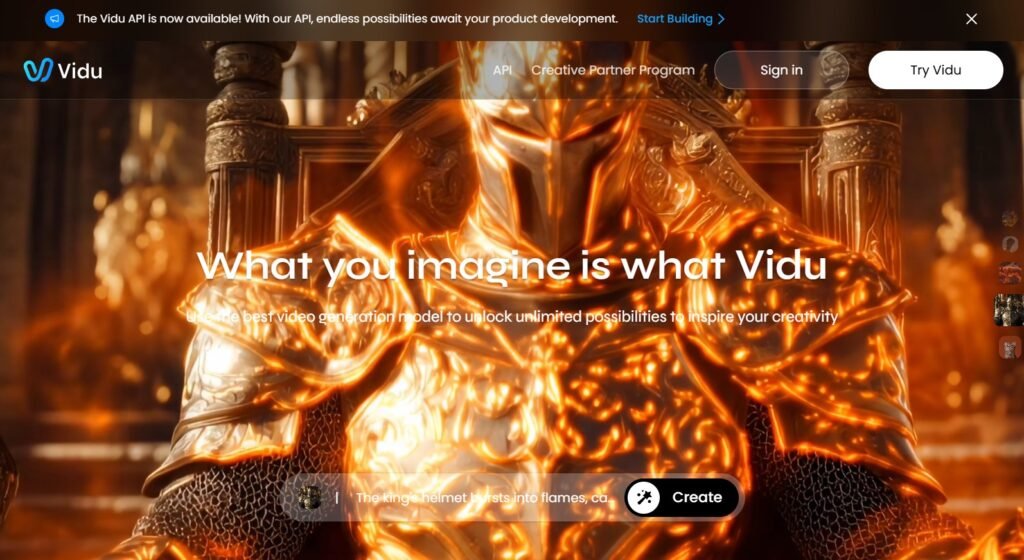
vidu studio

Introduction: Unlocking the Hidden Potential of Vidu Studio

Artificial intelligence is transforming the way we create videos, and Vidu Studio AI is at the forefront of this revolution. Whether you’re a content creator, marketer, or filmmaker, this AI-powered tool simplifies video production while delivering professional-quality results. But beyond its basic functionalities, Vidu Studio has several hidden gems that many users overlook.

In this article, we’ll uncover 7 powerful features of Vidu Studio you didn’t know existed. From advanced AI-driven video generation to ultra-fast rendering, these features will take your video creation process to the next level.

Find More: Stop Scrolling! Using Stock Photos That Actually Grab Attention 

One of Vidu Studio’s standout features is its Reference-to-Video tool. This allows users to upload reference images, and the AI transforms them into dynamic video clips. It works hand-in-hand with image to video AI technology, making the process of turning still visuals into moving content more seamless than ever.

1. AI-Powered Video Generation: Create Stunning Clips in Seconds

vidu

How Vidu Studio AI Transforms Video Creation

Gone are the days of spending hours editing and rendering videos. Vidu Studio AI uses cutting-edge artificial intelligence to generate videos from text descriptions, images, or reference footage. This automation allows users to create professional-grade content in minutes.

Real-World Applications for Businesses and Creators

  • Social Media Marketers: Generate engaging video ads without hiring a production team.
  • E-commerce Stores: Create product showcase videos effortlessly.
  • Content Creators: Produce YouTube and TikTok videos faster than ever.

With AI-powered video generation, Vidu Studio ensures high-quality output while minimizing manual effort.

2. Multi-Entity Consistency: Keeping Characters and Objects Aligned

What Multi-Entity Consistency Means for Your Videos

One of the biggest challenges in AI video generation is maintaining character and object consistency across different frames. Vidu Studio AI addresses this with its multi-entity consistency feature, ensuring:

  • The same characters appear consistently throughout a video.
  • Backgrounds, props, and other elements remain visually accurate.
  • Smooth transitions between frames for a polished look.

How It Enhances Visual Accuracy and Storytelling

Whether you’re creating animated explainer videos or AI-generated advertisements, this feature helps maintain continuity, making the final product look more professional and engaging.

3. Reference-to-Video Feature: Transform Ideas into Reality

How to Use Reference Images to Generate AI Videos

One of Vidu Studio’s standout features is its Reference-to-Video tool. This allows users to upload reference images, and the AI transforms them into dynamic video clips.

Best Practices for High-Quality Results

  • Use high-resolution images to improve output quality.
  • Ensure the reference image has clear subject positioning.
  • Experiment with different styles and effects to get unique results.

With this feature, creators can turn static images into visually engaging content with just a few clicks.

4. Image-to-Video Capabilities: Animate Still Images Like Magic

How Vidu Studio Converts Images into Motion

With the Image-to-Video feature, Vidu Studio AI breathes life into static images, creating motion graphics and animated visuals. This is particularly useful for:

  • Revitalizing old photos by adding movement.
  • Creating animated marketing content from static brand assets.
  • Generating unique motion effects without complex software.

Creative Use Cases for Marketers, Designers, and Influencers

  • Instagram & TikTok: Convert brand images into short, engaging videos.
  • Product Marketing: Showcase products with smooth transitions and animations.
  • Graphic Designers: Add motion to static projects for enhanced appeal.

5. Text-to-Video: Bring Your Script to Life with AI

How Vidu Studio Turns Written Descriptions into Visual Masterpieces

Text-to-Video is one of the most powerful AI features in Vidu Studio AI. Simply input a script, and the AI will automatically generate relevant visuals, transforming text into high-quality video content.

Tips for Crafting Effective Text Prompts

  • Be specific: The more details you provide, the better the AI-generated result.
  • Use action words: This helps the AI create more dynamic visuals.
  • Experiment with different styles: Vidu Studio allows for various themes and effects.

This feature is perfect for creators who want to automate video production without compromising quality.

6. Ultra-Fast Video Rendering: AI-Powered Speed & Efficiency

How Vidu Studio Delivers Videos in Record Time

Speed is a major advantage of Vidu Studio AI. Unlike traditional software that requires hours to render, Vidu.com’s AI-powered infrastructure can generate high-quality videos in just seconds.

Comparing Speed with Other AI Video Tools

  • Vidu Studio: Generates videos in seconds.
  • Traditional Video Editors: Can take hours for high-quality rendering.
  • Other AI Video Tools: Often lack real-time processing capabilities.

If time is money, then Vidu Studio is a game-changer for content creators and businesses alike.

7. Advanced Motion Control: Creating Realistic and Dynamic Movement

How Motion Control Enhances Video Fluidity

Vidu Studio AI doesn’t just generate videos—it ensures they look natural. The Advanced Motion Control feature fine-tunes movements for realistic and dynamic animation.

The Science Behind Vidu Studio’s Realistic Animations

  • AI-driven physics modeling ensures natural motion.
  • Smart motion blending avoids robotic-looking movements.
  • Dynamic scene adjustments make transitions smooth and cinematic.

This makes Vidu Studio AI ideal for creating professional-level animations without the need for complex manual adjustments.

Conclusion

With Vidu Studio AI, video creation has never been easier. We’ve explored 7 powerful features that make this tool a must-have:

  • AI-Powered Video Generation
  • Multi-Entity Consistency
  • Reference-to-Video Transformation
  • Image-to-Video Animation
  • Text-to-Video Automation
  • Ultra-Fast Rendering
  • Advanced Motion Control

If you’re serious about high-quality, AI-driven video production, Vidu.com is the perfect platform to explore. Try it today and revolutionize your video creation process!

Find More: Boost Your Sales With SEO Services

FAQs

1. Is Vidu Studio free to use?

Vidu Studio offers both free and premium plans. The free version includes basic features, while the premium plan unlocks advanced tools and higher-quality rendering.

2. How does Vidu Studio compare to other AI video generators?

Unlike many AI video tools, Vidu Studio AI offers advanced multi-entity consistency, ultra-fast rendering, and customizable animation features.

3. Can I customize the AI-generated videos?

Yes! Vidu Studio provides extensive customization options, allowing you to adjust text, visuals, and animations according to your needs.

4. What are the system requirements for using Vidu Studio?

Since Vidu.com operates as a cloud-based platform, it works seamlessly on most devices with an internet connection.

5. Is Vidu Studio suitable for professional video production?

Absolutely! Many professionals use Vidu Studio AI for marketing, animation, and content creation due to its high-quality output and AI-driven enhancements.

Tags:
From Template to Custom: How Elementor Speeds Up Your Website Design Process

From Template to Custom: How Elementor Speeds Up Your Website Design Process

Creating a website involves balancing quality, customization, and efficiency. Too often, these factors work against each other, high quality takes time, customization requires expertise, and efficiency can compromise results. Elementor’s template system offers a solution to this dilemma, providing a foundation that dramatically accelerates the design process while still allowing for complete personalization. By starting with templates rather than blank pages, you can transform your workflow and deliver better results in less time.

The Time Challenge in Web Design

Website creation timelines can stretch from weeks to months when starting from scratch. Design decisions, layout planning, responsive adjustments, and content integration all consume valuable hours. For business owners, these delays mean postponed launches and lost opportunities. For designers, longer timelines limit the number of projects they can handle and reduce overall profitability.

The traditional approach forces designers to reinvent common elements repeatedly, navigation menus, contact forms, service sections, when these components follow standard patterns that don’t necessarily require building from zero each time.

Understanding Elementor’s Template Ecosystem

Elementor offers multiple template types that serve different purposes in your design workflow:

  • Page templates provide complete, ready-to-use page designs
  • Block templates deliver pre-designed sections like headers, testimonials, and pricing tables
  • Section templates offer smaller component designs that integrate within larger layouts

These templates aren’t random designs but carefully crafted structures created by professional designers who understand conversion principles, visual hierarchy, and responsive behavior. The template library grows continuously, offering both free and premium options for virtually any industry or purpose.

Starting With Templates: The Strategic Advantage

Templates function as structural frameworks rather than rigid designs. They incorporate proven layouts, spacing principles, and typography relationships that would take hours to develop independently. For newer designers, working with templates offers valuable insights into professional design practices, you can examine how elements work together and learn by modifying existing structures.

Even an established website design company often begins projects with templates to establish baseline structures before applying customizations. This approach isn’t cutting corners; it’s strategic resource allocation that focuses creative energy on unique elements rather than standard components.

The Customization Process: Making Templates Your Own

Transforming templates into unique designs typically follows a systematic approach:

  1. Replace placeholder content with actual text and images
  2. Update color schemes using global color controls
  3. Modify typography to match brand guidelines
  4. Adjust layout spacing and proportions
  5. Add or remove elements based on specific needs

Elementor’s global styling system allows you to update colors, fonts, and other design elements across entire templates with just a few clicks, ensuring consistency while dramatically reducing editing time.

Advanced Customization Techniques

Beyond basic modifications, Elementor offers powerful tools for advanced customization. Dynamic content lets you connect templates to your database, automatically populating designs with your posts, products, or custom content types. For unique styling needs, custom CSS integration provides unlimited design flexibility without abandoning the template foundation.

The ability to save custom sections as templates for future use creates exponential efficiency gains in website development. Elements you perfect once become reusable assets for all future projects.

Workflow Optimization: Beyond Templates

Organizing templates into categories based on project types, industries, or design styles helps streamline selection for new projects. Developing a systematic customization process, perhaps even creating checklists for your team, ensures consistent results and prevents overlooking important modifications.

Common Template Challenges and Solutions

The most frequent concern about templates is creating sites that look generic or “templated.” This risk is easily mitigated by combining elements from different templates, adjusting layouts beyond color and text, and incorporating unique visual elements specific to each brand.

Conclusion

Templates aren’t shortcuts that compromise quality but strategic assets that eliminate redundant work. By starting with professionally designed foundations and focusing your energy on customization, you can deliver better websites faster while maintaining complete creative control. The most successful designers don’t view templates as pre-made websites but as sophisticated starting points for efficient, high-quality design.

What is React Native & Why Does It Matter for App Development?

React Native App Development

For app owners, database selection goes beyond technical decisions. It influences an app’s ability to handle user demands and meet business goals. Without a proper database, an app may face issues like slow data processing, poor scalability, or crashes, leading to dissatisfied users and higher maintenance costs.

Let’s explore the top React Native databases, focusing on their features, benefits, and specific use cases. The article will also help you, as an app owner, select the right database for your app development needs…

What is React Native & Why Does It Matter for App Development?

React Native is a popular framework for building mobile applications. Developed by Facebook, it uses a single codebase to create apps for both iOS and Android platforms.

Benefits of React Native App Development for Startups

React Native apps often handle large amounts of data, requiring databases supporting offline usage, real-time synchronization, and seamless integration.  You may also hire React Native app developers to get the following benefits:

  • Code Reusability
  • Cost-Effectiveness
  • Hot Reloading
  • Large Community Support

Key Factors to Consider When Choosing a React Native Database

Databases are crucial in React Native apps as they help store, retrieve, and manage data. Your choice determines how the app handles offline functionality, user interactions, and high-volume data requests.

Select the database after carefully considering your app’s needs and business objectives. Here are the key factors to evaluate when choosing React Native app development services…

  • Memory Handling: Ensures the app uses memory efficiently to prevent crashes and lags. Databases with automatic cache management are preferred.
  • Data Complexity: Some apps use basic key-value storage, while others need support for complex JSON or relational data.
  • Offline Data Synchronization: Enables users to access and update data without an active internet connection.
  • Conflict Management: Apps with collaborative features need databases to resolve data conflicts automatically.
  • Concurrency: Popular apps handle high user traffic and multiple data requests. Top React Native databases must support concurrent access to maintain accuracy.
  • Ease of Integration: Choose a database that works seamlessly with React Native to simplify development.
  • Security Features: Data encryption, secure authentication, and compliance with data regulations are essential, especially for apps handling sensitive information.
  • Budget: Free or open-source databases work well for small projects, while enterprise apps may require premium options with advanced features.

Types of React Native Databases

An app development company offers databases for React Native apps that can be divided into two main categories:

Local Databases: Focus on offline-first functionality and store data directly on the device. Ideal for apps that require quick access to data without relying on a network. These databases store data directly on phones:

  • Work offline by default
  • Fast access to data
  • Limited by device storage

Server-Side Databases: Handle large-scale data and provide cloud-based storage and management. Suitable for apps with high user traffic or those requiring real-time synchronization. These databases live in the cloud:

  • Handle large data volumes
  • Enable real-time features
  • Need internet connection
  • Scale easily

Best Local Databases for React Native App Development

Local databases store data directly on a user’s device, allowing apps to function without an internet connection. They are ideal for apps that need fast data retrieval, offline access, and minimal reliance on cloud storage. 

You may also hire React Native app development agency which can provide the following databases:

1. Realm

Realm is a NoSQL database designed for high-performance and offline-first capabilities.

  • Top Features: Real-time sync, strong encryption, and minimal latency.
  • Best Use Cases: Financial apps, productivity tools, and large-scale applications.

2. Firebase

Firebase, owned by Google, is a cloud-based NoSQL database that excels in real-time data synchronization.

  • Top Features: Offline access, integration with Google Cloud, and scalability.
  • Best Use Cases
    • Social networking apps, 
    • Real-time messaging platforms
    • Collaboration tools

3. SQLite

SQLite is a lightweight SQL database embedded directly into the app. It’s serverless and easy to configure.

  • Top Features: Cross-platform support, minimal setup, and offline capabilities.
  • Best Use Cases
    • Fitness trackers
    • Task management apps
    • Personal finance tools

4. WatermelonDB

Built on SQLite, WatermelonDB is optimized for large datasets and low-end devices.

  • Top Features: Offline-first architecture, multi-threading, and asynchronous data handling.
  • Best Use Cases
    • CRM systems
    • Sales tracking apps
    • Data-intensive tools

5. PouchDB

An open-source JavaScript database, PouchDB stores data in JSON format and syncs with CouchDB.

  • Top Features: Offline-first functionality and secure synchronization.
  • Best Use Cases
    • eCommerce platforms
    • Travel booking apps
    • Logistics solutions

6. AsyncStorage

A simple key-value storage system prebuilt into React Native.

  • Top Features: Lightweight and easy to use for small-scale storage.
  • Best Use Cases
    • Storing user preferences
    • Authentication tokens
    • Basic app settings

7. Couchbase Lite

A NoSQL database that allows peer-to-peer sync and offline support.

  • Top Features: End-to-end encryption and real-time data syncing.
  • Best Use Cases
    • Healthcare apps
    • Retail solutions
    • Field service tools

8. Vasern

Lightweight and developer-friendly, Vasern offers fast local storage and syncing.

  • Top Features: Open-source, high-speed operations, and end-to-end synchronization.
  • Best Use Cases
    • Simple, performance-focused apps

Best Server-Side Databases for React Native App Development

Server-side databases manage data on remote servers, enabling real-time synchronization, multi-device access, and large-scale storage. They are essential for apps that require cloud integration, high-user traffic management, and seamless data consistency.

1. MySQL

A relational database management system suitable for structured data.

  • Top Features: Robust security, cross-platform compatibility, and high reliability.
  • Best Use Cases: Enterprise applications with large datasets.

2. MongoDB Realm

Combines MongoDB’s flexibility with Realm’s offline-first features.

  • Top Features: Real-time synchronization and cloud integration.
  • Best Use Cases: Social media platforms and financial applications.

3. AWS DynamoDB

A fully managed NoSQL database by Amazon, built for high-traffic apps.

  • Top Features: Serverless design and real-time data updates.
  • Best Use Cases: Gaming apps, IoT platforms, and apps requiring low-latency performance.

4. PostgreSQL

An open-source relational database with advanced SQL compliance. 

  • Top Features: Structured data handling and powerful analytics capabilities.
  • Best Use Cases: CMS, analytics platforms, and data-driven applications.

Comparing Local and Server-Side Databases

Local databases are Ideal for offline-first apps where quick access to data is critical. They reduce reliance on the internet but may have limited scalability.

On the other hand, Server-side databases are suitable for apps with real-time sync needs and high user traffic. They offer better data handling at scale but require network connectivity.

Have a look at the key tabular comparison of top React Native databases as given below:

Criteria Local Databases Server-Side Databases
Data Storage Stores data directly on the user’s device. Stores data on remote servers or cloud platforms.
Internet Dependency Works without an internet connection (offline first). Requires an active internet connection for real-time access.
Storage Location Device storage (internal memory, SQLite, NoSQL). Cloud servers or remote databases.
Speed & Performance Faster for retrieving local data, as no network request is needed. May have network latency, but optimized for large-scale data handling.
Scalability Limited by the device’s storage capacity. Can handle massive data volumes and scale efficiently.
Data Synchronization It may require manual sync with a server for multi-device use. Real-time data sync across multiple devices and users.
Security Data is stored on the device, increasing the risk of data loss if the device is compromised. Stronger security with cloud encryption, backups, and authentication layers.
Best Use Cases Apps requiring offline functionality, lightweight data storage, and quick local access. Apps requiring cloud storage, real-time updates, and support for large datasets.
Maintenance Requires app updates for changes in the data structure. Changes can be made on the server without updating the app.
Cost Often free or low-cost, it depends on device storage. Costs may vary based on storage, bandwidth, and usage (cloud services).
Examples SQLite, Realm, WatermelonDB, PouchDB, AsyncStorage. Firebase, MySQL, MongoDB Realm, AWS DynamoDB, PostgreSQL.

However, combining both database types can deliver offline functionality with scalable cloud storage.

How to Choose the Best Database for Your React Native App

To select the right database:

  • Identify the app’s complexity and expected user base.
  • Prioritize offline support and real-time synchronization needs.
  • Ensure compliance with security standards like GDPR or HIPAA.
  • Consider budget constraints and long-term growth plans.

Conclusion

Selecting a reliable database is a critical decision for app owners since the right database powers your app’s success. Each database offers unique benefits suited to specific app requirements. 

Consider your specific needs:

  • User count and growth plans
  • Data complexity
  • Offline requirements
  • Budget constraints

If you are unsure, start with simpler solutions. You can always upgrade later. Test thoroughly with real-world data before launching. Remember that changing databases later gets more complex as your app grows.

Pick a database that matches your current needs while supporting future growth. Your choice affects everything from user experience to development speed and running costs. You may also connect with reliable React Native app development companies to get this job done for future projects.