
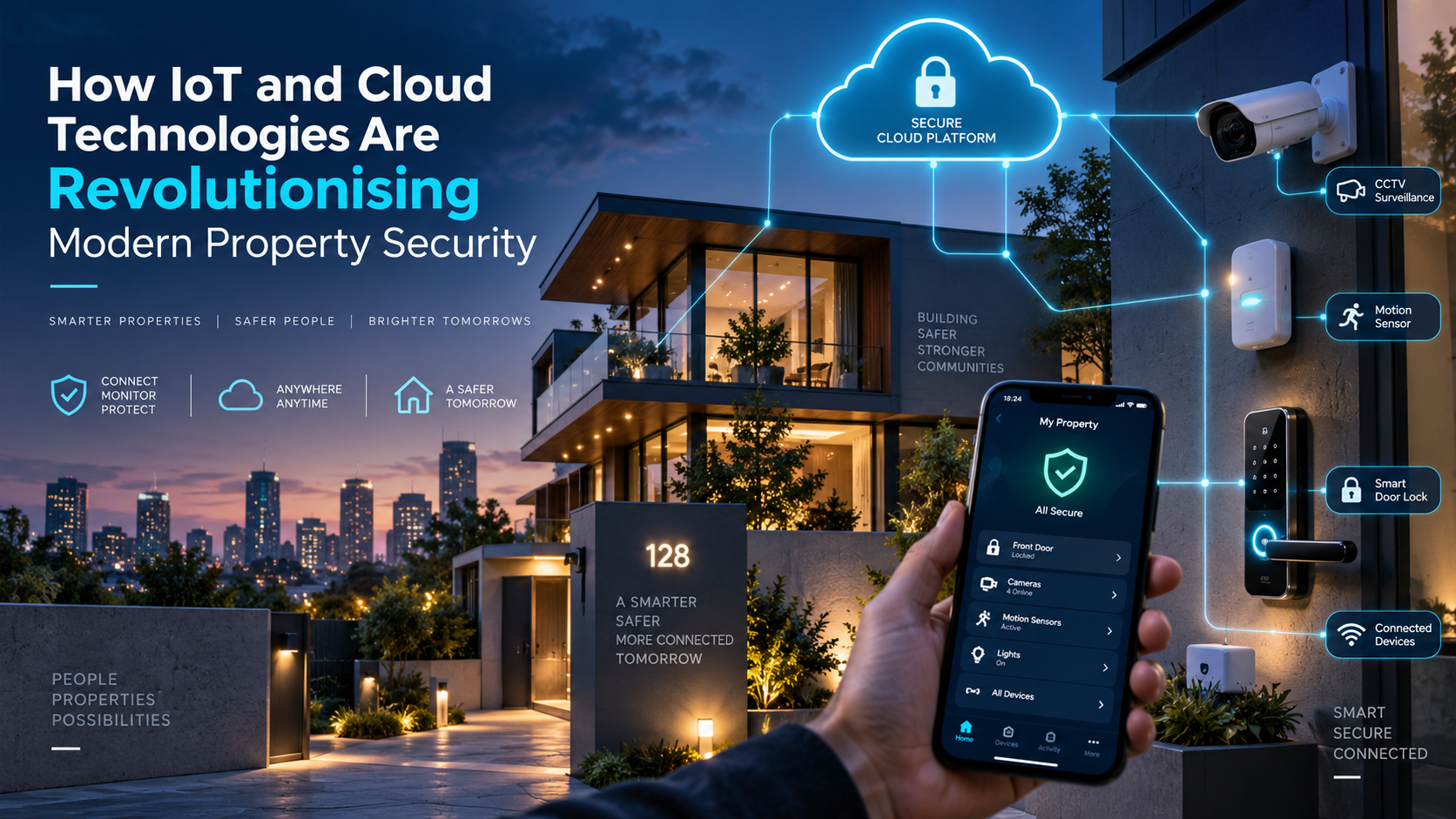
Property security has historically been a reactive industry. For decades, businesses and homeowners relied on standalone analogue alarms and local recording devices that only proved useful after an incident had already occurred. However, the rapid evolution of the Internet of Things (IoT) and cloud integration is fundamentally changing how we protect our physical spaces. In Australia alone, the smart home security market generated over one billion dollars in revenue in 2025, driven largely by rapid technological advancements and changing consumer expectations.
The permanent shutdown of local 3G mobile networks in late 2024 served as a massive catalyst for this shift. Millions of legacy alarm systems were cut off from their communication paths, forcing property owners to upgrade. Leading industry experts like Fort Knox Security are instrumental in helping businesses and homeowners bypass obsolete hardware and upgrade to advanced 4G and 5G smart hubs. Today, modern security systems are highly interconnected, intelligent, and completely integrated into modern digital environments.
The Foundation of Connected Property Protection
At the heart of this transformation is the way hardware communicates over wireless networks. A modern smart security network is essentially a complex ecosystem of connected devices constantly sharing operational data in real time. Building a reliable network relies on robust custom software development for IoT to ensure seamless and secure communication between all smart devices. This underlying software architecture allows environmental sensors, automated lighting, and mobile applications to sync without noticeable latency.
Global deployments of connected IoT devices surged past 18 billion recently and are projected to exceed 40 billion within the next decade. As the sheer volume of hardware expands, the backend systems must evolve to keep up. While hardware installations remain a significant part of the industry, software, artificial intelligence analytics, and cloud services have become the fastest-growing sectors. With these cloud technologies, property owners can now manage multiple commercial sites or residential properties remotely, adjusting permissions and reviewing live alerts from a single centralised dashboard.
Moving from Reactive to Proactive Defence
The integration of machine learning and edge computing has shifted the focus from passive video recording to active incident prevention. High-end smart cameras now process video analytics and data encryption locally on the device itself. This edge computing approach significantly reduces cloud latency while enhancing data privacy, as raw footage does not necessarily need to be transmitted continuously over the public internet.
When property owners want to implement these advanced setups effectively, partnering with industry specialists is essential. Engaging an expert provider ensures that complex commercial CCTV and smart home technologies are properly configured to leverage these new capabilities without failure. Expert installation is critical when dealing with advanced features that rely on continuous network connectivity and precise local calibration.
Modern intelligent systems offer a variety of proactive defence mechanisms:
- Behavioural Anomaly Alerts: Cameras can instantly notify administrators if a person is loitering in restricted zones, identifying suspicious behaviour long before a physical break-in happens.
- Advanced Recognition Software: Machine learning allows for real-time licence plate recognition and unattended item detection, which is vital for commercial lobbies and parking structures.
- Access Control as a Service: This cloud-managed model replaces standalone hardware, allowing businesses to unify physical door access and staff cybersecurity profiles onto one scalable platform.
- Automated Perimeter Defence: Smart locks now act as unified hubs that coordinate with smart doorbells and perimeter cameras to manage seamless, credential-based entry for authorised individuals.
The Cybersecurity Imperative in Physical Security
While the benefits of connected smart security are undeniable, converging physical barriers with digital networks introduces entirely new risk factors. According to recent data breach investigations, a significant portion of cyber breaches now involve an IoT device. This is often due to weak default credentials or unpatched firmware on connected hardware like cameras and alarm communicators.
This vulnerability is particularly pronounced in commercial real estate and enterprise environments. According to Forrester’s analysis of the market, there are an estimated 6 to 10 IoT devices for each employee in the enterprise, making unmanaged security networks a massive cybersecurity vulnerability if left unprotected. Because physical access devices often have limited processing resources, their local security functions can be easily exploited if they are not professionally managed and encrypted.
To combat these emerging threats, the Australian government introduced strict Cyber Security Rules for smart devices in early 2026. These rules establish mandatory compliance standards and baselines for all internet-connected consumer hardware. Protecting physical premises now requires equally robust digital hygiene. Keeping firmware updated, enforcing strong encryption protocols, and segregating physical security devices onto their own private digital networks are no longer optional steps. They are essential practices for keeping modern properties safe from both physical intruders and digital threats.