

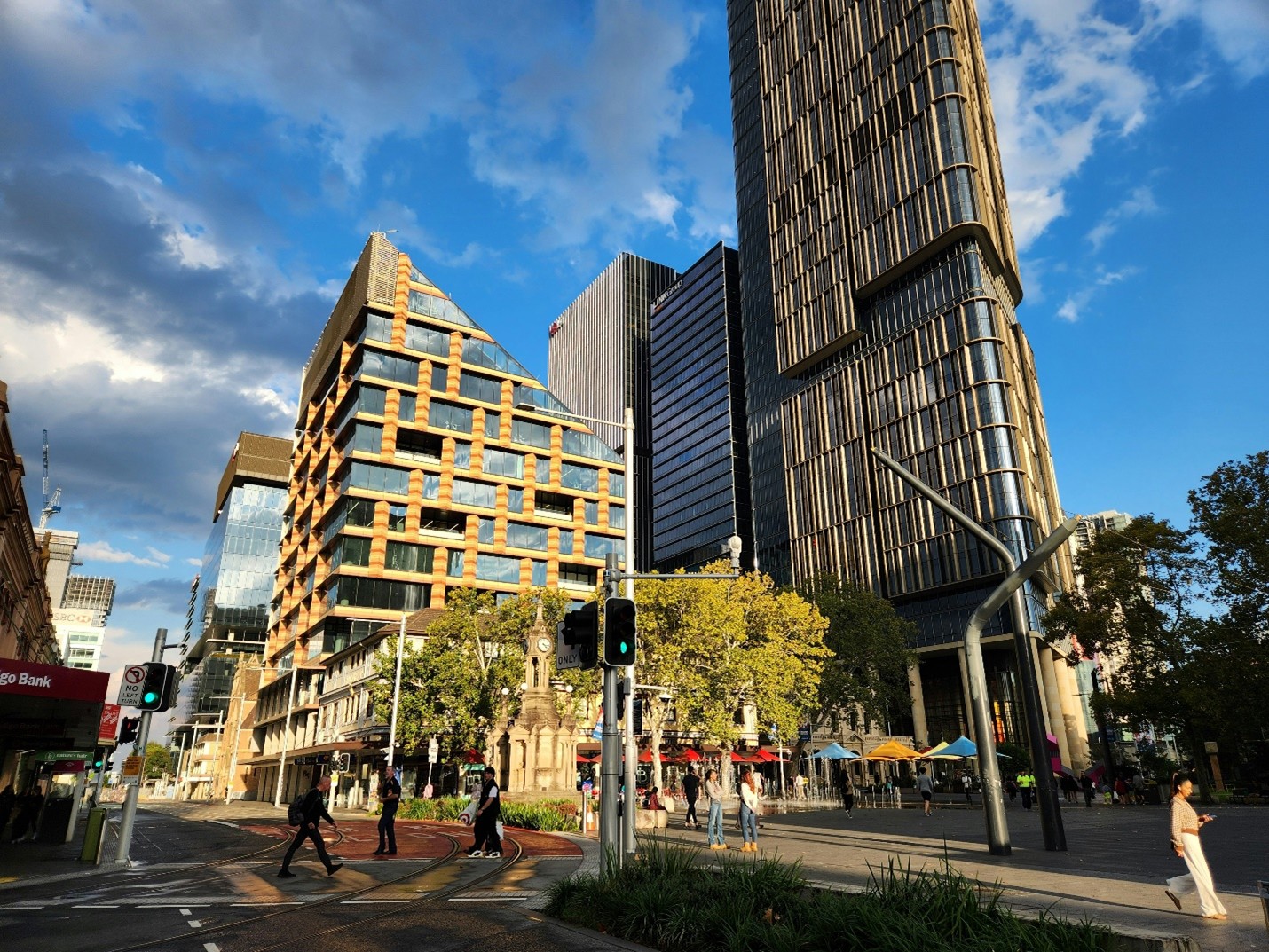
Parramatta has shifted quickly from a traditional CBD into a high-density hub where apartments, offices, retail spaces, and hospitality venues operate within the same buildings. These developments place very different demands on shared plumbing systems.
Residential occupants expect consistent pressure and quiet operation at all hours. Commercial tenants often create short bursts of heavy demand during business hours. When both rely on the same infrastructure, even small design or maintenance gaps can lead to recurring failures, complaints, and costly downtime.
Mixed-use plumbing works best when it is planned and maintained with all user types in mind, not treated as a standard residential setup with added load.
How mixed-use plumbing demand actually behaves
Water usage in mixed-use buildings rarely follows a smooth or predictable pattern. Demand rises and falls sharply throughout the day, depending on who is using the system.
Typical pressure and usage stress points include:
- Morning and evening peaks from residential apartments
- Midday demand from offices, gyms, and retail tenants
- High waste output from food and beverage businesses
- After-hours usage from cleaning services or late-trading venues
Without proper balancing, these competing demands can cause pressure drops, noisy pipes, uneven hot water delivery, and increased wear on shared components.
In Parramatta developments, building managers often rely on local specialists like Graham & Sons Plumbing working across Parramatta to assess how these usage patterns affect real-world performance, not just theoretical capacity.
Water pressure and load balancing challenges
Pressure issues are one of the most common complaints in mixed-use buildings, and they rarely affect every tenant equally.
Problems usually show up in a pattern:
- Lower levels experience strong pressure while upper floors struggle
- Commercial tenants draw large volumes during peak hours
- Hot water systems lag during simultaneous demand
- Pressure spikes shorten the lifespan of valves and fittings
Rather than reacting to individual complaints, effective buildings treat pressure as a system-wide issue. Zoning, pressure regulating valves, and correctly sized risers all play a role in keeping supply stable across different uses and heights.
When these elements are overlooked or undersized, pressure problems tend to return repeatedly, even after repairs.
Drainage and waste management across shared systems
Drainage in mixed-use buildings faces very different risks compared to residential-only sites. Retail and hospitality tenants often introduce waste types that shared systems were not designed to handle.
Common contributors to drainage failures include:
- Grease and food solids entering common waste lines
- Increased paper and sanitary waste from high-traffic commercial spaces
- Foreign objects flushed or washed into shared drains
- Infrequent inspections allowing minor build-ups to worsen
Unlike residential blockages, these issues can affect multiple tenants at once. A single blocked line may shut down shops, disrupt residents, and create compliance concerns for owners corporations.
Preventative inspections and clear waste management rules are far more effective than waiting for emergency call-outs, particularly in busy Parramatta buildings.
Compliance, access, and responsibility boundaries
Mixed-use buildings sit at the intersection of residential and commercial compliance. Plumbing systems must meet NSW regulations while also allowing safe access for maintenance and emergency work.
Responsibility is often split across several parties:
- Owners corporations managing shared infrastructure
- Commercial tenants responsible for internal fittings
- Residential owners affected by issues outside their control
Clear access points, documented isolation valves, and agreed response procedures reduce confusion when problems arise. Buildings without defined boundaries often lose time during emergencies, which increases damage and disruption.
Why local experience matters in Parramatta
Parramatta plumbing infrastructure reflects decades of staged development. Older connections sit beside modern high-rise systems, and not all services behave the same way under load.
Local plumbers who work in the area daily tend to:
- Recognise recurring infrastructure issues faster
- Understand council expectations and inspection standards
- Respond quickly when shared systems fail
- Anticipate pressure and drainage risks common to Parramatta builds
For mixed-use properties, local knowledge often prevents repeat failures that occur when issues are treated in isolation rather than as part of a shared system.
Preventative maintenance that actually reduces downtime
Reactive plumbing repairs cost more in mixed-use buildings because multiple tenants are affected at once. Preventative maintenance focuses on catching system stress before it becomes visible damage.
Effective maintenance plans usually include:
- Scheduled drain inspections and cleaning
- Pressure testing during peak demand periods
- Early checks on valves, pumps, and hot water units
- Documentation of recurring weak points
These checks are rarely disruptive when planned, yet they significantly reduce emergency call-outs and tenant complaints over time.
Planning plumbing systems for long-term flexibility
Mixed-use buildings rarely stay static. Tenancies change, usage increases, and layouts are modified. Plumbing systems that were adequate at handover may struggle years later.
Long-term planning considers:
- Future tenant types and usage intensity
- Capacity buffers in risers and drainage lines
- Upgrade paths that minimise disruption
- Avoiding temporary fixes that restrict future access
Buildings that plan ahead spend less correcting avoidable failures as demand grows.
Final thoughts
Mixed-use developments bring efficiency and convenience, but they also place complex demands on shared plumbing systems. Pressure management, drainage control, compliance clarity, and preventative planning all play a role in keeping these buildings functional.
In high-density areas like Parramatta, plumbing issues rarely affect just one user. Addressing them early, with local insight and system-wide thinking, protects residents, businesses, and the long-term value of the property.