...
UK: +44 2038074555 info@atamgo.com
Smarter Project Success: Aligning Management, Budgeting & Time Tracking

Smarter Project Success: Aligning Management, Budgeting & Time Tracking

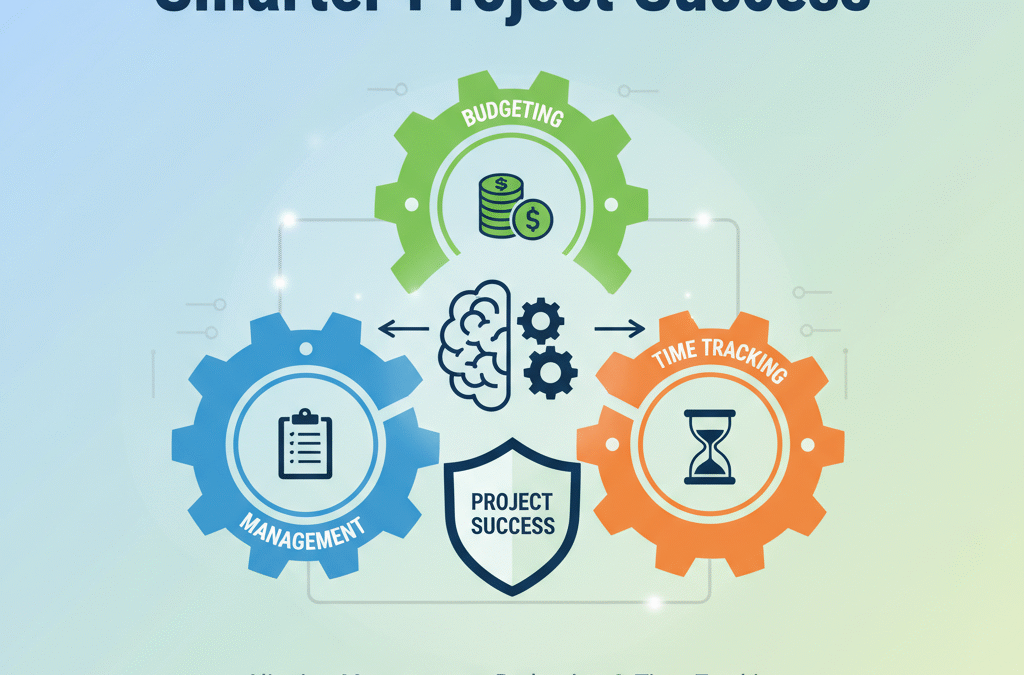
Project Success

In today’s competitive business landscape, speed and efficiency define success. Companies no longer have the luxury of delays, cost overruns, or missed deadlines. Whether you’re running a large organization with multiple departments or managing a small software development team, success hinges on how well you plan, budget, and track execution.

That’s where three essential tools come into play: project management solutions, project budgeting software, and developer time tracking software. Individually, each tool addresses a different pain point. But when combined, they form a powerful system that helps teams deliver projects on time, within budget, and with better productivity.

Why Projects Are Harder to Manage Today

Modern projects are more complex than ever. Businesses deal with multiple stakeholders, strict timelines, distributed teams, and evolving client expectations. With so many moving parts, projects can easily drift off course if not managed properly.

The challenges often include:

  • Miscommunication between teams.


  • Missed tasks or unclear responsibilities.


  • Budget overruns due to inaccurate estimates.


  • Burnout among employees when workloads aren’t balanced.


Project management solutions are designed to tackle these issues head-on. They help by:

  • Breaking projects into smaller, manageable tasks.


  • Assigning responsibilities and tracking progress in real time.


  • Ensuring teams stay aligned with deadlines and milestones.


But even the best planning won’t guarantee success if financial oversight is missing. That’s where smart budgeting enters the picture.

Why Smart Budgeting Makes or Breaks Projects

Delivering on time is only half the equation, keeping costs under control determines whether a project is truly successful. Many businesses still rely on spreadsheets, but spreadsheets are error-prone, static, and difficult to update in real time. This often results in inaccurate forecasts and unexpected cost escalations.

Project budgeting software offers a smarter, data-driven way to manage finances. It allows businesses to:

  • Forecast costs accurately based on project scope.


  • Monitor expenses against the approved budget.


  • Receive instant alerts if spending is at risk of exceeding limits.


This proactive approach ensures financial control throughout the project lifecycle. However, one of the biggest cost drivers-developer time, often remains overlooked.

Why Developer Time Tracking Software Matters

In software development, labor costs consume the largest share of the budget. A project can spiral out of control if developers spend longer than expected on certain tasks, or if workload distribution isn’t carefully managed. Breeze helps teams keep track of time and resources, ensuring that labor costs stay under control throughout the project.

This is why developer time tracking software is critical. It enables organizations to:

  • Track hours worked versus estimated time.


  • Analyze productivity patterns across projects.


  • Distribute workloads evenly to prevent burnout.


The benefits go beyond management. Developers also gain insights into their working habits, helping them streamline workflows and improve efficiency. Ultimately, time tracking ensures both productivity and financial discipline.

How These Tools Work Better Together

While each tool, management, budgeting, and time tracking has its own strengths, the real transformation comes when they are connected. Integration creates a seamless workflow where information flows between systems automatically, reducing manual effort and eliminating blind spots.

Here’s how the integration works in practice:

  1. From Planning to Budgeting: Tasks created in project management solutions sync with project budgeting software, enabling precise cost estimates tied to specific activities. With this integration in mind, choosing the right project management software for small business can help streamline both task tracking and budget planning.


  2. From Execution to Financial Tracking: When developers log hours in time tracking software, that data updates the budgeting system instantly, allowing managers to compare planned vs. actual costs.


  3. From Insights to Smarter Decisions: The combined insights flow back into the project management platform, improving future timelines, budgets, and overall decision-making.


Instead of juggling disconnected tools, integration ensures project managers, finance teams, and developers are always working from the same playbook.

Key Benefits of Connecting Management, Budgeting & Time Tracking

When businesses integrate these three essential tools, they unlock multiple advantages that directly impact success:

  • Improved Efficiency – Less time wasted switching between platforms means teams focus more on delivering work.


  • Better Financial Control – Real-time cost visibility ensures budgets stay accurate and manageable.


  • Higher Developer Productivity – Time tracking balances workloads, preventing fatigue and improving output.


  • Data-Driven Forecasting – Reliable insights help leaders make smarter predictions for future projects.


  • Stronger Team Collaboration – Managers, finance teams, and developers work seamlessly with shared visibility.


This connected approach is not limited to software development. Whether you’re managing marketing campaigns, product launches, or large-scale IT initiatives, the integration of these tools ensures projects run smoother and deliver stronger results.

Final Thoughts: The Smarter Path to Project Success

Today’s business leaders know that working harder is no longer enough working smarter is the real differentiator. By combining project management solutions, project budgeting software, and developer time tracking software, companies can move from firefighting issues to running projects with clarity, confidence, and control.

For software development teams especially, this integrated approach transforms project delivery. Instead of facing budget shocks or missed deadlines, teams operate with transparency and predictability. The result? Happier clients, higher productivity, and more successful projects.

If your current setup feels fragmented or leaves gaps between planning, budgeting, and execution, it’s time to rethink your approach. With the right combination of tools, you’re not just managing projects, you’re mastering them.
6 Genius Ways to Instantly Extract Music from Any Video

6 Genius Ways to Instantly Extract Music from Any Video

extract music from video

Introduction: Why You Might Want to Extract Music from Video

Extract music from video — we’ve all been there. You watch a video and instantly fall in love with the background music. Maybe it’s a catchy track from a YouTube vlog, a background score in a short film, or even a motivational speech with epic music behind it. The problem? The song isn’t available on Spotify or Apple Music, and you desperately want to add it to your playlist. That’s where the magic happens: you can extract music from video and save it for personal use.

Whether you’re learning how to extract music from YouTube video clips, pulling audio from your own projects, or grabbing a track for offline listening, extracting music from video is surprisingly easy once you know your options. Some methods are beginner-friendly and take less than a minute, while others give you advanced controls to tweak quality, formats, and even editing.

In this guide, I’ll walk you through six genius ways to instantly grab the music you want, whether you’re on desktop, mobile, or even working with advanced command-line tools. I’ll also sprinkle in tips for keeping the best quality and staying on the right side of copyright laws. By the end, you’ll know exactly which method works best for your situation.

Find More: 7 Powerful Reasons Why GetVid Is the Easiest Way to Download Any Video Online

6 Genius Ways to Instantly Extract Music from Any Video

1. Use Free Online Converters

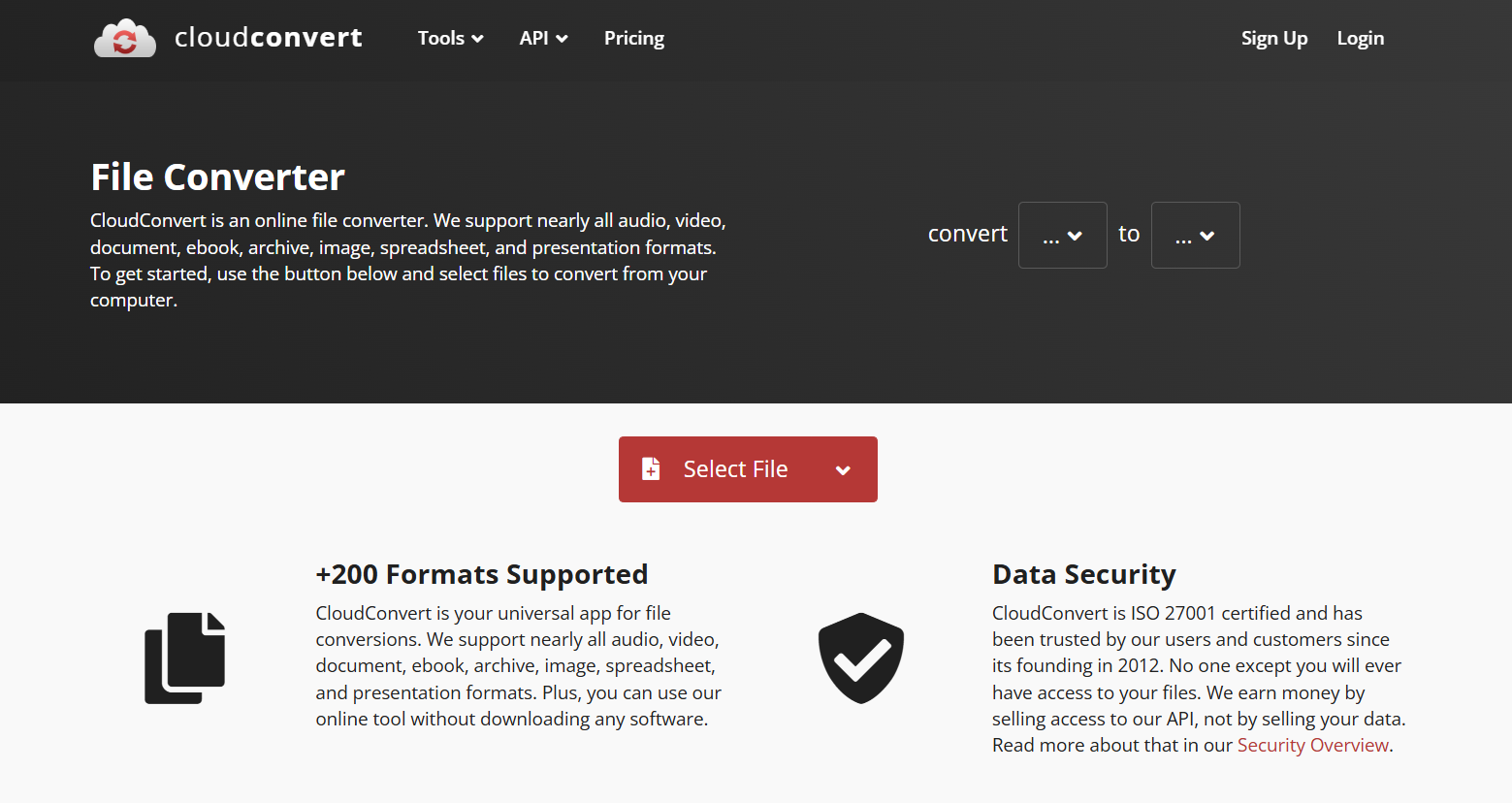
CloudConvert

The fastest and easiest way to extract music from video is by using free online tools. These websites do all the heavy lifting for you — no installation, no setup, just upload and download. Popular options include Online Audio Converter, YTMP3, and AudioExtract.

How it works:

  • Upload your video file (or paste a YouTube link).
  • Select your output format (MP3, WAV, etc.).
  • Hit convert and download your new audio file.

Pros:

  • Super quick and user-friendly.
  • No software installation required.
  • Works on both desktop and mobile browsers.

Cons:

  • Free tools often limit file size.
  • Some sites are cluttered with ads or popups.
  • Not ideal for large or very high-quality video files.

If you’re only looking to save a track here and there, this method is your go-to. For frequent use or higher control, you’ll want to explore other options below.

2. Extract Music from Video with VLC Media Player

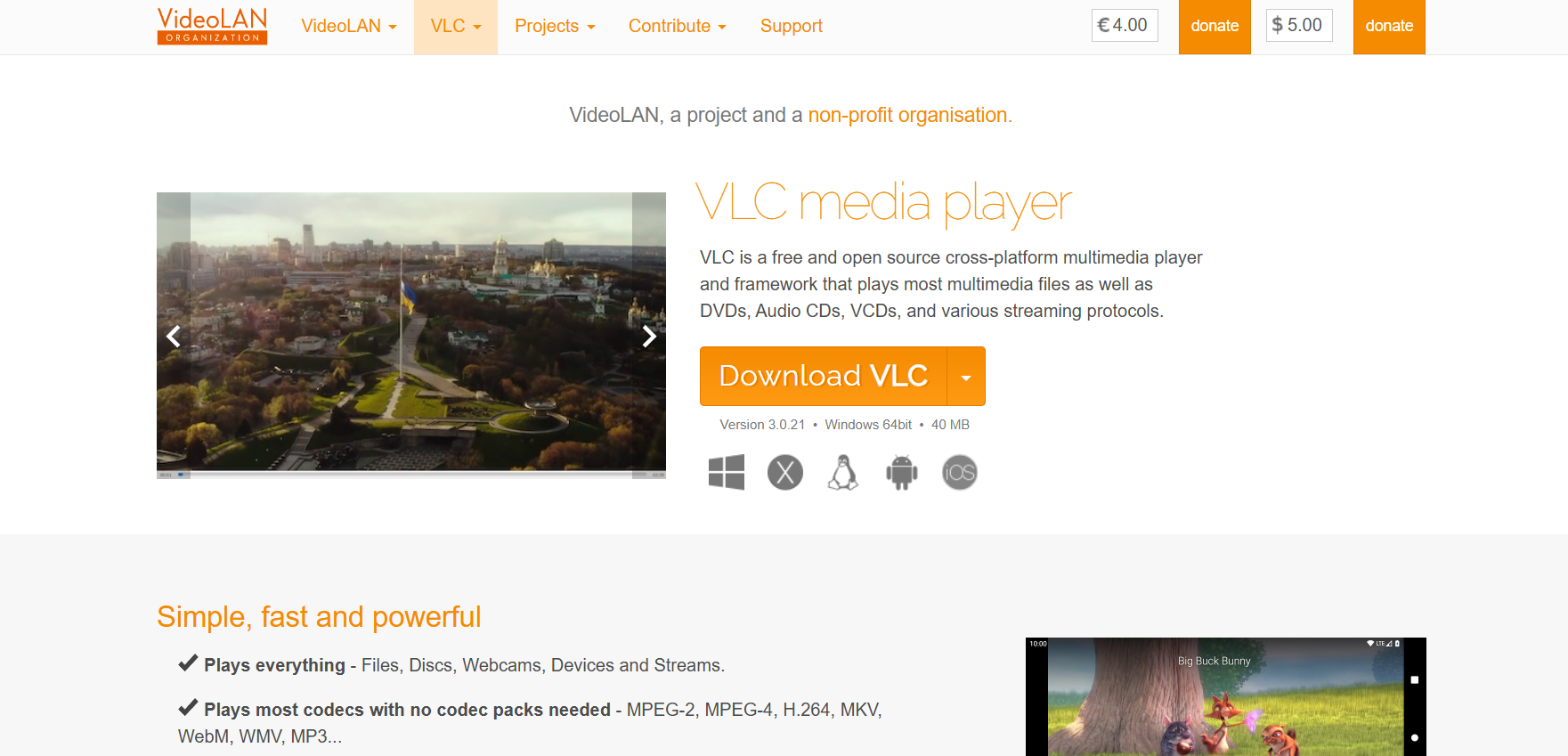
VLC Media Player

If you don’t already have VLC Media Player, download it today. It’s hands down one of the most versatile free tools out there. Besides playing any video file you throw at it, VLC doubles as a great solution for extracting music from video.

Step-by-step guide:

  1. Open VLC and load your video file.
  2. Go to Media > Convert/Save.
  3. Add your video file and click Convert.
  4. Choose your desired audio format (MP3, OGG, FLAC).
  5. Hit Start and wait while VLC extracts the audio.

Why VLC is great: It’s completely free, lightweight, and works on both Windows and Mac. Best of all, it preserves audio quality and doesn’t watermark or limit you like some free tools do.

A hidden perk is that VLC lets you trim the video first, so you can extract only the part of the audio you need — like a chorus or speech segment.

3. Use Dedicated Audio Extraction Software

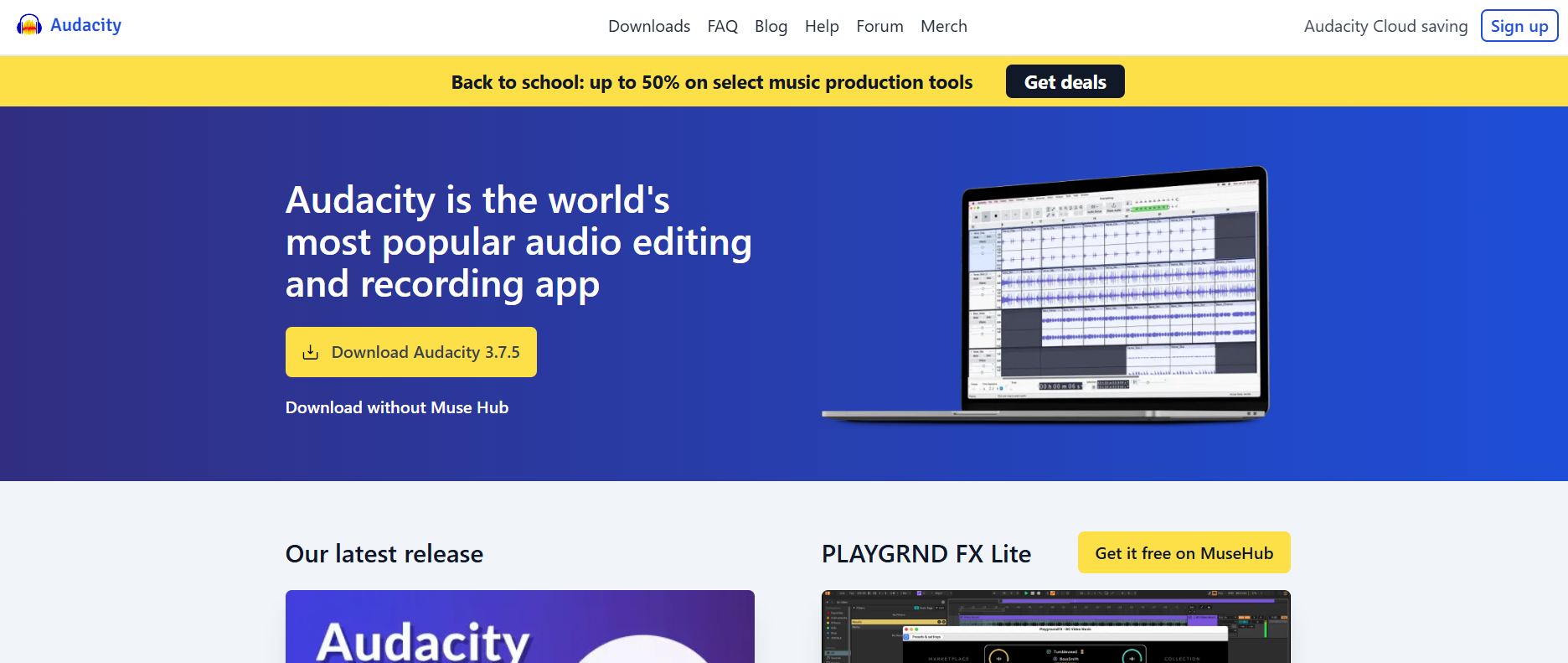
Audacity

If you extract audio often, investing in dedicated software will save you time and give you more features. Tools like Audacity (free), Adobe Audition (pro-level), or Wondershare UniConverter (beginner-friendly) give you flexibility beyond just extracting audio.

What makes them powerful:

  • Trim, clean up, and enhance audio before saving.
  • Batch process multiple videos at once.
  • Support a wide variety of formats and bitrates.
  • Reduce background noise and boost clarity.

The trade-off is learning curve and cost. Free tools like Audacity are amazing but require some patience to learn. Paid software like Audition offers top-notch professional editing but comes with a monthly subscription.

If you’re serious about creating content or need polished audio, this is the best long-term solution.

4. Extract Music from Video on Mobile (iOS & Android)

Not everyone wants to sit at a computer to extract audio. Sometimes you just want to grab a quick sound from a social media video right on your phone. That’s where mobile apps come in handy.

Best apps to try:

  • iOS: Audio Converter, GarageBand.
  • Android: Timbre, MP3 Video Converter.

How it usually works: Import your video into the app, choose “Extract Audio,” and save it. Some apps even let you trim, merge, or convert the file format directly on your phone.

The best part? You can share the audio file instantly through messaging apps or upload it to your music library without needing a laptop.

This method is perfect for TikTok sounds, Instagram reels, or any quick clip you want to save on the go.

5. Extract Music Using Video Editing Software

If you’re already working with video editing software like Adobe Premiere Pro, Final Cut Pro, or iMovie, then extracting audio is a breeze. This method is particularly useful for content creators who edit regularly.

How creators do it:

  • Import your video into the editor.
  • Right-click the video and select “Detach Audio” or “Extract Audio.”
  • Delete the video track if you don’t need it.
  • Export the audio as MP3, WAV, or another preferred format.

What makes this method shine is flexibility. You can remove background noise, cut out unwanted sections, or combine the audio with other tracks. If you’re making YouTube content, podcasts, or even remixing, this workflow is a game-changer.

6. Use Command-Line Tools (Advanced Method)

For tech-savvy users, command-line tools like FFmpeg are unbeatable. FFmpeg is free, open-source, and incredibly powerful — the only catch is learning a few commands.

Example command:

ffmpeg -i inputvideo.mp4 -q:a 0 -map a outputaudio.mp3

This simple line of code tells FFmpeg to grab the audio track from your video and save it as an MP3. You can change formats, bitrates, or even extract specific sections with more advanced commands.

Why advanced users love it:

  • Lightning-fast processing.
  • Supports every format you can imagine.
  • Perfect for automation and batch processing.

Pro tip: Don’t be intimidated by the command line. Once you’ve used it a couple of times, it’s faster than any graphical tool.

Additional Tips for Better Audio Extraction

  • Pick the right format: MP3 is ideal for everyday listening, but WAV or FLAC is better for high-fidelity needs.
  • Mind the bitrate: Choose 320kbps for crisp quality. Lower settings save space but lose clarity.
  • Test before saving: Always play back your file to check for glitches or low volume.
  • Stay legal: Extracting audio for personal use is usually fine, but sharing or distributing copyrighted music can get you in trouble. Always respect copyright.

Conclusion: Choose the Best Way to Extract Music from Video

There you have it — six genius ways to extract music from video instantly. From quick and free online converters to advanced tools like FFmpeg, you’ve got plenty of options at your fingertips.

If you just need something fast, go with an online tool or VLC. If you’re a creator who wants polished sound, editing software or professional programs will give you better results. And if you’re the techy type who loves control, FFmpeg is your ultimate weapon.

The point is: you don’t have to let that amazing soundtrack slip away. Pick the method that fits your needs, save the music, and enjoy it anytime, anywhere.

Find More: Boost Your Sales With SEO Services

FAQs

1. How do I extract music from a video for free?

You can use free online converters, VLC Media Player, or mobile apps like Timbre. These are completely free and beginner-friendly.

2. What’s the best app to extract audio from video?

For mobile, Timbre (Android) and Audio Converter (iOS) are excellent. For desktop, VLC and Audacity are the top free choices.

3. Can I extract music without losing quality?

Yes. Tools like Audacity or FFmpeg let you save in lossless formats like WAV or FLAC, ensuring no compression.

4. Is it legal to extract music from YouTube videos?

It depends on your purpose. For personal use, it’s usually fine. But uploading or distributing copyrighted audio without permission is against the law.

5. Which format is best when saving extracted audio?

MP3 is the most widely supported, but WAV and FLAC give you better quality if you’re picky about sound.

6. Can I extract only part of the audio from a video?

Yes! VLC, Audacity, and most editing software let you trim the audio before exporting.

Tags: