

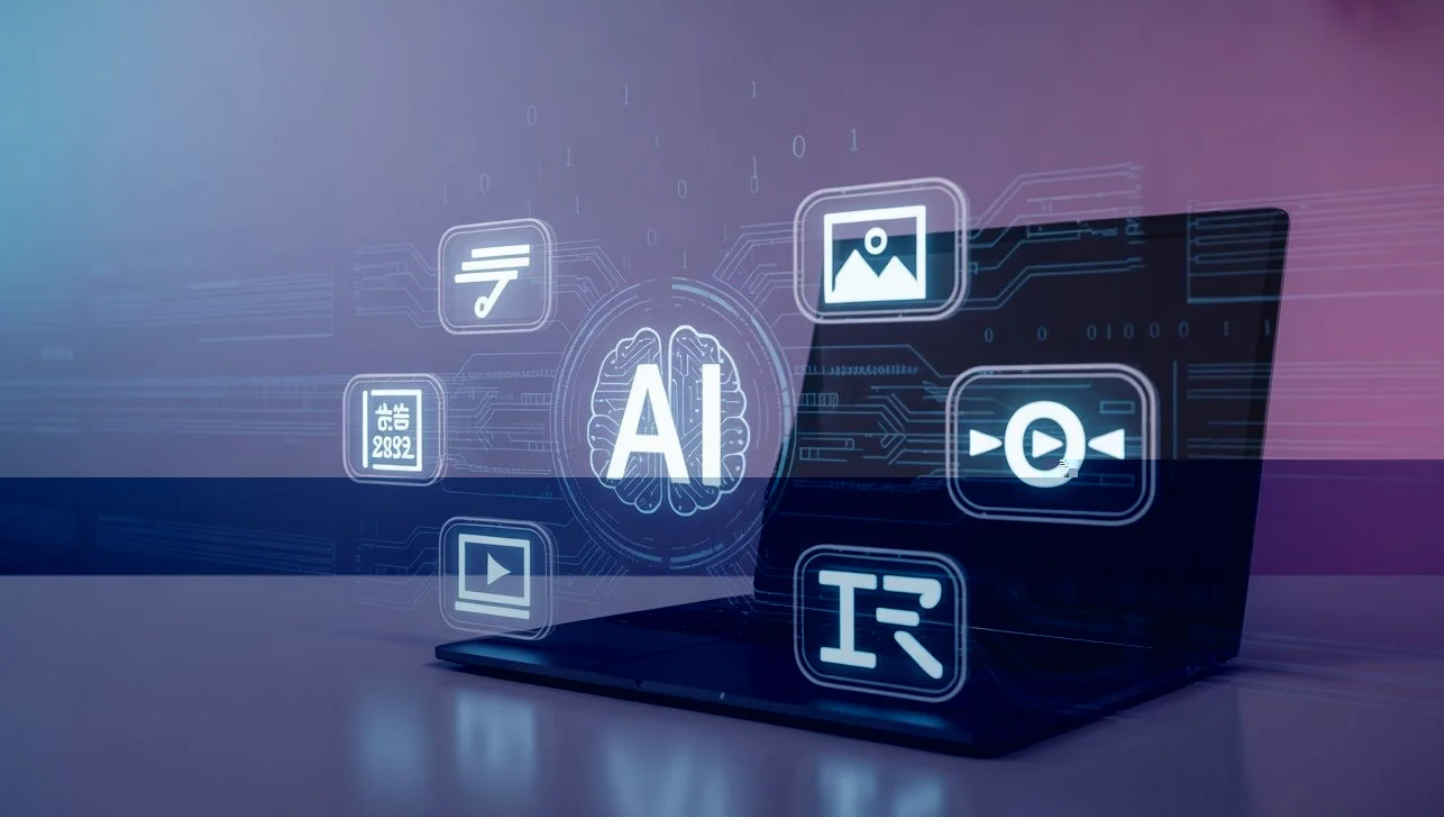
Content creation has undergone a revolutionary transformation thanks to advances in artificial intelligence. Tools that were once available only to professional studios and tech companies are now accessible to anyone with an internet connection. From video production to music composition and audio engineering, AI is empowering a new generation of creators to produce work that rivals professional output. In this article, we explore the most exciting AI tools available in 2026 and how they are reshaping the creative landscape for individuals and businesses alike.
AI Video Tools That Save Hours of Work
Video content remains the most engaging format across social media, marketing campaigns, and educational platforms. However, producing polished video content has traditionally required expensive equipment, specialized software, and considerable editing skills. AI has changed this equation by automating some of the most time-consuming and technically demanding aspects of video production.
One standout innovation is automated lip synchronization. Modern Lip Sync AI technology enables creators to synchronize audio tracks with video footage automatically, producing natural-looking results in minutes rather than hours. This capability is particularly valuable for content creators who produce multilingual videos, animated content, or dubbing projects. Instead of manually adjusting mouth movements frame by frame, creators simply provide their audio and video files and let the AI handle the synchronization with remarkable precision.
The practical applications of this technology extend far beyond entertainment. E-learning companies use it to create multilingual course content efficiently. Marketing agencies leverage it to localize advertising campaigns for different markets without reshooting entire videos. Independent creators use it to expand their reach by producing content in multiple languages with minimal additional effort.
Transforming Audio Production with AI
Audio production is another area where AI tools are making a significant impact. Whether you are a musician, podcaster, or video producer, the quality of your audio can make or break the final product. AI-powered audio processing tools have made professional-grade audio editing accessible to everyone, regardless of their technical expertise.
One of the most useful AI audio capabilities is vocal and instrumental separation. Platforms like AI Vocal Remover can isolate vocal tracks from any audio recording with impressive accuracy, enabling a wide range of creative applications. Musicians can create instrumental versions of songs for practice or performance. Podcast editors can clean up recordings by separating speech from background noise. DJs and remix artists can extract individual elements from existing tracks to create entirely new compositions.
The technology behind these tools uses advanced deep learning models trained on vast libraries of audio data. These models can identify and separate different sound sources even when they overlap in frequency and timing, producing clean, high-quality isolated tracks that sound natural rather than artificially processed.
AI Music Generation: From Concept to Composition
Perhaps the most exciting frontier in AI creative tools is automated music generation. AI music tools have progressed from generating simple background loops to creating complete, original compositions that span genres and styles. These tools are particularly valuable for content creators who need custom music but lack the budget for professional composers or the skills to create their own.
For hip-hop and rap enthusiasts, the AI Rap Generator represents an exciting new approach to music creation. Using advanced language models and musical composition algorithms, these tools can generate original rap lyrics and beats that match specified themes, moods, and styles. Whether you need a custom rap track for a video project, want to explore new lyrical ideas, or simply enjoy experimenting with AI-assisted music creation, these tools open up creative possibilities that would have been impossible just a few years ago.
How to Choose the Right AI Tools for Your Needs
With so many AI tools available in 2026, choosing the right ones for your specific needs requires careful consideration. Here are some key factors to evaluate when selecting AI creative tools:
- Output quality: Always test tools with your own content before committing. The quality of AI-generated output can vary significantly between providers and use cases.
- Ease of integration: Consider how easily the tool fits into your existing workflow. The best tools save time rather than adding complexity to your production process.
- Cost effectiveness: Compare pricing structures across different providers. Many tools offer free trials or tiered pricing that allows you to start small and scale as needed.
- Processing speed: For time-sensitive projects, the speed at which a tool processes your content can be just as important as the quality of the output.
- Customer support and documentation: Well-documented tools with responsive support teams can save you hours of troubleshooting and frustration.
The Future of AI in Creative Work
The AI creative tools landscape is evolving at an unprecedented pace. Each month brings new capabilities, improved quality, and lower barriers to entry. For content creators, musicians, and media professionals, staying current with these developments is not just beneficial — it is essential for remaining competitive in an increasingly crowded digital marketplace.
As these tools continue to mature, we can expect to see even greater integration between different AI capabilities, enabling seamless workflows that handle everything from initial concept development to final production. The creators who embrace these tools thoughtfully and strategically will have a significant advantage in producing high-quality, engaging content efficiently and cost-effectively.
Content creation has undergone a revolutionary transformation thanks to advances in artificial intelligence. Tools that were once available only to professional studios and tech companies are now accessible to anyone with an internet connection. From video production to music composition and audio engineering, AI is empowering a new generation of creators to produce work that rivals professional output. In this article, we explore the most exciting AI tools available in 2026 and how they are reshaping the creative landscape for individuals and businesses alike.
AI Video Tools That Save Hours of Work
Video content remains the most engaging format across social media, marketing campaigns, and educational platforms. However, producing polished video content has traditionally required expensive equipment, specialized software, and considerable editing skills. AI has changed this equation by automating some of the most time-consuming and technically demanding aspects of video production.
One standout innovation is automated lip synchronization. Modern Lip Sync AI technology enables creators to synchronize audio tracks with video footage automatically, producing natural-looking results in minutes rather than hours. This capability is particularly valuable for content creators who produce multilingual videos, animated content, or dubbing projects. Instead of manually adjusting mouth movements frame by frame, creators simply provide their audio and video files and let the AI handle the synchronization with remarkable precision.
The practical applications of this technology extend far beyond entertainment. E-learning companies use it to create multilingual course content efficiently. Marketing agencies leverage it to localize advertising campaigns for different markets without reshooting entire videos. Independent creators use it to expand their reach by producing content in multiple languages with minimal additional effort.
Transforming Audio Production with AI
Audio production is another area where AI tools are making a significant impact. Whether you are a musician, podcaster, or video producer, the quality of your audio can make or break the final product. AI-powered audio processing tools have made professional-grade audio editing accessible to everyone, regardless of their technical expertise.
One of the most useful AI audio capabilities is vocal and instrumental separation. Platforms like AI Vocal Remover can isolate vocal tracks from any audio recording with impressive accuracy, enabling a wide range of creative applications. Musicians can create instrumental versions of songs for practice or performance. Podcast editors can clean up recordings by separating speech from background noise. DJs and remix artists can extract individual elements from existing tracks to create entirely new compositions.
The technology behind these tools uses advanced deep learning models trained on vast libraries of audio data. These models can identify and separate different sound sources even when they overlap in frequency and timing, producing clean, high-quality isolated tracks that sound natural rather than artificially processed.
AI Music Generation: From Concept to Composition
Perhaps the most exciting frontier in AI creative tools is automated music generation. AI music tools have progressed from generating simple background loops to creating complete, original compositions that span genres and styles. These tools are particularly valuable for content creators who need custom music but lack the budget for professional composers or the skills to create their own.
For hip-hop and rap enthusiasts, the AI Rap Generator represents an exciting new approach to music creation. Using advanced language models and musical composition algorithms, these tools can generate original rap lyrics and beats that match specified themes, moods, and styles. Whether you need a custom rap track for a video project, want to explore new lyrical ideas, or simply enjoy experimenting with AI-assisted music creation, these tools open up creative possibilities that would have been impossible just a few years ago.
How to Choose the Right AI Tools for Your Needs
With so many AI tools available in 2026, choosing the right ones for your specific needs requires careful consideration. Here are some key factors to evaluate when selecting AI creative tools:
- Output quality: Always test tools with your own content before committing. The quality of AI-generated output can vary significantly between providers and use cases.
- Ease of integration: Consider how easily the tool fits into your existing workflow. The best tools save time rather than adding complexity to your production process.
- Cost effectiveness: Compare pricing structures across different providers. Many tools offer free trials or tiered pricing that allows you to start small and scale as needed.
- Processing speed: For time-sensitive projects, the speed at which a tool processes your content can be just as important as the quality of the output.
- Customer support and documentation: Well-documented tools with responsive support teams can save you hours of troubleshooting and frustration.
The Future of AI in Creative Work
The AI creative tools landscape is evolving at an unprecedented pace. Each month brings new capabilities, improved quality, and lower barriers to entry. For content creators, musicians, and media professionals, staying current with these developments is not just beneficial — it is essential for remaining competitive in an increasingly crowded digital marketplace.
As these tools continue to mature, we can expect to see even greater integration between different AI capabilities, enabling seamless workflows that handle everything from initial concept development to final production. The creators who embrace these tools thoughtfully and strategically will have a significant advantage in producing high-quality, engaging content efficiently and cost-effectively.