
Deep AI is one of those tools you hear about casually, maybe see a few demos online, and think: “Okay, interesting… but is it actually useful for me?” That reaction is completely normal. We’re living in a time where new AI tools appear almost every week, all promising to boost productivity, save time, and magically improve results. Most of them sound good on paper but fall apart in real-life use. The difference with Deep AI is that it feels practical very quickly. Once you stop thinking of it as “just another AI platform” and start using it as a daily work assistant, its value becomes obvious. Whether you’re a creator, a freelancer, a business owner, or simply someone who wants to finish tasks faster and with less stress, Deep AI can quietly save you hours every week without forcing you to overhaul your entire workflow.
What makes this especially interesting is how naturally Deep AI fits into the way people already work. You don’t need to learn a new system or think like a machine. You describe what you want, experiment a little, and refine the result. Over time, those small time savings add up, and suddenly you realize you’re getting more done in fewer hours — with less mental exhaustion.
Find More: Cybersecurity Strategies for Protecting Sensitive Data
Why Deep AI Is a Powerful Time-Saving Tool
What Deep AI Is and How It Works
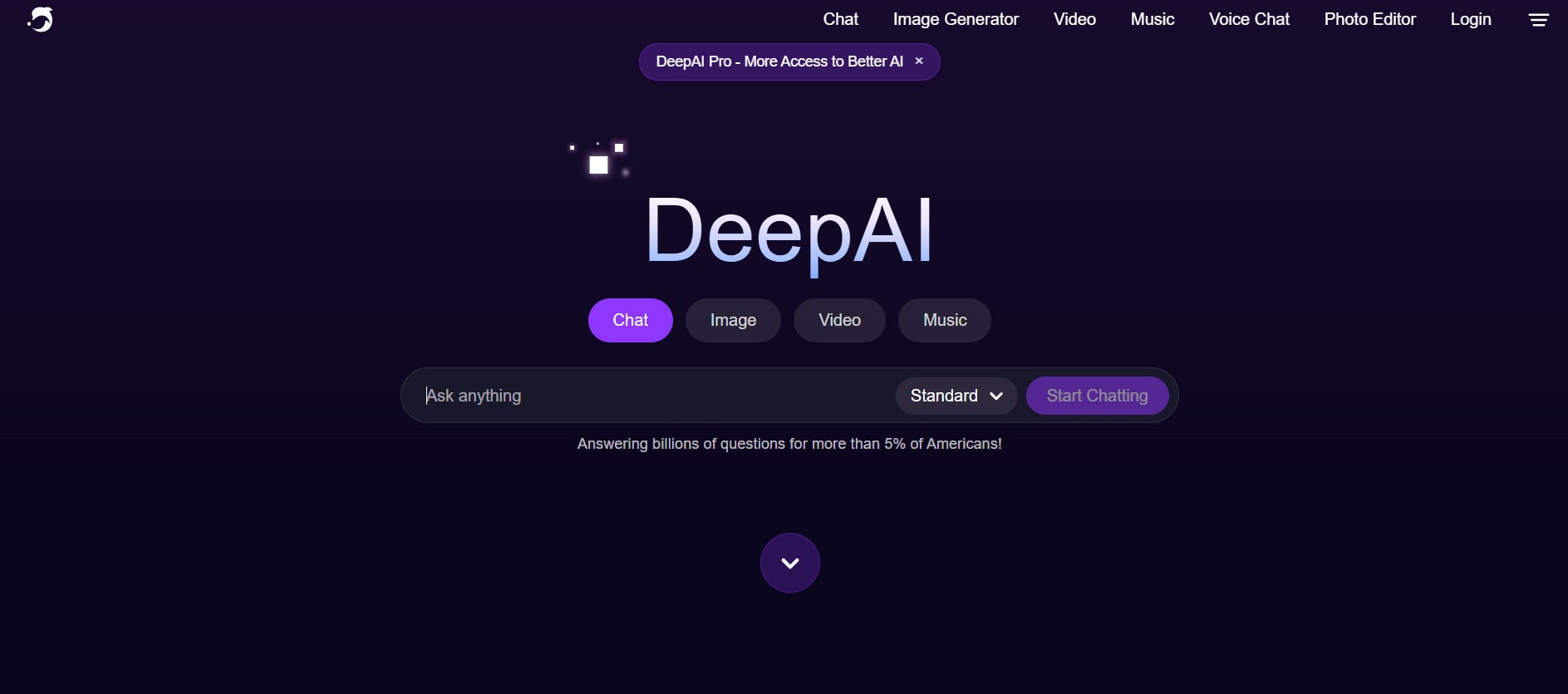
At its core, Deep AI is a collection of AI-powered tools designed to handle tasks most of us lose time on every single day. Writing first drafts, generating images, editing visuals, brainstorming ideas, summarizing long text, or chatting with an AI to solve problems — all of that happens in one place. Instead of jumping between five or six different tools, Deep AI simplifies the process. You provide input, the system processes it using machine learning models, and you get usable output almost instantly. There’s no complicated setup and no steep learning curve, which is a big reason people actually stick with it.
Another underrated advantage is speed of iteration. You’re not locked into one output. If the result isn’t perfect, you tweak your prompt and try again. That feedback loop is fast, and that’s where real time savings come from.
Who Deep AI Is Best For (Creators, Developers, Businesses)
Deep AI works best for people who deal with repetitive mental or creative tasks. Content creators use it to overcome writer’s block and speed up production. Designers use it to generate concepts and visual directions before committing to a final design. Developers rely on it for prototyping and automation through APIs. Businesses use it to streamline workflows without immediately hiring more staff. Even if you’re not particularly technical, deep ai chat makes interaction feel natural — almost like talking to a smart coworker who’s always available and never gets tired.
9 Proven Ways Deep AI Can Save You Hours of Work
1. Automating Content Creation With Deep AI
Writing content isn’t just about typing words. It’s about thinking, structuring ideas, and finding the right tone. Deep AI helps by generating drafts, outlines, summaries, and variations in seconds. You’re still in control of the final output, but you skip the hardest part: starting from nothing. Instead of staring at a blank page, you’re editing, improving, and personalizing — which is far faster and mentally lighter.
2. Generating High-Quality Images in Seconds
If you’ve ever spent hours scrolling through stock photo sites or waiting on a designer for simple visuals, you’ll immediately feel the benefit here. Deep AI can generate custom images from short text prompts. Blog images, social media visuals, concept art, or placeholders for client projects can be created in minutes. For many use cases, this is more than enough and eliminates a huge time sink.
3. Speeding Up Design and Creative Workflows
Creative work often involves trial and error. You test ideas, discard them, and try again. Deep AI speeds this up by letting you explore multiple directions quickly. You can experiment with styles, layouts, and visual concepts without investing hours upfront. Even when the output isn’t final, it gives you momentum — and momentum saves time.
4. Using Deep AI for Fast Research and Idea Generation
Research doesn’t have to mean opening endless browser tabs and getting distracted. Deep AI can summarize complex topics, explain ideas in simple language, and generate lists of angles or ideas in seconds. Whether you’re planning content, learning something new, or preparing for a project, ai deep tools help you cut through information overload and focus on what actually matters.
5. Improving Productivity With Deep AI Chat and Text Tools
deep ai chat is one of the most underrated features. You can brainstorm, ask follow-up questions, rewrite paragraphs, simplify explanations, or even simulate conversations. It feels less like using software and more like having a thoughtful discussion that helps you think more clearly and move forward faster.
6. Enhancing Images Quickly With AI Upscaling and Editing
Image editing is often slow and frustrating, especially if you’re not a designer. Deep AI handles tasks like upscaling, enhancement, and basic corrections automatically. Instead of learning complex tools or outsourcing small edits, you upload an image, choose what you need, and continue working.
7. Reducing Manual Work With Deep AI APIs
For developers and businesses, this is where the biggest long-term time savings appear. Deep AI APIs allow you to integrate AI directly into your systems for text analysis, image processing, and content generation. Once everything is set up, tasks that used to require manual effort simply happen in the background.
8. Creating AI-Powered Videos Without Complex Tools
Video content is powerful but traditionally time-consuming. Deep AI lowers the barrier by generating video elements from text or images. While it won’t replace a full production team, it’s perfect for quick explainer videos, ads, or concept previews — saving both time and energy.
9. Streamlining Repetitive Tasks Across Multiple Projects
Repetition is one of the biggest hidden productivity killers. Writing similar descriptions, resizing images, rephrasing text, or answering the same questions over and over again drains time and focus. Deep AI handles these tasks consistently, allowing you to focus on higher-level work that actually moves things forward.
Deep AI vs Traditional Tools
Time Comparison: Manual Work vs Deep AI Automation

Manual work depends on your energy, focus, and available time. Deep AI works instantly and doesn’t slow down. Tasks that once took 30–60 minutes can often be reduced to just a few minutes. Over weeks and months, those small gains turn into significant time savings.
When Deep AI Is the Better Choice (and When It’s Not)
Deep AI excels when speed, consistency, and idea generation are the priority. It’s not ideal for highly specialized tasks that require deep emotional understanding or nuanced judgment. The most effective approach is hybrid: let Deep AI handle the heavy lifting, then refine the results with your human insight.
Best Practices to Maximize Time Savings With Deep AI
How to Use Deep AI Efficiently
Clarity is everything. The more precise your input, the better the output. Treat Deep AI like a collaborator, not a magic button. Experiment, refine, and iterate. The speed of iteration is what gives you an edge.
Common Mistakes That Waste Time With AI Tools
One common mistake is expecting AI to replace thinking entirely. Another is constantly switching between tools instead of mastering one. Stick with Deep AI, understand its strengths, and integrate it naturally into your routine.
Is Deep AI Worth Using in 2025?
Real-World Use Cases and Results
People who use Deep AI consistently often report faster workflows, reduced mental fatigue, and better overall output. It doesn’t just save time — it helps preserve energy, which is often even more valuable.
Who Should Start Using Deep AI Today
If your work involves writing, visuals, research, or repetitive processes, Deep AI is worth trying. You don’t need to be an expert or highly technical. If you can explain what you want, Deep AI can help you get there faster.
Conclusion
Deep AI isn’t magic, and it won’t replace your skills or experience. What it does is remove friction from your workflow. It takes care of repetitive, time-consuming tasks so you can focus on thinking, creativity, and growth. Used consistently, Deep AI can quietly give you back hours of your life every single week — and that advantage compounds over time.
Find More: Boost Your Sales With SEO Services
FAQs
1. What Is Deep AI Used For?
Deep AI is commonly used for content creation, image generation, chat-based assistance, research, automation, and creative workflows across many industries.
2. Is Deep AI Free or Paid?
Deep AI offers free access to core tools, with paid plans available for higher usage limits and advanced capabilities.
3. Is Deep AI Suitable for Beginners?
Yes. Deep AI is beginner-friendly and does not require technical knowledge to start using it effectively.
4. How Accurate Is Deep AI Compared to Other AI Tools?
Accuracy is generally strong for everyday tasks, especially when prompts are clear and well-structured.
5. Can Deep AI Replace Human Work Completely?
No. Deep AI works best as a support system that enhances human work rather than replacing human judgment and creativity.