
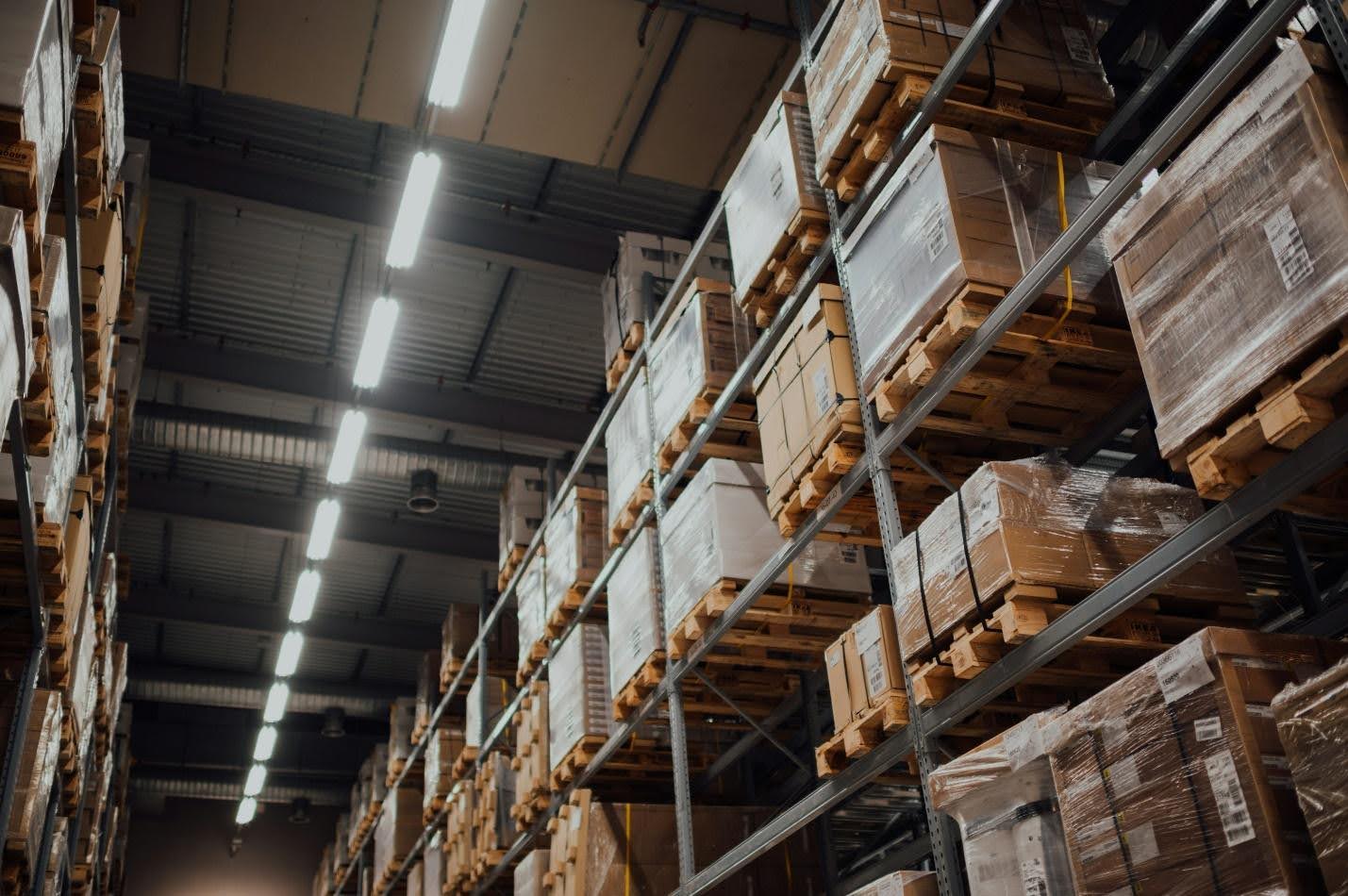
Warehouses are large commercial buildings that store materials, goods, and products before they’re distributed or sold. These logistical hubs are crucial for all businesses and employ complex systems and machinery in order to remain operational. Managing both the inflow and the outflow of products is no easy thing, and the warehouses themselves are of many different types so that they fit the requirements of the items stored inside. For instance, some of them need to be equipped to handle temperature-sensitive items such as pharmaceuticals and food.
Warehouses and the people working in them are essential for the optimisation of supply chains as they ensure efficient inventory management so that businesses keep track of stock levels, prevent shortages, deal with the supply-demand cycles, and protect the goods from damage and theft. Streamlining logistics is also part of the job, as the shipments have to be consolidated and the transportation costs kept reasonable at all times. Modern warehouses are also charged with additional tasks beyond storage, including packaging, quality inspections, and labelling. They are also directly connected to how quickly products are shipped and how fast order fulfilment is.
Given how many aspects rely on warehouses, it goes without saying that any accident or hazards that take place in this ecosystem can have the potential to be quite destructive and set operations back significantly, potentially affecting a large number of people down the line. The employees who become victims of such an event can end up dealing with very serious health damage as well, since the warehouse is home to large machines and automated systems, so they need to be supported throughout their recovery, and if they wish to file for compensation, or end up dealing with medical negligence.
Why do accidents happen?
There are many reasons why a warehouse accident can take place. Slipping and falling on wet or cluttered floors, products falling from high shelves due to improper stacking or overloaded racks, as well as manual handling injuries resulting from continuous lifting, bending, and heavy lifting, can all cause issues, ranging from acute injuries to chronic musculoskeletal injuries. Both of them can cause considerable pain and discomfort, significantly reducing an individual’s ability to carry on with their regular activities.
Poor ergonomics, in this case resulting from repetitive motions like packing or scanning items over a very long time with no breaks, can cause repetitive strain injuries in the long term. Not having sufficient or adequate training before starting to work means that you won’t be aware of the necessary safety protocols, and you’ll end up injuring yourself and others. Outdated training can cause problems as well since the types of machinery that warehouses operate change, and workers must be aware of the ways in which they work before using them.
The layout of the warehouse must be designed with safety in mind as well. Congested aisles, clutter, and a lack of proper walkways will significantly increase the risk of collisions and tripping. If machinery isn’t maintained well or is used even after it becomes defective, accidents are quite likely to occur. If you notice that something isn’t working as it should, make sure you inform the managers, as the injuries occurring from some of them, such as forklifts, can cause very serious damage. Lastly, improper storage of flammable items, poor ventilation, and human error (resulting from stress, fatigue, or pure lack of awareness) are responsible for creating or exacerbating the conditions of a warehouse accident as well.
The recovery process
Having an accident response team can be very helpful in a large environment such as a warehouse. This group should be able to handle the specifics of the event, from the injured workers to the area. In serious cases, even the employees who weren’t injured will be unable to return to work if the area where the event took place becomes severely damaged and requires extensive repair work. In some cases, these workers can be reassigned to a different area, but in others, they will have to wait for the space to be made safe again.
If you were wounded in a warehouse accident, the first thing you need to do is see a physician about your injuries. Even if they don’t seem severe, it is still a much better idea to check, as some of the issues that occur in cases like these don’t have visible symptoms right away. Whether your injuries are mild or more serious, you’ll need medical attention right away so that you recover as quickly as possible and with no additional complications.
Having the extent of your physical damage in written form from a medical professional is also crucial if you’re thinking about getting compensation for the accident. Having a clear record as soon as possible is one of the most important pieces that you will present in order to support your case. If you had to deal with extraordinary expenses as a result of the injuries or experienced psychological issues as a result of the incident, make sure to include documentation that attests to them as well, as the compensation should include these aspects, too.
What’s left to do
After establishing how your health was impacted by the accident, you must make sure that you follow through with the treatment and rehabilitation to improve your recovery time. Consult with a solicitor who has experience with compensation claims if you want to start one yourself, so that you have a comprehensive idea of what’s expected of you, as well as the maximum amount that you could receive.
The next thing you’ll most likely wonder about is how fast you can return to work. To do this, you need to have full medical clearance. However, if it’s possible to return with a few restrictions, you should be able to communicate them to your employer and see what adjustments could be made for you. Address any fear or anxiety that you might have, and consider therapy if the symptoms end up being debilitating and impact your daily quality of life.
Full recovery in the aftermath of a workplace accident might seem impossible, but the truth is that it is highly achievable if you prioritise your well-being in the aftermath.