UK: +44 2038074555 info@atamgo.com
Improving Your Long Term Plans for Your Business

Improving Your Long Term Plans for Your Business

Improving long-term plans

Improving long-term plans is essential for any organization aiming to achieve sustained success and adaptability in an ever-changing environment. Effective long-term planning requires a comprehensive approach that integrates strategic vision, flexibility, stakeholder engagement, and continuous evaluation. Here are key strategies to enhance long-term planning:

  1. Establishing a Clear Vision and Mission

A clear vision and mission statement serve as the foundation for long-term planning. They provide direction and purpose, aligning the organization’s efforts toward common goals. The vision should be ambitious yet attainable, inspiring stakeholders and guiding decision-making. Regularly revisiting and refining these statements ensures they remain relevant in a dynamic landscape. It can help to work with business process improvement consultants who have the experience and expertise to help you with your vision.

  1. Conducting Thorough Environmental Scanning

Understanding external and internal environments is crucial for effective long-term planning. This involves analyzing market trends, economic conditions, technological advancements, and regulatory changes. Internally, assessing strengths, weaknesses, opportunities, and threats (SWOT analysis) helps identify areas for improvement and potential growth. Regular environmental scanning enables the organization to anticipate changes and adapt proactively.

  1. Setting SMART Goals

Long-term plans should include Specific, Measurable, Achievable, Relevant, and Time-bound (SMART) goals. These goals provide clear milestones and metrics for success. Breaking down long-term objectives into smaller, manageable goals makes the plan actionable and trackable. Regularly reviewing and adjusting these goals ensures they remain aligned with the organization’s evolving priorities and external conditions.

  1. Fostering a Culture of Flexibility and Innovation

A rigid plan can be detrimental in a rapidly changing environment. Cultivating a culture of flexibility and innovation allows the organization to pivot when necessary. Encouraging experimentation, supporting new ideas, and learning from failures enable continuous improvement and adaptability. This culture should be embedded at all levels, from leadership to frontline employees.

  1. Engaging Stakeholders

Engaging stakeholders, including employees, customers, suppliers, and investors, is critical for successful long-term planning. Stakeholders provide valuable insights, feedback, and support. Regular communication and involvement in the planning process foster commitment and alignment with the organization’s goals. Collaborative decision-making strengthens relationships and enhances the plan’s feasibility and acceptance.

  1. Leveraging Technology and Data Analytics

Technology and data analytics play a significant role in improving long-term plans. Advanced data analytics provide insights into trends, customer behavior, and operational efficiency. Utilizing predictive analytics helps forecast future scenarios and outcomes, aiding in better decision-making. Technology also streamlines processes, enhances productivity, and supports innovation.

  1. Implementing Robust Risk Management Strategies

Effective long-term planning includes identifying potential risks and developing strategies to mitigate them. This involves conducting risk assessments, creating contingency plans, and establishing a risk management framework. Proactively addressing risks reduces vulnerabilities and enhances the organization’s resilience to disruptions.

  1. Continuous Monitoring and Evaluation

Long-term plans should be dynamic, with continuous monitoring and evaluation mechanisms in place. Regularly reviewing progress, measuring outcomes against goals, and soliciting feedback enable timely adjustments. This iterative process ensures the plan remains relevant and effective, addressing emerging challenges and opportunities.

  1. Investing in Talent Development

Investing in talent development is crucial for executing long-term plans. Providing ongoing training, leadership development, and career advancement opportunities ensures the organization has the skills and expertise needed to achieve its goals. A motivated and capable workforce drives innovation and performance, contributing to long-term success.

  1. Promoting Sustainability and Corporate Responsibility

Incorporating sustainability and corporate responsibility into long-term plans enhances the organization’s reputation and stakeholder trust. Sustainable practices reduce environmental impact, improve social outcomes, and ensure compliance with regulations. This holistic approach aligns the organization’s growth with societal and environmental well-being.

Conclusion

Improving long-term plans requires a strategic, flexible, and inclusive approach. Organizations can navigate complexities and achieve sustainable success by establishing a clear vision, leveraging technology, engaging stakeholders, fostering innovation, and continuously monitoring progress. Adopting these strategies ensures that long-term plans remain robust, adaptable, and aligned with the organization’s mission and the ever-evolving external environment.


How to increase sales for B2B e-commerce platform?

How to increase sales for B2B e-commerce platform?

e-commerce-data

Enhancing sales on B2B e-commerce platforms requires a strategic approach that leverages the benefits of digital commerce, incorporates essential features, and addresses the specific needs of distributors. This blog explores key strategies for sales enhancement, the advantages of e-commerce, the necessity for distributors to embrace it, critical platform features, and the importance of an effective product listing page.

Benefits of B2B E-Commerce vs Traditional Channels

Moving from traditional channels to B2B e-commerce has significant benefits:

  • Cost Savings: Automating tasks like ordering and inventory tracking reduces manual work and lowers expenses.
  • Increased Reach: Businesses can sell to customers anywhere, anytime, and through effective sales prospecting, they can identify and engage potential clients worldwide, thereby opening up extensive global sales opportunities.
  • Data Insights: Analyzing customer data and sales trends helps companies make smarter decisions about their offerings.
  • Flexibility: E-commerce platforms allow businesses to grow and adapt easily by adding new products or services without major investments.

Why Distributors Need E-Commerce

Distributors must embrace e-commerce to remain competitive and meet the evolving demands of their customers. Today’s buyers expect the convenience and efficiency of online shopping. E-commerce not only provides a competitive edge but also enhances service and accessibility, helping distributors outshine their rivals. The shift towards digitalization in B2B transactions underscores the indispensability of e-commerce for future growth. By adopting e-commerce, distributors can position themselves as leaders in a digital marketplace, ensuring sustained relevance and profitability. To streamline listings and product descriptions, you might consider utilizing an amazon affiliate link generator to efficiently manage links and monitor performance.

Must-Have Features for a B2B E-Commerce Platform

To maximize sales and customer satisfaction, a B2B e-commerce platform should include these critical features:

  • Advanced Search Functionality
    • Filter Options: Allow users to filter products by category, price, availability, and other criteria.
    • Predictive Search: Implement autocomplete and predictive search to enhance user experience. For example, you can integrate an Address Autocomplete API to reduce form abandonment and speed up checkout by validating and completing addresses as users type.
  • Customer-Specific Pricing and Catalogs
    • Personalized Pricing: Display prices based on customer profiles and negotiated terms.
    • Custom Catalogs: Show products relevant to each customer’s needs.
  • Flexible Payment Options
    • Multiple Payment Methods: Support various methods such as credit cards, ACH, and digital wallets. Explore the types of e-commerce payment systems explained for a deeper understanding.
    • Payment Terms: Offer flexible payment terms such as net payment options and installment plans.
  • Robust Order Management System
    • Order Tracking: Provide real-time order tracking and status updates.
    • Automated Reordering: Enable automatic reordering for frequently purchased items.
  • Integration Capabilities
    • ERP Integration: Ensure seamless integration with enterprise resource planning (ERP) systems.
    • CRM Integration: Integrate with customer relationship management (CRM) systems for better customer insights and enhanced networking capabilities, leveraging the power of CRM for networking to build stronger connections and manage relationships effectively.

The Importance of a Product Listing Page

The product listing page is a crucial component of a B2B e-commerce platform, serving as the gateway to your offerings. Here’s why it’s important:

  • First Impressions: As the initial point of contact, it shapes customers’ perceptions and must captivate with visual appeal and intuitive navigation.
  • Information Hub: It provides comprehensive product descriptions, specifications, pricing, and availability, empowering customers to make informed decisions.
  • Conversion Driver: Well-crafted product listings simplify the browsing and purchasing process, facilitating seamless transactions.
  • SEO Benefits: Optimized product listing pages improve your site’s visibility and search engine rankings, increasing organic traffic and enhancing your online presence.

Strategies to Increase Sales for B2B E-Commerce Platforms

Enhancing sales on B2B e-commerce platforms involves a multi-faceted strategy:

  • Optimize User Experience (UX)
    • Intuitive Navigation: Ensure the platform is easy to navigate with a clear structure.
    • Mobile Responsiveness: Optimize the platform for mobile devices to cater to on-the-go users.
    • Fast Loading Times: Improve site speed to reduce bounce rates and increase customer satisfaction.
  • Personalization
    • Custom Pricing: Offer personalized pricing based on customer history and order volume.
    • Tailored Recommendations: Use data analytics to provide product recommendations that match customer preferences.
  • Content Marketing
    • Informative Content: Create detailed product descriptions, how-to guides, and industry insights to educate customers.
    • SEO Strategies: Optimize content for search engines to increase visibility and attract more traffic.
  • Streamline Ordering Process
    • Simplified Checkout: Minimize the steps required to complete a purchase.
    • Bulk Ordering Options: Facilitate large orders with features like quick reorder and bulk discounting.
  • Enhanced Customer Support
    • Live Chat: Offer real-time assistance to address customer inquiries and issues promptly with a dedicated ecommerce chat.
    • Comprehensive FAQs: Provide a detailed FAQ section to help customers find answers quickly.

By optimizing user experience, personalizing interactions, and providing robust support and functionality, businesses can significantly enhance their online presence and drive growth. Embracing e-commerce is not just a trend but a necessity for distributors aiming to stay competitive in a rapidly evolving market.

Starting an e-commerce journey can seem daunting, but Sales Pilot by Quotebeam makes it easy. Designed for regional distributors, Sales Pilot is an online collaboration and e-commerce platform that enhances customer engagement and relationship-building. It offers an impressive 2,000% increase in customer engagement compared to static websites.

Top Strategies To Convert Webinar Attendees Into Loyal Customers

Top Strategies To Convert Webinar Attendees Into Loyal Customers

Convert Webinar Attendees Into Customers

Webinars have experienced a remarkable surge in popularity in recent years, becoming a go-to tactic for businesses across industries. According to industry research, 73% of B2B marketers and sales leaders consider webinars one of the most effective ways to generate high-quality leads.

These industry trends are due to the unique advantages webinars offer, including:

  • Engagement and interactivity. Webinars provide an immersive, interactive experience that keeps audiences actively involved, fostering deeper connections and trust.
  • Education and thought leadership. Webinars enable businesses to showcase their expertise, share valuable insights, and position themselves as industry authorities.
  • Lead generation and nurturing. Webinars attract a qualified, engaged audience.
  • Cost-effectiveness. Compared to traditional in-person events, webinars offer a cost-efficient way to reach your audience and deliver high-impact content.

The Importance of Webinar Conversion Rates

While a webinar presentation can be an effective marketing tactic, the true measure of success lies in the ability to convert webinar attendees into paying customers. Webinar conversion rates, which reflect the percentage of attendees who take a desired action, such as booking a consultation or making a purchase, are crucial for businesses to track.

According to industry data, the average webinar conversion rate is 46%, with some types of webinars, such as communication webinars, achieving even higher rates of 67.05%. By optimizing your webinar promotion, content, and lead nurturing strategies, you can unlock the full potential of your webinar efforts and drive significant revenue growth.

5 Strategies for Crafting Webinars that Convert

As the competition for audience attention intensifies, crafting webinars that effectively drive conversions has become a top priority for savvy sales and marketing teams.

To help you craft high-converting webinars, here are tips you can try:

1. Segment your audience for personalized engagement

One of the most critical factors in converting webinar attendees into customers is understanding and segmenting your target audience. Categorize potential attendees into distinct groups based on demographics, interests, and pain points. That way, you can tailor your webinar content, messaging, and promotions to be highly relevant and engaging for each segment.

Key Tactics:

  • Conduct thorough audience research to identify the key characteristics, challenges, and preferences of your target segments.
  • Create a personalized invitation and webinar registration page that addresses the needs and interests of each audience group.
  • Develop tailored content and presentation styles that address the pain points and goals of your segmented audience.
  • Utilize audience engagement tools, such as polls using poll maker and surveys, to gather real-time insights and further refine your segmentation strategies.

2. Craft captivating webinar titles and descriptions

The title and description of your webinar are the first touchpoints that potential attendees will have with your event. These elements play a crucial role in piquing their interest, driving registrations, and setting the stage for a successful webinar conversion.

Key Tactics:

  • Identify the most relevant and search-optimized terms for your webinar topic.
  • Craft a clear, concise, and compelling title that accurately reflects the value proposition and key takeaways of your webinar.
  • Develop a detailed description that highlights the specific problems your webinar will solve, the unique insights you’ll provide, and the tangible benefits attendees can expect.
  • Incorporate persuasive language, social proof, and a strong call-to-action to encourage immediate registration.
  • Optimize your webinar landing page for search engine visibility and user experience.

3. Deliver valuable, actionable content

The success of your webinar in converting attendees into customers hinges on the quality and relevance of the content you deliver. Provide your audience with genuinely useful, actionable information that addresses their pain points.

Key Tactics:

  • Identify the most pressing challenges and burning questions within your target audience.
  • Develop well-structured, educational webinars that take attendees on a journey of discovery and learning.
  • Incorporate real-world examples and practical tips to demonstrate the immediate applicability of your content.
  • Ensure your webinar content strikes the right balance between educational value and promotional elements.
  • Continuously gather feedback and insights from attendees to refine your content strategy for future webinars.

4. Foster interactivity and engagement

Webinars that foster active engagement and participation are more likely to capture the attention of attendees and drive meaningful conversions. Interactive elements create an immersive experience and gather valuable insights to guide your lead nurturing efforts.

Key Tactics:

  • Strategically place polls, surveys, and Q&A sessions throughout your webinar to encourage audience participation.
  • Leverage breakout rooms or small group discussions to facilitate deeper, more personalized interactions.
  • Encourage attendees to share their experiences, challenges, and questions to create a sense of community.
  • Respond to attendee questions and comments in real-time.
  • Analyze key performance indicators or metrics, such as attendance duration, poll responses, and Q&A activity, to optimize future webinar experiences.

5. Provide webinar recordings and replays

Recognizing that not all registrants will be able to attend your live webinar, offering on-demand access to recordings and replays can significantly expand your reach and conversion opportunities.

Key Tactics:

  • Ensure your webinar recordings maintain the same level of quality, interactivity, and engagement as the live event.
  • Place your webinar replays behind a registration form to capture additional lead information and nurture those prospects.
  • Promote the availability of your webinar recordings through email, social media, and other marketing channels.

Automating Webinars to Attract Leads

You can leverage webinar automation to streamline your lead generation and conversion efforts.

Key Tactics:

  • Develop a library of pre-recorded webinar content that addresses the common pain points and questions of your target audience.
  • Promote your on-demand webinars through various marketing channels.
  • Integrate your automated webinar system with your marketing automation platforms and customer relationship management (CRM) to seamlessly capture and nurture leads.
  • Continuously monitor the performance of your automated webinars, making adjustments to the content, promotion, and lead nurturing workflows based on data-driven insights.
  • Complement your automated webinar efforts with live, interactive webinars to maintain a personal touch and address evolving customer needs.

Promoting Webinars

Effective webinar promotion is crucial for driving registrations, attendance, and conversions. By leveraging a multi-channel approach and crafting compelling promotional content, you can maximize the visibility and impact of your webinar initiatives.

Key Tactics:

  • Develop a comprehensive promotional calendar that spans relevant channels like your email, social media, and paid advertising.
  • To make your promotional content visually appealing, create eye-catching visuals, such as webinar graphics, speaker headshots, and animated teasers.
  • Leverage search engine optimization (SEO) best practices to ensure your webinar landing pages and promotional content are easily discoverable.
  • Collaborate with industry influencers, complementary brands, or strategic partners to cross-promote your webinar and reach a wider audience.

Conclusion

Embrace the power of webinars, use the right automated webinar platform, and watch as your business transforms casual attendees into committed customers, fueling your sales funnel to greater revenue and lasting impact.

Building a Roadmap for Digital Maturity: Top 5 Tips

Building a Roadmap for Digital Maturity: Top 5 Tips

Digital Maturity

In today’s rapidly evolving digital landscape, achieving digital maturity is not just an option—it’s a necessity for businesses to remain competitive. Digital maturity goes beyond adopting the latest technologies; it’s about integrating them seamlessly into business processes to drive innovation, efficiency, and growth. By developing a roadmap for digital maturity, organizations can navigate this journey strategically, ensuring alignment with their business goals and customer expectations.

Understanding Digital Maturity

Digital maturity is a multi-dimensional concept that extends beyond technology adoption. It encompasses organizational culture, processes, skills, and strategies. At its core, digital maturity is about achieving a state where digital technologies are leveraged effectively to create value for both the organization and its stakeholders. As businesses progress through the stages of digital maturity, they develop greater digital dexterity, allowing them to adapt more quickly to changing market conditions and customer preferences.

Assessing Current State

Before embarking on the journey to digital maturity, it’s crucial to understand where your organization currently stands. Conducting a thorough digital maturity assessment can provide valuable insights into your existing capabilities, strengths, and areas needing improvement. Utilizing tools like maturity models and surveys can help quantify your organization’s digital dexterity and identify gaps that need to be addressed.

Setting Clear Objectives

Setting clear and measurable objectives is essential for driving digital transformation initiatives effectively. These objectives should align with your organization’s overall business strategy and customer needs. Whether it’s improving operational efficiency, enhancing customer experience, or launching innovative products, defining clear goals will guide your digital maturity roadmap and ensure everyone is working towards a common vision.

Prioritizing Key Initiatives

With limited resources and competing priorities, it’s crucial to prioritize digital initiatives that will have the most significant impact on your organization’s digital dexterity and overall business objectives. This requires a balanced approach, focusing on both incremental improvements and transformative changes. By prioritizing initiatives based on their potential value and alignment with strategic goals, organizations can achieve quick wins while laying the foundation for long-term success.

Building the Roadmap

Building a roadmap for digital maturity involves more than just listing out initiatives and timelines. It’s about creating a strategic plan that outlines clear milestones, responsibilities, and success criteria. Engaging stakeholders across the organization in the roadmap creation process ensures buy-in and alignment, fostering a culture of collaboration and shared ownership of digital transformation initiatives.

For organizations mapping out their digital transformation initiatives, managing projects efficiently is paramount. You can make planning easy with Miro’s project plan templates to streamline processes and ensure alignment with your digital objectives. These templates offer a structured approach to project management, helping businesses achieve their digital maturity goals.

Implementing and Iterating

Implementation is where the rubber meets the road in your digital maturity journey. Adopting agile methodologies can help organizations adapt more quickly to changing requirements and market dynamics. Continuous monitoring, feedback, and iteration are essential for ensuring that digital initiatives are delivering the expected value and driving improvements in digital dexterity over time. 

Building a roadmap for digital maturity is a journey that requires strategic planning, clear objectives, and ongoing commitment. By focusing on understanding your current state, setting clear goals, prioritizing key initiatives, and fostering a culture of continuous improvement, organizations can navigate this journey successfully. Achieving digital maturity is not a destination but an ongoing process of evolution and adaptation to the ever-changing digital landscape.

Additional Resources

For those looking to dive deeper into the topic of digital maturity, there are several valuable resources available. Books like “Leading Digital: Turning Technology into Business Transformation” by George Westerman, Didier Bonnet, and Andrew McAfee offer insights into successful digital transformation strategies. Online courses and workshops on digital maturity assessment and roadmap development can also provide practical guidance for organizations at different stages of their digital journey. Additionally, case studies showcasing companies that have successfully navigated the path to digital maturity can offer valuable lessons and inspiration for others embarking on this transformative journey.

Getting Online When Your Business Is Just You

Getting Online When Your Business Is Just You

Getting Online

Getting online when your business consists solely of you is a pivotal step in establishing your digital presence and reaching a broader audience. Whether you’re a freelancer, solopreneur, consultant, or creative professional, leveraging online platforms and tools can amplify your visibility, potentially attract more clients, and grow your business. Here’s a comprehensive guide to help you navigate the process of getting online as a one-person business: 

1  Define Your Brand Identity:

a. Identify Your Niche:

Clarify your target audience, industry focus, and unique value proposition to differentiate yourself in the market.

Determine your specific services, products, or expertise and the problems you solve for your clients or customers.

b. Develop Your Brand Story:

Craft a compelling story for your brand that communicates your mission, values, and passion for your work. Create a consistent brand voice, tone, and visual identity across your online presence, including your website, social media profiles, and marketing materials.

2.   Establish Your Online Presence: 

a. Build a Professional Website:

Craft a user-friendly website that highlights your portfolio, services, testimonials, and contact details. Opt for a dependable web hosting service and design a layout that adjusts seamlessly to diverse devices and screen dimensions. You can look for affordable web design services that will have the expertise to get your website up and running quickly.

b. Utilize Social Media Platforms:

Select social media platforms that your customers will be on, such as LinkedIn, Twitter, Instagram, or Facebook. Regularly share valuable content, engage with your audience, and network with industry peers to build credibility and visibility.

3.   Optimize for Search Engines: 

a. Conduct Keyword Research:

Discover pertinent keywords and phrases linked to your industry, services, and target demographic utilizing tools such as Google Keyword Planner or SEMrush. Integrate these keywords thoughtfully into your website content, meta tags, headings, and image alt text to enhance your visibility on search engines.

b. Implement SEO Best Practices:

Optimize your website for search engines by improving site speed, creating high-quality content, obtaining backlinks from reputable sources, and optimizing meta titles and descriptions. Regularly monitor your website’s performance using analytics tools like Google Analytics or explore Google Analytics integration with Salesforce to track traffic, conversions, and user behavior more effectively.

4.   Leverage Online Marketing Strategies:

a. Content Marketing:

Develop a content marketing strategy to attract, engage, and educate your target audience through blog posts, articles, videos, podcasts, or infographics. Share valuable insights, tips, and industry expertise to position yourself as a thought leader and build trust with potential clients or customers.

b. Email Marketing:

Build an email list of subscribers who are interested in your products or services and regularly send them newsletters, updates, promotions, or exclusive content. To optimize your campaigns, personalize your email communications, segment your audience, and track metrics such as open rates, click-through rates, and conversions.

5.   Network and Collaborate:

a. Join Online Communities:

Participate in online forums, industry groups, or professional associations relevant to your niche to connect with peers, share insights, and stay updated on industry trends. Engage authentically, provide value to others, and seek opportunities for collaboration, referrals, or partnerships.

b. Attend Virtual Events:

Attend webinars, virtual conferences, workshops, or networking events related to your industry to expand your knowledge, network with potential clients or collaborators, and stay connected with industry peers.

Conclusion:

Getting online as a one-person business is essential for establishing your digital presence, attracting clients, and growing your brand. By effectively defining your brand identity, building a professional website, leveraging social media, optimizing search engines, implementing online marketing strategies, and networking, you can position yourself for success and create meaningful connections in the digital landscape. Remember that consistency, authenticity, and continuous learning are key to building a strong online presence and achieving your business goals as a solopreneur.


The Best 10 Marketing Automation Tools to Use in 2025

The Best 10 Marketing Automation Tools to Use in 2025

Marketing Automation Tools

Meta – Marketing is a multidimensional idea where many different things merge to form one winning strategy to grow your business. These numerous things can be controlled and mastered easily with the help of automation tools and ensure maximum ROI on every campaign.

Marketing automation software helps marketing teams save time and do more tasks. Organizations use it to guide audiences through the buying journey. It offers lead nurturing solutions by automating content delivery. Marketing teams use it to send customized messages throughout the customer journey. When using the tools, organizations end up with more conversions. The platforms help brands create credibility and trust with customers. Companies should choose tools that are scalable and easy to use. Here is the best marketing automation software for your business in 2025.

The Best 7 Marketing Automation Tools to Use in 2025

1. SocialPilot with AI Pilot

SocialPilot

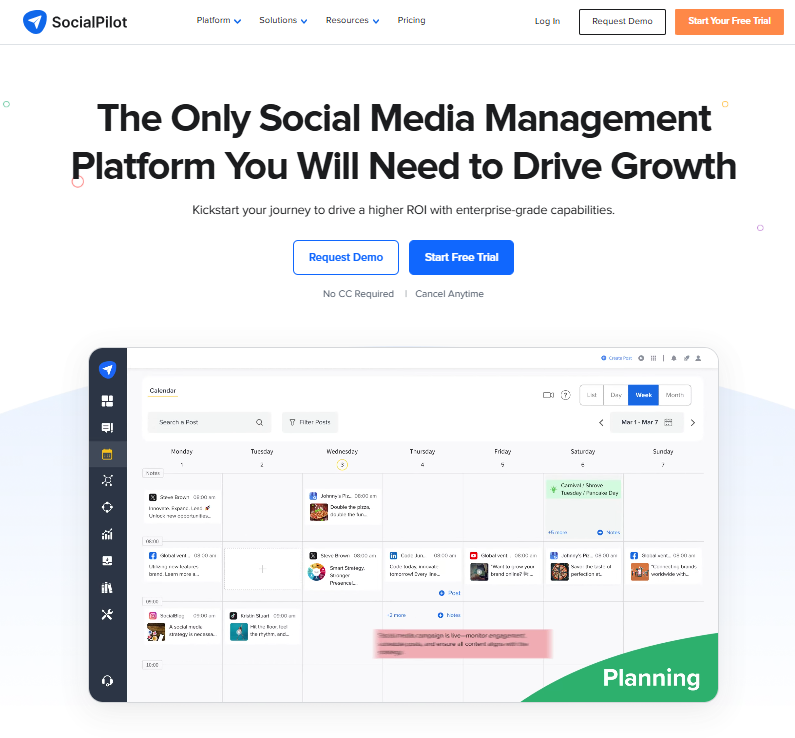
SocialPilot blends AI assistance with full-scale social media management. Its AI Pilot helps you brainstorm fresh ideas, generate engaging captions, rewrite content for different tones, and even suggest hashtags that fit your brand voice. Beyond AI, SocialPilot supports bulk scheduling across multiple platforms, a collaborative content calendar for teams, and white-label analytics reports that make client reporting effortless. With automation handling the busywork, you can focus on building genuine connections and tracking results with advanced insights.

2. Marketo

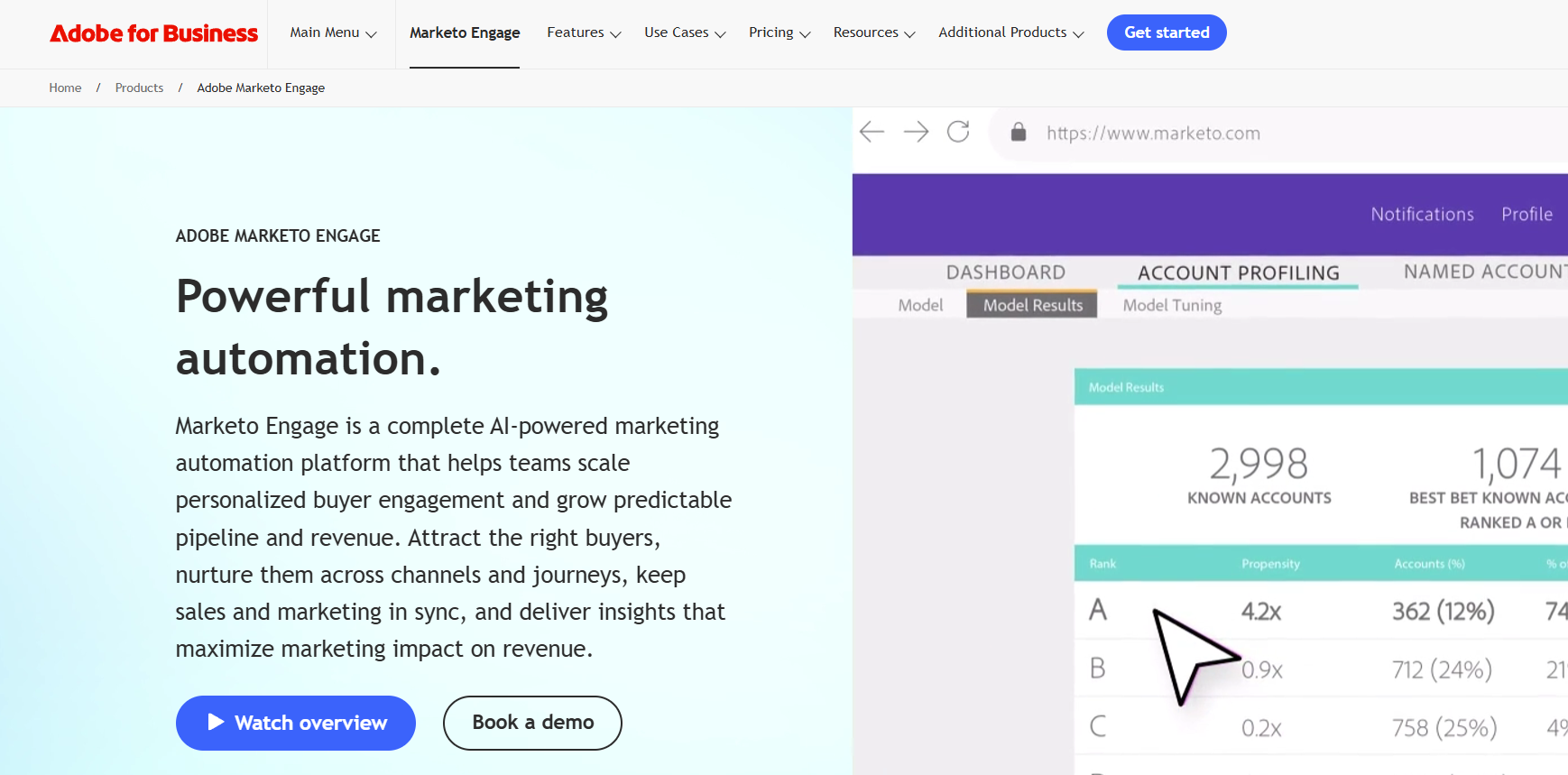
Marketo

Marketo offers full automation and the power to scale your marketing efforts. The tool is built to increase content delivery speed and personalization. Developed by Adobe, the platform is available as a SaaS marketing tool. It is easy to use, allowing teams to launch more campaigns. Organizations use it as a solution for the complex customer journey across multiple channels. When using automation tools, several things can make your device run slow. They may take up more space or require updating to perform well. There are different methods to help you solve the problem. If you need guidance to help you increase your device speed while using the apps. The simple DIY steps here will help you overcome many common problems that interrupt your work and reduce your productivity level.

3. HubSpot

hubspot

HubSpot was developed to streamline all your marketing strategies. The platform is a powerful tool for lead scoring and doing follow-ups. Teams can use it to automatically post social media ads and emails. The platform provides several tools in one place. It has a CRM, content production, and a marketing hub. Brands use it to improve customer service and build stronger B2B relationships. The software improves workflows and offers insights for each campaign. You can also set up a two-way sync between Google Sheets and HubSpot CRM to keep data updated and simplify reporting.

4. Selzy 

Selzy 

Is a powerful yet easy-to-use email marketing platform tailored for small and medium businesses looking to launch campaigns without technical hassle. From a drag-and-drop email builder and smart automation to segmentation and detailed analytics — everything is streamlined for fast and effective communication. Selzy also offers tools for lead nurturing, A/B testing, and integrations with popular CMS and e-commerce platforms. For those who need to send mass email campaigns efficiently, Selzy’s email blast service helps reach large audiences with just a few clicks, without sacrificing personalization.

5. SendPulse

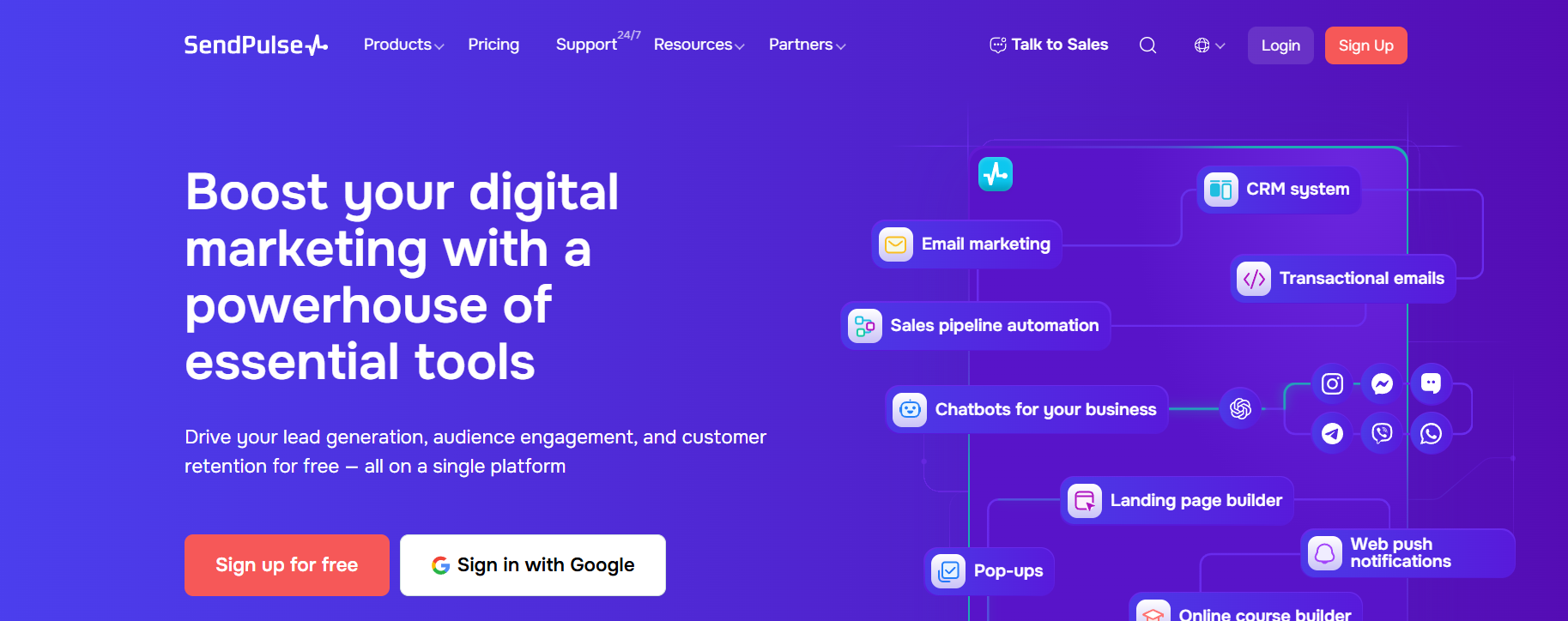
SendPulse serves as a go-to platform for e-commerce businesses and marketers who don’t want to juggle several tools at a time, as SendPulse provides all the necessary marketing automation features on a single dashboard. CRM with email marketing, SMS, and WhatsApp marketing campaigns, a multichannel chatbot builder, and even a website builder. Features for lead generation, lead nurturing, and everything in between. SendPulse is constantly adding new features, and one of the latest ones is their WhatsApp Business CRM integration for their WhatsApp chatbot builder.

6. Sender

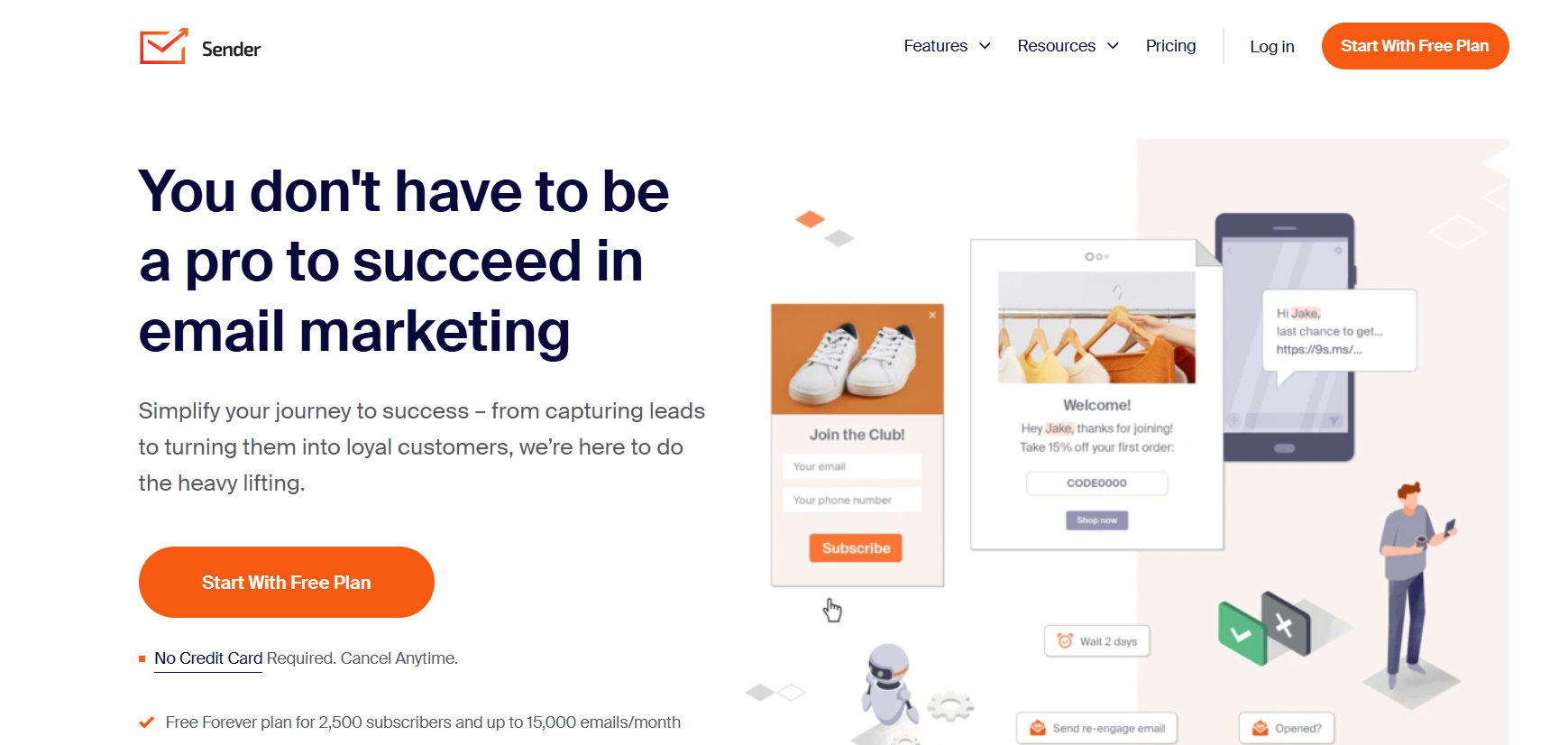
Sender

Sender is built to harness the power of email marketing. Brands do not need to have a big budget to start successful email campaigns. They can send up to 15,000 emails each month for free. Organizations can use it to easily compose campaign emails. Once the content is ready, teams use it to manage all campaigns. Sender is one of the top tools for capturing leads and converting them.  

7. Overloop

Overloop

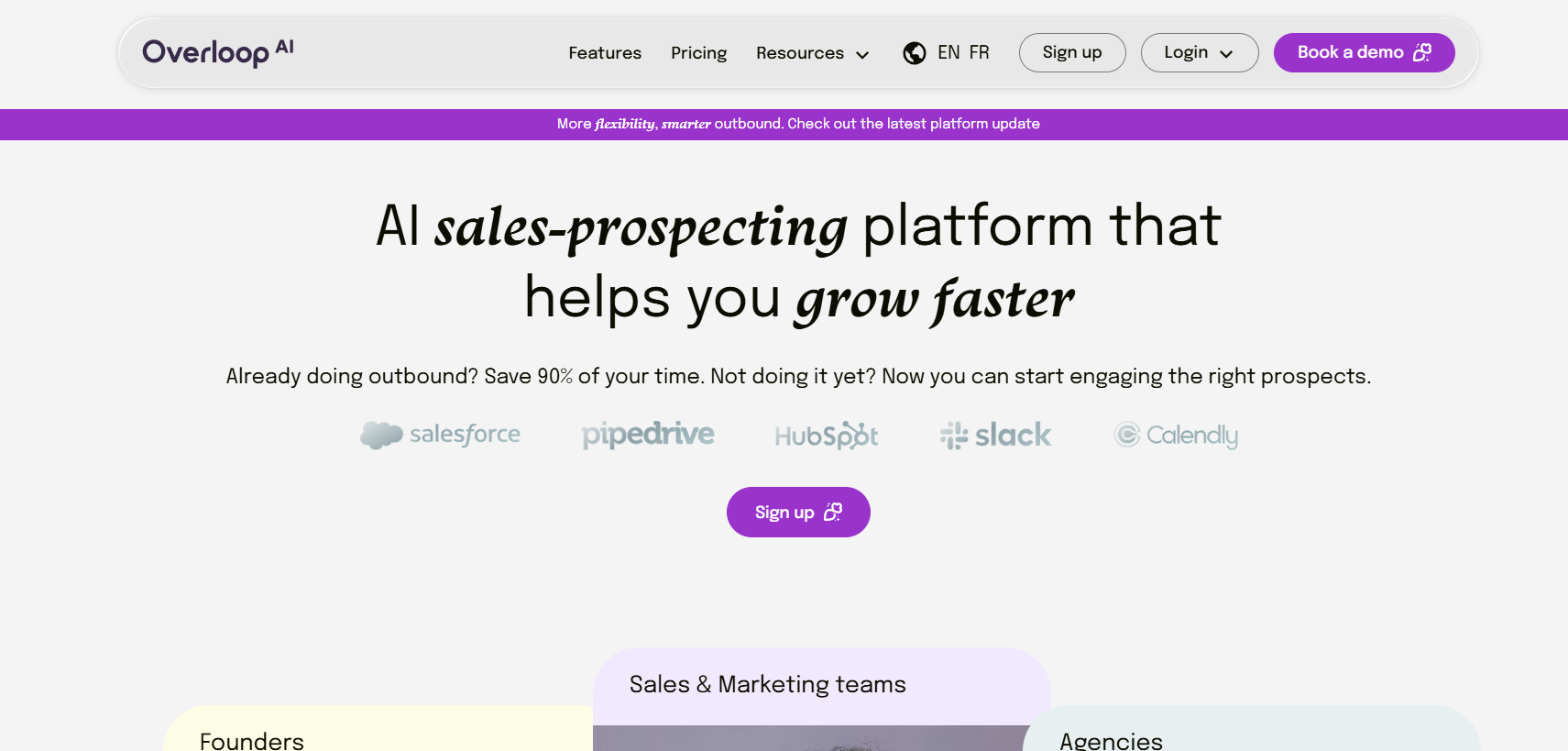
Overloop is a top platform for creating sales engagement. It offers an array of tools to help you extend your outreach and marketing funnel stages. Organizations use it to create extensive prospect lists. They connect it with several platforms such as LinkedIn to generate quality leads. With only one click, teams can start multichannel outreach campaigns. The tools feature analysis tools to provide an overview of successes.  

8. Buffer

Buffer is a platform for launching multiple social media campaigns. All that marketers need to do is create the content and let the tool distribute it. Through its various algorithms, brands achieve more clicks. They build a larger pool of followers and save a lot of time. The tool makes collaboration easier and increases conversions. Its AI power helps with content publishing and analytics.  

9. Act-On

Act-On

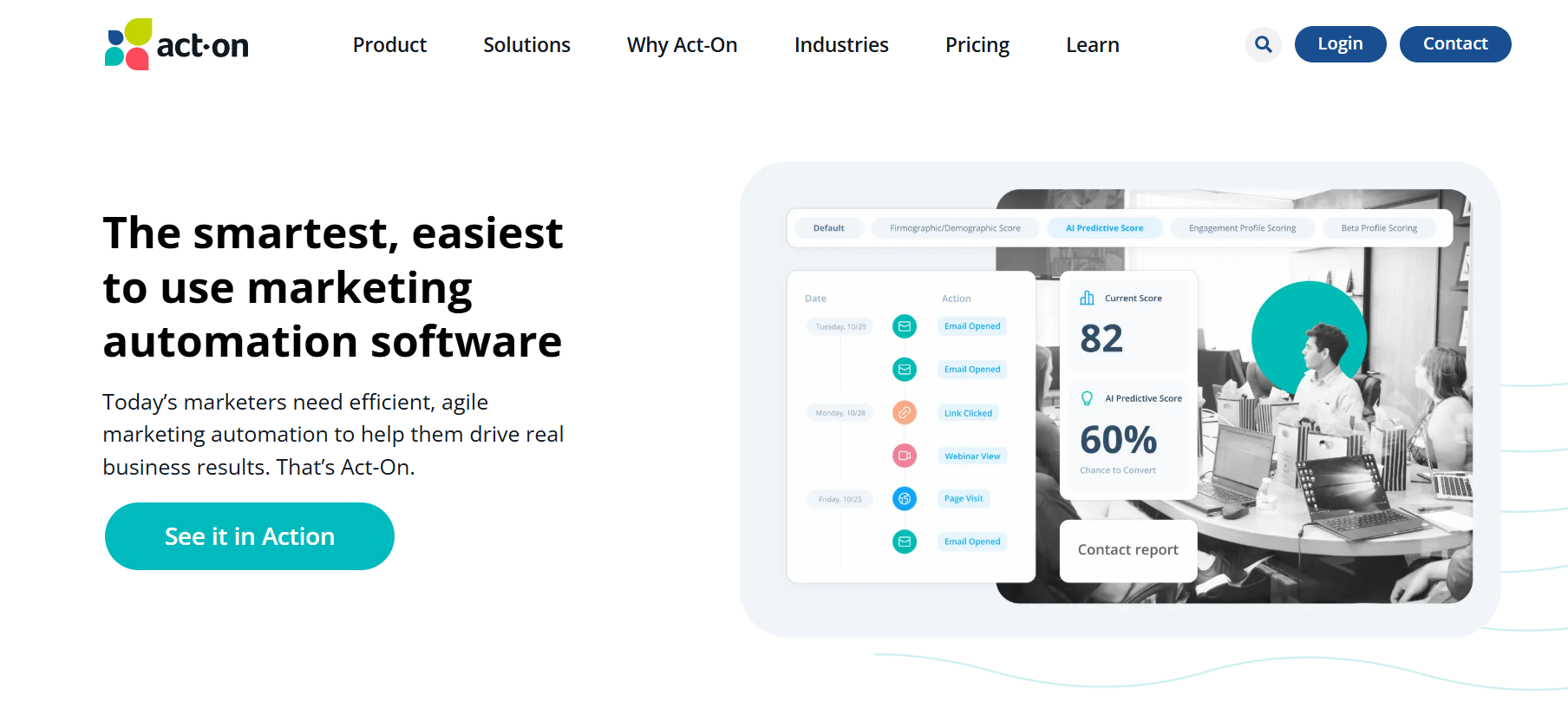
Act-On is a choice tool for creating all-rounded marketing campaigns. Provided as a SaaS platform, the tool offers multiple features, including social media prospecting, lead management, and CRM software integration.  Teams can use it to launch email campaigns and manage webinars. Marketers can integrate it with CRM and do analytics to get a view of success.  Act-On is perfect for creating focused B2B or B2C marketing strategies. You can manage your day smartly while marketing with this tool.  

10. Prisync

Prisync

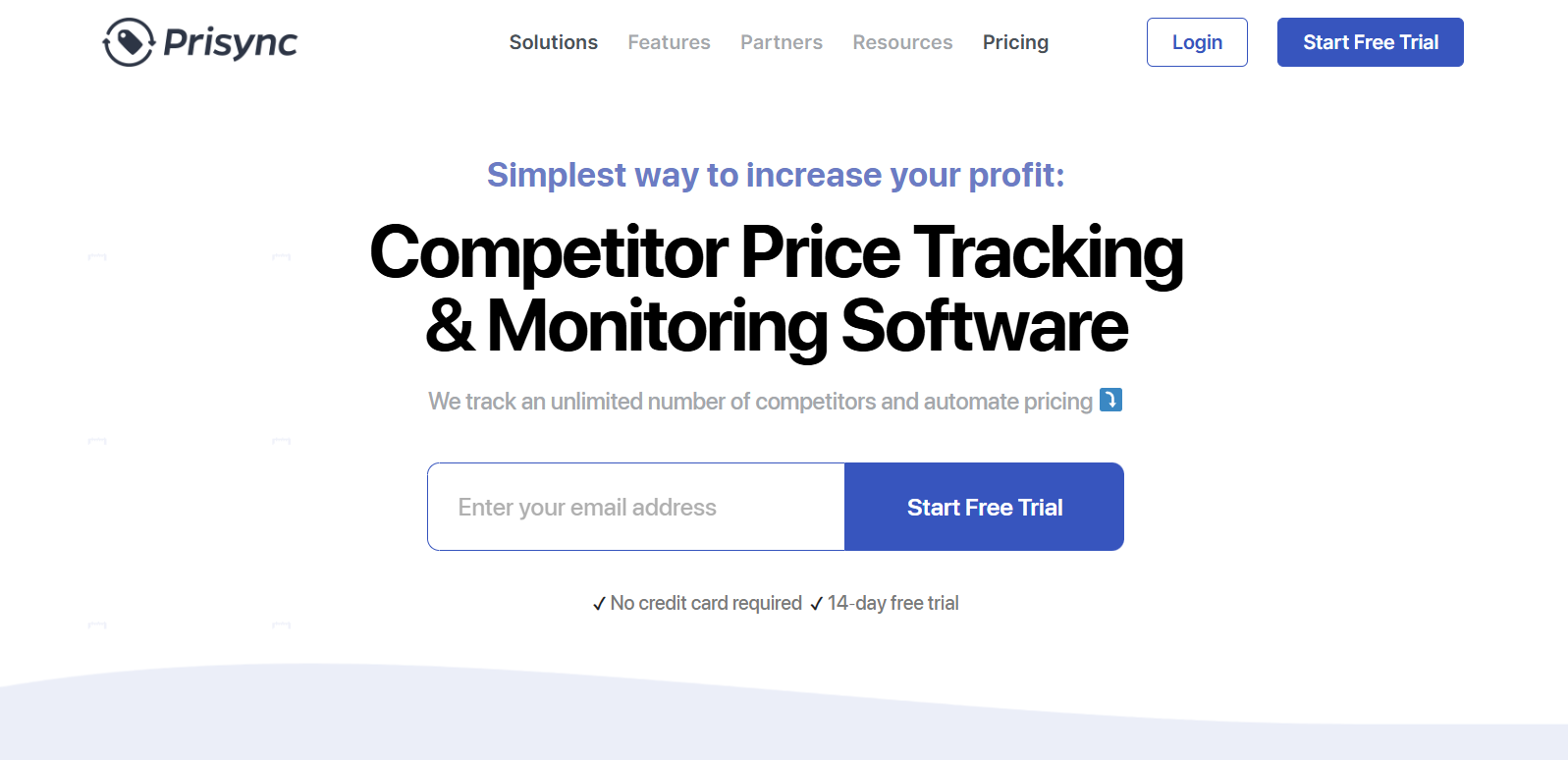
Prisync allows brands to do marketing based on the prevailing market prices. The platform monitors the prices set by competitors and alerts the marketers. Based on the report, they can reset their process to remain competitive. The tool offers insights into content creation and distribution. Brands can integrate it with other platforms to improve customer experiences. Its main solutions are dynamic pricing, MAP monitoring, and price tracking.   

Conclusion  

Modern business fields require vibrant and evolving marketing methods. Automation is one of the strategies that is transforming marketing. It frees up manual work from brands so that they focus on improving content and lead quality. Teams have a broad software choice to use. The best tools should be scalable and meet the demands of the specific brand. They should be easy to use, integrate with other software, and be budget-friendly.