UK: +44 2038074555 info@atamgo.com
Supporting Student Mental Health in Schools

Supporting Student Mental Health in Schools
Student Mental Health

Introduction

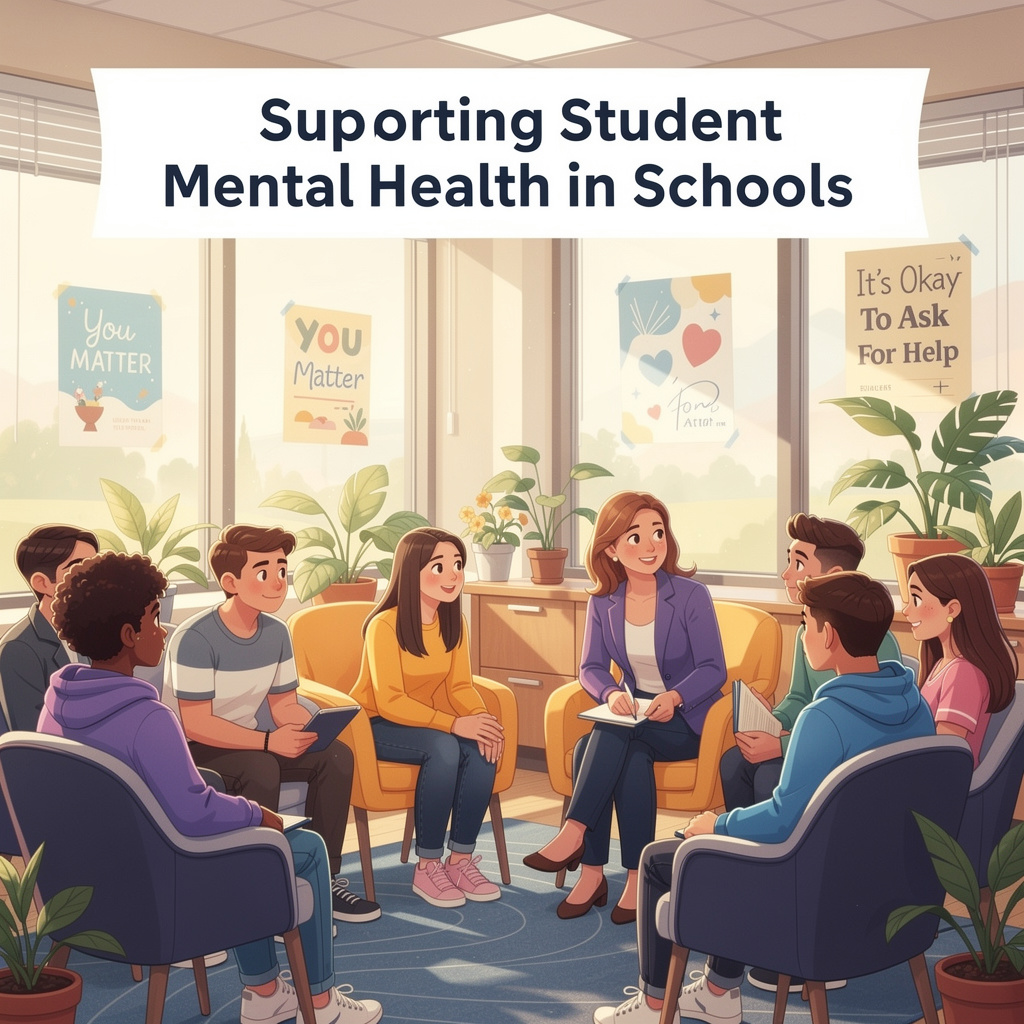
Student mental health has emerged as one of the most pressing concerns facing educational institutions today. Anxiety, depression, and stress affect students’ ability to learn, form relationships, and reach their full potential. Schools are uniquely positioned to identify struggling students and provide crucial support services. As awareness grows about the connection between mental wellness and academic success, educators are reimagining their roles to encompass not just intellectual development but holistic student wellbeing. Creating mentally healthy school environments requires systemic change, adequate resources, and a culture that prioritizes emotional health alongside academic achievement.


Recognizing Warning Signs

Early identification of mental health challenges can dramatically improve outcomes for struggling students. Teachers who spend significant time with students are often the first to notice changes in behavior, academic performance, or social interactions that may signal distress. Warning signs include withdrawal from activities, persistent sadness, dramatic mood swings, changes in eating or sleeping patterns, and declining grades. Professional development should equip educators with skills to recognize these indicators and respond appropriately. Schools need clear protocols for referring students to mental health professionals while maintaining confidentiality and trust. Creating classroom environments where students feel safe discussing emotions helps normalize mental health conversations and reduces stigma.


Building Comprehensive Support Systems

  1. Effective mental health support requires coordinated services that address diverse student needs. School counselors, psychologists, and social workers form the backbone of these systems, but their effectiveness depends on adequate staffing ratios and resources. Many schools have implemented tiered support models that provide universal prevention programs, targeted interventions for at-risk students, and intensive services for those with significant needs. Partnerships with community mental health organizations can expand available services and provide specialized expertise. Tech-based solutions, including teletherapy and mental health apps, can increase access, particularly in underserved areas. However, technology should complement rather than replace human connection and professional judgment.


Creating Trauma-Informed Environments

Many students have experienced trauma that affects their learning and behavior. Trauma-informed approaches recognize how adverse experiences impact brain development and stress responses. These frameworks emphasize safety, trustworthiness, peer support, collaboration, and empowerment. Educators trained in trauma-informed practices understand that challenging behaviors often represent coping mechanisms rather than defiance. Classroom strategies include establishing predictable routines, offering choices, teaching self-regulation skills, and responding to behavioral issues with curiosity rather than punishment. School-wide implementation of trauma-informed practices creates environments where all students can heal and thrive.


Promoting Wellness and Resilience

Prevention is as important as intervention in supporting student mental health. Schools can promote wellness through social-emotional learning curricula that teach skills like emotional regulation, empathy, and healthy relationship building. Mindfulness practices, physical activity, and creative expression provide outlets for stress and support emotional processing. Fostering strong connections between students and caring adults builds protective factors that enhance resilience. Schools should also examine policies and practices that may inadvertently increase student stress, such as excessive homework, high-stakes testing, or overly punitive discipline systems.


Conclusion

Supporting student mental health is not peripheral to education’s mission—it is central to it. Students cannot learn effectively when struggling with emotional distress, and schools have both the opportunity and responsibility to provide support. By recognizing warning signs, building comprehensive systems, implementing trauma-informed practices, and promoting wellness, schools can create environments where all students have the opportunity to flourish emotionally and academically. This work requires sustained commitment and investment, but the returns—healthier, more successful students—are immeasurable.

Essential Strategies for Effective Human Risk Management

Essential Strategies for Effective Human Risk Management

Human Risk Management

Managing human risks is crucial for every organization. Whether it’s the risk of employee error, insider threats, or unethical behavior, people can pose significant risks to any business. However, by adopting robust human risk management strategies, you can mitigate these risks and safeguard your company’s operations.

In this human risk management guide, we’ll explore essential strategies for managing human risk, offering insights that apply to businesses of all sizes. By the end, you’ll have the tools to implement a proactive approach to human risk management.

What Is Human Risk Management?

Human risk management refers to identifying, assessing, and addressing risks posed by human actions, whether deliberate or accidental. It encompasses areas such as employee behavior, leadership decisions, and organizational culture, focusing on mitigating risks that arise from human error, negligence, or malice.

Businesses that effectively manage human risk create environments where employees are aware of potential risks and are equipped to make informed, responsible decisions.

Why Human Risk Management Matters

Human risk management is critical because the cost of human error can be enormous. From financial losses due to fraud or data breaches to reputational damage from unethical behavior, the fallout can cripple a company. By implementing human risk management strategies, you not only prevent such issues but also foster a culture of accountability and ethical behavior.

Key Strategies for Human Risk Management

1. Implement Comprehensive Training Programs

One of the most effective ways to manage human risk is through regular and comprehensive training. Employees should be trained on risk awareness, ethics, compliance, and safety procedures. Training helps employees understand potential risks and equips them with the knowledge to avoid or handle these risks appropriately.

Training programs should be updated regularly to address emerging threats. As risks evolve, the training must reflect these changes. In addition, using scenario-based learning with real-life situations can demonstrate the consequences of poor risk management, making the training more impactful.

2. Foster a Culture of Accountability

Establishing a culture of accountability is key to minimizing human risk. When employees feel responsible for their actions, they are more likely to follow rules and regulations and report any unethical behavior.

A culture of accountability starts with clear and well-communicated company policies. Employees should fully understand these policies, including the consequences of violating them. Leadership plays an important role in fostering accountability, as they must lead by example. When leaders exhibit transparency and integrity, it sets a standard that employees are more inclined to follow.

3. Conduct Regular Risk Assessments

Conducting regular risk assessments is crucial in identifying potential human risks before they escalate. These assessments allow you to pinpoint vulnerabilities within your organization and put preventative measures in place.

All organizational processes should be reviewed, including hiring, training, and daily operations, to uncover areas where human error might occur. Additionally, monitoring changes in staffing, technology, or company policies is essential, as new risks can emerge from these transitions.

4. Utilize Technology for Monitoring and Mitigation

Technology can play a significant role in managing human risks. Tools such as employee monitoring software, access controls, and data encryption can help prevent insider threats and unauthorized access to sensitive information.

For instance, restricting access to confidential information based on employee roles can reduce the risk of security breaches. In addition, using data analytics can help detect unusual behavior patterns that may signal a security risk, allowing you to intervene before it becomes a significant issue.

5. Establish Clear Communication Channels

Open communication is essential for effective human risk management. Employees should feel comfortable reporting potential risks or unethical behavior without fear of retaliation.

A whistleblower program that allows employees to report concerns anonymously can be beneficial. Additionally, having regular check-ins between managers and employees creates an environment where concerns can be raised, and compliance standards can be reinforced in a non-intimidating way.

6. Develop Contingency Plans for Human-Related Incidents

Even with strong preventative measures, incidents involving human risks may still occur. Developing contingency plans helps minimize the damage when such incidents happen.

One approach is to establish a dedicated incident response team responsible for managing crises like data breaches or insider fraud. Rehearsing various scenarios ensures that employees know their roles and can respond swiftly and effectively when an incident arises.

Common Challenges in Human Risk Management

While human risk management is essential, it also presents several challenges. One challenge is employee resistance to new protocols, especially when they feel such measures are unnecessary or burdensome. It’s crucial to communicate the importance of these protocols clearly to gain employee buy-in.

Another challenge is overconfidence from leadership. Some leaders may believe their organization is immune to human risks, which can lead to complacency and a lack of proactive risk management efforts. Smaller businesses, in particular, may struggle due to a lack of resources for implementing these strategies effectively. Leadership needs to prioritize risk management to overcome these obstacles.

The Role of Leadership in Human Risk Management

Leadership plays a pivotal role in the success of human risk management. Leaders are responsible for setting the tone when it comes to ethical behavior and risk awareness in the workplace. If leaders are not committed to managing human risks, employees are less likely to take the issue seriously.

To create an ethical workplace, leadership should consistently emphasize the importance of ethics in decision-making. Employees need to feel supported by leadership, knowing that they have the resources and guidance necessary to manage risks effectively. Most importantly, leaders must demonstrate accountability and transparency in their actions, as this behavior sets a precedent for the rest of the organization.

Conclusion: 

Managing human risks is an ongoing process that requires proactive planning and consistent efforts. By implementing strategies such as comprehensive training programs, fostering a culture of accountability, conducting regular risk assessments, utilizing technology, and establishing open communication channels, businesses can effectively mitigate the risks associated with human actions.

Taking a proactive approach to human risk management not only protects your company from potential harm but also helps foster a responsible, positive work environment where employees thrive.