UK: +44 2038074555 info@atamgo.com
The Top 5 Benefits of Custom CRM for Streamlining Your Business Operations

The Top 5 Benefits of Custom CRM for Streamlining Your Business Operations

Custom CRM

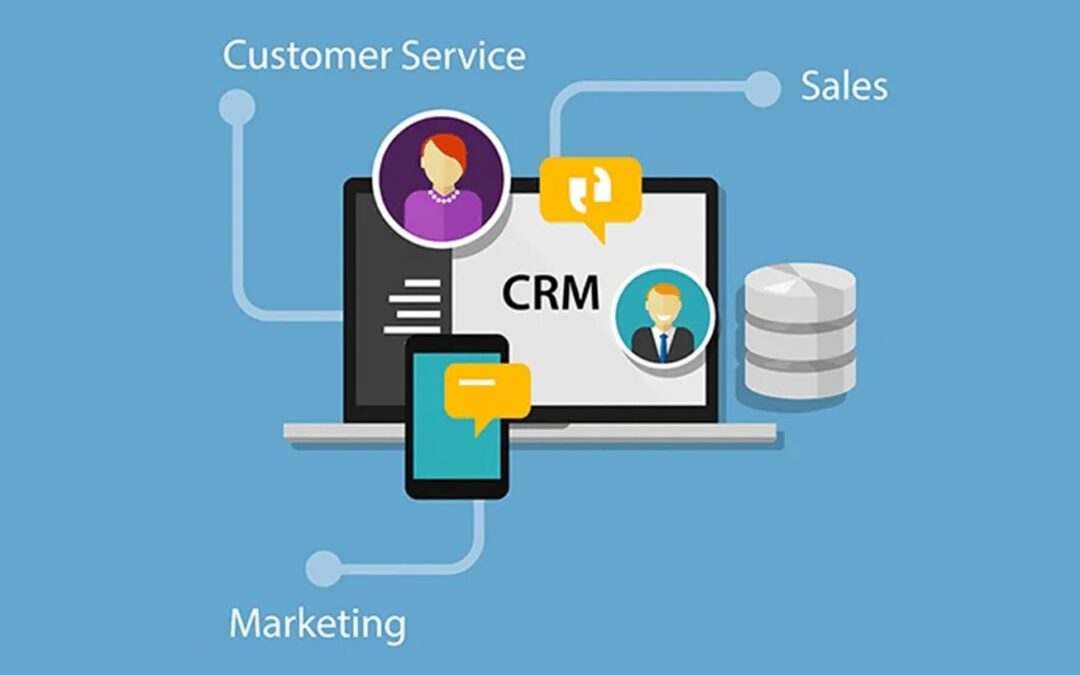
In today’s competitive business environment, efficiency and effective management of customer relationships are vital to long-term success. For this reason, businesses of all sizes are turning to Customer Relationship Management (CRM) systems. However, while many companies opt for off-the-shelf solutions, there is a growing trend toward custom CRM systems. A custom CRM can be tailored to meet the specific needs of your business, offering a range of benefits that can significantly streamline your operations. In this article, we will explore the top five benefits of implementing a custom CRM system for your business.

1. Personalized to Fit Your Unique Business Needs

One of the most significant advantages of a custom CRM is that it can be built to match your business’s exact requirements. While out-of-the-box CRM solutions come with a one-size-fits-all approach, they often include features that your company may not need, leading to unnecessary complexity. Conversely, they might lack specific functionalities that are critical to your operations. A custom CRM addresses these challenges by offering the ability to design a system that aligns perfectly with your workflow, industry-specific needs, and customer base.

For example, if your business has unique sales processes or specific customer service workflows, a custom CRM can incorporate these directly into its architecture. This tailored approach means that your employees will spend less time navigating irrelevant features and more time focusing on tasks that drive revenue. On a related note, VoIP CRM integration can extend these tailored workflows by connecting communication channels directly within the CRM system.

2. Improved Workflow Automation

Efficiency in operations often comes down to how well routine tasks are automated. Many businesses spend valuable time on repetitive activities, such as data entry, follow-up emails, or generating reports. A custom CRM can be programmed to automate these processes, significantly improving efficiency and reducing human error.

By automating tasks such as lead scoring, follow-up reminders, and sales pipeline tracking, a custom CRM helps streamline workflows across departments. For instance, sales teams can automatically receive notifications when a lead moves through the sales funnel, enabling them to take timely action. Meanwhile, management can automate reporting functions, ensuring they always have up-to-date insights into performance without spending hours compiling data manually.

Moreover, automation within a custom CRM isn’t limited to just sales; it can extend to customer support, marketing campaigns, and even invoicing, helping various departments work seamlessly together. Ultimately, this leads to a more efficient operation where employees can focus on higher-level tasks that require critical thinking and creativity.

3. Enhanced Data Security and Compliance

Data security is a top priority for any business, especially when it comes to sensitive customer information. With a custom CRM, you have complete control over your data, its access, and its security protocols. This level of control is essential for businesses in industries that must adhere to strict compliance regulations, such as healthcare, finance, or legal services.

While off-the-shelf CRM systems have security measures in place, they may not meet the specific compliance requirements your business needs. A custom CRM allows you to integrate security protocols that are compliant with industry standards such as GDPR, HIPAA, or PCI DSS. Furthermore, custom CRM solutions can implement role-based access controls, ensuring that only authorized personnel have access to sensitive information, reducing the risk of data breaches.

4. Seamless Integration with Existing Systems

Another crucial benefit of custom CRM systems is their ability to integrate seamlessly with the existing software and tools that your business uses. Off-the-shelf CRM solutions may offer integrations with popular platforms, but they often lack the flexibility to work with more specialized or industry-specific tools. This limitation can lead to fragmented systems and data silos, making it harder for teams to access the information they need.

With a custom CRM, you can ensure that your system integrates smoothly with the tools your employees use every day, whether it’s accounting software, marketing platforms, or inventory management systems. Leveraging an integration platform can further simplify and automate these connections, reducing technical overhead and improving scalability. This integration eliminates the need for manual data transfers, which not only saves time but also reduces the risk of errors.

For instance, a retail business could integrate its CRM with an inventory management system, ensuring that sales teams always have real-time access to product availability. Similarly, a company in the service industry could connect its CRM to project management tools, streamlining the workflow from sales through to project delivery. These types of integrations improve data consistency across your business and enable employees to work more collaboratively and efficiently.

5. Scalability for Future Growth

Every business aims to grow, and as your company expands, so do its operational needs. One of the challenges of using a standard CRM is that it may not scale effectively with your business’s growth. Many off-the-shelf solutions offer limited customization options and can become increasingly cumbersome as your customer base and operations expand.

A custom CRM, on the other hand, is built with scalability in mind. You can start with a system that meets your current needs, but as your business grows, the CRM can be modified to accommodate new processes, additional users, and increased data volume. This ensures that your CRM evolves alongside your business, without the need to switch to a new platform or undergo a costly migration process.

Moreover, a scalable CRM allows you to add new functionalities as needed, whether it’s expanding into new markets, adding new sales channels, or adopting new technologies like AI-powered analytics. This adaptability makes custom CRM solutions a future-proof investment, ensuring that your business stays ahead of the curve in a rapidly changing digital landscape.

Conclusion

In today’s fast-paced business environment, efficiency and customer satisfaction are key to success. Custom CRM development services offer unparalleled flexibility, allowing businesses to streamline their operations by tailoring their CRM to meet specific needs. From improved workflow automation to enhanced data security and seamless integration with existing systems, a custom CRM can significantly enhance productivity and collaboration across departments.

Moreover, as your business grows, a custom CRM can scale with it, ensuring that you are always equipped with the tools and data you need to make informed decisions. Investing in a custom CRM is not just about solving immediate operational challenges—it’s about setting your business up for long-term success by creating a system that evolves with your needs. Whether you’re a small business or a large enterprise, the benefits of a custom CRM for streamlining business operations are clear and compelling.

The Importance of Address Verification Software and Secure Check Printing for Businesses

The Importance of Address Verification Software and Secure Check Printing for Businesses

address verification software

In today’s digital and automated business environment, ensuring accuracy in mailing addresses and financial transactions is crucial. Whether you are a small business or a large enterprise, having the right tools in place can save time, reduce costs, and enhance security. Two essential components in this regard are address verification software and secure check printing solutions. These technologies help businesses maintain accurate databases, streamline payment processes, and avoid costly errors.

The Role of Address Verification Software in Business Operations

Accurate mailing addresses are vital for ensuring that invoices, checks, and marketing materials reach the intended recipients. Errors in mailing lists can result in lost shipments, returned mail, and increased costs for businesses. This is where address verification software comes into play.

What is Address Verification Software?

Address verification software is a tool that cross-references entered addresses against official postal databases to ensure accuracy. This system corrects errors, formats addresses to meet postal standards, and validates deliverability. Businesses that rely on mail services benefit immensely from using address verification technology.

Benefits of Address Verification Software

  1. Reduced Undeliverable Mail – Verifying addresses before mailing eliminates returned mail and improves delivery rates.
  2. Cost Savings – Businesses save money on postage and printing by ensuring that mail reaches its intended recipients.
  3. Enhanced Customer Satisfaction – Accurate deliveries result in happier customers and fewer complaints.
  4. Compliance with Postal Regulations – Many postal services require properly formatted addresses for bulk mail discounts and efficient delivery.
  5. Integration with Business Systems – Address verification software seamlessly integrates with CRM, ERP, and e-commerce platforms, ensuring real-time address validation.

Securely Printing and Mailing Business Checks

Financial transactions are a critical aspect of business operations, and securely issuing checks is a top priority. While digital payments are increasing, many businesses still rely on printed checks for payments to vendors, employees, and suppliers. To manage this process efficiently, companies can use print mail checks services.

What Are Print Mail Check Services?

Print mail check services allow businesses to automate their check printing and mailing processes. These services ensure secure and professional check printing, reducing the risks associated with manual check issuance.

Why Businesses Should Use Print Mail Check Services

  1. Time Efficiency – Automating the printing and mailing of checks saves businesses hours of manual processing.
  2. Fraud Prevention – Advanced security features such as MICR printing and encrypted check processing protect against fraud.
  3. Cost-Effective – Outsourcing check printing eliminates the need for expensive printing equipment, ink, and secure paper.
  4. Convenience – Businesses can generate and send checks with just a few clicks, improving payment efficiency.
  5. Compliance with Banking Standards – Print mail check services ensure compliance with banking regulations and standards for check formatting.

How Address Verification and Check Printing Work Together

For businesses that rely on mailing physical documents, integrating address verification with check printing is a smart strategy. Here’s how these two solutions complement each other:

  1. Ensuring Payment Delivery – Address verification software ensures that checks are mailed to valid and deliverable addresses, reducing lost or stolen payments.
  2. Reducing Check Fraud – Secure check printing combined with verified addresses ensures that payments reach the right recipients.
  3. Improving Workflow Efficiency – Automating both address verification and check printing streamlines business operations and minimizes manual errors.

Choosing the Right Address Verification and Check Printing Solution

When selecting software and services for address verification and check printing, consider the following factors:

  • Integration Capabilities – Ensure that the software integrates with your existing accounting, CRM, and mailing platforms.
  • Security Features – Look for solutions that offer encryption, MICR check printing, and fraud prevention measures.
  • Cost-Effectiveness – Compare pricing models to ensure you get the best value for your business needs.
  • Customer Support – Choose a provider with excellent customer service and technical support.
  • Scalability – Your business will grow, so pick a solution that can scale with your needs.

Final Thoughts

Address verification and secure check printing are essential tools for businesses looking to optimize their mailing and payment processes. By leveraging address verification software and print mail checks services, companies can improve efficiency, reduce costs, and enhance security. Investing in these technologies is a strategic move that ensures smooth business operations and greater customer satisfaction.

Exploring the Benefits of Cybersecurity Professional Certificate

Exploring the Benefits of Cybersecurity Professional Certificate

Cybersecurity Professional Certificate

The modern digital landscape has fuelled worldwide organizations to hire suitable cybersecurity experts who secure digital resources while preventing evolving cyber threats. The path toward cybersecurity professionalism requires effective tools such as professional credentials to work in this fast-moving field. The cybersecurity professional certificate  demonstrates both your skills and dedication to maintain robust security practices because the world continues towards network expansion. Professional certification enables job advancement while creating several new professional possibilities for both experienced IT workers seeking security expertise and those new to the field of cybersecurity.

1. Enhanced Career Prospects and Job Security 

The modern digital landscape has fuelled worldwide organizations to hire suitable cybersecurity experts who secure digital resources while preventing evolving cyber threats. The path toward cybersecurity professionalism requires effective tools such as professional credentials to work in this fast-moving field. The certification demonstrates both your skills and dedication to maintain robust security practices because the world continues towards network expansion. Professional certification enables job advancement while creating several new professional possibilities for both experienced IT workers seeking security expertise and those new to the field of cybersecurity.

2.Comprehensive Knowledge and Practical Skills 

A certified cybersecurity professional program provides students with both theoretical understanding and practical training needed to succeed within the industry. These programs are designed to align with Comprehensive Cybersecurity Services, covering key areas like network security, cryptography, risk management, and incident response. Network security along with cryptography risk management incident response and security architecture typically make up the key material explored during training sessions. The combination of practical labs with real-world situations transforms students into professionals who can identify security threats and efficiently evaluate them to stop damaging impacts. This complete strategy provides the skills needed to address multiple security concerns that may arise during work operations. The hands-on experience gained during certification training proves fundamental for real security work situations and organizational preventive measure implementation.

3. Industry Recognition and Professional Credibility 

Acquiring a cybersecurity professional certificate demonstrates your dedication to maintaining precise security protocols with current industry developments. Global recognition of your proficiency appears through this certification which industries in all sectors recognize. Professional certificates undergo regular updates to track modern security patterns and industry threats and these certificates are jointly developed by field experts. Through this acknowledgment your professional trustworthiness grows stronger because clients along with co-workers and employers find it easier to trust your competence. The certification provides you membership to groups which lets you be part of professional networks that enable information exchange about security difficulties while staying updated on current protection threats and solutions.

4. Specialized Knowledge in Emerging Technologies 

The cybersecurity landscape transforms continuously because new dangers emerge with modern technology. The professional certificate program allows you to learn about the most recent advancements in cybersecurity areas such as cloud security together with Internet of Things (IoT) security and artificial intelligence. The specialized knowledge increases in value when businesses adopt new technology to address their fresh security issues. New security approaches and tools, including frameworks like unified SASE, are often presented in the certification curriculum to supply you with abilities needed to protect modern digital systems effectively. Your expertise in emerging technology gives you value to organizations that undergo digital changes or implement new security platforms.

5. Enhanced Problem-Solving Abilities 

Major analytical and problem-solving talents are crucial for locating and fixing security flaws, and cybersecurity certification programs place a major emphasis on cultivating these abilities. You get the ability to think critically about security issues and create workable solutions through a variety of situations and case studies. Gaining certification enables you to comprehend intricate security ideas and use them realistically to address issues in the real world. You can create strong security plans, put in place efficient countermeasures, and react swiftly to security issues thanks to this improved problem-solving capacity. These abilities are especially helpful in positions that call for prompt decision-making and strategic thinking in reaction to security risks.

6. Global Recognition and Mobility 

Having qualifications in cybersecurity enables job opportunities internationally because they hold global recognition. The worldwide recognition of core cybersecurity principles lets you seek employment opportunities across diverse national and business sectors. The certification shows your skills for handling international security standards and compliance protocols thus making you an asset to multinational enterprises. Professional networking within the security field becomes simpler thanks to this international certification because you can create professional relationships worldwide. The worldwide recognition of the qualification facilitates cross-border mobility and access to international employment prospects.

7. Professional Development and Continuous Learning 

Your investment in cybersecurity certification reflects your commitment toward learning throughout your professional career. Many security certifications need certified professionals to renew their status annually by completing continuing education requirements. The need for ongoing learning supports your skill maintenance as well as your ability to adapt to security challenges during your employment. Certified professionals typically receive valuable training resources and development programs and learning tools that allow them to drive their career growth. The field of cybersecurity requires proper commitment to lifelong learning because professionals must stay current with new risks and available solutions for success.

8.Leadership and Management Opportunities 

Professionals who earn cybersecurity certificates develop better chances for leadership roles at their organizations. Your professional security expertise and leadership abilities in managing security implementation appears through the certification initiative. The specialized qualification enables professionals to take leadership roles in security efforts together with team management responsibilities and strategic security planning participation. Students obtaining security certification study security governance alongside risk management and team leadership making them ready for security operational management positions. Leadership positions provide organizations a chance to enhance their responsibilities while granting them greater power to affect security policies and strategies at an organizational level.

 Conclusion 

A cybersecurity professional certificate represents an excellent pathway for your career improvement. Your certification proves that both your technical skills and your commitment to security guidelines with lifelong learning are solid. The importance of  cissp certification training certified security specialists in asset protection and organizational security posture grows everyday because firms confront new cyber threats. Career-focused individuals in cybersecurity need certification due to various advantages that lead to better leadership roles and improved professional prospects. Professional certifications enable you to establish yourself as an experienced security professional who resolves complex digital security issues which exist today.


What Marketing Agencies Say About Adopting CRM Systems

What Marketing Agencies Say About Adopting CRM Systems

Adopting CRM Systems

Marketing agencies function in a high-speed client-driven industry where operational organization together with efficiency create success. Many companies use CRM tools to maintain their market leadership position. How do marketing professionals evaluate these systems in their professional practice?

This article shares expert insights on how CRMs can streamline workflows, improve client interactions, and boost performance.

Strengthening Client Relationships

The successful operation of any marketing agency depends heavily on developing strong client bonds which CRM systems help to establish. Organizations can track all their client communications using a CRM system so they can deliver personalized services to their clients.

Account managers can use CRM systems to rapidly access client preferences in addition to previous campaign results before meetings thus creating trust with clients through demonstration of understanding.

Several CRM platforms enable users to analyze client-related information through dedicated built-in tools. The gathered information enables agencies to spot trends through predictions that lead to customized solutions. Ultimately, marketing professionals agree that a CRM for marketing agency work is instrumental in fostering the kind of relationships that drive repeat business and long-term partnerships.

Streamlining Agency Operations with CRM

CRM systems receive high praise from marketing agencies because they simplify business processes. Without proper tools, clients’ campaigns and deadlines become difficult to manage which results in both lost opportunities together with wasted resources. Using CRM enables businesses to manage their work more efficiently because these systems. Additionally, adopting an operational crm can help ensure that all customer interactions are consistently tracked and managed, driving better engagement and satisfaction.

provide centralized information storage automatic scheduling features and project tracking capabilities. Information retrieval takes less time from teams so they can allocate their efforts toward strategic planning. Small teams together with startups benefit significantly from this efficiency since they need to make the most of their limited resources.

Moreover, CRMs provide integration capabilities that allow them to work alongside email marketing platforms and social media schedulers as well as analytics software tools under one system. The integration has transformed workflows by keeping everything properly organized in a single platform which agencies consider a transformative advantage. Moreover, CRMs provide integration capabilities that allow them to work alongside email marketing platforms, social media schedulers, and analytics tools under one system. For those still exploring what is a CRM platform, it can be understood as a centralized solution that unifies multiple marketing functions, making workflows more efficient. This integration has transformed operations by keeping everything properly organized in a single platform—an advantage agencies consider truly transformative. For those using Salesforce, a well-structured Salesforce Inbox guide can further support these integrations, especially when aligning email tracking with CRM data.

Empowering Small Businesses with Digital Marketing

Marketing agencies often serve not only large enterprises but also small businesses with big ambitions. When working with this demographic, agencies find that CRM systems help support both their strategies and their clients’ goals. Specifically, the tools enable agencies to offer more effective digital marketing tactics for small businesses.

Small enterprises operate with restricted marketing funds that mandate each dollar to maximize its impact. Agencies implement CRMs for gathering precise customer data which enables them to develop highly specific marketing initiatives. The CRM system allows marketers to create specific email campaigns and establish retargeting ads for retrieving potential customers who abandoned their shopping carts.

The ability to maintain consistent customer interactions becomes easier through CRMs since small businesses face resource limitations. CRM tools provided by agencies help small businesses create strong follow-up systems that build customer loyalty through effective implementations for their clients. The integrated system allows small businesses to identify their digital marketing return on investment without extended waiting periods.

Overcoming Adoption Challenges

Marketing agencies understand that CRM system implementation brings advantages yet faces specific obstacles during implementation. The learning process that users must go through represents one of the main obstacles agencies encounter. Staff members require training to learn effective software usage but some agencies experience difficulties in gaining team member adoption of the system.

Agencies face difficulties in discovering CRM solutions that correspond to their existing operational processes. Agencies place a strong emphasis on complete CRM platform evaluation before making any commitment because these platforms are not uniform. Agencies suggest that organizations should try demo versions of different CRM solutions before reading expert evaluations and consulting with CRM specialists for the best selection.

Agencies place great emphasis on scalability as their final recommendation. The CRM approach that benefits the agency now may lose effectiveness as the business expands. An agency should select a CRM system that offers flexible scalability to prevent system changes when the company grows. The implementation of CRM demonstrates greater advantages than implementation difficulties when agencies deploy it correctly.

Closing Thoughts

In conclusion, the adoption of CRM systems by marketing agencies provides significant advantages in managing client relationships and improving overall business operations. It is crucial for agencies to carefully evaluate their needs and select a CRM solution that aligns with their current processes and offers scalability for future growth.

Additionally, effective training and support can help overcome any challenges faced during implementation and ensure successful user adoption. By harnessing the power of CRM, agencies can enhance their client management strategies and drive business success in a highly competitive landscape.

The Future of Software Development – 2025 Predictions

The Future of Software Development – 2025 Predictions

Software Development

The software development landscape changes fast. New tools and automation drive progress. AI in software development speeds up testing and builds. Cloud, blockchain, XR, and 5G boost smart, interconnected apps.

New methods like DevSecOps, GitOps, and hyper-automation reshape how code is built and tested. Low-code no-code platforms open software creation to many. API development services help teams connect systems with ease. Cybersecurity is key. Zero-trust models and AI-driven security protect data and apps. Compliance-as-code keeps rules in check.

These trends guide software development trends 2025. Software developers use these emerging technologies to create secure and efficient applications.

Future of Software Development: Trends to Watch in 2025

Software development is changing fast. New technologies, tools, and methods are shaping how applications are built. Businesses are moving towards AI-driven automation, cloud-native solutions, and edge computing. Low-code/no-code platforms are making development easier, while quantum computing is opening new possibilities. Developers need to stay updated to keep up with these changes.

1. AI in Software Development

AI is transforming how developers write, test, and maintain code. It automates tasks, improves efficiency, and enhances decision-making. Businesses increasingly rely on AI development service to support this shift.

  • AI-Powered Coding & Debugging
    • AI tools like GitHub Copilot and Tabnine help developers write cleaner code.
    • AI-driven testing tools detect bugs, automate testing, and improve security.
    • AI-based debugging tools analyze errors and suggest fixes instantly.
  • AI Assistants & Automation
    • AI chatbot help developers troubleshoot issues and generate documentation.
    • Automation tools streamline CI/CD pipelines, reducing manual work.
    • AI-driven analytics predict performance issues and suggest optimizations.

AI will continue to reshape Software Development Services Company, making processes faster and more efficient.

2. Low-Code No-Code Development

Low-code/no-code platforms allow people with little coding knowledge to build applications. This trend is making software development more accessible, while traditional Software Development Services continue to play a crucial role in building scalable, secure, and customized solutions that meet complex business needs.

  • Empowering Citizen Developers
    • Business users can create apps without relying on software developers.
    • Companies can prototype and launch apps faster.
  • Faster Development Cycles
    • Traditional development takes time, but low-code platforms speed up the process.
    • Businesses can respond to market needs quickly.
  • Challenges & Limitations
    • Limited customization for complex applications.
    • Security risks due to reliance on third-party cloud environments.

While low-code/no-code tools boost productivity, businesses must evaluate their long-term flexibility.

3. API-First Development & Cloud-Native Solutions

APIs are at the core of modern software development. They enable seamless integration between applications. Cloud-native solutions are also becoming the standard.

  • API-First Approach
  • Serverless Computing & Cloud Adoption
    • Businesses use serverless platforms like AWS Lambda to reduce infrastructure management.
    • Multi-cloud and hybrid cloud strategies help avoid vendor lock-in.
  • Security & Scalability Challenges
    • Strong encryption and access control are needed to protect cloud applications.
    • Applications must handle high traffic loads without performance issues.

Cloud-native development and API-first design ensure faster and more flexible software deployment.

4. Edge Computing & IoT Integration

Edge computing processes data closer to the source rather than relying on cloud servers, which is especially beneficial for IoT mobile app development as it reduces latency and improves performance.

  • Shift to Distributed Computing
    • Traditional cloud computing is centralized, but edge computing moves processing closer to users.
    • Useful for real-time applications like smart cities and industrial automation. In this context, industrial AI can enhance efficiency and decision-making by analyzing data instantly. In this context, industrial AI can enhance efficiency and decision-making by analyzing data instantly.
  • Impact on Software Development
    • Developers must optimize applications for decentralized processing.
    • Real-time data processing improves user experience.
  • Security & Data Synchronization Challenges
    • Protecting edge devices from cyber threats is crucial.
    • Keeping data consistent across distributed systems is a challenge.

As IoT adoption grows, edge computing will play a key role in handling massive data streams.

5. Emerging Software Technologies: Quantum Computing

Quantum computing is still in development, but innovations in quantum programming languages show its promising impact on software. It will revolutionize fields that require high processing power.

  • New Algorithms & Faster Computation
    • Quantum computers use process discovery techniques to analyze and optimize computations, processing data differently and solving problems much faster.
    • Applications in AI training, simulations, and cryptography will see major improvements.
  • Challenges for Developers
    • Quantum programming requires new skills and tools like Qiskit and Cirq.
    • Adapting traditional algorithms to quantum models will take time.
  • Industries That Will Benefit
    • Healthcare (drug discovery), finance (risk modeling), and cybersecurity (encryption).

Quantum computing will eventually change how software is built, but mainstream adoption is still years away.

6. Sustainable Software Development

Businesses are focusing on green computing to reduce their environmental impact.

  • Energy-Efficient Coding Practices
    • Writing optimized, resource-efficient code reduces CPU usage and power consumption.
  • Sustainable Cloud Solutions
    • Cloud providers are investing in renewable energy and eco-friendly data centers.
  • Corporate Responsibility & Regulations
    • Companies are setting sustainability goals for their IT infrastructure.
    • Future laws may require businesses to track and report software energy consumption.

As sustainability becomes a priority, developers will need to build applications with energy efficiency in mind.

The Future of Programming Languages

The future of Software Development Company is here.. Programming languages keep changing with new ideas and tools. In this fast-paced world, software developers must keep up with software development trends 2025 and emerging software technologies. New tools like AI in software development make coding easier and faster. At the same time, low-code no-code development helps non-experts build apps quickly.

Growth of AI-Assisted Development

  • Faster Coding: AI tools like GitHub Copilot and Tabnine help developers write code faster. They suggest code snippets and fix common mistakes. This saves time and effort.
  • Better Code Reviews: AI helps find bugs and security issues. It makes code cleaner and more reliable.

Popular Programming Languages in 2025

  • Python and JavaScript: Python is strong in AI and data tasks. JavaScript rules the web with many frameworks. These languages stay in demand.
  • New Contenders: Languages like Rust, Go, and Kotlin gain attention for their speed and security. They offer better performance in many cases.
  • API-First Development: Developers now design APIs before building apps. This method leads to smoother integrations and better software design.

Domain-Specific Languages (DSLs)

  • Tailored Tools: DSLs help focus on business rules. They work well in finance, healthcare, and embedded systems. They make code simpler and more precise.

Cross-Platform Development

  • One Code, Many Devices: Frameworks such as Flutter for flutter development services and React Native let developers build apps for mobile, web, and desktop with one codebase. This reduces work and speeds up release times.

DevOps and Agile Evolution in Adaptive Software Development

Nowadays, almost every custom software development company incorporates DevOps and Agile methodologies into its development process to streamline collaboration, minimize deployment errors, and build software that adapts quickly to user needs. For example, a Nest JS development company relies on these approaches to ensure efficient workflows and high-quality results, and organizations working with a kubernetes consulting company in us often apply the same principles to manage containerized, cloud-native environments at scale. These methodologies shape the future of software development and align with software development trends 2025 and emerging software technologies.

  1. DevSecOps for Secure Code
  • Security is built into every step.
  • DevSecOps adds security tests to the CI/CD pipeline.
  • AI in software development helps spot threats early.
  • Automated tools check for vulnerabilities as software is built.
  1. GitOps and Infrastructure as Code (IaC)
  • GitOps uses code to manage infrastructure.
  • IaC makes environments consistent and repeatable.
  • Tools like Kubernetes, Terraform, and Helm help software developers manage cloud-native systems.
  • This approach supports API-first development, which makes apps easier to integrate.
  1. Hyper-Automation in DevOps
  • Hyper-automation uses AI and machine learning.
  • It cuts down on routine work.
  • Real-time analytics optimize deployment and performance.
  • Low-code no-code development platforms also speed up tasks for software developers.
  1. Agile Beyond Development Teams
  • Agile principles now guide many parts of an organization.
  • They foster quick feedback and steady improvements.
  • Adaptive Software Development is one method that adapts to change.
  • This approach encourages collaboration between IT and other departments.

The evolution of DevOps and Agile methods is clear. We see AI in software development, low-code no-code development, and API-first development shaping our work. Software developers must learn new tools and methods. T

hese changes are key for the future of software development. Software development trends 2025 point to a blend of automation, security, and collaboration. Embracing Adaptive Software Development helps teams adjust to change. This evolution makes our work faster, safer, and more efficient.

The Role of Cybersecurity in Software Development

The role of cybersecurity is key in software development. Security is now part of every step. This is the future of software development. Many software developers focus on secure code from the start. This trend is part of software development trends 2025.

  • Secure Coding Practices
    • Developers must write secure code.
    • Security checks start early in the development process.
    • Testing happens during coding, not after.
    • Guidelines, such as those from OWASP, help prevent flaws.
  • AI in Cybersecurity
    • AI in software development improves threat detection.
    • AI tools scan code and data for risks.
    • Machine learning spots unusual patterns.
    • These tools support low-code no-code development by catching errors early.
  • Zero Trust Architecture
    • Zero Trust means never assuming trust.
    • Every user and device is checked.
    • API-first development benefits from this model.
    • Secure authentication, encryption, and role controls are used to keep data safe. Leverage advanced monitoring solutions like GoAnywhere’s BAM tool, which offers real-time insights into file transfer activity to enhance security.
  • Privacy and Compliance Regulations
    • New laws require strong data protection.
    • Regulations such as GDPR and CCPA guide practices.
    • Developers must build compliance into the software.
    • Tools and frameworks help meet these rules.
    • Emerging software technologies now include compliance-as-code methods.

These practices are essential for our digital world. They help protect user data and meet legal standards. Software developers need to adapt these methods to keep up with threats. As we see more cyber risks, teams must work together. Additionally, staying informed about tools in the cybersecurity market and Wiz competitors provides insights into the latest security solutions and helps teams choose the best options for their projects. This approach supports the future of software development and keeps us ahead in software development trends 2025.

Emerging Technologies in Software Development

Emerging technologies change the future of software development. Software development trends 2025 show that new tools and methods are rising.

alongside the growing prominence of the software marketplace.

Emerging software technologies like blockchain, XR, and 5G push the limits of what is possible. Software developers now have more ways to build strong apps. Some use low-code no-code development tools to speed up work. Others focus on API-first development to ease integration. AI in software development also plays a part in these changes.

  • Blockchain Beyond Cryptocurrencies
    • Blockchain is not just for money.
    • It helps build decentralized apps (DApps) and smart contracts.
    • These tools improve security and transparency.
    • They support better digital transactions.
  • Extended Reality (XR)
    • XR includes Augmented Reality (AR) and Virtual Reality (VR).
    • XR brings immersive experiences to business apps.
    • It is used for training and remote work.
    • Platforms like Microsoft HoloLens and Apple ARKit lead in this field.
  • 5G and Software Development
    • 5G gives high speed and low delay.
    • It makes real-time apps work better.
    • 5G aids edge computing by processing data near its source.
    • This is key for live streaming, online gaming, and smart city projects.

Some trends also mix with AI in software development. AI helps scan code and catch errors early. It works well with low-code no-code development tools, letting software developers build faster. API-first development makes it easy to connect new apps with old systems.

These advances show a clear path for the future of software development. Software development trends 2025 will bring more smart and safe methods to build applications. Emerging software technologies will drive innovation and change the way we create and use software.

The Future of Software Development Teams

Software development teams are changing fast. This is the future of software development. New work models and learning methods guide software development trends 2025. Emerging software technologies shape how software developers work. Remote teams, continuous learning, and ethical practices are key.

  • Remote Work and Distributed Teams
    • To scale distributed squads without sacrificing speed or quality, many teams adopt nearshore staff augmentation, engaging experienced Latin American engineers who share time zones, modern stacks, and agile practices. This model boosts sprint velocity, reduces communication friction, and complements DevSecOps pipelines for faster, more secure releases.
    • Remote work is now permanent.
    • Teams work from many places.
    • Cloud tools help with code sharing and project tracking.
    • API-first development makes it easier to connect systems.
    • Some teams use low-code no-code development to speed up tasks.
  • Continuous Learning and Upskilling
    • Developers must learn new tools and methods.
    • AI in software development changes how we work.
    • New programming languages and frameworks emerge often.
    • Online platforms, certifications, and bootcamps help developers stay current.
    • Skills in AI, cloud computing, and blockchain are in high demand.
    • This trend aligns with software development trends 2025.
  • Ethical Considerations in Software Development
    • Ethics matter more as software touches daily life.
    • Developers must work to remove bias from AI models.
    • Secure coding protects user data.
    • Fair practices build trust in software.
    • Developers are responsible for making ethical applications.

Software development teams today adapt to remote work, learn continuously, and follow strong ethical practices. This shift supports the future of software development and meets the needs of modern markets.

Conclusion

Software development is evolving rapidly, driven by emerging software technologies. Trends for 2025 highlight the rise of blockchain, cloud computing, XR, and 5G. AI in software development now automates testing and debugging, while low-code no-code development speeds up many tasks.

Developers must continuously update their skills through online courses and certifications, as new languages and frameworks appear frequently. Remote work is now common, with teams using API-first development and cloud tools to collaborate globally.

Security remains a top priority, guided by DevSecOps and Zero Trust architectures to ensure safe coding practices. Agile and DevOps methods, alongside hyper-automation and GitOps, help teams work faster and smarter. Ethical coding practices emphasize bias removal and data protection.

Enterprise Web Development in Driving Digital Transformation

Enterprise Web Development in Driving Digital Transformation

Enterprise Web Development

Today’s digital economy places immense pressure on businesses of all sizes to deliver seamless online experiences that meet evolving consumer demands. The stakes are higher for larger organizations since it is necessary to maintain operational efficiency while delivering innovative web solutions through a strategic approach, which is where enterprise web development services come in.

Enterprise web development encompasses a suite of specialized solutions designed to meet the complex needs of large-scale businesses, including advanced e-commerce platforms, secure SaaS applications, and dynamic websites that handle high-traffic volumes. Companies like DigitalSuits are at the forefront of this transformation, blending creative design with cutting-edge technology to craft tailored solutions that empower enterprises to thrive in the digital era.

Why Enterprise Web Development Is a Strategic Priority

Meeting Complex Business Demands

Enterprise web development is not about building ‘just a website.’ It provides solutions to various challenges faced in large-scale operation management, including integration with legacy systems, data security, compliance, and scaling according to fluctuating traffic demands.

To explain it in detail, an enterprise e-commerce website would have to bear the load of thousands of transactions at one time while making it all seamlessly user-friendly. This is where no generic solution would work, and custom development becomes necessary. 

Here, look for a company that offers professional website development services for enterprises and deliver enterprise-grade solutions that receive tailored architectures, robust security implementations, and scalable infrastructures. 

Operational Efficiency

Smoothened workflows and automation lie at the heart of modern enterprises. Advanced web development helps in smoothing internal company processes such as inventory management, tracking of orders, and customer support.

For instance, an integrated e-commerce website that synchronizes with supply chain systems eliminates manual data entry, minimizing errors and saving time. This is particularly crucial for industries in which operational efficiency spells the difference in profitability.

Improve User Experiences

User experience (UX) is the sine qua non in the digital world of today. Whether an e-commerce site or a SaaS platform, intuitive design, and functionality are the aspects an enterprise cannot afford to compromise while retaining customers and fostering loyalty.

Web development services for enterprises involve the creation of personalized, responsive, and quick-loading websites that fulfill various user needs. Advanced features include AI recommendations, real-time support, and adaptability, all of which make the user’s interaction stronger.

Trends in Enterprise Web Development

  • Headless Commerce 

Headless commerce is all about reimagination for freedom in website development through the separation of the front end (user interface) from the back end (server and database). It thus makes it possible to push highly personalized and fast-loading user experiences across touchpoints, including mobile applications, social media, and IOT devices.

To enterprises on Shopify or BigCommerce, headless commerce offers unparalleled flexibility. Further, this opens up developers to advanced integrations of APIs and third-party tools without affecting site performance.

  • Cloud-Native Development

Cloud-native solutions have become the gold standard for enterprise web development. The usage of cloud technologies helps an enterprise achieve higher levels of scalability, reliability, and cost-efficiency.

For instance, SaaS development on cloud platforms lets an enterprise release new features faster and scale resources dynamically based on user demand. This also supports global operations where users from different regions experience consistent performance.

  • AI and Machine Learning Integration 

Artificial intelligence (AI) and machine learning (ML) are changing enterprise web development. From predictive analytics to chatbots, these technologies enhance decision-making and automate repetitive tasks.

E-commerce enterprises will have AI-powered tools to analyze customer behavior and recommend products to increase conversion rates. In return, ML algorithms can optimize website search functionality so that users get exactly what they are looking for rapidly and efficiently.

  • Focus on Security and Compliance

With cyber threats multiplying in sophistication, it becomes mandatory to implement security within the web development practices of enterprises. It would entail implementing strict encryption protocols, ensuring compliance with data protection regulations, maintaining robust web API security, and frequent software updates that reduce the probability of vulnerabilities.

A growing trend is the adoption of centralized device management systems, which allow enterprises to monitor, control, and secure endpoints across distributed teams while staying compliant with industry standards. These systems offer granular control over device access and data handling, making them a critical layer in enterprise-level security infrastructure.

Security features like multi-factor authentication, Privileged Access Management, and intrusion detection system integrate into the web development services at an enterprise to protect sensitive information.

How Human Resource Professionals Can Contribute Towards Enterprise Web Development

While enterprise web development is a technical domain in nature, it essentially depends on the HR department. The right team composition, creating a culture of innovation, and enabling continuous learning are so crucial for achieving the development goals.

Hiring Skilled Talent

Enterprise web development is successful when supported by a skilled team consisting of developers, designers, and IT specialists. It requires a great amount of attention to hire a team with expertise in full-stack development, API integration, cloud technologies, and UX/UI design.

Besides, HR can outsource some areas of work with external partners, like DigitalSuits, to extend the capacity or to get very specific expertise. You could also team up with nearshore partners like Tangonet to find great tech talent. A lot of U.S. companies hire developers from Argentina, drawn by the country’s strong tech skills, reasonable costs, and time zone compatibility that makes working together smooth and efficient.

Fostering Collaboration

Enterprise web development involves active website collaboration across IT, marketing, and business teams. HR can help facilitate this by encouraging open communication, and goal alignment across departments, and providing productive tools that enable collaboration with ease.

Investing in Upskilling

The technology landscape is moving so fast, and continuous learning has become an imperative. HR can arrange training programs and workshops for the teams to keep updated regarding new tools and trends, such as headless commerce or DevOps practices. Adopting DevOps Services can further enhance collaboration, automation, and the efficiency of software development processes across teams.

The Future of Enterprise Web Development

With technology at warp speed, the following few trends are foreseen to shape the face of enterprise web development:

5G Connectivity: Faster internet will be able to serve up richer web experiences, including augmented reality (AR) shopping and real-time video consultations.

Serverless Architectures: Free from the hassles of server management, businesses will actually focus on developing and innovating.

Sustainability: As concern for the environment continues unabated, energy-efficient web solutions, such as lightweight code and green hosting services, will take center stage among enterprises.

One of the ways of being ahead of this trend is to be very proactive about the urge for development; secondly, one must remain committed to innovations.

Conclusion

Enterprise web development remains a core underpinning technology for digital transformations that help harness the power of enabling business scale-up by the scalability of operations and user experiences 一 and remain competitive as one embarks towards newer opportunities driven by sustainable growth.

Companies like DigitalSuits stand out in showing how creativity and technology together can deliver superior results. Tailored web solutions will be the key to the success of any enterprise that wishes to successfully negotiate the challenges of the digital age.