UK: +44 2038074555 info@atamgo.com
7 Proven iStock Downloader Tools That Actually Work in 2026

7 Proven iStock Downloader Tools That Actually Work in 2026

iStock Downloader is one of those search terms that usually comes from a very real place. You’re working on a design, a website, a video, or a client project, and suddenly you hit that moment where you need high-quality stock content right now. No headaches, no broken downloads, no shady websites asking you to disable your antivirus. I’ve been there many times. Most people searching for an iStock downloader aren’t trying to do anything illegal or clever — they just want a reliable way to download what they’ve already paid for, preview assets properly, or manage iStock files without wasting hours of their day.

In this article, I’ll talk to you like a normal human, not a corporate brochure or a tool comparison bot. We’ll walk through real, working iStock downloader tools in 2026, what they’re actually useful for, and which ones genuinely deserve a spot in your workflow. I’ll also be honest about what’s legal, what’s risky, and what you should absolutely avoid if you don’t want problems later — whether those problems are legal, technical, or just pure frustration.

Find More: 6 Powerful Adobe Stock Downloader Tools Most Designers Don’t Know

What Is an iStock Downloader?

An iStock downloader is any tool, software, or built-in method that helps you download iStock assets — images or videos — after you’ve licensed them or when you’re working with previews. That’s it. No magic tricks, no secret loopholes, no underground hacks. In practice, an istock image downloader or istock video downloader is usually about convenience, speed, and stability rather than bypassing rules.

How iStock Licensing Works

iStock operates on a credit or subscription-based licensing system. Once you license an image or video, you are legally allowed to download it in the resolutions and formats included in your plan. The act of downloading is never the issue — the license is what matters. Any legitimate iStock downloader simply helps you access files you already have rights to, often in a smoother or more organized way.

Why People Look for iStock Downloader Tools

People search for “istock downloader” or even “downloader istock” for very practical reasons:
• They want faster and more stable downloads
• They need better organization for large projects
• They manage assets for multiple clients
• They regularly download both images and videos
• They’re tired of browser downloads failing halfway

Behind almost every search is someone who just wants their workday to be easier.

Important Legal & Ethical Considerations

Let’s be very clear here. Downloading iStock assets without a license is illegal. Tools that promise “free iStock downloads without watermark” are almost always scams, malware traps, or both. Real professionals don’t touch those. The tools discussed in this guide focus on legal usage, licensed downloads, previews, workflow optimization, and asset management — not piracy.

Key Criteria for Choosing a Proven iStock Downloader

Not all tools are created equal. Some look impressive on the surface and completely fail when you actually use them. Others don’t look fancy at all but quietly save you hours every single week.

Image & Video Quality Output

A reliable iStock image downloader must preserve the original resolution you paid for. A proper iStock video downloader should give you the exact licensed format with no compression, no corrupted frames, and no missing audio. If quality drops, the tool is not doing its job.

Safety, Privacy, and Malware Risks

If a website asks you to paste links, disable security settings, or install suspicious extensions, close the tab immediately. Real downloader tools don’t require sketchy permissions or fake “human verification” screens.

Ease of Use and Compatibility

If you need a long tutorial just to download a file you already own, the tool is bad. The best tools feel almost invisible — they just work.

Free vs Paid iStock Downloader Tools

Free tools are usually helpful for previews, browser handling, or basic file management. Paid tools often offer serious advantages like bulk downloads, resume support, asset tagging, and professional-level organization.

7 Proven iStock Downloader Tools That Actually Work in 2026

These are real tools that designers, marketers, and agencies actually use. No fake promises. No miracle buttons.

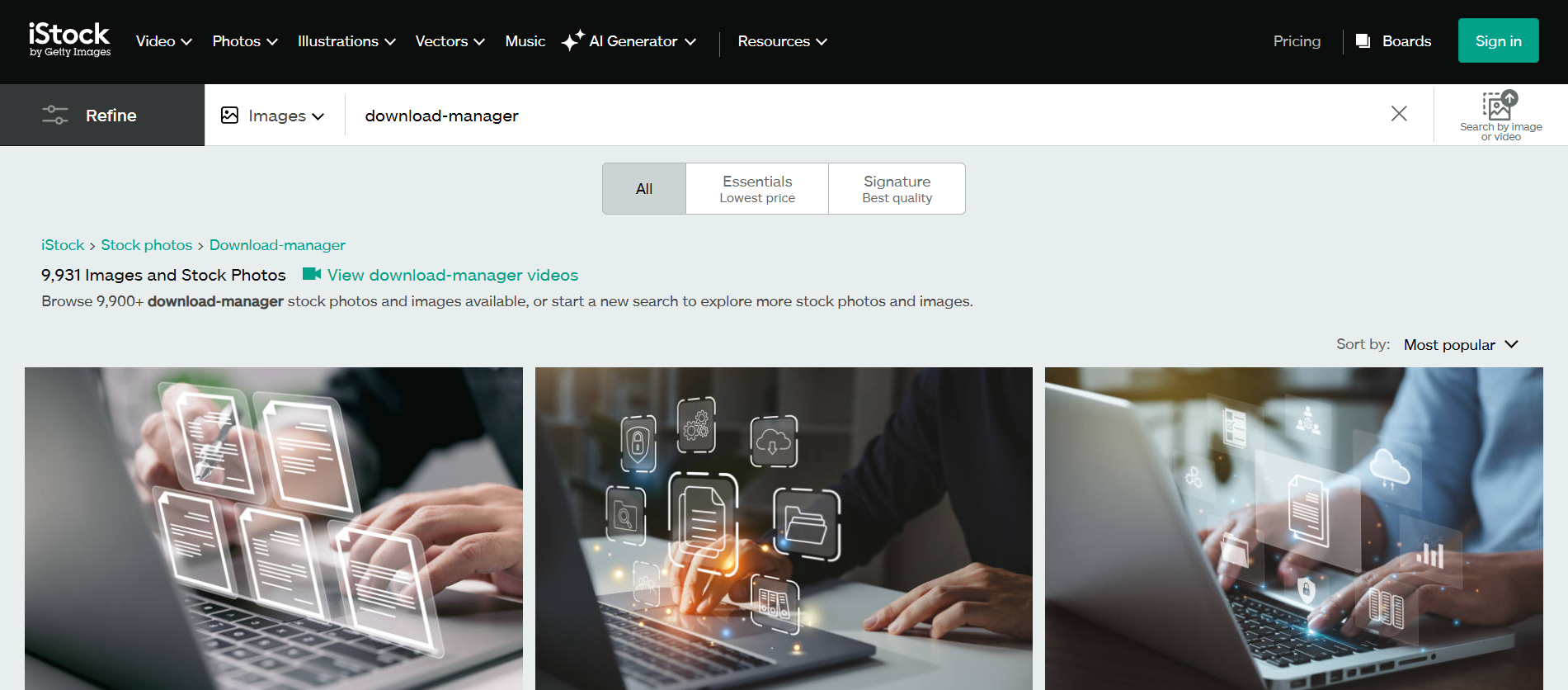
Tool #1 – iStock Official Download Manager

This is the most boring option — and also the safest. iStock’s official download system works exactly as intended for licensed content. It supports both images and videos, handles different resolutions, and keeps everything fully legal. For professionals, this should always be your foundation.

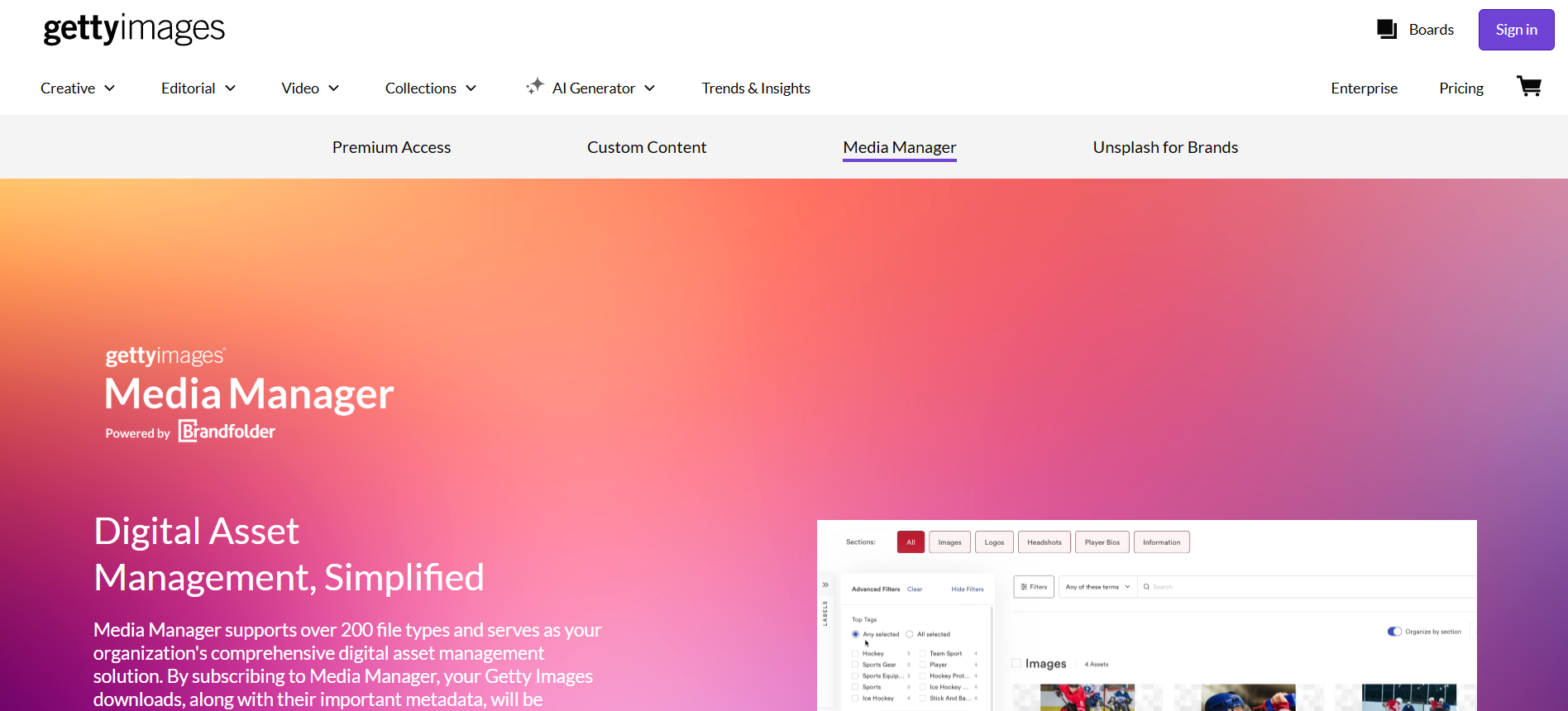
Tool #2 – Getty Images Media Manager

Since iStock is part of Getty Images, this tool is extremely powerful for teams and agencies. It’s not just an istock downloader — it’s a full digital asset manager. It’s ideal for bulk downloads, shared libraries, and long-term storage across multiple projects.

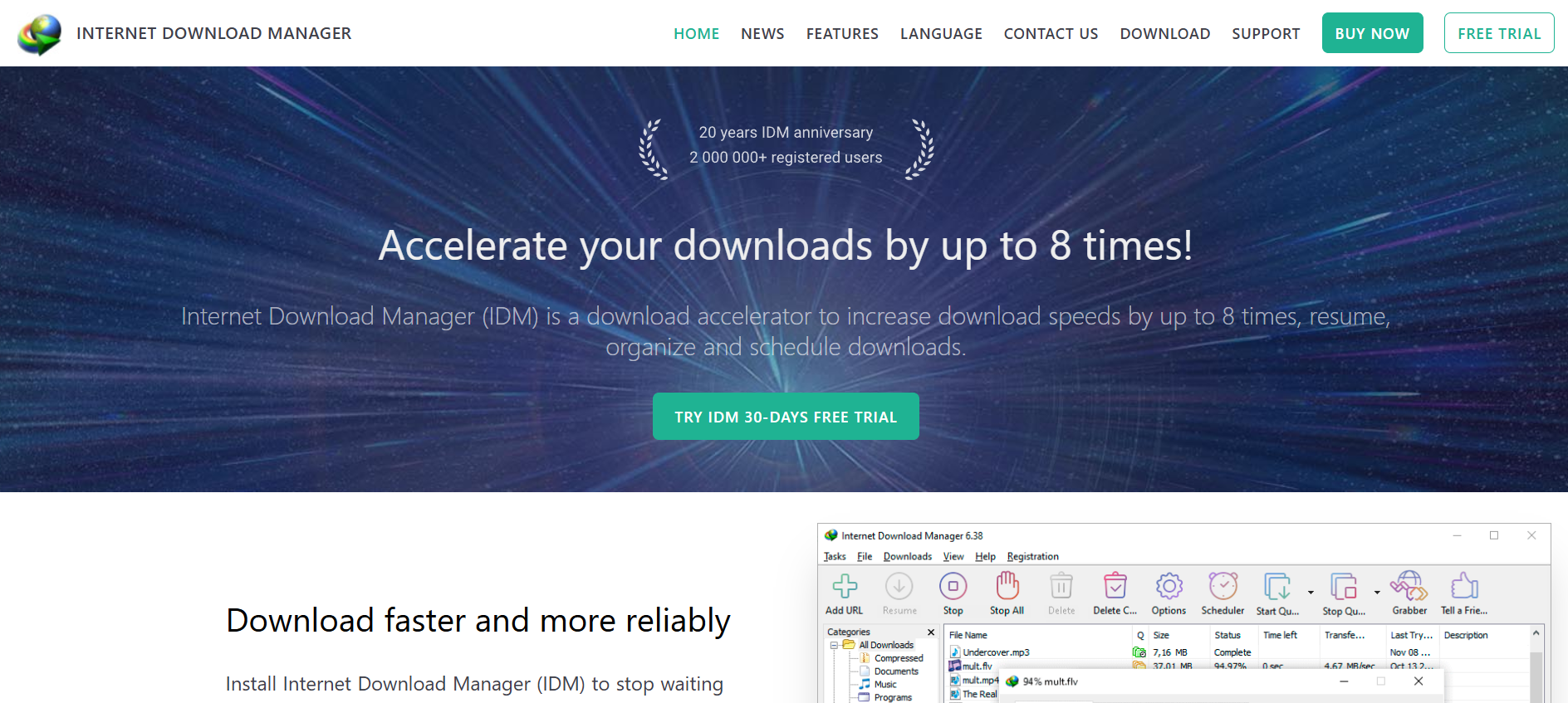
Tool #3 – Internet Download Manager (IDM)

IDM is popular for a reason. When used correctly with licensed links, it becomes a very reliable iStock video downloader, especially for large video files that browsers often fail to handle. It’s fast, stable, and excellent at resuming interrupted downloads.

Tool #4 – JDownloader 2

JDownloader is great for handling large licensed files and managing multiple downloads at once. It’s not built specifically for iStock, but many professionals use it as their downloader istock workflow tool because of its flexibility and reliability.

Tool #5 – Eagle Asset Manager

Eagle isn’t a downloader in the traditional sense, but it works perfectly alongside iStock downloads. It automatically organizes iStock images and videos, adds tags, previews files instantly, and keeps your asset library clean and searchable.

Tool #6 – Adobe Bridge

If you already use Adobe tools, Bridge fits naturally into your workflow. Download assets from iStock, then manage, preview, rate, and sort them professionally without chaos or duplicated files.

Tool #7 – Browser-Based Licensed Download Tools

Modern browsers like Chrome and Edge handle licensed iStock downloads far better than they used to. When combined with a proper account and stable connection, browser downloads in 2026 are surprisingly reliable for both images and smaller videos.

iStock Downloader Alternatives You Should Consider

Sometimes the best solution isn’t a downloader at all, especially depending on your project type.

Official iStock Subscription Options

If you download frequently, subscriptions are usually cheaper and smoother than credits. Fewer interruptions, predictable costs, and less friction overall.

Royalty-Free Stock Sites as Alternatives

Websites like Unsplash, Pexels, and Pixabay won’t replace iStock for premium content, but they can significantly reduce how often you need paid downloads for simple projects.

AI-Generated Image Tools for Commercial Use

For some use cases, AI-generated images can completely eliminate the need for stock downloads — as long as licensing and commercial rights are clearly defined.

Common Mistakes When Using an iStock Downloader

Most issues don’t come from bad luck. They come from simple mistakes.

Downloading Low-Resolution or Fake Files

If a tool promises “HD for free,” it’s lying. You’ll either get watermarked previews or unusable files.

Ignoring Copyright and License Terms

Even paid downloads have usage limits. Commercial rights, print limits, and redistribution rules matter more than most people think.

Falling for Scam or Fake Downloader Websites

If something feels shady, it usually is. Trust your instincts.

Is It Safe and Legal to Use an iStock Downloader in 2026?

Yes — as long as you use it correctly and ethically.

What’s Legal vs What’s Risky

Licensed downloads are legal. Anything else is not worth the risk.

How to Protect Yourself Online

Stick to known tools, official platforms, and reputable software. Avoid random websites with big promises.

Best Practices for Ethical Usage

Pay for what you use, respect licenses, and build workflows you can rely on long-term.

Conclusion – Choosing the Right iStock Downloader in 2026

The best iStock downloader isn’t the one that promises miracles — it’s the one that fits your workflow, keeps you safe, and respects licensing rules. Whether you’re downloading images, videos, or managing massive asset libraries, the right tool saves time, reduces stress, and lets you focus on actual creative work.

Find More: Boost Your Sales With SEO Services

FAQs

1. Can I download iStock images without a watermark?

Only after purchasing a license. Watermark-free downloads without payment are illegal and unsafe.

2. Are free iStock downloader tools safe to use?

Most are not. Stick to known software and official solutions.

3. What is the best iStock downloader in 2026?

For most professionals, the official iStock downloader combined with tools like IDM or Getty Media Manager works best.

4. Can I use downloaded iStock images for commercial projects?

Yes, as long as your license explicitly allows commercial usage.

5. Are there legal alternatives to using an iStock downloader?

Yes. Subscriptions, royalty-free stock sites, and AI tools can significantly reduce your dependency on direct downloads.

Tags:
5 Proven Terabox Downloader Tools That Still Work in 2025

5 Proven Terabox Downloader Tools That Still Work in 2025

terabox downloader

TeraBox downloader tools have become super handy in 2025 — especially when you just want a fast, no-nonsense way to grab files or videos from a shared TeraBox link without jumping through a bunch of hoops. If you’ve ever tried downloading something important from TeraBox and felt frustrated by slow speeds, forced logins, or confusing steps, you’re definitely not alone. Whether it’s a huge video lecture, a software file, a ZIP archive, or media someone shared with you, the normal process through TeraBox can feel slow, annoying, or unnecessarily restrictive.

That’s exactly where a reliable terabox link downloader makes a real difference. Instead of wasting time dealing with limits and pop-ups, these tools help you get straight to what you want — your file. In this guide, I’ll walk you through the best terabox downloader tools that actually still work in 2025. These aren’t random or outdated suggestions. They’ve been tested, they’re real, and they’re still being used successfully right now.

Find More: 7 Powerful Spotify Downloaders That Actually Work in 2026 (Tested)

What Is a Terabox Downloader?

A terabox downloader is a tool designed to help you download files, folders, or videos from a public TeraBox link without going through the official TeraBox interface. Instead of logging in, waiting for countdown timers, or dealing with speed limits, you simply paste the shared link into the downloader and get a direct download option.

For many users, this is the easiest way to handle shared TeraBox content — especially when you don’t even own a TeraBox account or just want a quick one-time download.

How Terabox Downloaders Work

Most terabox downloader online tools act as a middle layer between you and TeraBox. You provide a public share link, and the tool fetches the file data from TeraBox’s servers. Then, it either generates a direct download link or lets you stream the content directly in your browser.

Some tools focus more on files and folders, while others are optimized as a terabox video downloader, allowing you to preview or download videos in different qualities.

Terabox Downloader vs Official Terabox App

The official TeraBox app has its place, but it comes with drawbacks. Free users often face slow download speeds, forced sign-ups, ads, and limitations on large files. In contrast, a terabox downloader focuses on one thing only — getting your file quickly and with minimal friction.

If you’re dealing with public links and don’t need account features like cloud storage or syncing, a downloader is usually the faster and simpler choice.

Is Using a Terabox Downloader Safe and Legal?

Using a terabox downloader is generally safe as long as you stick to trusted tools and reputable websites. You should always avoid pages that force you to install extensions, download unknown software, or click excessive ads.

From a legal standpoint, these tools are fine as long as you’re downloading content you have permission to access — such as your own files or files someone has publicly shared with you.

Why Most Terabox Downloaders Stop Working

If you’ve tried a terabox downloader before and found that it suddenly stopped working, that’s actually very common. And no, it’s not your fault.

Terabox Security Updates

TeraBox frequently updates its platform, including how public links work and how files are delivered. When these changes happen, many older downloader tools fail to keep up and stop functioning properly.

Common Errors Users Face

Some of the most common issues include messages like “invalid link,” infinite loading screens, broken download buttons, or files that never start downloading. These problems usually mean the tool hasn’t been updated to support the latest TeraBox changes.

How to Identify a Working Terabox Downloader

A working terabox downloader in 2025 should support modern TeraBox links, work without mandatory login, load quickly, and generate direct download options without errors.

5 Proven Terabox Downloader Tools That Still Work in 2025

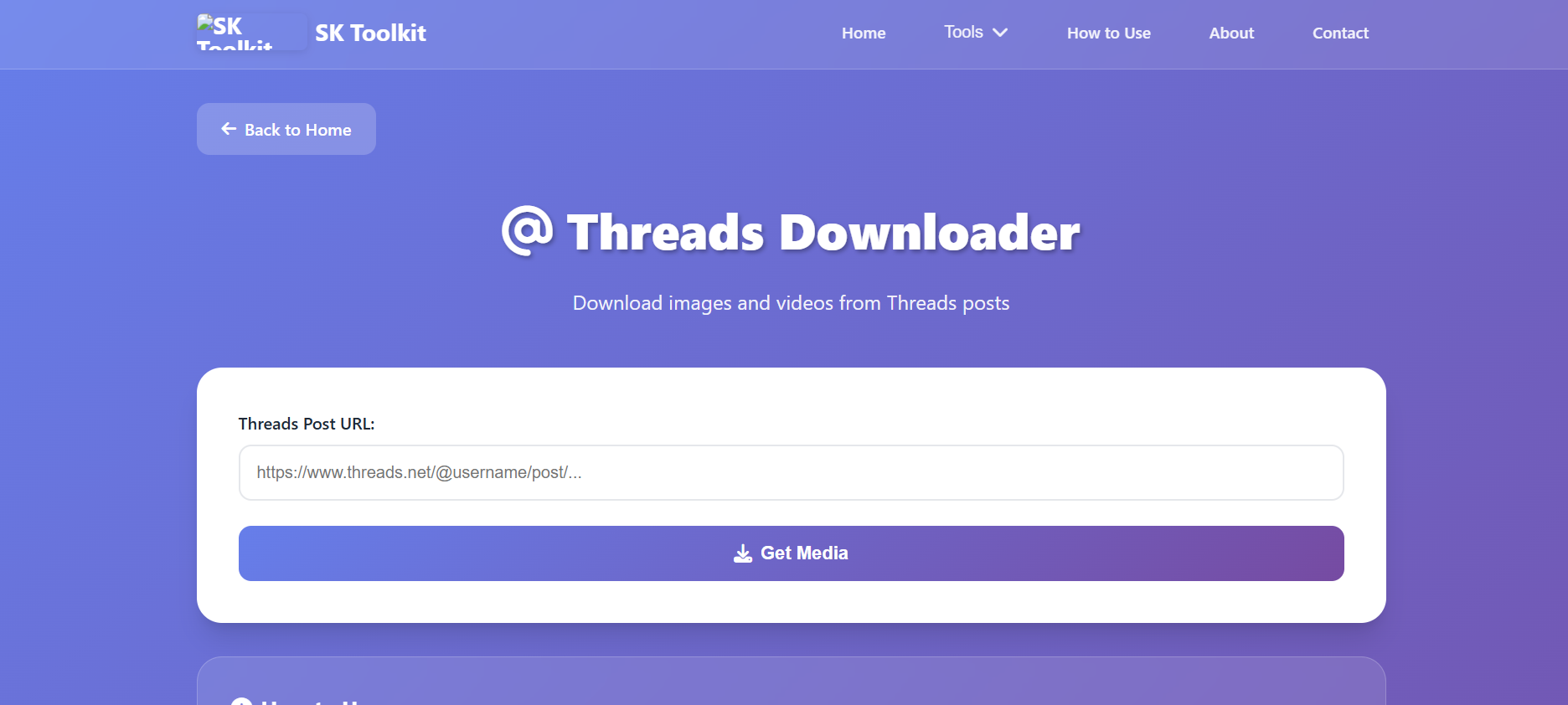
Tool #1 – SKToolKit TeraBox Downloader

SKToolKit TeraBox Downloader

SKToolKit is one of the most reliable terabox downloader tools available right now. The interface is clean, simple, and beginner-friendly. You paste your TeraBox link, click download, and within seconds you’re given a direct file link.

It works well for documents, videos, and compressed files, and it doesn’t require any sign-up or account creation. SKToolKit TeraBox Downloader

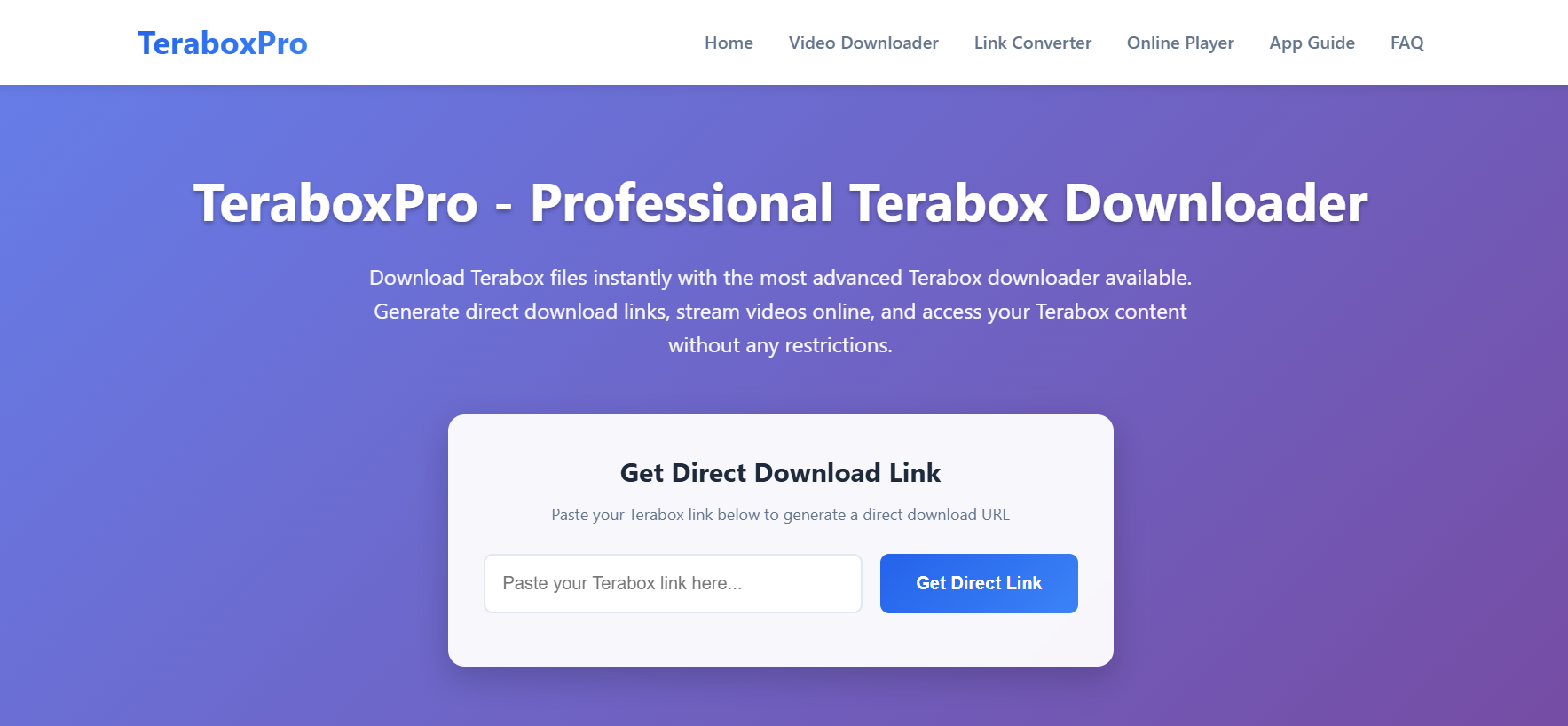
Tool #2 – TeraboxPro

TeraboxPro

TeraboxPro feels like a premium-level solution even though it’s free to use. It performs very well as both a terabox link downloader and a terabox video downloader, making it ideal if you frequently download large video files.

It’s fast, reliable, and works smoothly across desktop and mobile browsers. TeraboxPro

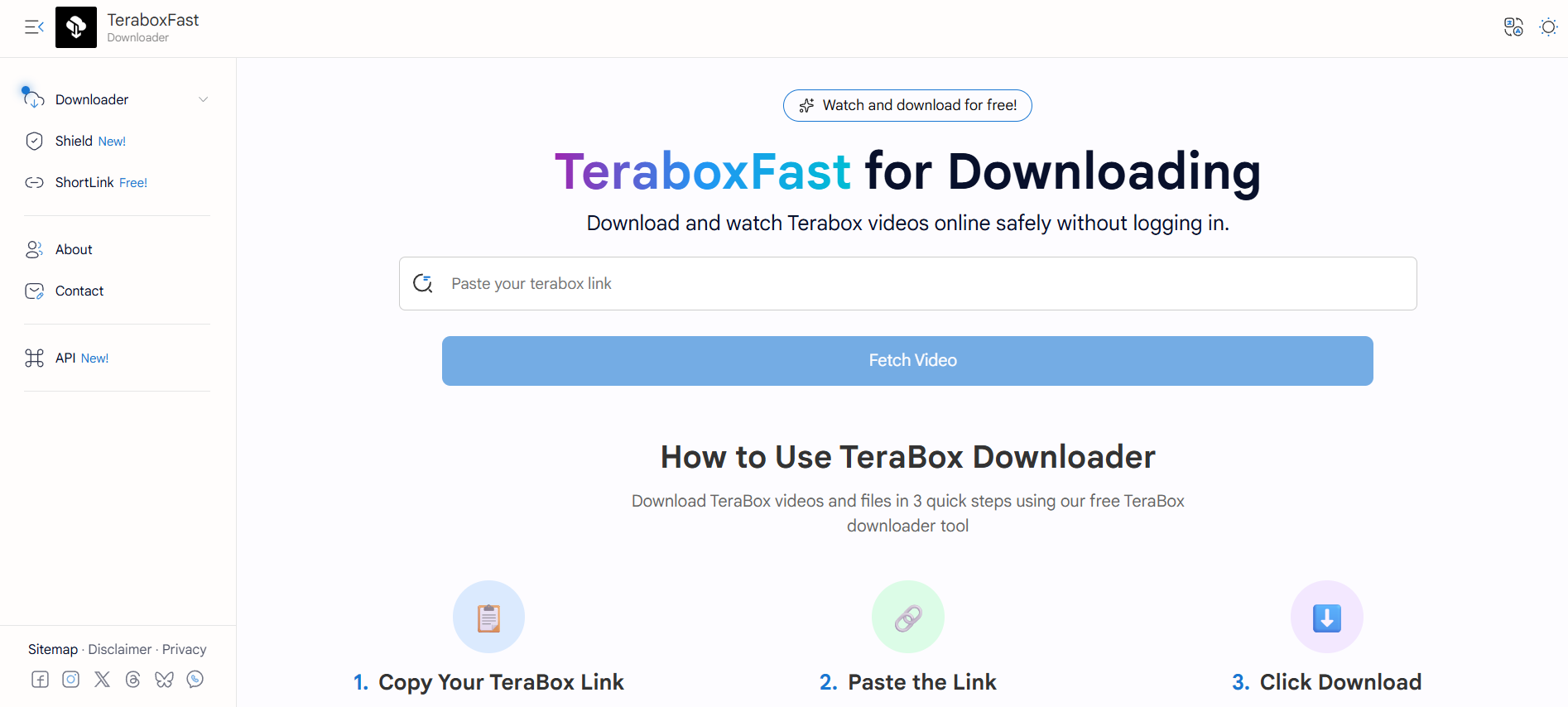
Tool #3 – Terabox Fast Downloader

Terabox Fast Downloader

If speed and simplicity are your priorities, Terabox Fast Downloader is a great choice. This terabox downloader online tool focuses on doing one thing well — generating fast download links with minimal steps.

It’s especially useful for users who want to quickly grab a video or file without dealing with extra settings. Terabox Fast Downloader

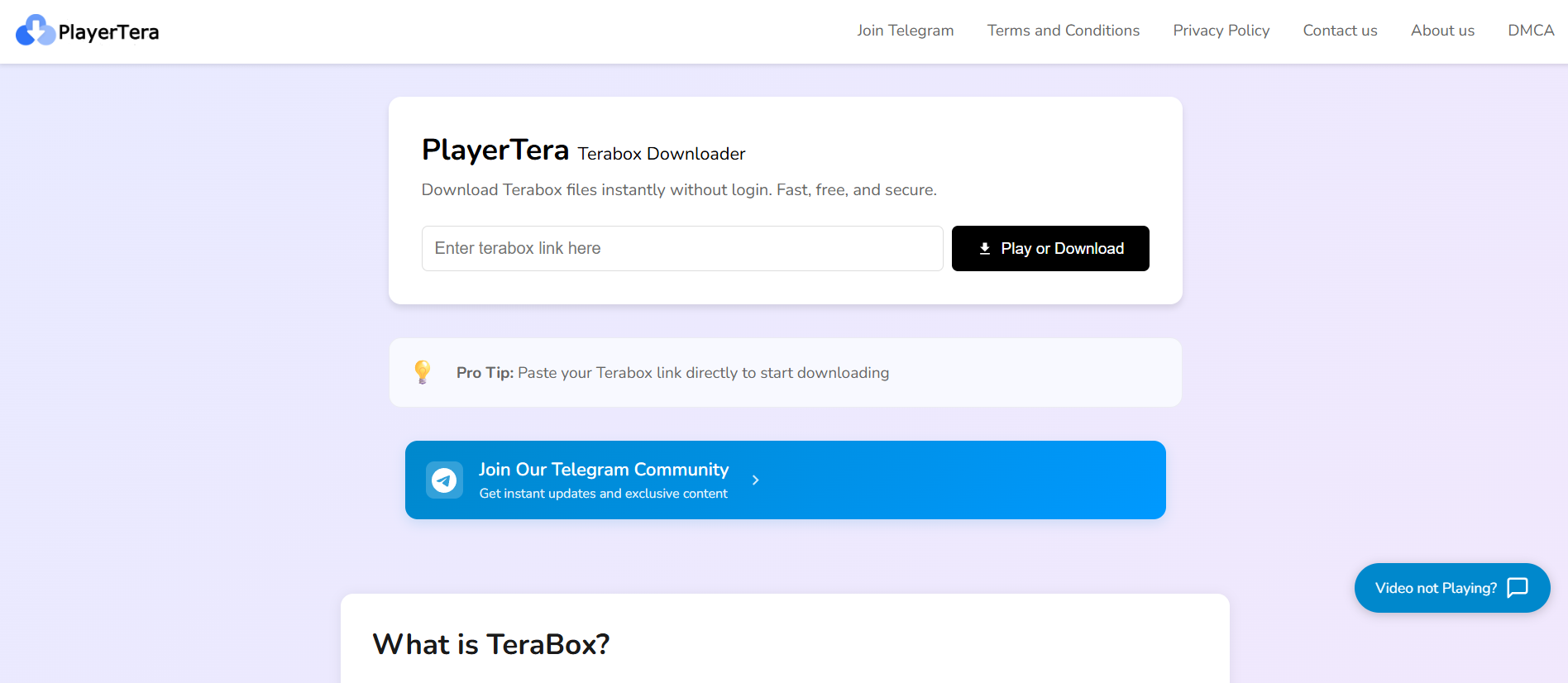
Tool #4 – PlayerTera Downloader

PlayerTera Downloader

PlayerTera is a strong option if you mostly work with video content. It functions primarily as a terabox video downloader and allows you to preview videos before downloading them.

This is helpful if you want to confirm the content or quality before saving the file. PlayerTera Downloader

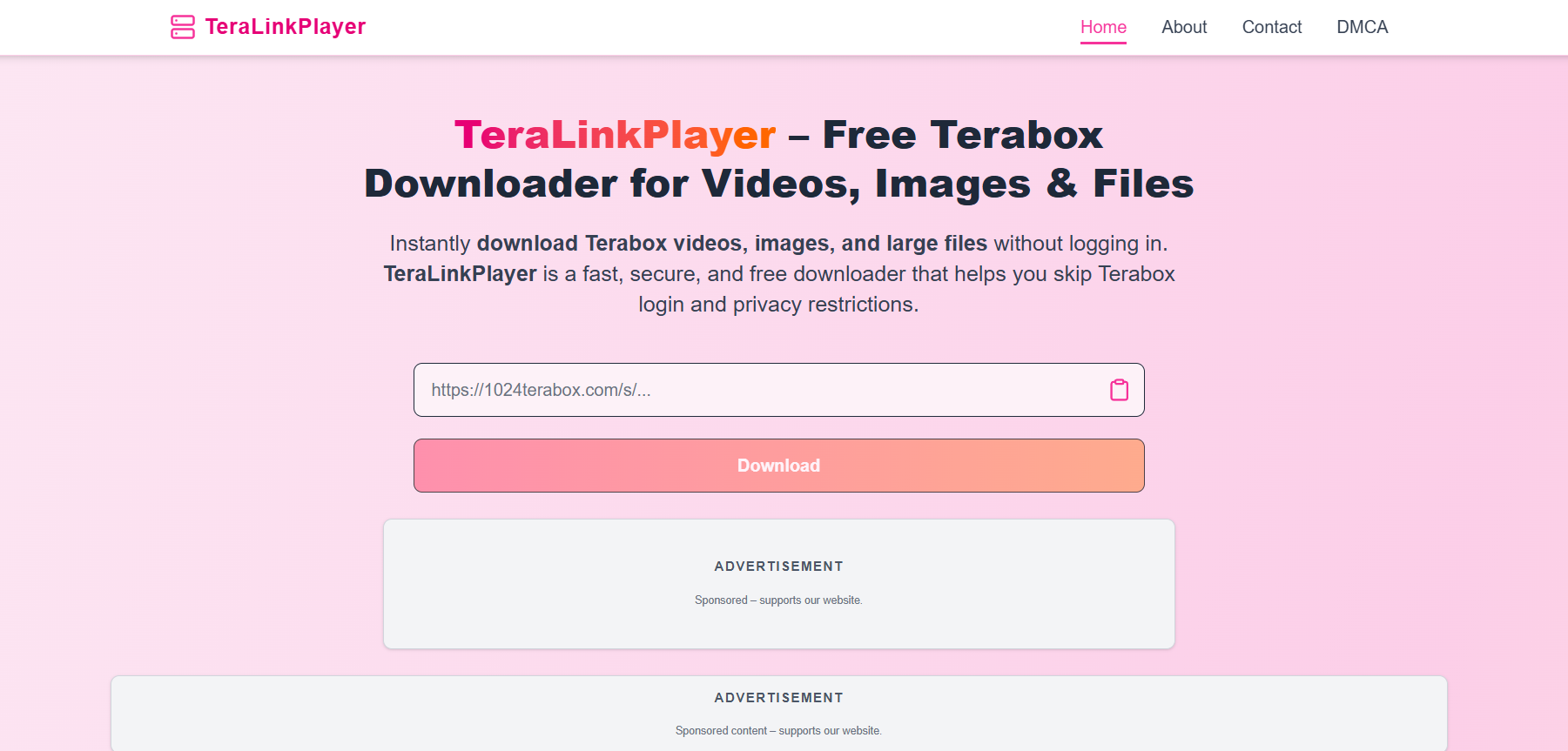
Tool #5 – TeraLinkPlayer

TeraLinkPlayer

TeraLinkPlayer supports a wide range of TeraBox mirror domains and works well with videos, images, and general files. It’s lightweight, mobile-friendly, and doesn’t require any login or personal information.

For many users, it’s a solid all-around terabox downloader online option. TeraLinkPlayer

How to Use a Terabox Downloader Step by Step

Copy the Terabox Link

Open the shared TeraBox file or folder and copy the complete public URL provided by the sender.

Paste the Link into the Downloader

Visit your chosen terabox downloader online tool and paste the link into the input field.

Choose Download Options

If the tool offers options such as video quality or format, choose what best fits your needs.

Start the Download

Click the download button and wait a few seconds for the file transfer to begin.

Fix Common Issues

If the download fails, make sure the link is public, refresh the page, or try another tool from the list above.

Best Practices for Using a Terabox Downloader Safely

Avoid Fake Websites

Only use well-known downloader tools and avoid websites that push excessive ads or ask for suspicious permissions.

Protect Your Device

Using an updated browser and basic security tools like ad blockers can help keep your device safe.

Improve Download Speed

A stable internet connection, closing background downloads, and using off-peak hours can significantly improve speed.

Terabox Downloader Alternatives

Browser Extensions

Some browser extensions claim to support TeraBox downloads, but they often stop working after platform updates.

Cloud-to-Cloud Transfers

If you have access to the original TeraBox account, transferring files between cloud services can sometimes be more efficient.

Official App

For private or restricted content, the official TeraBox app may still be required.

Final Verdict – Choosing the Best Terabox Downloader in 2025

If you’re looking for the safest and simplest option, SKToolKit is an excellent starting point. Power users who download large files regularly will appreciate TeraboxPro. Video-focused users should check out PlayerTera, while TeraLinkPlayer remains a reliable all-purpose choice.

Each tool serves a slightly different need, so pick the one that matches how you use TeraBox.

Find More: Boost Your Sales With SEO Services

FAQs

1. Is a terabox downloader free to use?

Yes, all the terabox downloader tools listed in this guide are free to use.

2. Can I download Terabox files without an account?

Yes, as long as the file or folder is shared publicly.

3. Why is my terabox downloader not working?

The tool may be outdated, or the link might not be public anymore.

4. Are terabox downloader tools legal?

They are legal as long as you only download content you are authorized to access.

5. What is the fastest terabox downloader in 2025?

Based on testing, SKToolKit and TeraboxPro consistently offer the fastest and most stable download experience.

Tags:
7 Powerful Spotify Downloaders That Actually Work in 2026 (Tested)

7 Powerful Spotify Downloaders That Actually Work in 2026 (Tested)

Spotify downloader tools are everywhere right now, but let’s be honest — finding one that actually works in real life is way harder than it should be. You search for a Spotify downloader, click the first few results, and suddenly you’re dealing with broken links, endless pop-ups, fake download buttons, or audio that sounds like it was recorded underwater. If that sounds familiar, you’re definitely not alone. I’ve gone through that same cycle more times than I’d like to admit.

The problem isn’t that Spotify downloaders don’t exist — it’s that most of the ones ranking online either stopped working years ago or were never legit to begin with. That’s why this guide exists. No hype, no recycled lists, and no tools I haven’t personally tested. Just real Spotify downloader tools that actually work in 2026.

In this article, I’ll break down which tools are worth your time, what each one does best, and which type of listener they’re built for. Whether you’re looking for a Spotify playlist downloader to save massive playlists, a simple Spotify song downloader for individual tracks, or a reliable spotify downloader to MP3 so you can keep your music forever, this guide will help you make the right choice without wasting hours.

Find More: 10 Powerful Tools to Download Instagram Photos Safely

How We Tested and Ranked the Best Spotify Downloader Tools

Before recommending anything, I tested each spotify music downloader the same way a normal user would. No special settings, no hidden tricks, no paid placements, and no unrealistic expectations. If a tool failed under normal conditions, it didn’t make the list — simple as that.

Testing Criteria

I focused on things that actually matter when you’re downloading music for daily listening, not just flashy features on a landing page.
Speed was the first factor: how fast the download starts and how long it takes to finish.
Audio quality came next: whether the output sounds clean, balanced, and close to the original.
Stability was critical: random crashes, failed downloads, or partial files are deal breakers.
Ease of use mattered a lot: if a non-technical person can’t figure it out in five minutes, that’s a problem.
Safety was non-negotiable: no malware, no forced installers, no shady redirects, and no fake buttons.

Formats and Compatibility

Every Spotify downloader listed here supports MP3 at a minimum, since that’s what most people want. Several also support higher-quality formats like FLAC, WAV, and AAC. Testing was done mainly on Windows and macOS, with mobile support mentioned only when it genuinely worked and wasn’t just marketing talk.

Legal and Safety Reality Check

Let’s be real for a moment. Downloading music from Spotify can violate Spotify’s terms of service, depending on how and where you do it. This article is for educational purposes, and if you choose to use any spotify downloader, you should do so responsibly and understand the rules in your country. Personal use is very different from redistribution.

7 Powerful Spotify Downloaders That Actually Work in 2026

These aren’t theoretical tools or software that “used to work.” Every option below successfully downloaded music during testing and proved stable enough for real-world use.

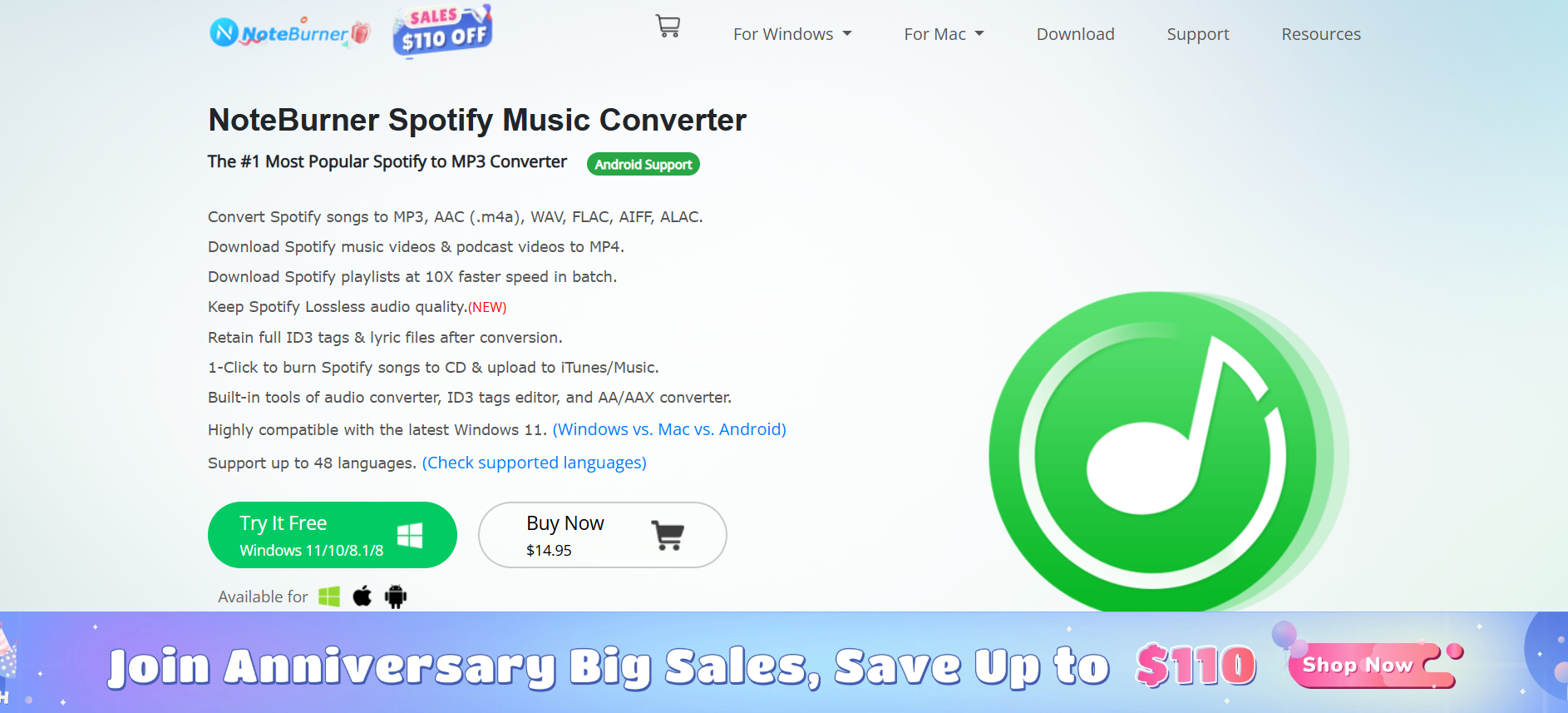
1. NoteBurner Spotify Music Converter — Best Overall

NoteBurner

If you want the most reliable and polished Spotify music downloader available right now, NoteBurner is extremely hard to beat. It’s been around for years, which matters more than people think, and it continues to function even after major Spotify updates.

With NoteBurner, you can download individual songs, full albums, or entire playlists in one go. It preserves metadata properly, keeps album artwork intact, and lets you choose between formats like MP3, AAC, WAV, and FLAC. Audio quality is consistently strong, especially when using higher bitrates.

What really sets it apart is stability. It feels like professional software, not a hacked-together downloader that might break tomorrow.

Website: NoteBurner Spotify Music Converter

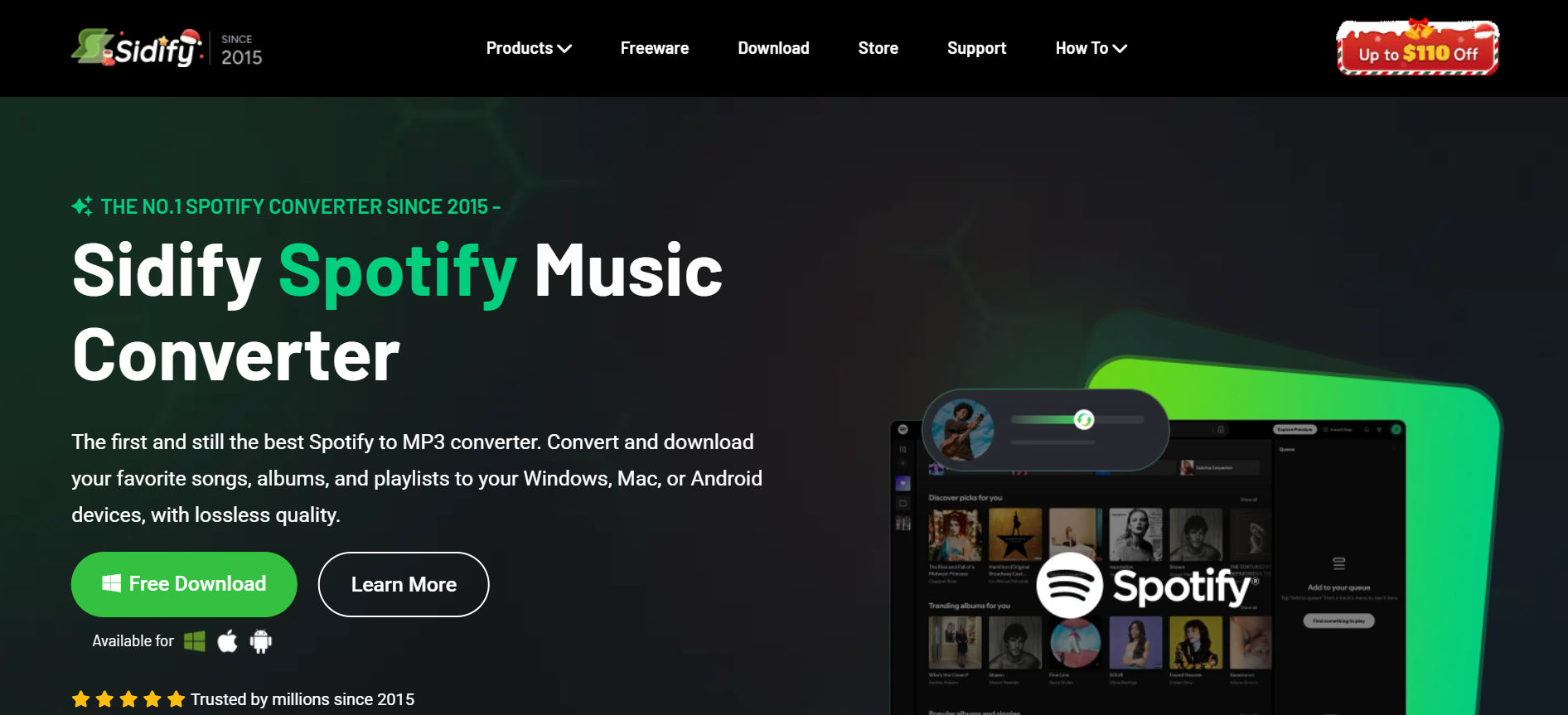
2. Sidify Music Converter — Best for High-Quality Audio

Sidify

Sidify is often compared directly to NoteBurner, and for good reason. The two tools are very similar, but some users prefer Sidify’s audio handling and output consistency.

If sound quality is your top priority, Sidify is an excellent spotify downloader choice. It works extremely well as a spotify playlist downloader, even with long or complex playlists, and it preserves track information cleanly without glitches.

It’s a paid tool, but the performance and reliability justify the cost if you care about building a long-term music library.

Website: Sidify Music Converter

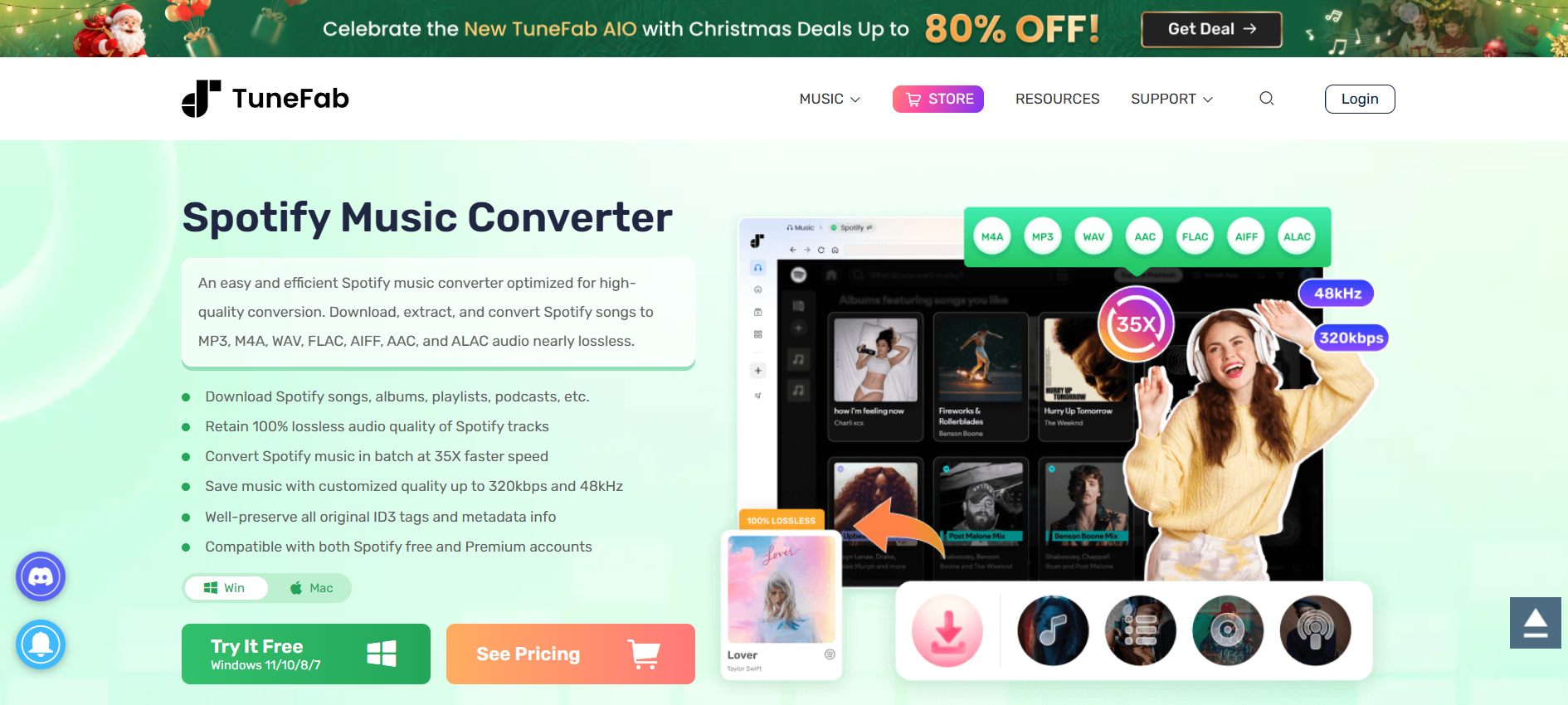
3. TuneFab Spotify Music Converter — Best Balance of Simplicity and Power

TuneFab

TuneFab is ideal if you want something powerful without feeling overwhelmed. The interface is clean, the workflow is simple, and you don’t need to tweak endless settings to get good results.

For anyone searching for a spotify downloader to MP3 that just works, TuneFab is a great option. Copy the Spotify link, paste it into the app, choose your format, and download. That’s it.

Website: TuneFab Spotify Music Converter

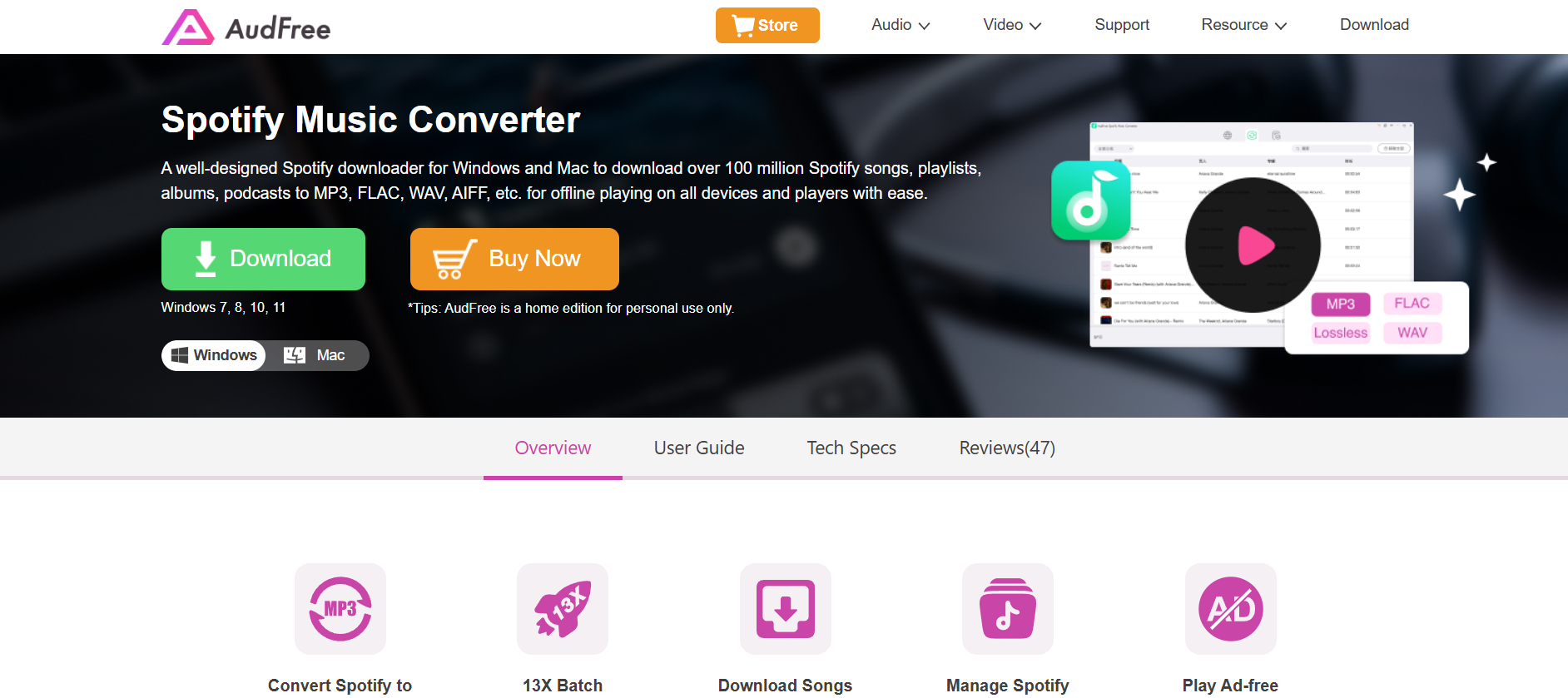
4. AudFree Spotify Music Downloader — Best for Large Playlists

AudFree

AudFree really shines when you’re dealing with large playlists. During testing, it handled long spotify playlist downloader tasks without crashing, freezing, or skipping tracks.

It supports multiple output formats and maintains clean folder structures, which is great if you’re organizing a serious local music collection. For users who care about order and consistency, AudFree is a strong choice.

Website: AudFree Spotify Music Downloader

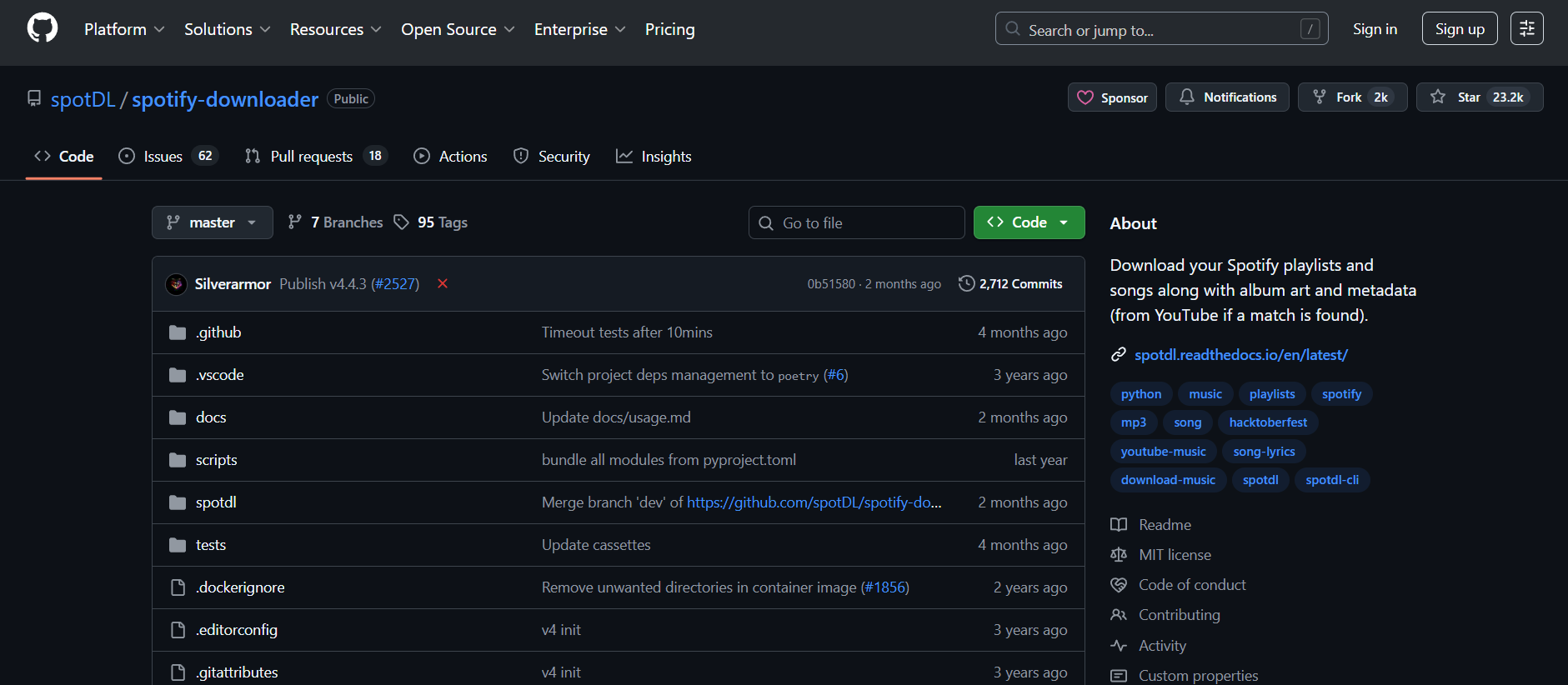
5. SpotDL — Best Free and Open-Source Option

SpotDL

SpotDL is very different from most tools on this list. It’s open-source, completely free, and runs through Python. That alone means it’s not for everyone — but if you’re even slightly technical, it’s incredibly powerful.

SpotDL works by matching Spotify tracks with high-quality audio sources and downloading them automatically. As a free spotify song downloader, it’s one of the most impressive options available.

Website: SpotDL on GitHub

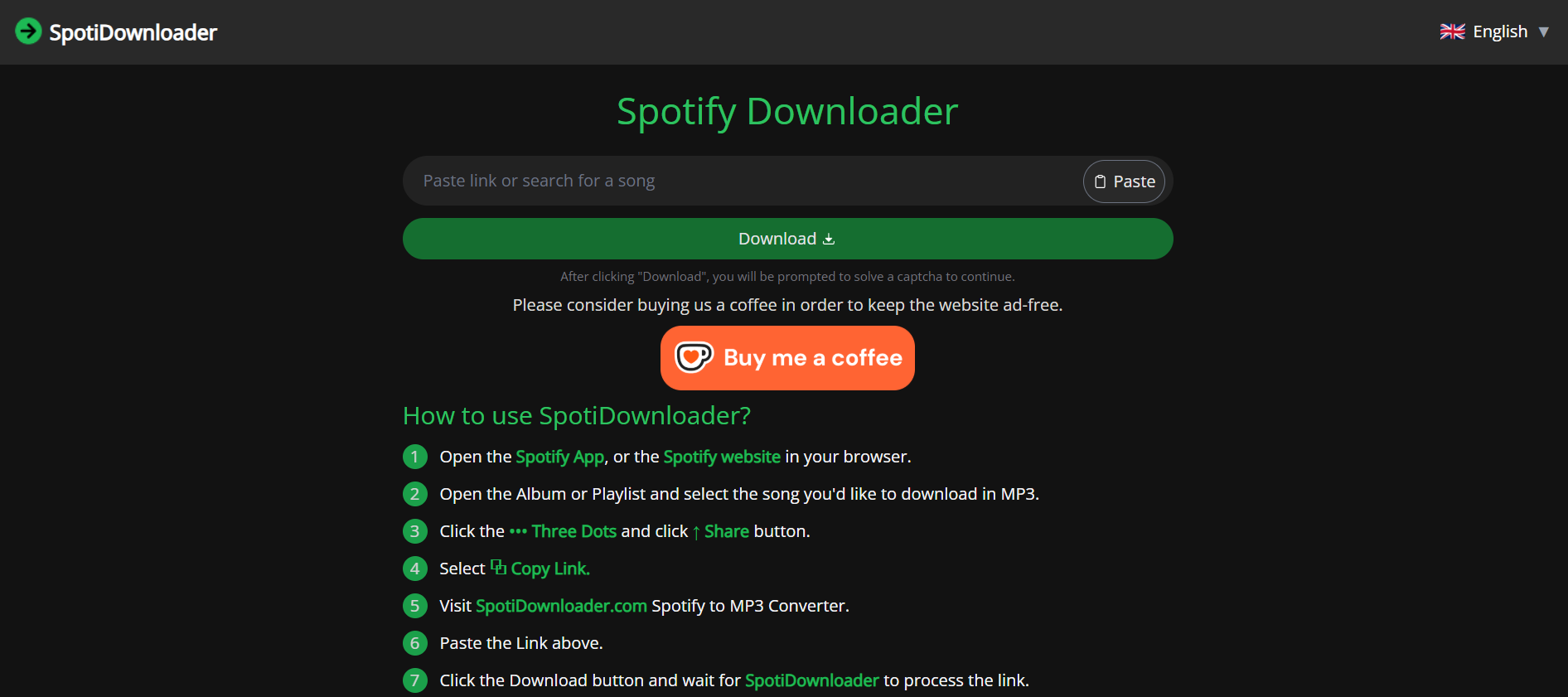
6. SpotifyDown — Best Web-Based Option

spotidownloader

If you really don’t want to install software, SpotifyDown is one of the few web-based tools that still works reasonably well in 2026.

It’s best for single tracks or occasional use. Don’t expect perfect quality or advanced features, and be very careful to avoid fake download buttons.

Website: SpotifyDown

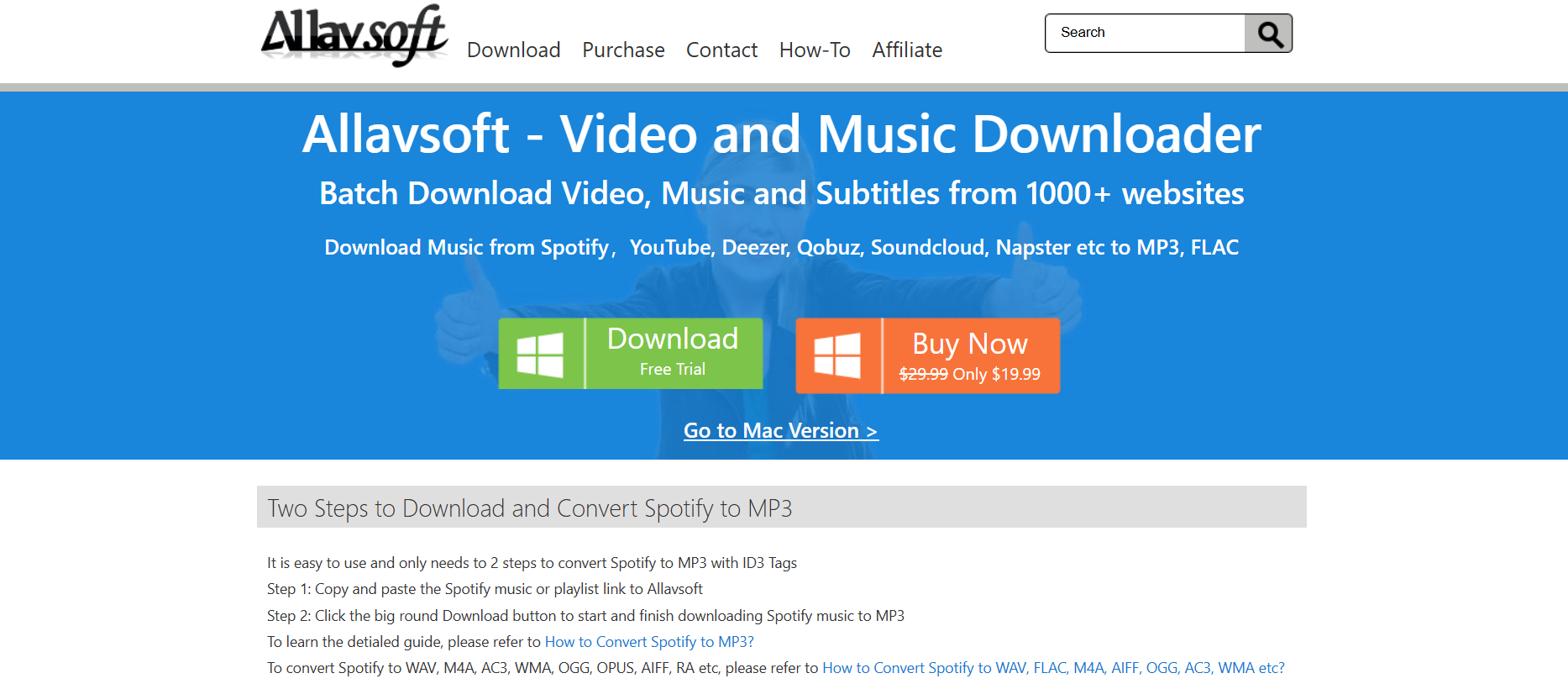
7. Allavsoft — Best Multi-Platform Downloader

allavsoft

Allavsoft isn’t just a spotify downloader — it supports many platforms across the web. If you download music and videos from multiple sources, this can be very convenient.

It’s stable, fairly fast, and works well as a spotify music downloader for mixed libraries where Spotify is only part of your setup.

Website: Allavsoft

Spotify Downloader Comparison Overview

In general, desktop Spotify downloader tools are more stable, safer, and higher quality than web-based options. Paid tools save time and frustration, while free tools can work but usually require more effort and patience.

How to Use a Spotify Downloader Step by Step

Most Spotify downloader tools follow the same basic workflow, regardless of brand.

Downloading Songs as MP3

Open Spotify and copy the song or playlist link
Paste the link into your spotify downloader
Choose MP3 and your preferred bitrate
Start the download and wait for completion

Downloading Full Playlists

Confirm that the tool supports playlists
Avoid heavy multitasking during large downloads
Double-check metadata settings before starting

Keeping Album Art and Metadata

Enable metadata options in settings
Choose original or high-quality output
Avoid ultra-low bitrates that strip detail

Common Problems and How to Fix Them

Downloader Not Working

Update the downloader
Check whether Spotify released a recent update
Restart both Spotify and the converter

Low Audio Quality

Increase the bitrate
Avoid web tools for important tracks
Use desktop software for best results

Fake or Dangerous Sites

Avoid random search results
Stick to known tools and official websites
Never install unknown browser extensions

Spotify Downloader vs Spotify Premium

Spotify Premium lets you listen offline, but you don’t actually own the files. A spotify downloader gives you real MP3 or FLAC files you can keep, move, back up, and play anywhere — but it comes with responsibility.

Is Using a Spotify Downloader Legal and Safe?

The answer depends on your country and how you use it. Downloading music for personal use often exists in a gray area. Redistributing, selling, or uploading downloaded music is not okay.

Alternatives to Using a Spotify Downloader

Spotify Premium offline mode
Buying music from official digital stores
Using platforms that sell DRM-free music

Conclusion

If you’ve been frustrated trying to find a spotify downloader that actually works, the tools in this guide are your best options in 2026. Desktop tools offer better reliability, playlist support is more important than it seems, and free tools often cost you time instead of money.

Pick the tool that matches how you listen to music, not the one with the flashiest homepage.

Find More: Boost Your Sales With SEO Services

FAQs

1. What is the best Spotify downloader in 2026?

For most users, NoteBurner or Sidify offer the best balance of quality, stability, and ease of use.

2. Can I use a Spotify downloader without Premium?

Yes, most tools work without a Premium account, although performance may vary.

3. Is there a free Spotify downloader that actually works?

Yes. SpotDL is a solid free option if you’re comfortable with a bit of technical setup.

4. Can I convert Spotify to MP3?

Yes, many tools in this list work as a spotify downloader to MP3 with adjustable bitrate options.

5. Will Spotify ban my account for using a downloader?

There’s no strong evidence of widespread bans, but using third-party tools always carries some level of risk.

Tags:
What Steps Help Identify an Unknown Email Address Before Responding

What Steps Help Identify an Unknown Email Address Before Responding

Most of us have learned to be cautious with unknown emails, but it helps to have a clear checklist. The goal is to spot risk fast without missing messages that matter. Use the steps below to confirm who is writing, reduce exposure, and decide to reply or delete with confidence.

email

Why Unknown Senders Raise Risk

Bad actors lean on email since it is cheap, fast, and believable. Recent consumer guidance reported that email was the top contact method scammers used last year, which explains why your guard should be up from the first subject line. 

Treat surprise messages like strangers at the door: polite, curious, and careful until you verify.

First, Pause And Inspect The Basics

Start with easy tells. Does the subject create fake urgency, or does the greeting miss your name? Are there grammar slips, vague references to an account, or requests for payment codes? 

Hover over links to preview their true destinations before clicking. On phones, press and hold links for a peek. If you see a short URL or a domain that does not match the sender’s brand, do not click.

Check Identity With External Signals

You can cross-check identity with tools you trust, and you need not rush. If the note feels off, run a quick reverse email lookup to see whether the address ties back to a real person or company, then compare details to the message. Close the loop by contacting the claimed sender through a published channel, not the one in the email. 

That small pause protects you from pressure tactics designed to force fast decisions. You can cross-check identity with tools you trust, and you need not rush. 

Use multi-factor verification for sensitive requests, confirm phone numbers against official directories, and check domain authenticity before clicking links. 

Keep a simple log of suspicious messages to spot patterns. Train colleagues to follow the same checks so the team acts consistently.

Read The Header For Clues

Open the full email header to see the behind-the-scenes route. Check the Received lines to learn where the message actually came from, and compare the sending IP and domain to what you expect. 

Look for authentication results like SPF, DKIM, and DMARC. Pass results are not perfect proof, but failures are strong warning signs. Keep a note of what normal looks like for key partners so oddities stand out.

Verify The Sender’s Domain

Always compare the display name to the actual address. Swaps like rn for m, or extra letters in well-known brands, are common tricks. 

If the domain is unfamiliar, search the organization’s official site for a contact page and call or write through that channel instead. 

Never use phone numbers or links provided only in suspicious messages. When a message claims to be from inside your company, confirm through a separate chat or directory before replying.

Tip on lookalike domains: compare dots and dashes. support-acme.co is not support.acme.co, and accented characters can hide in names that seem normal at a glance. When unsure, type the address yourself into the browser.

Safeguard Your Inbox For The Future

Prevention lowers the number of decisions you face. Turn on spam filtering, block obvious offenders, and teach your mail client to route newsletters and promos away from your main inbox. 

Use strong, unique passwords and allow multi-factor authentication for email and critical accounts. Keep systems and apps updated so patches close known flaws. When in doubt, move a sketchy message to a review folder and ask a teammate to take a second look.

Use Authentication To Stop Threats Earlier

Modern email ecosystems include guardrails that reduce phishing before it reaches people. Set up SPF to declare which servers may send on your behalf, DKIM to sign your messages, and DMARC to tell receiving servers what to do when checks fail. 

A small business security guide urges companies to use email authentication technology so fewer traps land in inboxes at all, and to keep policies current as services change. Send test messages to public checkers after changes so you spot misconfigurations fast.

When In Doubt, Escalate Safely

If an email asks for codes, credentials, or payments, treat it as high risk and verify out of band. Report the message to your provider so filters improve, and notify your security contact if one exists. 

Save evidence before deleting so investigators can act. Above all, reward cautious behavior in your team culture so people feel safe asking for help.

A Quick Checklist You Can Print

  • Read the subject and greeting for mismatches or pressure words
  • Hover to inspect links and attachments before opening
  • Open the header and check Received lines and auth results
  • Compare the display name to the actual address and domain
  • Validate claims through official sites or known contacts
  • Turn on SPF, DKIM, and DMARC for your own domain
  • Allow multi-factor authentication and keep software updated
  • Report and archive suspicious emails for review

Extra Tips On Attachments And Files

Treat attachments like unknown USB drives. If you did not ask for the file, do not open it. Be wary of formats that can run code, like .html, .exe, .js, and macro-allowed Office files. 

When a document says you must “allow content” to view it, stop and verify with the sender by phone. If you must check a file, upload it to a safe preview service inside your company or open it in a sandboxed viewer that cannot access your data.

Watch For Business Email Compromise

Scammers copy real office workflows. They may forward an old thread, spoof a vendor, or rush a payment with a “new bank account” note. 

Slow down and confirm with a known contact whenever money, gift cards, payroll, or tax details are involved. 

Set a rule that any change to payment details requires a second approval and an out-of-band check. These small policies turn risky emails into routine checks that take only a minute.

An unknown email does not have to be a constant worry. With a calm pause, a look at the header, and a healthy habit of verifying through official channels, most traps become obvious. 

Build the routine once, keep it short, and you will make better daily decisions in seconds without breaking your flow.

Why Influencers Are Switching to CapCut Text to Speech

Why Influencers Are Switching to CapCut Text to Speech

capcut

Why Influencers Love CapCut Text to Speech

1. It Saves Hours of Work

Recording audio takes time—scripting, rehearsing, recording, trimming, re-recording, and cleaning background noise. With CapCut TTS, influencers cut that entire process down to minutes. They simply paste the script, pick a voice, and let CapCut generate polished narration instantly.

2. Voiceovers Sound Clean and Studio-Ready

Influencers love that the TTS voices sound clear, steady, and emotionally expressive. No more worrying about room noise, mic quality, cracking voice, or inconsistent tone. CapCut’s audio output has built-in clarity, perfect pacing, and optional sound enhancements.

3. It Helps Camera-Shy Creators Post Confidently

Many creators want to grow online—but don’t want to talk on camera. With TTS, they can create professional content without revealing their voice or identity. It boosts confidence and lets them publish consistently.

4. Perfect for Trends, Tutorials & Storytelling Videos

Influencers use CapCut TTS for daily vlogs, meme videos, educational explainers, storytime clips, product reviews, travel recaps, and aesthetic montage videos. The consistency of the narration makes their content recognisable and more shareable.

5. Easier to Edit and Update

If influencers need to fix a mistake or add a new line, they don’t have to re-record the entire audio. They just update the text and regenerate the voice. This makes editing effortless and fast.

How to Make Influencer Content Using CapCut Text to Speech

Let’s explore a step-by-step guide to help you create polished influencer-style videos with CapCut’s Text-to-Speech feature.

Step 1: Upload Your Video

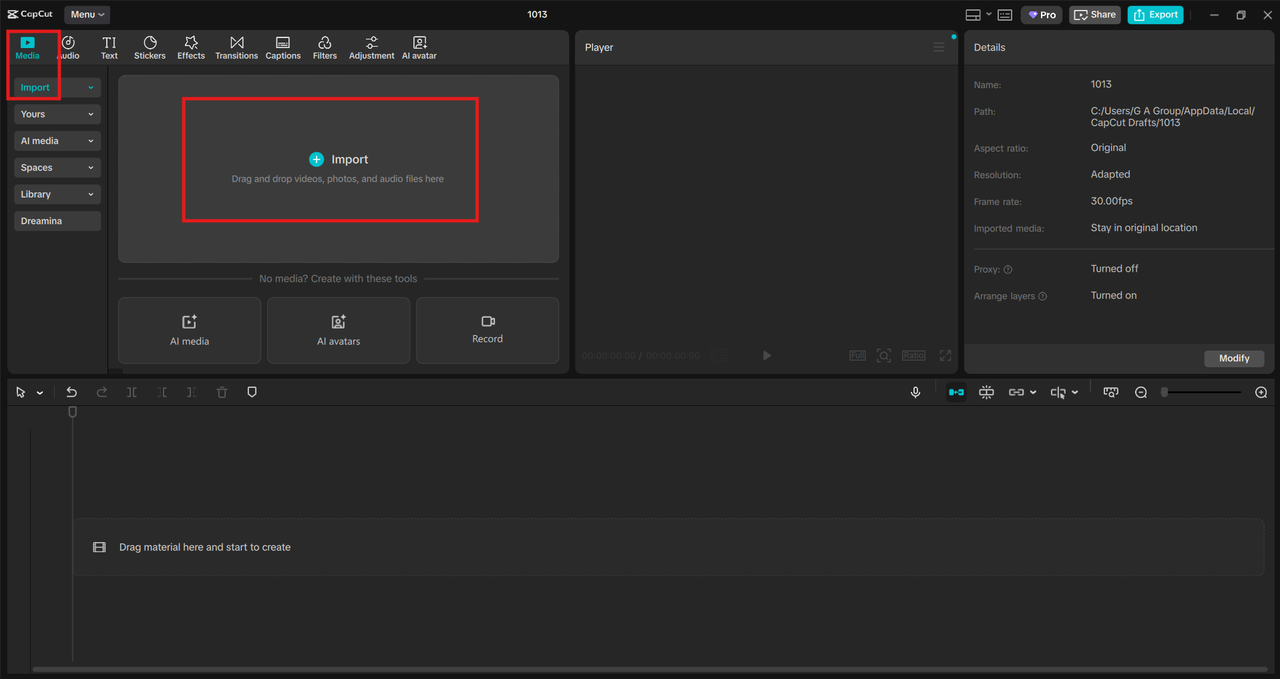
Open CapCut Desktop, then click Create project to open a new editing space. Once you’re inside the workspace, import the footage you want to turn into influencer content. This could be clips from your day, a product showcase, a travel moment, an aesthetic montage, or a simple B-roll sequence. Drag your video file from your computer into CapCut’s blank canvas or use the Upload button in the top-left corner. After adding the clip, place it on the timeline so you can begin working on your narration. If your video has background noise or you want to remove some unwanted audio, this is a good moment to mute the original clip. Select the video on your timeline, then lower the volume to zero. This leaves clean space for your AI-generated voiceover to shine.

Step 2: Convert Text to Speech

Now it’s time to add your script. Go to the Text panel, click Default text, and a textbox will appear on your canvas. Type or paste your narration—this can be as short or as detailed as you like. Influencers often write scripts ranging from 10-second hooks to full minute-long explanations. After entering your script, look for the Text to Speech option. Click it, and CapCut will open its voice library. Browse through the available voices to choose one that fits your style—calm for tutorials, upbeat for lifestyle videos, or funny for meme content. Once you select a voice, click Generate. In seconds, CapCut will transform your script into a smooth audio file and place it directly on the timeline. You can drag the audio to sync it with your video moments. Try CapCut and other amazing tools such as AI Avatar, AI Video Maker, and more. These tools make your video amazing. CapCut also includes several audio enhancements you can use:
  • Voice effects to add personality
  • Noise reduction to keep things clean
  • Volume adjustments for balance
  • Fade in/out to make transitions smoother
These tools help influencers polish their content without needing an external audio editor.

Step 3: Export & Share

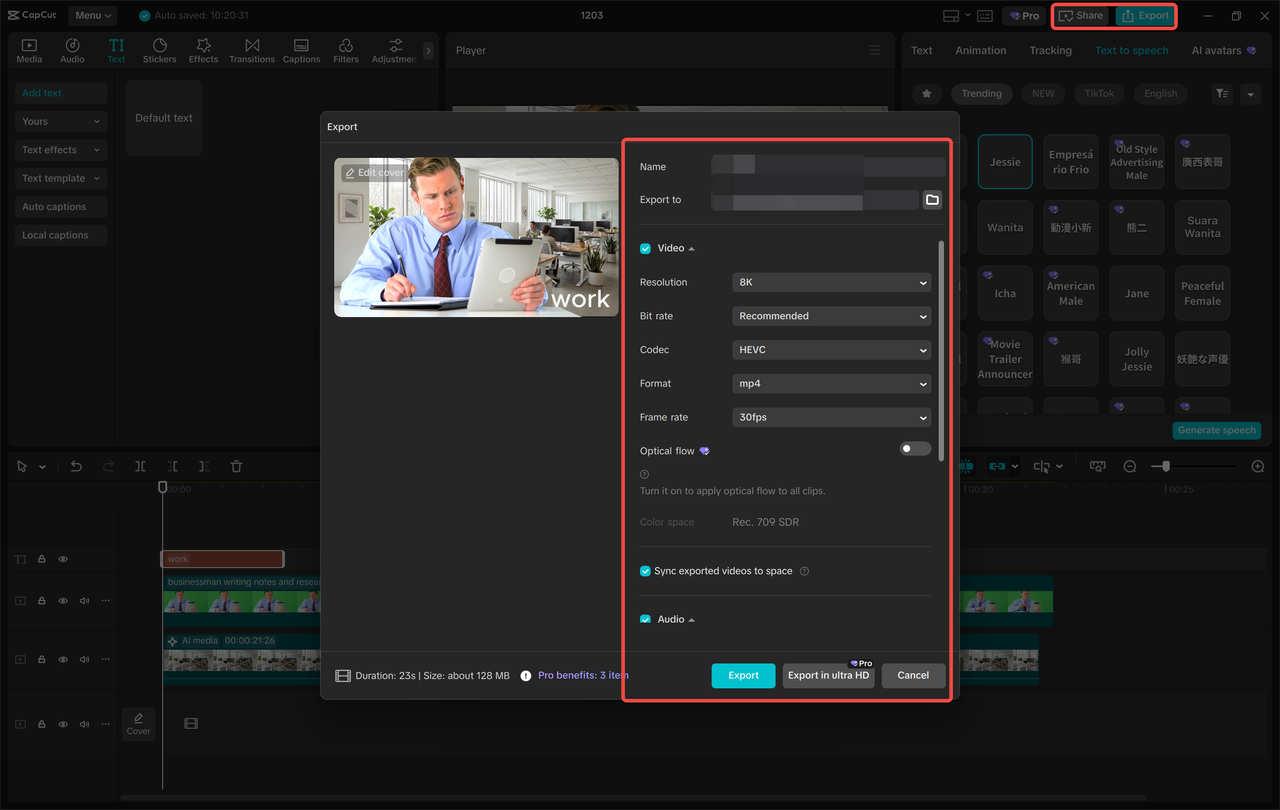
When your video looks and sounds the way you want, it’s time to prepare it for posting. Click Export at the top-right corner of CapCut. Once everything is set, click Export again to download your final video. CapCut also lets you share directly with TikTok, which is a huge time-saver for influencers who post daily. Upload your video to platforms like TikTok, Instagram Reels, YouTube Shorts, and Facebook Reels, and you’re done!

Conclusion

Influencers are moving to CapCut Text to Speech AI because it offers speed, clarity, and creative freedom. Instead of spending hours recording voiceovers, they can generate expressive narrations instantly, freeing up time to focus on filming and storytelling. Whether you’re a beginner or a seasoned creator, CapCut TTS helps you produce crisp, engaging content that stands out on any platform.
Password Hygiene 2.0: Why Multi-Factor Authentication Isn’t Optional

Password Hygiene 2.0: Why Multi-Factor Authentication Isn’t Optional

Password Hygiene

Think passwords are enough to keep hackers away? Think again. With cyberattacks growing more sneaky and advanced each day, relying on passwords alone is like locking your front door but leaving the windows wide open. It’s no wonder breaches happen so often.

Here’s the good news: there’s a more effective way to protect what matters most. Multi-Factor Authentication (MFA) adds that additional measure of protection that hackers don’t want you using. In this blog, we’ll explain why MFA isn’t just helpful; it’s essential for your security toolkit. Stick around—your data depends on it!

What Is Multi-Factor Authentication (MFA)?

Multi-Factor Authentication (MFA) enhances security when users log in. Instead of relying solely on a password, it requires two or more forms of verification. These include something you know, like a password, and something you have, such as a phone or token.

This method makes stealing access significantly more difficult for attackers. For example, even if someone guesses your password, they will still need the code sent to your device. As one cybersecurity expert said. MFA turns your account into a secure vault with multiple locks.

Why MFA Is Essential in Modern Cybersecurity

Cybercriminals are getting smarter every day. Multi-Factor Authentication adds a critical barrier that passwords alone cannot provide.

The rise of sophisticated cyberattacks

Hackers are becoming increasingly intelligent, and their strategies are harder to identify. Phishing scams, ransomware, and brute-force attacks target businesses of all sizes. In 2023, global ransomware attacks increased by 38%.

These attacks interrupt operations and steal important data. Businesses relying solely on passwords face greater risks today than ever before. That’s why many organizations partner with trusted technology providers to strengthen their authentication layers and safeguard critical systems. Companies that manage IT for businesses often integrate MFA solutions alongside advanced monitoring tools, ensuring consistent protection without disrupting day-to-day operations.

Sophisticated tools, like AI and botnets, allow attackers to break weak credentials within moments. Data breaches compromise billions of accounts each year, putting companies at significant risk. Protecting accounts with just passwords is no longer dependable. Multi-factor authentication is now a critical layer of modern security.

Weaknesses of password-only security

Relying solely on passwords leaves systems exposed to attacks. Cybercriminals take advantage of weak or reused passwords through brute force or credential-stuffing techniques. Basic passwords, even with added complexity, are insufficient against modern hacking methods.

Phishing schemes deceive users into sharing credentials, further putting businesses at risk of breaches. Password-only security also faces challenges from keylogging malware that records keystrokes. To address these risks, stronger authentication methods like MFA become essential.

Key Benefits of Multi-Factor Authentication

Adding an extra layer of security can save your business from costly breaches. It’s like double-locking the door to keep intruders out.

Enhanced account protection

Multi-factor authentication (MFA) adds an essential layer of defense to business accounts. It doesn’t just rely on passwords, which are often weak or easily stolen. Instead, it requires multiple proofs of identity, such as a PIN and fingerprint scan or an app-generated code.

This layered approach prevents unauthorized access even if hackers steal login credentials. As cyberattacks become more targeted, MFA serves as a barrier against breaches that could expose sensitive data.

MFA isn’t optional; it’s the seatbelt for your digital security. Reduced risk of phishing and credential theft should not be ignored in any cybersecurity strategy.

Reduced risk of phishing and credential theft

Hackers often use phishing attacks to steal passwords. These schemes deceive users into revealing their login details through fake emails or websites. Traditional password-only systems make it easy for attackers to take advantage of such tactics.

Adding multi-factor authentication (MFA) introduces an additional layer of security. Even if criminals obtain the password, they cannot access accounts without the secondary factor, like a one-time code or fingerprint. This approach minimizes successful breaches and safeguards sensitive data from being compromised.

Improved compliance with regulations

Many regulations now demand stronger authentication methods to protect sensitive data. Multi-factor authentication (MFA) helps businesses meet these compliance standards by adding additional layers of security. It aligns with frameworks like GDPR, HIPAA, and CCPA, which require strong identity verification and breach prevention measures.

Failing to adhere to such protocols can result in significant fines and loss of trust. MFA supports risk management efforts, protecting accounts and meeting auditors’ demands. Strong security protocols not only prevent threats but also demonstrate accountability. Investing in MFA and related safeguards doesn’t just improve compliance; it delivers measurable business value. For a deeper perspective on what ROI looks like, explore how smarter security initiatives can simultaneously enhance productivity and long-term efficiency. Lower risks of phishing follow with MFA in place, improving account protection further.

Common Misconceptions About MFA

Many believe MFA is a hassle, but it’s easier and more vital than ever—don’t miss why.

“MFA is too complicated for users.”

Some users believe multi-factor authentication is complicated, but it doesn’t have to be. Modern tools make the process straightforward to use. App-based authentication, for example, only requires a quick tap to approve access. Biometrics like fingerprints or facial recognition make it even simpler, as there’s nothing for users to recall.

Businesses can make adoption easier by providing clear instructions. Explain how MFA protects accounts from cyber threats. Emphasizing its simplicity builds trust and helps employees adjust more quickly.

“MFA isn’t necessary for smaller organizations.”

Bigger organizations often attract attention for data breaches, but small businesses are not safe either. Hackers target small companies because they believe fewer defenses exist. In fact, 43% of cyberattacks focus on small businesses, and poor security systems make that easier.

Relying only on passwords leaves these organizations exposed to phishing attacks and credential theft. Multi-Factor Authentication (MFA) addresses many vulnerabilities that hackers exploit. It adds a second layer of identity verification, making it harder for attackers to gain access with just stolen credentials.

Small teams might hesitate due to cost or setup effort, yet MFA options like SMS codes or app-based tokens are affordable and simple to implement. Avoiding MFA risks critical assets falling into the wrong hands, which could lead to much greater expenses later.

“MFA slows down business operations.”

Many believe MFA slows tasks, but the truth is different. Strong security measures like multi-factor authentication prevent interruptions caused by breaches or downtime. Without these safeguards, businesses may face longer delays in recovering hacked systems.

Modern MFA tools make workflows easier with features like single sign-on or app-based verification. These methods reduce disruptions while improving data protection and compliance efforts. Delays from cyberattacks are far more costly than a few seconds spent on extra authentication steps.

Best Practices for Implementing MFA

Make choosing an MFA method simple for your team. Teach employees how it works to build confidence in using it daily.

Choosing the right MFA methods (e.g., SMS, biometrics, app-based)

Choosing the most effective multi-factor authentication methods can improve data security. SMS-based codes are easy to use but can be intercepted by attackers. App-based authentication, like Google Authenticator or Microsoft Authenticator, offers a stronger layer since it generates unique codes on a secure device.

Biometrics, such as fingerprint or facial recognition, provide high protection as they rely on physical traits that are difficult to replicate.

Each method has advantages and disadvantages. Businesses with employees working remotely may find app-based MFA more accessible. High-risk industries like finance or healthcare might prefer biometrics due to stricter compliance needs. Combine methods to match your organization’s risk level and industry requirements.

Educating employees on MFA use

Selecting the right MFA methods means nothing if employees lack knowledge about using them. Educate staff on how MFA protects identity verification and strengthens password security. Guide them through steps like setting up app-based authentication, identifying phishing attempts, and addressing access alerts.

Clear training sessions minimize confusion and foster confidence in using security measures. Provide straightforward examples to illustrate threats like credential theft or breaches that MFA helps prevent. Emphasize the importance of staying alert without overwhelming users with technical language or fear-driven messages.

Regularly updating and reviewing MFA policies

Cyber threats change quickly, making outdated MFA policies a security risk. Modify access permissions regularly to block old, unused accounts. Update authentication methods to align with new technologies like biometrics or app-based systems.

Evaluate employee roles and confirm their authentication needs match your current business structure. Examine failed login attempts and phishing reports to identify potential weaknesses in your MFA setup.

Beyond MFA: The Future of Password Hygiene

Passwords alone are becoming relics of the past. Progressive security relies on smarter tools and zero-trust policies.

The shift toward passwordless authentication

Businesses are moving away from traditional passwords due to their vulnerabilities. Cybercriminals exploit weak or reused passwords to access sensitive data. Modern alternatives, like biometrics and hardware keys, offer stronger identity verification without the risks tied to memorized credentials.

Passwordless methods simplify access while improving security measures. Employees can log in using fingerprints or authentication apps instead of relying on outdated password systems. This shift reduces breaches and improves operations, paving the way for implementing Zero Trust strategies effectively.

Integration of Zero Trust principles

Passwordless authentication creates a foundation for more secure frameworks like Zero Trust. This method requires constant verification, treating every connection as a potential threat until confirmed safe.

Zero Trust reduces risks by restricting access solely to what is necessary for an individual’s role. It employs advanced identity verification methods and ongoing monitoring to protect systems. By adopting this principle, businesses can lower the risk of breaches while adhering to contemporary cybersecurity practices.

Staying Ahead of Emerging Threats

Cybercriminals are constantly finding new ways to bypass security measures. Staying vigilant and adapting quickly can keep your defenses strong.

How attackers attempt to bypass MFA

Attackers often take advantage of human mistakes to bypass Multi-Factor Authentication. Phishing is a common tactic they use. They send fake login prompts or imitate trusted platforms to steal authentication codes or trick users into sharing credentials. Occasionally, they use real-time phishing to intercept one-time passwords before users become aware.

Some hackers rely on SIM swapping. They deceive mobile carriers into transferring phone numbers to new SIM cards, hijacking MFA codes sent via text. Others use malware to capture keystrokes or push fatigue attacks, overwhelming users with constant prompts until they approve access. Stronger MFA methods help counter these tactics, as discussed in effective practices for implementing MFA.

Importance of continuous monitoring and threat detection

Cybercriminals constantly create new methods to get around security measures, including multi-factor authentication. Continuous monitoring of systems helps identify unusual activity before it results in a breach. Regular threat detection can pinpoint phishing attempts, unauthorized logins, or harmful software.

Without active oversight, weaknesses may stay unnoticed until exploited. Monitoring tools and teams serve as an early warning system for potential risks. Staying vigilant enhances data protection and lowers the likelihood of compromised user credentials. Recognizing how attackers bypass MFA emphasizes the need for further advancements in authentication strategies.

The Role of MFA in Business Continuity

MFA acts as a safety measure when systems face threats or interruptions. It ensures your operations continue efficiently while safeguarding sensitive data.

Protecting critical systems during incidents

Attackers often strike when defenses are weakest. Multi-Factor Authentication (MFA) helps block unauthorized access during breaches. It ensures only verified users have access to critical systems, reducing risks of data leaks or tampering.

Real-time threat detection complements MFA by monitoring unusual activity. Quick action based on alerts mitigates damage and keeps operations running. Operational resilience ties directly to strong authentication measures, leading to strategies for ensuring consistent business functions.

Ensuring operational resilience

Securing critical systems during incidents establishes a solid base for operational resilience. Businesses must foresee disruptions and prepare to maintain functionality under pressure.

Multi-Factor Authentication (MFA) serves an essential role in keeping operations steady, even when cyber threats are significant. A successful attack on one layer of security does not compromise systems protected by layered authentication.

Frequent monitoring and updating of MFA policies strengthen defenses against evolving threats. Managed IT services should incorporate real-time threat detection tools alongside strong identification measures.

Merging these elements promotes stability, safeguards data, and prevents downtime that could severely impact business continuity efforts.

Conclusion

Protecting sensitive data goes beyond just a strong password. Multi-Factor Authentication adds a critical layer of defense. It’s not optional anymore; it’s your safety net in an unpredictable digital world. Don’t wait for breaches to knock on your door; act now to secure what matters most!