...
UK: +44 2038074555 info@atamgo.com
Cybersecurity Strategies for Protecting Sensitive Data

Cybersecurity Strategies for Protecting Sensitive Data

Cybersecurity Strategies

Protecting sensitive data can feel overwhelming. Hackers are always looking for weaknesses, and even one mistake can put your business at risk. Data breaches not only cost money but also damage trust with your clients. If this keeps you up at night, you’re not alone.

Did you know that over 22 billion records were exposed in data breaches last year? This isn’t just a big-business problem; small businesses are targets too. But don’t panic—there are clear steps you can take to protect your information now.

This blog will guide you through the most effective cybersecurity methods to safeguard your data. Ready to keep hackers out? Let’s begin!

Identify and Classify Sensitive Data

Pinpointing sensitive data is the first step to protecting it. Determine where this information resides, whether on servers, cloud storage, or employee devices. Common types include customer details, financial records, intellectual property, and confidential business plans. Categorize each type by its sensitivity level to prioritize protections.

Label data as public, internal-only, or restricted based on its importance. For example, client payment details often require stricter controls than general contact information. As cybersecurity expert Bruce Schneier states:.

If you think technology can solve your security problems, then you don’t understand the problems, and you don’t understand the technology. Next, learn how encryption adds a layer of defense against breaches!

Implement Data Encryption

Encrypt sensitive data to protect it from unauthorized access. Use strong encryption techniques like AES-256, which is widely trusted for its dependability and strength. Encrypt files stored on devices, servers, or cloud solutions where hackers often target weaknesses. Businesses with complex infrastructures can strengthen this further by having their IT managed by Norterra — ensuring encryption standards, data access policies, and backup systems stay consistently aligned with the latest cybersecurity best practices.

Secure data in transit by protecting email communications and file transfers with encrypted protocols such as TLS or SFTP. Ensure encryption keys are securely stored; losing them could result in permanent data loss.

Strengthen Access Controls

Control who gets in and out of your digital doors—tighten access, keep snoopers at bay.

Use Multi-Factor Authentication (MFA)

Securing sensitive data with just a password is akin to leaving your front door open. Multi-Factor Authentication (MFA) adds additional layers of security to that door. It requires users to verify their identity in at least two ways, such as entering a password and confirming via a phone app or fingerprint scan.

A cybercriminal might guess a weak password, but won’t easily bypass MFA’s second step. For small businesses managing multiple systems or remote logins, reliable tech support from NDSE can help deploy MFA tools company-wide, troubleshoot authentication issues, and ensure credentials remain protected across all devices.

“Strong defenses stop lazy hackers,” as cybersecurity professionals often say.

Apply the Principle of Least Privilege

Restrict access to sensitive data based on job responsibilities. For instance, your marketing team should not have access to financial records. This method lowers risks by ensuring employees or systems only have the permissions essential for their positions.

Review all existing user permissions consistently. Revoke unnecessary privileges promptly when an employee transitions to a different role or departs the company. Maintain access control strictly and precisely, reducing weaknesses that could be exploited by attackers.

Regularly Back Up and Recover Data

Data loss can cripple a business. Regular backups safeguard critical information and ensure swift recovery after an incident.

  1. Schedule automatic backups daily or weekly to prevent missing vital updates. Use secure locations like cloud storage or external hard drives for your copies.
  2. Test your recovery process monthly to confirm that backed-up data works properly in emergencies.
  3. Store at least one backup off-site to avoid losing all copies during natural disasters or cyberattacks.
  4. Rotate backups regularly, replacing older versions with fresh ones to keep data current and accurate.
  5. Encrypt backup files to protect sensitive information from unauthorized access during storage or transit.

Strong access controls will further fortify these precautions against data breaches and cyber threats.

Use Data Masking and Obfuscation Techniques

Change sensitive information by modifying or concealing it. For instance, replace credit card numbers with random digits while maintaining the format. This prevents unauthorized access to real data but allows testing or analysis without risk.

Alteration scrambles data to make it unreadable without proper decoding keys. Transform clear text into misleading forms that still serve operational needs. Apply these methods for databases, reports, or third-party integrations where full visibility isn’t necessary.

Employ Continuous Monitoring and Threat Detection

Monitor activities across your network constantly. Establish systems that can identify unusual behavior and immediately highlight potential threats. This helps you stay ahead of cybercriminals seeking to take advantage of weaknesses.

Use threat detection tools with instant alerts to respond quickly during an attack. Combine these with routine vulnerability assessments to pinpoint weak areas in your defenses. Act proactively to identify risks early and respond without delay.

Train Employees on Cybersecurity Best Practices

Employees are often the first line of defense in cybersecurity. Training them on effective practices can significantly reduce risks.

  1. Teach employees to identify phishing emails. Emphasize red flags like unusual links or attachments, and encourage reporting suspicious messages.
  2. Stress the importance of strong passwords. Guide them to use passphrases with a mix of letters, numbers, and symbols.
  3. Hold regular cybersecurity workshops. Provide updates on new threats like ransomware or social engineering attacks.
  4. Simulate phishing attacks periodically. Test awareness and offer feedback to improve responses.
  5. Instruct everyone to avoid public Wi-Fi for work tasks unless using a secure VPN.
  6. Encourage safe device usage habits. Discourage downloading unofficial apps or software without IT approval.
  7. Explain data classification policies clearly. Ensure all understand what qualifies as sensitive data and how to handle it securely.
  8. Offer clear incident-reporting guidelines. Set straightforward steps for reporting breaches or errors immediately.
  9. Make training sessions interactive and scenario-based whenever possible. Hands-on learning enhances retention and participation.
  10. Acknowledge team compliance efforts publicly or privately when they’re consistent with security guidelines.

Maintain Compliance with Regulatory Standards

Follow the rules set by compliance regulations like GDPR, HIPAA, or CCPA. These laws aim to protect sensitive data and provide clear steps for securing it. Ignoring them can lead to significant fines and legal trouble. Create a checklist of requirements specific to your industry.

Record every process involving data storage, access, or sharing. Update policies consistently as standards evolve. Conduct employee training to ensure these standards are met in daily operations. Rely on third-party audits to find weak points in compliance efforts before authorities do it for you.

Conduct Routine Risk Assessments and Audits

Regular risk assessments help protect sensitive data and prevent costly cyber incidents. Businesses should prioritize ongoing reviews to identify weaknesses before attackers do.

  1. Identify vulnerabilities in your systems by scanning for outdated software or unpatched devices. Cyber threats often exploit these weak points.
  2. Test your incident response plan during reviews to ensure it minimizes downtime during real attacks. This helps reduce damage if a breach occurs.
  3. Review employee access levels routinely to check for unnecessary permissions. Excess access increases the risk of insider threats.
  4. Evaluate your compliance with regulatory standards like GDPR or HIPAA through regular reviews. Non-compliance can lead to fines and reputational damage.
  5. Conduct penetration tests to simulate attacks on your network security. These tests pinpoint exploitable gaps that hackers might target.
  6. Validate third-party vendor security by reviewing their data protection practices annually. Poor vendor security could expose sensitive information you share with them.
  7. Document findings from every review clearly and share them with stakeholders promptly. Transparency builds trust and accountability across teams.
  8. Schedule risk assessments at least twice a year, but increase frequency for high-risk industries like finance or healthcare.
  9. Update procedures regularly to match evolving cyber threats and organizational changes, such as new tools or policies.
  10. Act on findings swiftly by implementing fixes or upgrades immediately after identifying risks in assessments, reducing potential harm quickly.

Enhance Endpoint Security Measures

 Strong endpoint security prevents vulnerabilities at connected devices. Installing reliable protection tools, such as one of the best free antivirus options available online, can significantly reduce risks for everyday users and businesses. Patch systems regularly to close gaps that hackers might exploit.

Disabling unused ports reduces attack surfaces on each device. Implement firewalls to monitor traffic and block malicious activity. Use Endpoint Detection and Response (EDR) tools for real-time threat mitigation across networks.

Conclusion

Protecting sensitive data is no small task, but it’s worth the effort. Cyberattacks evolve every day, so staying ahead should be your goal. Use smart strategies like encryption and access controls to keep threats at bay. Train your team, review risks often, and don’t forget backups. A strong defense today secures peace of mind tomorrow!

The Safest Free VPN Apps for Quick and Secure Internet Access

The Safest Free VPN Apps for Quick and Secure Internet Access

The Safest Free VPN Apps

 In today’s digital landscape, protecting your online privacy is no longer optional—it’s essential. Whether you’re browsing on public Wi-Fi, streaming content, or simply trying to prevent trackers from collecting your data, a reliale virtual private network (VPN) can dramatically enhance your online safety. Many users look for a free VPN to avoid subscription costs, but not all free services offer the security, speed, or reliability needed for safe browsing.

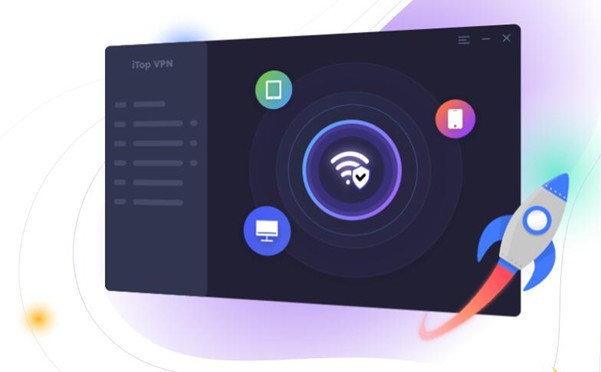
Fortunately, there are a few trustworthy options that balance solid protection with easy accessibility. Among these, iTop VPN has become one of the most popular choices due to its user-friendly interface, robust security features, and generous free plan. This article explores the safest free VPN apps available today and highlights why iTop VPN stands out as a top contender.

Why You Need a Free VPN for Safer Internet Access

A free VPN can be a powerful tool for anyone who wants to:

Secure data on public or shared networks

Avoid bandwidth throttling

Protect personal information from hackers

Hide online activity from advertisers and trackers

Access region-blocked content

While paid VPNs often provide more features, a free VPN is still a great starting point for users who want basic protection without financial commitment. The challenge is finding one that doesn’t compromise privacy or impose unreasonable limits. That’s where trusted providers become essential.

iTop VPN: One of the Safest Free VPN Apps Available

Among free VPNs, iTop VPN has earned a strong reputation for balancing accessibility with security. Unlike many free services that sacrifice performance or log user activity, iTop VPN offers a clean, transparent experience focused on user protection.

Key Features of iTop VPN

  1. Strong Encryption

iTop VPN uses advanced encryption protocols designed to safeguard your data even on unsecured Wi-Fi networks. This ensures that your online activity remains private, whether you’re banking, shopping, or streaming.

  1. Multiple Server Options

While free VPNs often severely limit server access, iTop VPN provides a selection of servers, allowing users to connect quickly and reliably. This helps maintain steady speeds without constant drops or buffering.

  1. No-Log Policy

Many free VPN apps sell user data to advertisers. iTop VPN maintains a commitment to protecting user privacy by not storing browsing histories or personal information.

  1. Built-in Security Tools

iTop VPN stands out thanks to extra features such as a browser privacy shield, ad-blocker, and malware prevention tools—rare additions for a free VPN service.

  1. User-Friendly Interface

Even beginners can start using iTop VPN within minutes. The dashboard is visually clear, making it easy to switch servers or enable privacy tools instantly.

With these features, iTop VPN offers a safe online environment while remaining free to use for essential tasks.

Other Safe Free VPN Apps Worth Considering

While iTop VPN is a strong option, several other free VPN apps also provide trustworthy security and decent performance. Here are a few reputable choices:

  1. ProtonVPN Free

ProtonVPN is known for its unlimited data on the free tier. Although speeds can be slower, its no-log policy and solid encryption make it one of the safest free VPN options.

  1. Windscribe Free

Windscribe offers 10 GB of free data per month and access to a variety of global servers. It includes a built-in firewall and ad-blocking for enhanced privacy.

  1. Hotspot Shield Free

Hotspot Shield is a widely used free VPN that provides reliable speeds and user-friendly features. It includes daily data limits, which may be restrictive for heavy users.

  1. TunnelBear Free

TunnelBear stands out due to its unique visual design and strong security practices. Although limited to 2 GB of free data per month, it remains dependable for occasional browsing.

How to Choose the Safest Free VPN

When choosing a free VPN, consider the following factors:

Security Protocols: Look for encryption such as AES-256 or equivalent.

Privacy Policy: Avoid VPNs that log or sell your data.

Speed and Stability: Ensure servers provide consistent performance.

Data Limits: Some free VPNs restrict monthly or daily data usage.

User Interface: The app should be easy to use and navigate.

iTop VPN scores highly across these criteria, offering premium-like features without forcing users into a paid subscription immediately.

Conclusion

Finding a safe and reliable free VPN doesn’t have to be overwhelming. While many free services exist, only a few offer the privacy protections and speed required for secure daily browsing. iTop VPN stands out as one of the safest free VPN apps available, offering strong security, an intuitive interface, and extra privacy features that go beyond what most free competitors provide.


Whether you’re looking to protect your data on public Wi-Fi, browse anonymously, or access geo-restricted content, iTop VPN and the other options listed above can help you enjoy quick, secure, and private internet access—without spending a dime.The Safest Free VPN Apps for Quick and Secure Internet Access

In today’s digital landscape, protecting your online privacy is no longer optional—it’s essential. Whether you’re browsing on public Wi-Fi, streaming content, or simply trying to prevent trackers from collecting your data, a reliable virtual private network (VPN) can dramatically enhance your online safety. Many users look for a free VPN to avoid subscription costs, but not all free services offer the security, speed, or reliability needed for safe browsing.

Fortunately, there are a few trustworthy options that balance solid protection with easy accessibility. Among these, iTop VPN has become one of the most popular choices due to its user-friendly interface, robust security features, and generous free plan. This article explores the safest free VPN apps available today and highlights why iTop VPN stands out as a top contender.

Why You Need a Free VPN for Safer Internet Access

A free VPN can be a powerful tool for anyone who wants to:

  • Secure data on public or shared networks
  • Avoid bandwidth throttling
  • Protect personal information from hackers
  • Hide online activity from advertisers and trackers
  • Access region-blocked content

While paid VPNs often provide more features, a free VPN is still a great starting point for users who want basic protection without financial commitment. The challenge is finding one that doesn’t compromise privacy or impose unreasonable limits. That’s where trusted providers become essential.

iTop VPN: One of the Safest Free VPN Apps Available

Among free VPNs, iTop VPN has earned a strong reputation for balancing accessibility with security. Unlike many free services that sacrifice performance or log user activity, iTop VPN offers a clean, transparent experience focused on user protection.

Key Features of iTop VPN

  1. Strong Encryption
    iTop VPN uses advanced encryption protocols designed to safeguard your data even on unsecured Wi-Fi networks. This ensures that your online activity remains private, whether you’re banking, shopping, or streaming.
  2. Multiple Server Options
    While free VPNs often severely limit server access, iTop VPN provides a selection of servers, allowing users to connect quickly and reliably. This helps maintain steady speeds without constant drops or buffering.
  3. No-Log Policy
    Many free VPN apps sell user data to advertisers. iTop VPN maintains a commitment to protecting user privacy by not storing browsing histories or personal information.
  4. Built-in Security Tools
    iTop VPN stands out thanks to extra features such as a browser privacy shield, ad-blocker, and malware prevention tools—rare additions for a free VPN service.

  1. User-Friendly Interface
    Even beginners can start using iTop VPN within minutes. The dashboard is visually clear, making it easy to switch servers or enable privacy tools instantly.

With these features, iTop VPN offers a safe online environment while remaining free to use for essential tasks.

Other Safe Free VPN Apps Worth Considering

While iTop VPN is a strong option, several other free VPN apps also provide trustworthy security and decent performance. Here are a few reputable choices:

1. ProtonVPN Free

ProtonVPN is known for its unlimited data on the free tier. Although speeds can be slower, its no-log policy and solid encryption make it one of the safest free VPN options.

2. Windscribe Free

Windscribe offers 10 GB of free data per month and access to a variety of global servers. It includes a built-in firewall and ad-blocking for enhanced privacy.

3. Hotspot Shield Free

Hotspot Shield is a widely used free VPN that provides reliable speeds and user-friendly features. It includes daily data limits, which may be restrictive for heavy users.

4. TunnelBear Free

TunnelBear stands out due to its unique visual design and strong security practices. Although limited to 2 GB of free data per month, it remains dependable for occasional browsing.

How to Choose the Safest Free VPN

When choosing a free VPN, consider the following factors:

  • Security Protocols: Look for encryption such as AES-256 or equivalent.
  • Privacy Policy: Avoid VPNs that log or sell your data.
  • Speed and Stability: Ensure servers provide consistent performance.
  • Data Limits: Some free VPNs restrict monthly or daily data usage.
  • User Interface: The app should be easy to use and navigate.

iTop VPN scores highly across these criteria, offering premium-like features without forcing users into a paid subscription immediately.

Conclusion

Finding a safe and reliable free VPN doesn’t have to be overwhelming. While many free services exist, only a few offer the privacy protections and speed required for secure daily browsing. iTop VPN stands out as one of the safest free VPN apps available, offering strong security, an intuitive interface, and extra privacy features that go beyond what most free competitors provide.

Whether you’re looking to protect your data on public Wi-Fi, browse anonymously, or access geo-restricted content, iTop VPN and the other options listed above can help you enjoy quick, secure, and private internet access—without spending a dime.


How Creators Are Using Smarter Tech to Streamline Video Production

How Creators Are Using Smarter Tech to Streamline Video Production

Video production has changed dramatically in the last few years. Creators are working faster than ever because technology has removed many of the old obstacles that slowed projects down. Smarter tools are helping them plan, shoot, and edit with greater control and less effort. Artificial intelligence, cloud systems, and automation are giving independent creators the same advantages that once belonged only to large studios.

Editing software now understands context, sound can be cleaned automatically, and storage systems have become more intuitive. The overall process feels more connected, with data and creative tools blending into one continuous workflow. Let us elaborate on how creators are using smarter technology to make video production more efficient, collaborative, and creatively fulfilling.

The Shift Toward Tech-Driven Creativity

Creators once spent long hours on repetitive tasks that offered little creative reward. Modern production tools are changing that. Automation and artificial intelligence now handle the heavy lifting, giving creators more freedom to focus on imagination and message. Smart systems can recognize scenes, balance color, and even suggest transitions that fit the rhythm of the story.

New creators entering the industry no longer face steep learning curves because these tools provide helpful guidance and templates. To maximize efficiency, creators should familiarize themselves with capabilities of an ai video agent that can streamline editing processes and ensure consistency. This change has opened the field to smaller teams and solo professionals who can now produce studio-level work without expensive resources.

The Foundation of Efficient Video Workflows

Behind every strong production lies an organized system. A scattered workflow can delay editing and increase stress, while a structured approach keeps the project on track. Many creators are discovering the value of using specialized tools for managing their footage and data. These solutions create clear paths for storing, tagging, and accessing files without confusion.

Smarter production starts with organized data, and effective video editing storage workflow solutions help creators save time while maintaining quality. Structured storage gives creators confidence that their material is safe and easy to locate. Metadata tagging, cloud synchronization, and centralized dashboards reduce the time spent searching for files. This foundation allows editors and collaborators to work together smoothly, even across different devices or locations.

AI Tools Elevating the Editing Process

Artificial intelligence has become an assistant that understands creative intent. AI-driven editors can identify important moments in footage, sync them with audio, and even suggest edits that enhance emotional flow. This kind of support turns raw material into something more polished in less time.

Color correction, noise reduction, and stabilization no longer require deep technical knowledge. Smart presets and adaptive algorithms handle these adjustments with precision. Editors can then refine the details that matter most, such as timing and narrative tone.

Automation Simplifying Repetitive Tasks

Routine production work often consumes valuable hours. Automation tools now handle many of these steps, giving creators the space to focus on bigger ideas. Tasks like resizing clips for different platforms, adding captions, or generating subtitles are completed automatically. These functions ensure consistency and accuracy while speeding up delivery.

A creator who produces for multiple social channels can now prepare content for all platforms with minimal effort. Templates and automated exports maintain visual standards across every format.

Smarter Collaboration Through Cloud Platforms

Video production often involves several people working on the same project. Cloud-based platforms have made collaboration far easier. Editors, producers, and clients can access files instantly, leave comments, and approve versions in real time. Shared workspaces prevent confusion and reduce the need for long email threads or physical drives.

Teams benefit from live synchronization and version tracking, ensuring that everyone always works on the latest update. Security has improved as well, with encrypted storage and reliable backup systems protecting valuable footage. These tools make teamwork efficient without reducing flexibility.

AI-Driven Insights for Better Content Decisions

Smart analytics tools are helping creators understand what keeps audiences engaged. Data that once required manual tracking is now processed automatically through AI systems. These insights reveal which scenes capture attention, how long viewers stay, and what style performs best across platforms.

Creators can use this information to make smarter choices during editing. Audience behavior data can shape pacing, visual tone, and even dialogue timing. Predictive analytics also suggest ideal upload times and formats for specific demographics. With these insights, creators can craft videos that align closely with viewer expectations without guessing what works.

Integrating Smart Audio and Visual Enhancement Tools

High-quality sound and visuals can transform how a video feels. Smart enhancement tools are making this easier for creators who don’t have access to professional-grade equipment. AI-powered software can remove unwanted noise, balance levels, and fine-tune voices to sound more natural.

Video clarity has improved, too. Smart stabilization tools correct shaky footage, while adaptive lighting correction fixes exposure issues in real time. These features allow creators to achieve a polished look without extensive reshoots or expensive cameras. Visual filters and auto-grading tools create consistent aesthetics that match the intended mood of the story.

Sustainable and Cost-Efficient Production through Smart Tech

Efficiency in video production is not just about speed. It also includes how resources are used. Smarter tools help reduce waste, both in terms of time and energy. Cloud-based rendering platforms rely on optimized server systems that consume less power than traditional setups. This change supports sustainable production practices without sacrificing performance.

Automation reduces the need for repeated exports or manual corrections, cutting down on hardware strain. Software that predicts ideal export settings also helps minimize storage waste. These small improvements add up, creating workflows that are lighter on both cost and environmental impact.

Smarter technology is reshaping how creators bring their stories to life. Each stage of video production, such as planning, shooting, editing, and delivery, has become more connected and efficient through intelligent tools. Organized data keeps projects on track, automation eliminates repetitive work, and AI enhances both the creative and technical sides of editing.

These tools are not replacing human creativity. They are strengthening it. Creators can now focus on narrative flow, emotion, and purpose while technology handles the mechanical side of production. The process feels more fluid, and collaboration has become easier through shared cloud environments and real-time updates.

7 Powerful DPI Checker Tools Gamers Swear By — Are You Missing Out?

7 Powerful DPI Checker Tools Gamers Swear By — Are You Missing Out?

dpi checker tools

Introduction: Why Every Gamer Needs a DPI Checker

DPI checker is one of those essential tools every serious gamer should keep in their arsenal. Whether you are a competitive FPS enthusiast or a casual gamer, knowing your mouse DPI can dramatically enhance your accuracy, speed, and overall performance. But the usefulness of a DPI checker goes beyond gaming; it’s also invaluable for digital artists and designers who want to measure the DPI of images or graphics. Learning how to check mouse DPI, how to check DPI on mouse, or even how to check DPI of image can give you a precise edge, both in-game and in creative work. Mastering these details can elevate your gaming setup and improve your digital projects with accuracy and efficiency.

Find More: How to Use iTop Voicy to Transform Your Voice in Real-Time (Easy Tutorial)

Top 7 DPI Checker Tools Gamers Love

1. Mouse DPI Analyzer – Precision at Your Fingertips

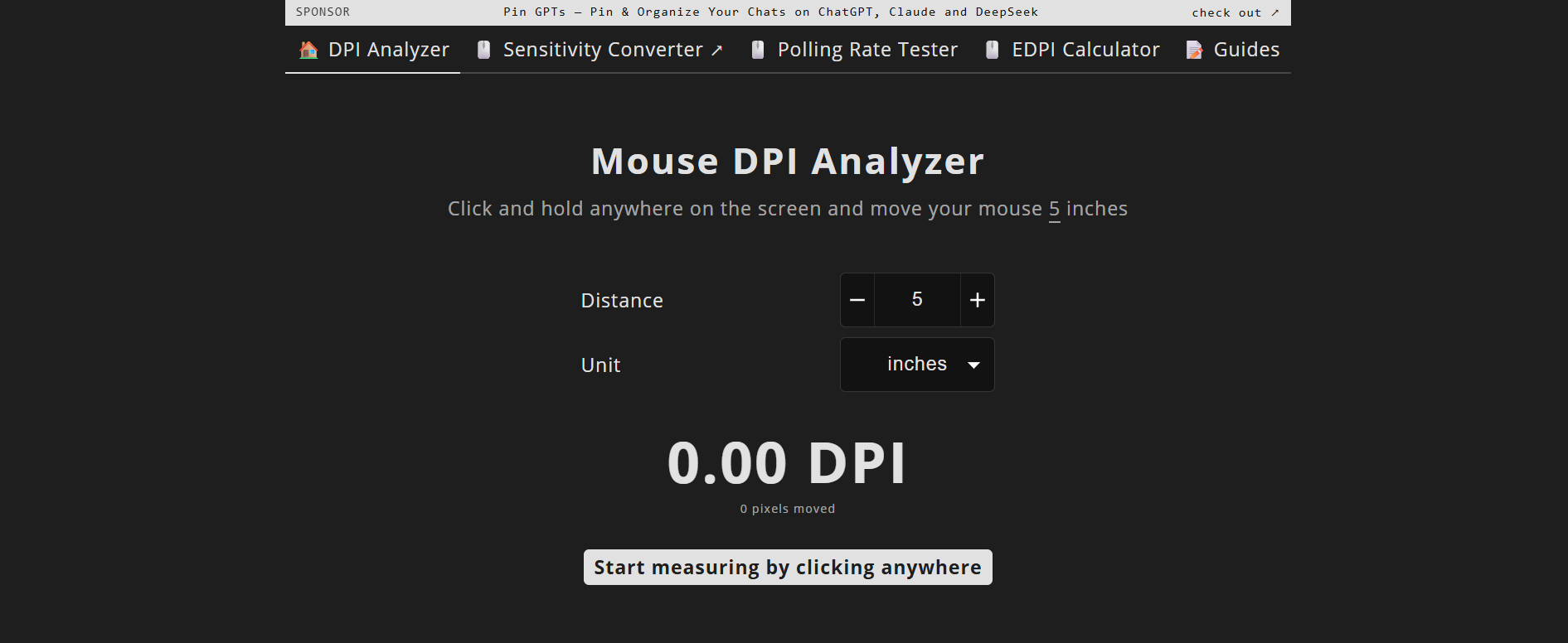
Mouse DPI Analyzer

Mouse DPI Analyzer is widely loved by professional gamers due to its simplicity, speed, and unmatched accuracy. This tool allows you to measure your mouse DPI instantly and even check the DPI of images, providing a dual-purpose solution. With DPI Analyzer, you can fine-tune your mouse sensitivity to achieve pinpoint accuracy, whether for fast-paced FPS matches or strategic RTS games. The interface is intuitive, requiring minimal effort to get accurate results.
Pros: Extremely fast, user-friendly, free online access
Cons: Lacks in-depth customization options
Best Use Case: Quick DPI checks for both mice and image resolutions, ideal for gamers and designers

2. Mouse Sensitivity Calculator – More Than Just DPI

Mouse Sensitivity Calculator is an advanced tool that goes beyond basic DPI checking. It calculates your mouse sensitivity based on DPI and in-game settings, helping you maintain consistent aim across multiple games. This tool is perfect for FPS enthusiasts who crave precision without the hassle of trial-and-error adjustments. It even provides insights for those looking to refine their wrist movements and overall mouse control.
Pros: Combines DPI analysis with sensitivity calculations, very detailed
Cons: Might be overwhelming for beginners
Best Use Case: Advanced gamers who want optimal performance across different games and devices

3. Mouse DPI Analyzer – Simple, Fast, Reliable

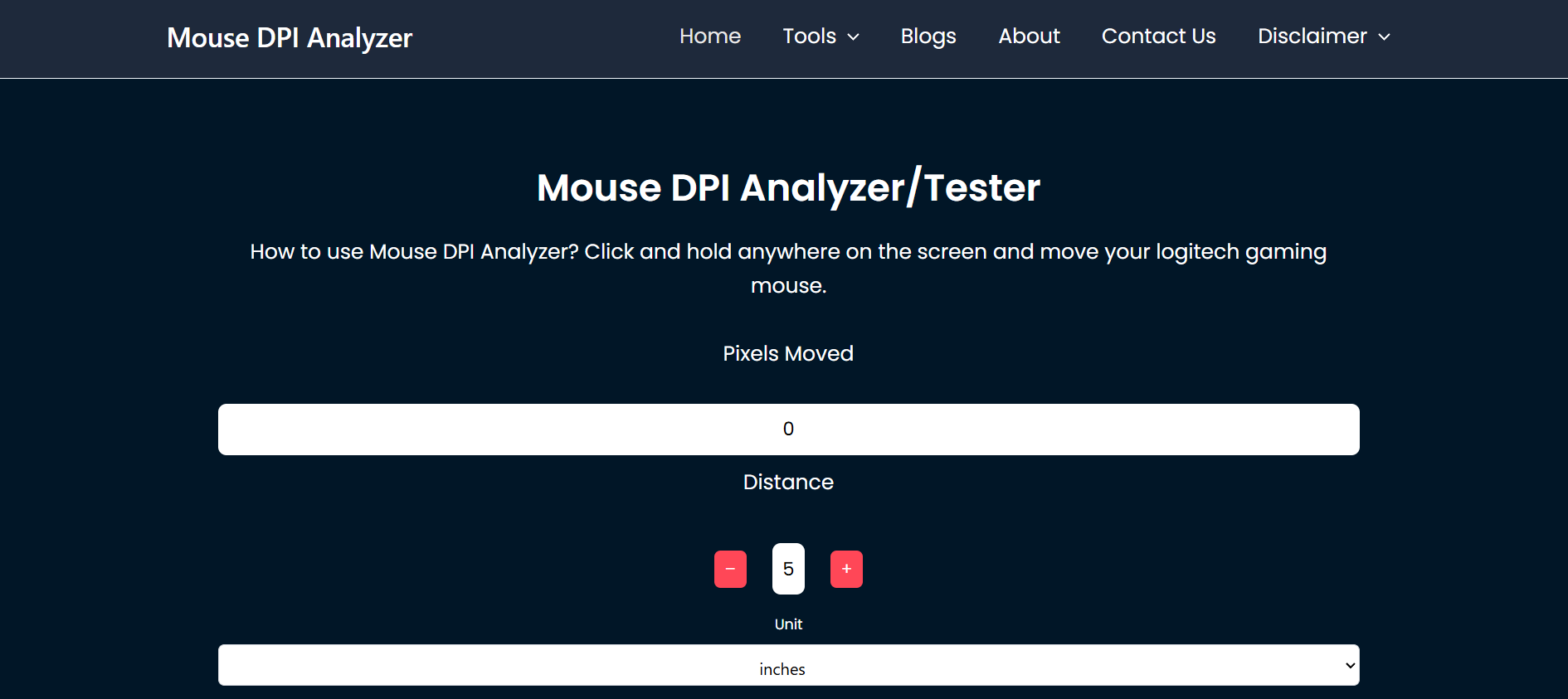
Mouse DPI Analyzer

Mouse DPI Analyzer is a no-nonsense, browser-based solution that delivers quick and accurate results. Just input your mouse movement and the distance covered, and you’ll instantly know your DPI. It’s perfect for casual gamers or anyone curious about how to check DPI of image without installing additional software. The simplicity of this tool makes it an excellent choice for users who want results with minimal effort.
Pros: Instant results, free, works on any browser
Cons: Limited features beyond basic DPI calculation
Best Use Case: Casual gamers and designers needing a fast DPI reference

4. Mouse Sensitivity – Streamlined Accuracy

Mouse Sensitivity is focused on providing precise results tailored to your specific mouse. It not only calculates DPI but also recommends settings optimized for your gaming style. If you’re looking to maintain consistent control across multiple devices or games, this tool is highly effective. It’s a favorite for gamers who demand accuracy without a steep learning curve.
Pros: Accurate, provides tailored recommendations, browser-based
Cons: Limited advanced settings
Best Use Case: Standardizing DPI for consistent gaming performance across devices

5. Mouse DPI Analyzers – All-in-One Gaming Tool

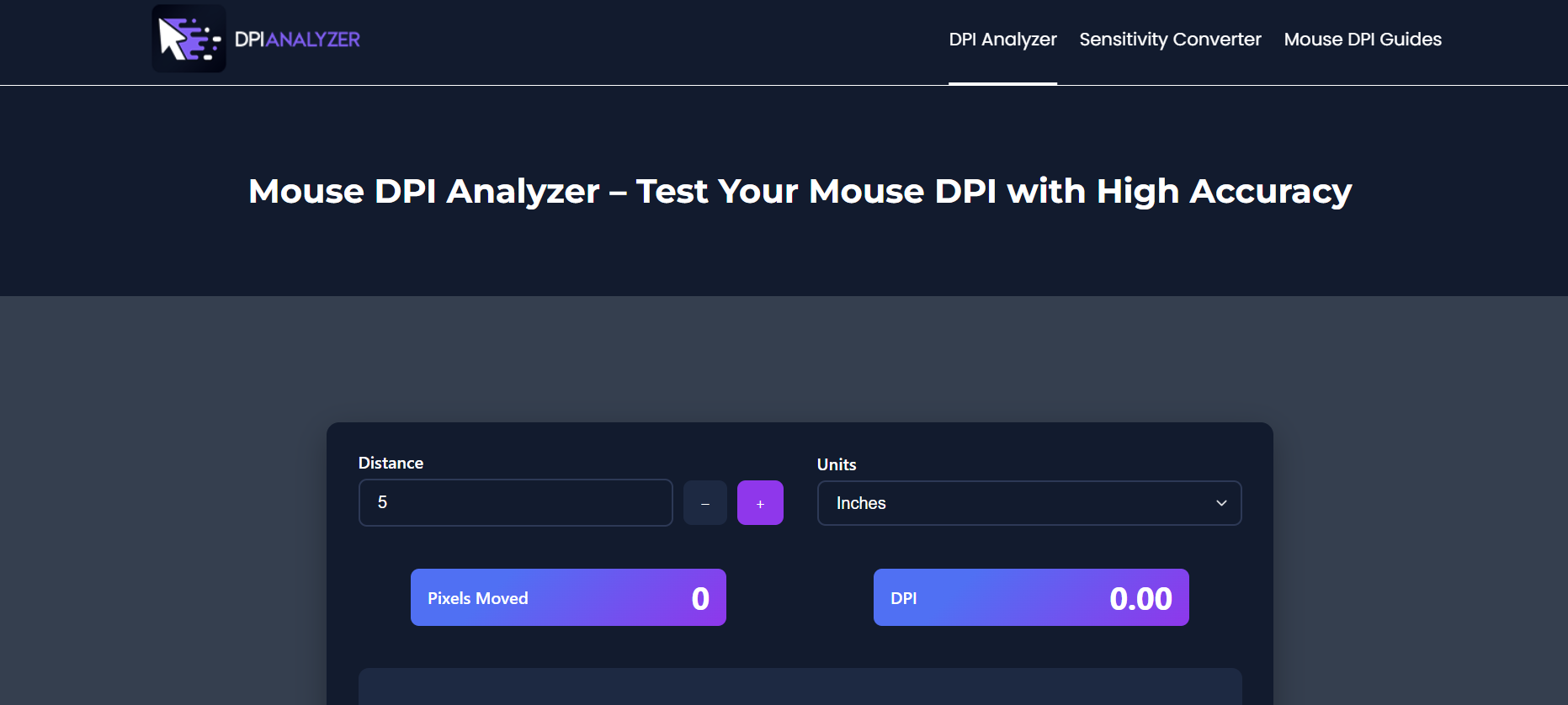
Mouse DPI Analyzers

Mouse DPI Analyzers is an online tool with a community-driven approach. It allows users to check mouse DPI, analyze sensitivity settings, and even benchmark their DPI against other players. This makes it a perfect tool for competitive gamers looking to measure themselves against pros and refine their setup accordingly. The community aspect also provides additional insights, like optimal DPI settings for specific games.
Pros: Benchmarking feature, community integration, easy to use
Cons: Requires a modern browser for full functionality
Best Use Case: Gamers who want to compare settings and improve through community feedback

6. Mouse DPI Checker – Advanced Features

Mouse DPI Checker is ideal for professional eSports players who demand in-depth performance tracking. Beyond standard DPI checks, it monitors historical data and provides detailed analytics on mouse usage and movement. This tool is invaluable for gamers seeking to analyze trends, optimize long-term performance, and fine-tune every aspect of their setup.
Pros: Advanced analytics, historical tracking, highly customizable
Cons: Full features require a paid subscription
Best Use Case: Competitive gamers and eSports professionals looking for performance optimization

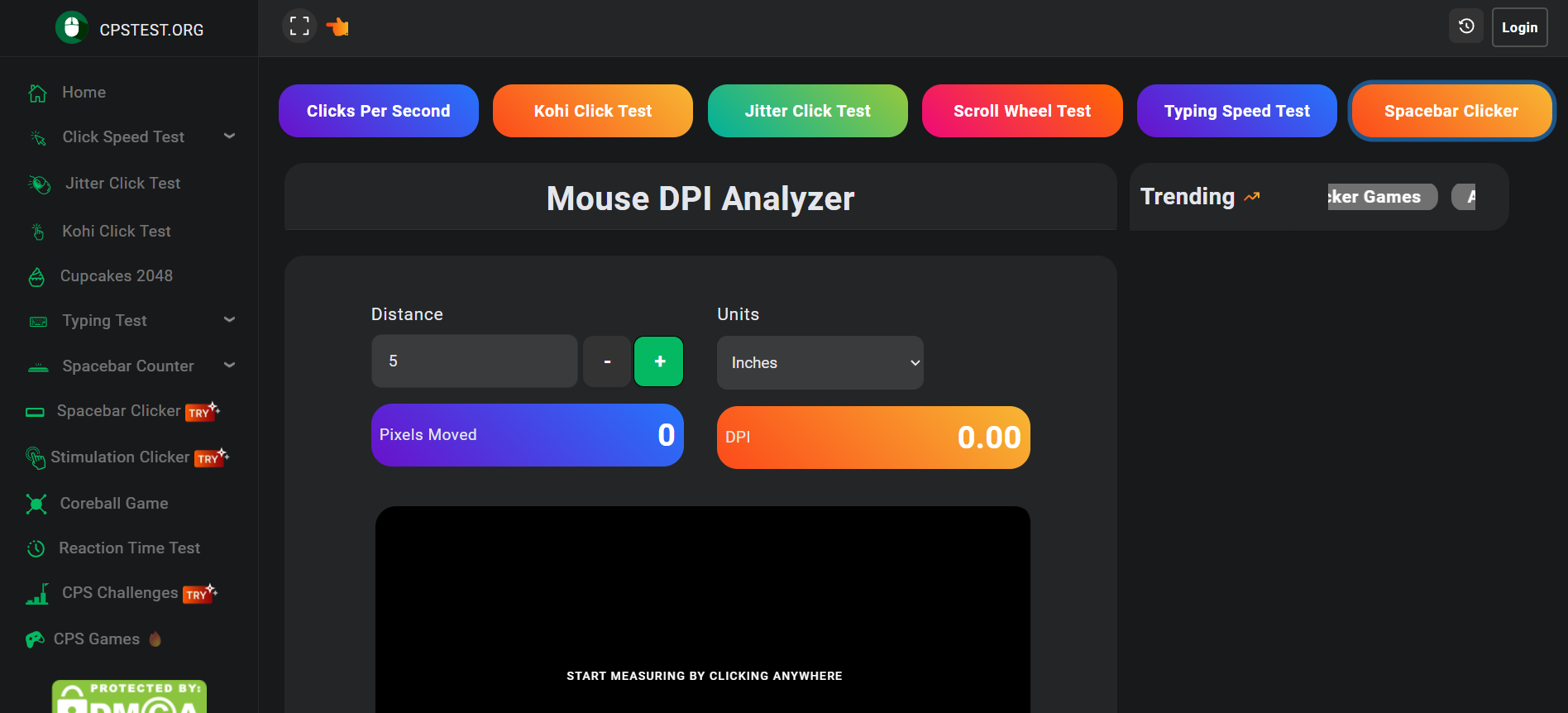
7. CPSTEST Mouse DPI Analyzer – Easy and Accessible

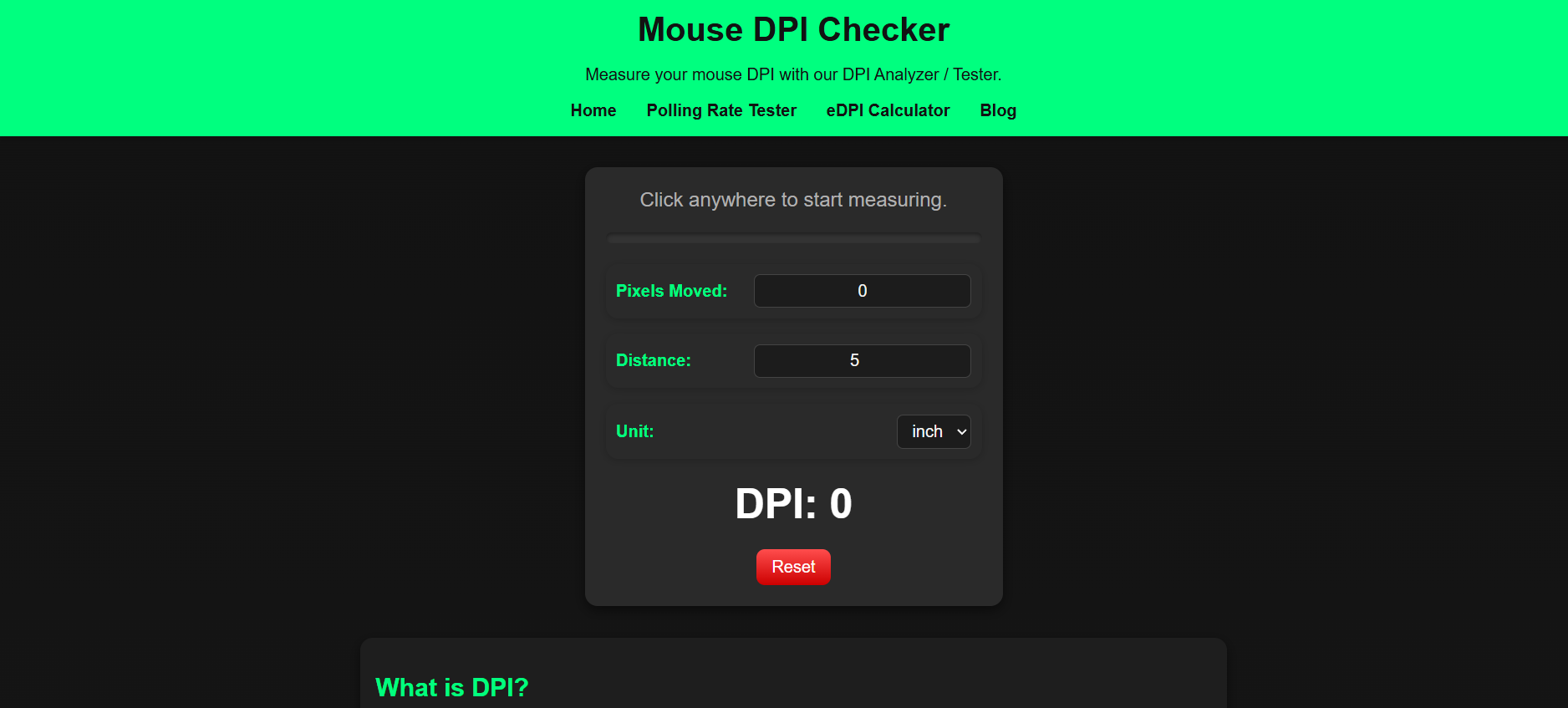
CPSTEST Mouse DPI Analyzer

CPSTEST Mouse DPI Analyzer is a beginner-friendly solution that makes DPI checking simple and accessible. It provides instant insights into how to check mouse DPI and how to check DPI on mouse, all without downloads or complex installations. This tool is perfect for anyone starting their journey into gaming or digital work and looking for straightforward, reliable results.
Pros: Simple interface, free, beginner-friendly
Cons: Does not offer advanced analytics
Best Use Case: Beginners, casual gamers, and anyone needing quick DPI checks

How to Choose the Right DPI Checker for Your Gaming Style

Factors to Consider When Selecting a DPI Checker

Choosing the right DPI checker depends on your gaming style, level of expertise, and type of games you play. Competitive FPS players need tools that offer precise measurements and advanced analytics, while casual gamers may prefer simpler, browser-based solutions. Consider whether you want to measure your mouse DPI, explore how to check DPI on mouse, or even evaluate how to check DPI of image for creative purposes. Your choice should match both your gaming and digital needs.

Comparing Free vs. Paid DPI Checker Tools

Free DPI checkers are excellent for fast, casual use and provide basic insights into your mouse performance. Paid tools, on the other hand, deliver detailed analytics, historical tracking, and tailored recommendations, making them suitable for professional gamers and designers. If you are serious about improving gaming accuracy or image quality in your digital projects, investing in a premium tool can be highly beneficial.

Tips to Get the Most Accurate Results

For accurate results, always test your mouse on a flat, stable surface. Reset your mouse settings to default if you want a baseline reading, and repeat tests in consistent conditions. For image DPI, ensure the image resolution settings are correct and that your software interprets the DPI accurately. Small adjustments in your setup can significantly enhance the precision of the results.

Tips to Optimize Your Gaming Performance Using a DPI Checker

Adjusting DPI Settings for FPS Games

FPS gamers often find lower DPI values (400-800) provide greater control and precision, especially for aiming. Higher DPI settings may suit fast-paced MOBA or RTS games, where swift cursor movements are critical. By testing various DPI levels with a reliable DPI checker, you can identify the sweet spot that matches your reflexes and gaming style. Combining this with in-game sensitivity adjustments ensures optimal performance.

Using a DPI Checker for Competitive Gaming

Professional gamers use DPI checkers to maintain a consistent setup across tournaments. Once you identify your ideal DPI, stick to it and ensure your in-game sensitivity complements it. This consistency strengthens muscle memory, reduces errors, and ultimately gives you a competitive edge. DPI checkers also allow you to adapt when switching between different mice or devices without losing accuracy.

Maintaining Consistency Across Devices

If you use multiple PCs, monitors, or gaming setups, maintaining consistent DPI is crucial. A mismatch can confuse muscle memory and reduce precision. DPI checkers make it easy to synchronize settings, ensuring a seamless transition between different devices. This consistency is particularly useful for players participating in LAN events or eSports competitions where every millisecond counts.

Conclusion: Take Your Gaming to the Next Level with the Right DPI Checker

Selecting the right DPI checker can dramatically improve your gaming performance and enhance your digital projects. From beginners to professional eSports players, the tools listed above cater to all needs, whether you’re learning how to check mouse DPI, exploring how to check DPI of image, or fine-tuning your in-game settings. Experiment with different tools to discover which suits your style best. Don’t wait — upgrading your precision and control starts with a simple DPI check today!

Find More: Boost Your Sales With SEO Services

FAQs

1. What is the best DPI checker for PC gamers?

For PC gamers, tools like DPI Analyzer and WhatIsMyDPI are highly recommended due to their accuracy, speed, and ease of use. They provide immediate feedback and allow you to experiment with different DPI settings effortlessly.

2. Can I use a DPI checker on Mac or laptop?

Absolutely! Most browser-based DPI checkers are compatible with Mac and laptops, giving you the flexibility to test your mouse without installing additional software. This convenience ensures you can check your DPI anywhere, anytime.

3. How often should I check my mouse DPI?

It’s a good practice to check your DPI whenever you switch mice, adjust sensitivity settings, or notice inconsistencies in your control. Regular monitoring ensures optimal performance and prevents unexpected changes during critical gaming sessions.

4. Are online DPI checkers accurate?

Yes, most online DPI checkers are highly accurate if you follow instructions carefully. Ensure your mouse is on a stable, flat surface and move it steadily. Accuracy also depends on the quality of your mouse sensor and settings.

5. Can DPI settings really improve my game performance?

Definitely! Correct DPI settings improve precision, consistency, and control, particularly in FPS and competitive gaming. Even slight adjustments can make a noticeable difference in aiming, reaction time, and overall gameplay experience.

Tags:
How to Use iTop Voicy to Transform Your Voice in Real-Time (Easy Tutorial)

How to Use iTop Voicy to Transform Your Voice in Real-Time (Easy Tutorial)

iTop Voicy

With the release of iTop Voicy, iTop has changed the standards of voice creativity once again. iTop Voicy is a voice changer and an audio enhancer all in one software, compatible with Windows. Voice-altering in real-time can help add more personality to your gaming and bring your livestreams to another level. If you need to sound more professional in meetings or have a need for unique voice acting on your videos, iTop Voicy gives you a clear and non-laggy voice change. This Tutorial will go through how to install the software, configure your audio, analyze the preset voices, make your own, and add special sounds. The software even gives you the ability to record and manage your library of voices.

iTop Voicy

Install, Set Up, and Configure Your Audio

After the software has been successfully installed, open iTop Voicy and permit access to the microphone, as this will enable the software to respond to your voice in real-time.

iTop Voicy

This panel should be the first one you visit. Make the right choice of input microphone and output speaker or headset. If the audio routing is not set up correctly, you may experience some delay or quality degradation. With the best configuration, iTop Voicy instantly processes your voice with high quality and minimal delay.

If you want your transformed voice to be heard across platforms like Discord, Zoom, Google Meet, OBS, or games, manually choose iTop Voicy as the input device in those apps. This is essential for smooth cross-software compatibility and prevents your PC from switching back to the default microphone.

Changing Your Voice in Real Time Using Presets

ITop Voicy features an impressive real-time voice-changing engine. You just select a voice from an extensive collection of voice types—male, female, robotic, cartoonish, epic, horror, and many others.  

Once you select your preset, the engine will transform your voice in real-time. This voice changer is designed to be a voice modifier for gaming, roleplay, online chatting, and live streaming. You don’t have to change any settings in the voice modifier. You choose a preset and then talk. This lets new users get to voice modding instantly. For voice-over specialists, you have a large range of voices to modify to fit different customizations.

Adding Extra Sound Effects for Live Sessions

In addition to modifying one’s voice, the program included the ability to integrate additional sound effects in real-time, which is useful for improving audio for current streams or enhancing entertainment value.

iTop Voicy

These effects might include wind, thunder, and voice overlays in addition to ambient backgrounds, among various added dramatic sound effects to be played for theatrical or comedic exaggeration in streams. With the push of a button, a streamer or gamer is able to significantly enhance the audio entertainment and role-play within a real-time scene or for various portions in a streaming production.

Crafting Your Own Voices Using Custom Voice Controls

The Custom Voices panel is equipped with advanced editing tools for those who prefer finer control. Here, users have the option to craft an entire voice identity from the ground up or to adjust one of the voice presets available. 

Modify voice properties here, such as:  

  • Pitch — Heighten or lower the voice
  • Timbre/Formant — Alter the voice’s quality
  • Emotion & Strength — Add varying expressiveness to the voice, or keep it neutral
  • Additional FX — Add echo, clarity, reverb, or texture

These features are great for those looking to create unique voice avatars for storytelling or character performance, ASMR, content creation, or even a professional voiceover.

Once you finish creating or refining your custom sound:

iTop Voicy

All custom-created voices are stored in this section. You can name, categorize, and quickly change voices during live sessions. This is very helpful when you have to play different characters or change your personality during a stream.

Recording, Re-Voicing, and Editing Audio

Not just a voice changer, iTop Voicy is also a audio recorder. You have the ability to: 

  • Change your voice in real time
  • Perform scripted lines
  • Alter pre-existing voice recordings
  • Provide voiceovers for video characters
  • Generate videos for social media

Once the audio is recorded, you can save the audio file and use it in editing software, or you can upload the file to social media. This feature allows the platform to be described as a comprehensive audio studio and not just as a real-time voice moderator.

Tips for Smooth Performance and Better Results

To maximize your use of this free voice changer application, you should consider performance enhancement suggestions such as the following:

  • Ensure you have a studio-quality USB microphone to obtain a high-quality input signal
  • Pre-record your effects to test them out before your performance stream begins
  • Sign out of other applications to prevent a CPU bottleneck
  • Create folders to expedite your preset arrangement for quicker menu navigation
  • Modify the background noise settings to avoid threshold clipping for a cleaner audio signal

These refinements lead to a substantial enhancement of the overall quality of audio recordings, as well as the quality of audio being streamed live.

Responsible, Safe, and Ethical Usage

Although voice-changing tools are entertaining and amusing, they are to be applied in a reasonable manner. Do not pose as actual people and deceive other people. When using voice based on a character or celebrity, be sure that it is in line with the rules of the platform and legal considerations of copyright. Moral exploitation keeps creators and viewers safe.

Conclusion

iTop Voicy provides the entire rich voice-altering experience, including the instruments of real-time effect, preset voice, custom voice-making technology, sound effects, and an in-built recording. When properly configured and used with presets and custom tools, anyone, including amateur gamers and content developers, can create different voices that are unique and expressive. No matter whether you are streaming, dubbing videos, role-playing characters, or just facing the computer screen to have fun, we give you the flexibility and the creative power to make your voice instantly and professionally better during moments where you need it.

The Push Toward Seamless Digital Interaction

The Push Toward Seamless Digital Interaction

Digital tools used to feel like shortcuts. Now they often feel like detours. Websites demand logins for things that used to be one-click tasks. Apps force tutorials before letting you use them. Passwords expire weekly. It’s no surprise users want less friction and more flow. The push toward seamless digital interaction isn’t a trend anymore—it’s a demand. In this blog, we will share how tech is responding and what it means for daily life.

From Clicks to Flow: What Seamlessness Actually Means

Seamless interaction means using digital tools without second-guessing or stopping to think. No figuring out what a button does. No waiting five seconds for a page to load. No signing in five times to do one thing. It’s that clean feeling when you use a service and everything just… works.

For people dealing with work-from-home burnout, digital clutter, and constant alerts, smoother tech isn’t a luxury—it’s survival. That’s why companies are stripping back their interfaces, tightening up user flows, and integrating features that remove the need for any manual effort at all.

AI plays a massive role here. Voice assistants like Alexa or Google Assistant have stopped being novelties. They’re now core interfaces in homes, skipping visual clutter altogether. Predictive text and autofill make writing emails less painful. Smart home systems adjust lighting and temperature without anyone lifting a finger.

And the broadband behind all this? It matters more than ever. That’s where services like Smartmove Internet have stepped in. With people relying on connectivity not just for entertainment but for security systems, remote work, and smart appliances, Smartmove gives households stable, fast, no-nonsense connections. The difference isn’t just in speed. It’s in the way good internet makes everything else run smoother—from morning video calls to late-night streaming.

Seamlessness isn’t about flashy new devices. It’s about invisible improvements. It’s the coffee machine starting because your alarm went off. The grocery list syncing with your fridge. The reminder popping up at the exact time you’d forget. The less you notice the system, the better it’s working.

When “Frictionless” Becomes the Baseline

Remember when fingerprint unlocks on phones felt like sci-fi? Now we roll our eyes if it lags by a second. Digital ease is no longer a nice-to-have—it’s expected. Which creates a weird tension: the smoother things get, the less patient we are with friction.

Companies are learning this the hard way. Clunky websites, buggy apps, and endless sign-ups get ditched fast. Every extra screen or broken flow is an exit point. That’s why you’re seeing more autofill forms, passwordless login, and gesture-based UI.

Take Apple’s Vision Pro. It isn’t just a headset. It’s part of a bigger push to erase the border between physical and digital space. Eye movement becomes a click. The idea? No tools between you and your task. It’s still early, and the price tag is laughable for most, but it sets a tone: hands-free, mindless navigation is where we’re headed.

Even banks—usually the last to evolve—are in on it. Facial recognition at ATMs. Tap-to-pay everywhere. In some cities, your face or palm replaces your metro card. These aren’t gimmicks. They reduce wait times, shorten lines, and let people move.

But here’s the flip side: systems that know too much. Frictionless tech needs data. The more it guesses what you want, the more it watches. Every automated suggestion comes from collected behavior. Smoothness has a cost. Convenience trades privacy for speed.

Real-World Expectations, Digital Standards

Go order a burger from a touchscreen at a fast-food joint. It’ll remember your last order, skip steps you don’t use, and suggest your usual sides. Now go to a healthcare site to schedule an appointment. You’ll likely face a login, a CAPTCHA, a six-step form, and a delayed confirmation email.

This gap—between consumer tech and institutional tech—is glaring. And it’s closing. Hospitals are building portals with app-like speed. Government services are moving toward single-click ID systems. The IRS isn’t exactly Apple, but even they’re experimenting with video chat support and simplified interfaces.

Retail’s ahead of the game. Amazon’s “Buy Now” button kills extra steps. Walmart’s app walks you to the right aisle. Nike lets you try shoes virtually before purchasing. These features don’t just save time. They raise expectations. Once people taste effortlessness, they want it everywhere.

If the DMV is still asking for paper forms in 2025, it’s not just outdated—it’s infuriating.

The Danger of Over-Automation

There’s a point where frictionless becomes eerie. When Spotify autoplay finishes your breakup playlist with more heartbreak songs, it feels helpful. But when your car starts driving itself and chooses a longer route without asking, that’s when the trust wobbles.

Seamless isn’t supposed to mean powerless. Over-automation creates a weird passive role for users. You don’t ask. You’re just served. If the system is wrong, there’s no clear way to fix it.

Take social media. Auto-curated feeds show you what algorithms think you want. But they also trap you in loops—showing more of what kept your attention, not what you might actually need. You’re not navigating the platform. It’s navigating you.

And when AI chatbots run customer service? Sure, they reduce wait times. But try explaining a niche issue to one, and you’ll hit a wall. The illusion of control collapses fast.

Seamlessness must leave room for override. Friction can be good when it gives users options or slows them down for big decisions. You don’t want a one-click divorce button. Or an AI that books a flight without asking if you’re free that weekend.

The goal isn’t zero input. It’s thoughtful design. Tech should support instincts, not replace them.

What’s Next and What to Watch

Seamless interaction isn’t the finish line. It’s a moving target. As tools improve, user tolerance drops. Even milliseconds of lag become unacceptable. Think about the last time a streaming video buffered—didn’t you groan like it was the end of the world?

Next-gen systems are heading toward context-aware computing. Not just reacting to what you do, but where you are, what time it is, who you’re with. Wearables that detect your stress and tweak your environment. Homes that dim lights when you’re anxious. Phones that know when not to ping you.

But there’s a catch. If everything adapts to you, does anything challenge you? There’s value in being bored, in struggling through a process, in choosing. Seamlessness makes interaction feel lighter, but it also shapes habits.

If every interaction gets boiled down to “tap here,” people might lose patience for anything slower or more complex. That’s a social shift worth watching. Especially as kids grow up expecting their devices to guess what they want before they want it.

Technologists face a real balancing act: build systems that feel intuitive, but not controlling. Automate routines, but not thinking. Keep users at the center, not under the thumb of their tools.

Seamless digital interaction is the future, but it has to keep humanity in the loop. Otherwise, we’re not using tech—it’s using us.