
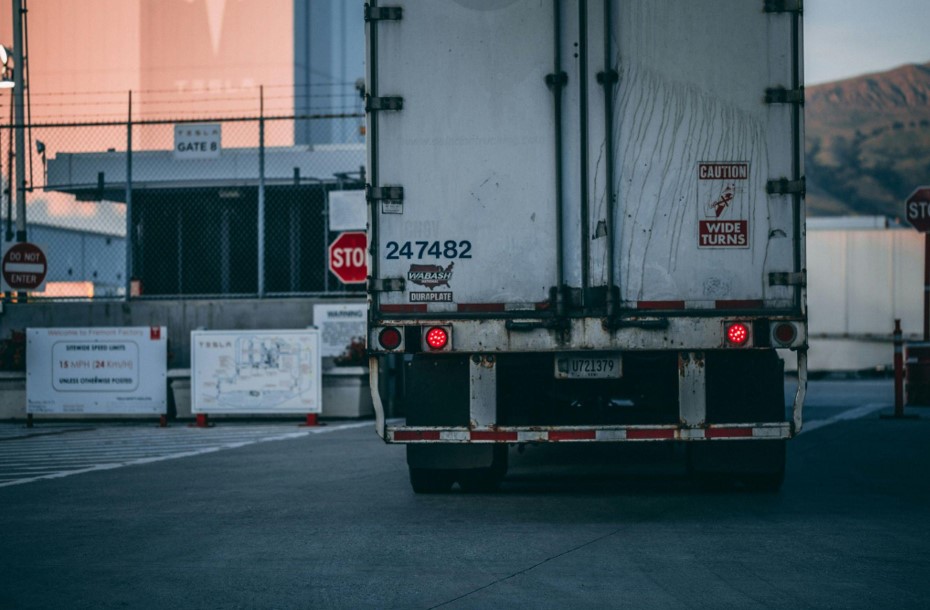
Holiday orders are stacked high, trailers are lined up and ready, yet trucks are nowhere in sight. This gap between available freight and available power is what slows many retailers when demand spikes. Power only trucking fills that gap, letting companies move goods faster without scrambling to source full fleets.
Retailers are drawn to the model because it provides agility during crunch times, whether that means handling seasonal surges, supporting short-term distribution centers, or managing trailer pools more efficiently. It’s not just a logistics tactic; it’s a competitive advantage that keeps shelves stocked and delivery promises intact when consumer expectations are unforgiving.
How Power Only Differs from Standard FTL
At first glance, both power only and FTL shipping involve a single tractor-trailer unit on the road. The distinction comes from ownership and control. In FTL shipping:
● The carrier provides both tractor and trailer.
● The shipper simply books space and schedules pickup.
● The carrier manages equipment utilization.
In power only:
● The shipper owns or leases trailers
● The carrier provides just the tractor and driver
● The shipper decides when and how trailers are loaded, staged, or swapped
Because of this difference, many retailers see value in setting up trailer pools they can preload at their own pace, then call in a carrier when needed. Partnering with tow away services makes it easier to coordinate those moves, since the tractor arrives only when the trailer is ready.
Why Retailers Are Embracing It
Ecommerce and omnichannel retail have introduced new pressures on fulfillment, from next-day delivery promises to unpredictable demand surges. Power only trucking offers a practical release valve for those challenges. Retailers care about this approach for several reasons:
● Peak season overflow: During the holidays, trailer pools can be staged in advance, allowing drivers to simply hook up and go without waiting for live loading.
● Pop-up distribution centers: Temporary or seasonal DCs can operate with preloaded trailers ready for pickup, supporting flexible inventory positioning.
● High-volume goods: Items like appliances, furniture, or bulk packaged goods are easier to manage when retailers control the trailer loading and staging process.
● Scalability: Merchants can expand capacity quickly without negotiating long-term contracts for additional trailers.
Impacts on Lead Times and Delivery Promises
In ecommerce, search rankings and conversion rates depend heavily on fulfillment performance. Retailers know that late deliveries affect not only customer satisfaction but also SEO and CRO metrics tied to on-time delivery promises. Power only trucking influences these outcomes in several ways:
● Shorter lead times: Preloaded trailers reduce dock congestion and waiting hours.
● Reliable delivery windows: Consistency in pickups helps retailers maintain accurate estimated delivery dates.
● Flexible staging: Trailers positioned closer to major markets shorten final-mile timelines.
● Reduced delays: Driver time is maximized since they spend less time waiting and more time on the road.
Common Use Cases in Modern Retail
Practical applications are multiplying as more retailers integrate power only into their logistics mix. Some of the most frequent use cases include:
● Holiday surges where warehouses and stores push out more trailers than they can normally handle.
● Regional promotions that require pop-up inventory points near urban centers.
● Trailer pools at ports or intermodal hubs to manage import surges without bottlenecking drayage carriers.
● Overflow storage in markets where real estate is expensive, using trailers as rolling stockrooms.
The Technology Factor
Retailers using power only also rely heavily on technology to keep everything synchronized. Load boards, digital freight matching platforms, and transportation management systems make it possible to book tractors quickly when trailers are staged and ready. Advanced tracking tools ensure transparency so retailers know exactly where each unit is and when it will arrive. As automation spreads through supply chains, the efficiency of power only will become even more important.
Internal Alignment Matters
For retailers, adopting power-only trucking is not just about booking tractors. Internal logistics teams must align with marketing and operations groups to make the most of the model. Internal communication is critical when promising fast delivery on websites or launching seasonal product drops.
If the operations team has staged trailers but the marketing team overpromises timelines without coordination, customer trust can erode. Retailers that excel in this area create strong internal frameworks that match shipping capacity with customer-facing messaging.
Why the Trend Is Likely to Grow
Looking ahead, the forces pushing retailers toward power only will only intensify. The continued rise of ecommerce, coupled with the labor challenges in trucking, means that flexible solutions will remain in high demand.
Trailer ownership gives retailers more control over inventory and staging, while outsourcing tractors reduces the need for driver management and fleet maintenance. For companies balancing thin margins with growing customer expectations, this hybrid model delivers measurable advantages.