

720 vs 1080: 9 Critical Truths Most People Completely Ignore
720 vs 1080 is one of those comparisons that sounds extremely simple at first, almost boring. One number is bigger, so it must be better, right? But once you actually live with different screens, devices, internet speeds, and content types, the whole debate becomes way more nuanced than most people expect. People love to argue that 1080p is always better than 720p, end of story. That argument looks great on paper and spec sheets, but real life doesn’t work like marketing slides.
The truth is, the difference between 720 and 1080 depends heavily on how you watch, what you watch on, how far you sit from the screen, and what actually bothers you as a viewer. Some people are obsessed with sharpness. Others just want smooth playback with no buffering. And most people fall somewhere in between without even realizing it.
If you’ve ever wondered whether upgrading from 720p is actually worth it, or if you’re trying to decide between 1080 vs 720 for a TV, phone, laptop, or camera, this article will clear the noise. We’re not here to worship numbers. We’re here to talk about real usage, real trade-offs, and real-life experience. Let’s break it down honestly, without marketing hype or tech elitism.
Find More: 10 Must-Know YouTube Video Size Tips to Avoid Blurry Uploads
Understanding the Basics of 720 vs 1080 Resolution
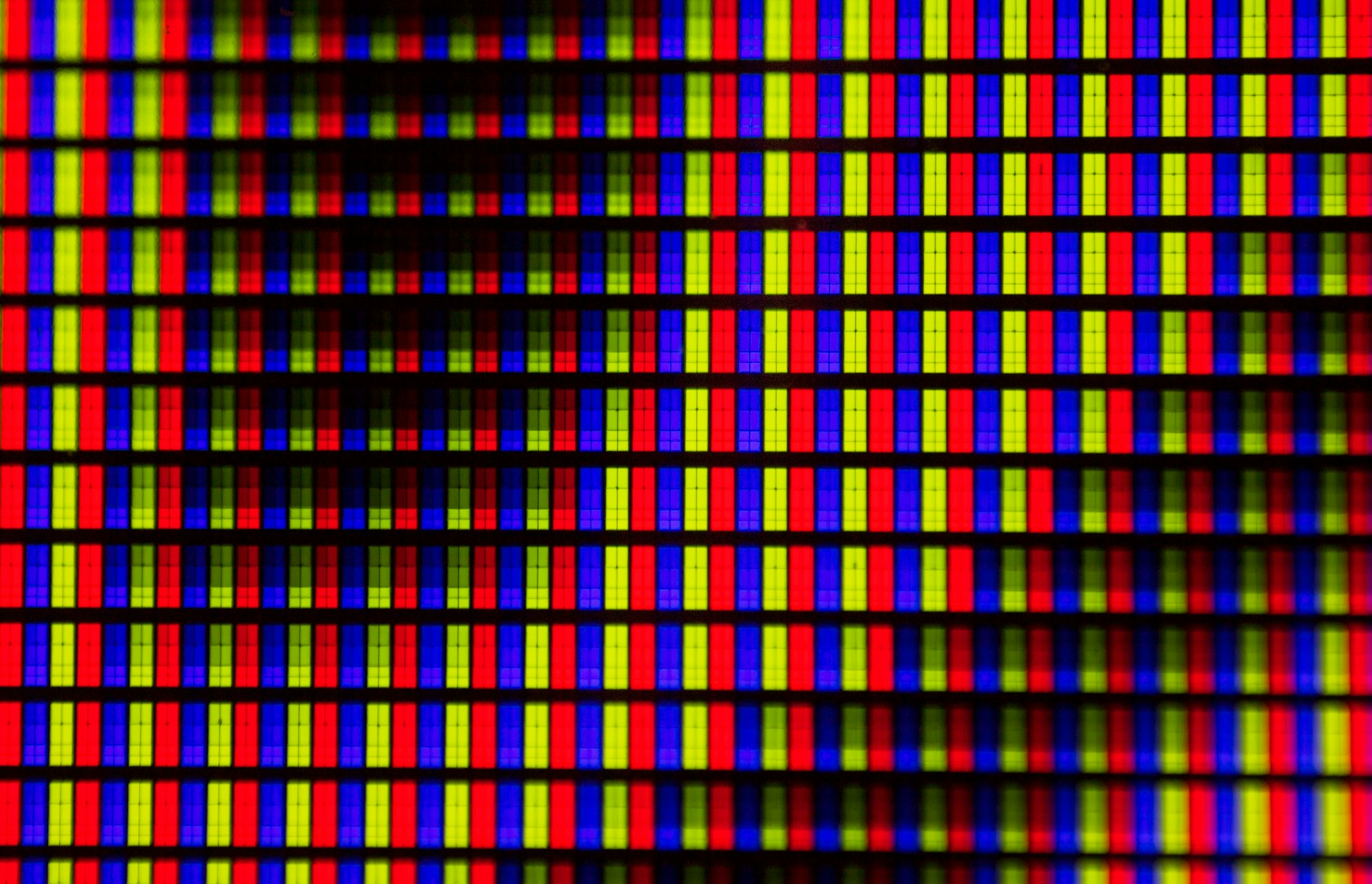
Before we get into the truths people ignore, it helps to understand what we’re really comparing and why these numbers matter in the first place.
What Does 720p Mean?
720p refers to a resolution of 1280×720 pixels. That comes out to roughly 921,600 pixels on the screen. It’s officially considered HD, and for many years it was the default standard for TV broadcasts, YouTube videos, early streaming platforms, and even gaming consoles. If you watched TV in the late 2000s or early 2010s, you were almost certainly watching a lot of 720p content.
When people talk about 720 vs 1080 resolution, 720p is the lighter option. It demands less from your internet connection, less from your device’s processor, and less from your storage. That’s not a flaw by default — it’s a design trade-off.
What Does 1080p Mean?
1080p, also known as Full HD, has a resolution of 1920×1080 pixels. That’s a little over 2 million pixels, which is more than double the pixel count of 720p. On paper, this means sharper images, clearer text, more visible detail, and less jagged edges.
This is why the 1080 vs 720 debate often feels one-sided. Bigger number, more pixels, better quality. And yes, in the right conditions, 1080p absolutely looks better. But those conditions don’t exist all the time for everyone.
How Screen Resolution Actually Affects Image Quality
Here’s the part most people completely forget: resolution alone does not decide how good something looks. Screen size, viewing distance, panel quality, color accuracy, content compression, and even your eyesight all play a role.
That’s why tv 720 vs 1080 discussions can get confusing. The same movie can look noticeably sharper on one TV and almost identical on another. Resolution is important, but it’s only one piece of a much bigger puzzle.
720 vs 1080 — The 9 Critical Truths Most People Completely Ignore
Now let’s get into the part people usually skip when arguing online.
Truth #1: The Difference Depends on Screen Size
On a small screen, like a phone or compact tablet, 720 vs 1080 often looks almost the same. On a 6-inch display, cramming in more pixels doesn’t magically transform the experience. Your eyes just don’t have enough surface area to appreciate all that extra detail.
But once you move to larger screens — 40-inch, 50-inch, or 55-inch TVs — the difference starts to become more visible. This is where 1080p begins to justify itself visually.
Truth #2: Viewing Distance Matters More Than Resolution
How far you sit from your screen matters more than most people realize. If you’re sitting far from your TV, your eyes physically cannot resolve all the extra detail that 1080p provides.
In a typical living room setup, many people are simply too far away to fully benefit from Full HD. This is a huge reason why tv 720 vs 1080 isn’t as dramatic as people expect in real-world setups.
Truth #3: 1080p Isn’t Always Sharper to the Human Eye
Human vision has limits. Past a certain point, adding more pixels does not increase perceived sharpness. For casual viewing — TV shows, YouTube videos, background content — the jump from 720 to 1080 can feel subtle rather than revolutionary.
That doesn’t mean 1080p is useless. It just means the benefit isn’t always obvious.
Truth #4: Content Quality Can Matter More Than Resolution
A well-encoded 720p video can look cleaner, sharper, and more pleasant than a badly compressed 1080p video. This happens all the time on streaming platforms.
So when comparing 1080 vs 720, never assume higher resolution automatically means better quality. Bitrate, compression, and source quality matter a lot.
Truth #5: Streaming Platforms Compress 1080p More Than You Think

To save bandwidth and money, streaming platforms heavily compress video, including 1080p streams. Sometimes that “Full HD” label is more marketing than reality.
In real-world streaming conditions, the visual gap between 720 vs 1080 resolution can shrink dramatically, especially during fast motion or dark scenes.
Truth #6: 720p Can Perform Better on Slower Internet
If your internet connection isn’t stable, 720p usually provides a smoother, more reliable experience. Fewer pauses, less buffering, and faster load times.
This is one of the biggest reasons many people still choose 720 over 1080 for everyday streaming, even when higher resolutions are available.
Truth #7: Gaming Performance Differs Between 720 vs 1080
In gaming, resolution directly affects performance. Running games at 720p puts less strain on your GPU and CPU, which can result in higher frame rates and more consistent gameplay.
For competitive gamers, smoothness often matters more than sharpness. In this context, 720 vs 1080 becomes a strategic decision, not a visual one.
Truth #8: Battery Life and Performance Are Affected by Resolution
On laptops, tablets, and smartphones, higher resolution displays consume more power. A 1080p screen often drains battery faster than a 720p screen.
If battery life is important to you, especially when traveling or working remotely, 720p can actually be the smarter and more practical choice.
Truth #9: Many Devices Don’t Display True 1080p Anyway
Not all screens show native resolution perfectly. Some displays upscale content, which means your “1080p” video may not be displayed pixel-for-pixel.
This is especially common on budget TVs and monitors, making the real-world difference between 720 and 1080 smaller than expected.
720 vs 1080 for Different Use Cases
This is where the debate becomes practical.
Watching Movies and TV Shows
For large TVs and high-quality Blu-ray content, 1080p does offer a clearer, more detailed image. But for casual Netflix, cable, or satellite TV viewing, 720p is often perfectly acceptable and sometimes indistinguishable.
YouTube and Online Streaming
YouTube compression plays a huge role here. Many creators intentionally upload in 720p because it offers a good balance between quality and performance. For most viewers, the difference isn’t worth the extra data usage.
Gaming on Consoles and PCs
On older consoles or mid-range PCs, 720p can dramatically improve performance. Competitive players often prioritize frame rate and responsiveness over raw image sharpness.
Smartphones, Tablets, and Small Screens
On small screens, 720p still looks surprisingly good. This is why many budget and mid-range phones stick with it — and most users never complain.
Data Usage and Performance — 720 vs 1080 Explained
Resolution affects more than just how sharp things look.
Bandwidth and Internet Speed Requirements
1080p uses significantly more data than 720p. If you’re on a limited internet plan or rely on mobile data, this difference can add up quickly.
Storage Space and File Size Comparison
Videos recorded in 1080p take much more storage space. This is especially important when comparing an 1080 vs 720 camera for long recordings or limited memory cards.
Smooth Playback vs Visual Sharpness Trade-Off
A smooth, uninterrupted 720p experience often feels better than a stuttering, constantly buffering 1080p one. Comfort matters more than specs.
When Should You Choose 720 Over 1080 (And Vice Versa)?
There is no universal winner.
Situations Where 720p Makes More Sense
Small screens, slower internet connections, limited storage, older hardware, and situations where battery life matters.
Situations Where 1080p Is Worth It
Large TVs, close viewing distances, high-quality source content, video editing, and situations where detail truly matters.
Quick Decision Guide Based on Your Needs
Ask yourself one simple question: what do you actually notice more — slightly softer visuals or interruptions, lag, and buffering?
Conclusion — So, Is 720 vs 1080 Really a Big Deal?
For most people, 720 vs 1080 isn’t about right or wrong. It’s about context. Yes, 1080p is objectively sharper. But sharper doesn’t always mean better in daily life.
Once you factor in screen size, viewing distance, internet speed, battery life, and content type, the “best” choice becomes personal. Choose what fits your habits, not what sounds best in a spec comparison.
Find More: Boost Your Sales With SEO Services
FAQs
1. Is 1080p noticeably better than 720p?
On large screens and at close distances, yes. On smaller screens or from far away, the difference can be minimal.
2. Can the human eye see the difference between 720 and 1080?
Sometimes. It depends on screen size, viewing distance, eyesight, and content quality.
3. Is 720p good enough in 2025?
For many use cases like streaming, casual viewing, and mobile devices, absolutely.
4. Does 1080p use more internet data than 720p?
Yes. 1080p consumes significantly more data, especially during long viewing sessions.
5. Should I choose 720 or 1080 for gaming and streaming?
Choose based on your screen size, hardware performance, and internet stability — not hype.