
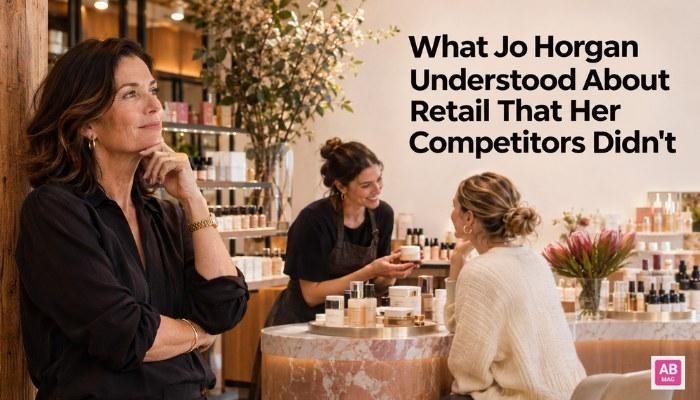
Jo Horgan understood that Aussie beauty shoppers wanted honest advice and a store worth visiting. So she built Mecca around both while her rivals chased discounts and brand-owned counters. Her story offers the kind of retail lessons we explore at Australian Business Magazine.
Back in the late 1990s, buying makeup in Australia meant standing at a department store counter. The person serving you worked for one brand, so their advice always pointed to that brand’s shelf.
This guide covers how Mecca started, the four retail bets that set it apart, and the numbers behind its growth. Stick around for lessons you can use in your own business.
Who Is Jo Horgan, and How Did Mecca Start With One Store in South Yarra?
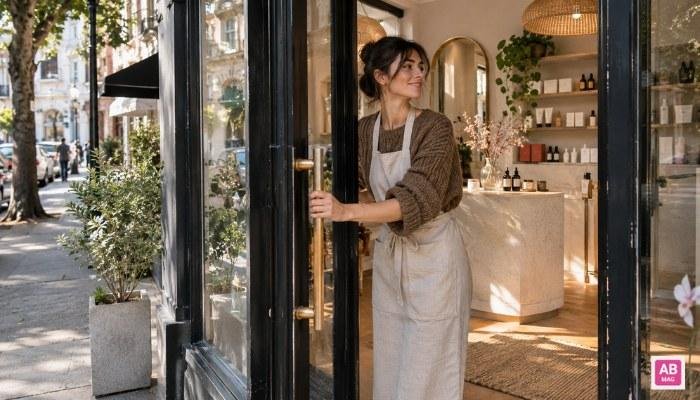
Jo Horgan founded Mecca in 1997, opening its first store on Toorak Road in South Yarra. Before that, she’d spent years in brand marketing at L’Oréal, so she knew how beauty brands sold to shoppers.
Her insider view showed her a gap. Australian shoppers couldn’t easily buy the cult labels she’d seen overseas, and nobody in local stores offered advice across competing names (a big miss for a whole continent of shoppers).
That’s why she opened a small shop stocking hard-to-find brands side by side, where staff could recommend whatever suited each customer. It’s the kind of simple idea you’d swear someone must have tried already, yet nobody here had.
From there, Mecca grew store by store across Australia and later into New Zealand. Her husband, Peter Wetenhall, eventually joined her as co-CEO, and the pair still run the business together today.
The Mecca Difference: Four Retail Bets Jo Horgan Made While Her Rivals Played It Safe
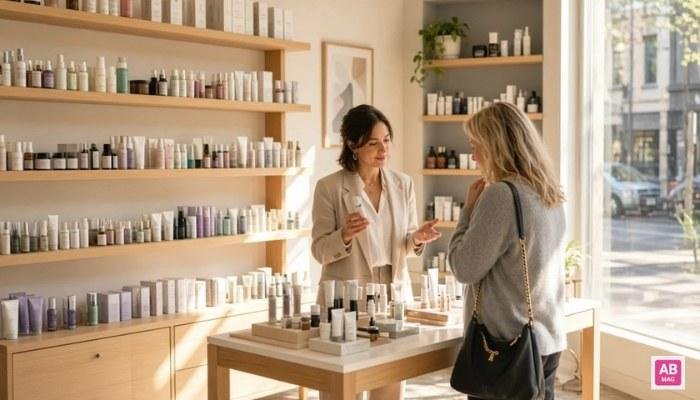
Plenty of retailers in the 1990s treated beauty retail as a price game. Horgan went the other way and put her money into people and stores. Below, we’ve explained the four bets that set Mecca apart and still influence how the business operates today.
Many Brands Under One Roof, With No Brand Owning the Counter
Department stores like David Jones had separate counters for beauty brands, and those brands often employed their own staff. Under that setup, recommendations naturally leaned towards whatever the adviser had on their own shelf.
Mecca took a different approach. When its first store opened in 1997, it stocked seven international beauty brands under one roof. Staff could discuss products across those ranges and recommend options based on the customer’s skin, budget, and goals.
That gave shoppers room to compare products without moving between counters or hearing a different sales pitch at each one. Someone looking for a foundation, for example, could ask about several brands during the same visit.
So if you sell other people’s products, check whose interests your staff serves. Customers notice quickly when advice leans one way.
Why Staff Training Came Before Discounting
Training came ahead of price cuts because a skilled adviser gives shoppers a reason to return. A 2025 Stanford Graduate School of Business case study on Mecca reported that the retailer outperformed Sephora in Australia. It credited Mecca’s investment in education, culture, and customer experience over discounting.
Since no billboard can answer a question about sensitive skin, Mecca staff learn ingredients, techniques, and product knowledge in depth. Shoppers come back because they trust the person helping them.
Before your next marketing spend, compare it with your training budget. If staff struggle to answer common customer questions, extra training will do more good than another advert.
Treating the Store as a Playground Rather Than a Sales Floor
Every Mecca store invites people to test, play and stay a while. Testers sit out openly, and staff encourage trying things on with no pushy sales pitch. You can try a lipstick, compare foundation shades or ask about skincare without feeling rushed into buying.
A relaxed feel like that makes a visit enjoyable in itself (something online shopping still can’t properly copy at home). Shoppers get to see how products look and feel before spending their money. And longer visits give shoppers more time to find something they love.
For Mecca, that experience gives people a reason to visit even when they aren’t planning to buy anything. Someone who drops in to try a new fragrance might remember the store when they’re ready to purchase. The visit itself becomes part of what keeps customers coming back.
Beauty Loop: Rewarding Loyal Customers With Perks and Early Access
Members of Mecca’s Beauty Loop loyalty program earn perks, samples and early access to new products. A shopper might try a skincare sample, find something they love, and return for the full-sized product.
Beauty Loop also gives Mecca insight into customer shopping habits. That cycle, sample to discovery to full-sized purchase, runs without a single discount.
Mecca’s Growth From One Shop to a Billion-Dollar Beauty Business Proves the Model Works
Those four bets now show up in the accounts. According to The Nightly’s 2025 report on Mecca cracking $1b in sales, revenue reached $1.2b in 2023, up from $971.5m in 2022. Their net profit also rose from $26.9m to $27.8m.
This growth came during a tough period for Aussie households, with cost-of-living pressures putting everyday spending under strain. Yet shoppers were still buying makeup, skincare and fragrance at Mecca.
Plus, the business grew without selling out to a global giant. Horgan and Wetenhall kept Mecca privately held while expanding its stores and product range. By 2023, the retailer had over 100 stores across Australia and stocked over 200 brands.
Those numbers are a long way from the seven brands Horgan started with in South Yarra back in 1997. And while revenue tells us how big Mecca has become, the rise in profit suggests the business was also earning more from its growth.
Taking Jo Horgan’s Retail Lessons Into Your Own Aussie Business
You don’t need a billion-dollar budget to borrow from the Mecca founder’s playbook. At Australian Business Magazine, we share founder stories that offer aspiring entrepreneurs practical lessons for building their own businesses.
If you’re interested in putting Jo Horgan’s lessons to work, have a look at the three below.
Serve the Customer First: Advice should fit the buyer, even when it means a smaller sale. Over time, that honesty builds the trust that brings people back. Review your sales scripts this month and cut anything that pushes one product too hard.
Back Your Team: Well-trained staff answers questions that ads never can. Even one hour of weekly training helps your team handle common customer questions. Recent customer enquiries are a good place to find topics worth covering.
Reward Regulars Early: Loyal customers deserve recognition before they drift to a competitor. A simple points card is one way small shops can show their appreciation. Even a handwritten thank-you or birthday offer gives regulars a reason to feel valued.
A small shop might start with better product advice this week, then add staff training or a loyalty reward later. The important part is giving each change enough time to see how customers respond.
Ready to Build Something Your Competitors Won’t Copy?
Jo Horgan’s journey shows what happens when a business sticks with its decisions long enough to see results. Mecca started with seven beauty brands in one South Yarra shop and grew into a billion-dollar retailer. Its success gives Aussie business owners plenty to think about, especially when short-term sales pressures make bigger plans harder to follow.
You don’t need to copy Mecca’s entire approach. Better staff training, a more welcoming store or a small reward for regular customers could be a good starting point.
And every business has its own story to tell. If you’ve learned something along the way, Australian Business Magazine would love to hear about it. Share your business journey with us, or subscribe to our newsletter for more Aussie founder stories.