...
UK: +44 2038074555 info@atamgo.com
The Ultimate Ecommerce Hosting for WooCommerce and Elementor Online Stores

The Ultimate Ecommerce Hosting for WooCommerce and Elementor Online Stores

Ecommerce hosting for WooCommerce and Elementor

Your digital storefront is your online store. For it to be successful, it requires a solid and trustworthy foundation. Your web hosting is this crucial base. A website with poor hosting is unreliable, insecure, and annoying. This turns off potential buyers before they’ve even seen your merchandise. A top-notch host guarantees that your store is always online, quick, and safe. This is absolutely essential for increasing your sales and gaining the trust of your customers.

Elementor and WooCommerce are extremely powerful tools. They allow you the flexibility to create stunning and incredibly useful online stores. However, there are certain technical requirements for this power. Compared to a basic blog or portfolio website, they demand a lot more server resources. You need to pick a host that is designed to meet their needs. A dedicated host avoids frequent and expensive problems. It prevents frustrating errors, slow speeds, and crashes. Your brand’s reputation and revenue will be directly impacted by the ecommerce web hosting you choose.

Why Specialized Hosting is Crucial for an Elementor and WooCommerce Store

Amazing and nearly limitless design freedom is offered by Elementor. There is a technical price for this freedom. To function properly, it adds a lot of code and uses a lot of server power. This heavy load is simply too much for a simple, low-cost hosting plan to manage. The speed of your website will drop to a crawl. Your user experience, SEO rankings, and professional reputation are all negatively impacted by this.

The Unique Demands of Elementor and WooCommerce

A visual drag-and-drop page builder is called Elementor. It enables you to produce entirely original and customized designs. Without writing a single line of code, you can create anything you can think of. Complex code is produced in the background by this creative process. Every visitor must be able to quickly process this code on your server. The power and optimization required for this demanding task are absent from standard, generic hosting plans. The best eCommerce hosting for Woocommerce is required.

Strong processing power (CPU) is required for your server. Additionally, it requires a significant amount of RAM. WooCommerce and Elementor make extensive use of these resources. The server’s load increases with each visitor to your website. This demand can be easily and effectively handled by a strong and well-optimized host. No matter where a user is, your pages will load quickly for them. This keeps your clients satisfied, involved, and more inclined to buy from you.

Your store will suffer significantly if you don’t have appropriate and specialized hosting. It will feel like the Elementor editor is moving slowly. It will take an excruciatingly long time to save your changes. Your customers won’t be able to access your live site quickly. During busy times, your pages may even not load at all. As a result, the user experience is awful. It turns running your own store into a tedious and exasperating task. It is a surefire way to fail.

Exploring Top Hosting Solutions for Ecommerce

The market offers a wide variety of hosting options. It’s critical to realize that not all of them are appropriate for a legitimate online store. For instance, shared hosting is incredibly inexpensive, but it’s also very unreliable and weak. Although dedicated servers are incredibly powerful, they are also very costly and complex. Two primary options stand out as the best options for the majority of Elementor and WooCommerce stores. These are cloud and managed hosting.

The Power of Managed Hosting

Managed hosting is an expensive, non-interactive service. All of the complicated and technical work is done for you by the hosting company. They oversee all security patches and server updates. They actively enhance the functionality of your server. For the majority of store owners, this is the ideal solution. It implies that operating a profitable store does not require you to be an expert server. The host turns into a reliable technical collaborator.

You save a great deal of time and stress with this useful service. The hassle of complicated server maintenance is entirely avoidable. The team of professionals from the host will optimize your server. They will make certain that it is always operating at its very best. The primary justification for selecting ecommerce web hosting is this professional assistance. It enables you to concentrate on your strongest suit. You can successfully manage and expand your store.

The Flexibility of Cloud Hosting

A vast network of linked servers is used for cloud hosting. The resources on your website are dispersed throughout this network. Because of this, it is very scalable and flexible. Your store can quickly adjust if there is an unexpected and significant spike in traffic. On demand, the cloud network will supply additional resources. Under pressure, your website will remain up and running quickly. It is a strong and contemporary hosting option.

This built-in scalability is ideal for stores that are expanding and ambitious. The pressures of a holiday rush or a flash sale are manageable. When a large number of people visit your site, it won’t crash. Additionally, you usually only pay for the resources that you really utilize. This offers tremendous power and great value. It is an excellent option for retailers who intend to expand significantly. The best ecommerce hosting for Woocommerce is this one.

The limitations of traditional shared hosting are extremely stringent and low. Numerous other websites share a limited set of resources with you. Your site will lag if one of those other sites receives a lot of traffic. When you need more resources, you can’t scale them up. It’s highly likely that your website will crash during periods of high traffic and importance. Customers become extremely irate and sales are lost as a result. It is not worth taking the chance.

Key Features Your Ecommerce Host Must Offer

When selecting a host, it’s important to carefully consider the features they provide. For a contemporary e-commerce site, some features are simply unavoidable. These consist of proactive security measures, a global CDN, and sophisticated caching. They are the fundamental building blocks of a successful, safe, and quick online store. All of them must be provided by the host you have selected.

Caching and Content Delivery Networks (CDNs)

One important and necessary speed technology is caching. Static copies of your pages and posts are produced as part of its operation. These static copies can then be swiftly delivered by your server. The page does not need to be recreated for each and every visitor. This speeds up your website and significantly lessens the strain on your server. This caching will be set up and managed for you by a reputable ecommerce web hosting company.

Another crucial tool for speed is a content delivery network, or CDN. It keeps copies of the pictures and videos on your website. It accomplishes this through a global network of servers. These assets are served by the CDN when a user visits your website. The server that is closest to the user geographically is used. Because of this, your website loads incredibly quickly for visitors from all over the world. It is necessary for an excellent global user experience.

Your server must work far too hard without efficient caching. Each page request must be processed and constructed from the ground up. All of your visitors will find your site extremely slow as a result. Any foreign visitors will find your site extremely sluggish without a CDN. A lower conversion rate and fewer sales will result from these speed problems. For websites using Elementor and WooCommerce, they are essential to get right.

Proactive Security and Reliable Backups

The key to proactive security is prevention. Threats should be actively blocked by your host before they have a chance to damage your website. Using a strong and properly configured firewall is part of this. It also entails running routine, automated malware scans. They ought to be capable of promptly identifying and resolving vulnerabilities. By doing this, hackers and other bad actors are prevented from accessing your store. It safeguards your company, data, and clients. The best eCommerce hosting for Woocommerce is this one.

Your best defense is a daily and automated backup. You can easily restore your website in the event that something goes wrong. These backups will be made for you automatically by a competent host. To further protect them, they will keep them safely off-site. It should only take one click to restore your website. For any business owner, this offers amazing peace of mind. It is a feature that every online store must have.

Without these essential components, your website is very susceptible. A successful hack might erase all of your important information. Your entire website could be destroyed by a simple plugin update. You would lose everything if you didn’t have a current and trustworthy backup. Your store would need to be completely rebuilt from the ground up. Such a catastrophe would have a devastating financial and psychological impact and might even end a business.

Conclusion

Making the right choice for ecommerce web hosting is crucial. It will have a direct impact on the overall success, security, and speed of your store. Cheap, generic hosting is just insufficient for a powerful combination like Elementor and WooCommerce. You require a solution designed especially to meet their particular and exacting requirements. Your store will function flawlessly for your customers if you do this. It safeguards both your hard-earned brand reputation and your priceless customer data.

A host with enormous power, strong security, and knowledgeable, round-the-clock support is what you should pick. A global CDN, sophisticated caching, and automated daily backups are all important features to look for. In the long term, a managed hosting plan is frequently the greatest and most economical option. It offers priceless mental tranquility. It enables you to devote all of your energy to expanding your company. Invest wisely and strategically in the foundation of your hosting business. It is the most crucial and ideal choice you can make for your web store.


7 Genius Ways to Save TikTok Videos Without Watermark

7 Genius Ways to Save TikTok Videos Without Watermark

Save TikTok Videos Without Watermark

Introduction: Why People Want to Save TikTok Without Watermark

Save TikTok without watermark — if you’ve ever tried to download a TikTok video directly from the app, you already know the struggle. TikTok automatically stamps its logo and the creator’s handle all over the video. While that’s great for giving credit, sometimes you just want a clean version. Maybe you want to share it on Instagram Reels, use it in a presentation, or simply keep it in your phone gallery without the distracting watermark bouncing around.

And honestly, who can blame you? Watermarks can ruin the aesthetic of your content. Imagine putting together a slick video montage for YouTube Shorts, and there’s this TikTok logo bouncing around every two seconds. Not fun. That’s why people search phrases like how to save TikTok without watermark, save TikTok video without watermark, or TikTok save without watermark. Whether you’re a casual TikTok fan or a social media creator looking to repurpose videos, learning how to save a TikTok without the watermark can really make your life easier.

The good news? There are plenty of clever tricks to do exactly that. In this guide, I’ll walk you through 7 genius ways to save TikTok without watermark, breaking down the pros, cons, examples, and real-life scenarios where each method shines. By the end, you’ll know which approach fits your style best.

So, let’s dive in and make your TikTok saving game a whole lot smarter.

Find More: 21 Must-Know TikTok Emojis That Gen Z Use

7 Genius Ways to Save TikTok Without Watermark

1. Use Online TikTok Video Downloaders

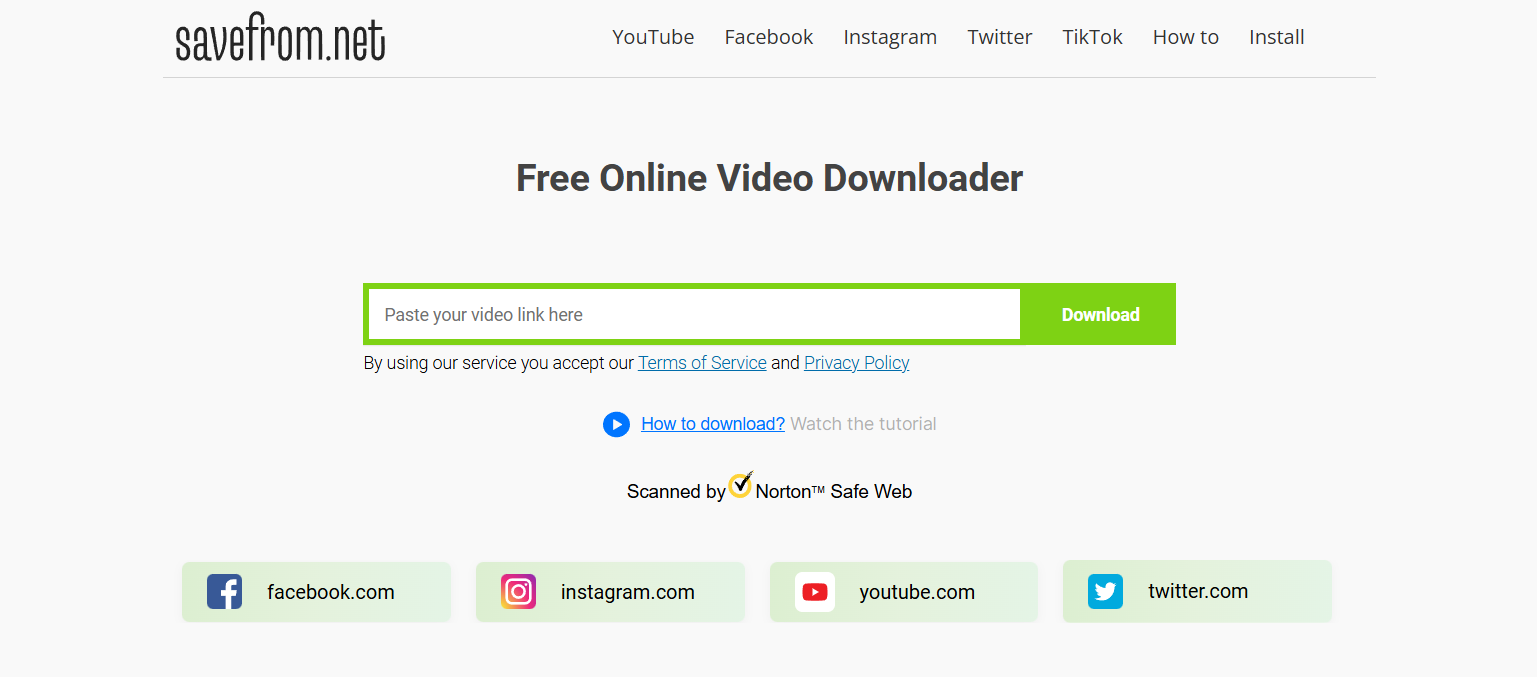
Freemake Video Downloader

This is probably the most popular option because it’s quick and doesn’t require installing anything. You just copy the TikTok link, paste it into a downloader website, and hit download. Boom — clean video, no watermark.

How it works:

  • Open TikTok and copy the link of the video you want.
  • Head to a site like SnapTik, SaveTT, or SSSTik.
  • Paste the link and download the watermark-free version.

Real-life scenario: Let’s say you found a cool cooking tutorial and want to keep it in your recipe collection. Using an online downloader means you can save the video cleanly without the watermark cluttering up your notes.

Pros:

  • Free and super easy.
  • Works on both phone and desktop.
  • No need to sign up or create an account.

Cons:

  • Some sites are loaded with ads and pop-ups.
  • Quality might drop slightly depending on the tool.
  • Requires an internet connection.

2. Save TikTok Videos Without Watermark Using Mobile Apps

If you’re always on your phone, a dedicated app can make things smoother. There are apps for both iOS and Android built specifically to download TikTok videos without watermark.

Best options:

  • For Android: Video Downloader for TikTok (many on Play Store)
  • For iPhone: Reposter for TikTok or TikSave

How it works:

  • Copy the link of the TikTok video.
  • Open the app and paste the link.
  • Save directly to your gallery without watermark.

Pros:

  • Super convenient if you download often.
  • Some apps let you manage or edit videos right inside.
  • Saves time compared to online tools.

Cons:

  • Free versions may have ads or watermarks of their own.
  • Some require in-app purchases for HD quality.
  • Not all apps are equally safe, so stick to trusted ones.

3. Download TikTok Without Watermark via Desktop Tools

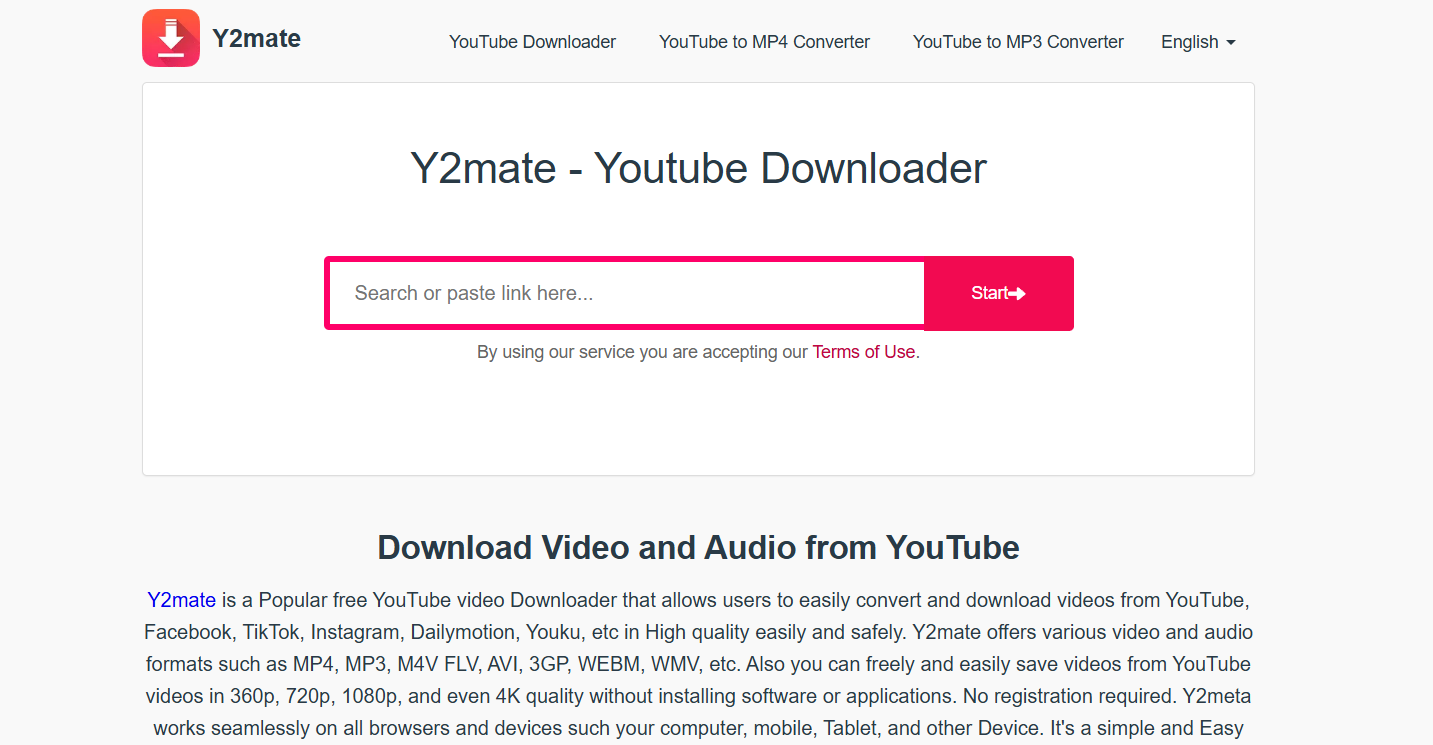
Tiktok Marketing

If you’re someone who edits videos on your computer, desktop tools are a lifesaver. These programs often give you more control over video quality, file format, and organization.

How to do it:

  • Copy the TikTok link.
  • Use a desktop program like 4K Tokkit or Allavsoft.
  • Download in your preferred resolution (up to 4K in some cases).

Why it’s great: Desktop tools are perfect for people who batch-download. For example, if you run a content curation channel and want to grab 50 TikTok videos at once, tools like 4K Tokkit can handle it easily.

Pros:

  • High-quality downloads up to HD or 4K.
  • Batch downloading possible (great for creators).
  • Some tools allow you to schedule downloads.

Cons:

  • Requires installation.
  • Some premium features are behind paywalls.
  • Slight learning curve if you’re new to video tools.

4. Screen Recording as a Simple Trick

This is the old-school hack, but it still works like a charm. If you don’t want to rely on apps or websites, just screen record while the video plays.

Steps:

  • Start screen recording on your phone (iOS and Android both have this built-in).
  • Play the TikTok video in full screen.
  • Stop recording and trim the beginning and end.

When to use it: Screen recording is handy when downloaders aren’t working or when TikTok restricts certain videos from being saved.

Pros:

  • Doesn’t require third-party tools.
  • Works even if downloaders are down.
  • Flexible: you can record any video, even ones with disabled downloads.

Cons:

  • Quality depends on your device.
  • Requires manual trimming to look clean.
  • Not ideal for large batches of videos.

5. Use Telegram Bots or Cloud Services

If you’re a Telegram user, this is a fun trick. There are bots that automatically download TikTok videos without watermark and deliver them straight into your chat.

How it works:

  • Find a TikTok downloader bot on Telegram (search “TikTok bot”).
  • Send the TikTok link.
  • The bot replies with a clean version you can save.

Example: Imagine you’re sharing funny TikToks in a Telegram group with your friends. Instead of flooding them with links, you can send the clean, watermark-free version right inside the chat.

Pros:

  • No installation needed beyond Telegram.
  • Works fast and keeps your downloads organized.
  • Cloud-based, so you can access them anywhere.

Cons:

  • You need a Telegram account.
  • Bots sometimes go offline or stop working.
  • Limited by Telegram’s file size restrictions.

6. Browser Extensions for Quick Downloads

If you spend more time on TikTok using a web browser, extensions can save you clicks and make downloading seamless.

Steps:

  • Install a TikTok downloader extension for Chrome, Firefox, or Edge.
  • Open TikTok in your browser.
  • Click the extension icon to download watermark-free videos.

Why it’s useful: If you’re browsing TikTok for inspiration at work or school on a laptop, you can quickly save interesting clips without having to switch to your phone.

Pros:

  • Convenient for desktop browsing.
  • One-click downloads.
  • Can save multiple formats.

Cons:

  • Only works on desktop.
  • Some extensions may stop working if TikTok updates its system.
  • Needs regular updates for security.

7. Save TikTok Without Watermark Using Editing Tools

If you’ve already downloaded a TikTok but it has a watermark, don’t worry — you can still fix it with editing software.

Options:

  • Crop the video to cut out the watermark.
  • Use watermark remover tools (InShot, Adobe Premiere, or online removers).
  • AI-powered watermark removers for faster results.

Example: Say you downloaded a travel vlog on TikTok last month but forgot to remove the watermark. With InShot, you can crop or blur out the logo and still keep the video looking clean.

Pros:

  • Gives you control over the final look.
  • Can be used for videos you’ve already saved.
  • Useful for editing other elements too.

Cons:

  • Time-consuming.
  • May lower video quality if not done carefully.
  • Requires basic editing skills.

Conclusion: Choose the Best Way to Save TikTok Without Watermark

So, there you have it — 7 genius ways to save TikTok without watermark. From simple screen recording to powerful desktop tools, there’s a method for every type of user. If you want something quick and free, stick with online downloaders or mobile apps. If you’re a content creator who needs tons of videos in bulk, desktop tools or browser extensions might be your best bet.

At the end of the day, the choice comes down to your needs: convenience, quality, or speed. Try a couple of methods and see which one clicks for you. And remember: while saving videos is handy, always respect the original creator’s work. Give credit when it’s due — especially if you plan to repost.

Find More: Boost Your Sales With SEO Services

FAQs

1. How do I save TikTok videos without watermark for free?

You can use free online downloaders like SnapTik or SSSTik, or even screen record if you don’t want to use third-party apps. Many Telegram bots also work without charging anything.

2. Is it legal to save TikTok videos without watermark?

It depends. For personal use, it’s usually fine. But reposting without credit may violate copyright or TikTok’s terms. If you’re sharing for educational or private use, you’re generally safe.

3. Can I download TikTok videos in HD without watermark?

Yes, many apps and tools offer HD quality downloads, but sometimes you may need the paid version. Tools like 4K Tokkit are especially good for this.

4. What’s the safest TikTok downloader tool?

SnapTik and SaveTT are generally safe, but always watch out for fake or spammy sites. Stick with reputable tools that don’t ask for unnecessary permissions.

5. Can I save TikTok without watermark on iPhone and Android?

Absolutely! Both iOS and Android have apps and workarounds like online downloaders, dedicated apps, or Telegram bots that work perfectly.

6. Which method is best for creators?

If you’re a creator who needs bulk downloads, desktop tools like 4K Tokkit or browser extensions are the best. For casual users, online tools and apps are more than enough.

Tags:
7 Genius Ways to Download Snapchat Videos (No One Tells You About!)

7 Genius Ways to Download Snapchat Videos (No One Tells You About!)

snapchat video download

Introduction

Let’s be honest — if you’ve ever searched for snapchat video download, you’ve probably realized it’s not as straightforward as saving a picture from your gallery. Snapchat was designed to make content temporary, but sometimes you just need to keep that hilarious snap from a friend or save your own story before it disappears. Whether you’re looking for a way to download Snapchat video on your phone, a quick snapchat download video hack, or a reliable video download for Snapchat, this guide will walk you through the smartest and safest methods.

And here’s the twist — I’m not going to bore you with just the basics. I’ll show you 7 genius ways to download Snapchat videos that most people don’t even talk about, plus tips, examples, and some real-life scenarios where each method makes sense.

Find More: 7 Best Snap Story Viewer Apps to Watch Stories Anonymously

Why People Search for Snapchat Video Download Methods

There are plenty of reasons people look for these hacks:

  • Maybe a friend sent you a snap that made you laugh so hard you want to keep it forever.
  • Maybe you shared a story that you forgot to save before it expired.
  • Or maybe you’re a content creator who wants to repurpose your Snapchat videos for TikTok, Instagram Reels, or YouTube Shorts.

Some people even use Snapchat as a quick video editor because of its filters, and then wonder how to pull that content out of the app for later use. Whatever the case, you’re not alone — people search “download Snapchat videos” millions of times every year.

Is It Legal and Safe to Download Snapchat Videos?

Before diving in, let’s clear this up. Saving your own content? Totally fine and encouraged — Snapchat even makes it easy. Saving someone else’s snaps without permission? That’s where things get tricky. Always respect privacy and use these methods responsibly.

Also, beware of sketchy apps and sites that promise you free downloads but might be hiding malware. Later in this article, I’ll share how to avoid those pitfalls so you don’t end up compromising your account or your phone.

Now that’s out of the way — let’s get into the good stuff.

7 Genius Ways to Download Snapchat Videos (No One Tells You About!)

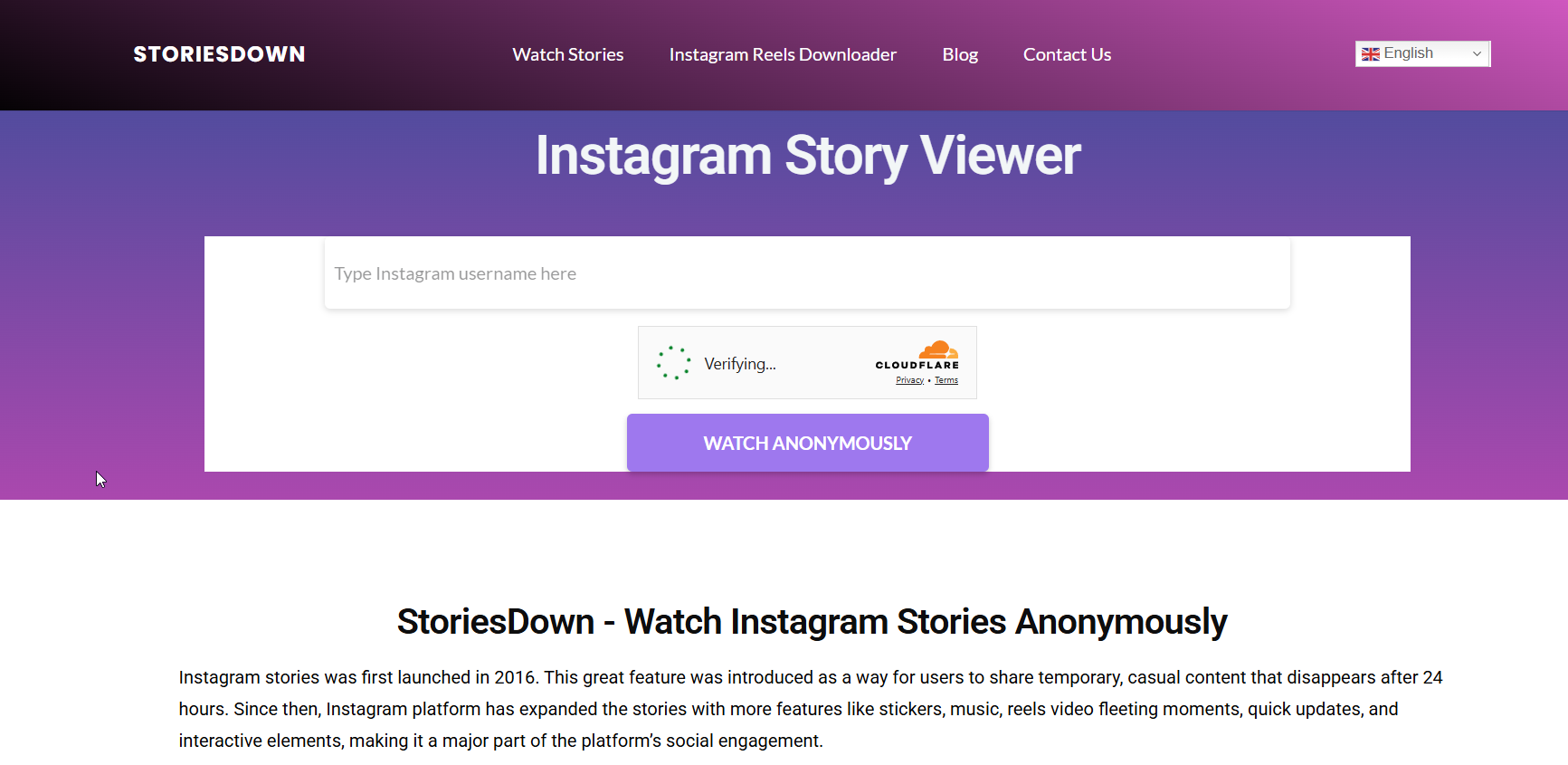
Snapchat Viewer

1. Use Snapchat’s Built-in Save Feature (For Your Own Videos)

The easiest way to download Snapchat videos is already built into the app.

  • Record a snap → Tap the save button → It goes straight to your Memories or Gallery.
  • For Stories, tap the three dots → “Save Story.”

When it’s best: Perfect for saving your own creations, stories, or funny snaps you want to share again elsewhere. If you’re making content for multiple platforms, this built-in save feature is your best friend.

Limitation: This only works for your own snaps, not someone else’s. But if you’re building a brand or want a personal archive, this method is golden.

2. Screen Recording Apps for Snapchat Video Download

One of the most popular hacks is using a screen recorder.

  • On iPhone: iOS has a built-in screen recorder (swipe down → tap the circle).
  • On Android: Most phones now include native screen recorders, but if not, apps like AZ Screen Recorder do the job.

Pro Tip: Snapchat used to notify users if you screen-recorded. On some devices, it still can. Test it with a friend before recording secretly.

Why it’s genius: You can capture anything — videos, chats, even disappearing snaps. Plus, once you have the screen recording, you can trim and edit it down to just the piece you want.

When it shines: If you need a quick solution and don’t want to bother with third-party apps, screen recording is universal and always accessible.

3. Online Snapchat Video Download Tools

If you want a quick, no-fuss option, there are online tools made just for this. Simply paste the link of the snap (if it’s shareable) into a snapchat download video site and hit download.

  • Example tools: SnapSave, SaveSnap, and similar.
  • Works for both stories and spotlight videos.

Pros: Super quick, no installation needed, and many are free.
Cons: Not all sites are trustworthy. Stick to reliable ones to avoid sketchy ads or malware. Always use a secure browser.

Who it’s for: People who don’t want to clutter their phone with new apps and just need a one-time solution.

4. Third-Party Snapchat Saver Apps

4K Video Downloader

Yes, there are dedicated apps that let you download Snapchat videos. They usually work by linking with your account and saving snaps in real time.

  • Examples: Casper (older but still around), SnapSave for Android, and some iOS apps.
  • They let you download without the other person knowing.

Risks: Using third-party apps can get your account flagged or even banned. Be cautious and only use trusted apps that have good reviews and updated versions.

When useful: If you regularly want to save snaps (like if you manage a content account and need constant access), these apps can be convenient. Just weigh the risks carefully.

5. Snapchat Video Download on PC or Mac

If you prefer using a computer, this method is gold.

  • Install a screen recorder for desktop (like OBS Studio or Camtasia).
  • Open Snapchat on your PC using an emulator (like Bluestacks) or Snapchat’s web version.
  • Record or save videos directly.

Bonus: Some browser extensions also let you save snaps, though they can be hit or miss. Always test with non-important snaps first.

Why it’s awesome: Larger storage, better organization, and easier editing. If you’re making compilations or using snaps for professional projects, saving them on a PC gives you more control.

6. Using Cloud Storage for Snapchat Downloads

Sometimes the smartest trick isn’t obvious. Save your own snaps directly to the cloud:

  • Set Snapchat to automatically save to Memories & Camera Roll.
  • Sync your gallery with Google Drive, iCloud, or Dropbox.

Now your Snapchat videos are safe forever, even if you switch phones or lose your device.

Why it’s genius: No need to worry about losing your videos if you delete the app or run out of storage. Plus, you can access your snaps from any device, anywhere in the world.

When to use: If you’re someone who creates a ton of content and doesn’t want to constantly transfer files, automatic cloud backups are a lifesaver.

7. Advanced Methods: File Manager Tricks

This one’s for the tech-savvy.

  • On Android, open a File Manager app.
  • Navigate to “Android → Data → com.snapchat.android → Cache.”
  • Some unsaved videos may still be stored there temporarily.

Heads up: This doesn’t always work and files may be corrupted, but when it does, it feels like magic. It’s almost like finding hidden treasure in your phone.

When helpful: If you accidentally closed Snapchat before saving a video and it hasn’t been fully cleared from your cache yet.

Conclusion

So there you have it — 7 genius ways to download Snapchat videos. From simple built-in features to advanced tricks like file managers, there’s a method for everyone.

  • Want quick and easy? Use Snapchat’s save button or a screen recorder.
  • Want flexibility? Try online tools or saver apps.
  • Want long-term storage? Sync everything to the cloud.

At the end of the day, the best video download for Snapchat method is the one that fits your needs without compromising safety or privacy. Some methods are beginner-friendly, while others are for power users who want total control.

If you found this useful, try one of these methods today, experiment with different approaches, and never lose a snap again.

Find More: Boost Your Sales With SEO Services

FAQs

1. Can I download Snapchat videos without them knowing?
Yes — screen recording or third-party apps can do this. But always respect privacy and think twice before saving someone’s content without consent.

2. Are third-party Snapchat download apps safe?
Some are, some aren’t. Always research before using them, read reviews, and avoid shady apps that ask for too many permissions.

3. How do I download someone else’s Snapchat story?
You can use online tools, screen recording, or saver apps. But again — only with permission. It’s better to ask first.

4. Can I save Snapchat videos to my gallery automatically?
Yes! Change your settings to save every snap to your camera roll. Combine that with cloud storage for a seamless archive.

5. What is the easiest method for Snapchat video download in 2025?
The easiest? Screen recording. The most reliable? Saving directly to your Memories & Camera Roll. The smartest? Setting up cloud backups so you never think about it again.

Tags:
Growth Playbook: Using a QR Code Generator to Track Offline-to-Online Conversions

Growth Playbook: Using a QR Code Generator to Track Offline-to-Online Conversions

QR Code Generator

In today’s digital landscape, bridging the gap between offline and online interactions is crucial for growth. QR codes have emerged as powerful tools that not only enhance customer engagement but also provide valuable insights into consumer behavior. By harnessing the potential of an online QR code generator tool, we can track offline-to-online conversions like never before.

Imagine a world where every scan leads to measurable data, helping us refine our marketing strategies. With the right approach, we can transform casual interactions into actionable insights, driving our business forward. In this article, we’ll explore how to effectively utilize QR codes to optimize our growth playbook and maximize our return on investment.

Understanding The Growth Playbook

Understanding how to leverage a growth playbook enhances our ability to connect offline and online interactions effectively. Combining these channels fosters deeper customer relationships and drives measurable outcomes. A QR code generator serves as the bridge between these channels, enabling us to track offline-to-online conversions seamlessly. 

We can utilize QR codes across various touchpoints, such as print advertisements, packaging, and in-store signage. By scanning a QR code, customers are directed to our online platforms, leading to increased website traffic, engagement, and conversions. This integration provides valuable insights into customer behavior, allowing us to refine our marketing strategies. 

Implementing QR codes offers several advantages. First, they simplify the customer journey, reducing friction by allowing instant access to online resources. Second, QR codes facilitate data collection, revealing how many customers transitioned from offline interactions to online actions. This data can help us identify trends and optimize campaigns for better performance. 

Tracking performance metrics associated with QR codes enhances our understanding of campaign effectiveness. We can monitor scan rates, conversion rates, and customer demographics. Analyzing this information helps us make informed decisions, adapt marketing efforts, and maximize return on investment. 

Using a QR code generator as part of our growth playbook creates a comprehensive approach for tracking offline-to-online conversions. Embracing this strategy not only elevates customer engagement but also drives sustainable growth, revealing invaluable insights into consumer behavior that shape our future efforts.

The Importance Of Offline-To-Online Conversions

Offline-to-online conversions represent a critical link between traditional marketing methods and digital engagement. By effectively tracking these conversions, we can gain valuable insights into customer behavior and enhance our marketing strategies.

Defining Offline-To-Online Conversions

Offline-to-online conversions occur when customers transition from physical interactions to digital platforms. These conversions might involve customers scanning QR codes on print ads, visiting websites via in-store promotions, or following social media accounts prompted by offline materials. Each of these actions reflects a bridge between offline engagement and online actions, enabling us to monitor customer journeys and understand how offline strategies influence online behaviors.

Benefits Of Tracking Conversions

Tracking offline-to-online conversions allows us to analyze marketing effectiveness with precision. We gain measurable data on customer interactions, including scan rates and subsequent online activities, which aids in refining our marketing tactics. Insights from this tracking enable us to adjust campaigns based on real-time performance. Furthermore, it improves our targeting strategies, optimizes advertising spend, and strengthens the overall customer experience by aligning offline actions with online engagements.

A QR Code Generator And Its Role

A QR code generator plays a crucial role in bridging the gap between offline and online customer interactions. They facilitate the creation, customization, and tracking of QR codes, enabling us to capture valuable insights on consumer behavior.

How QR Codes Work

We create a QR code that encodes data into a two-dimensional barcode, which can be scanned by smartphones. When a user scans the code, it redirects them to a designated online destination, such as a website or app. This action initiates the offline-to-online transition, allowing us to track user engagement effectively through analytics tools. The data collected includes scan rates and subsequent actions taken by users, providing essential metrics that help us analyze the effectiveness of our marketing campaigns.

Popular QR Code Generators

Popular QR code generators include platforms like QR Code Monkey, QRStuff, and Bitly. QR Code Monkey offers extensive customization options with no charge. QRStuff allows us to generate codes for various content types while providing basic tracking features. Bitly stands out with its URL shortening services and integrated analytics, making it ideal for link management and conversion tracking. Each of these generators supports our goal to enhance engagement and measure the impact of offline-to-online strategies effectively.

Implementing QR Codes In Your Strategy 

Implementing QR codes effectively enhances our marketing strategy by improving offline-to-online connections. By following best practices in placement and integration, we leverage their potential.

Best Practices For QR Code Placement

We must ensure optimal visibility when placing QR codes. Select high-traffic areas where customers frequently engage, like store entrances or checkout counters. Use contrasting colors to enhance scanability and ensure the QR code is at least one square inch for easy scanning. Communicate the purpose of the QR code clearly with engaging calls-to-action, like “Scan for a discount” or “Discover more online.” Test the QR code functionality before deploying it in campaigns to guarantee a seamless customer experience.

Integrating QR Codes With Marketing Campaigns

We can integrate QR codes seamlessly into our marketing campaigns by aligning them with specific goals. Coordinate QR code usage with print advertisements, brochures, or social media promotions to drive traffic effectively. Tailor QR codes to direct users to relevant content, such as product landing pages or exclusive offers. Monitor analytics post-campaign to evaluate performance, adjusting strategies based on user engagement data to refine our marketing efforts continuously. This approach maximizes the effectiveness of our campaigns, driving measurable results.

Analyzing Your QR Code Data

Analyzing QR code data enhances our understanding of customer interactions and refines marketing strategies. By leveraging robust tools and focusing on critical metrics, we optimize our offline-to-online conversion tracking.

Tools For Tracking Performance

We can utilize various tools to track QR code performance effectively. Google Analytics offers comprehensive insights into website traffic generated by QR codes, enabling us to monitor user behavior. QR code generators like Bitly and QR Code Generator provide built-in analytics features, allowing us to view scan rates and engagement levels directly. Custom dashboards can also be created for real-time tracking, consolidating data from different sources for streamlined analysis. Tracking links enable us to discern traffic sources, enhancing our ability to make data-driven decisions.

Key Metrics To Measure

We focus on several key metrics when analyzing QR code performance. Scan rate indicates how many users interacted with the QR code, giving insight into its visibility and effectiveness. Conversion rate measures the percentage of users who completed desired actions on our website after scanning the QR code, providing valuable context for ROI assessment. User demographics offer additional information on our target audience, allowing us to tailor future campaigns. Time spent on the landing page serves as a gauge for user interest, highlighting opportunities for optimization in content or design. For more on the impact of QR codes, check out this resource that dives deeper into their benefits.

Cybersecurity Is the New Cornerstone of Digital Marketing

Cybersecurity Is the New Cornerstone of Digital Marketing

Cybersecurity

What if I told you that a single breach can undo years of marketing effort overnight? That’s not fear mongering — it’s reality. In fact, 66% of consumers say they would not trust a company that’s suffered a data breach. For marketers, that’s a wake-up call: your campaigns, personalization, and brand positioning all rest on a fragile foundation of trust.

In this post, I’ll break down how data security and digital marketing must go hand in hand. I’ll show you how cyber-risks erode brand value, and how clever marketers can lean into security as a trust signal. Bonus: I’ll also mention a neat tool for tracking mobile number location (mobile number tracker with google map) that occasionally pops into marketing use cases.

Why Breaches Wreck Your Brand

Let’s break this problem down into its core element: trust.

Trust Is Not Magic

You build a brand by delivering value, content, experience, and relationships. But trust acts like the mortar holding it all together. Once a breach happens, that mortar crumbles. Consumers connect breaches not just to tech failure — they see it as carelessness, and they punish you for it. Studies show many will stop buying entirely after a breach.

Consider too: personalized marketing quietly collects data — names, purchase history, even location. If customers suspect you mishandle that data, the same personalization they once loved begins to feel invasive. Researchers find that data breaches severely impair consumer trust in personalization efforts. 

Cost Isn’t Only Dollars

Yes, breaches hit your bottom line: regulatory fines, legal costs, notification, forensic analysis. According to recent reports, the average cost of a data breach in 2025 is now $4.44 million. But the lasting damage is reputation—social media outrage, negative press coverage, customer churn.

One more angle: marketing tech itself can introduce risk. Third-party scripts, tracking pixels, analytics tools—all of these can leak or be exploited. A famous study of 1 million websites found that nearly 9 in 10 websites send user data to parties users are unaware of arXiv. That’s a red flag for marketers: your advertising stack may be undermining your security posture.

How Marketers Can Lean Into Security

The good news is that marketers can flip the script and use security as a powerful trust signal.

Make Security a Brand Message

Don’t bury cybersecurity in legal terms or “about us” pages only. Talk about it. Show how you encrypt data, anonymize signals, and follow strict privacy practices. Customers begin to see security not as an obstacle but a virtue.

When you roll out a new campaign or data collection initiative, mention your safeguards. Use short blurbs like “Your data is encrypted at rest and in transit” or “We never share raw personal identifiers with vendors.” Give people the confidence that you take their privacy seriously.

Design Minimal Data Flows

Ask yourself: do I need every bit of data I collect? Probably not. The less data you store or transfer, the fewer points of failure. Use aggregated or anonymized metrics whenever possible. Be deliberate about what you collect.

Also, evaluate your marketing stack (CRMs, analytics, plugins) for vulnerability. If a vendor gets hacked, your brand gets dragged in too. Create an audit process: only include tools that pass a security review.

Be Transparent About Data Use

Let customers see what data you hold, and let them delete it. Display a dashboard of preferences or privacy settings. If someone asks, “How did you know I live nearby?” the answer shouldn’t feel magical — it should feel honest and controlled.

Also, in cases of location tracking or phone number-based features, emphasize permission and opt-in. For example, tools and discussions around mobile number tracker with google map features should always stress consent and compliance.

Prepare a Breach-Response Plan

Even the best defenses fail sometimes. Have a ready plan: internal roles, communications templates, legal steps, and PR. Be ready to tell your customers immediately what happened, what’s affected, and what you will do. The faster and more transparent you act, the more trust you can salvage.

A Fresh Perspective: Security as a Filter, Not a Hindrance

Here’s an angle many miss: rather than seeing security as a limit, treat it as a filter that refines who engages with your brand. Users who care about privacy, who demand better practices, will self-select in. That means a more loyal, higher-quality audience.

Also, security features can become features. For instance, instead of “We collect your phone number,” frame it as: “We store your phone number encrypted, never visible to third parties.” That shifts your posture from “data harvester” to “data custodian.”

In a saturated digital landscape, positioning your brand as one that respects the user’s data becomes a differentiator. It can even become a selling point: “Buy with us — we won’t leak your identity.”

Final Thoughts & Next Steps

Digital marketing and cybersecurity no longer run on parallel tracks. They must merge. If your campaigns break trust, they’ll implode. But if you build trust, you unlock powerful loyalty, better data, and fewer reputational risks.

Start small:

  • Map the data points your campaigns collect, then ask whether you truly need each one.

  • Audit all third-party tools and remove or replace any with questionable security.

  • Write a short statement about your data handling and publish it—customers will notice.

  • Draft a lightweight breach-response plan and rehearse it with your team.

Do these now, and you step into a new era: marketing that sells, but also protects. Your campaigns not only persuade — they reassure. And that, my friend, is the foundation of sustainable digital growth.

What if I told you that a single breach can undo years of marketing effort overnight? That’s not fear mongering — it’s reality. In fact, 66% of consumers say they would not trust a company that’s suffered a data breach. For marketers, that’s a wake-up call: your campaigns, personalization, and brand positioning all rest on a fragile foundation of trust.

In this post, I’ll break down how data security and digital marketing must go hand in hand. I’ll show you how cyber-risks erode brand value, and how clever marketers can lean into security as a trust signal. Bonus: I’ll also mention a neat tool for tracking mobile number location (mobile number tracker with google map) that occasionally pops into marketing use cases.

Why Breaches Wreck Your Brand

Let’s break this problem down into its core element: trust.

Trust Is Not Magic

You build a brand by delivering value, content, experience, and relationships. But trust acts like the mortar holding it all together. Once a breach happens, that mortar crumbles. Consumers connect breaches not just to tech failure — they see it as carelessness, and they punish you for it. Studies show many will stop buying entirely after a breach.

Consider too: personalized marketing quietly collects data — names, purchase history, even location. If customers suspect you mishandle that data, the same personalization they once loved begins to feel invasive. Researchers find that data breaches severely impair consumer trust in personalization efforts. 

Cost Isn’t Only Dollars

Yes, breaches hit your bottom line: regulatory fines, legal costs, notification, forensic analysis. According to recent reports, the average cost of a data breach in 2025 is now $4.44 million. But the lasting damage is reputation—social media outrage, negative press coverage, customer churn.

One more angle: marketing tech itself can introduce risk. Third-party scripts, tracking pixels, analytics tools—all of these can leak or be exploited. A famous study of 1 million websites found that nearly 9 in 10 websites send user data to parties users are unaware of arXiv. That’s a red flag for marketers: your advertising stack may be undermining your security posture.

How Marketers Can Lean Into Security

The good news is that marketers can flip the script and use security as a powerful trust signal.

Make Security a Brand Message

Don’t bury cybersecurity in legal terms or “about us” pages only. Talk about it. Show how you encrypt data, anonymize signals, and follow strict privacy practices. Customers begin to see security not as an obstacle but a virtue.

When you roll out a new campaign or data collection initiative, mention your safeguards. Use short blurbs like “Your data is encrypted at rest and in transit” or “We never share raw personal identifiers with vendors.” Give people the confidence that you take their privacy seriously.

Design Minimal Data Flows

Ask yourself: do I need every bit of data I collect? Probably not. The less data you store or transfer, the fewer points of failure. Use aggregated or anonymized metrics whenever possible. Be deliberate about what you collect.

Also, evaluate your marketing stack (CRMs, analytics, plugins) for vulnerability. If a vendor gets hacked, your brand gets dragged in too. Create an audit process: only include tools that pass a security review.

Be Transparent About Data Use

Let customers see what data you hold, and let them delete it. Display a dashboard of preferences or privacy settings. If someone asks, “How did you know I live nearby?” the answer shouldn’t feel magical — it should feel honest and controlled.

Also, in cases of location tracking or phone number-based features, emphasize permission and opt-in. For example, tools and discussions around mobile number tracker with google map features should always stress consent and compliance.

Prepare a Breach-Response Plan

Even the best defenses fail sometimes. Have a ready plan: internal roles, communications templates, legal steps, and PR. Be ready to tell your customers immediately what happened, what’s affected, and what you will do. The faster and more transparent you act, the more trust you can salvage.

A Fresh Perspective: Security as a Filter, Not a Hindrance

Here’s an angle many miss: rather than seeing security as a limit, treat it as a filter that refines who engages with your brand. Users who care about privacy, who demand better practices, will self-select in. That means a more loyal, higher-quality audience.

Also, security features can become features. For instance, instead of “We collect your phone number,” frame it as: “We store your phone number encrypted, never visible to third parties.” That shifts your posture from “data harvester” to “data custodian.”

In a saturated digital landscape, positioning your brand as one that respects the user’s data becomes a differentiator. It can even become a selling point: “Buy with us — we won’t leak your identity.”

Final Thoughts & Next Steps

Digital marketing and cybersecurity no longer run on parallel tracks. They must merge. If your campaigns break trust, they’ll implode. But if you build trust, you unlock powerful loyalty, better data, and fewer reputational risks.

Start small:

  • Map the data points your campaigns collect, then ask whether you truly need each one.

  • Audit all third-party tools and remove or replace any with questionable security.

  • Write a short statement about your data handling and publish it—customers will notice.

  • Draft a lightweight breach-response plan and rehearse it with your team.

Do these now, and you step into a new era: marketing that sells, but also protects. Your campaigns not only persuade — they reassure. And that, my friend, is the foundation of sustainable digital growth.

What if I told you that a single breach can undo years of marketing effort overnight? That’s not fear mongering — it’s reality. In fact, 66% of consumers say they would not trust a company that’s suffered a data breach. For marketers, that’s a wake-up call: your campaigns, personalization, and brand positioning all rest on a fragile foundation of trust.

In this post, I’ll break down how data security and digital marketing must go hand in hand. I’ll show you how cyber-risks erode brand value, and how clever marketers can lean into security as a trust signal. Bonus: I’ll also mention a neat tool for tracking mobile number location (mobile number tracker with google map) that occasionally pops into marketing use cases.

Why Breaches Wreck Your Brand

Let’s break this problem down into its core element: trust.

Trust Is Not Magic

You build a brand by delivering value, content, experience, and relationships. But trust acts like the mortar holding it all together. Once a breach happens, that mortar crumbles. Consumers connect breaches not just to tech failure — they see it as carelessness, and they punish you for it. Studies show many will stop buying entirely after a breach.

Consider too: personalized marketing quietly collects data — names, purchase history, even location. If customers suspect you mishandle that data, the same personalization they once loved begins to feel invasive. Researchers find that data breaches severely impair consumer trust in personalization efforts. 

Cost Isn’t Only Dollars

Yes, breaches hit your bottom line: regulatory fines, legal costs, notification, forensic analysis. According to recent reports, the average cost of a data breach in 2025 is now $4.44 million. But the lasting damage is reputation—social media outrage, negative press coverage, customer churn.

One more angle: marketing tech itself can introduce risk. Third-party scripts, tracking pixels, analytics tools—all of these can leak or be exploited. A famous study of 1 million websites found that nearly 9 in 10 websites send user data to parties users are unaware of arXiv. That’s a red flag for marketers: your advertising stack may be undermining your security posture.

How Marketers Can Lean Into Security

The good news is that marketers can flip the script and use security as a powerful trust signal.

Make Security a Brand Message

Don’t bury cybersecurity in legal terms or “about us” pages only. Talk about it. Show how you encrypt data, anonymize signals, and follow strict privacy practices. Customers begin to see security not as an obstacle but a virtue.

When you roll out a new campaign or data collection initiative, mention your safeguards. Use short blurbs like “Your data is encrypted at rest and in transit” or “We never share raw personal identifiers with vendors.” Give people the confidence that you take their privacy seriously.

Design Minimal Data Flows

Ask yourself: do I need every bit of data I collect? Probably not. The less data you store or transfer, the fewer points of failure. Use aggregated or anonymized metrics whenever possible. Be deliberate about what you collect.

Also, evaluate your marketing stack (CRMs, analytics, plugins) for vulnerability. If a vendor gets hacked, your brand gets dragged in too. Create an audit process: only include tools that pass a security review.

Be Transparent About Data Use

Let customers see what data you hold, and let them delete it. Display a dashboard of preferences or privacy settings. If someone asks, “How did you know I live nearby?” the answer shouldn’t feel magical — it should feel honest and controlled.

Also, in cases of location tracking or phone number-based features, emphasize permission and opt-in. For example, tools and discussions around mobile number tracker with google map features should always stress consent and compliance.

Prepare a Breach-Response Plan

Even the best defenses fail sometimes. Have a ready plan: internal roles, communications templates, legal steps, and PR. Be ready to tell your customers immediately what happened, what’s affected, and what you will do. The faster and more transparent you act, the more trust you can salvage.

A Fresh Perspective: Security as a Filter, Not a Hindrance

Here’s an angle many miss: rather than seeing security as a limit, treat it as a filter that refines who engages with your brand. Users who care about privacy, who demand better practices, will self-select in. That means a more loyal, higher-quality audience.

Also, security features can become features. For instance, instead of “We collect your phone number,” frame it as: “We store your phone number encrypted, never visible to third parties.” That shifts your posture from “data harvester” to “data custodian.”

In a saturated digital landscape, positioning your brand as one that respects the user’s data becomes a differentiator. It can even become a selling point: “Buy with us — we won’t leak your identity.”

Final Thoughts & Next Steps

Digital marketing and cybersecurity no longer run on parallel tracks. They must merge. If your campaigns break trust, they’ll implode. But if you build trust, you unlock powerful loyalty, better data, and fewer reputational risks.

Start small:

  • Map the data points your campaigns collect, then ask whether you truly need each one.

  • Audit all third-party tools and remove or replace any with questionable security.

  • Write a short statement about your data handling and publish it—customers will notice.

  • Draft a lightweight breach-response plan and rehearse it with your team.

Do these now, and you step into a new era: marketing that sells, but also protects. Your campaigns not only persuade — they reassure. And that, my friend, is the foundation of sustainable digital growth.

What if I told you that a single breach can undo years of marketing effort overnight? That’s not fear mongering — it’s reality. In fact, 66% of consumers say they would not trust a company that’s suffered a data breach. For marketers, that’s a wake-up call: your campaigns, personalization, and brand positioning all rest on a fragile foundation of trust.

In this post, I’ll break down how data security and digital marketing must go hand in hand. I’ll show you how cyber-risks erode brand value, and how clever marketers can lean into security as a trust signal. Bonus: I’ll also mention a neat tool for tracking mobile number location (mobile number tracker with google map) that occasionally pops into marketing use cases.

Why Breaches Wreck Your Brand

Let’s break this problem down into its core element: trust.

Trust Is Not Magic

You build a brand by delivering value, content, experience, and relationships. But trust acts like the mortar holding it all together. Once a breach happens, that mortar crumbles. Consumers connect breaches not just to tech failure — they see it as carelessness, and they punish you for it. Studies show many will stop buying entirely after a breach.

Consider too: personalized marketing quietly collects data — names, purchase history, even location. If customers suspect you mishandle that data, the same personalization they once loved begins to feel invasive. Researchers find that data breaches severely impair consumer trust in personalization efforts. 

Cost Isn’t Only Dollars

Yes, breaches hit your bottom line: regulatory fines, legal costs, notification, forensic analysis. According to recent reports, the average cost of a data breach in 2025 is now $4.44 million. But the lasting damage is reputation—social media outrage, negative press coverage, customer churn.

One more angle: marketing tech itself can introduce risk. Third-party scripts, tracking pixels, analytics tools—all of these can leak or be exploited. A famous study of 1 million websites found that nearly 9 in 10 websites send user data to parties users are unaware of arXiv. That’s a red flag for marketers: your advertising stack may be undermining your security posture.

How Marketers Can Lean Into Security

The good news is that marketers can flip the script and use security as a powerful trust signal.

Make Security a Brand Message

Don’t bury cybersecurity in legal terms or “about us” pages only. Talk about it. Show how you encrypt data, anonymize signals, and follow strict privacy practices. Customers begin to see security not as an obstacle but a virtue.

When you roll out a new campaign or data collection initiative, mention your safeguards. Use short blurbs like “Your data is encrypted at rest and in transit” or “We never share raw personal identifiers with vendors.” Give people the confidence that you take their privacy seriously.

Design Minimal Data Flows

Ask yourself: do I need every bit of data I collect? Probably not. The less data you store or transfer, the fewer points of failure. Use aggregated or anonymized metrics whenever possible. Be deliberate about what you collect.

Also, evaluate your marketing stack (CRMs, analytics, plugins) for vulnerability. If a vendor gets hacked, your brand gets dragged in too. Create an audit process: only include tools that pass a security review.

Be Transparent About Data Use

Let customers see what data you hold, and let them delete it. Display a dashboard of preferences or privacy settings. If someone asks, “How did you know I live nearby?” the answer shouldn’t feel magical — it should feel honest and controlled.

Also, in cases of location tracking or phone number-based features, emphasize permission and opt-in. For example, tools and discussions around mobile number tracker with google map features should always stress consent and compliance.

Prepare a Breach-Response Plan

Even the best defenses fail sometimes. Have a ready plan: internal roles, communications templates, legal steps, and PR. Be ready to tell your customers immediately what happened, what’s affected, and what you will do. The faster and more transparent you act, the more trust you can salvage.

A Fresh Perspective: Security as a Filter, Not a Hindrance

Here’s an angle many miss: rather than seeing security as a limit, treat it as a filter that refines who engages with your brand. Users who care about privacy, who demand better practices, will self-select in. That means a more loyal, higher-quality audience.

Also, security features can become features. For instance, instead of “We collect your phone number,” frame it as: “We store your phone number encrypted, never visible to third parties.” That shifts your posture from “data harvester” to “data custodian.”

In a saturated digital landscape, positioning your brand as one that respects the user’s data becomes a differentiator. It can even become a selling point: “Buy with us — we won’t leak your identity.”

Final Thoughts & Next Steps

Digital marketing and cybersecurity no longer run on parallel tracks. They must merge. If your campaigns break trust, they’ll implode. But if you build trust, you unlock powerful loyalty, better data, and fewer reputational risks.

Start small:

  • Map the data points your campaigns collect, then ask whether you truly need each one.

  • Audit all third-party tools and remove or replace any with questionable security.

  • Write a short statement about your data handling and publish it—customers will notice.

  • Draft a lightweight breach-response plan and rehearse it with your team.

Do these now, and you step into a new era: marketing that sells, but also protects. Your campaigns not only persuade — they reassure. And that, my friend, is the foundation of sustainable digital growth.

What if I told you that a single breach can undo years of marketing effort overnight? That’s not fear mongering — it’s reality. In fact, 66% of consumers say they would not trust a company that’s suffered a data breach. For marketers, that’s a wake-up call: your campaigns, personalization, and brand positioning all rest on a fragile foundation of trust.

In this post, I’ll break down how data security and digital marketing must go hand in hand. I’ll show you how cyber-risks erode brand value, and how clever marketers can lean into security as a trust signal. Bonus: I’ll also mention a neat tool for tracking mobile number location (mobile number tracker with google map) that occasionally pops into marketing use cases.

Why Breaches Wreck Your Brand

Let’s break this problem down into its core element: trust.

Trust Is Not Magic

You build a brand by delivering value, content, experience, and relationships. But trust acts like the mortar holding it all together. Once a breach happens, that mortar crumbles. Consumers connect breaches not just to tech failure — they see it as carelessness, and they punish you for it. Studies show many will stop buying entirely after a breach.

Consider too: personalized marketing quietly collects data — names, purchase history, even location. If customers suspect you mishandle that data, the same personalization they once loved begins to feel invasive. Researchers find that data breaches severely impair consumer trust in personalization efforts. 

Cost Isn’t Only Dollars

Yes, breaches hit your bottom line: regulatory fines, legal costs, notification, forensic analysis. According to recent reports, the average cost of a data breach in 2025 is now $4.44 million. But the lasting damage is reputation—social media outrage, negative press coverage, customer churn.

One more angle: marketing tech itself can introduce risk. Third-party scripts, tracking pixels, analytics tools—all of these can leak or be exploited. A famous study of 1 million websites found that nearly 9 in 10 websites send user data to parties users are unaware of arXiv. That’s a red flag for marketers: your advertising stack may be undermining your security posture.

How Marketers Can Lean Into Security

The good news is that marketers can flip the script and use security as a powerful trust signal.

Make Security a Brand Message

Don’t bury cybersecurity in legal terms or “about us” pages only. Talk about it. Show how you encrypt data, anonymize signals, and follow strict privacy practices. Customers begin to see security not as an obstacle but a virtue.

When you roll out a new campaign or data collection initiative, mention your safeguards. Use short blurbs like “Your data is encrypted at rest and in transit” or “We never share raw personal identifiers with vendors.” Give people the confidence that you take their privacy seriously.

Design Minimal Data Flows

Ask yourself: do I need every bit of data I collect? Probably not. The less data you store or transfer, the fewer points of failure. Use aggregated or anonymized metrics whenever possible. Be deliberate about what you collect.

Also, evaluate your marketing stack (CRMs, analytics, plugins) for vulnerability. If a vendor gets hacked, your brand gets dragged in too. Create an audit process: only include tools that pass a security review.

Be Transparent About Data Use

Let customers see what data you hold, and let them delete it. Display a dashboard of preferences or privacy settings. If someone asks, “How did you know I live nearby?” the answer shouldn’t feel magical — it should feel honest and controlled.

Also, in cases of location tracking or phone number-based features, emphasize permission and opt-in. For example, tools and discussions around mobile number tracker with google map features should always stress consent and compliance.

Prepare a Breach-Response Plan

Even the best defenses fail sometimes. Have a ready plan: internal roles, communications templates, legal steps, and PR. Be ready to tell your customers immediately what happened, what’s affected, and what you will do. The faster and more transparent you act, the more trust you can salvage.

A Fresh Perspective: Security as a Filter, Not a Hindrance

Here’s an angle many miss: rather than seeing security as a limit, treat it as a filter that refines who engages with your brand. Users who care about privacy, who demand better practices, will self-select in. That means a more loyal, higher-quality audience.

Also, security features can become features. For instance, instead of “We collect your phone number,” frame it as: “We store your phone number encrypted, never visible to third parties.” That shifts your posture from “data harvester” to “data custodian.”

In a saturated digital landscape, positioning your brand as one that respects the user’s data becomes a differentiator. It can even become a selling point: “Buy with us — we won’t leak your identity.”

Final Thoughts & Next Steps

Digital marketing and cybersecurity no longer run on parallel tracks. They must merge. If your campaigns break trust, they’ll implode. But if you build trust, you unlock powerful loyalty, better data, and fewer reputational risks.

Start small:

  • Map the data points your campaigns collect, then ask whether you truly need each one.

  • Audit all third-party tools and remove or replace any with questionable security.

  • Write a short statement about your data handling and publish it—customers will notice.

  • Draft a lightweight breach-response plan and rehearse it with your team.

Do these now, and you step into a new era: marketing that sells, but also protects. Your campaigns not only persuade — they reassure. And that, my friend, is the foundation of sustainable digital growth.

What if I told you that a single breach can undo years of marketing effort overnight? That’s not fear mongering — it’s reality. In fact, 66% of consumers say they would not trust a company that’s suffered a data breach. For marketers, that’s a wake-up call: your campaigns, personalization, and brand positioning all rest on a fragile foundation of trust.

In this post, I’ll break down how data security and digital marketing must go hand in hand. I’ll show you how cyber-risks erode brand value, and how clever marketers can lean into security as a trust signal. Bonus: I’ll also mention a neat tool for tracking mobile number location (mobile number tracker with google map) that occasionally pops into marketing use cases.

Why Breaches Wreck Your Brand

Let’s break this problem down into its core element: trust.

Trust Is Not Magic

You build a brand by delivering value, content, experience, and relationships. But trust acts like the mortar holding it all together. Once a breach happens, that mortar crumbles. Consumers connect breaches not just to tech failure — they see it as carelessness, and they punish you for it. Studies show many will stop buying entirely after a breach.

Consider too: personalized marketing quietly collects data — names, purchase history, even location. If customers suspect you mishandle that data, the same personalization they once loved begins to feel invasive. Researchers find that data breaches severely impair consumer trust in personalization efforts. 

Cost Isn’t Only Dollars

Yes, breaches hit your bottom line: regulatory fines, legal costs, notification, forensic analysis. According to recent reports, the average cost of a data breach in 2025 is now $4.44 million. But the lasting damage is reputation—social media outrage, negative press coverage, customer churn.

One more angle: marketing tech itself can introduce risk. Third-party scripts, tracking pixels, analytics tools—all of these can leak or be exploited. A famous study of 1 million websites found that nearly 9 in 10 websites send user data to parties users are unaware of arXiv. That’s a red flag for marketers: your advertising stack may be undermining your security posture.

How Marketers Can Lean Into Security

The good news is that marketers can flip the script and use security as a powerful trust signal.

Make Security a Brand Message

Don’t bury cybersecurity in legal terms or “about us” pages only. Talk about it. Show how you encrypt data, anonymize signals, and follow strict privacy practices. Customers begin to see security not as an obstacle but a virtue.

When you roll out a new campaign or data collection initiative, mention your safeguards. Use short blurbs like “Your data is encrypted at rest and in transit” or “We never share raw personal identifiers with vendors.” Give people the confidence that you take their privacy seriously.

Design Minimal Data Flows

Ask yourself: do I need every bit of data I collect? Probably not. The less data you store or transfer, the fewer points of failure. Use aggregated or anonymized metrics whenever possible. Be deliberate about what you collect.

Also, evaluate your marketing stack (CRMs, analytics, plugins) for vulnerability. If a vendor gets hacked, your brand gets dragged in too. Create an audit process: only include tools that pass a security review.

Be Transparent About Data Use

Let customers see what data you hold, and let them delete it. Display a dashboard of preferences or privacy settings. If someone asks, “How did you know I live nearby?” the answer shouldn’t feel magical — it should feel honest and controlled.

Also, in cases of location tracking or phone number-based features, emphasize permission and opt-in. For example, tools and discussions around mobile number tracker with google map features should always stress consent and compliance.

Prepare a Breach-Response Plan

Even the best defenses fail sometimes. Have a ready plan: internal roles, communications templates, legal steps, and PR. Be ready to tell your customers immediately what happened, what’s affected, and what you will do. The faster and more transparent you act, the more trust you can salvage.

A Fresh Perspective: Security as a Filter, Not a Hindrance

Here’s an angle many miss: rather than seeing security as a limit, treat it as a filter that refines who engages with your brand. Users who care about privacy, who demand better practices, will self-select in. That means a more loyal, higher-quality audience.

Also, security features can become features. For instance, instead of “We collect your phone number,” frame it as: “We store your phone number encrypted, never visible to third parties.” That shifts your posture from “data harvester” to “data custodian.”

In a saturated digital landscape, positioning your brand as one that respects the user’s data becomes a differentiator. It can even become a selling point: “Buy with us — we won’t leak your identity.”

Final Thoughts & Next Steps

Digital marketing and cybersecurity no longer run on parallel tracks. They must merge. If your campaigns break trust, they’ll implode. But if you build trust, you unlock powerful loyalty, better data, and fewer reputational risks.

Start small:

  • Map the data points your campaigns collect, then ask whether you truly need each one.

  • Audit all third-party tools and remove or replace any with questionable security.

  • Write a short statement about your data handling and publish it—customers will notice.

  • Draft a lightweight breach-response plan and rehearse it with your team.

Do these now, and you step into a new era: marketing that sells, but also protects. Your campaigns not only persuade — they reassure. And that, my friend, is the foundation of sustainable digital growth.