UK: +44 2038074555 info@atamgo.com
9 IGLookup Alternatives After It Goes Down

9 IGLookup Alternatives After It Goes Down

IGLookup

IGLookup has saved many of us from hours of Instagram stalking… the old-school way. Whether you’re doing a quick check on someone’s online identity, looking up an IG account with limited info, or trying to verify who’s really behind that username — IGLookup was the go-to tool.

But when IGLookup goes down (as it’s been doing a lot lately), it leaves users hanging. Frustrated. Stuck. Especially when you need to run a reverse lookup fast.

So what now? Are there any legit alternatives that actually work, aren’t shady, and give you similar — or better — results?

Yep. And you’re about to discover them.

Let’s walk through 9 solid IGLookup alternatives that can help you uncover Instagram profiles, verify online identities, and do social lookups like a pro.

Find More: 7 Powerful Reasons Everyone’s Using StoryNavigation in 2025

What is IGLookup and Why Is It So Popular?

In case you’re new to this world: IGLookup is (or was) a web-based tool that helped users look up Instagram accounts by phone number, email, or username. It was super handy for:

  • Checking if a phone number is tied to an Instagram account

  • Finding public profile details

  • Verifying if someone’s using a fake account

  • Doing social media research

But since it’s either down, unreliable, or removed completely (depending on when you’re reading this), it’s time to find other tools that can pick up the slack.

9 Best IGLookup Alternatives to Try Right Now

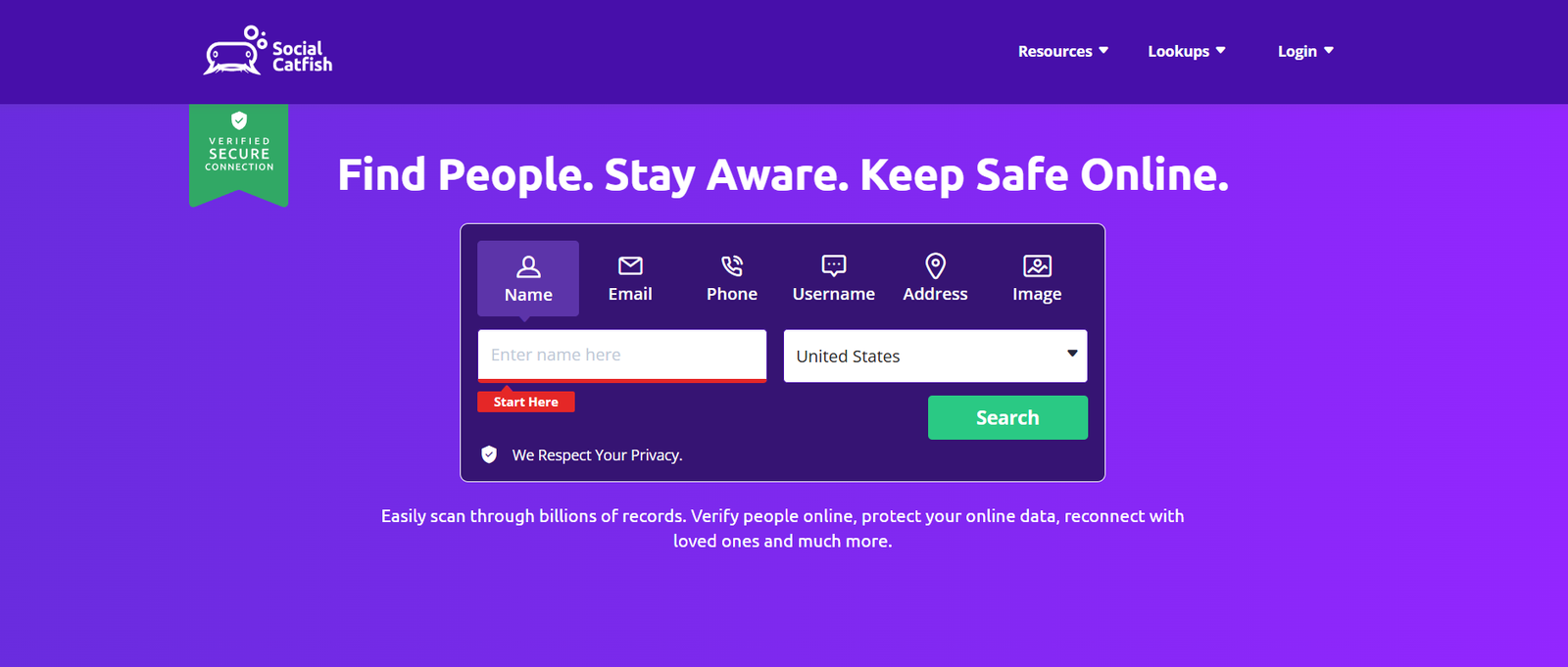
1. SocialCatfish – Dig Deep into Social Profiles

SocialCatfish

SocialCatfish is one of the top-rated tools for reverse searching people across social media platforms. Pop in a phone number, email, or username, and it will return public social profiles, images, and more.

Why it’s a great alternative:

  • Works across multiple social platforms (not just IG)

  • Clean interface, solid data

  • Especially good for catching catfishes or fake accounts

⚠️ Heads up: It’s a paid tool, but well worth it if you need reliable results.

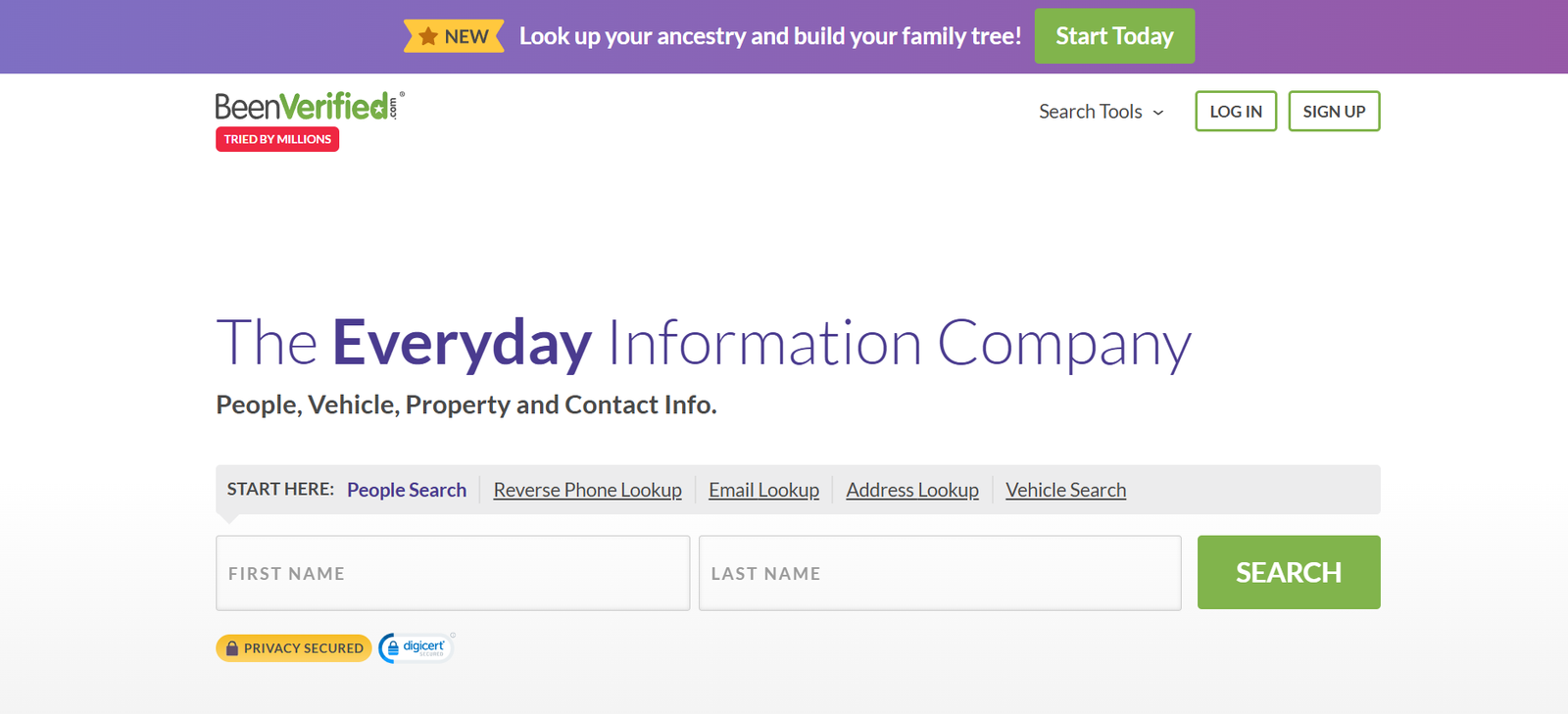
2. BeenVerified – The All-in-One OSINT Tool

BeenVerified

BeenVerified is not Instagram-specific, but it shines when you want a complete background check on someone — including their online activity, social profiles, and more.

What’s good:

  • You can search by name, phone, username, or email

  • Pretty solid results for Instagram profiles

  • Also shows related accounts, photos, and locations

⚠️ If you’re looking for just Instagram, this might feel like overkill. But it works.

3. Spokeo – Fast and User-Friendly Lookup

Spokeo

Spokeo is kind of like the friendly neighborhood version of BeenVerified. Not as intense, but super quick if you want fast results from an email or phone number.

Why try it:

  • Shows social profiles, photos, and usernames

  • Simple UI — great for beginners

  • Budget-friendly

⚠️ Accuracy can vary, especially with newer accounts.

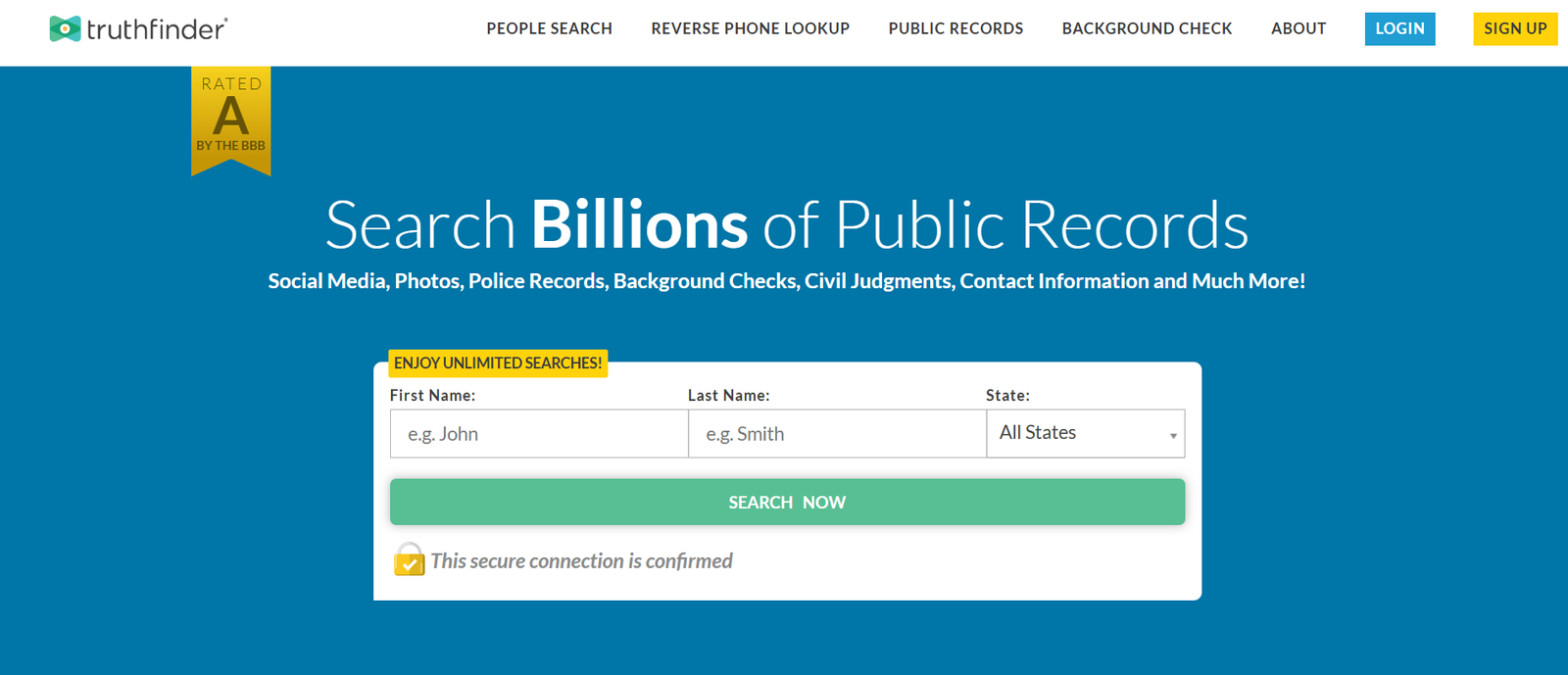
4. TruthFinder – Deep Web Search for Instagram Data

TruthFinder

Want to dig up less obvious connections? TruthFinder goes deeper into the web and gives you public records, dark web mentions, and social links — including Instagram.

Standout features:

  • Comprehensive people search

  • Can uncover hidden social media activity

  • Excellent for verifying sketchy online behavior

⚠️ This is also a paid option and may feel overwhelming if you’re only after a quick IG lookup.

5. Pipl – The Professional-Level People Search

pipl

This is the tool OSINT researchers and private investigators use. Pipl taps into public records and the deep web, and is insanely detailed.

When to use it:

  • For professional use or detailed identity verification

  • You want everything — not just Instagram

⚠️ Pipl is enterprise-level, so it may not be accessible for casual users.

6. Namechk – For Username-Based Social Discovery

Namechk

Sometimes all you have is a username. That’s where Namechk rocks. It tells you where a username is registered across dozens of social media platforms — including Instagram.

Perfect for:

  • Tracking usernames across the web

  • Confirming if someone’s using the same handle on IG, TikTok, Twitter, etc.

⚠️ Doesn’t show profile info — just availability and presence.

7. Intelius – Simple Yet Surprisingly Effective

Intelius

Intelius is an underrated gem for reverse phone or email lookups. While not built specifically for Instagram, it can surface IG profiles tied to public contact info.

Why it’s solid:

  • Great for quick social media checks

  • Easy interface

  • Budget-friendly

⚠️ Works best with U.S.-based data. International results might be hit-or-miss.

8. InstaLooker – Specifically Built for Instagram

InstaLooker

This one feels like a clone of IGLookup — and for good reason. InstaLooker markets itself as a tool to view public Instagram profiles anonymously.

Why users like it:

  • Focused 100% on Instagram

  • Can browse posts anonymously (if public)

  • Great when IGLookup is down

⚠️ A lot of these “view IG stories anonymously” tools can be sketchy. Always proceed cautiously and don’t enter your IG login.

9. EyeZy – For Parental Monitoring and More

EyeZy

This one is different — and not for everyone. EyeZy is actually a parental control app, but it has features that let you monitor social media use (including Instagram activity).

Why include it:

  • If you’re a parent, this is gold

  • Gives in-depth social media insights

⚠️ This is not for spying. It’s designed for parental/legal monitoring only.

What to Look for in an IGLookup Alternative

Before you pick a replacement, here’s what you should keep in mind:

Data Accuracy and Freshness

Old or inaccurate data = bad decisions. Look for tools that update their databases regularly and source from reliable public records or active profiles.

Safety and Privacy Concerns

Never give your Instagram login to third-party tools that promise miracles. Also, avoid sites that ask you to “complete a survey” — that’s a classic scam trap.

Free vs. Paid Options — What’s Worth Paying For?

Some tools (like Namechk or InstaLooker) are free but limited. Others (like BeenVerified) are paid but give you far more depth. Decide what you’re actually looking for — quick info or full profiles.

Cross-Platform Search Capabilities

If you’re trying to map someone’s online presence, the best tools will go beyond Instagram — to LinkedIn, Facebook, TikTok, Reddit, etc.

Final Thoughts: Don’t Panic When IGLookup Goes Down

IGLookup may have been your first love — but it’s not the only one out there.

Whether you’re just curious, trying to verify an identity, or doing serious research, these 9 alternatives cover everything from casual lookups to professional-level investigations.

The key is to pick the tool that matches your needs:

  • Just Instagram? Try InstaLooker or Namechk.

  • Want depth? Go with SocialCatfish or BeenVerified.

  • Need cross-platform clarity? TruthFinder and Pipl are hard to beat.

IGLookup might go down, but your detective work doesn’t have to.

Find More: Boost Your Sales With SEO Services

FAQs:

1. Is IGLookup legal to use?

Yes, as long as you’re using it for ethical and legal purposes. These tools usually pull public data — but don’t use them to stalk, harass, or impersonate.

2. Why is IGLookup not working or down?

It’s likely due to changes in Instagram’s API or content access rules. Tools like this often rely on scraping public data, and Instagram regularly tightens access.

3. Are there free tools similar to IGLookup?

Yes. Namechk and InstaLooker offer limited free services. But for in-depth info, most solid tools require a subscription.

4. Can I really find someone’s Instagram from a phone number?

Sometimes, yes — if the person used their phone number publicly or linked it to their Instagram. Tools like SocialCatfish or Spokeo are your best bet for that.

5. How safe are Instagram lookup tools?

Stick with reputable ones. Avoid tools that ask for your IG login or force you through weird surveys. If it looks shady, it probably is.

Tags:
The First Five Hires That Make or Break Your SaaS Startup

The First Five Hires That Make or Break Your SaaS Startup

SaaS Startup

Starting a SaaS company is an exciting mix of ambition, pressure, and potential. You’re building something from scratch—hopefully something scalable, sticky, and meaningful. But before product-market fit or your first 100 customers, there are a few foundational choices that will shape the trajectory of your company more than any marketing strategy or tech stack ever could. And no decision is bigger than your first five hires.

1. The Technical Co-Founder or Lead Engineer

Unless you’re a developer yourself, this is the keystone hire. You need someone who doesn’t just write clean code but understands scalability, architecture, and the inevitable messiness of iteration. A technical co-founder brings more than engineering chops—they bring ownership.

Find someone who embraces change, not just tolerates it. The product will pivot. The roadmap will stretch. Deadlines will slip. You want a partner who can stay steady while shipping scrappy solutions and planning for scale.

This hire also sets the tone for the engineering culture. Whether you end up with a high-output builder culture or a research-heavy dev org often starts with this very person. You can consider relying on a hire-train-deploy company to find you talent that has the technical expertise and soft skills required to set up your startup on the right track.

2. The Product Generalist

Your SaaS idea may be clear in your head, but translating it into a usable, lovable product is a different challenge. That’s where a product generalist comes in. Think of someone who understands users deeply, can prioritize ruthlessly, and knows when to say “no” even when everyone else is saying “yes.”

Early product folks wear many hats—customer researcher, UX tester, roadmap manager, internal translator. They thrive in ambiguity and constantly balance vision with pragmatism. This person helps you keep the product aligned with real customer needs, not just founder assumptions.

3. The Founding Marketer (Think Strategist, Not Just Executor)

In the early stages, marketing isn’t about big-budget campaigns. It’s about identifying the right audience, finding where they hang out, and speaking to their pain in a way that earns attention.

A strong founding marketer builds credibility before your brand is known. They might spin up a landing page in the morning, test messaging on LinkedIn by lunch, and run a feedback call with your first 10 users in the afternoon.

Look for someone who thinks like a mini “growth agency for SaaS” —analytical, creative, experimental. They’ll be the one pulling insights from tiny data sets, running scrappy campaigns, and setting the stage for a scalable demand engine.

4. The First Customer-Facing Hire (Support + Success)

You don’t need a full customer success team on day one, but you do need someone responsible for user happiness. This hire acts as the bridge between your product and the real-world experience customers have with it.

They should be empathetic, patient, and proactive. They’ll answer tickets, collect feedback, spot churn signals, and, importantly, help shape your onboarding experience. When you only have a handful of customers, every relationship matters. And a dedicated customer advocate ensures none fall through the cracks.

This person will also help you find your early champions—the ones who will later give you testimonials, refer others, or help shape your roadmap.

5. The Operations Glue

Startups run fast, but speed without coordination is chaos. An early ops hire—sometimes titled Chief of Staff, Head of Ops, or General Manager—can help make your startup function like a business, not a whirlwind.

They keep projects moving, ensure communication doesn’t break down, and help founders stay focused. A great ops person is equal parts strategic thinker and detail wrangler. They thrive on structure but don’t need bureaucracy. Often, they’re behind the scenes making sure the right problems are being solved at the right time.

They can be the reason why your engineering team isn’t bogged down in admin work and why your GTM efforts don’t launch a month late.

Hire for Ownership, Not Just Skills

What binds these roles together isn’t just expertise—it’s mindset. At this stage, you want people who see your company as their own. Not just because of equity, but because they genuinely care about the outcome.

Ownership looks like taking initiative when the path isn’t clear. It means doing things outside your job description, asking the hard questions, and staying when things get tough.

These early hires don’t just shape the product. They shape the culture. They influence who you attract next. And long after the MVP is launched or the Series A is raised, their impact will still be echoing through the company.

So take your time. Look beyond resumes. Find people you trust to build with you, not just work for you.

Because your first five hires? They’re not just employees. They’re co-architects of your vision.

Is Technology a Good Career Path in 2025?

Is Technology a Good Career Path in 2025?

Technology a Good Career Path

For anyone asking, “Is technology a good career path?” in today’s job market, the answer feels more urgent than ever. As industries embrace AI, automation, and remote work, the demand for tech talent continues to surge across the globe. Not only do tech roles offer strong salaries and advancement, but new opportunities—from software development to AI customer service agent platforms—are redefining what it means to build a meaningful career in tech.

Choosing an information technology career path is about more than coding or managing data—it’s about shaping how businesses serve customers, innovate, and scale. Whether you’re launching your journey or looking to upskill for the next wave of change, understanding tech career paths is critical for anyone seeking growth, flexibility, and future-proof work.

Why Is Technology a Good Career Path?

In 2025, choosing technology isn’t just about chasing the latest trend—it’s about future-proofing your professional life. The answer to “Is technology a good career path?” comes down to three fundamentals: relentless demand, robust pay, and unmatched flexibility.

Here’s why a career in tech stands out:

  • High demand: Software engineers, data analysts, and cybersecurity specialists are needed in almost every industry.
  • Competitive starting salaries: Entry-level roles in tech often offer higher pay than in most other fields.
  • Flexible work environments: Remote and hybrid jobs are standard, with companies seeking talent regardless of location.

Tech roles—from cybersecurity analysts to cloud engineers—are consistently listed among the fastest-growing jobs, making a career in tech one of the safest bets for stability and advancement. This adaptability supports work-life balance and opens global opportunities, making the information technology career path especially attractive for those who want both security and freedom. Training organizations like Yellow Tail Tech are key examples of resources dedicated to preparing individuals for these in-demand roles, often leading to rapid career transitions.

Popular Tech Career Paths in 2025

The sheer range of tech career paths means there’s a fit for almost every personality and skill set. If you’re asking, “is technology a good career path?”—consider these examples shaping the digital economy in 2025:

  • IT Support: The backbone of every organization, IT support specialists keep systems running and troubleshoot problems for remote and on-site teams.
  • Software and Web Development: From full-stack developers to mobile app programmers, software creators power everything from e-commerce to AI.
  • Cybersecurity: As cyber threats multiply, demand for ethical hackers, security analysts, and risk managers continues to skyrocket.
  • Cloud Engineering: Cloud architects and DevOps engineers design scalable infrastructure for data storage, AI, and SaaS products. Many professionals also explore SRE vs DevOps roles when choosing their tech path.
  • Data Science and Analytics: Data analysts and machine learning engineers turn raw data into strategic insights for business growth.
  • Digital Marketing Technology: SEO specialists, marketing automation experts, and analytics pros are vital for online brand growth.
  • Network Administration: Network engineers and systems administrators build and secure the backbone of global business connectivity.
  • UX/UI Design: User experience (UX) and user interface (UI) designers ensure digital products are accessible and engaging.
  • Product Management: Tech-savvy product managers bridge engineering and business to launch successful software and hardware products.
  • AI and Automation: Robotics engineers, NLP developers, and AI trainers, for example for an AI Voice Agent, are driving the next wave of automation across industries.
  • Best Litecoin Wallet

Whether you follow an information technology career path or a more specialized tech discipline, the 2025 market is bursting with opportunity for those ready to adapt and grow.

Career in Tech Without a Degree: What Are Your Options?

It’s a common myth that breaking into a career in tech always requires a four-year degree. In 2025, companies are increasingly focused on skills and portfolio over diplomas, opening doors for motivated self-starters.Here are real pathways for those asking, “is technology a good career path without college?”:

  • Coding Bootcamps: Intensive programs like General Assembly, Flatiron School, and Le Wagon train you in software development, UX/UI design, or data science in as little as 12–16 weeks.
  • Industry Certifications: CompTIA, AWS, Cisco, and Google offer globally recognized credentials in IT support, cloud, security, and analytics—often achievable within a few months.
  • Remote Learning Platforms: Platforms like Coursera, Udemy, and LinkedIn Learning provide flexible courses on everything from Python to digital marketing, allowing you to upskill at your own pace.
  • Open-Source Projects: Contributing to GitHub repositories or joining hackathons helps build real-world experience and showcases your abilities to employers.
  • Apprenticeships and Internships: Some tech companies offer “learn and earn” roles, letting you gain hands-on training while working alongside experienced teams.
  • Portfolio Projects: Building and sharing your own apps, websites, or data dashboards demonstrates initiative and problem-solving skills, often more valuable than a GPA.
  • Tech Support and Entry-Level IT: Many organizations hire for help desk roles based on problem-solving ability, communication skills, and certifications rather than a college degree.

For those seeking a practical entry into IT support, an online computer technician course provides structured training in hardware, operating systems, networking fundamentals, and help desk workflows. Many programs also include virtual labs, certification prep (A+, Network+), and career support, making them a flexible, hands-on option for quickly gaining real-world IT experience.

Below is a quick comparison of popular options for those exploring an alternative information technology career path:

Pathway Core Skills Learned Real-World Jobs Typical Timeline
Coding Bootcamps Software development, teamwork Web developer, QA tester 3–6 months
IT Certifications Networking, cloud, cybersecurity IT support, sysadmin, cloud tech 1–4 months/course
Remote Learning Courses Data analysis, digital marketing Digital analyst, SEO specialist Flexible
Apprenticeships Hands-on IT, problem-solving IT apprentice, help desk support 6–12 months

With the right combination of drive, practical experience, and a targeted skill set, anyone can carve out a successful information technology career path—no traditional degree required.

Pros and Cons of a Career in Technology

A lot of people wonder, is technology a good career path for the long term? Like any field, a career in tech comes with both major advantages and some challenges to weigh before leaping.

Pros:

  • High demand: Almost every industry relies on tech talent, which means strong job security and countless opportunities for advancement.
  • Excellent compensation: Entry-level tech salaries often exceed those in other sectors, with rapid growth as you gain experience.
  • Diverse tech career paths: From cloud computing and cybersecurity to AI and digital marketing, the types of tech jobs available are more varied than ever.
  • Flexible work: Tech careers frequently allow for hybrid or fully remote roles, giving you greater control over your schedule and work-life balance.
  • Continuous learning: Technology never stands still—so if you love learning new skills and adapting, tech is a field that will keep you engaged.

Cons:

  • Fast-paced change: The same rapid innovation that makes technology exciting also means you’ll need to constantly upskill and stay current.
  • Pressure and burnout: High expectations, tight deadlines, and project-based work can lead to stress if not managed carefully.
  • Entry barriers for some roles: While many tech jobs don’t require a degree, highly specialized fields may demand advanced credentials or experience.
  • Screen fatigue: Extended hours on computers or devices are common, so managing digital wellness is key.

Ultimately, is technology a good career path for you? If you value growth, adaptability, and are ready for a dynamic environment, tech offers one of the most future-proof opportunities today. But it’s important to weigh both the rewards and the realities before starting your journey.

Is Technology a Good Career Path for You?

Deciding whether is technology a good career path comes down to understanding your strengths, interests, and appetite for change. Tech suits people who are naturally curious, eager to problem-solve, and comfortable with lifelong learning. If you thrive in fast-paced environments and enjoy adapting to new tools or trends, a career in tech can provide exceptional growth, stability, and creative challenge.

Personal Fit Checklist:

  • Do you enjoy tackling complex problems?
  • Are you willing to learn new skills as technology evolves?
  • Do you value flexible, remote, or hybrid work options?
  • Are you comfortable with change and occasional ambiguity?
  • Does innovation motivate you?

If you answer “yes” to most of these, pursuing an information technology career path could be a smart, future-proof move. For those still unsure, consider starting with a free online course or certification to test the waters—many tech career paths offer low-barrier entry points for self-starters.

FAQ About Tech Careers

Can I switch to tech in my 30s or 40s?

Absolutely. Many employers value diverse backgrounds, and plenty of tech professionals start later in life after bootcamps, online courses, or self-study.

What’s the fastest tech job to start?

Roles like IT support, QA tester, or junior web developer can be entered quickly through short bootcamps or certifications—often without a four-year degree.

Do I need to know how to code?

Not always. While coding opens up more roles, many tech jobs (like digital marketing, UI/UX design, project management, or tech sales) don’t require deep programming knowledge. There’s a place for a variety of skill sets in tech

How Local Health Clinics Can Attract Gen Z Patients

How Local Health Clinics Can Attract Gen Z Patients

Local Health Clinics

As the healthcare landscape continues to evolve, understanding and effectively engaging each demographic is crucial for local health clinics. A significant focus for the coming years must be Generation Z. 

Gen Z constitutes 24.6% of the global population in 2024, making them the largest generational group worldwide. They have surpassed even Millennials, who are projected to make up just 21.6% of the global population by 2030.

To stay sustainable and grow, local health clinics must adapt their strategies to attract and retain Gen Z, a tech-savvy and socially conscious generation. Simply put, clinics that fail to adapt their outreach and services to resonate with Gen Z risk being left behind. 

This guide will explore practical strategies local health clinics can adopt to attract Gen Z patients and build lasting relationships with them.

1. Meet Gen Z Where They Are – Online

To effectively reach Gen Z, local health clinics need to meet them where they already spend much of their time – online. Maintaining an active presence on social media platforms is crucial. Sharing quick, relatable content such as wellness tips, health myth-busting videos, and behind-the-scenes glimpses helps humanize your clinic and build trust. 

Beyond social media, Gen Z expects mobile-friendly websites, easy online appointment booking, and instant chat support. These features reflect a modern, responsive approach that resonates with this digital-native generation.

However, clinics must also navigate this demographic’s concerns around privacy and authenticity. According to Statista, 38% of the Gen Z demographic feels annoyed by online ads, and 31% are bothered by ads based on their search history. Yet, 63% support brands using AI to create content. 

Therefore, clinics should focus on transparency and relevance in digital outreach. With Gen Z also using social media as a search tool, optimizing content for “social search” is increasingly important.

2. Build Trust Through Transparency and Inclusivity

Earning Gen Z’s trust hinges on authenticity and openness. As The Collector highlights, this generation deeply values transparency in all aspects of life, from personal relationships to businesses. 

They demand proof that a company is as good as its word, expecting honesty and accountability rather than empty promises. For local health clinics, this means using inclusive language and imagery that reflects your community’s diversity.

Crucially, communicate pricing, available services, and what patients can expect during visits, removing ambiguity and anxiety. Clinics that do this well offer clear, procedure-specific pages and plain-language explanations—for example, Feel Beautiful Plastic Surgery provides an in-depth tummy tuck overview that sets expectations around candidacy, recovery, and outcomes, which helps younger patients feel informed and in control. Share real patient stories and testimonials to demonstrate authenticity. 

Gen Z expects brands to be socially responsible, so be transparent about your practices, policies, and outcomes. Openly sharing information and showing a real commitment to inclusivity builds credibility needed to attract and retain these patients.

3. Leverage Niche Marketing Services for Better Outreach

General advertising often falls short for specialized care, particularly in areas like mental and behavioral health. This is where niche marketing services, like behavioral health marketing services, make a significant impact. 

These experts grasp HIPAA rules, use sensitive language, and tailor messaging to effectively connect with Gen Z on mental health topics. They can tailor SEO and content strategies to reach young people seeking confidential, accessible support.

As Snapshot Interactive emphasizes, branding isn’t just a logo; it’s developing a company’s personality to connect authentically with its audience. For clinics offering therapy or youth wellness programs, this targeted approach builds credibility and visibility. 

By collaborating with behavioral health marketers, clinics ensure their messaging resonates effectively and reaches the right audience at the right time.

4. Offer Flexible, Accessible Care Options

Clinics can appeal to this generation by offering telehealth services, walk-in availability, flexible scheduling, and convenient digital communication options. Features like Healthcare Data Integration for text-based appointment scheduling, virtual mental health check-ins, and instant responses through apps or messaging platforms are especially valued.

Promoting these services on your website, social media, and marketing materials ensures that the demography knows your clinic prioritizes ease and accessibility.

According to Vator News, Millennials had the highest virtual care usage at 68%. However, 60% of Gen Z also reported using virtual care in the past year. Notably, Gen Z leads in texting-based care; one-third accessed services this way. 

Around 11% used texting, app, or website messaging specifically for mental health care, matching the number who used phone or live video. Offering care in their preferred format boosts engagement and builds long-term loyalty and trust.

5. Showcase Social Responsibility and Community Engagement

Local clinics that demonstrate genuine social responsibility and community engagement are more likely to earn this generation’s trust. According to Forbes, 82% of Gen Z consumers prefer brands that advocate for social equality, ranking it even higher than data privacy or employee treatment. For clinics, this means aligning with causes that promote health equity and inclusion.

Initiatives like supporting underserved populations, partnering with schools, sponsoring mental health events, or offering sliding-scale payment options make a strong impression. Even small steps, such as partnering with healthy water brands, adopting eco-friendly materials or participating in local volunteer efforts, reflect positively. These efforts should be shared openly on social media and your website to show transparency and commitment.

Gen Z rewards authenticity and action, so consistent involvement in socially conscious initiatives helps position your clinic as a trusted, ethical community partner.

5 Things to Know About Trump Administration Cybersecurity Funding Cuts

5 Things to Know About Trump Administration Cybersecurity Funding Cuts

trump administration cybersecurity funding cuts

What’s Really Behind the Trump Administration Cybersecurity Funding Cuts?

Trump administration cybersecurity funding cuts raised serious concerns at a time when strong digital defenses were becoming more essential than ever. Several federal programs dedicated to enhancing national cybersecurity saw their budgets slashed under the Trump administration, prompting intense debate among lawmakers, cybersecurity experts, and the public. This article delves into the Trump administration cybersecurity funding cuts, explores their broader implications, and highlights the potential long-term effects on the nation’s security.

Whether you’re examining how these budget decisions impacted national defense or want to understand how shifting government priorities influence cybersecurity, this guide covers the key points you need to know.

Find More: How to Protect Your Domain from Spoofing

1. The Scale of the Cybersecurity Funding Cuts Under Trump

Cybersecurity

How Much Was Actually Cut?

Between 2017 and 2021, various federal agencies experienced reductions in cybersecurity funding. For example, the Department of Homeland Security’s (DHS) Cybersecurity and Infrastructure Security Agency (CISA) saw proposed budget cuts despite rising cyber threats. In 2019, the Trump administration proposed a $586 million decrease in overall cybersecurity spending across key departments.

Which Agencies Were Most Affected?

Agencies like DHS, the Department of Energy, and even the National Institute of Standards and Technology (NIST) faced trimming of cybersecurity-specific initiatives. This sparked concern among cybersecurity professionals who viewed these agencies as the first line of defense against cyberattacks.

Timeline of Budget Changes from 2017 to 2021

  • 2017: Initial proposals emphasized border security and military over digital infrastructure.
  • 2018: DHS budget requests slashed cybersecurity funding despite growing ransomware threats.
  • 2019-2020: CISA requested increased resources but received less than anticipated.
  • 2021: Final Trump budget again deprioritized digital defense in favor of physical security.

2. The Stated Reasons Behind the Budget Reductions

Official Justifications from the Trump Administration

The administration argued that the cuts were part of broader efforts to reduce federal spending and increase efficiency. There was also a strategic pivot toward allocating more funds to military defense and physical border security.

Critics’ Take on the Rationale

Many cybersecurity experts and bipartisan lawmakers questioned the wisdom of these cuts, especially as cyber threats from adversaries like Russia, China, and North Korea were accelerating. Critics argued that weakening cyber defenses exposed critical infrastructure and citizen data to unacceptable levels of risk.

3. Key Cybersecurity Programs That Lost Funding

Funding

Department of Homeland Security (DHS) Initiatives

CISA, which is responsible for coordinating the nation’s cyber defense efforts, faced budget shortfalls that affected hiring, infrastructure upgrades, and public-private information-sharing initiatives.

National Institute of Standards and Technology (NIST)

NIST’s cybersecurity framework has been a backbone for both government and private sector cyber hygiene. Funding reductions hindered its ability to update guidelines and conduct critical research.

Public-Private Cyber Defense Partnerships

Efforts to coordinate cybersecurity strategies between federal agencies and private companies suffered from a lack of resources. These partnerships are vital for protecting supply chains, energy grids, and financial systems.

4. The Broader Impact on National Cybersecurity Readiness

Increased Vulnerabilities in Federal Systems

With fewer resources, agencies struggled to modernize outdated IT systems, making them easy targets for hackers. This lag in modernization was cited in several successful cyber breaches, including the infamous SolarWinds attack.

Response Capabilities and Staffing Challenges

Budget cuts directly affected the ability to hire and retain skilled cybersecurity professionals, many of whom hold credentials like the CISSP certification. Short staffing resulted in slower incident response times and weakened defense posture.

Comparison With Other Nations’ Cybersecurity Investments

While the U.S. was pulling back, countries like China and Russia were investing heavily in cyber capabilities. This discrepancy widened the cybersecurity gap and challenged America’s leadership in digital defense.

5. Long-Term Consequences and What Experts Are Saying

What Former Officials and Analysts Warned About

Experts warned that the funding reductions could have cascading effects, from intellectual property theft to large-scale infrastructure attacks. Former DHS and NSA officials voiced concerns that adversaries were exploiting these vulnerabilities.

Rebuilding Efforts Under Subsequent Administrations

The Biden administration has since prioritized cybersecurity funding, proposing billions in investments for modernization and defense. However, reversing years of underfunding takes time and sustained commitment.

Conclusion: What the Trump Administration Cybersecurity Cuts Mean for the Future

The Trump administration’s cybersecurity funding cuts represent a pivotal moment in the evolution of national defense strategy. While physical and military security remained top priorities, digital threats were arguably sidelined during a critical time. Moving forward, it’s essential to learn from this period and ensure that cybersecurity receives the consistent funding and attention it requires. As the digital battlefield becomes more complex, proactive investment will determine whether we lead or lag in global cyber resilience.

Find More: Digital Marketing Agency for Small Businesses

FAQs:

1. Did the Trump administration really cut cybersecurity funding significantly?

Yes, several agencies reported notable reductions in funding proposals and approvals between 2017 and 2021, despite growing threats.

2. How did cybersecurity experts react to the cuts?

Most experts expressed concern, arguing that the cuts weakened national defense and opened the door to cyberattacks.

3. Were any cybersecurity programs completely defunded?

While not entirely defunded, some programs saw drastic funding reductions that limited their scope and impact.

4. How do these cuts compare to other presidential administrations?

Compared to previous administrations, Trump’s tenure marked a relative decline in prioritizing cybersecurity through federal budgets.

5. Has funding been restored under the Biden administration?

Yes. The Biden administration has introduced increased cybersecurity budgets and initiatives to counteract the growing number of cyber threats.

A Comparative Analysis of Paid Surveys and Bandwidth Sharing to Earn Extra Digital Income

A Comparative Analysis of Paid Surveys and Bandwidth Sharing to Earn Extra Digital Income

Paid Surveys and Bandwidth Sharing

As the gig economy paradigm shifts and internet services decentralize, end-users are now focusing more on passive or semi-passive means of extra online income. 

Of these two, two new sources that have gained traction are paid surveys and bandwidth-sharing portals.

 Although both offer cash rewards for minimal investment in time or effort, they differ significantly on the basis of user interaction, earning potential, effect on privacy, and their integration into larger digital ecologies. 

The Economics of Paid Surveys

Paid surveys have been around for decades, and their beginning is traced back to traditional market research practices and later developed along with the digital economy.

 Paid survey companies are essentially middlemen between companies seeking consumer opinion and users who are happy to share it. 

The value chain is very straightforward: corporations hire market research firms to collect feedback on preferences, trends, or product opinion, and some of this budget goes towards paying participants in the surveys.

 The monetary reward for filling out surveys is minimal, often a few dollars to a few cents per survey, depending on complexity and demographic targeting. The model is effectively constrained by two significant factors. 

Firstly, there is poor demand for each individual’s opinion, subject to rigid demographic quotas that ensure statistically representative sampling. Once these quotas are reached, an individual user may find himself or herself screened out of many opportunities.

 Two, the effort invested per reward unit is unproportionately high, as users must invest 10 to 30 minutes per survey to gain a marginal amount. 

Further, the survey market is riddled with friction points like extensive qualification procedures, uneven payout thresholds, and otherwise vague terms regarding data utilization. 

While better-quality platforms have minimum practices related to data protection and reward payout, the market is not fully regulated and therefore user experiences can range from reasonably satisfying to exploitative.

 From the financial point of view, paid surveys are a wasteful model of earning. The user’s time is the fundamental commodity, and the pay for this time is low.

 This is thus a non-scalable task, useful only to certain users who have specific demographics and spare idle time, but not useful to users who prefer large or consistent income generation.

Bandwidth Sharing: Infrastructure Participation in the Digital Economy

In contrast, internet sharing is founded on an entirely different economic model, one which is not dependent on the value of individual opinion but rather on the commercialization of excess internet capacity.

Bandwidth-sharing websites allow users to rent out their excess network capacity to third parties such as content delivery networks (CDNs), search engines, and research institutions. Through doing this, users become, peripherally at least, part of the infrastructure layer of the digital economy. 

In contrast to pay-for-survey schemes, bandwidth sharing is largely passive. The user has limited involvement once the software is installed and set up. 

The revenue comes from the level and reliability of bandwidth shared, with greater payment associated with geolocation, IP uniqueness, uptime reliability, and bandwidth availability. This creates a repeatable scalability to the model, where users with better infrastructure can theoretically earn more returns.

 There are, however, privacy and security issues. When bandwidth sharing users are allowing third parties to reroute traffic through their IP addresses. 

While responsible platforms would make use of traffic filtering and logging to avoid misuse, the user is ultimately liable to monitor their network as well as comply with their ISP’s terms of service. The sovereignty of data, network efficiency, and digital liability issues are valid and require serious thought.

 Structurally, bandwidth sharing is a newer, infrastructure-baked form of passive income. It is perfectly compatible with concepts of decentralized utilization of resources and edge computing, where participants are engaged at the local level and rewarded with a more efficient virtual infrastructure. 

The paradigm, even in its nascent stages of regulatory protection, offers a method of low-effort, scalable income generation, contingent upon the existence of robust and stable network environments. 

Real-World Trends and Behavioral Effects

The utility of either method is heavily dependent on use context. Paid surveys will most readily engage users in low-bandwidth, high-availability contexts, i.e., those in service or home roles with long downtime and connectivity. The process is effortful, affectively remote, and repetitive, leading to user abandonment over time. Attentional demand and patience are the principal constraints, which are asymmetrically consumed relative to payment. 

Bandwidth sharing, however, appeals to a more technical audience—users who have enough expertise to upkeep uptime, monitor data activity, and debug network setups. These users tend to leverage already installed infrastructure, like unused PCs, always-on servers, or broadband home networks. The model is more sustainable by virtue of its low demand for engagement and potentially snowballing returns, particularly at geographically strategic locations.

 Additionally, taking surveys is typically not capable of generating lasting value or knowledge for the user. It’s a one-way transaction where information is gathered by the platform and compensation is provided in return. Bandwidth sharing, in contrast, can engage the user in broader digital ecosystems and improve actual-world web services such as VPNs, CDNs, and redundancy networks. 

Comparative Valuation and Structural Sustainability

The primary distinction between these means of generating income is structural value to the overall economy. Survey pay contributes to temporary, often duplicate marketing data sets with minimal infrastructural worth. 

The value captured is balkanized and ephemeral. Bandwidth sharing contributes to the efficiency of internet routing, application response time, and distributed computing paradigms. It facilitates scalable applications ranging from distributed web spiders to latency-optimized data retrieval mechanisms, enabling essential building blocks of modern internet performance.

 Over time, the profitability of bandwidth sharing as a source of revenue will only increase as edge computing, decentralized applications, and global internet optimization efforts mature. 

Survey compensation is prone to long-term value dilution, however, as data modeling, human reaction AI modeling, and demographic sampling machine automation reduce the need for real-time human involvement in low-value consumer feedback cycles.

Conclusion

Summing up, while both paid surveys and bandwidth sharing are inexpensive means of supplemental digital earnings, they differ fundamentally in scalability, design, and participation of users. 

Paid surveys are labor-based commercialization of personal opinion subject to demand-side economics and the availability of users. Bandwidth sharing is an infrastructural model of monetization that is passive and technologically devoted to the emerging trends in decentralized internet services. 

For those desiring little effort and attachment to expansive digital networks, bandwidth sharing is a brighter tomorrow. It does demand a higher degree of network steadiness and security awareness, however. 

Compensated surveys, even for open admission, remain a transient and squandered method of income derivation, providing diminishing return for time invested. Finally, the choice between them is reflective of the user’s resource profile—whether they are contributing time and thought, or infrastructure and access.