...
UK: +44 2038074555 info@atamgo.com
AI in Enterprise Resource Planning (ERP): Trends & Insights

AI in Enterprise Resource Planning (ERP): Trends & Insights

AI in Enterprise

Modern businesses can’t ignore the seismic shift happening in enterprise technology. As automation erp solutions take center stage in today’s organizations, they are increasingly becoming the backbone of competitive operations, while traditional manual processes quickly become obsolete. 

Companies that resist this transformation risk falling behind their competitors, who have already embraced intelligent systems. The integration of artificial intelligence into ERP platforms isn’t just a trend, it’s becoming essential for survival in today’s fast-paced market.

Current State of AI-Powered ERP Systems in 2024

The enterprise resource planning market has reached a crucial turning point where artificial intelligence integration determines success or failure. Businesses adopting AI-driven ERP solutions have experienced over a 30% increase in user satisfaction and a 25% boost in productivity due to enhanced personalization of interfaces.

Market Growth and Adoption Metrics

Global investment in AI-powered ERP solutions continues to accelerate across industries. Manufacturing companies lead adoption rates at 67%, while retail and healthcare sectors show rapid catch-up growth. Regional patterns reveal North American enterprises investing heavily in cloud-native platforms, with European companies focusing more on integration capabilities.

Companies that have implemented erp automated platforms are reporting significant improvements in operational efficiency. The trend shows smaller businesses increasingly accessing enterprise-level AI capabilities through subscription-based models.

Technology Readiness and Infrastructure Requirements

Cloud-native platforms dominate the current landscape, offering better scalability than traditional on-premise upgrades. Most organizations need robust internet connectivity and API-ready existing systems for successful integration. The infrastructure requirements aren’t as prohibitive as many initially feared.

Modern erp automation solutions work seamlessly with existing business software ecosystems. Companies don’t need complete system overhauls, intelligent integration bridges legacy systems with AI capabilities effectively.

Revolutionary AI Technologies Transforming ERP Operations

These technological advances create unprecedented opportunities for businesses to streamline operations and gain competitive advantages. Machine learning algorithms, natural language processing, and computer vision applications are reshaping how companies manage resources.

Generative AI and Large Language Models Integration

ChatGPT and similar technologies enable natural language queries within ERP systems. Users can ask complex questions about inventory levels or financial data in plain English. This eliminates the need for specialized training on complex interfaces.

Multi-language support breaks down communication barriers in global organizations. Automated report generation saves countless hours previously spent on manual documentation tasks.

Computer Vision Applications in ERP Systems

Visual recognition technology transforms inventory management by automatically tracking stock levels. Quality control processes benefit from defect detection capabilities that surpass human accuracy. Document processing leverages AI data extraction to capture and organize information from physical paperwork without manual data entry

These applications reduce errors while dramatically increasing processing speed. Manufacturing facilities see immediate benefits in production line monitoring and quality assurance protocols.

Advanced Automation ERP Capabilities and Use Cases

Intelligent automation capabilities extend far beyond basic task completion, creating sophisticated workflows that adapt to changing business conditions. These systems learn from user behavior and optimize processes continuously.

Intelligent Financial Management and Accounting Processes

To fully realize the benefits in finance, understanding how to use ai in accounting is crucial, as it transforms traditional financial operations completely. Automated reconciliation processes eliminate hours of manual verification work. Smart invoice processing identifies discrepancies and routing approval workflows intelligently.

Real-time financial forecasting provides executives with accurate cash flow predictions. With the help of ai management software, businesses are now able to handle complex calculations and generate insights that would take human analysts days to produce.

Supply Chain Intelligence and Procurement Automation

Demand forecasting algorithms analyze historical data and market trends simultaneously. Supplier risk assessment happens continuously, alerting managers to potential disruptions before they occur. Dynamic pricing strategies adjust automatically based on market conditions and inventory levels.

These capabilities provide companies with significant competitive advantages in volatile markets. Procurement teams make faster, more informed decisions with AI-powered insights.

Next-Generation Accounting AI Bot Implementation

Conversational AI represents the next frontier in financial operations, making complex accounting tasks accessible to non-specialists. These systems bridge the gap between sophisticated functionality and user-friendly interfaces.

Conversational AI for Financial Operations

When it comes to streamlining finance, accounting ai bot solutions handle routine inquiries and process transactions through natural language interfaces. Users ask questions about budget status or expense categorization without navigating complex menus. Automated approval workflows route requests to appropriate managers based on predefined criteria.

Real-time budget monitoring provides instant alerts when spending approaches limits. Variance analysis happens automatically, highlighting discrepancies that require attention.

Regulatory Compliance and Risk Management

Automated tax preparation assistance reduces compliance burdens significantly. Fraud detection algorithms identify suspicious patterns that human reviewers might miss. Audit trail generation creates comprehensive documentation automatically.

These capabilities ensure businesses stay compliant while reducing administrative overhead. Risk management becomes proactive rather than reactive.

ROI Analysis and Business Impact Measurements

Smart organizations measure AI implementation success through concrete metrics that demonstrate tangible business value. 83% of IT decision-makers say AI is making their businesses better, and 94% are investing in it now.

Quantifiable Benefits and Cost Savings

Productivity improvements typically range from 20-40% within six months of implementation. Error reduction rates often exceed 60% in data-intensive processes. Energy efficiency gains contribute to environmental sustainability goals while reducing operational costs.

Time reduction metrics show employees spending 30% less time on routine tasks. Quality improvement statistics demonstrate higher accuracy in financial reporting and inventory management.

Competitive Advantage Assessment

Market responsiveness improves dramatically with AI-powered insights. Customer satisfaction scores increase when service delivery becomes more reliable and efficient. Innovation acceleration helps companies bring products to market faster.

Time-to-market improvements often shave weeks off development cycles. Customer retention rates improve when service quality becomes more consistent and predictable.

AI ERP Solutions Comparison

Features Traditional ERP AI-Enhanced ERP Key Benefits
Data Processing Manual entry and batch processing Real-time automated processing 75% faster processing
Reporting Scheduled static reports Dynamic predictive insights Proactive decision-making
User Interface Complex menu systems Natural language queries Reduced training time
Maintenance Reactive troubleshooting Predictive maintenance 50% less downtime
Scalability Hardware-dependent Cloud-native flexibility Cost-effective growth

Key Takeaways for AI-ERP Success

The transformation of enterprise resource planning through artificial intelligence represents one of the most significant business technology shifts in decades. Companies that embrace these changes position themselves for sustainable competitive advantages and improved operational outcomes. Smart implementation strategies, proper training, and realistic expectations create the foundation for success. The question isn’t whether AI will reshape ERP systems, it’s whether your organization will lead or follow this inevitable transformation.

Common Questions About AI-Enhanced ERP Systems

  • What is the best AI for ERP?

IFS excels at asset management, Genius ERP suits custom manufacturing, Unit4 serves people-centric organizations, Deltek handles project-based businesses, Rillet scales for startups, and Sage Intacct dominates financial management applications.

  • What does ERP mean in AI?

Enterprise Resource Planning integrates and automates core business processes, improving efficiency and decision-making. Cloud-based ERP solutions use AI to streamline operations, provide real-time insights, and connect financial, supply chain, and HR data.

  • How quickly can companies see ROI from AI-ERP implementation?

Most organizations report measurable benefits within 3-6 months of deployment. Initial productivity gains appear quickly, while strategic advantages develop over 12-18 months as systems learn and optimize continuously.
7 Powerful Reasons Alaya AI Is Changing the Future of Artificial Intelligence

7 Powerful Reasons Alaya AI Is Changing the Future of Artificial Intelligence

alaya ai

Introduction: How Alaya AI Is Disrupting the Artificial Intelligence Landscape

Alaya AI isn’t just another AI platform — it’s a bold, forward-thinking approach to how artificial intelligence gets trained and how valuable datasets are created, verified, and owned. If you’ve been hearing the buzz around blockchain technology Alaya AI, you’re in good company. This platform blends Web3 principles, gamification, and community-driven data labeling into a seamless, rewarding ecosystem. Whether you’re an AI developer looking for quality datasets, a data contributor eager to earn while participating, or simply curious about cutting-edge AI tools Alaya AI has in store, there’s a lot here worth exploring.

In this article, I’ll unpack 7 powerful reasons why Alaya AI is changing the future of artificial intelligence — and how it might change the way we all interact with AI.

Find More: Cybersecurity Maturity Models for OT: C2M2, CRR & More

1. Alaya AI’s Decentralized Data Collection Model

alaya ai

AI models are only as good as the data they’re trained on, and traditionally, that data comes from centralized providers who decide what gets included. This can lead to biased results and limited representation. Alaya AI turns this model on its head by letting anyone, anywhere contribute to AI training through a decentralized network.

Empowering a Global Network of Contributors

Picture contributors from every corner of the world labeling images, transcribing audio, categorizing videos, or annotating text — all while earning rewards. This diversity not only improves the richness of the datasets but also helps reduce bias in AI models, making them more accurate and fair.

How Blockchain Technology Ensures Data Transparency

This is where blockchain technology Alaya AI truly stands out. Every single contribution is recorded on-chain, making it transparent, tamper-proof, and verifiable. No hidden changes. No behind-the-scenes data swaps. Just an open, auditable history of contributions.

2. Gamified AI Data Labeling That Drives User Engagement

blockchain technology alaya ai

Data labeling might sound dull, but Alaya AI transforms it into an engaging, competitive experience.

Rewards, NFTs, and Reputation Systems

Each completed task earns you tokens, collectible NFTs, and reputation points. Higher reputation unlocks advanced, better-paying projects. The more consistent and accurate you are, the more opportunities you get.

Why Gamification Improves Data Quality

When contributors are motivated, they naturally focus more on accuracy. Gamification creates a feedback loop — engaged contributors produce better data, and better data leads to stronger AI models.

3. Tokenized Incentives Through ALA and AGT Tokens

At the core of Alaya AI’s economy are two tokens with different purposes.

Understanding the ALA Token Utility

ALA is the reward token you earn for contributing. You can use it within the platform to unlock tools, stake it for bonuses, or trade it in the crypto market.

Governance and Decision-Making via AGT Tokens

AGT gives you voting power in the platform’s DAO. That means you help shape updates, features, and even reward distribution. It’s a way for contributors and developers alike to steer the project together.

4. High-Quality AI Training Data Through Hybrid Validation

ai tools alaya ai

Bad data equals bad AI — it’s that simple. Alaya AI ensures data quality with a smart mix of automation and human review.

Automated Pre-Processing Tools

AI tools Alaya AI uses advanced algorithms to detect and remove clear errors before tasks ever reach human eyes, saving time and improving efficiency.

Human Consensus and Double-Check Systems

Multiple contributors review each item, and results are only finalized when there’s strong agreement. Disputes trigger extra review, ensuring datasets are trustworthy.

5. Wide Industry Applications of Alaya AI

Alaya AI’s versatility means it can support AI advancements across a wide range of sectors.

Healthcare and Medical AI Innovations

From annotating medical scans to structuring patient data, accurate datasets can enhance diagnosis tools and support medical research breakthroughs.

Finance, Retail, and Autonomous Systems

Financial systems can benefit from better fraud detection algorithms, retail can offer smarter recommendations, and autonomous vehicles can improve navigation and safety recognition.

6. Privacy and Data Ownership for Contributors

One of the biggest issues in AI development is that contributors often lose all control of their data once submitted. Alaya AI changes that narrative.

User-Controlled Data Policies

Contributors can define usage rights for their data, ensuring they maintain ownership and control.

Blockchain Security for Sensitive Data

The integration of blockchain keeps sensitive data encrypted and secure, while still enabling its use for AI training under the contributor’s terms.

7. Future-Proof AI Development with Community Governance

With AI evolving so rapidly, flexibility and adaptability are critical. Alaya AI’s DAO structure ensures the platform can evolve without bottlenecks.

How the DAO Model Shapes Alaya AI’s Roadmap

Any user holding governance tokens can propose changes or vote on new features, ensuring decisions reflect community needs.

Scaling AI Projects Without Centralized Control

Without corporate bureaucracy, Alaya AI can quickly pivot to new trends, tech integrations, or industry demands.

Conclusion – Why Alaya AI Is a Game-Changer for the AI Industry

We’ve explored seven key strengths of Alaya AI: its decentralized network, gamification features, dual-token system, hybrid validation process, multi-sector adaptability, contributor-first privacy, and community-led growth.

If you’re curious about AI’s next chapter, Alaya AI offers a way to be part of it — not just as a spectator, but as a contributor and decision-maker. The earlier you join, the more you stand to learn, earn, and shape the future of AI.

Find More: Boost Your Sales With SEO Services

FAQs

1. Is Alaya AI Free to Use?

Yes. You can sign up, start contributing, and earn rewards without paying. Some premium tools may require tokens.

2. How Do I Earn Rewards on Alaya AI?

By labeling data, joining campaigns, participating in governance, and staking tokens.

3. Is Alaya AI Suitable for AI Developers or Just Data Labelers?

Both. Developers can access quality datasets, and labelers can monetize their contributions.

4. What Makes Alaya AI Different from Other AI Platforms?

Its unique blend of blockchain transparency, gamified engagement, and community-led governance.

5. Can I Sell or Transfer My ALA Tokens?

Yes. ALA tokens can be traded on exchanges that support them.

Tags:
8 Elite AI Consulting Firms Crushing It in 2025 (And Why They’re Winning)

8 Elite AI Consulting Firms Crushing It in 2025 (And Why They’re Winning)

best ai consulting firms

Introduction: Why Choosing the Best AI Consulting Firm Matters

Let’s be honest—navigating the world of AI can feel overwhelming. With so many companies claiming to be the “best AI consulting firms” how do you know which ones are actually worth your time and money? Whether you’re a startup trying to get your first AI model off the ground or a large enterprise looking to scale automation across departments, choosing the right partner can make or break your success.

This guide is here to save you the headache. We’ve researched and reviewed the top AI consulting companies that are truly crushing it in 2025. These aren’t just buzzword-heavy firms. They’re delivering real, measurable results across industries. So whether you’re looking for the best AI consulting firm in IT services, retail, healthcare, or finance, we’ve got something here for you.

Let’s jump into the elite list and see who’s winning—and more importantly, why.

Find More: Best AI Marketing Automation Tools for 2025

Top 8 Elite AI Consulting Firms Crushing It in 2025

1. Fractal Analytics – The Enterprise AI Powerhouse

Fractal Analytics

Fractal is a global leader when it comes to AI in large-scale enterprise settings. They bring a heavy-hitting portfolio with clients like P&G, Google, and Wells Fargo.

What really stands out? Their ability to blend design thinking with deep tech expertise. They offer a suite of services from AI strategy to custom machine learning model development. If you’re looking for a one-stop-shop, Fractal is one of the best AI consulting firms in IT services right now.

2. Tredence – Best for Startups and Agile Teams

Tredence

If you’re a fast-moving startup, Tredence is your kind of firm. They get the hustle. Known for their agile approach and hands-on implementation, they don’t just hand you a strategy document and disappear. They build with you, iterate fast, and get results quicker than most.

They specialize in retail, CPG, and supply chain optimization. Their customer analytics tools are pretty mind-blowing, especially for growth-stage companies looking to make smarter, data-driven decisions.

3. Quantiphi – Leading the Way in Generative AI Solutions

Quantiphi

Quantiphi is turning heads in 2025 for their work in generative AI. If you’re looking to integrate tools like large language models (LLMs) or custom AI chatbots, these are your people.

Their work with Google Cloud and AWS is impressive, and they have some killer case studies showing how generative AI is saving companies millions while improving customer experience.

4. ZS Associates – Top Pick for Healthcare and Life Sciences

ZS Associates

Healthcare is tricky. You need a firm that understands regulations, patient privacy, and the high stakes involved. ZS is that firm.

They specialize in AI-driven decision support tools for pharmaceutical companies, hospitals, and insurance providers. Think of AI that’s actually used in clinical settings to reduce error rates or speed up diagnosis. They’re making a real difference.

5. DataRobot – AI + Data-Driven Decision Making at Scale

DataRobot

If you want to democratize AI across your organization, DataRobot is worth a look. Their platform enables non-data scientists to build and deploy AI models, which is a game-changer for many mid-size businesses.

They excel in automated machine learning (AutoML) and have robust support teams to guide you through your journey. They’re not just about software; they act like an extended arm of your team.

6. ThirdEye Data – The Go-To Firm for Retail and E-commerce AI

ThirdEye Data

ThirdEye is helping retailers use AI to personalize experiences, predict inventory needs, and optimize pricing in real time.

Their solutions are ideal for e-commerce companies looking to stand out in a competitive marketplace. Whether you want to build a recommendation engine or use AI to reduce cart abandonment, they’ve got the toolkit ready.

7. Falkonry – Sustainable AI for the Green Economy

Falkonry

This isn’t your average AI consulting firm. Falkonry focuses on industrial AI, particularly in energy, utilities, and manufacturing.

Their predictive analytics help companies reduce waste, save energy, and avoid downtime. If your brand has a sustainability mission, Falkonry is a perfect match. They’re quietly leading a green revolution through AI.

8. Neoteric – Disrupting the AI Consulting Space with Automation

Neoteric

Neoteric is a rising star. Their sweet spot is combining AI and automation for businesses that want to do more with less.

They’re great at identifying low-hanging fruit for AI automation and then scaling it across departments. Their custom-built tools are cost-effective and quick to deploy, making them perfect for businesses that want big impact without big budgets.

How to Choose the Best AI Consulting Firm for Your Business

What to Look for in an AI Consulting Partner

Not all AI consulting firms are created equal. Before you commit, here are some things to consider:

  • Technical Expertise: Do they actually build AI, or do they just consult?
  • Industry Knowledge: A firm that understands your sector will deliver better results.
  • Track Record: Look for proof of past success, not just fancy presentations.
  • Ethics and Transparency: Especially in AI, you need to know how decisions are being made.

Questions to Ask Before You Sign the Contract

  1. How scalable are your solutions?
  2. What support do you provide post-deployment?
  3. Can you show similar projects in our industry?
  4. Do we retain full ownership of the models and data?

Having these questions in your back pocket can save you a lot of future headaches.

Conclusion: Which AI Consulting Firm Is Right for You?

We just covered nine of the best AI consulting firms making serious waves in 2025. Each one brings something unique to the table—whether it’s deep expertise, fast deployment, niche specialization, or cutting-edge tech like generative AI.

The right firm for you will depend on your business size, industry, and how far along you are in your AI journey. But one thing’s for sure: partnering with the right team can unlock growth, innovation, and efficiency that simply isn’t possible without AI.

So, take a good look at your goals, ask the right questions, and make the move. The future won’t wait.

Find More: Boost Your Sales With SEO Services

FAQs

1. What is the best AI consulting firm in 2025?

It depends on your needs. Fractal and CognitiveScale are excellent for enterprise. Tredence and Neoteric are great for agile teams and startups.

2. How much do top AI consulting firms charge?

Pricing varies widely. You can expect anything from $50,000 to several million depending on the scope. Some firms offer modular, scalable pricing.

3. What industries benefit most from AI consulting services?

Healthcare, finance, retail, manufacturing, and logistics are leading adopters. But almost every industry can benefit in some way.

4. Can a small business afford to work with an AI consulting firm?

Yes. Firms like Neoteric and Tredence offer flexible packages and MVP approaches that make AI accessible to smaller companies.

5. How do I know if an AI consulting firm is legit or experienced?

Check their case studies, client list, and partnerships. Look for proof, not just promises.

6. What’s the difference between AI development and AI consulting?

AI consulting focuses on strategy, planning, and implementation support. AI development is about building the actual models and systems. Many top firms do both.

Tags:
7 Best AI Copilot Interview of 2025 That Will Blow Your Mind

7 Best AI Copilot Interview of 2025 That Will Blow Your Mind

AI Copilot Interviews of 2025

Introduction: Why AI Copilot Interviews Are Defining 2025

The best AI copilot interview 2025 might just change how you think about the future of work, learning, and even creativity. Whether you’re deep into AI development or just trying to keep up with the tech world, the conversations happening this year have been nothing short of revolutionary. We’re not talking about fluffy PR talk — we’re talking bold visions, heated debates, jaw-dropping revelations, and predictions that could reshape industries.

And here’s the thing: these interviews aren’t just for AI nerds. They’re for entrepreneurs, students, marketers, teachers, and anyone who’s curious about how AI is rapidly integrating into every corner of our lives. These aren’t just chats — they’re glimpses into the minds of those building the future.

From tech CEOs to developers in the trenches, the 2025 interviews we’re about to dive into are shaping the AI narrative. If you want to stay ahead of the curve — or at least not get blindsided by it — this is your guide.

Let’s dig into the most mind-blowing, perspective-shifting, and downright entertaining AI copilot interviews of the year.

Find More: 10 Powerful AI Response Tools That Write Better Than You (Probably)

1. Sam Altman on OpenAI’s Vision for AI Copilots

Sam Altman

When Sam Altman sits down for an interview, you listen. In 2025, Altman appeared on Lex Fridman’s podcast for a deep dive into what OpenAI has been building beyond ChatGPT. And yep, copilots are at the center of it all.

Key Takeaways from the Interview

  • Copilots are no longer just assistants – they’re collaborative partners.
  • GPT-5 turbo is being fine-tuned for specific roles: legal, design, coding, writing.
  • OpenAI is working on a multi-agent system where several copilots work together on complex tasks.
  • New voice-activated copilots are in testing for real-time creative collaboration.

Why It Blew Everyone’s Mind

Altman casually dropped that they’re experimenting with AI copilots that can manage entire teams of AIs. Imagine one copilot overseeing 10 others, each specialized in a domain. We’re talking about decentralized intelligence. This isn’t sci-fi anymore.

Also, Altman mentioned OpenAI is considering a marketplace for custom copilots — think App Store but for AI personalities trained on specific company data. That could change enterprise AI forever.

2. Sundar Pichai Reveals Google’s Secret Copilot Innovations

Sundar Pichai

Pichai rarely gives away much in interviews, but in this candid discussion with The Verge, he opened up about Google’s plans for its AI copilots across Workspace and Android.

The Future of Bard and Workspace Integration

  • Bard is now powering Google’s universal copilot across Gmail, Docs, and even Sheets.
  • Live collaboration is smoother than ever, with the AI anticipating your next move.
  • Google’s new “silent mode” allows copilots to assist without interrupting your flow.
  • Android now includes a native copilot accessible via voice or gesture — like having a second brain.

What This Means for Businesses and Creators

Content creators, marketers, and remote teams are especially loving these upgrades. The copilot doesn’t just correct grammar anymore — it helps brainstorm ideas, write ad copy, generate reports, and even prep slides based on your Google Meet recordings.

For solopreneurs and freelancers, this means fewer tools and more output. You can now build a presentation, send follow-ups, and create content — all with a single copilot integrated across your Google ecosystem.

3. Microsoft’s CTO Talks Copilot in Windows & Office 365

Microsoft CTO Kevin

You can’t talk about copilots without talking about Microsoft. In an in-depth TechCrunch interview, Microsoft CTO Kevin Scott explained how deeply Copilot is embedded across their ecosystem.

Copilot Use Cases That Are Revolutionizing Work

  • In Excel: Analyze data, build models, and even predict trends.
  • In Word: Ghostwrite entire documents with contextual understanding.
  • In Teams: Transcribe, summarize, and assign action items from meetings.
  • In PowerPoint: Instantly visualize concepts with AI-generated slides.

Standout Moments From the Interview

One of the standout quotes? “We don’t want Copilot to be smarter than you. We want it to make you smarter.” That humility in design philosophy is what’s making Microsoft’s tools more trusted and integrated.

Scott also discussed Copilot Lab, a new initiative where users can train copilots to match their workflow. It’s part of Microsoft’s push to keep humans in the loop while supercharging productivity.

4. Elon Musk Unfiltered: AI Copilots, xAI, and the Ethics War

Elon Musk

Of course, Elon had to enter the chat. In a controversial interview with Kara Swisher, Musk spoke candidly about the future of xAI and his concerns about ethical blind spots in mainstream AI development.

Unexpected Truths and Bold Predictions

  • He believes AI copilots will be co-CEOs of startups by 2027.
  • Musk warns of “moral bias” being baked into copilots from companies with strong ideological leanings.
  • He hints that xAI’s Grok will be rolled out as a truly “uncensored” copilot.
  • Musk also proposes AI copilots should have an open-source “audit trail” of decisions.

What Makes This Interview So Impactful

Love him or hate him, Musk makes you think. This interview put a spotlight on the ethics and freedom side of AI copilots that most others danced around.

He also challenged the idea of corporate ownership of intelligence — arguing that AI copilots should be tools of liberation, not control. That’s a conversation we need more of.

5. GitHub Copilot Engineers Share the Future of Coding

In a live Q&A at the GitHub Universe event, the original engineers behind GitHub Copilot opened up about how developers are adapting to this new way of building software.

How Developers Are Leveraging AI Today

  • Real-time pair programming is becoming the norm.
  • Junior devs are learning faster thanks to copilots explaining code suggestions.
  • Teams are achieving 30-40% productivity boosts.
  • Copilots now generate test cases, document APIs, and debug on the fly.

Beyond coding copilots, another space exploding in 2025 is AI interview assistants. Platforms like Interview Sidekick are helping job seekers prepare for tough interviews with real-time feedback, AI-powered mock interviews, and performance analysis. Just like GitHub Copilot is transforming how developers code, AI interview copilots are redefining how candidates practice, improve, and land jobs.

Shocking Stats You Didn’t Expect

One of the most talked-about moments: a full-stack SaaS MVP was built by a single dev using GitHub Copilot in under 10 days. That’s game-changing.

The engineers also shared that over 60% of code committed to open-source projects now has some AI-generated element — a number expected to rise to 80% by next year.

6. DeepMind’s Insights: Where AI Copilots Are Headed Next

DeepMind

DeepMind isn’t just about AlphaFold anymore. Their interview with WIRED revealed a fascinating shift toward everyday AI assistants.

Real-World Applications Already in Motion

  • Healthcare copilots assisting doctors in diagnostics.
  • Scientific copilots accelerating research paper analysis.
  • Personal AI tutors trained on your learning style.
  • Research copilots that mine academic databases for breakthroughs.

Interview Highlights That Stole the Show

The part where they demoed a copilot writing an academic paper with references in 30 minutes? Yeah, the academic community is still catching its breath.

Another jaw-dropper? A neuroscience copilot that helped discover a potential new pathway for treating Alzheimer’s — in days, not months. This is AI accelerating science, not just automating tasks.

7. AI Copilots in Education: Khan Academy’s CEO Speaks Out

Khan Academy’s CEO

Sal Khan gave a moving interview on the EdTech Podcast about AI’s role in reimagining how we teach and learn.

How Copilots Are Changing Learning Forever

  • Copilots are giving real-time feedback to students.
  • Teachers are using AI to personalize lesson plans in minutes.
  • Khanmigo, their custom AI tutor, is now in 60% of U.S. classrooms.
  • Special ed teachers are using copilots to tailor teaching for neurodiverse learners.

Mind-Blowing Use Cases in Classrooms

One student with learning difficulties improved two grade levels in six months using a copilot tutor. That’s not just progress — that’s transformation.

Khan also highlighted a rural school district that went from below-average scores to top-tier rankings after integrating copilots. When access meets innovation, magic happens.

Common Themes Across the 7 Interviews

Shared Predictions About AI Copilot Evolution

All seven interviews pointed toward the same direction: copilots aren’t going away. They’re becoming part of daily workflows, education, decision-making, and even leadership.

These leaders see a world where copilots are not just tools — they’re collaborators. They’ll assist in meetings, brainstorm with teams, tutor your kids, and yes, even help launch your startup.

Ethical Concerns and Responsible Deployment

The biggest concerns? Bias, privacy, and over-reliance. Musk and Altman especially emphasized the need for transparency.

Several leaders urged for industry standards that allow third-party audits of AI copilots — something we still don’t see enough of. It’s the wild west out there.

Where the Experts Agree – and Where They Don’t

Agreement: AI copilots should be empowering, not replacing. Disagreement: how much control we should give them and who gets to build the rules.

Altman sees open ecosystems. Musk wants radical decentralization. Pichai prefers careful, layered integration. The debate is alive and well — and necessary.

Conclusion: What These Interviews Reveal About the Future of AI Copilots

So what did we learn? The best AI copilot interview 2025 isn’t just about the tech — it’s about the people shaping it. From Altman’s big-picture vision to GitHub’s real-world impact, every voice added a new layer to our understanding.

These interviews aren’t just updates — they’re signals. If you want to thrive in an AI-powered future, paying attention to these conversations is a great place to start.

This isn’t just about being “in the know.” Watching or reading these interviews will give you insight into how to use AI more effectively in your career, business, or personal projects.

Stay curious. Stay skeptical. And definitely stay updated.

Find More: Boost Your Sales With SEO Services

FAQs

1. What is the best AI copilot in 2025?

It depends on your use case. Microsoft Copilot leads for productivity, GitHub Copilot dominates dev tools, and Khanmigo is winning in education.

2. Where can I watch the top AI copilot interviews?

Most are on YouTube, Spotify, or the official websites of tech media platforms like TechCrunch, The Verge, and WIRED. Some platforms even offer transcripts or highlights.

3. Are AI copilots safe to use in professional settings?

Generally, yes — especially those from trusted companies. But always review outputs and be aware of data privacy concerns. Use copilots responsibly and pair them with human review.

4. Who are the top voices discussing AI copilots today?

Sam Altman, Sundar Pichai, Kevin Scott, Elon Musk, Sal Khan — and increasingly, independent creators and developers who share real-world use cases on platforms like X (formerly Twitter) and LinkedIn.

5. Will AI copilots replace human jobs?

Some tasks, yes. But the bigger shift is toward human-AI collaboration, not total replacement. The key is to reskill, adapt, and learn how to delegate to your copilot — not fear it.

Tags:
10 Powerful AI Response Tools That Write Better Than You (Probably)

10 Powerful AI Response Tools That Write Better Than You (Probably)

AI Response Tools

Introduction: Why AI Response Generators Are Changing the Game

An AI response generator isn’t just another shiny tech buzzword anymore. It’s a real, practical tool that people — from solo entrepreneurs to massive customer support teams — use every single day to write smarter, faster, and often better than humans do. Whether you’re answering emails, chatting with customers, replying to social media comments, or just trying to get through your overflowing inbox, AI-generated responses are becoming your new best friend.

In this article, we’ll dive into the 10 most powerful AI response generator tools available today. Some are incredibly smart, some are lightning-fast, and some are surprisingly free. Whether you’re looking for an AI chat response generator, an AI text response generator, or just want AI-generated responses to sound less robotic and more human — this list has you covered.

Find More: How Amazon Agencies Are Using AI to Crush Competition in Sponsored Ad

10 Powerful AI Response Generator Tools That Deserve Your Attention

1. ChatGPT – The Industry Giant

chatGPT

Let’s start with the obvious one. ChatGPT has become the go-to tool for AI-generated responses, and for good reason. It’s incredibly versatile, supports a wide range of tones and styles, and adapts well to almost any task — from customer service replies to thoughtful email responses.

  • Best for: Versatility and creative replies
  • Strengths: Natural language, customization, plugins
  • Free plan available: Yes

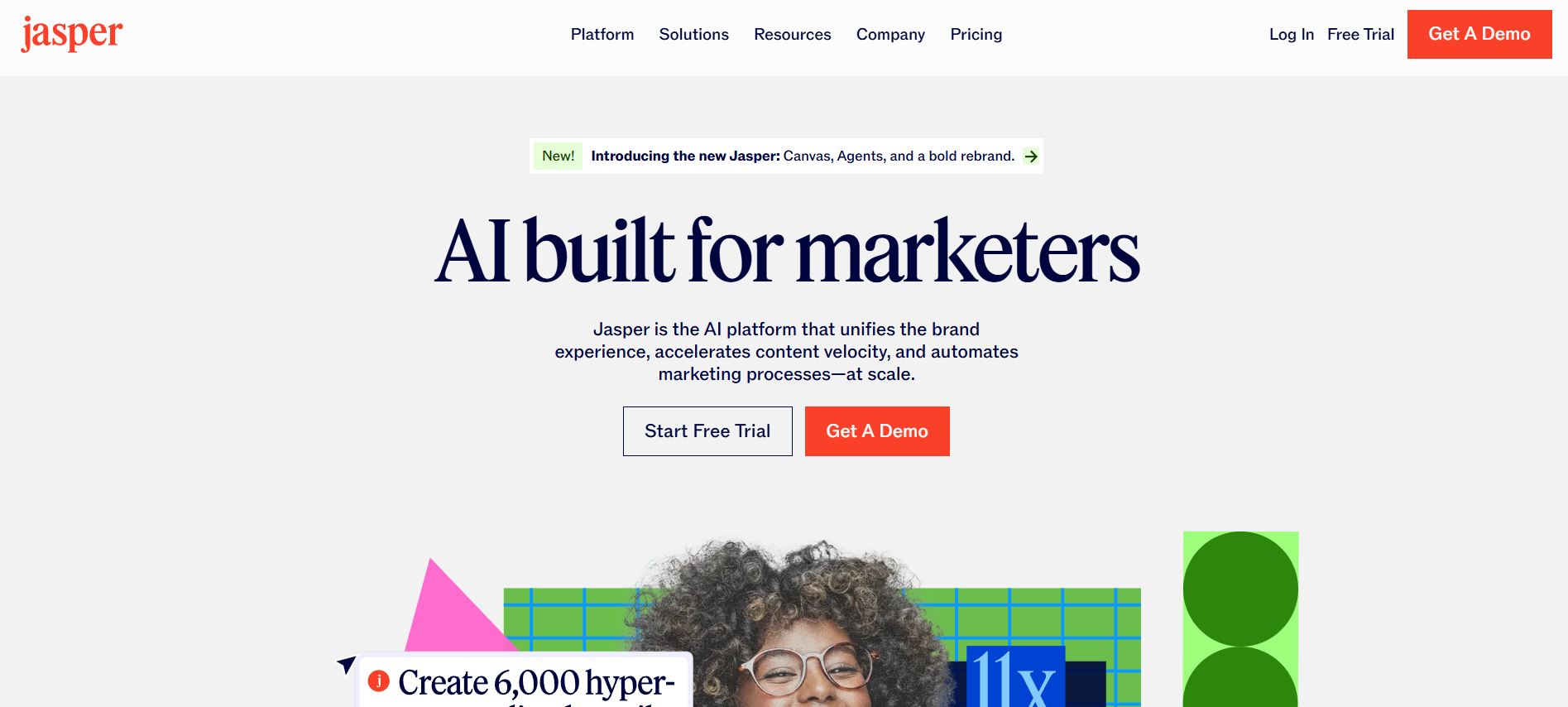
2. Jasper – AI Copywriting That Converts

Jasper

Jasper (formerly Jarvis) is built for marketers and businesses that want high-converting copy. It’s perfect if you need AI-generated responses that are persuasive, brand-aligned, and super fast.

  • Best for: Marketing, ad copy, branded messaging
  • Strengths: Templates, tone customization, team features
  • Free plan available: Free trial only

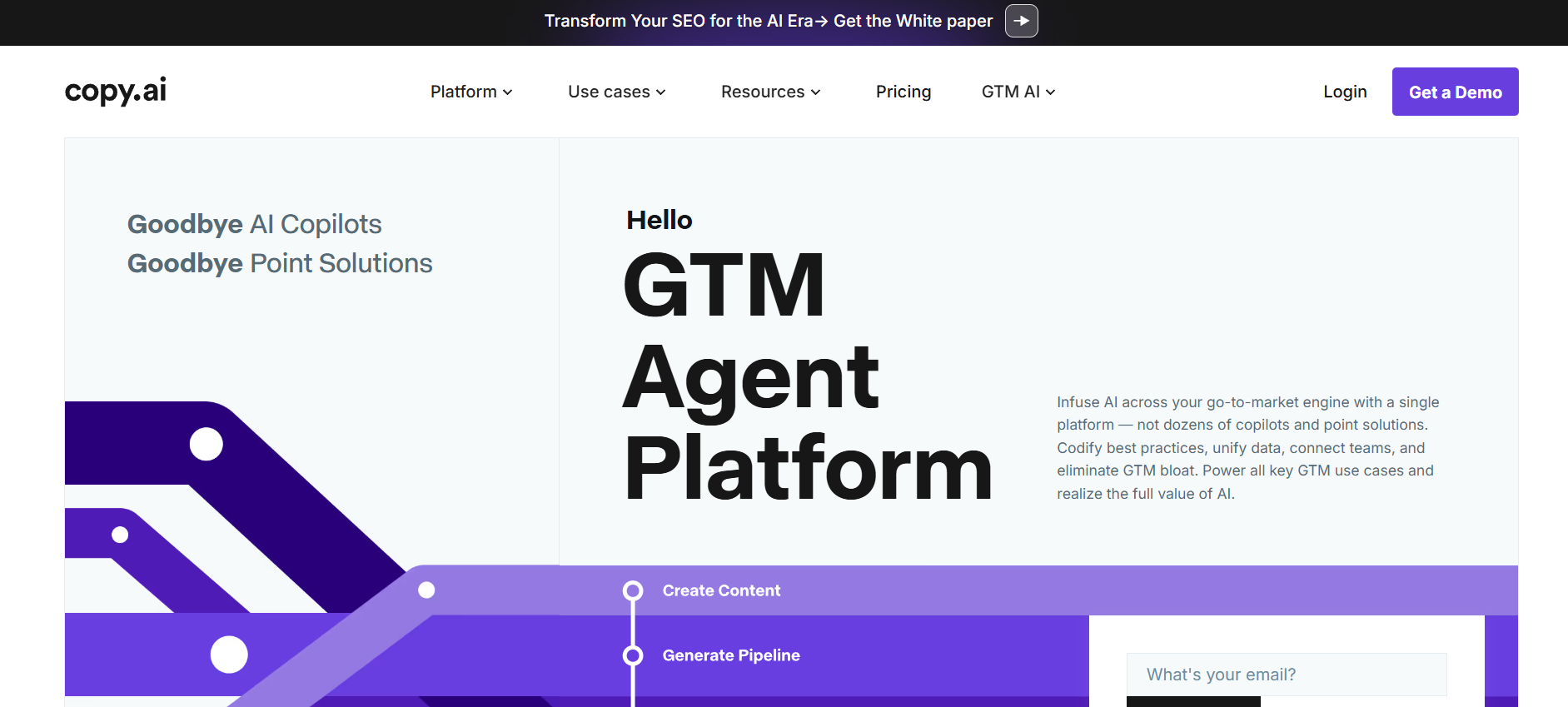
3. Copy.ai – Quick Replies for Busy People

Copy ai

Copy.ai makes generating responses incredibly easy. You can whip up emails, replies, and even entire social posts in seconds. It’s one of the best AI response generator free options for those just getting started.

  • Best for: Beginners, quick replies, general productivity
  • Strengths: Clean UI, intuitive setup
  • Free plan available: Yes

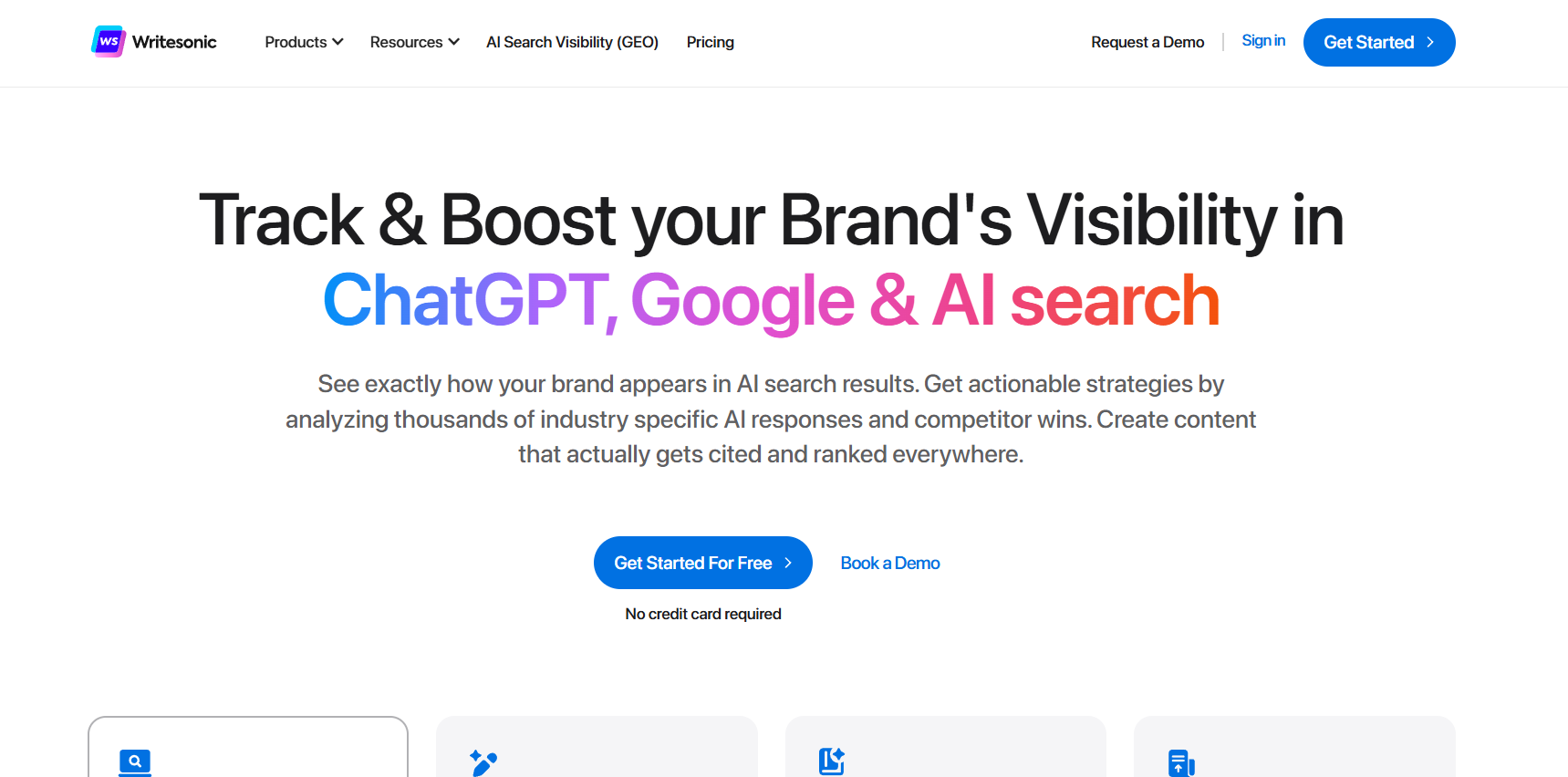
4. Writesonic – The Versatile Content Wizard

Writesonic

Writesonic blends content creation and conversation in a seamless way. You can generate blog posts, landing pages, AND customer responses all in one place.

  • Best for: Multi-purpose content + chat replies
  • Strengths: Wide content types, GPT-4 access, browser extensions
  • Free plan available: Yes

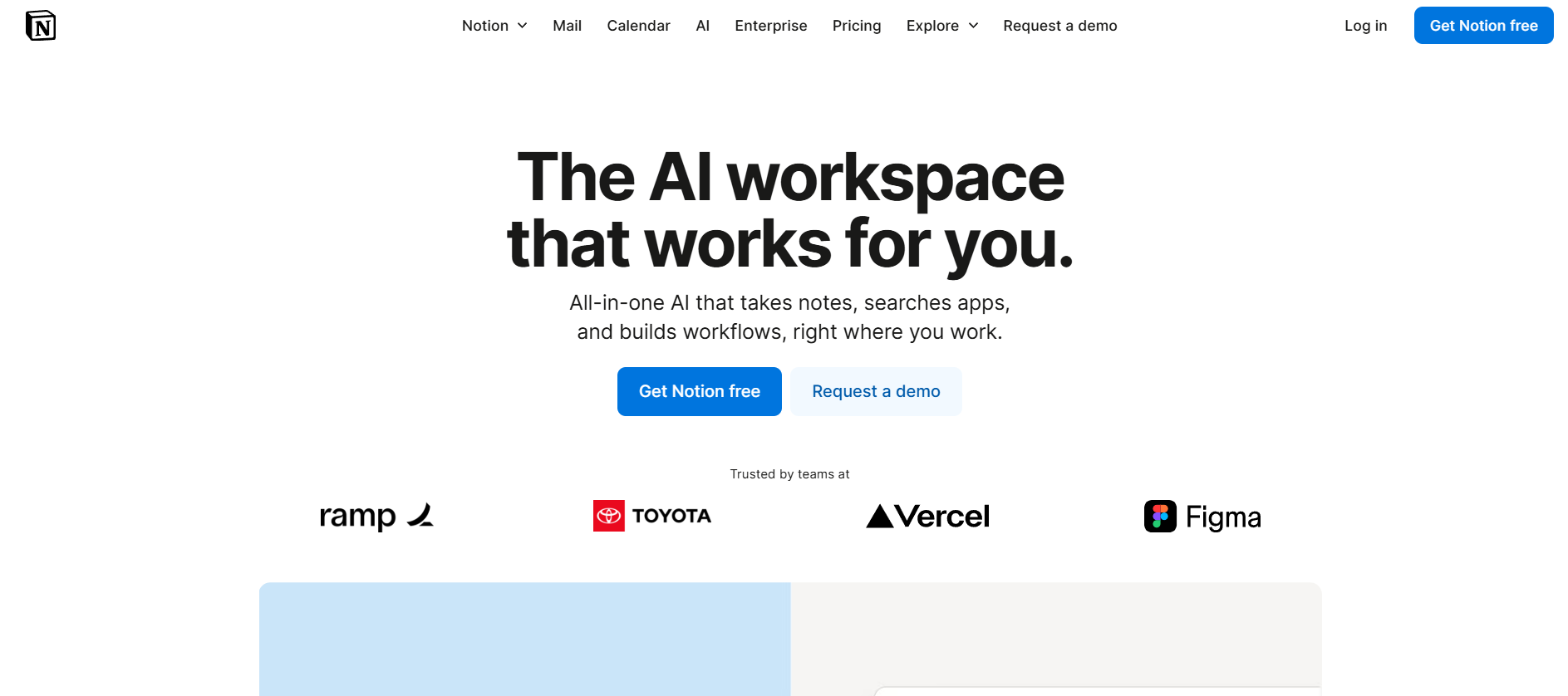
5. Notion AI – Smart Responses Inside Your Workspace

Notion AI

If you’re already a Notion user, this is a no-brainer. Notion AI can help generate responses inside your notes, docs, and even task lists.

  • Best for: Teams, productivity workflows
  • Strengths: Seamless integration, document-based prompts
  • Free plan available: Limited use in free Notion plan

6. Claude by Anthropic – Safer, Smarter AI Responses

Claude

Claude brings a fresh approach with its focus on safe, helpful, and honest AI-generated responses. It’s not just smart, it’s ethical.

  • Best for: Teams, educators, cautious adopters
  • Strengths: Focus on helpfulness, detailed responses
  • Free plan available: Yes

7. Rytr – Budget-Friendly and Surprisingly Capable

Rytr

Don’t underestimate Rytr just because it’s affordable. It’s simple, fast, and can easily handle short-form responses for email or chat.

  • Best for: Freelancers, small businesses, solo users
  • Strengths: Cost-effective, supports 30+ languages
  • Free plan available: Yes

8. Tidio AI – Customer Support on Autopilot

Tidio AI

Tidio AI is designed specifically for customer support. If you run a Shopify or WooCommerce store, this AI chat response generator can help you automate answers to common questions in seconds.

  • Best for: eCommerce, live chat support
  • Strengths: Pre-built flows, integrations with CRMs and stores
  • Free plan available: Yes

9. HyperWrite – The AI That Learns Your Style

HyperWrite

HyperWrite does something special: it adapts to how you write. The more you use it, the better it gets at mimicking your tone and voice.

  • Best for: Personalized emails, outreach, content editing
  • Strengths: Style learning, browser extension
  • Free plan available: Yes

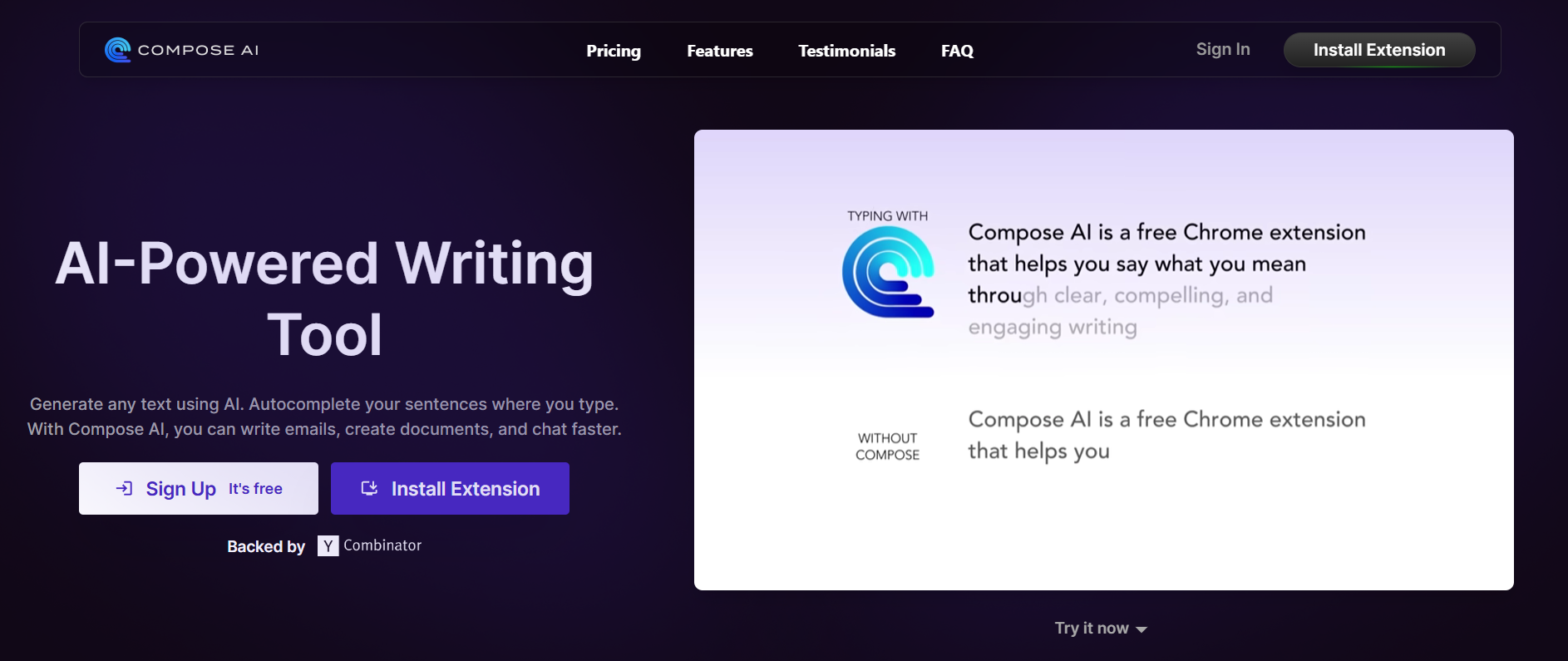
10. Compose.ai – AI Responses Built Into Your Typing Flow

Compose ai

Compose.ai integrates directly into your browser, so you can get AI generated responses as you type emails, chats, or even documents.

  • Best for: On-the-go typing and writing support
  • Strengths: Chrome extension, autocomplete suggestions
  • Free plan available: Yes

11. Telnyx

🔊 Telnyx Voice AI Agents
Smarter, Scalable Voice Automation
Telnyx Voice AI Agents let you automate phone conversations with natural, real-time voice
interactions — no robotic tones, no complex integrations.
🔍 Key Features:
● Lifelike Voice Conversations: Natural-sounding AI handles calls smoothly.
● Fully Customizable Agents: Match tone, logic, and workflows to your brand.
● Built-In Voice + AI Stack: No third-party tools needed — low latency and high quality.
● Live Data Integration: Connect your CRM or backend for dynamic responses.
● Always-On Support: Handle calls 24/7 without increasing headcount.
● Developer-Ready APIs: Fast, flexible setup for dev teams.
💡 Use Cases:
Customer support, lead qualification, appointment scheduling, order status, and more.

How to Choose the Best AI Response Generator for You

Consider Your Use Case First

Are you writing casual replies? Managing customer service chats? Drafting email campaigns? The right AI text response generator depends on your goals. Some tools are better for creative writing, like StudyAgent, while others excel at support and structured tasks.

Budget vs. Features: What’s Worth Paying For?

If you’re just dabbling or trying to save money, there are great AI response generator free options (like ChatGPT, Copy.ai, or Rytr). But for serious work or team collaboration, paid plans from Jasper or Writesonic might be worth the investment.

Ease of Use and Integration

Some tools shine because they just fit into your existing workflow. Think Notion AI or Compose.ai. Others might require some learning or setup. Pick something that doesn’t slow you down.

Final Thoughts: AI Writing Is Here (and It’s Only Getting Better)

If you’re still on the fence about using an AI response generator, just try one. The worst that can happen? You save a few hours and impress your coworkers or customers with lightning-fast replies.

These tools aren’t here to replace you. They’re here to make your life easier. From crafting the perfect email to handling customer support on a lazy Monday morning, AI generated response tools are quietly becoming everyday essentials.

Start experimenting, mix and match, and find the one that clicks. Chances are, your favorite AI response generator is just a few keystrokes away.

Find More: Boost Your Sales With SEO Services

FAQs

1. What is the best AI response generator for emails?

ChatGPT, Jasper, and HyperWrite are great choices for emails. They help you stay on-brand and reply faster with better tone control.

2. Can AI response tools replace human writers completely?

Not yet. They’re great assistants but still need human oversight for accuracy, nuance, and emotional intelligence.

3. Are AI-generated responses safe and accurate?

Most tools are safe to use, but always review output — especially for professional or sensitive topics.

4. Do I need to train or customize AI response tools?

Some tools like HyperWrite or Jasper allow for style customization. Others work right out of the box.

5. Are there any free AI response generators that are worth using?

Yes! ChatGPT (free tier), Copy.ai, Rytr, and Writesonic all offer solid free plans that are useful without upgrades.

Tags:
How artificial intelligence transforms marketing strategies today

How artificial intelligence transforms marketing strategies today

AI in marketing

Artificial intelligence (AI) is rapidly changing the face of marketing. From data analysis to customer engagement, AI technologies offer marketers powerful tools to improve efficiency and effectiveness. One standout example is marketowl.ai, an advanced platform that leverages AI to optimize marketing campaigns and drive better results.

What role does AI play in marketing?

AI enables marketers to analyze vast amounts of data, uncovering insights that would be impossible for humans alone. It helps create personalized customer experiences, automate repetitive tasks, and predict future trends. These capabilities allow businesses to target the right audience with the right message at the right time.

Key benefits of AI in marketing

1. Enhanced personalization

AI-powered platforms like marketowl.ai analyze customer behavior and preferences, enabling brands to deliver tailored content and offers. This improves customer satisfaction and increases conversion rates.

2. Automation of marketing processes

From email marketing to social media management, AI automates repetitive tasks, saving time and reducing errors. Marketers can focus on strategy and creativity while AI handles execution.

3. Predictive analytics and insights

AI tools forecast customer needs and market trends, allowing businesses to adjust strategies proactively. This reduces wasted budget and maximizes campaign effectiveness.

4. Real-time optimization

AI continuously monitors campaign performance and adjusts parameters automatically to enhance results. This dynamic approach ensures marketing efforts stay efficient and relevant.

How marketowl.ai stands out

marketowl.ai combines these AI capabilities into one platform, offering marketers a comprehensive solution for data-driven campaign management. Its user-friendly interface makes advanced AI accessible, even to those without technical expertise.

Challenges and future outlook

Despite its advantages, AI integration requires quality data, careful planning, and human oversight to avoid pitfalls like over-automation or privacy concerns. As AI evolves, tools like marketowl.ai will become increasingly sophisticated, shaping the future of marketing.

Conclusion

AI is no longer just a futuristic concept but a practical necessity in modern marketing. Platforms like marketowl.ai empower businesses to harness AI’s full potential, delivering smarter, faster, and more personalized marketing campaigns. Embracing AI today sets the stage for continued growth and competitive advantage tomorrow.