UK: +44 2038074555 info@atamgo.com
Future of Mobile Marketing: How Brands Are Adapting to the Always-On Generation

Future of Mobile Marketing: How Brands Are Adapting to the Always-On Generation

Mobile Marketing

In hyperconnected world, mobile isn’t just a channel, it’s the channel. Whether it’s scrolling through TikTok at lunch, shopping on the go, or managing finances through an app, users expect seamless, personalized, and real-time experiences. For marketers, this evolution presents both a challenge and an opportunity: how do you stay relevant in a world where attention spans are shorter than ever, and competition is just one swipe away?

Welcome to the era of mobile-first marketing. It’s fast, it’s personal, and it’s redefining how brands connect with consumers. In this article, we’ll explore the current state of mobile marketing, future trends, and how industries, from eCommerce to iGaming, are using innovative strategies to capture attention and drive conversions.

Mobile-First or Nothing

Let’s start with a reality check. More than 60% of global web traffic comes from mobile devices. In markets like Asia and Africa, mobile usage dominates even more. If your website, ads, or content aren’t optimized for mobile, you’re essentially invisible to most of your audience.

A mobile-first approach doesn’t just mean having a responsive site. It involves creating experiences designed for mobile users from the ground up—think thumb-friendly navigation, fast-loading pages, snackable content, and vertical videos.

Personalization on the Go

With mobile devices being such an intimate part of daily life, consumers expect brands to understand them deeply. That’s where personalization comes in.

Mobile marketers are increasingly using data-driven strategies to offer hyper-personalized content. This includes everything from push notifications based on user behavior to app interfaces that adapt to individual preferences. AI and machine learning tools are enabling this by analyzing vast amounts of user data in real-time.

For instance, Spotify Wrapped is an excellent example of how user data can be turned into a deeply personal and wildly shareable marketing campaign.

The Rise of Short-Form Content

TikTok, Instagram Reels, and YouTube Shorts have fundamentally changed how users consume content. These platforms thrive on short, engaging videos that deliver entertainment or value within seconds.

From a marketing standpoint, this means rethinking storytelling. You have to hook viewers within the first 3 seconds, deliver a clear message, and include a compelling call-to-action—all in under a minute.

This trend is especially useful for brands targeting Gen Z and younger millennials, who are native to vertical video and expect creativity, humor, and authenticity.

Voice Search and Conversational Interfaces

Another mobile trend on the rise is voice-based interaction. With the growing adoption of voice assistants like Siri, Alexa, and Google Assistant on popular mobile devices, users are increasingly performing searches through speech rather than text.

Marketers now need to optimize for voice search by focusing on natural language, long-tail keywords, and question-based content. This requires a shift in SEO strategies and content structure to match how people talk, not just how they type.

Additionally, chatbots and conversational marketing have become critical for mobile-first customer service. These tools provide instant, 24/7 assistance that boosts user satisfaction and conversion rates.

Gamification: Engagement Meets Retention

Gamification is one of the most powerful ways to engage mobile users. Whether it’s through reward points, badges, quizzes, or interactive challenges, gamified experiences encourage users to interact longer and more often.

Loyalty apps from Starbucks and Nike, or even Duolingo’s streak feature, are prime examples of how gamification can drive engagement. In the world of mobile marketing, this approach not only boosts retention but also creates viral loops as users share achievements with friends.

The iGaming industry has especially benefited from this approach. Mobile-friendly casino games, sports betting apps, and live tournaments use gamification mechanics to keep users entertained and engaged. For those seeking deeper insights into iGaming optimization strategies, companies like Fortis Media have documented how SEO and mobile UX play a critical role in attracting and retaining players.

Location-Based Marketing: Right Place, Right Time

Mobile devices allow brands to market based on real-time location data, opening doors to hyper-local campaigns. From notifying users about nearby deals to guiding them to physical store locations, location-based marketing offers a highly contextual and effective approach.

Retailers and food delivery apps are already capitalizing on this, but even sectors like real estate and tourism are beginning to leverage geotargeted advertising.

Privacy, however, remains a concern. As data privacy laws evolve, marketers must ensure transparency and consent when using location data.

Mobile Commerce and Social Shopping

The rise of mobile commerce (m-commerce) has been accelerated by the integration of shopping features into social media platforms. TikTok Shop, Instagram Checkout, and Facebook Marketplace are reshaping how people discover and purchase products, all without leaving the app.

This trend is prompting brands to invest in shoppable content, including product tags in videos, influencer collaborations, and live shopping events. The key is to make the path from discovery to checkout as frictionless as possible.

According to a 2024 Statista report, mobile commerce is expected to account for over 75% of total eCommerce sales globally by the end of 2025. If you’re not optimizing for social and mobile shopping, you’re missing out on the majority of online sales.

Mobile Analytics and A/B Testing

With the complexities of user behavior on mobile, having robust analytics is non-negotiable. Marketers must track not just clicks and conversions, but in-app behavior, scroll depth, retention rates, and micro-interactions.

A/B testing on mobile apps and mobile web is vital for refining UI/UX, copy, CTAs, and push notification timing. Tools like Mixpanel, Amplitude, and Firebase provide powerful analytics capabilities tailored for mobile.

The mobile landscape moves quickly, and continual testing allows brands to keep up with changing user preferences and trends.

Key Takeaways for Mobile Marketers

  • Think mobile-first in everything, UX, design, content, and advertising.
  • Personalization is critical. Use AI and real-time data to tailor experiences.
  • Short-form, visual content dominates attention spans.
  • Voice search and chatbots are reshaping interactions.
  • Gamification and engagement loops build retention.
  • Location-based marketing brings relevance and immediacy.
  • Social shopping is the future of eCommerce.
  • Analytics and testing ensure adaptability and performance.

Conclusion

Mobile is no longer just a piece of the marketing puzzle, it’s the entire table. The brands winning in this space are those that treat mobile as the foundation for everything, not an afterthought. From entertainment to shopping to learning, the mobile experience must be seamless, personalized, and engaging.

As consumer behaviors continue to evolve, marketers must remain agile and tech-savvy. With advancements in AI, 5G, and augmented reality on the horizon, the mobile marketing frontier is just getting started.

Now is the time to reassess your mobile strategy. Because in a world where everyone is just a tap away from your brand, being mobile-ready isn’t optional, it’s essential.

7 Best InstaZoom Alternatives You Need to Try In 2025

7 Best InstaZoom Alternatives You Need to Try In 2025

InstaZoom

Introduction: Why Look Beyond InstaZoom?

InstaZoom has gained popularity as a go-to tool for viewing Instagram profile pictures in full size. Whether you’re trying to get a better look at a brand logo, a friend’s DP, or a public figure’s profile image, tools like instazoom.io make the process quick and easy. However, while InstaZoom Instagram tools serve a very specific function, many users have started looking for alternatives due to increasing concerns over privacy, limited features, and frequent ads.

In 2025, the demand for better tools that go beyond simply viewing a DP (display picture) has surged. If you’ve ever found yourself frustrated with instazoom dp limitations, or simply want a cleaner, faster, or more private experience, you’re in the right place. Below, we explore the 7 best InstaZoom alternatives that actually work better for you and for any digital marketing agency.

7 Best InstaZoom Alternatives That Work Even Better

1. IZUUM – Fast, Clean, and Privacy-Friendly

instazoom

IZUUM is an up-and-coming tool that focuses on privacy and speed. It allows users to view Instagram profile photos in full resolution without storing any data.

Features:

  • No login required
  • High-speed image loading
  • Ad-free interface

Pros:

  • No tracking or cookies
  • Mobile optimized

Cons:

  • Limited to profile pictures only

Why It’s Better Than InstaZoom:
Compared to instazoom.io, IZUUM offers a faster, less intrusive user experience with no ads or redirects.

2. ProfilePlus – All-in-One IG Viewer Tool

InstaZoom

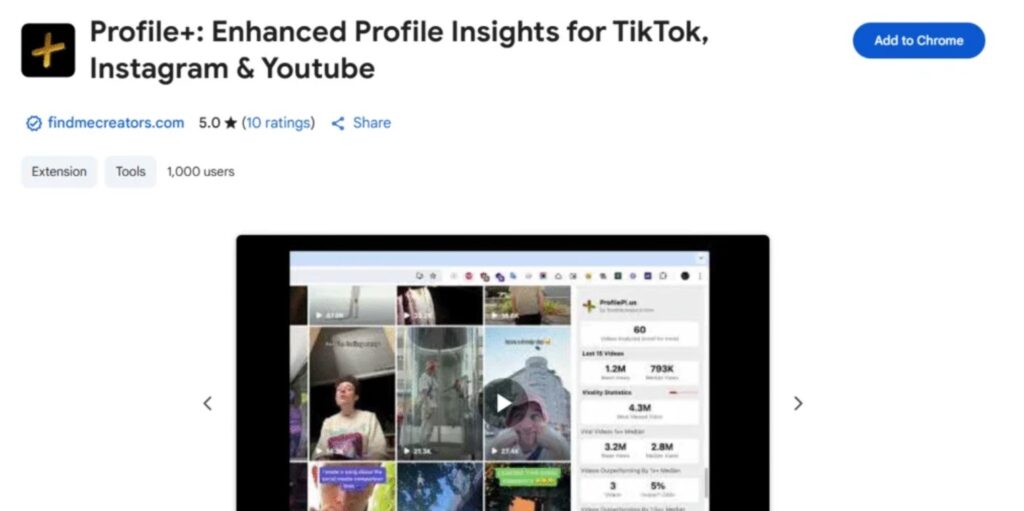
ProfilePlus goes beyond just profile photos. It lets users preview Instagram stories, highlights, reels, and feed posts (if public).

What Makes It Unique:

  • Multi-feature access in one place
  • Clean, modern interface

Ease of Use:

  • Supports copy-paste of usernames
  • Fast switching between user content types

Supported Features:

  • DP viewer
  • Story and reel downloader

Why It’s Better:
While InstaZoom focuses only on DPs, ProfilePlus gives more flexibility and content access for researchers, brands, and fans.

Find More: 7 Powerful Ways Instanonimo Lets You Spy on Instagram Stories (Legally!)

3. InstaBig – Simple Yet Powerful Zooming Tool

InstaZoom

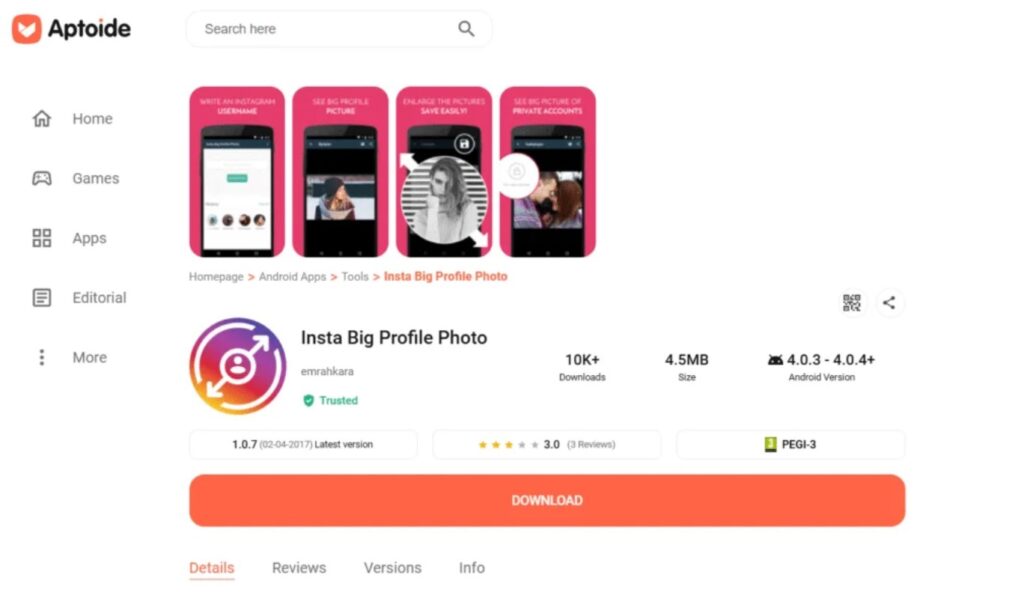
InstaBig is a minimalistic tool that offers full-size viewing of profile pictures with one click.

Key Benefits:

  • No account or email needed
  • Clean layout with no distractions

Compatibility:

  • Works on all devices and browsers

Safety and Privacy:

  • No third-party tracking
  • Open-source version available

Why It Outperforms InstaZoom:
Unlike InstaZoom Instagram versions cluttered with popups, InstaBig is lightweight and efficient.

4. PicZoomer – High-Resolution Profile Viewer

InstaZoom

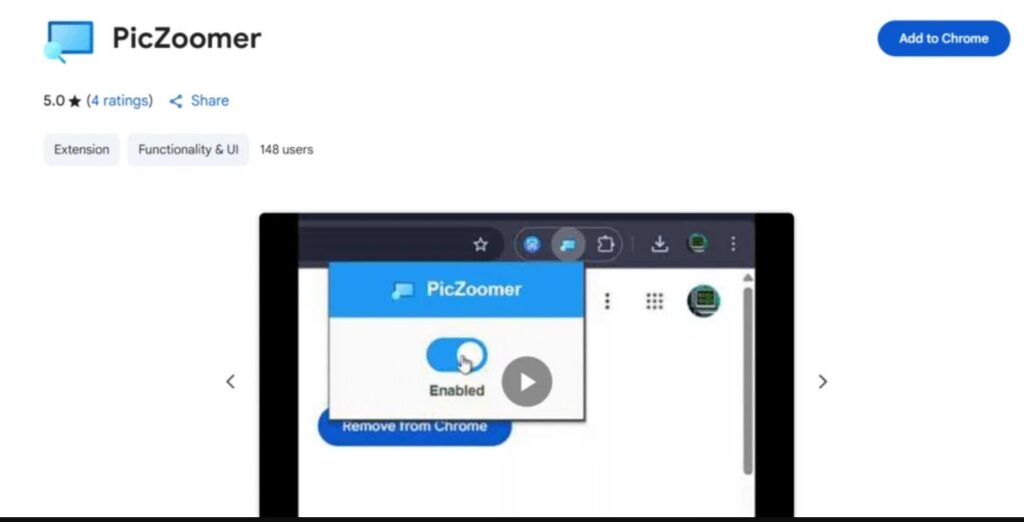
Designed for quality freaks, PicZoomer retrieves Instagram DPs in their highest available resolution.

Best For:

  • High-res image downloads
  • Brand logo inspection

Standout Features:

  • Watermark-free downloads
  • Zoom slider for detailed viewing

User Reviews:
Many users say PicZoomer performs better than instazoom dp because it preserves sharpness and detail.

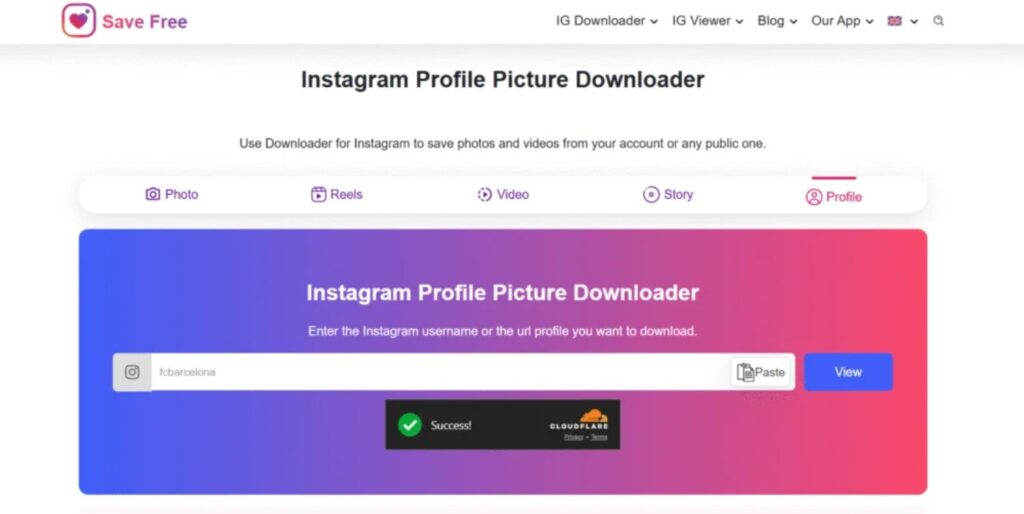
5. SaveFree – Fastest IG DP Viewer Tool

InstaZoom

A longtime favorite, SaveFree provides instant preview of full-size DPs, even from private accounts (if cached previously).

Quick Preview of:

  • Public DPs
  • Some cached private DPs

Is It Legal and Safe?
Yes, SaveFree uses publicly available metadata and does not breach Instagram’s API terms.

Mobile-Friendly Features:

  • Responsive design
  • No need to download an app

Why Choose It Over InstaZoom?
SaveFree often struggles with loading speed; FullInstaDP is known for its lightning-fast previews.

6. InDownloader – More Than Just Profile Pics

InDownloader is ideal for users who want to download a variety of Instagram content: DPs, reels, stories, and posts.

Multi-Purpose Tool:

  • DP viewer
  • Story saver
  • Reels and IGTV downloader

UI Comparison with InstaZoom:
InDownloader has a dashboard-style layout vs. InstaZoom’s single-use interface.

Performance Speed:

  • Slightly slower for DPs
  • Fast for story and video downloads

Why It Wins:
It replaces the need for multiple tools, which makes it more convenient for marketers and content creators.

7. Qoob Stories – Premium Alternative with Pro Features


Qoob Stories is a downloadable desktop app designed for users who want automation, mass downloads, and scheduling.

Best For:

  • Agencies
  • Social media managers
  • Researchers

Pro Features:

  • Scheduled auto-downloads
  • Filter by hashtags, location, or account

Who Should Use It:
Anyone serious about Instagram content tracking and archiving.

How It Beats InstaZoom:
Qoob offers a professional-grade experience with features InstaZoom simply doesn’t support.

How to Choose the Right InstaZoom Alternative for You

Key Factors to Consider

When evaluating tools similar to InstaZoom, consider:

  • Privacy: Does it collect data or require login?
  • Speed: How fast is image loading and downloading?
  • Features: DP only or multiple content types?
  • Compliance: Is it legal and safe to use?

Use Case Examples

Casual Browsers:

  • Best tools: InstaBig, FullInstaDP

Content Creators & Social Media Managers:

  • Best tools: IGDownloader, Qoob Stories

Mobile Users:

  • Best tools: IZUUM, PicZoomer

Final Thoughts – Is It Time to Ditch InstaZoom?

While InstaZoom (especially versions like instazoom.io) still does its job, there are now tools that offer a faster, safer, and more feature-rich experience. Whether you’re just viewing a profile picture or managing multiple Instagram accounts, the alternatives above give you more control, less frustration, and greater performance.

If you’re tired of the limitations and want to explore more flexible options, now is a great time to switch to a better InstaZoom alternative.

FAQs:

1. Is InstaZoom safe to use?

Yes, generally. But since it’s a third-party tool, avoid versions that ask for login details. Stick to tools that don’t store personal data.

2. Can I view private Instagram profiles with these tools?

No. You can only view public content or cached profile pictures. Tools that claim otherwise often violate Instagram policies.

3. Are InstaZoom alternatives legal?

Most are legal as long as they only access public data and don’t violate Instagram’s API or scrape private content.

4. Do I need to log in to use these tools?

No. None of the tools listed here require a login, which is safer and more private.

5. Which InstaZoom alternative works best on mobile?

IZUUM and PicZoomer are both optimized for mobile and offer a smooth user experience without ads.

How Product-Specific Expertise Results in Effective Digital Marketing

How Product-Specific Expertise Results in Effective Digital Marketing

Digital Marketing

Ever wondered why some brands seem to skyrocket online while others quietly disappear? There’s a simple reason for this: generic digital marketing strategies won’t cut it anymore. 

Research suggests that several companies are spending between 40 and 60 percent of their digital marketing budgets ineffectively. In fact, 80 percent of branded content on TikTok is also failing to capture audience attention. The reason is that such content often fails to cater to the emotions of its target audience. 

Hence, even platforms that provide the most ideal digital marketing opportunities can’t do much if your marketing approach itself is problematic.

The most successful campaigns often come from digital marketing agencies and experts who understand your product inside and out. Not just your industry, but your actual product. They know how it works, who it’s for, and why people care about it. That kind of insight changes everything.

Product-specific expertise doesn’t just make a campaign smarter. It makes it hit harder, convert better, and connect deeper. Here’s how. 

The Problem with One-Size-Fits-All Marketing

As Prosper Media points out, agencies should strive to elevate your brand’s overall digital presence by creating engaging campaigns. However, the same marketing approach won’t work for everyone. Such approaches usually lead to watered-down campaigns that don’t quite resonate. 

It’s like trying to sell hiking boots the same way you’d promote headphones. Sure, both need good content and SEO, but that’s where the similarities end.

Let’s say you’re running a dispensary that sells products like cannabis. A generic digital marketing strategy might focus on generic keywords and create vague blog posts, but it’s not sustainable. A digital marketing agency that specializes in cannabis products, however, would dig into specific use cases while targeting niche keywords. That difference in approach can make or break your company’s growth.


Digital Marketing

Why Product Familiarity Makes SEO Work Harder

Search engine optimization isn’t just about stuffing a page with keywords. It’s about understanding what your potential customers are searching for and why. A team that knows your product can craft content that matches those questions exactly.

Let’s say your product solves a highly specific issue. If your marketing team doesn’t understand that issue well enough, your SEO will miss the mark. 

However, if your agency knows what your customers deal with daily, your content starts showing up at the right time, in the right searches. That’s when your rankings climb, your traffic grows, and your leads improve.

A product-focused digital marketing strategy can spot keyword opportunities others wouldn’t notice. It can link SEO content to real-world usage, making every blog post feel less like a sales pitch and more like helpful advice. 

Content That Actually Sounds Like It Knows What It’s Talking About

Audiences can tell when a blog or ad is written by someone who barely gets the product. There’s a flatness to the writing. It’s generic, vague, and easy to forget.

When your digital marketing agency really knows your product, the tone shifts. Suddenly, the content feels like it’s written by someone in the trenches. 

Someone who understands the user’s frustrations and knows how to fix them. That’s the kind of messaging that holds attention and keeps people reading.

Social media marketing is a perfect example of this. You can’t just schedule posts and hope they perform. You need to join conversations, reply with substance, and create content that speaks the language of your niche.

A marketing team that’s immersed in your product can do that without breaking a sweat.

Paid Ads That Don’t Waste Your Budget

Running ads might look easy on the surface. Set a budget, pick a target audience, write some copy, and boom, you get results. But in reality, the ad space is crowded. Every dollar has to count.

An agency that gets your product knows how to position it. They can test different angles that make sense for your audience. Not just “fast” or “affordable,” but benefits that relate directly to what the product does and how it fits into people’s lives.

That insight means better click-through rates, lower costs per lead, and ad campaigns that don’t burn through your budget without showing returns. Even better, it helps your digital marketing strategy evolve quickly based on real data, not just best guesses.

If your digital marketing efforts feel like they’re stuck in second gear, take a hard look at the people behind them. Do they really understand your product? Are they digging into the details, the features, the customers?

Because once they do, everything starts to shift. SEO becomes more targeted. Social media marketing gets more traction. Ad campaigns start hitting the right nerve. You stop wasting money on ideas that look good on paper but flop in real life.

A digital marketing agency with product-specific expertise isn’t just a nice-to-have. It’s the difference between just being seen online and being remembered.

Heatmap Tools Compared: Finding the Best Solution for Your Website

Heatmap Tools Compared: Finding the Best Solution for Your Website

Heatmap Tools

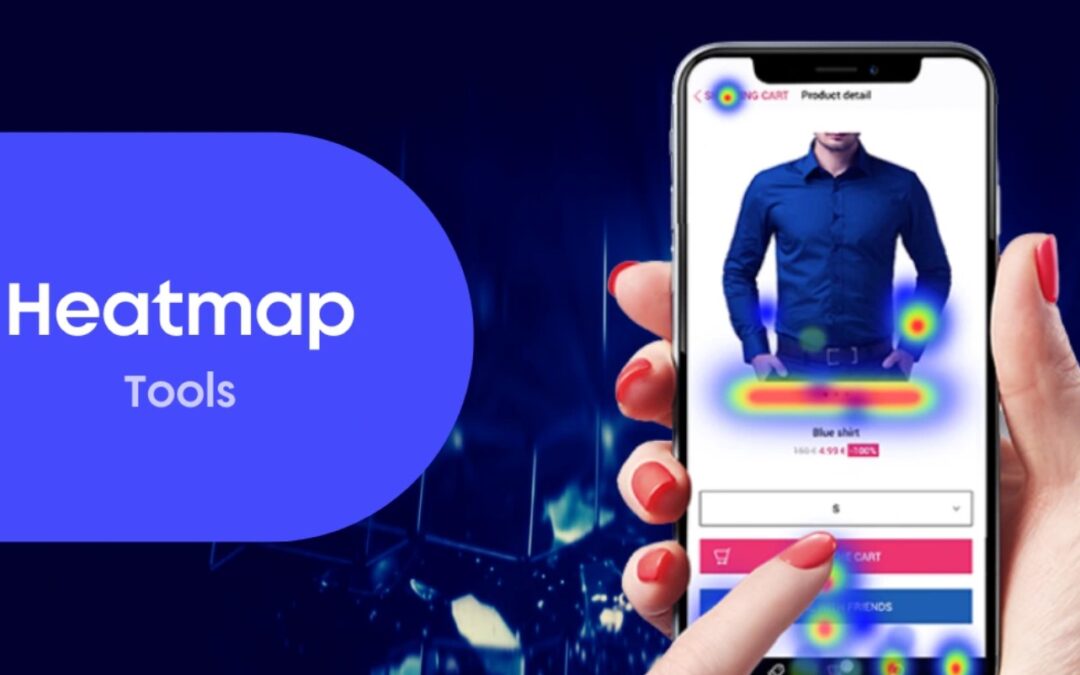
Clicks, scrolls, taps—they’re more than just user interactions. They’re breadcrumbs that tell a story about what’s working on your website, what’s being ignored, and where people lose interest. Heatmaps help surface those stories in a way raw numbers simply can’t. Whether you’re a marketer trying to fine-tune a landing page or a product manager obsessed with UX, the right heatmap tool can give you the visual clarity you need to make smarter decisions.

But not all heatmaps are created equal. Some are built for massive enterprise teams. Others are better suited for leaner setups that just want quick insights without a complicated setup. Choosing the right one starts with understanding what you actually need.

What to Look for in a Heatmap Tool

Before comparing platforms, it helps to get clear on your priorities. Here are some key questions worth asking:

  • Do you want session recordings alongside heatmaps? 
  • Is mobile behavior tracking important to you? 
  • How crucial is GDPR or HIPAA compliance? 
  • Do you need integrations with tools like Google Analytics, Shopify, or HubSpot? 
  • How big is your team, and who will be using the data? 

These questions help narrow your focus, so you’re not overwhelmed by a feature list that sounds impressive but doesn’t actually align with your goals.

Popular Heatmap Tools and What They’re Known For

Let’s break down a few well-known players and what makes each stand out.

Hotjar


Hotjar is probably the name you’ve heard first, and for good reason. It’s user-friendly, quick to install, and comes with a tidy combination of heatmaps, session recordings, and feedback polls. If you’re a small to mid-sized business looking for an easy win, Hotjar can do the trick. But it does come with some limitations around the number of session recordings unless you’re on a higher-tier plan.

Crazy Egg


Crazy Egg offers a more visual approach to testing, including scroll maps, confetti maps, and A/B testing tools. It’s been around for a while and is still a solid choice if you want something straightforward with a low learning curve. It’s often favored by teams that want to move quickly without overcomplicating the setup.

Microsoft Clarity


Clarity has made waves because—well, it’s free. That alone is a huge win for startups or lean teams. It includes session recordings and heatmaps and doesn’t cap usage the way some freemium tools do. While the interface isn’t quite as polished as some premium tools, the value is hard to ignore. Just be mindful that the data stays on Microsoft’s servers, so privacy-conscious teams might want to read the fine print.

FullStory


FullStory takes a more technical, product analytics-driven approach. You’ll get heatmaps, sure, but also funnels, conversions, and powerful segmentation. It’s ideal for product teams and larger organizations that want detailed behavioral insights. But with that power comes a steeper learning curve—and a price tag to match.

Lucky Orange


This one sits somewhere between Hotjar and FullStory. It offers live visitor recordings, dynamic heatmaps, and conversion funnels. Where it shines is in real-time analytics—you can actually watch users live as they navigate your site. It’s particularly useful for customer support teams who want to troubleshoot issues on the spot.

When a Lightweight Tool Is Just Right

Sometimes, you don’t need the whole kitchen sink. You just need a clear view of how people interact with a specific page—maybe for a campaign launch or an A/B test. This is where a streamlined website heatmap tool that focuses on essential features (like click, scroll, and attention maps) can be more efficient than an all-in-one platform bloated with features you’ll never touch.

There are newer niche players in the space doing just that—offering clean dashboards, generous free plans, and fast setup without enterprise-level complexity.

Where Heatmaps Fit Into the Bigger Picture

Heatmaps on their own are useful, but their true power is unlocked when combined with other analytics. Let’s say a button is getting lots of clicks but conversions are still low. Heatmaps can tell you where attention is going, but session recordings show you why something isn’t working. Surveys can tell you what users are thinking. Together, these layers create a full story.

That’s why the best heatmap tool is the one that slots neatly into your current stack and complements the way your team works.

Final Thought: Don’t Just Collect—Act

One trap teams fall into is collecting mountains of data but not knowing what to do with it. The value of any heatmap tool is only as strong as the actions it inspires. Use it to tweak headlines, adjust layouts, reposition CTAs, or simplify your navigation. Then test again. The best websites don’t get it right the first time—they iterate, learn, and improve.

So if you’re looking for the best solution, don’t just compare features. Compare momentum. Which tool helps your team move faster, ask better questions, and make clearer choices? That’s the one that deserves a place in your workflow.

From SEO to Social Ads: A Complete Look at DianApps’ Digital Marketing Solutions

From SEO to Social Ads: A Complete Look at DianApps’ Digital Marketing Solutions

DianApps

In this growing digital landscape, visibility no longer remains an option, but it has become everything. Today, if your brand isn’t showing up in search results of social media platforms or app stores, then you are missing out on a lot. Most customers look for digital services to align themselves with the growing digital landscape. 

That’s exactly where the role of DianApps emerges.  

As a leading digital marketing service provider, we don’t believe in a one-size-fits-all strategy. Whether it’s about enhancing your app’s visibility through App Store Optimization (ASO) or looking to bring high-intent traffic to your landing pages with Pay-Per-Click (PPC) campaigns, we do not deliver the same solutions for all businesses, but we customize our services based on your audience behavior, industry trends, and goals.  

In this blog, we will help you understand the complete digital marketing solutions delivered by DianApps, such as social media to SEO, and showcase how a result-driven approach helps brands discover scalable growth. 

Search Engine Optimization (SEO)

Search Engine Optimization is the essential factor, or can be considered as the soul of every successful online strategy. It’s not just about getting to page one on Google; it’s about staying there and converting that visibility into tangible business outcomes. 

At DianApps, our SEO services are tailored to help businesses improve organic visibility, drive qualified traffic, and increase domain authority.

Our SEO services include:

  • Technical SEO: Our technical SEO includes services such as auditing, optimizing website speed, structured data, XML sitemaps, mobile usability, and more. 
  • On-Page SEO: On-page SEO includes all major services from keyword optimization to meta tags, image alt text, headers, and internal linking based on every project’s details. 
  • Off-Page SEO: Here to strengthen or grow your digital presence, we build high-quality backlinks, guest posts, and local citations. 
  • Local SEO: This SEO type is perfect for businesses targeting specific locations with Google Business Profile optimization, review management, and local keywords. 
  • E-commerce SEO: With every SEO service, we also help online businesses rank higher for product searches with categories, optimized descriptions, and schemas. 

Pay-Per-Click (PPC)

As we know that SEO results take time, so if you want fast-track conversions, you should definitely go with PPC advertising.  

At DianApps, our PPC experts know that every dollar spent on paid ads should work harder for your business. Our PPC campaigns are conversion-focused, data-backed, and constantly optimized to lower your CPC rate and boost your return on ad spend. 

What we offer in PPC:

  • Google Search Ads: Show up at the highest point of search results for your desired keywords with Google Search Ads. 
  • Display Ads: Eye-catching banners that appear throughout the search engine’s Display Network.
  • Shopping ads: For e-commerce companies, display product photos and prices.
  • YouTube Ads: Video advertisements designed to captivate and persuade viewers.
  • Remarketing campaigns: Get in touch with people who have previously interacted with your website.

From imaginative creation and ad copywriting to automated testing and analytics reporting, we handle it all. 

Beyond just increasing traffic, our PPC tactics produce meaningful outcomes like increased signups, sales, and engagement.

Search Engine Marketing (SEM)

While SEO and PPC always remain a powerful strategy, combining them under a unified Search Engine Marketing (SEM) is where the digital marketing services of DianApps excel.  

SEM is not just about showing up in search, it’s more about creating a future-proof space in search results. Our SEM approach ensures that your brand dominates both the paid and organic sections of Google, Bing, and other search engines. 

Why choose DianApps for SEM?

  • Unified strategy: The PPC and SEO team at DianApps collaborate with each other to avoid cannibalization and maximize ROI. 
  • Keyword Harmony: Across both the PPC and SEO strategy, we ensure to find the right balance between long-tail and short-tail keywords. 
  • Real-time Reporting: In the unified dashboard of your business, get a comprehensive view of your performance.

Whether you’re looking to generate leads, build brand credibility, or increase visibility, our SEM services are built to deliver measurable growth. 

App Store Optimization (ASO)

You have a great app, but if it isn’t available in the search results for your customers, then your app is of no use. Once your app is developed, make sure people can find it.  

App  Store optimization is one of the important digital marketing services that is often ignored or overlooked, but it plays a crucial role in the success of any mobile application. With millions of apps on the Google Play Store and Apple App Store, standing out from this crowd requires more than a good product. 

At DianApps, our ASO experts work on:

  • Keyword-Optimized App Titles & Descriptions
  • App Icon A/B Testing
  • High-Converting Screenshots & Preview Videos
  • Category Selection
  • Ratings & Review Management

Whether you’re launching a brand-new app or planning to scale your existing application, our ASO services are designed to boost organic downloads, increase app visibility, and improve user engagement.  

ASO can be termed as the SEO of mobile apps, if you ignore this practice, you will never to able to reach its full potential. 

Content Marketing

Great content is an important aspect of digital marketing, as it helps in driving website traffic. Other than this, it also helps in building trust, loyalty, and positions your brand as an industry leader. 

At DianApps, content marketing involves much more than blog writing. It’s a strategic approach to distribute, amplify, and create content that connects with your audience at every stage of the buyer journey. 

Our content marketing services include:

  • SEO Blog Writing: Our team ensures to deliver well-researched articles that rank and resonate with your target audience.
  • Social Media Content: We also help businesses with social media post content which can be created using social media post generator and also infographics, carousel posts, to is used boost engagement.
  • Website Copywriting: A website landing page, product pages, and services section must have content that provides conversion-driven solutions. 
  • Email Campaigns: We also write newsletters, product updates via email to keep users updated. 
  • Thought Leadership & Whitepapers: This content helps position your brand as a go-to expert.

Each piece of content delivered by us is optimized with relevant keywords, structured formatting to improve readability, meta descriptions, and SEO rankings. 

Our content marketing services not just help you write but also ensure to deliver content strategies that engage, educate, and convert.

Why Choose DianApps for Your Digital Marketing?

With 8+ years in the digital ecosystem and 450+ projects delivered across the globe, DianApps is not just a custom mobile app development company—we’re your long-term digital growth partner. 

Here’s why businesses across industries choose us:

  • Full-Service Expertise: We provide the complete digital marketing experience in one place, including SEO, PPC, ASO, and content marketing.
  • Results-Oriented Campaigns: We aim for results like leads, sales, downloads, and visibility, not just talking about numbers.
  • Cross-Platform Strategies: We ensure your brand stays in touch and on top of mind, whether your users are on Instagram or on Google search.
  • Transparent Reporting: Regular updates and detailed performance dashboards keep our clients in the loop.
  • Expert Staff: Our marketing professionals are certified by HubSpot, Google, and Meta, ensuring that your campaigns remain updated with the latest trends and industry best practices.

Final Words

Whether you are a startup owner looking to gain popularity over some renowned brands or an enterprise looking to scale your business, digital marketing comes with every thought. But we can say that not all strategies are created equal in digital marketing. 

At DianApps, we are a SEO driven service company. We blend creativity, tech, and data to build custom marketing strategies that align with individual business goals and user intent. Our multiple digital marketing services ensure that you never miss a customer, whether you are searching, scrolling, or shopping.  

Are you ready to build your digital presence to the next level? Connect with our experienced team right away.

TikTok Affiliate Marketing in 2025 – A Detailed Guide

TikTok Affiliate Marketing in 2025 – A Detailed Guide

TikTok Affiliate Marketing

According to a study, TikTok is the fifth-largest social media platform, with around 1.84 billion active monthly users. If you have ever used TikTok, you might have noticed that things started with a simple scroll. After a few scrolls, a product video from a creator popped up that seemed good to buy. 

Well, this is what TikTok affiliate marketing is. Using their audience creators, promote, sell products, and earn a handsome commission. As the audience size on the platform is increasing daily, the potential of getting more sales and earning commission is also on the rise. 

In this guide, you will learn what TikTok affiliate marketing is and how to start in 2025. 

What is TikTok Affiliate Marketing?

TikTok affiliate marketing is the process by which creators get affiliated with a brand or product owner. They create content (videos) around these products or services and promote them among their followers/viewers. 

Along with their content, they share specialized affiliate links for their audience to make an instant purchase. Whenever a purchase is made via these links, the creator gets a decided commission from the sale amount. 

What makes TikTok affiliate marketing different from traditional affiliate marketing is the type of content. In traditional affiliate marketing, long-form blog posts and YouTube videos generate sales. 

However, in TikTok affiliate marketing, the content is usually short-form like reels and sounds like UGC (user-generated content)

How Does TikTok Affiliate Marketing Work?

The TikTok affiliate marketing is like traditional affiliate marketing. In it: 

  1. You first transform your simple account into a creator or business account. 
  2. Sign up for the TikTok affiliate program. (You can also sign up for external programs as well. Many of the brands now offer their own individually.)
  3. Choose the brands you want to work with. 
  4. Get your specialized affiliate links. 
  5. Add them to your profile. 

Here, we would like to clarify that you cannot add affiliate links directly into videos on TikTok. Instead, creators paste these links in their profile bios and guide users in their videos to make purchases via them. 

However, there is another way that many creators are adapting nowadays. Yet you can not add links to your videos, but you can add QR codes with your affiliate links. Scanning these codes, users can make a purchase, and you can earn a commission. 

Read more: 9 Powerful TikTok Story Viewer Tools You Need to Try Today

How to Get Started with TikTok Affiliate Marketing?

Follow the steps below to get started with TikTok affiliate marketing. 

1. Set Up a Creator/Business Account

First, set up a creator or business account to earn money through TikTok affiliate marketing. If you create content individually, go for a creator’s account. However, choose a business account if you own an agency or provide marketing services. 

For more on setting up a TikTok business account, watch this tutorial on YouTube. 

2. Join an Affiliate Program

After setting up your account, the next step is to get yourself linked with an affiliate program. This is necessary to get the affiliate links to earn the commission by selling products through your videos. 

Below are some of the recommended affiliate programs for 2025 that you can consider joining. 

  • Amazon Associates
  • ClickBank 
  • Impact
  • ShareASale
  • TikTok Shop Affiliate

Whatever program you join, choose the products wisely. Only select those that align with your niche and audience interest. Plus, do not overlook the commission rate at all. It varies from product to product. 

3. Start Creating Content

Once you have decided on the niche and product, start creating videos. Those that can drive sales. Below, we have shared the content formats that work well in 2025.

Product Reviews and Demos

Show how the product works, its benefits, and what makes it worth buying. Keep it honest and visually transparent.

“TikTok Made Me Buy It” Trends

Show products that you purchased due to TikTok hype. These go viral often and create social proof.

Unboxing & First Impressions

Record the unboxing process and share your initial thoughts. It excites the audience and translates into more engagement and trust.

Tutorials and How-To Guides

Show the product in action and how to use it. This way, viewers see the value and imagine themselves using it.

Storytelling & Emotional Hooks

Tell a personal story or problem you had and how the product helped. This human angle builds connection and makes your content memorable. 

4. Placing Affiliate Links on TikTok

You might not know that TikTok doesn’t allow clickable links in the captions. However, there are other innovative ways that creators opt to generate commission. Here are some commonly used ones among them:

Using TikTok Bio Link

You only get one clickable link in your bio. However, you can create a landing page with multiple affiliate links using external tools such as Linktree

You can paste the link to this landing page with various links in your TikTok bio. This way, the audience can explore more products, likely increase the chance of sales, and ultimately earn more commission. 

Using QR Codes

Another beneficial way is making QR codes with your affiliate links. You can do this easily using an online QR code generator. The good thing about this method is that you can add these codes inside your videos and ask the audience to scan these codes and make an instant purchase.  Tracking scans and conversions also helps you measure your QR code ROI, giving insights into how effectively your affiliate marketing campaigns are performing.

5. Optimizing Your Content

Even great content can get invisible if not optimized properly. Regarding TikTok, the best strategy is to use relevant and trending hashtags (avoid overusing them). Along with hashtags, consider adding catchy CTAs that can hook the audience and make them click on the link to the product. 

Common Mistakes to Avoid

While starting with affiliate marketing, many make some common mistakes. You must avoid them to be a successful TikTok affiliate marketer. Here are the common ones we are talking about.

Choosing the Wrong Niche

Some people choose the wrong niches only because they have a high commission rate. Don’t do that at any cost. Only select those that align with your audience. Otherwise, you will get no benefit.

Joining Multiple Programs

Another mistake that many make is joining multiple affiliate programs at once. Why? To earn more profit. But in reality, they get the worst. Never bombard your audience with similar products from different vendors. 

Start with 1-2 quality products from a reputable brand. You can increase the quantity over time.

Not Disclosing Affiliation

Hiding that your content has affiliate links from which you earn commission is another mistake people make. This is a complete violation of TikTok community guidelines and can lead to the suspension of your account.

As ReferralCandy states in their guide on FTC affiliate disclosure, it’s mandatory to mention you’re affiliated with the brands you advertise.
Link: Anchor “guide on FTC Affiliate Disclosure” link here: https://www.referralcandy.com/blog/ftc-affiliate-disclosure

Final Talk

TikTok affiliate marketing in 2025 offers a powerful way to earn online. You can turn the views into commissions with the right niche and innovative content strategy. Remember to stay consistent, be transparent with your audience, and always aim to add value, not just make a sale.