UK: +44 2038074555 info@atamgo.com
The Benefits That Professional Video Can Bring To Your Business

The Benefits That Professional Video Can Bring To Your Business

Professional Video

In today’s high stakes, fast paced digital world of commerce, content is king! You have to capture the attention of users quickly and keep it before they are drawn away by the next shiny object they see on their screen! Your content has to be engaging, attractive, and able to captivate your audience!

One of the proven ways to achieve this is by offering exciting, eye-catching video content on your site. Video has emerged as the most important tool businesses have to draw in users long enough to effectively communicate their brand message. By far the best way to make this happen for your business is to work with a corporate video production agency that has all the tools, know-how, and inspiration to craft fantastic video content that will really wow your users! Let’s consider all the benefits that hiring a professional video agency can bring you!

Today’s professional video production company brings unparalleled expertise to every project. Their teams are masters of their craft, offering a comprehensive skill set that spans the entire video production process. From crafting compelling scripts and detailed storyboards to expert videography, precise editing, and intricate post-production work, they handle it all. With years of experience, these dedicated creators consistently deliver high-quality content perfectly tailored to your company’s unique vision. By outsourcing your video needs to a professional video production company, you also gain access to highly creative talent proficient in specialized techniques like motion graphics and animation, ensuring your brand stands out.

Advanced Technology – The production of professional level videos necessitates the use of advanced technology along with sophisticated equipment. Your professional video agencies will have heavily invested in the best new cameras, advanced lighting, high quality audio devices, and state-of-the-art editing software so they can create captivating content that is highly polished. They take care of all these resources so you don’t have to purchase and maintain them in-house, which is far more cost effective for you! When you partner with a video agency your business can leverage their access to these professional quality technologies and tools to obtain video content that is visually alluring and technically magnificent!

Industry Trends – It’s becoming increasingly vital for businesses to be in sync with all the latest industry trends and best practices if you want to maintain an edge over the competition and thrive in the highly competitive digital marketplace. Your professional video agency is constantly monitoring industry developments, studying emerging technologies, and adopting and adapting major creative trends as they appear on the scene. They are outfitted to utilise the latest technology and techniques to produce exciting corporate videos that will reach and resonate with your business’s target audience in step with, or even a step ahead of ever-changing market demands. Your business gets to take advantage of this powerful industry trend expertise when working with the video agency, secure in the knowledge that the video content representing you is always compelling, relevant, and attractive.

Making the investment in professionally produced video content is the secret to increasing and maintaining your profitable digital presence!

The ultimate marketer’s reading list & tool kit: 7 books and 5 digital apps you can’t miss

The ultimate marketer’s reading list & tool kit: 7 books and 5 digital apps you can’t miss

books and digital apps

Do you always want to stay ahead in marketing? This field changes fast, and what worked last year might not work now. A study by McKinsey shows companies using advanced tools and strategies see a 10-20% increase in customer engagement, which underscores how important it is to have fresh ideas and tools.

Our guide will share the best books and digital apps to boost your skills. These picks help you in every marketing task, from planning to execution, as well as time management ideas. Dive in to find what you might have missed 

7 must-read marketing books

Here is a selection of marketing books available in the Headway app that offer fresh ideas and practical tips. Each book helps improve your knowledge of various aspects of marketing. Be sure to explore these valuable resources to strengthen your marketing strategies and decision-making skills.

1.    “Shoe Dog” by Phil Knight

Phil Knight, co-founder of Nike, shares his personal story in “Shoe Dog.” He talks about the many challenges faced, like money problems and tough rivals. The book tells how he stayed strong and stuck to his goals. It’s not just about success but also the tough times along the way. His style is personal and mixes stories with business tips. Readers get a real look at the ups and downs of starting a big company.

2.    “Show Your Work! 10 Ways to Show Your Creativity and Get Discovered” by Austin Kleon

Austin Kleon, in “Show Your Work!” talks about sharing your creative work online. He says to show what you are doing before it’s perfect. The book gives advice on building an audience by sharing ideas and teaching others. Kleon wants creators to join a community and use the internet for help and ideas. His writing is simple, with lots of examples, making it easy to follow. This book helps those wanting to share their creative process with a broad audience.

3.    “Contagious” by Jonah Berger

Jonah Berger writes about why some things become popular in “Contagious.” He gives six principles that drive this spread: social currency, triggers, emotion, and more. Using real-life examples and data, the book shows how to make content catch on. Marketers and entrepreneurs can learn from these ideas to create viral content. The lessons here apply to many areas beyond marketing.

4.    “Zero to One” by Peter Thiel and Blake Masters

This book explores new ideas in business. Thiel argues that creating something completely new is more valuable than copy-pasting existing ideas. He discusses how monopolies, contrary to popular belief, drive innovation. The author looks into identifying untapped markets and stresses independent thinking. Thiel, drawing on his experience with companies like PayPal, provides strategic insights for startups. It’s particularly useful for those looking to create rather than just improve.

5.    “The Everything Store” by Brad Stone

“The Everything Store” by Brad Stone covers the rise of Amazon and its founder Jeff Bezos. It traces its growth from a small online bookstore to a global giant. The book shows Bezos’s focus on customer needs, data-driven choices, and risk-taking tendencies. Stone digs deep into the company’s inner workings and how its culture impacts employees. This book gives insight into what it takes to build a massive company like Amazon.

6.    “Hooked” by Nir Eyal

“Hooked” gives a model for building products that turn into habits for users. Nir Eyal divides his model into four parts: triggers, actions, rewards, and investments. He looks into the mental reasons habits form and offers plans to create engaging designs. Product designers and creators find value in understanding how users form attachments. It’s a key resource for anyone aiming to design products that people want to use repeatedly.

7.    “To Sell Is Human” by Daniel H. Pink

“To Sell Is Human” by Daniel H. Pink challenges old sales ideas and claims everyone takes part in sales. The book explores how selling has evolved with a focus on empathy and understanding others. Pink gives tips backed by science for how to persuade people effectively. He talks about “servant selling,” which highlights helping buyers instead of just pushing a sale. The book opens up new views on persuasion, useful across many jobs.

5 Essential digital marketing tools

In addition to top rated marketing books, digital tools are also important. They can transform how marketers work and plan their strategies. They streamline tasks, provide analytics, and enhance communication. Here’s a list of must-have tools every marketer should know about.

1.    Google Analytics – analytics

Google Analytics gives you insight into website traffic with detailed data on user behavior. You can track where your visitors come from and how they interact with your site. It helps identify popular pages, bounce rates, and conversion paths. Custom reports offer specific insights to improve marketing strategies. This tool is vital for data-driven decisions.

2.    SEMrush – SEO

SEMrush helps boost your search engine ranking with insights into your competitors’ keywords and ads. It provides a suite of tools for keyword research, site audit, and backlink analysis. You can optimize content based on detailed analytics and track ongoing changes. The tool includes features for both organic and paid search strategies. It’s a top choice for improving online visibility.

3.    Canva – graphic design

Canva offers easy tools for creating visuals with its drag-and-drop interface. Users can design social media posts, presentations, and ads without heavy design skills. It includes templates for a quick start and a library of images and fonts. The tool supports collaboration by allowing team edits in real time. Canva simplifies the graphic design process for marketers.

4.    Hootsuite – social media management

Hootsuite helps manage multiple social media accounts in one dashboard. You can schedule posts across platforms like Facebook, Twitter, and Instagram at once. Its analytics feature tracks engagement metrics to assess the performance of campaigns. The tool offers team collaboration options for streamlined workflows. It’s useful for staying organized in the world of social media marketing.

5.    Mailchimp – email marketing

Mailchimp simplifies email marketing by providing easy-to-use templates and automation features. You can create campaigns that target specific audience segments to enhance engagement. Its analytics show open rates, click-through rates, and other key metrics to help refine strategies. The platform also integrates with various other tools for enhanced functionality. Many marketers choose Mailchimp for its powerful yet simple email marketing capabilities.

Elevate your marketing skills with key books and tools

Success in marketing depends on ongoing learning and adaptation. The right books offer practical tips and strategies for better understanding the field’s principles. Meanwhile, digital tools boost efficiency by offering analytics, design aids, and more. Use these resources to stay competitive and sharpen your skills.


Please add data that proves how important it is to stay ahead of your peers in marketing.


+

What Marketing Agencies Say About Adopting CRM Systems

What Marketing Agencies Say About Adopting CRM Systems

Adopting CRM Systems

Marketing agencies function in a high-speed client-driven industry where operational organization together with efficiency create success. Many companies use CRM tools to maintain their market leadership position. How do marketing professionals evaluate these systems in their professional practice?

This article shares expert insights on how CRMs can streamline workflows, improve client interactions, and boost performance.

Strengthening Client Relationships

The successful operation of any marketing agency depends heavily on developing strong client bonds which CRM systems help to establish. Organizations can track all their client communications using a CRM system so they can deliver personalized services to their clients.

Account managers can use CRM systems to rapidly access client preferences in addition to previous campaign results before meetings thus creating trust with clients through demonstration of understanding.

Several CRM platforms enable users to analyze client-related information through dedicated built-in tools. The gathered information enables agencies to spot trends through predictions that lead to customized solutions. Ultimately, marketing professionals agree that a CRM for marketing agency work is instrumental in fostering the kind of relationships that drive repeat business and long-term partnerships.

Streamlining Agency Operations with CRM

CRM systems receive high praise from marketing agencies because they simplify business processes. Without proper tools, clients’ campaigns and deadlines become difficult to manage which results in both lost opportunities together with wasted resources. Using CRM enables businesses to manage their work more efficiently because these systems. Additionally, adopting an operational crm can help ensure that all customer interactions are consistently tracked and managed, driving better engagement and satisfaction.

provide centralized information storage automatic scheduling features and project tracking capabilities. Information retrieval takes less time from teams so they can allocate their efforts toward strategic planning. Small teams together with startups benefit significantly from this efficiency since they need to make the most of their limited resources.

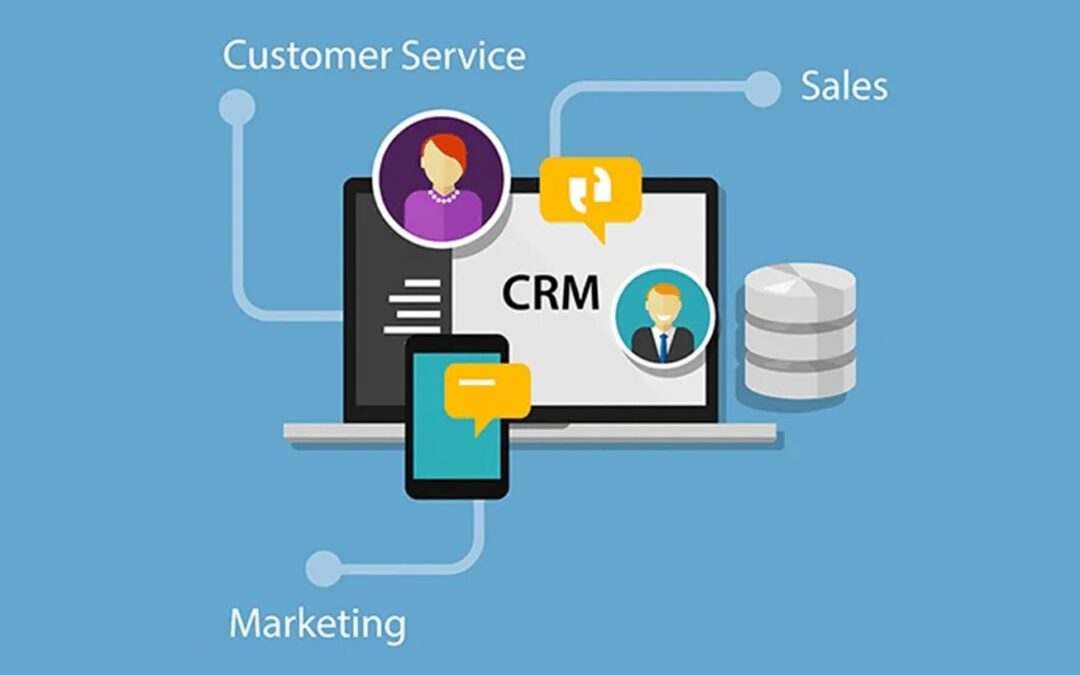
Moreover, CRMs provide integration capabilities that allow them to work alongside email marketing platforms and social media schedulers as well as analytics software tools under one system. The integration has transformed workflows by keeping everything properly organized in a single platform which agencies consider a transformative advantage. Moreover, CRMs provide integration capabilities that allow them to work alongside email marketing platforms, social media schedulers, and analytics tools under one system. For those still exploring what is a CRM platform, it can be understood as a centralized solution that unifies multiple marketing functions, making workflows more efficient. This integration has transformed operations by keeping everything properly organized in a single platform—an advantage agencies consider truly transformative. For those using Salesforce, a well-structured Salesforce Inbox guide can further support these integrations, especially when aligning email tracking with CRM data.

Empowering Small Businesses with Digital Marketing

Marketing agencies often serve not only large enterprises but also small businesses with big ambitions. When working with this demographic, agencies find that CRM systems help support both their strategies and their clients’ goals. Specifically, the tools enable agencies to offer more effective digital marketing tactics for small businesses.

Small enterprises operate with restricted marketing funds that mandate each dollar to maximize its impact. Agencies implement CRMs for gathering precise customer data which enables them to develop highly specific marketing initiatives. The CRM system allows marketers to create specific email campaigns and establish retargeting ads for retrieving potential customers who abandoned their shopping carts.

The ability to maintain consistent customer interactions becomes easier through CRMs since small businesses face resource limitations. CRM tools provided by agencies help small businesses create strong follow-up systems that build customer loyalty through effective implementations for their clients. The integrated system allows small businesses to identify their digital marketing return on investment without extended waiting periods.

Overcoming Adoption Challenges

Marketing agencies understand that CRM system implementation brings advantages yet faces specific obstacles during implementation. The learning process that users must go through represents one of the main obstacles agencies encounter. Staff members require training to learn effective software usage but some agencies experience difficulties in gaining team member adoption of the system.

Agencies face difficulties in discovering CRM solutions that correspond to their existing operational processes. Agencies place a strong emphasis on complete CRM platform evaluation before making any commitment because these platforms are not uniform. Agencies suggest that organizations should try demo versions of different CRM solutions before reading expert evaluations and consulting with CRM specialists for the best selection.

Agencies place great emphasis on scalability as their final recommendation. The CRM approach that benefits the agency now may lose effectiveness as the business expands. An agency should select a CRM system that offers flexible scalability to prevent system changes when the company grows. The implementation of CRM demonstrates greater advantages than implementation difficulties when agencies deploy it correctly.

Closing Thoughts

In conclusion, the adoption of CRM systems by marketing agencies provides significant advantages in managing client relationships and improving overall business operations. It is crucial for agencies to carefully evaluate their needs and select a CRM solution that aligns with their current processes and offers scalability for future growth.

Additionally, effective training and support can help overcome any challenges faced during implementation and ensure successful user adoption. By harnessing the power of CRM, agencies can enhance their client management strategies and drive business success in a highly competitive landscape.

The Role of Social Media on Customer Journey & Lifecycle Stages

The Role of Social Media on Customer Journey & Lifecycle Stages

Customer Journey

Social media has completely changed how customers interact with brands. It touches every part of the customer journey – from the first impression to loyal advocacy. Today, platforms like Instagram, LinkedIn, and TikTok aren’t just for scrolling; they’re powerful tools for businesses to build relationships and drive sales.

But how exactly does social media guide customers through their journey? And why is it such a big deal for businesses today? Let’s break it down.

First, A Quick Intro to Customer Journey and Lifecycle

The customer journey is the path someone takes from first learning about a brand to becoming a loyal customer. The lifecycle? That’s the bigger picture, covering all the stages of a customer relationship. Think of it like this: the journey is the road trip, and the lifecycle is the whole travel experience, from planning to reminiscing.

The typical customer journey has five stages:

  1. Awareness – Discovering the brand for the first time.
  2. Consideration – Researching and comparing options.
  3. Purchase – Making the buying decision.
  4. Retention – Building loyalty and staying engaged.
  5. Advocacy – Recommending the brand to others.

But the customer lifecycle goes beyond individual interactions—it’s about nurturing a long-term relationship. 

It starts with acquisition, where marketing and outreach draw in new customers. After the initial purchase, the focus shifts to engagement—delivering value through personalized experiences and ongoing communication. Retention strategies like loyalty programs and excellent customer support help reduce churn. 

Finally, fostering advocacy turns satisfied customers into powerful brand ambassadors. The lifecycle is continuous, with feedback loops driving improvements and future campaigns

The Role of Social Media in Each Stage

Awareness: Making That First Impression Count

Social media platforms are often where customers meet brands for the first time. Whether it’s crafted by yourself or a company such as StoryBox Marketing (storybox.io), a single viral post, engaging ad, or influencer recommendation can introduce thousands to a brand overnight. Understanding key Social Media Terms can also help in creating content that resonates from the start.

Take TikTok, for example. A small skincare brand can blow up overnight if their product catches on with creators. Suddenly, they’re on everyone’s For You page, and sales skyrocket. Social media isn’t just a channel; it’s a stage where brands can perform and shine.

Consideration: Guiding Decisions Through Content

Once a customer knows about a brand, they start comparing. Social media is where they look for reviews, demos, and customer feedback.

Ever read through the comments on a brand’s Instagram post? It’s like a live review section. Plus, YouTube tutorials and LinkedIn case studies can showcase the product in action. Social proof is real – people trust other people’s experiences more than ads.

Purchase: Sealing the Deal Through Engagement

Social platforms make buying easier than ever. With Instagram Shops or Pinterest pins leading directly to checkout pages, the path from interest to purchase is shorter than ever.

But it’s not just about convenience – it’s about trust. Quick responses to DMs and personalized recommendations in the comments can push someone from “thinking about it” to “bought it.”

Retention: Keeping Customers Hooked

The sale isn’t the end – it’s the start of a relationship. Social media keeps customers engaged with updates, special offers, and even memes (because who doesn’t love a good laugh?).

A great example? Wendy’s Twitter account. They keep their followers laughing with witty posts, but they also stay on top of customer concerns. This balance of entertainment and service builds loyalty.

Advocacy: Turning Fans into Brand Ambassadors

When customers love a brand, they talk about it – and social media amplifies their voice. Sharing photos, tagging brands, and leaving reviews create organic promotion.

Brands that interact with user-generated content, like sharing customer posts or giving shoutouts, make their fans feel valued. And valued customers are the best advocates. Remember – according to Harvard Business School, user generated content has a positive impact on marketing efforts, so it’s always worth focusing on.

Key Social Media Strategies for Enhancing the Customer Journey

Leveraging Influencer Marketing

Influencers bridge the gap between brands and audiences. A recommendation from a trusted creator often feels more authentic than traditional ads.

But it’s not just about big names. Micro-influencers – those with smaller but highly engaged audiences – can drive meaningful results, especially for niche markets.

Using Data for Personalization

Social platforms are data goldmines. Brands that use this data to tailor their messaging can create content that feels like it’s speaking directly to their audience’s needs.

For instance, if a brand sees that their fitness tips perform well on Instagram, they can lean into that content and build a loyal fitness-focused community.  If engagement spikes around posts featuring home workouts, brands can explore topics like the benefits of an indoor trampoline for cardio, providing tailored content that resonates with their audience. Consider using social media analytics tools to measure all important KPIs and refine your social media strategy.

Real-Time Customer Support

Social media is often the first place customers turn for help. Quick responses – whether through comments or DMs – can turn a bad experience into a positive one. It’s also a chance to publicly show how much a brand cares.

Encouraging User-Generated Content (UGC)

When customers share their own experiences, it builds trust with potential buyers. Brands can encourage UGC through hashtags, contests, or simply by engaging with customer posts or they can hire paid UGC creators using platforms like Influee to create the UGC content about their business, products or services.

The Power of Engagement: More Than Just Likes

Social media engagement isn’t about vanity metrics – it’s about connection. A reply, a share, or even a quick emoji can make customers feel seen. People crave interaction, not just content.

Have you ever posted about a product you love and the brand replied? It feels good, right? That’s the magic of engagement. It turns followers into fans and fans into customers.

Pros and Cons of Using Social Media in the Customer Lifecycle

Advantages:

  • Broad Reach: Connects with millions quickly.
  • Cost-Effective: Organic content can generate massive returns.
  • Real-Time Interaction: Offers immediate feedback from customers.

Challenges:

  • Time-Consuming: Managing multiple platforms requires effort.
  • Public Criticism: Negative feedback is visible to everyone.
  • Algorithm Dependence: Visibility can change with platform updates.

Common Mistakes Brands Make on Social Media

  • Ignoring negative feedback (silence only makes things worse).
  • Posting without strategy or direction (random content confuses the audience).
  • Over-promoting (constant sales pitches push followers away).
  • Not engaging with followers (social media is about conversations, not monologues).

Measuring Success in the Social Media Journey

Social media success isn’t just about followers. Brands should track metrics that matter:

  • Engagement Rates: Likes, comments, and shares show how people respond.
  • Conversion Rates: How many followers become customers?
  • Customer Sentiment: Are people talking positively about the brand?
  • Retention Metrics: How many customers stick around long-term?

Engagement Rates

This metric reflects how well your content resonates with your audience. High engagement suggests that your content is meaningful, entertaining, or valuable. To track engagement effectively, compare the engagement rate to your total followers or reach. Additionally, monitor which types of content (videos, stories, polls, or infographics) generate the most interactions and adapt your strategy accordingly.

Conversion Rates

Here, you’re measuring how many social media users take a desired action, such as purchasing a product, signing up for a newsletter, or downloading a resource. Use tracking links, UTM parameters, and platform analytics to trace conversions back to specific campaigns or posts. Additionally, analyze the effectiveness of your call-to-actions (CTAs) and landing pages to optimize conversion pathways.

Customer Sentiment

Yes – knowing how people feel about your brand is crucial. Monitor social media comments, mentions, and reviews to gauge sentiment—whether it’s positive, negative, or neutral. Social listening tools can help you track trends and identify shifts in public perception. Use this feedback to address concerns, resolve issues quickly, and foster a positive brand image.

Retention Metrics

Retention metrics highlight how well you maintain customer loyalty through social media. Track repeat purchases, returning visitors, and customer lifetime value (CLV). Offer exclusive content, loyalty programs, and personalized experiences to keep your audience engaged and committed to your brand over time.

Together, these metrics provide a comprehensive view of your social media performance, helping you make data-driven decisions to improve campaigns, build stronger relationships, and achieve long-term business goals

To Sum It All Up:

Social media is more than just a marketing channel – it’s a relationship builder throughout the customer journey and lifecycle. From the first impression to turning customers into advocates, it plays a vital role at every step.

The brands that win on social media are those that stay authentic, engage consistently, and listen to their audience. It’s not rocket science – it’s just good communication.

So, how’s your brand using social media to guide customers through their journey? If you’re not leveraging its full potential… well, you’re missing out


Don’t Let Hackers Ruin Your Marketing Campaigns

Don’t Let Hackers Ruin Your Marketing Campaigns

marketing campaigns

As an enterprise owner or marketer, conversion is the dream, isn’t it? Seeing your ads and campaigns bring in those dollar signs must be rewarding. However, remember the saying that there are two sides to a coin? Well, it rings true for your marketing campaigns as well.

Every successful marketing campaign relies on data collection. They track the number of purchases gained via a campaign, monitor customer purchase history, and analyze how frequently customers buy certain items. For e-commerce campaigns, they also collect sensitive payment information. All this valuable data makes your marketing campaigns not just a tool for growth but also a potential target for cybercriminals.

Data Is the Prime Target for Cyberattacks

Data breaches in enterprises occur more frequently than you’d hope, with approximately 80% of data breaches being caused by human mistakes. Often, it is due to simple oversights like using a weak password or running campaigns on outdated software. Some other errors include emails sent to the wrong recipients, forwarding attachments with personal data, and falling victim to social engineering tactics that trick employees into revealing sensitive information.

All of this, of course, has a significant financial impact, with enterprises losing an average of $4.8 million per breach. However, the cost isn’t just monetary—companies also face damage to their reputation and the loss of clients unwilling to compromise their privacy.

These issues make it clear that the stakes are high for enterprises and their marketing managers working on campaigns that handle lots of sensitive data. With all these risks listed, paying attention to cybersecurity in your online campaigns is about time. So, here’s where your teams can start.

Establish a Strong Authentication Process

Gone are the days of sharing a single set of login credentials across teams. Each team member should have secure, unique access credentials. If remembering multiple passwords feels overwhelming, consider using team password managers. These tools not only generate and store passwords for all accounts but also allow your employees to share credentials securely with team members without exposing them to others.

If team password managers ever feel insufficient for your organization’s needs, you can opt for enterprise password managers. These provide greater control, allowing your teams to manage permissions at a granular level, enforce strict password policies, and ensure compliance with industry standards. For organizations requiring even more robust security, solutions like Syteca privileged access management (pam) offer comprehensive monitoring and control over administrative.

Most enterprise password managers also allow the implementation of two-factor authentication, which should definitely be used. Additionally, train your employees to identify phishing emails and scams that mimic trusted sources. Think of it as a third factor of authentication, if you will.

Perform Regular Security Audits

Your campaign can benefit greatly from regular security audits and practices such as penetration penetration testing on mobile apps, as they help identify vulnerabilities and potential risk points. These reviews should include:

  • reviewing user access levels and removing outdated permissions,
  • checking for unusual login patterns and suspicious activities,
  • verifying that all marketing software and plugins are up to date,
  • checking landing pages and forms for vulnerabilities.

Secure Remote Access Solutions

If you manage or are part of a remote team or enjoy traveling while working, you’ve likely relied on public networks for internet access at some point. Well, robbery isn’t limited to physical theft anymore—sophisticated criminals now see tourists and remote workers as prime targets for cyberattacks. Some might even offer to share their Wi-Fi as a trick to steal sensitive information from you or your employees. 

So, whenever your teams or you’re on the go, consider investing in an eSIM. eSIMs work internationally and can be activated as soon as a person using them lands in a new country. They are a much more secure alternative to public Wi-Fi, allowing people to stay connected without exposing their data to potential cyberattacks or unauthorized access. To find the best eSIM, identify your enterprise needs, such as data plans, pricing, and supported countries. Then, compare options from providers and check reviews from trusted sources to make an informed decision.

Execute Campaign Monitoring and Threat Detection

For marketers, getting lost in tracking conversions and engagement is easy, and they might forget to monitor security irregularities. So, be sure your teams set up threat monitoring alerts for unusual increases in form submissions, multiple failed login attempts to enterprise accounts, suspicious traffic patterns, and unexpected changes to campaign parameters.

Prepare an Incident Response Plan

Think of this as having a first aid kit that allows your teams to handle threats to marketing campaigns in real time. An incident response plan lets them know how to deal with a threat as soon as it’s spotted. It should include:

  • immediate steps enterprises can take to handle the breach,
  • communication templates for employees and users,
  • a list of legal and security experts to contact for counsel,
  • backup strategies and recovery procedures.

Additionally, include secure offsite storage in your plan to protect and quickly recover critical campaign data in the event of a breach.

Conclusion

Cybersecurity may not be the most visible or exciting aspect of online marketing campaigns, but it can prevent your enterprise from losing customers and protect you from unnecessary additional costs. The cost of implementing robust security measures is minimal compared to the potential losses from a single breach, both financial and reputational. This is why cybersecurity should be a necessary part of your enterprise’s marketing strategy.

The Ultimate Showdown: OneShop vs. Vendoo– Which Reseller Tool is Right for You?

The Ultimate Showdown: OneShop vs. Vendoo– Which Reseller Tool is Right for You?

OneShop vs Vendoo

We’re experiencing a modern-day app battle of Reseller Powerhouses. Reselling is growing worldwide and with it, the need for tools that can make the process as user-friendly as possible.

Having the right software can drastically impact your success, which is directly connected to how easily you list your products, manage the inventory, and how sales are automated.

OneShop and Vendoo are two of the biggest apps available as reseller productivity tools. 

However, it’s a great idea to look at both before making an informed decision as to which reseller tool will suit your business the best.

Let’s investigate to find the best option for you!

The battle of Reseller powerhouses

OneShop and Vendoo are apps designed as reseller tools for online sellers to run their businesses and help them grow effectively. These platforms offer a variety of features that make it easier to resell products by managing inventory, cross-listing items from multiple markets, and tracking all sales.

What are OneShop and Vendoo (And why should you care?)

These apps or tools work well for a range of sellers with their own niche markets.

OneShop is ideal for those who require a centralized hub to manage their sales. These are serious powerhouse sellers. If you are looking to grow your business quickly, this is a great option to make it all happen.

Vendoo is known for being easy to use and being flexible. Works well for both casual and full-time resellers. It provides a great cross-listing tool so you can stay organized with the inventories of your medium- or small-sized inventory.

OneShop was designed with high volume in mind, and Vendoo is more adaptable for part-time resellers.

Features Face-off. What sets them apart?

Basically, it’s crucial for reselling platforms to enable listing your items across multiple online marketplaces, but what sets them apart?

OneShop can integrate seamlessly with some of the major platforms like Mercari, Poshmark, and eBay, to mention a few. It has an efficient user, and it has bulk editing tools that help with managing large inventories with ease.

Vendoo has its own great cross-listing feature. It can integrate with Mercari, Poshmark, eBay and Depop, and others. It also has bulk editing tools for when listing across niche platforms.

Automation & AI Tools

Automation can help make reselling a lot less time-consuming.

OneShop’s automation features include automation syncing of listings as well as prices across many platforms. It also automates the relisting of sold items, saving time.

Vendoo’s automation tool mainly focuses on inventory syncing and adjustment of prices. Their system is intuitive and helps the reseller keep their listing updated with very little effort. 

However, the OneShop automation system is marginally more advanced with more features to handle the sales process.

Inventory Management

For high-volume online reselling, inventory management is a critical aspect.

Oneshop has powerful syncing capabilities for inventory management, which is ideal for large-scale reselling and multiple marketplaces. This allows resellers to manage orders well, track stock levels, and relist without overselling.

Vendoo has a very user-friendly inventory management system that easily syncs between platforms, and automatically tracks stock levels. It’s ideal for smaller inventories, although it does support larger resellers.

Analytics & Insights

Data-driven insight into analytics can assist in better business decisions.

OneShop provides analytics on pricing that are great for capturing customer behavior and sales trends in detail. This system will allow you to see and optimize revenue and top-selling items.

Vendoo provides basic analytics and sales performance tracking over platforms. It does provide insights into top sellers as well as inventory levels. However, it doesn’t have as detailed or comprehensive a data tracking system as OneShop.

Mobile & Desktop Experience

For resellers, having a user-friendly experience on devices can be a win-or-lose

OneShop has a very functional app as well as a desktop platform. However, the desktop platform seems to offer more features, customization, and navigation.

Vendoo has a clean and user-friendly interface on their desktop as well as the mobile app. The app is very easy to use, which is ideal for resellers that operate on the go.

The Price Factor: What’s the True Cost of Convenience?

OneShop has a basic plan with a monthly pricing of $29 per month. It has advanced features for bulk listing as well as advanced analytics in different tiers. Plus, a free trial is available to test the platform.

Vendoo offers a flexible pricing system that starts at a low rate of $10 per month. This helps new businesses to start and scale up as the business grows. They also offer a free trial period.

OneShop and Vendoo are transparent with their rates, but OneShop cost extra for some advanced features they offer, but Vendoo, on the other hand, has optional add-ons for higher tiers.

Real User Experiences: What Sellers Are Saying

Feedback on these platforms from resellers is insightful and of great value, so let’s have a look at some.

OneShop Sellers love OneShop for its great features, but some, especially beginners, find getting to know the app a bit difficult. In general, sellers complement their customer support, but some would like more responsive chat options.

Vendoo users love that the platform is intuitively designed and easy to use. Sellers appreciate the cross-listing and the mobile app. However, some have reported syncing issues on occasion, in particular, when handling large inventories.

The Verdict: Which One Wins for Your Business?

For a tool that combines cross-listing, inventory management, and detailed analytics, OneShop is a great choice, especially for high-volume resellers.

For casual sellers, or affordability as well as being user-friendly, Vendoo could be the perfect match.

High-volume resellers needing powerful automation, great inventory management, and more detailed analytics should opt for OneShop, and the casual, medium-scale resellers that require ease of use, lower pricing, and great mobile functionality should opt for Vendoo.

Ready to Decide? More Resources to Help You Choose

If you are still unsure of which to use, you can have a look at an in-depth comparison of OneShop vs. Vendoo. Both have free trials, so you can test them out and explore their features before making a final decision.