UK: +44 2038074555 info@atamgo.com
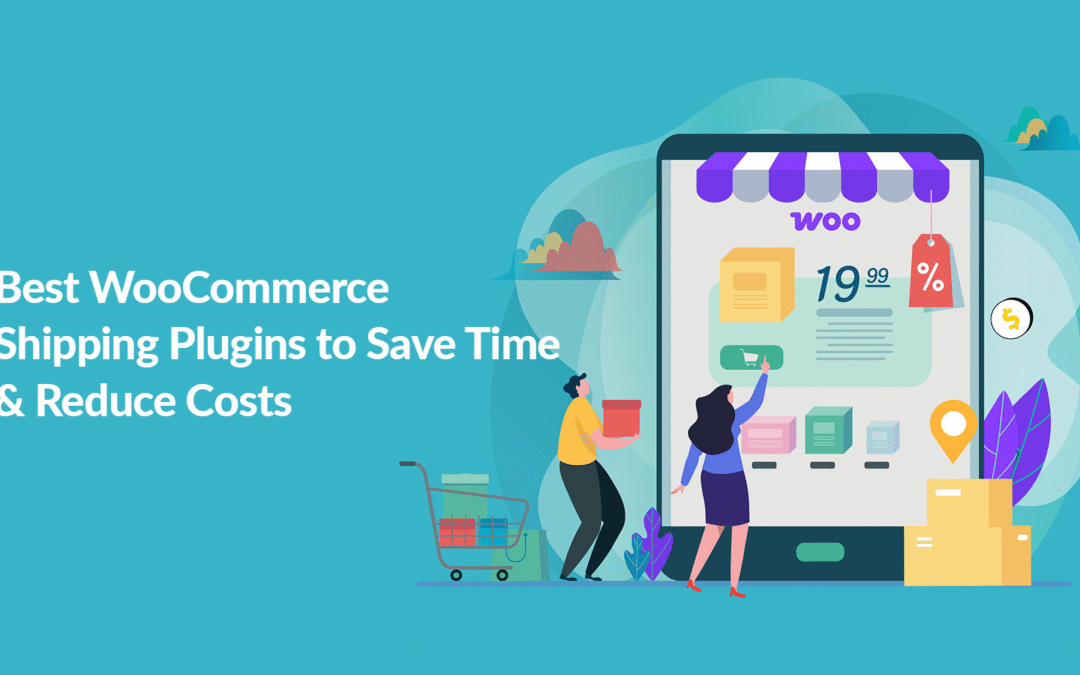
Best WooCommerce Shipping Plugins To Save Time & Reduce Costs 2025

Best WooCommerce Shipping Plugins To Save Time & Reduce Costs 2025

WooCommerce Shipping Plugins

Shipping is no longer just a technical step at the end of a transaction; it is the single most critical factor determining a customer’s overall satisfaction and loyalty. In the hyper-competitive landscape of 2025 e-commerce, the distinction between an average WooCommerce store and a high-growth powerhouse lies in logistical excellence. Today’s consumer doesn’t just want shipping; they demand immediate transparency through real-time shipping rates, instant fulfillment via one-click label printing, and peace of mind with proactive tracking updates.

To truly compete and scale, your store needs to move beyond basic flat-rate options. Selecting the right WooCommerce shipping plugin is your biggest strategic advantage for streamlining fulfillment, drastically reducing shipping costs, and delivering a flawless post-purchase experience. This definitive guide cuts straight to the most powerful, feature-rich WooCommerce plugins trusted by experts to fully automate your logistics and secure your store’s growth.

Why Dedicated WooCommerce Shipping Plugins Are Essential

The default WooCommerce shipping configuration is a basic foundation, severely limited to simple flat rates or general free shipping rules. As your e-commerce business scales, this basic framework quickly becomes a bottleneck, leading to calculation errors, manual data entry, and ultimately, customer frustration. Shipping plugins bridge this critical gap, transforming your checkout process from a liability into a competitive asset.

These essential tools provide the three core pillars of modern e-commerce logistics:

  1. Cost Efficiency: They integrate directly with carrier APIs (like UPS, FedEx, DHL), providing discounted shipping rates and allowing for complex logic that ensures you never undercharge for expensive orders or overcharge simple ones.
  2. Automation: They eliminate time-consuming manual tasks, allowing for bulk label printing, automatic tracking number assignment, and the synchronization of order data, freeing up your team to focus on growth.
  3. Customer Trust: By offering real-time shipping quotes and providing continuous, branded shipment tracking, they remove uncertainty, reduce support tickets, and foster the transparency required to build long-term customer loyalty.

Key Features: What You Must Look for in a Shipping Plugin

Choosing the right tool is paramount to future-proofing your store. When evaluating any WooCommerce shipping plugin, prioritize its capability across these four critical feature sets:

Feature Category Critical Functions to Look For Strategic Benefit
Rate Calculation Real-Time Carrier Rates (e.g., FedEx, USPS, UPS), Conditional Logic (rules based on weight, value, or zone), and Volumetric Weight support. Ensures accurate shipping costs for profitability and transparency.
Fulfillment Automation In-Dashboard Label Generation, Bulk Label Printing, Automated Pickup Scheduling, and Customs Document creation. Drastically reduces manual work and speeds up daily order processing.
Post-Purchase Experience Automatic Tracking Updates (Email/SMS), Branded Tracking Pages, and seamless display of tracking information on the customer’s “My Account” page. Boosts customer satisfaction and significantly reduces support costs.
Scalability & Versatility Multi-Carrier Support, Multi-Vendor Marketplace compatibility, and flexibility with all default WooCommerce features (e.g., Shipping Classes). Guarantees the solution can grow with your business and adapt to complex needs.

Top-Tier WooCommerce Shipping Solutions: Feature Breakdown for Global E-commerce

WooCommerce Shipping Services

WooCommerce Shipping Services

WooCommerce Shipping Services is a complete all-in-one Shipping solution that connects your store with 50+ global carriers like UPS, FedEx, USPS, and DHL. It brings powerful features such as real-time shipping rate display at checkout, shipping label generation inside WooCommerce, and automated shipment tracking via email notifications. Keeping everything inside your WooCommerce dashboard removes the need for third-party portals and minimizes shipping errors.

This plugin is especially valuable for multi-vendor marketplaces using platforms like Dokan and WCFM. Vendors and store owners alike can easily access shipping rates, generate labels, and send tracking updates without leaving WooCommerce. With centralized workflows and reliable automation, WooCommerce Shipping Services is the ultimate hub for scalable e-commerce fulfillment.

WooCommerce Shipping Plugin for FedEx with Print Label

WooCommerce Shipping Plugin for FedEx with Print Label

WooCommerce Shipping Plugin for FedEx with Print Label is a FedEx Certified solution that integrates seamlessly with WooCommerce to streamline domestic and international shipping. It ensures customers see accurate FedEx-calculated rates at checkout, reducing cart abandonment caused by surprise shipping costs. Merchants can generate both shipping and return labels within WooCommerce, as well as schedule FedEx pickups automatically.

This plugin is also built to handle specialized FedEx services like alcohol, dry ice, hazardous goods, SmartPost, and LTL Freight. It supports customs document generation, such as commercial invoices and OP900 forms, which is a huge advantage for cross-border sellers. By automating these complex processes, the FedEx WooCommerce plugin saves time, reduces manual errors, and delivers a smooth fulfillment experience.

WooCommerce UPS Shipping Plugin with Print Label

WooCommerce UPS Shipping Plugin with Print Label

WooCommerce UPS Shipping Plugin with Print Label is a UPS Ready® certified plugin designed for WooCommerce stores that rely on UPS for their shipping operations. It provides live UPS shipping rates at checkout, ensuring transparency for customers while protecting merchants from inaccurate costs. Store owners can generate shipping and return labels directly in WooCommerce and even schedule automated UPS pickups.

The plugin supports all UPS services, including SurePost and Access Point deliveries, along with UPS Simple Rate boxes and custom packing methods for maximum cost savings. Automated tracking notifications keep customers informed, reducing support inquiries and building trust. For businesses that prioritize UPS shipping, this plugin is a reliable, feature-rich solution that automates fulfillment from end to end.

WooCommerce Shipping by Woo

WooCommerce Shipping by Woo

WooCommerce Shipping by Woo is a free, built-in shipping solution created by WooCommerce for U.S.-based merchants. It provides instant access to discounted USPS and DHL rates, helping small businesses reduce fulfillment costs. Merchants can easily print shipping labels right from the WooCommerce dashboard, eliminating the need for third-party platforms.

Its simplicity and cost-effectiveness make it ideal for beginners and small stores. With optional add-ons for accurate USPS rate display at checkout, it delivers flexibility without adding unnecessary complexity. For U.S. merchants looking for a straightforward, budget-friendly way to ship with USPS and DHL, WooCommerce Shipping by Woo is the perfect starting point.

Multi-Carrier Shipping Plugin for WooCommerce

Multi-Carrier Shipping Plugin for WooCommerce

Multi-Carrier Shipping Plugin for WooCommerce is a versatile tool that allows merchants to display accurate shipping rates from multiple carriers like UPS, FedEx, DHL, and USPS. Customers see real-time rate comparisons at checkout, enabling them to choose the best option for their needs. Store owners can also configure conditional flat, free, or custom shipping rules based on order weight, value, or destination.

The plugin stands out for its advanced rule-building capabilities, including volumetric weight calculations and multi-vendor support for marketplaces like Dokan. This ensures accurate and profitable shipping even for bulky or lightweight products. For stores that want flexibility and complete control over shipping logic without relying on extra label-printing tools, the Multi-Carrier Shipping Plugin is a powerful choice.

Flat Rate Shipping Plugin for WooCommerce

Flat Rate Shipping Plugin for WooCommerce

Flat Rate Shipping Plugin for WooCommerce gives store owners more control over fixed-rate shipping than WooCommerce’s default settings allow. It enables merchants to create unlimited shipping zones and set conditional flat rates based on order value, product category, weight, quantity, or customer role. This flexibility helps design pricing strategies tailored to business goals.

The plugin’s advanced conditional logic makes it possible to reward loyal customers with discounted rates or apply premium rates for specific products. For businesses that prefer predictable, stable shipping costs while maintaining profitability, this flat-rate plugin is a must-have. It’s the most customizable flat-rate solution for WooCommerce stores seeking simplicity with flexibility.

ELEX EasyPost WooCommerce Shipping Plugin

ELEX EasyPost WooCommerce Shipping Plugin

ELEX EasyPost WooCommerce Shipping Plugin is an enterprise-ready solution that brings powerful automation to WooCommerce shipping. Powered by the EasyPost API, it connects with major carriers including FedEx, UPS, USPS, and Canada Post. Store owners can display live carrier rates, generate shipping and return labels, and send automated tracking updates directly from WooCommerce.

Designed for scalability, it supports bulk label printing, USPS SCAN form generation, advanced parcel packaging rules, and even third-party billing. These features make it a strong choice for high-volume e-commerce stores that need efficiency and precision. For merchants seeking a reliable, automated, multi-carrier shipping workflow, the ELEX EasyPost plugin delivers enterprise-grade performance.

Shippo

Shippo

Shippo is a popular WooCommerce shipping solution that simplifies fulfillment by syncing orders into a centralized dashboard. It provides discounted rates from major carriers like USPS, UPS, FedEx, and DHL, making it easier for merchants to save on shipping costs. With bulk label printing and automated tracking updates, Shippo streamlines the entire process.

Its branded tracking pages enhance the customer experience, keeping communication professional and consistent. Whether you’re a small business or a high-volume store, Shippo scales to meet your logistics needs. With its robust automation features and multi-carrier support, Shippo is one of the most versatile shipping solutions available for WooCommerce.

Final Thoughts

Shipping plays a vital role in shaping the overall shopping experience, and for WooCommerce store owners, choosing the right plugin can make all the difference. The best WooCommerce shipping solutions go beyond basic rate calculations; they automate labels, streamline fulfillment, and keep customers informed with real-time tracking. This not only saves time and reduces errors but also builds trust with shoppers.

Every business has unique needs, whether it’s offering flat-rate simplicity, managing multiple carriers, or handling advanced logistics with FedEx, UPS, or DHL. The plugins we’ve covered here provide flexible options for all types of stores, from small startups to large enterprises. By selecting the right WooCommerce shipping plugin, you ensure smoother operations, happier customers, and a strong foundation for growth in 2025 and beyond.


E-Commerce Datasets: Fueling AI, Analytics, and Innovation

E-Commerce Datasets: Fueling AI, Analytics, and Innovation

E-Commerce Datasets

In the digital age, data has become one of the most valuable resources available for businesses. Anywhere it is not more obvious than e-commerce, where every customer generates conversation, purchase, and even abandoned carts produce useful information. These giant e-commerce datasets are not just sales records; They are the foundation of Artificial Intelligence (AI), Advanced Analytics and Innovative Business Strategy that are re -shaping global retail landscape.

In the digital age, data has become one of the most valuable resources available for businesses. Anywhere it is not more obvious than e-commerce, where every customer generates conversation, purchase, and even abandoned carts produce useful information. These giant e-commerce datasets are not just sales records; They are the foundation of Artificial Intelligence (AI), Advanced Analytics and Innovative Business Strategy that are re -shaping global retail landscape.

The Explosion of E-Commerce Data

The e-commerce market is one of the fastest growing industries in the world. According to Statista, global e-commerce sales are expected to exceed $ 8 trillion by 2027, a growth trajectory that fuels the manufacture of large-scale data. Every second, online store record: 

  • Browsing Behavior: Click, Search Quarries, Time spent on Page, and abandoned vehicles. 
  • Transaction data: purchase history, methods of payment and order frequency to repeat. 
  • Product Catalog Data: Inventory availability, ups and downs in pricing and user reviews. 
  • Operating data: shipping time, return rates and logistics details. 

Together, these elements create complex datasets that not only reflect consumer behavior, but also have insight into trends, demands and occasions for innovation.

Fueling Artificial Intelligence

AI systems thrive on large, high-quality datasets, and e-commerce provides abundance of them. By analyzing the past and real -time data, the AI ​​model can highlight the pattern, predict the results, and automate processes that require human intervention once. Some of the most influential applications are included: 

  1. Personal shopping experiences 

The recommended engines, such as those used by Amazon and Netflix, rely on AI trained with e-commerce dataset. These systems analyze previous purchases, browsing history and customer preferences to suggest products to suit individual requirements, which significantly increase the conversion rates. 

  1. Demand forecasting 

Machine learning (ML) models can analyze historical sales and seasonal trends to predict demand. For example, fashion retail vendors use dataset to estimate which products will tend to be during the upcoming sessions, enable better inventory management and reduce the overstock. 

  1. Fraud detection and security 

AI trained on transactions dataset can detect unusual behavior, such as irregular procurement zodiac signs or location-based discrepancies, marking potential fraud in real time. It protects both customers and businesses. 

  1. Intelligent customer aid 

Chatbots and virtual assistant customers are driven by the natural language dataset from questions. These can immediately solve AI-driven equipment issues, provide product information, and improve overall shopping experience. 

Without the huge e-commerce dataset, AI’s refinement in online retail will be limited. Data makes it possible for machines to learn and continuously improve.

Driving Advanced Analytics

Beyond the AI, the e-commerce dataset allows analytics businesses to understand their performance, refine strategies, and make evidence-based decisions. 

  1. Customer segmentation 

Analytics can create a group by demographics, purchase frequency, or purchase spending levels. This partition helps businesses to create target campaigns and personal promotion. 

  1. Conversion rate adaptation (CRO) 

By analyzing where the customers fall into the sales funnel whether during product search or checkout – messaging pages can be re-designed, improving navigation, and simplifying payment systems to promote conversions. 

  1. Pricing strategies 

Dynamic pricing models use real -time analytics to adjust prices based on demand, competitive behavior or inventory levels. Airlines, ride-sharing apps, and online marketplace rely more on this data-powered approach. 

  1. Supply chain efficiency 

E-commerce dataset provides insight into logistics performance, such as delay in delivery or high returns. Businesses can then optimize shipping routes, warehouses and sellers partnership. Analytics converts raw data into actionable insight, leading to a competitive advantage for businesses that know how to exploit it effectively.

Catalyzing Innovation

E-commerce datasets are not only useful for adaptation-they also inspire innovation in retail technology and customer engagement strategies. 

  1. Promoted reality (AR) shopping 

The AR application, such as virtual fitting room or furniture preview, rely on the product catalog dataset (picture, dimension, color) combined with user behavior data. These innovations increase customer trust and reduce return rates. 

  1. Voice commerce 

Smart assistants such as Alexa or Google assistant rely on large natural language datasets to process voice commands. Retailers integrating Voice Commerce provide an easy, hand -free purchasing experience. 

  1. Stability initiative 

Data on shipping distances, packaging and returns can be analyzed to track and reduce environmental impact. Many e-commerce companies now use a dataset to adapt to greener logistics. 

  1. Hyper-Personalized Marketing 

Instead of a single-shaped-all publicity, companies take advantage of the behavior dataset to create hyper-Personalized advertising and email campaigns, ensuring that each message resonates with the individual consumer. These innovations suggest that e-commerce datasets are higher than operating equipment-they have a driver of creativity and change in digital retail.

Challenges in Harnessing E-Commerce Datasets

Despite their immense potential, e-commerce datasets present important challenges: 

  • Data privacy and regulations: With laws like GDPR in Europe and CCPA in California, companies should be careful about how they collect and use customer data. Transparency and consent are important. 
  • Data quality issues: inconsistent, incomplete, or duplicated data can help in incorrect analysis and poor decision making. 
  • Integration complexity: Many businesses struggle to consolidate the dataset in platforms (websites, apps, social media, third-party marketplace). 
  • Ethical concerns: over-personality may feel aggressive, and algorithm bias may cause wrong harm to some groups of customers. 

To overcome these challenges, strong data governance, moral AI practices and transparent customer communication are required.

The Future of E-Commerce Data

The future of e-commerce lies in real-time, future stating and automatic data-managed decision making. Some trends on the horizon include: 

  • Real-time analytics: With edge computing, data will be rapidly processed close to the source, allowing immediate adjustment to pricing, inventory or promotion. 
  • Generic AI for product manufacture: E-commerce dataset can design new product variety, marketing materials and even individual purchases assistants with generic AI. 
  • Predictive and Prescriptive Analytics: Business will move beyond the forecast of automatic decision making, where AI not only predicts customer behavior, but also recommends the best action. 
  • Data sharing ecosystems: partnership between retailers, logistics companies and fintech firms will give rise to a shared dataset that unlock even more insight. 

As the industry develops, companies that can exploit e-commerce data responsibly and innovatively will define the future of global retail.

Conclusion

E-commerce is more than a collection of dataset numbers-they have lifespan of digital commerce. By fueling AI applications, increasing analytics, and sparking innovation, these dataset makes their customers better understanding, optimizing operations and staying beyond the contestants. 

However, success is not only in collecting data, but also in use, creative and strategically. As the digital marketplace increases, the business charging that embraces the power of e-commerce dataset will take a clever, more connected and more innovative retail.


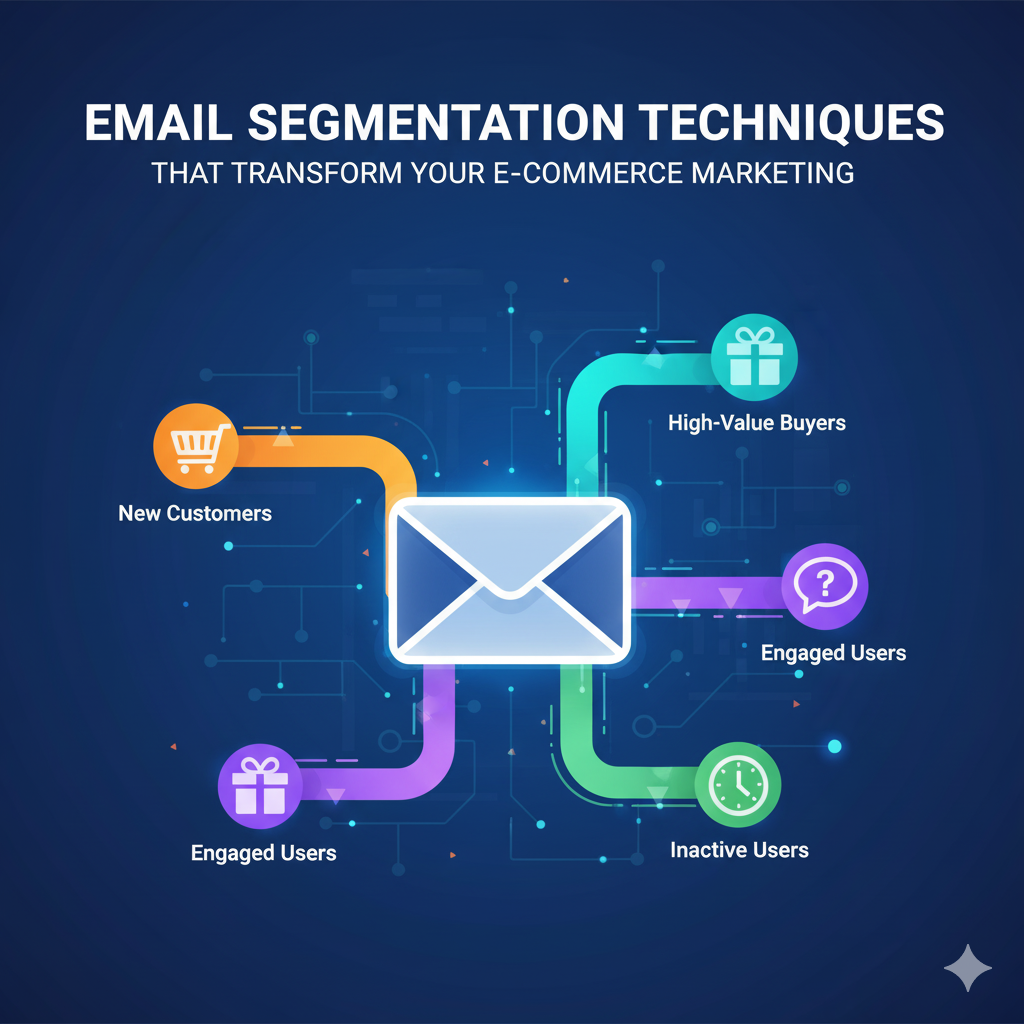
Email Segmentation Techniques That Transform Your E-commerce Marketing

Email Segmentation Techniques That Transform Your E-commerce Marketing

Email Segmentation Techniques

You send out email campaigns hoping to boost sales, but the results disappoint—low opens, poor clicks, and customers tuning out. For e-commerce stores, this isn’t just frustrating; it means missed revenue opportunities. The real issue? Treating every shopper the same. Not all customers are at the same stage, have the same interests, or buy for the same reasons. 

That’s where email segmentation steps in. By dividing your audience into meaningful groups, you can send tailored messages that resonate, drive higher conversions, and build loyalty. This guide will show you how segmentation can transform your e-commerce email marketing.

Fundamentals of Email Segmentation for E-commerce

Getting email segmentation right starts with understanding its core principles. For e-commerce stores, these fundamentals lay the groundwork for building targeted campaigns that boost engagement, loyalty, and revenue.

  • Define segmentation in simple terms – Email segmentation is the process of dividing your customer base into smaller groups based on behavior, purchase history, or demographics. This ensures your campaigns speak directly to customer needs instead of broadcasting one generic message.
  • Why it matters for e-commerce – Studies show segmented campaigns can drive up to 760% more revenue compared to non-segmented ones. For online stores, this means higher conversions without needing to grow your list drastically.
  • Start with behavior-driven groups – Look at actions like cart abandonment, browsing activity, or repeat purchases. For example, customers who abandoned high-value carts can be sent reminder emails with limited-time discounts.
  • Use purchase history to personalize offers – If a customer buys skincare monthly, send replenishment reminders just before their usual reorder time. Sephora uses this tactic to boost repeat sales and product loyalty.
  • Don’t ignore lifecycle stages – New subscribers need welcome flows, while dormant customers need win-back campaigns. Mapping segments to the lifecycle ensures relevance at every stage.
  • Balance depth with simplicity – Avoid over-segmenting into dozens of tiny lists. Instead, focus on 4–6 high-impact segments that drive measurable revenue growth.

Segmentation Strategies for Online Stores

Effective email campaigns don’t happen by chance—they’re built on smart segmentation strategies. By dividing your audience into meaningful groups, online stores can deliver highly relevant messages that drive engagement, repeat purchases, and long-term customer loyalty.

Segment by Customer Behavior

Behavioral segmentation focuses on what customers do on your site—browsing history, cart abandonment, or frequency of visits. For instance, shoppers who abandon carts can receive automated reminders, while frequent visitors who haven’t purchased might get a special first-order discount. This strategy keeps engagement high and reduces lost revenue opportunities.

Segment by Purchase History

Customers’ past purchases reveal powerful insights. You can identify high-value customers, seasonal buyers, or one-time shoppers. For example, an apparel store could target customers who frequently buy shoes with an exclusive “new arrivals” campaign. Replenishment reminders also work well—sending a refill email for high protein wet dog food just before the usual reorder time.

Segment by Customer Lifecycle Stage

Not every customer is at the same stage. New subscribers need nurturing through welcome emails, while loyal buyers deserve VIP treatment with early access to sales. Dormant users, on the other hand, require win-back campaigns. Mapping lifecycle stages ensures that every email feels relevant and timely.

Segment by Engagement Level

Some subscribers open every email, while others haven’t engaged in months. Highly engaged customers can be targeted with exclusive previews or loyalty rewards. For inactive users, a re-engagement series with subject line testing or special offers can help bring them back before removing them to protect deliverability.

Segment by Demographics and Preferences

Demographic data like age, gender, or location can shape highly targeted campaigns. For instance, a clothing store could send winter jacket promotions to colder regions while promoting summer wear to warmer ones. Preference-based segmentation—collected through quizzes or email preference centers—makes personalization more accurate and customer-driven.

Segment with Predictive Analytics

Modern e-commerce tools allow predictive segmentation using AI. You can identify customers at risk of churning or those with high lifetime value. For example, predicting when a customer is likely to reorder coffee lets you send a timely reminder, boosting conversions without guesswork.

Implementing, Testing, and Optimizing Your Segmentation Strategy

Successfully segmenting your email list is just the first step—implementing, testing, and optimizing your strategy is where real results happen. By carefully executing campaigns, measuring performance, and refining segments, e-commerce stores can maximize engagement, boost conversions, and ensure every email resonates with the right audience. To maintain accuracy and reduce bounce rates, using an email verifier can help ensure your lists remain clean and up-to-date.

  • Choose the right email platform – Start with an ESP that supports dynamic and automated segmentation. Integration with your e-commerce store or CRM ensures real-time updates and accurate targeting.
  • Start small and scale gradually – Implement 3–5 high-impact segments initially, such as cart abandoners, repeat buyers, and VIP customers. Expanding too quickly can complicate workflows and dilute results.
  • Map campaigns to segments – Design email flows tailored to each segment, like welcome series for new subscribers, replenishment reminders for repeat buyers, or win-back campaigns for dormant users.
  • A/B test subject lines and content – Test different messaging, offers, and send times for each segment to identify what resonates. Even small adjustments can significantly improve open rates and conversions.
  • Measure KPIs per segment – Track opens, clicks, conversion rate, average order value, and revenue generated for each group. This allows you to assess the true impact of segmentation on performance.
  • Refine and optimize regularly – Remove underperforming segments, merge overlapping groups, and update criteria based on evolving customer behavior. Continuous optimization ensures your campaigns stay relevant and profitable.
  • Automate where possible – Use rules or predictive AI to update segments dynamically, reducing manual effort while keeping messaging timely and personalized.

Conclusion 

Email marketing is essential for e-commerce brands, driving repeat purchases, engagement, and customer loyalty. By targeting customers with relevant messages, you can nurture relationships and boost sales efficiently.

Email segmentation takes this further, grouping customers by behavior, purchase history, and preferences to deliver personalized campaigns that increase open rates and conversions. Implementing segmentation ensures every email resonates with the right audience. Start using email segmentation today to maximize revenue and grow your store effectively.

How the Best E-commerce Website Design Company Transforms Your Brand?

How the Best E-commerce Website Design Company Transforms Your Brand?

How the Best E-commerce Website Design Company Transforms Your Brand

Every business needs a solid online presence in such a competitive market. Companies are always searching for a way to be more distinct and impactful. Another way of doing it is through a good e-commerce website. Great eCommerce design gets customers, but in addition to that, it helps in increasing brand identity. In this post, we will delve into how the best eCommerce website design company can take the brands to the next level.

Understanding the Importance of Design

It is no secret that design determines how people view a brand. A well-designed, functional site can play an immense role in whether a customer chooses to do business or not. Top design firms prioritize a user-friendly site experience with an aesthetically pleasing layout. This combination keeps visitors happy and coming back.

Enhancing User Experience

In e-commerce, user experience is a key determinant of success. The easier customers can get what they want, the more intuitive your website is. This is what the leading design companies always put in the first place by researching the target group thoroughly. They collect data on likes, dislikes, and interactions to make sure the site serves as users might expect it to. This kind of detail creates smooth sailing for the site and its customers. To ensure top-notch design, consider working with the best ecommerce website design company specializing in user-centered designs.

Building Brand Identity

The website is usually the first touchpoint between potential customers and your brand. The design must align with the brand’s values or mission. An experienced eCommerce business will incorporate features, including logos, color palette, and font, to represent the brand consistently. A consistent expression of a brand helps create trust and recognition, which makes the brand stay in people’s memories.

Optimizing for Mobile Devices

Optimizing your site for mobile usage is no longer optional or just a suggestion; with more and more people shopping online on their mobile devices, the need for a seamless mobile experience is higher than ever. A good e-commerce design company ensures the website is responsive and works well on mobile phones, tablets, and other devices. A mobile-friendly site enhances the user experience and increases the search engine ranking.

Incorporating SEO Strategies

SEO (Search Engine Optimization) is an integral part of any successful eCommerce website. If you want to design a site to drive organic traffic, it needs to be search engine optimized. The best eCommerce design companies can implement SEO best practices within their projects. This includes optimizing images, including relevant keywords, and ensuring the website loads fast. This makes the website more accessible to its customers.

Ensuring Security and Trust

One critical factor for online shoppers is security. Customers require confirmation that their personal information and payment details are secure. The foremost design companies will consider security elements such as SSL certificates and safe payment gateways. These methods help businesses gain customers’ trust, making them complete their purchases confidently.

Providing Ongoing Support

Also, the partnership with the e-commerce design agency is never over with the launch of the site. A website requires constant support and maintenance to ensure seamless functioning. The top companies will provide continual support to solve any additional problems that are encountered. This guarantees that the website is updated with the latest technologies so that users will have a seamless experience.

Creating a Unique Customer Journey

All brands have a story to tell, and an e-commerce website is the best medium for this. The great design companies do not reproduce any kind of customer journey; they build a unique one specific to the humans, technology, and trends they appeal to. They use captivating content and interactive features that create an emotional bond between visitors and the brand. This builds affinity and drives repeat purchases.

Conclusion

An excellent eCommerce website is more than an online storefront in the digital marketplace. It is an effective medium for brand establishment, user experience, and sales. With the help of an e-commerce website design company, companies can touch and change their brand to create success for life. By investing in design from professional designers, not just in a fancy logo, brands will endure through competition.

Improving Customer Experience for Personal Care eCommerce

Improving Customer Experience for Personal Care eCommerce

Personal Care eCommerce

Customer experience is the foundation of success in personal care eCommerce. From acne and dandruff to dry skin and hyperhidrosis, people shop for solutions that improve their comfort, confidence, and well-being. Our role is to make every step of that journey clear, supportive, and rewarding. The better we design the experience, the stronger the trust, the higher the loyalty, and the greater the long-term growth.

Understand Customer Expectations Clearly

Shoppers bring different needs to every visit. Some want relief from acne. Others want to manage dandruff. Many want hydration for dry skin. And some live with hyperhidrosis, where excessive sweating influences daily routines and personal confidence.

To meet these expectations, we must:

  • Provide clear information about ingredients, safety, and usage.

  • Show inclusive recognition of all concerns, from common to sensitive.

  • Offer personalized guidance for confident decision-making.

  • Deliver consistent, supportive service across every touchpoint.

Repeating this approach—clarity, inclusivity, personalization, and support—keeps customers at the center.

Streamline the Online Shopping Journey

Friction frustrates. A complicated path discourages. A smooth journey encourages trust.

  • Smarter navigation: Filters for skin type, concern, or condition (including hyperhidrosis) reduce search stress.

  • Transparent checkout: Simplicity in pricing, delivery, and payments leads to higher completion rates.

  • Mobile-first design: Optimized mobile experiences meet shoppers where they start their journey.

When we streamline, we simplify. When we simplify, we satisfy.

Personalize to Build Confidence

Personal care is personal. Every shopper wants to feel understood.

  • Dynamic recommendations: Use behavior and history to guide purchases.

  • Condition-specific routines: Curate bundles for acne, dandruff, or hyperhidrosis management.

  • Custom content: Provide tutorials, ingredient explainers, and lifestyle guides.

Personalization reinforces recognition. Recognition reinforces loyalty. Loyalty reinforces growth.

Build Trust Through Education and Transparency

Education reduces doubt. Transparency builds trust. Together, they create confidence.

  • Ingredient clarity: Explain benefits and functions in everyday language.

  • Educational resources: Share expert advice, how-to content, and routines.

  • Authentic reviews: Show real stories from people addressing concerns like hyperhidrosis.

When customers learn, they trust. When they trust, they buy. When they buy with confidence, they return.

Provide Empathetic and Fast Support

Support is not only about answers—it is about reassurance. Customers managing conditions like hyperhidrosis need both speed and empathy.

  • Live chat for instant reassurance.

  • Proactive updates for less anxiety.

  • Aftercare tips for safe and effective use.

Every response is a chance to reinforce care. Every interaction is a chance to build trust.

Strengthen Loyalty with Subscriptions and Rewards

Personal care is ongoing. Acne, dandruff, dry skin, and hyperhidrosis require consistent management. Loyalty strategies encourage repeat engagement.

  • Subscriptions for essentials.

  • Points and rewards for return orders.

  • Exclusive perks for loyal customers.

When loyalty is rewarded, commitment grows. When commitment grows, relationships deepen.

Engage Seamlessly Across Channels

Shoppers move between social, mobile, and desktop. Experiences must connect.

  • Unified profiles that store preferences across all touchpoints.

  • Interactive tools like quizzes or AR try-ons to reduce hesitation.

  • Consistent messaging that normalizes concerns, including hyperhidrosis. Consistency across channels builds familiarity.

Familiarity builds trust. Trust builds lasting engagement.

Create Emotional Connections Through Storytelling

Customer experience in personal care is not only about efficiency—it is also about emotion. People choose brands that reflect their identity, their values, and their challenges. Whether it is acne, dandruff, dry skin, or hyperhidrosis, shoppers want to feel that a brand understands their reality.

  • Share authentic stories: Highlight customer journeys that show how real people overcame challenges. Stories build connection and normalize concerns.

  • Use relatable language: Speak directly to customer experiences rather than only technical features. Emphasize how solutions fit into everyday life.

  • Celebrate diversity: Represent a wide range of skin types, lifestyles, and conditions in visuals and content. Inclusivity encourages trust.

Emotional connection reinforces loyalty. Loyalty reinforces advocacy. Advocacy reinforces growth.

Promote Wellness and Confidence, Not Just Products

Personal care eCommerce should focus on more than transactions. It should encourage self-care and well-being.

  • Educational campaigns: Promote holistic health, such as routines for skin confidence, scalp health, or sweat management.

  • Confidence-driven messaging: Instead of simply selling a solution, emphasize how using it improves daily life—greater comfort, less worry, more freedom.

  • Encouragement through consistency: Remind customers that long-term results come from steady routines, and provide resources to stay on track.

When we promote wellness, we empower. When we empower, we retain.

Integrate Sustainability into the Experience

Modern shoppers value brands that align with ethical choices. Sustainability is a growing expectation in personal care.

  • Eco-conscious packaging: Communicate recycling options and sustainable sourcing clearly.

  • Carbon-neutral shipping options: Offer transparency on delivery impact.

  • Ethical ingredient sourcing: Build trust by showing where and how ingredients are obtained.

When customers see that a brand cares for the planet as much as for their well-being, they feel confident investing long-term.

Use Data to Anticipate Needs

Data is instruction. Data shows us where to improve. Data gives us the power to act.

  • Identify friction, such as difficulty finding sweat-control solutions.

  • Predict replenishment cycles for recurring concerns.

  • Monitor satisfaction with CSAT, NPS, and repeat purchase rates.

By acting on data, we anticipate. By anticipating, we improve. By improving, we lead.

Conclusion

Improving customer experience in personal care eCommerce requires clarity, personalization, transparency, empathy, loyalty, and consistency. Whether the concern is acne, dandruff, dry skin, or hyperhidrosis, we must recognize it, address it, and build solutions around it.

When customers feel included, supported, and valued, they return. When they return, relationships deepen. When relationships deepen, brands grow.

Customer experience is not optional—it is the driver of success.

11 AI Tools Shopify Experts Use to Double Conversions in 2025

11 AI Tools Shopify Experts Use to Double Conversions in 2025

shopify ai tools

Running an online store has never been more competitive. Customers expect smooth shopping experiences, lightning-fast customer support, and personalized recommendations at every step. In 2026, simply having a Shopify store isn’t enough; you need advanced tools that can think, analyze, and act smarter than ever before. Artificial Intelligence (AI) has become the backbone of modern e-commerce, enabling store owners to automate processes, make data-driven decisions, and scale their operations with ease.

AI is no longer a luxury; it’s a necessity. From predicting customer behaviour to generating product descriptions, AI tools for Shopify are shaping the way brands connect with their customers. They work tirelessly in the background while you focus on strategy and growth. We’ll explore 11 powerful Shopify AI tools that are leading the future of online selling in 2025.

Why Use AI Tools with Shopify?

AI should be used in Shopify stores, but why has it become so essential in 2025? Here are the key reasons Shopify owners are turning to AI solutions:

  • Personalization at Scale – Shoppers expect customized experiences. AI tools help deliver personalized product recommendations, targeted emails, and dynamic discounts for each user.
  • Data-Driven Insights – AI tools can process thousands of data points to reveal trends about inventory, seasonal demands, and customer behaviour that humans might miss.
  • 24/7 Customer Support – With chatbots and AI-powered assistants, your store can provide instant replies even when your team is offline.
  • Higher Conversions – AI isn’t just about automation; it’s about smarter decision-making. From optimized product pages to personalized offers, AI directly impacts sales.
  • Operational Efficiency – AI cuts down manual work like writing product descriptions, categorizing tickets, or testing landing pages.

When you integrate the right AI tools into Shopify, you gain more than just technology; you gain a competitive advantage in a crowded market.

Factors to Consider When Choosing an AI Tool for Shopify

Working with shopify experts like Omatic Growth can also help you identify the right AI strategy and ensure smooth integration for sustainable growth. Not all AI apps are built the same, and choosing wisely can make all the difference. Here are some important factors to consider:

  1. Ease of Integration – The best AI tools should integrate seamlessly with Shopify and your existing apps like Klaviyo, Mailchimp, or Google Analytics.
  2. Scalability – Ensure the tool can handle your growth. If you scale from 500 to 50,000 monthly visitors, the AI should adapt accordingly.
  3. Pricing Model – Some tools operate on subscription plans, while others use pay-per-usage models. Consider your budget before committing.
  4. Features & Capabilities – Different AI tools focus on personalisation, chatbots, A/B testing, or analytics. Choose based on your store’s immediate goals.
  5. Support & Reliability – AI is evolving quickly. Work with providers that offer regular updates, strong documentation, and reliable customer support.

By evaluating these factors, Shopify owners can choose tools that align with their business objectives and budget, ensuring long-term ROI.

Top Shopify AI Tools For Maximum Productivity

Running a successful Shopify store isn’t just about having great products, it’s about working smarter. That’s where AI-powered tools come in. From automating customer support and personalizing shopping experiences to streamlining inventory management and optimizing marketing campaigns, AI tools help Shopify merchants save time, cut costs, and boost sales. By integrating the right solutions, you can focus on scaling your business while AI handles the heavy lifting behind the scenes.

1. Rebuy AI

Rebuy AI is a leader in personalization and upselling for Shopify stores. This tool uses advanced recommendation engines to suggest products based on each customer’s browsing behaviour and purchase history. Instead of showing generic product suggestions, Rebuy dynamically updates recommendations in real time, increasing the chances of upsells and cross-sells.

One standout feature of Rebuy is its seamless integration with Shopify’s checkout process. Customers are presented with relevant add-ons right before completing their purchase, which significantly boosts average order value (AOV). Additionally, Rebuy integrates with email and SMS marketing platforms, allowing brands to continue personalized engagement outside of the store.

For Shopify owners, Rebuy AI is not just about automation; it’s about creating meaningful shopping experiences that drive repeat purchases. By showing customers products they actually want, you build stronger loyalty while growing your revenue.

Rebuy AI

2. Clerk.io

Clerk.io focuses on enhancing customer experience through personalized search, product recommendations, and email automation. One of its key strengths lies in its AI-powered search engine. Unlike Shopify’s default search bar, Clerk.io delivers highly accurate search results tailored to the shopper’s intent.

This tool doesn’t just stop at search; it also powers recommendation widgets across your store, from product pages to the cart. With Clerk.io, you can deliver hyper-targeted email campaigns by analyzing customer data and predicting future buying behaviour.

For businesses aiming to increase conversions and reduce cart abandonment, Clerk.io provides a holistic solution. It turns a simple store into an intelligent sales machine, helping brands compete with giants like Amazon in terms of personalization.

Clerk

3. Dialogflow (Google AI)

Dialogflow, developed by Google, is one of the most sophisticated conversational AI platforms available today. When integrated with Shopify, it enables brands to create chatbots that can handle complex customer queries, process orders, and provide multilingual support.

What sets Dialogflow apart is its ability to use natural language understanding (NLU). Instead of responding with scripted answers, it understands customer intent and provides context-aware responses. This makes conversations feel human-like and trustworthy.

For international Shopify stores, Dialogflow’s multilingual support is a huge advantage. It allows businesses to connect with customers globally, breaking down language barriers and improving accessibility.

Dialogflow (Google AI)

4. Shopify Magic

Shopify Magic is Shopify’s own AI solution, built directly into the platform. It helps store owners automate content creation, including product descriptions, SEO-friendly titles, and email campaigns. For busy entrepreneurs managing hundreds of SKUs, Shopify Magic can save hours of manual work.

The biggest advantage of Shopify Magic is that it’s native to Shopify. There’s no complicated setup or integration; it works seamlessly within your dashboard. Additionally, it adapts to your store’s tone and branding, ensuring consistency across all content.

For new businesses, Shopify Magic provides a head start, while for established brands, it ensures scalability without hiring large content teams.

Shopify Magic

5. Jasper AI

Jasper AI is one of the most advanced AI writing assistants in the market. For Shopify owners, Jasper can generate compelling product descriptions, blog posts, ad copy, and even social media captions in minutes.

What makes Jasper unique is its ability to adapt writing styles. Whether you want a playful tone for a fashion brand or a professional voice for a tech store, Jasper delivers high-quality content tailored to your audience.

Beyond content creation, Jasper AI can help with SEO optimization by suggesting keywords and meta descriptions. This makes it easier for Shopify stores to rank higher in Google search results while engaging potential customers with powerful copy.

Jasper AI

6. Tidio AI Chatbot

Tidio combines live chat and AI chatbot features, making it one of the best customer service tools for Shopify. With Tidio, you can offer instant support to shoppers, answer FAQs, and guide them through the purchase process.

The AI chatbot can handle common queries like shipping details, return policies, and product availability. When a complex issue arises, the conversation is seamlessly handed over to a human agent. This hybrid approach ensures efficiency without compromising customer satisfaction.

In addition to customer service, Tidio also doubles as a lead-generation tool. It can capture visitor information, recommend products, and nudge shoppers towards checkout, making it a valuable asset for sales as well.

Tidio AI Chatbot

7. Gorgias AI

Gorgias AI is a customer support platform designed specifically for e-commerce. It integrates directly with Shopify, centralizing all customer inquiries from email, chat, social media, and SMS into one dashboard.

The AI capabilities of Gorgias include ticket categorization, automated replies, and performance analytics. It reduces response times by suggesting the best responses to agents and automatically handling repetitive tickets.

For Shopify brands with growing customer bases, Gorgias is a lifesaver. It ensures customers receive quick, accurate responses while freeing up your team to handle more complex cases.

Gorgias AI

8. Optimizely AI

Optimizely AI is built for experimentation and optimization. Shopify owners can use it to run A/B tests on product pages, checkout flows, and marketing campaigns. Instead of relying on guesswork, Optimizely uses AI to determine which variations convert best.

This tool also helps personalize experiences by showing different versions of content based on customer segments. For example, first-time visitors might see a welcome discount, while returning customers are shown loyalty rewards.

The result is a more data-driven approach to e-commerce. Shopify brands can continuously optimize their sites, leading to higher conversions and better customer retention.

Optimizely AI

9. ChatGPT (Shopify Integration)

OpenAI’s ChatGPT has become one of the most versatile tools for Shopify owners. With Shopify integrations, ChatGPT can be used for customer support, product recommendations, and content generation.

What sets ChatGPT apart is its conversational intelligence. It can handle customer interactions in a friendly, engaging tone while providing accurate information. Store owners can customize ChatGPT’s responses to align with their brand personality, making every conversation feel authentic.

Beyond chat, ChatGPT can also generate blog content, product FAQs, and marketing copy. It’s like having a virtual team member that never sleeps, always ready to create and communicate.

ChatGPT (Shopify Integration)

10. Qubit AI

Qubit AI is a personalization powerhouse. It uses real-time data to deliver product recommendations, personalized landing pages, and targeted offers for each shopper.

Unlike generic apps, Qubit adapts to user behavior as it happens. If a customer abandons a cart, Qubit can instantly trigger a personalized offer to win them back. If a shopper repeatedly views a product, Qubit AI highlights related products or discounts to encourage purchase.

This kind of real-time personalization helps Shopify stores increase engagement, reduce churn, and maximize revenue. It’s particularly powerful for brands with large catalogues or diverse audiences.

Qubit AI

11. LivePerson AI

LivePerson AI is a conversational commerce tool that allows Shopify stores to engage with customers across multiple channels, including website chat, WhatsApp, SMS, and Facebook Messenger.

Its strength lies in natural language processing (NLP), which enables it to understand and respond to customer intent accurately. Whether it’s checking order status, recommending products, or handling complaints, LivePerson AI ensures seamless communication.

In addition, LivePerson provides analytics on customer interactions, helping brands improve service quality and identify opportunities for upselling. It bridges the gap between customer service and sales, turning conversations into revenue.

LivePerson AI

12. BotSpace

While most Shopify AI tools on this list focus on on-site experiences, BotSpace brings AI-powered automation to the messaging channels where ecommerce customers are most active — WhatsApp, Instagram, SMS, and Voice. As a Built for Shopify certified app and official Meta Business Partner, BotSpace enables Shopify stores to automate abandoned cart recovery, send broadcast campaigns, deliver AI-powered product recommendations, and handle customer support — all inside the conversations customers are already having.

BotSpace also goes beyond chat with AI Voice Agents that automate outbound calls for abandoned cart recovery, COD verification, and COD-to-prepaid conversion — use cases no other tool on this list covers. With a free plan and paid tiers starting at $15/month, it’s one of the most accessible AI tools for Shopify stores at any stage.

Website: bot.space

Shopify App Store Rating: 5.0★ | G2 Rating: 4.7★

13. Zendesk AI

Zendesk is one of the most widely used customer service platforms in e-commerce, and its AI chatbot makes it a powerful addition to any Shopify store. Rather than relying on rigid scripts, Zendesk’s AI handles customer queries conversationally,  answering questions about orders, returns, and product details without human involvement. Its native Shopify integration pulls live order data directly into the support dashboard, giving agents full context the moment a conversation starts.

What sets Zendesk apart from simpler chatbot tools is its ability to manage the full support lifecycle. The AI handles routine inquiries automatically, escalates complex issues to human agents with complete conversation history, and tracks every interaction across email, chat, and social media in one place. This omnichannel approach means no customer query slips through the cracks, regardless of where they reach out.

For Shopify store owners scaling their customer base, Zendesk strikes the right balance between automation and human support. It reduces ticket volume without sacrificing the quality of service that builds long-term loyalty. Whether you’re handling 50 or 5,000 support conversations a week, Zendesk grows with your store.

Final Thoughts

AI is the future of Shopify success. These tools are no longer “nice to have”; they are the foundation of modern e-commerce. From personalization engines like Rebuy and Qubit to customer service solutions like Tidio and Gorgias, each AI tool brings unique value to your Shopify store.

The key to success isn’t using every AI tool on the market but choosing the ones that solve your specific challenges. Whether it’s automating customer support, optimizing conversions, or generating content, AI is your ultimate partner in growth.

Omatic Growth helps e-commerce brands harness the power of AI and digital marketing to scale smarter, not harder. By integrating the right AI tools, you can future-proof your Shopify store and stay ahead of competitors. The time to act is now; the future of Shopify is AI-driven, and those who embrace it will lead the way.