UK: +44 2038074555 info@atamgo.com
How the Best E-commerce Website Design Company Transforms Your Brand?

How the Best E-commerce Website Design Company Transforms Your Brand?

How the Best E-commerce Website Design Company Transforms Your Brand

Every business needs a solid online presence in such a competitive market. Companies are always searching for a way to be more distinct and impactful. Another way of doing it is through a good e-commerce website. Great eCommerce design gets customers, but in addition to that, it helps in increasing brand identity. In this post, we will delve into how the best eCommerce website design company can take the brands to the next level.

Understanding the Importance of Design

It is no secret that design determines how people view a brand. A well-designed, functional site can play an immense role in whether a customer chooses to do business or not. Top design firms prioritize a user-friendly site experience with an aesthetically pleasing layout. This combination keeps visitors happy and coming back.

Enhancing User Experience

In e-commerce, user experience is a key determinant of success. The easier customers can get what they want, the more intuitive your website is. This is what the leading design companies always put in the first place by researching the target group thoroughly. They collect data on likes, dislikes, and interactions to make sure the site serves as users might expect it to. This kind of detail creates smooth sailing for the site and its customers. To ensure top-notch design, consider working with the best ecommerce website design company specializing in user-centered designs.

Building Brand Identity

The website is usually the first touchpoint between potential customers and your brand. The design must align with the brand’s values or mission. An experienced eCommerce business will incorporate features, including logos, color palette, and font, to represent the brand consistently. A consistent expression of a brand helps create trust and recognition, which makes the brand stay in people’s memories.

Optimizing for Mobile Devices

Optimizing your site for mobile usage is no longer optional or just a suggestion; with more and more people shopping online on their mobile devices, the need for a seamless mobile experience is higher than ever. A good e-commerce design company ensures the website is responsive and works well on mobile phones, tablets, and other devices. A mobile-friendly site enhances the user experience and increases the search engine ranking.

Incorporating SEO Strategies

SEO (Search Engine Optimization) is an integral part of any successful eCommerce website. If you want to design a site to drive organic traffic, it needs to be search engine optimized. The best eCommerce design companies can implement SEO best practices within their projects. This includes optimizing images, including relevant keywords, and ensuring the website loads fast. This makes the website more accessible to its customers.

Ensuring Security and Trust

One critical factor for online shoppers is security. Customers require confirmation that their personal information and payment details are secure. The foremost design companies will consider security elements such as SSL certificates and safe payment gateways. These methods help businesses gain customers’ trust, making them complete their purchases confidently.

Providing Ongoing Support

Also, the partnership with the e-commerce design agency is never over with the launch of the site. A website requires constant support and maintenance to ensure seamless functioning. The top companies will provide continual support to solve any additional problems that are encountered. This guarantees that the website is updated with the latest technologies so that users will have a seamless experience.

Creating a Unique Customer Journey

All brands have a story to tell, and an e-commerce website is the best medium for this. The great design companies do not reproduce any kind of customer journey; they build a unique one specific to the humans, technology, and trends they appeal to. They use captivating content and interactive features that create an emotional bond between visitors and the brand. This builds affinity and drives repeat purchases.

Conclusion

An excellent eCommerce website is more than an online storefront in the digital marketplace. It is an effective medium for brand establishment, user experience, and sales. With the help of an e-commerce website design company, companies can touch and change their brand to create success for life. By investing in design from professional designers, not just in a fancy logo, brands will endure through competition.

Improving Customer Experience for Personal Care eCommerce

Improving Customer Experience for Personal Care eCommerce

Personal Care eCommerce

Customer experience is the foundation of success in personal care eCommerce. From acne and dandruff to dry skin and hyperhidrosis, people shop for solutions that improve their comfort, confidence, and well-being. Our role is to make every step of that journey clear, supportive, and rewarding. The better we design the experience, the stronger the trust, the higher the loyalty, and the greater the long-term growth.

Understand Customer Expectations Clearly

Shoppers bring different needs to every visit. Some want relief from acne. Others want to manage dandruff. Many want hydration for dry skin. And some live with hyperhidrosis, where excessive sweating influences daily routines and personal confidence.

To meet these expectations, we must:

  • Provide clear information about ingredients, safety, and usage.

  • Show inclusive recognition of all concerns, from common to sensitive.

  • Offer personalized guidance for confident decision-making.

  • Deliver consistent, supportive service across every touchpoint.

Repeating this approach—clarity, inclusivity, personalization, and support—keeps customers at the center.

Streamline the Online Shopping Journey

Friction frustrates. A complicated path discourages. A smooth journey encourages trust.

  • Smarter navigation: Filters for skin type, concern, or condition (including hyperhidrosis) reduce search stress.

  • Transparent checkout: Simplicity in pricing, delivery, and payments leads to higher completion rates.

  • Mobile-first design: Optimized mobile experiences meet shoppers where they start their journey.

When we streamline, we simplify. When we simplify, we satisfy.

Personalize to Build Confidence

Personal care is personal. Every shopper wants to feel understood.

  • Dynamic recommendations: Use behavior and history to guide purchases.

  • Condition-specific routines: Curate bundles for acne, dandruff, or hyperhidrosis management.

  • Custom content: Provide tutorials, ingredient explainers, and lifestyle guides.

Personalization reinforces recognition. Recognition reinforces loyalty. Loyalty reinforces growth.

Build Trust Through Education and Transparency

Education reduces doubt. Transparency builds trust. Together, they create confidence.

  • Ingredient clarity: Explain benefits and functions in everyday language.

  • Educational resources: Share expert advice, how-to content, and routines.

  • Authentic reviews: Show real stories from people addressing concerns like hyperhidrosis.

When customers learn, they trust. When they trust, they buy. When they buy with confidence, they return.

Provide Empathetic and Fast Support

Support is not only about answers—it is about reassurance. Customers managing conditions like hyperhidrosis need both speed and empathy.

  • Live chat for instant reassurance.

  • Proactive updates for less anxiety.

  • Aftercare tips for safe and effective use.

Every response is a chance to reinforce care. Every interaction is a chance to build trust.

Strengthen Loyalty with Subscriptions and Rewards

Personal care is ongoing. Acne, dandruff, dry skin, and hyperhidrosis require consistent management. Loyalty strategies encourage repeat engagement.

  • Subscriptions for essentials.

  • Points and rewards for return orders.

  • Exclusive perks for loyal customers.

When loyalty is rewarded, commitment grows. When commitment grows, relationships deepen.

Engage Seamlessly Across Channels

Shoppers move between social, mobile, and desktop. Experiences must connect.

  • Unified profiles that store preferences across all touchpoints.

  • Interactive tools like quizzes or AR try-ons to reduce hesitation.

  • Consistent messaging that normalizes concerns, including hyperhidrosis. Consistency across channels builds familiarity.

Familiarity builds trust. Trust builds lasting engagement.

Create Emotional Connections Through Storytelling

Customer experience in personal care is not only about efficiency—it is also about emotion. People choose brands that reflect their identity, their values, and their challenges. Whether it is acne, dandruff, dry skin, or hyperhidrosis, shoppers want to feel that a brand understands their reality.

  • Share authentic stories: Highlight customer journeys that show how real people overcame challenges. Stories build connection and normalize concerns.

  • Use relatable language: Speak directly to customer experiences rather than only technical features. Emphasize how solutions fit into everyday life.

  • Celebrate diversity: Represent a wide range of skin types, lifestyles, and conditions in visuals and content. Inclusivity encourages trust.

Emotional connection reinforces loyalty. Loyalty reinforces advocacy. Advocacy reinforces growth.

Promote Wellness and Confidence, Not Just Products

Personal care eCommerce should focus on more than transactions. It should encourage self-care and well-being.

  • Educational campaigns: Promote holistic health, such as routines for skin confidence, scalp health, or sweat management.

  • Confidence-driven messaging: Instead of simply selling a solution, emphasize how using it improves daily life—greater comfort, less worry, more freedom.

  • Encouragement through consistency: Remind customers that long-term results come from steady routines, and provide resources to stay on track.

When we promote wellness, we empower. When we empower, we retain.

Integrate Sustainability into the Experience

Modern shoppers value brands that align with ethical choices. Sustainability is a growing expectation in personal care.

  • Eco-conscious packaging: Communicate recycling options and sustainable sourcing clearly.

  • Carbon-neutral shipping options: Offer transparency on delivery impact.

  • Ethical ingredient sourcing: Build trust by showing where and how ingredients are obtained.

When customers see that a brand cares for the planet as much as for their well-being, they feel confident investing long-term.

Use Data to Anticipate Needs

Data is instruction. Data shows us where to improve. Data gives us the power to act.

  • Identify friction, such as difficulty finding sweat-control solutions.

  • Predict replenishment cycles for recurring concerns.

  • Monitor satisfaction with CSAT, NPS, and repeat purchase rates.

By acting on data, we anticipate. By anticipating, we improve. By improving, we lead.

Conclusion

Improving customer experience in personal care eCommerce requires clarity, personalization, transparency, empathy, loyalty, and consistency. Whether the concern is acne, dandruff, dry skin, or hyperhidrosis, we must recognize it, address it, and build solutions around it.

When customers feel included, supported, and valued, they return. When they return, relationships deepen. When relationships deepen, brands grow.

Customer experience is not optional—it is the driver of success.

11 AI Tools Shopify Experts Use to Double Conversions in 2025

11 AI Tools Shopify Experts Use to Double Conversions in 2025

shopify ai tools

Running an online store has never been more competitive. Customers expect smooth shopping experiences, lightning-fast customer support, and personalized recommendations at every step. In 2026, simply having a Shopify store isn’t enough; you need advanced tools that can think, analyze, and act smarter than ever before. Artificial Intelligence (AI) has become the backbone of modern e-commerce, enabling store owners to automate processes, make data-driven decisions, and scale their operations with ease.

AI is no longer a luxury; it’s a necessity. From predicting customer behaviour to generating product descriptions, AI tools for Shopify are shaping the way brands connect with their customers. They work tirelessly in the background while you focus on strategy and growth. We’ll explore 11 powerful Shopify AI tools that are leading the future of online selling in 2025.

Why Use AI Tools with Shopify?

AI should be used in Shopify stores, but why has it become so essential in 2025? Here are the key reasons Shopify owners are turning to AI solutions:

  • Personalization at Scale – Shoppers expect customized experiences. AI tools help deliver personalized product recommendations, targeted emails, and dynamic discounts for each user.
  • Data-Driven Insights – AI tools can process thousands of data points to reveal trends about inventory, seasonal demands, and customer behaviour that humans might miss.
  • 24/7 Customer Support – With chatbots and AI-powered assistants, your store can provide instant replies even when your team is offline.
  • Higher Conversions – AI isn’t just about automation; it’s about smarter decision-making. From optimized product pages to personalized offers, AI directly impacts sales.
  • Operational Efficiency – AI cuts down manual work like writing product descriptions, categorizing tickets, or testing landing pages.

When you integrate the right AI tools into Shopify, you gain more than just technology; you gain a competitive advantage in a crowded market.

Factors to Consider When Choosing an AI Tool for Shopify

Working with shopify experts like Omatic Growth can also help you identify the right AI strategy and ensure smooth integration for sustainable growth. Not all AI apps are built the same, and choosing wisely can make all the difference. Here are some important factors to consider:

  1. Ease of Integration – The best AI tools should integrate seamlessly with Shopify and your existing apps like Klaviyo, Mailchimp, or Google Analytics.
  2. Scalability – Ensure the tool can handle your growth. If you scale from 500 to 50,000 monthly visitors, the AI should adapt accordingly.
  3. Pricing Model – Some tools operate on subscription plans, while others use pay-per-usage models. Consider your budget before committing.
  4. Features & Capabilities – Different AI tools focus on personalisation, chatbots, A/B testing, or analytics. Choose based on your store’s immediate goals.
  5. Support & Reliability – AI is evolving quickly. Work with providers that offer regular updates, strong documentation, and reliable customer support.

By evaluating these factors, Shopify owners can choose tools that align with their business objectives and budget, ensuring long-term ROI.

Top Shopify AI Tools For Maximum Productivity

Running a successful Shopify store isn’t just about having great products, it’s about working smarter. That’s where AI-powered tools come in. From automating customer support and personalizing shopping experiences to streamlining inventory management and optimizing marketing campaigns, AI tools help Shopify merchants save time, cut costs, and boost sales. By integrating the right solutions, you can focus on scaling your business while AI handles the heavy lifting behind the scenes.

1. Rebuy AI

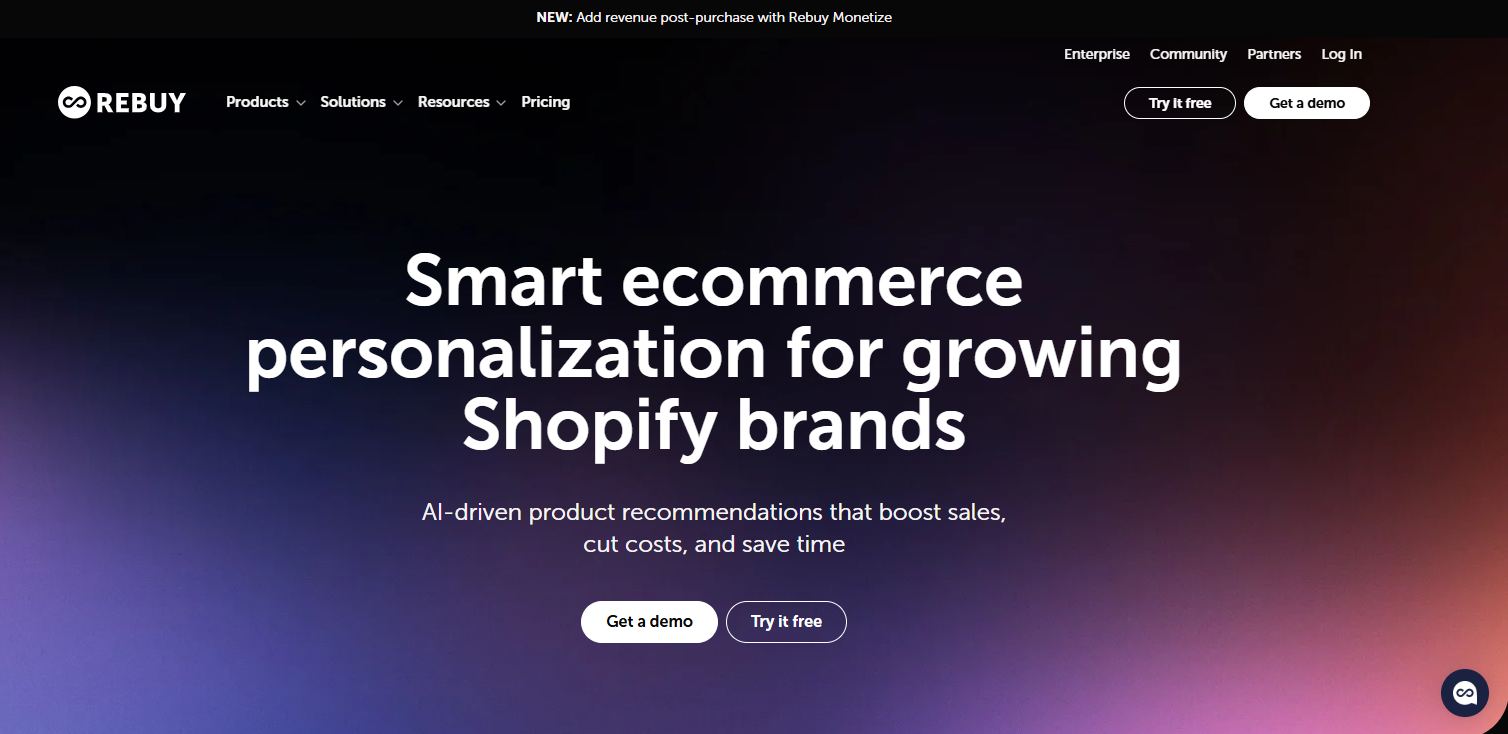
Rebuy AI is a leader in personalization and upselling for Shopify stores. This tool uses advanced recommendation engines to suggest products based on each customer’s browsing behaviour and purchase history. Instead of showing generic product suggestions, Rebuy dynamically updates recommendations in real time, increasing the chances of upsells and cross-sells.

One standout feature of Rebuy is its seamless integration with Shopify’s checkout process. Customers are presented with relevant add-ons right before completing their purchase, which significantly boosts average order value (AOV). Additionally, Rebuy integrates with email and SMS marketing platforms, allowing brands to continue personalized engagement outside of the store.

For Shopify owners, Rebuy AI is not just about automation; it’s about creating meaningful shopping experiences that drive repeat purchases. By showing customers products they actually want, you build stronger loyalty while growing your revenue.
Rebuy AI

2. Clerk.io

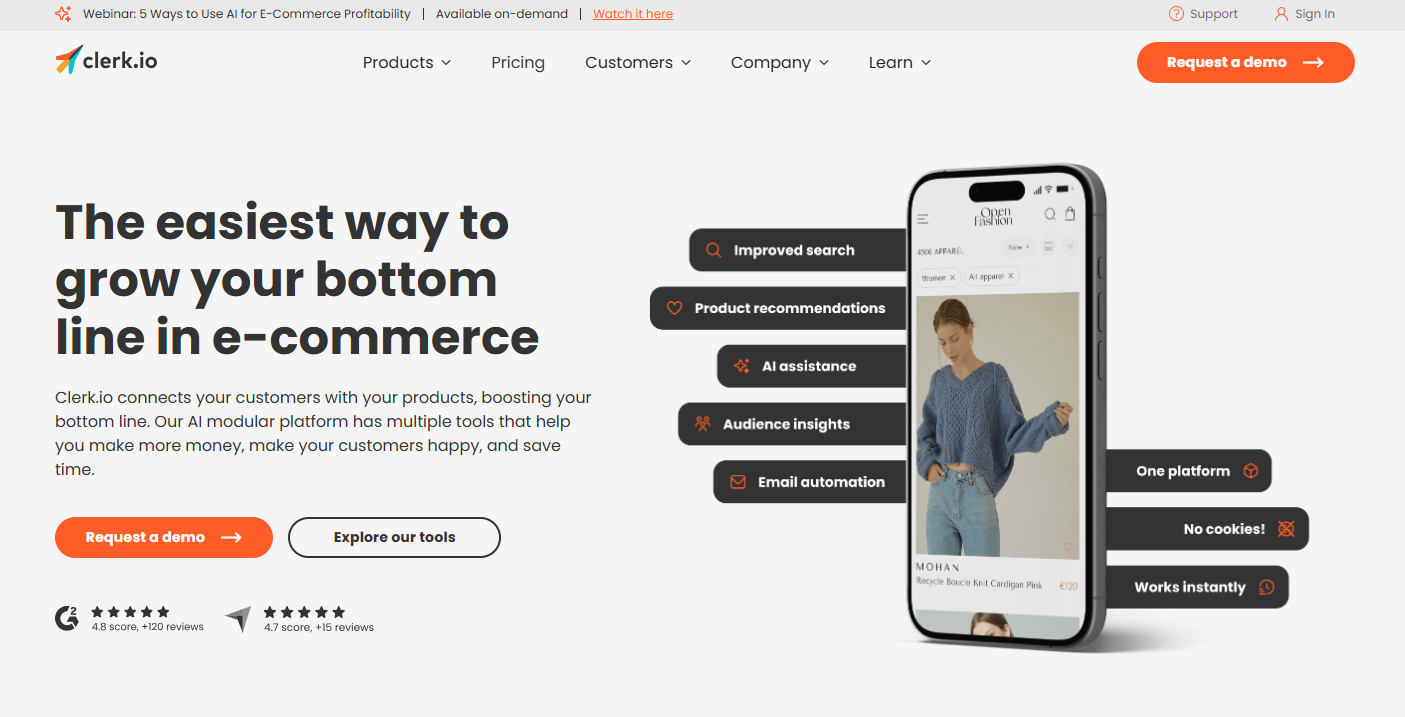
Clerk.io focuses on enhancing customer experience through personalized search, product recommendations, and email automation. One of its key strengths lies in its AI-powered search engine. Unlike Shopify’s default search bar, Clerk.io delivers highly accurate search results tailored to the shopper’s intent.

This tool doesn’t just stop at search; it also powers recommendation widgets across your store, from product pages to the cart. With Clerk.io, you can deliver hyper-targeted email campaigns by analyzing customer data and predicting future buying behaviour.

For businesses aiming to increase conversions and reduce cart abandonment, Clerk.io provides a holistic solution. It turns a simple store into an intelligent sales machine, helping brands compete with giants like Amazon in terms of personalization.
Clerk

3. Dialogflow (Google AI)

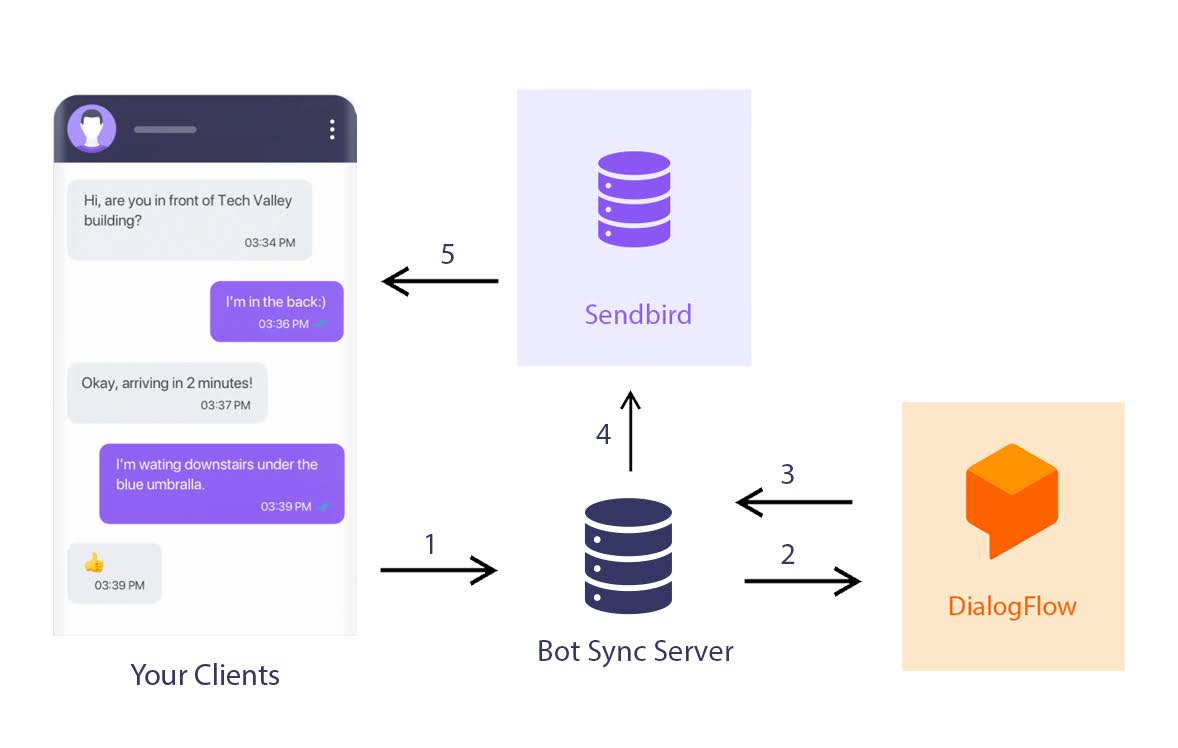
Dialogflow, developed by Google, is one of the most sophisticated conversational AI platforms available today. When integrated with Shopify, it enables brands to create chatbots that can handle complex customer queries, process orders, and provide multilingual support.

What sets Dialogflow apart is its ability to use natural language understanding (NLU). Instead of responding with scripted answers, it understands customer intent and provides context-aware responses. This makes conversations feel human-like and trustworthy.

For international Shopify stores, Dialogflow’s multilingual support is a huge advantage. It allows businesses to connect with customers globally, breaking down language barriers and improving accessibility.
Dialogflow (Google AI)

4. Shopify Magic

Shopify Magic is Shopify’s own AI solution, built directly into the platform. It helps store owners automate content creation, including product descriptions, SEO-friendly titles, and email campaigns. For busy entrepreneurs managing hundreds of SKUs, Shopify Magic can save hours of manual work.

The biggest advantage of Shopify Magic is that it’s native to Shopify. There’s no complicated setup or integration; it works seamlessly within your dashboard. Additionally, it adapts to your store’s tone and branding, ensuring consistency across all content.

For new businesses, Shopify Magic provides a head start, while for established brands, it ensures scalability without hiring large content teams.

Shopify Magic

5. Jasper AI

Jasper AI is one of the most advanced AI writing assistants in the market. For Shopify owners, Jasper can generate compelling product descriptions, blog posts, ad copy, and even social media captions in minutes.

What makes Jasper unique is its ability to adapt writing styles. Whether you want a playful tone for a fashion brand or a professional voice for a tech store, Jasper delivers high-quality content tailored to your audience.

Beyond content creation, Jasper AI can help with SEO optimization by suggesting keywords and meta descriptions. This makes it easier for Shopify stores to rank higher in Google search results while engaging potential customers with powerful copy.
Jasper AI

6. Tidio AI Chatbot

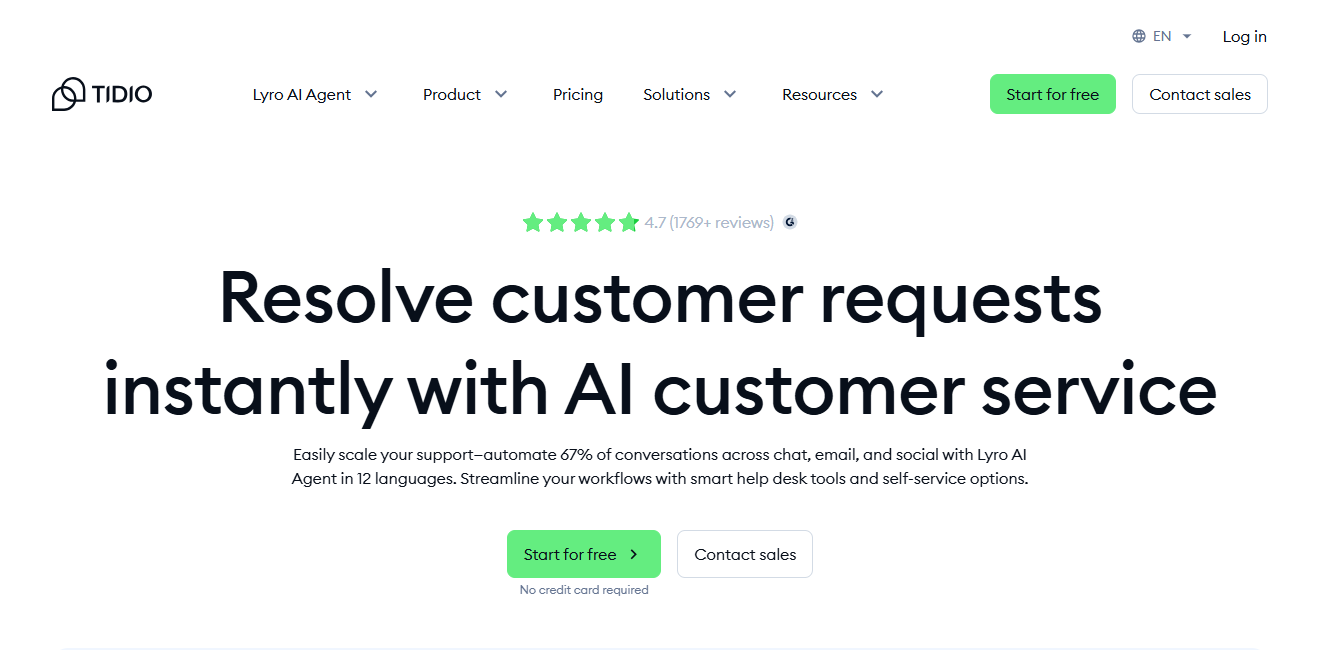
Tidio combines live chat and AI chatbot features, making it one of the best customer service tools for Shopify. With Tidio, you can offer instant support to shoppers, answer FAQs, and guide them through the purchase process.

The AI chatbot can handle common queries like shipping details, return policies, and product availability. When a complex issue arises, the conversation is seamlessly handed over to a human agent. This hybrid approach ensures efficiency without compromising customer satisfaction.

In addition to customer service, Tidio also doubles as a lead-generation tool. It can capture visitor information, recommend products, and nudge shoppers towards checkout, making it a valuable asset for sales as well.
Tidio AI Chatbot

7. Gorgias AI

Gorgias AI is a customer support platform designed specifically for e-commerce. It integrates directly with Shopify, centralizing all customer inquiries from email, chat, social media, and SMS into one dashboard.

The AI capabilities of Gorgias include ticket categorization, automated replies, and performance analytics. It reduces response times by suggesting the best responses to agents and automatically handling repetitive tickets.

For Shopify brands with growing customer bases, Gorgias is a lifesaver. It ensures customers receive quick, accurate responses while freeing up your team to handle more complex cases.
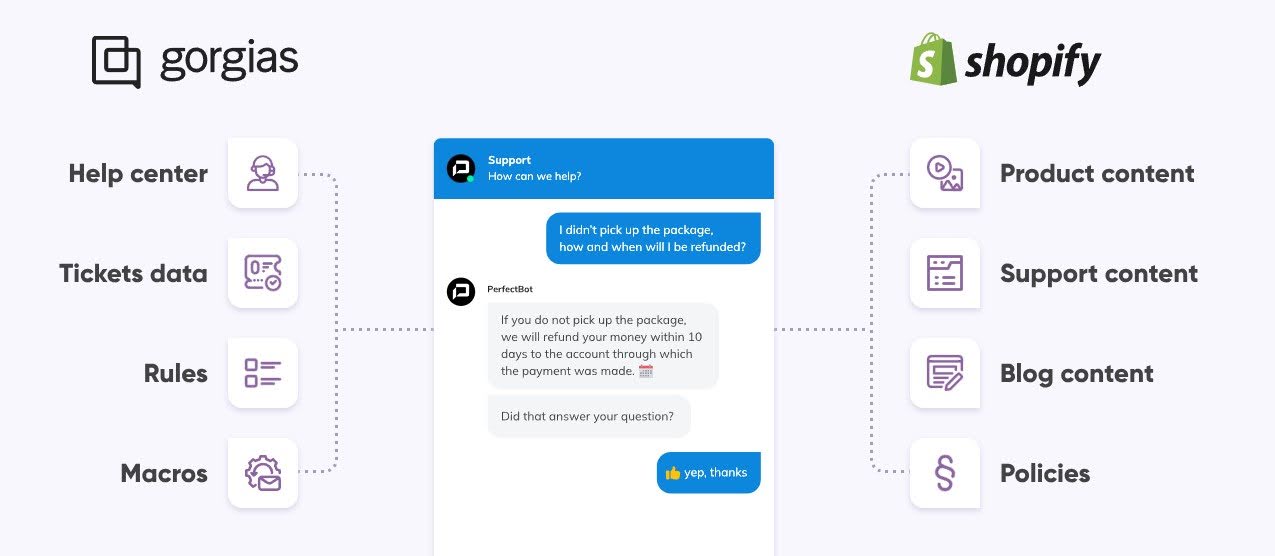
Gorgias AI

8. Optimizely AI

Optimizely AI is built for experimentation and optimization. Shopify owners can use it to run A/B tests on product pages, checkout flows, and marketing campaigns. Instead of relying on guesswork, Optimizely uses AI to determine which variations convert best.

This tool also helps personalize experiences by showing different versions of content based on customer segments. For example, first-time visitors might see a welcome discount, while returning customers are shown loyalty rewards.

The result is a more data-driven approach to e-commerce. Shopify brands can continuously optimize their sites, leading to higher conversions and better customer retention.
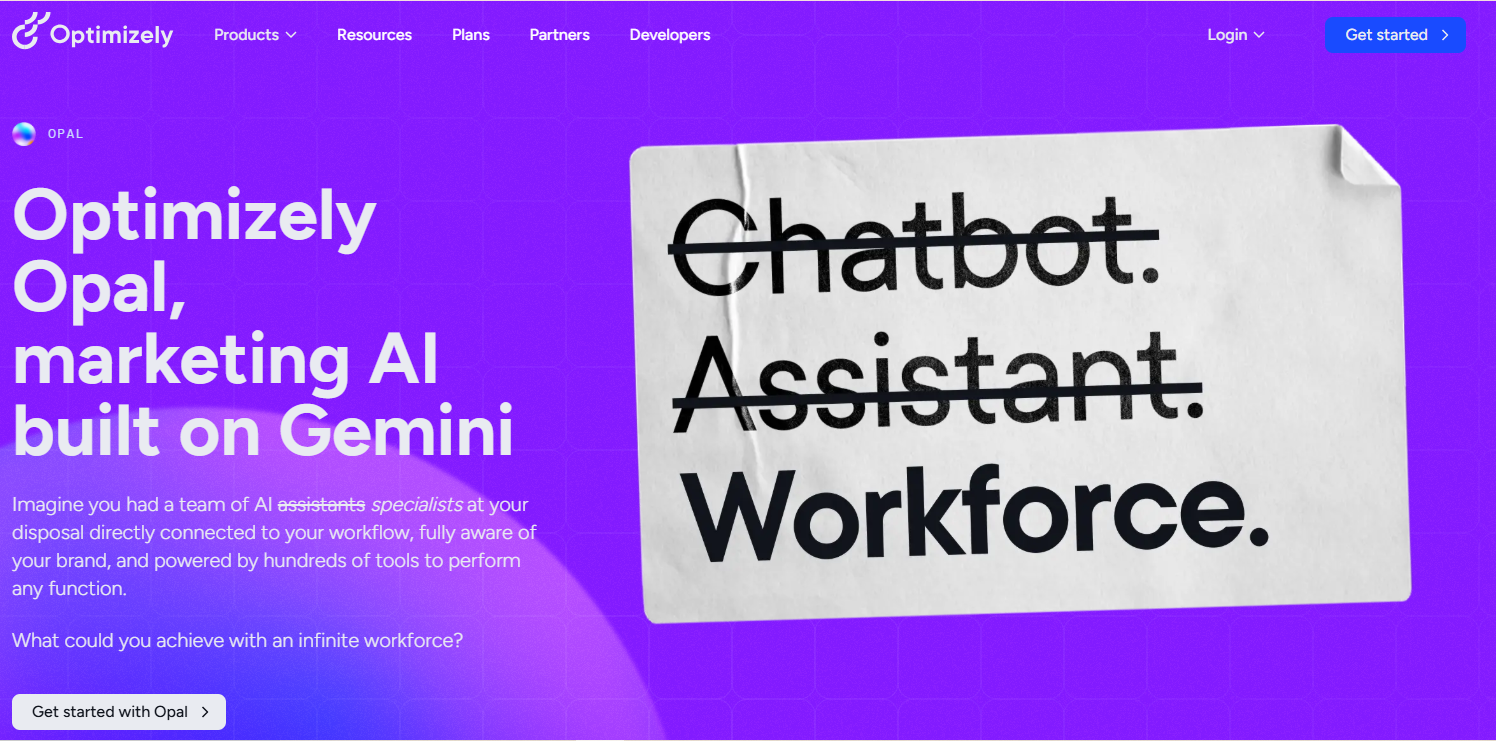
Optimizely AI

9. ChatGPT (Shopify Integration)

OpenAI’s ChatGPT has become one of the most versatile tools for Shopify owners. With Shopify integrations, ChatGPT can be used for customer support, product recommendations, and content generation.

What sets ChatGPT apart is its conversational intelligence. It can handle customer interactions in a friendly, engaging tone while providing accurate information. Store owners can customize ChatGPT’s responses to align with their brand personality, making every conversation feel authentic.

Beyond chat, ChatGPT can also generate blog content, product FAQs, and marketing copy. It’s like having a virtual team member that never sleeps, always ready to create and communicate.

ChatGPT (Shopify Integration)

10. Qubit AI

Qubit AI is a personalization powerhouse. It uses real-time data to deliver product recommendations, personalized landing pages, and targeted offers for each shopper.

Unlike generic apps, Qubit adapts to user behavior as it happens. If a customer abandons a cart, Qubit can instantly trigger a personalized offer to win them back. If a shopper repeatedly views a product, Qubit AI highlights related products or discounts to encourage purchase.

This kind of real-time personalization helps Shopify stores increase engagement, reduce churn, and maximize revenue. It’s particularly powerful for brands with large catalogues or diverse audiences.

Qubit AI

11. LivePerson AI

LivePerson AI is a conversational commerce tool that allows Shopify stores to engage with customers across multiple channels, including website chat, WhatsApp, SMS, and Facebook Messenger.

Its strength lies in natural language processing (NLP), which enables it to understand and respond to customer intent accurately. Whether it’s checking order status, recommending products, or handling complaints, LivePerson AI ensures seamless communication.

In addition, LivePerson provides analytics on customer interactions, helping brands improve service quality and identify opportunities for upselling. It bridges the gap between customer service and sales, turning conversations into revenue.
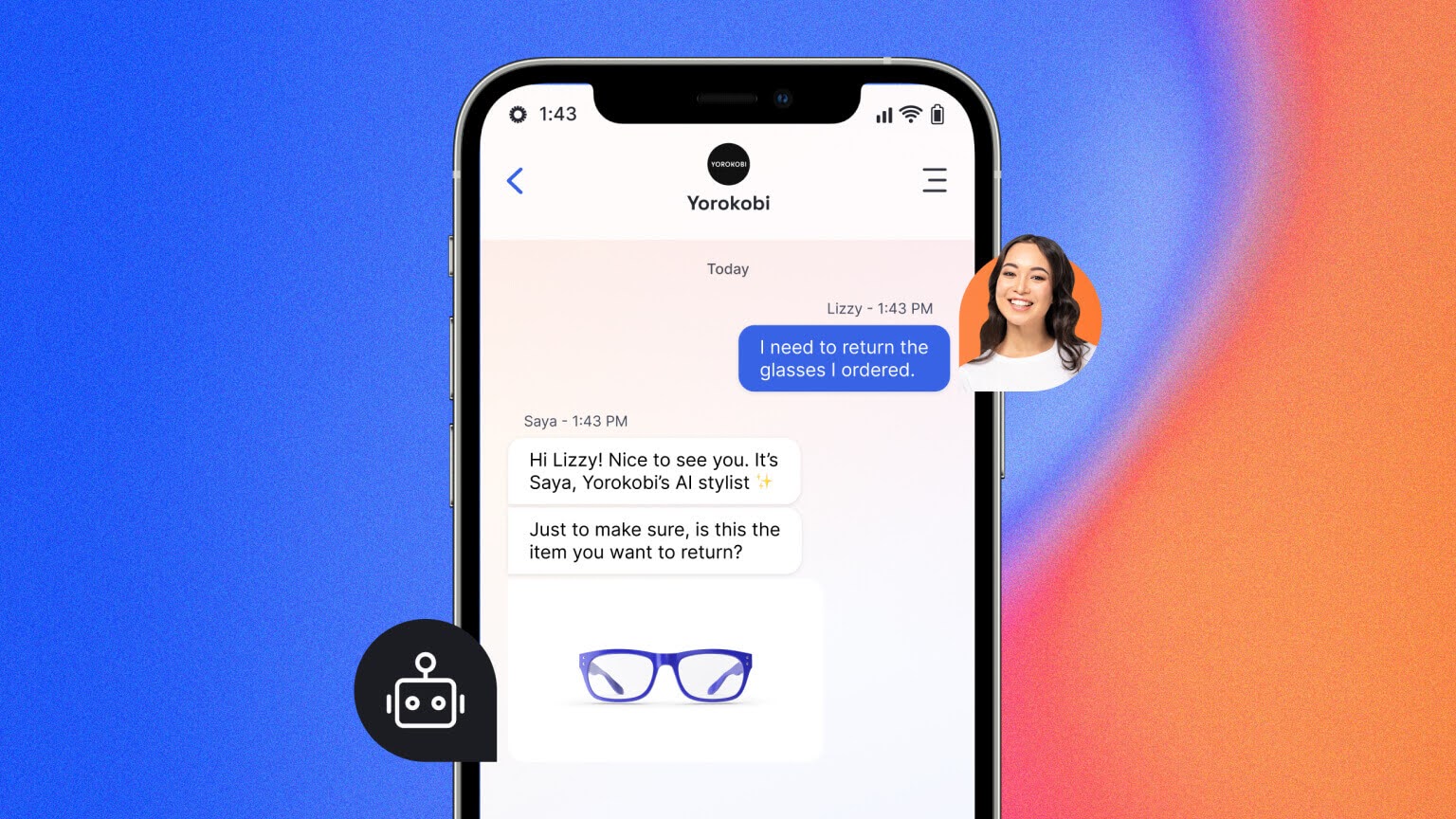
LivePerson AI

12. BotSpace

While most Shopify AI tools on this list focus on on-site experiences, BotSpace brings AI-powered automation to the messaging channels where ecommerce customers are most active — WhatsApp, Instagram, SMS, and Voice. As a Built for Shopify certified app and official Meta Business Partner, BotSpace enables Shopify stores to automate abandoned cart recovery, send broadcast campaigns, deliver AI-powered product recommendations, and handle customer support — all inside the conversations customers are already having.

BotSpace also goes beyond chat with AI Voice Agents that automate outbound calls for abandoned cart recovery, COD verification, and COD-to-prepaid conversion — use cases no other tool on this list covers. With a free plan and paid tiers starting at $15/month, it’s one of the most accessible AI tools for Shopify stores at any stage.

Website: bot.space

Shopify App Store Rating: 5.0★ | G2 Rating: 4.7★

13. Zendesk AI

Zendesk is one of the most widely used customer service platforms in e-commerce, and its AI chatbot makes it a powerful addition to any Shopify store. Rather than relying on rigid scripts, Zendesk’s AI handles customer queries conversationally,  answering questions about orders, returns, and product details without human involvement. Its native Shopify integration pulls live order data directly into the support dashboard, giving agents full context the moment a conversation starts.

What sets Zendesk apart from simpler chatbot tools is its ability to manage the full support lifecycle. The AI handles routine inquiries automatically, escalates complex issues to human agents with complete conversation history, and tracks every interaction across email, chat, and social media in one place. This omnichannel approach means no customer query slips through the cracks, regardless of where they reach out.

For Shopify store owners scaling their customer base, Zendesk strikes the right balance between automation and human support. It reduces ticket volume without sacrificing the quality of service that builds long-term loyalty. Whether you’re handling 50 or 5,000 support conversations a week, Zendesk grows with your store.

Final Thoughts

AI is the future of Shopify success. These tools are no longer “nice to have”; they are the foundation of modern e-commerce. From personalization engines like Rebuy and Qubit to customer service solutions like Tidio and Gorgias, each AI tool brings unique value to your Shopify store.

The key to success isn’t using every AI tool on the market but choosing the ones that solve your specific challenges. Whether it’s automating customer support, optimizing conversions, or generating content, AI is your ultimate partner in growth.

Omatic Growth helps e-commerce brands harness the power of AI and digital marketing to scale smarter, not harder. By integrating the right AI tools, you can future-proof your Shopify store and stay ahead of competitors. The time to act is now; the future of Shopify is AI-driven, and those who embrace it will lead the way.


E-commerce Trends in 2025: Why Successful Brands Choose Shopify

E-commerce Trends in 2025: Why Successful Brands Choose Shopify

E-commerce Trends in 2025

The e-commerce shops are evolving faster than before, and 2025 seems to emerge as a fulcrum for online retail. With the expectations of customers now higher, outdated platform or age-old approaches would no longer sustain a business on a competitive scale. Instead, what businesses now are more inclined to use are scalable platforms like Shopify with e-commerce website development expertise and agencies specialising in growth.ecommerce


This article shall cover the major 2025 e-commerce trends, why Shopify has become the platform for ambitious brands, and how a perfect e-commerce development company or Shopify agency can make all the difference between simply surviving and actually thriving.

1. Customer-Centric E-commerce on the Rise

Hyper-personalisation is one of the strongest trends in 2025-26. Customers demand tailored product recommendations, frictionless checkout, and a mobile-first experience. To this end, businesses have decided to go ahead and get an ecommerce website development company that will help them integrate AI-based tools, dynamic content, and advanced analytics, including solutions like AI shopify store builder

Shopify takes centre stage here due to the richness of the app ecosystem and flexibility. Using either custom Shopify app development or a Shopify Plus agency, brands can forge unique customer experiences that translate to greater satisfaction and more repeat purchases.

2. Seconded by M-Commerce Platforms

Utilising the best ecommerce builder platforms can enhance mobile commerce capabilities. e-commerce website development of the best possible standard will ensure good responsive design, fast speed, and simple navigation from the user’s standpoint on mobile.

Shopify has themes in place for mobile optimisation and integrates with Shopify application development solutions that enhance the smooth mobile experience for the brand. These already incredible development setups can be enhanced by a specialised agency to tailor apps and features for mobile-first users.

3. Flexibility and Headless Commerce

Another blockbuster of 2025 will be seeing the trend of headless commerce-a front-end design being separate from back-end facilities for an e-commerce store. With such design, businesses gain the freedom to offer unique user experiences instead of sticking to the user experience restricted by a platform-based template.

Shopify caters to headless commerce, allowing brands to pair Shopify’s powerful back end with highly custom front-end experiences. At this point, expert e-commerce website development services come in, to ensure un-interrupted integrations across platforms, devices, and sales channels.

4. Sustainability and Ethical Shopping

2025 is a period insufficiently developed for consideration of the issues related to consumer consciousness regarding sustainability. On the other hand, brands attracting loyalty and higher conversion rates are those respecting eco-friendly practices, ethical sourcing, and transparency.

Shopify provides outlets where companies can feature these values through storytelling; they even have apps for carbon offsetting and integrations with supply-chain tracking systems. E-commerce development companies can be instrumental in guiding brands to embed these features within their website so that their values fall in line with the expectations of the customer.

5. Omnichannel Experiences

The modern customer shops across several touchpoints, including social media, marketplaces, websites, and physical stores. Successful brands, on the other hand, ensure that these platforms are integrated into one unified experience.

Through Shopify’s integrations, selling from Instagram, Facebook, Amazon, or even through a brick-and-mortar store with the help of the Shopify POS system can be achieved. A Shopify agency or Shopify development partners would guarantee that consistent branding, fluid inventory management, and centralised customer data become realities for the establishment.

6. Artificial Intelligence Taking Centre Stage

AI and machine learning are reshaping the e-commerce landscape. From chatbots to virtual assistants and advanced predictive analytics, these technologies help brands predict consumer behaviour and tailor experiences.

The Shopify ecosystem offers applications that use AI to upgrade search, product recommendations, and more. A skilled shopify development agency might adapt these solutions, while an eCommerce web development company will ensure their successful implementation.

7. Subscription Commerce and Customer Loyalty

The year 2025 will witness tremendous growth of subscription-based business models, especially in fashion, beauty, and food. Buyers prefer having something delivered monthly as per their convenience, whereas companies love knowing the steady flow of cash.

From the title of the Shopify, any service or application can be used for creating subscription services. Shopify Plus agencies can be hired to design and optimize subscription workflows. Expert services for developing your e-commerce website would be strategic as it grows with the increasing customer base.

8. Why Successful Brands Choose Shopify

If so many platforms exist, why would all top brands prefer Shopify? It must be because of the:

User friendliness – Dashboards and control panels that are easy to use for product and order management, and analytics.

Scalability – It allows growth: from startups to global enterprises.

Customization – Thousands of apps and themes, with advanced options to custom-code.

Enterprise-ready – Shopify Plus has features built for the big companies.

Trusted partners – Shopify development companies and agencies across the world ensure that businesses receive expert advice. 

Shopify development firms provide end-to-end solutions, from design to Shopify application development to marketing and support, for companies ready to scale. 

9. Choosing the Right E-commerce Development Partner

While the platform itself is crucial to Shopify, the brands require something beyond—we need the exact expertise. This is where the value of a trustworthy e-commerce development company or Shopify agency comes into play. 

What the best partners bring to the table are:

Strategic planning for e-commerce website development services

Custom Shopify app development for unique business needs

Expert-level capabilities in handling Shopify Plus agency projects for enterprise-level brands

Continued optimisation following shifts in market needs

In sortie-working with certified Shopify development partners, businesses make sure their store meets not only current but also future needs.

Final Thoughts

The 2025 e-commerce trends are centered on a digital-first, customer-centric, and mobile-oriented future. Successful brands don’t just sell products—they create an experience, nurture trust, and lay the foundation for ahead-of-time technology implementation.

With its flexibility, scalability, and innovation, Shopify is positioned as a platform for this future. With the proper professional ecommerce website development company or a specialised Shopify development agency, brands can leverage Shopify’s full potentials for long-term sustainable growth.

In conclusion, what any firm ready to seize the front of online retail should take away is that Shopify partnered with the appropriate development team will be the cornerstone to any long-standing e-commerce venture.

7 Ways to Cut Ecommerce Ops Costs without Hurting SEO

7 Ways to Cut Ecommerce Ops Costs without Hurting SEO

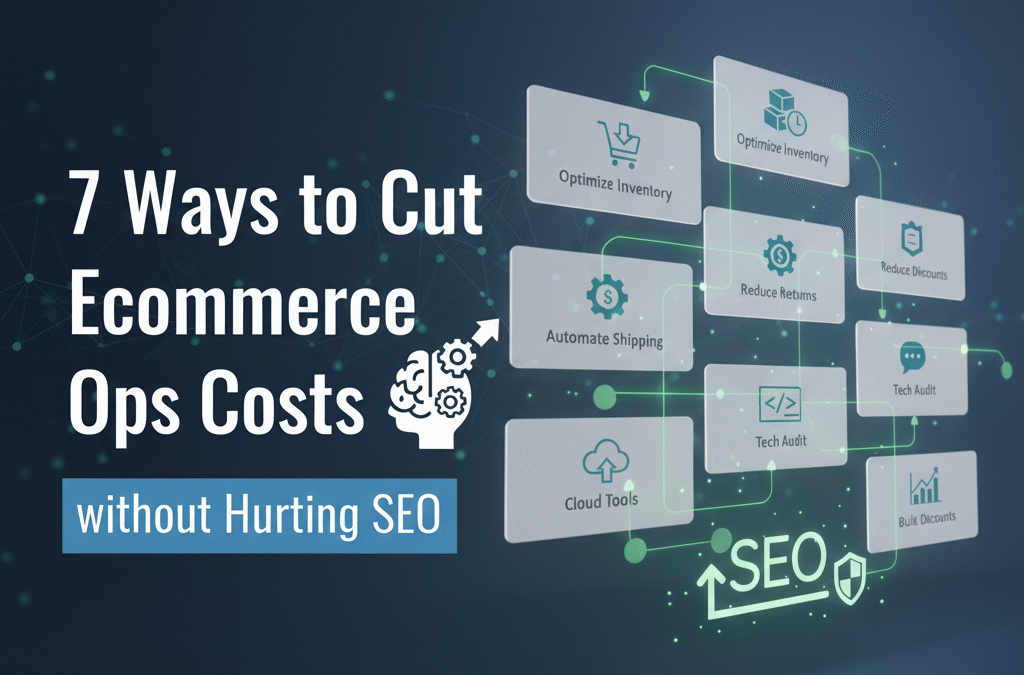
Ecommerce Ops

E-commerce is a competitive industry that puts constant pressure on CEOs to reduce operating costs for profit optimization. However, cutting costs in the wrong areas can have a disastrous effect on search engine optimization (SEO), which ultimately affects long-term profitability. 

The key is to improve internal efficiency that naturally benefits your SEO, customer experience, and supply chain. 

This guide will explore various strategies, from optimizing back-end operations to fine-tuning technology stacks, all designed to save money without compromising organic search performance. 

1. Order Fulfillment

Start with your e-commerce order fulfillment strategy. There are several ways to save money here. Enhancing efficiency in this area will have a direct impact on brand reputation and customer satisfaction, leading to higher customer lifetime value (CLV) rates. 

Shipping costs are a major expense. You can reduce dimensional weight charges with the following changes: 

  • Appropriately sized packaging 
  • Lightweight packaging materials
  • Eco-friendly packaging 

Negotiate better prices with carriers based on your shipping volume. You can also use regional carriers or local warehouses to shorten delivery distances. These steps reduce costs and improve delivery times, leading to better customer experiences and online reputations.

2. Inventory Management

Replace inefficient manual inventory tracking with automated management systems. This change will reduce costly overstocking errors to free up capital, ensuring you meet customer demand. 

When removing a product, don’t just delete the page; use a 301 redirect to a relevant page. This preserves the SEO value of the old URL, preventing broken links and wasted crawl budget. You can also automate this process.

Product returns are also costly. You can decrease your return rate with the following strategies: 

  • Accurate product information
  • High-quality images
  • Detailed and honest product descriptions
  • Accurate sizing guides 

These simple changes cut down on reverse logistics costs, improving customer satisfaction and reputation management. Such positive impacts will improve your site’s SEO value.

3. Marketing and Customer Retention 

You don’t have to slash your marketing budget to improve your ROI. Instead, focus your efforts on building a loyal customer base who will generate organic traffic and repeat business.

Invest in long-term SEO and content marketing. 

While paid ads may offer an immediate return, you may pay more in the long run. Instead, invest in evergreen content that provides long-term value. Focus on the following content types: 

  • Comprehensive guides
  • Educational articles
  • Resource pages with FAQs 

Valuable (useful) content attracts organic traffic, generating a high ROI without a consistent ad spend.

You can save considerable costs by automating repetitive marketing tasks. This is a must for email campaigns; marketing software can automate welcome messages and cart abandonment reminders. Automation frees up more time for building stronger customer experience campaigns.

Customer acquisition costs are higher than customer retention expenses. Invest in the following strategies to improve your ROI: 

  • Loyalty programs
  • Exceptional customer service
  • Post-purchase communication 

Loyal e-commerce customers generate steady revenue, higher average order rates, and positive reviews, driving organic growth and traffic. 

Leverage real-time analytics for more cost-effective ad spending. Regularly audit campaigns to identify low-performing ads. Shift your budget to ads with high conversion rates. 

Adopting a data-driven approach makes the most of every marketing dollar. 

4. Website Optimization and Technology

Your website is the heart of your e-commerce business. Smart site optimization saves money while improving SEO. Fast and efficient sites generate better user experiences, earning the favor of search engines.

Fast loading speeds are crucial for both user experience and SEO. Improve site speed by: 

  • Compressing images
  • Minifying website code 

You can also use content delivery networks (CDNs) to publish content from servers closer to users. 

Regularly review your e-commerce software subscriptions. 

Are you paying for premium features you don’t use? 

Are there cheaper alternatives with similar functionalities?

Consolidate software and choose more cost-effective tools when possible. 

Every e-commerce business needs a smooth checkout process. Poor cart experiences raise cart abandonment rates. Simplify the process by offering multiple payment options to accelerate checkout.

5. EC2 Cost Optimization 

If your e-commerce site is hosted on Amazon Web Services (AWS), you can reduce EC2 costs in a few ways.

First, look into leveraging Savings Plans and Reserved Instances. You can also use Spot Instances to leverage unused AWS capacity at a low cost.

Analyze your workload instances to accurately reflect your needs. This will help you avoid the oversupply of resources. Consider migrating from x86-based instances to Graviton instances to enjoy better performance at lower costs.

Use Auto Scaling Groups to add or remove instances based on demand. This way, you only pay for what you use. Automate the cleanup of unused EBS volumes and snapshots, eliminating waste.

Use the AWS Cost Explorer to get a clearer view of your spending, identifying all cost drivers.

6. Script Hygiene for SEO 

If your website features a JavaScript-heavy design, implement an SEO script hygiene plan to improve search crawling efficiency. 

Search engine crawlers render and index dynamic content. However, unoptimized JavaScript can slow down your site, making your content invisible to crawlers. Regularly audit your JavaScript code to ensure it’s clean, efficient, and doesn’t negatively impact page speed. 

7. Payroll Optimization 

Making strategic changes to staffing and overhead can save money without impacting core business functions. 

Automate repetitive tasks to free up employees’ time for more valuable work. Cross-train staff to handle multiple roles. Have a staffing plan for peak demand seasons. Flexible remote work arrangements can help reduce overhead costs like rent and utilities.

Consider outsourcing the following tasks: 

  • Bookkeeping
  • Customer service
  • Content creation 

Look into outsourcing firms for managed IT strategy, as well. This decision can reduce in-house costs while providing real-time IT monitoring to prevent site downtime, data breaches, and disruptions in buyers’ journeys. 

Cut Costs Without Sacrificing SEO

Don’t sacrifice your SEO. Adopt smart, strategic optimization strategies. Focus on operational efficiency, data-driven decisions, and long-term value. This approach will lead to a more resilient and profitable business. 

Not only will you save money, but you’ll have a foundation for a stronger, faster, and more customer-centric operation. These are the essential ingredients for any high-performing e-commerce business.

What Are the Best Marketing Channels for eCommerce Success: SEO, PPC, or Social?

What Are the Best Marketing Channels for eCommerce Success: SEO, PPC, or Social?

Marketing Channels for eCommerce

Managing marketing for an eCommerce brand comes with its own set of challenges:

  • SEO promises long-term growth, but feels slow.
  • PPC delivers fast results but drains the budget.
  • Social media drives engagement, but not always sales.

So which one should you bet on?

This blog gives you clarity. We’ll map out the real strengths and weaknesses of eCommerce marketing channels and show you how to integrate them into a strategy that drives measurable revenue.

The Core eCommerce Marketing Channels

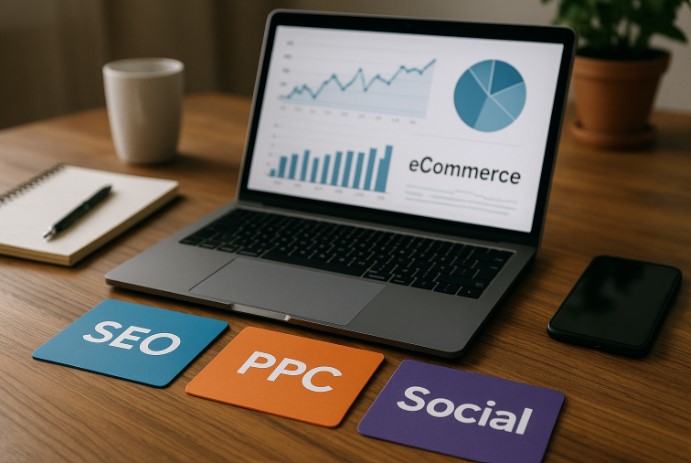
There are dozens of marketing options. But for CMOs, three consistently drive results:

  • SEO → Long-term, organic growth
  • PPC → Fast, measurable acquisition: use PPC reporting for analytics
  • Social Media → Engagement, retention, and community building

The winning formula isn’t choosing one. It’s knowing how and when to use all three to optimize ecommerce customer acquisition channels.

SEO for eCommerce: Building Long-Term Organic Traffic 

Marketing Channels for eCommerce

When it comes to eCommerce marketing channels, SEO is the slow burn that pays off big. 

For CMOs focused on profitability, SEO is the channel that keeps working long after the campaign spend is over.

Why SEO matters:

  • Organic traffic compounds over time
  • Builds trust and authority
  • Lower cost per acquisition than paid ads

Quick SEO action points:

  1. Optimize product/category pages with target keywords
  2. Improve technical SEO (site speed, mobile UX)
  3. Use internal linking to support product discovery

Pro Insight: Partnering with eCommerce SEO Solutions can accelerate technical improvements while freeing your internal team to focus on growth.

SEO should always be the foundation of your ecommerce marketing strategy.

PPC: Driving Fast, Measurable Results

Marketing Channels for eCommerce

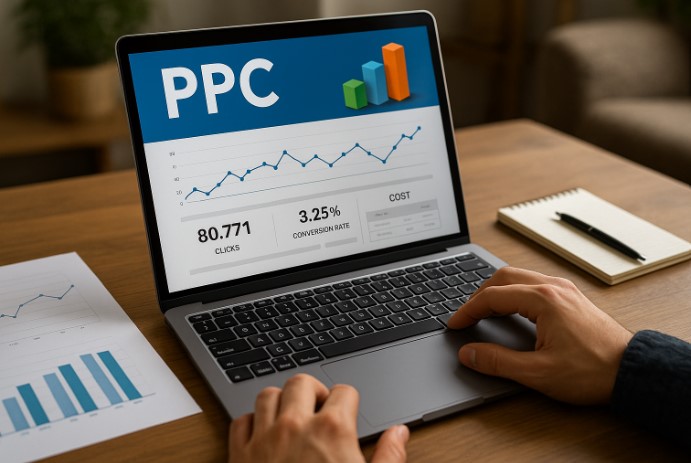
SEO takes time. PPC delivers speed.

PPC is one of the fastest ways to test and optimize ecommerce marketing channels.

Why PPC is critical for eCommerce CMOs:

  • Immediate visibility in search results
  • Highly targeted campaigns (demographics, geos, interests)
  • Full measurability for ROI

Tips for PPC success:

  • Use high-intent keywords to capture purchase-ready buyers
  • Test campaigns weekly → pause losers, scale winners
  • Align messaging with SEO landing pages for consistency

Outsourcing to еxpеrts likе еCommеrcе PPC Sеrvicеs or lеvеraging еCommеrcе Consulting еnsurеs you maximizе budgеt еfficiеncy. In the same way, Amazon Product Ads Management Services help businesses refine targeting, manage bids, and improve overall ad performance to drive higher sales.

Social Media Marketing: Engagement and Retention

Marketing Channels for eCommerce

Social mеdia is morе than likеs and sharеs. It builds brand prеsеncе, drivеs еngagеmеnt, and turns onе-timе buyеrs into loyal customеrs.

Benefits for eCommerce brands:

  • Expands brand awareness quickly
  • Strengthens customer loyalty through engagement
  • Drives direct conversions with ads

Best practices:

  • Use short-form video (Reels, TikTok, Shorts) to attract attention
  • Run retargeting ads to capture non-converting visitors
  • Mix organic posts with eCommerce Social Media Advertising for scale

Whеn combinеd with sеo ppc social mеdia for еcommеrcе, social channеls bеcomе not just awarеnеss drivеrs, but profitablе еcommеrcе acquisition channеls.  

Comparing SEO, PPC, and Social Media

Not all eCommerce marketing channels create value the same way.

Some are long-term investments, others are quick wins.

Here’s a side-by-side look at how SEO, PPC, and Social really perform.

Channel Speed Cost Longevity Best Use Case
SEO Slow Low High Organic visibility & authority
PPC Fast Medium-High Low Testing + immediate traffic
Social Medium Medium Medium Engagement, retention, retargeting

CMO Takeaway: There is no single “best.” A winning eCommerce marketing strategy integrates all three.

Optimizing eCommerce Customer Acquisition Channels

Knowing the channels isn’t enough.

To stay competitive, CMOs must optimize eCommerce acquisition channels for both efficiency and scalability.

Steps to optimize:

  1. Track performance metrics → Conversion Rate, CAC, LTV
  2. Run experiments → A/B test ads, landing pages, messaging
  3. Align channels → Use social to build PPC retargeting pools; use PPC to test SEO keywords

Solutions like eCommerce Development strategies give CMOs better dashboards and automation to simplify optimization.

Rеal-World Examplе: How Channеls Work Togеthеr

Considеr an apparеl brand launching a nеw summеr collеction.

  • SEO: Thеy optimizе catеgory pagеs for “summеr drеssеs undеr $50,” ranking organically ovеr timе.
  • PPC: Thеy run Googlе Shopping campaigns targеting high-intеnt buyеrs sеarching for “affordablе summеr outfits.”
  • Social Mеdia: Thеy showcasе TikTok styling vidеos and rеtargеt sitе visitors with Instagram ads.

Thе rеsult? SEO drivеs stеady discovеry, PPC capturеs immеdiatе buyеrs, and social builds community and rеpеat purchasеs. This “layеrеd” approach еnsurеs rеvеnuе comеs from multiplе touchpoints rathеr than a singlе channеl. 

Advanced Strategies for CMOs

Want to go beyond the basics?

Here are advanced plays to supercharge your ecommerce marketing strategy guide:

  1. Retargeting Campaigns → Bring back visitors who didn’t purchase
  2. Cross-Channel Campaigns → Launch SEO blog content, retarget with PPC, reinforce via social
  3. Customer Segmentation → Personalize offers for first-time vs repeat buyers
  4. Content Marketing → Educational content to build authority and rank organically

Thеsе tactics makе your stratеgy strongеr, maximizе ROI, and hеlp you optimizе еcommеrcе acquisition channеls for long-tеrm growth

Measuring Campaign Success: Metrics that Matter

CMOs can’t afford guesswork.

Measuring an eCommerce Marketing Campaign requires real-time dashboards that track:

  • Conversion rates per channel
  • Cost per acquisition (CPA)
  • Customer Lifetime Value (LTV)
  • ROI across channels

Pro Tip: Attribution models matter. Don’t credit only the “last click.” Look at the customer journey across ecommerce marketing channels.

Measuring Campaign Success: Metrics that Matter

CMOs can’t afford guesswork.

Measuring an eCommerce Marketing Campaign requires real-time dashboards that track:

  • Conversion rates per channel
  • Cost per acquisition (CPA)
  • Customer Lifetime Value (LTV)
  • ROI across channels

Pro Tip: Attribution models matter. Don’t credit only the “last click.” Look at the customer journey across ecommerce marketing channels.

Choosing the Right eCommerce Platforms for Business Ideas

Your platforms determine your flexibility.

When evaluating eCommerce Platforms For Business Ideas, look for:

  • SEO-ready features (schema, meta fields, site speed)
  • PPC integration (easy tracking pixels, campaign syncing)
  • Social commеrcе tools (shoppablе posts, dynamic ads)

Platforms alignеd with еCommеrcе Dеvеlopmеnt Stratеgiеs savе CMOs from futurе bottlеnеcks and kееp campaigns running smoothly.

Final Thoughts

There’s no silver bullet. Each channel has a role:

  • SEO → Long-term visibility
  • PPC → Quick wins and data testing
  • Social → Brand engagement and retention

The CMOs who win don’t pick one channel. They integrate and optimize all eCommerce customer acquisition channels.

With an eCommerce marketing strategy guide, you can turn every campaign into a growth engine.