UK: +44 2038074555 info@atamgo.com
The Ultimate Showdown: OneShop vs. Vendoo– Which Reseller Tool is Right for You?

The Ultimate Showdown: OneShop vs. Vendoo– Which Reseller Tool is Right for You?

OneShop vs Vendoo

We’re experiencing a modern-day app battle of Reseller Powerhouses. Reselling is growing worldwide and with it, the need for tools that can make the process as user-friendly as possible.

Having the right software can drastically impact your success, which is directly connected to how easily you list your products, manage the inventory, and how sales are automated.

OneShop and Vendoo are two of the biggest apps available as reseller productivity tools. 

However, it’s a great idea to look at both before making an informed decision as to which reseller tool will suit your business the best.

Let’s investigate to find the best option for you!

The battle of Reseller powerhouses

OneShop and Vendoo are apps designed as reseller tools for online sellers to run their businesses and help them grow effectively. These platforms offer a variety of features that make it easier to resell products by managing inventory, cross-listing items from multiple markets, and tracking all sales.

What are OneShop and Vendoo (And why should you care?)

These apps or tools work well for a range of sellers with their own niche markets.

OneShop is ideal for those who require a centralized hub to manage their sales. These are serious powerhouse sellers. If you are looking to grow your business quickly, this is a great option to make it all happen.

Vendoo is known for being easy to use and being flexible. Works well for both casual and full-time resellers. It provides a great cross-listing tool so you can stay organized with the inventories of your medium- or small-sized inventory.

OneShop was designed with high volume in mind, and Vendoo is more adaptable for part-time resellers.

Features Face-off. What sets them apart?

Basically, it’s crucial for reselling platforms to enable listing your items across multiple online marketplaces, but what sets them apart?

OneShop can integrate seamlessly with some of the major platforms like Mercari, Poshmark, and eBay, to mention a few. It has an efficient user, and it has bulk editing tools that help with managing large inventories with ease.

Vendoo has its own great cross-listing feature. It can integrate with Mercari, Poshmark, eBay and Depop, and others. It also has bulk editing tools for when listing across niche platforms.

Automation & AI Tools

Automation can help make reselling a lot less time-consuming.

OneShop’s automation features include automation syncing of listings as well as prices across many platforms. It also automates the relisting of sold items, saving time.

Vendoo’s automation tool mainly focuses on inventory syncing and adjustment of prices. Their system is intuitive and helps the reseller keep their listing updated with very little effort. 

However, the OneShop automation system is marginally more advanced with more features to handle the sales process.

Inventory Management

For high-volume online reselling, inventory management is a critical aspect.

Oneshop has powerful syncing capabilities for inventory management, which is ideal for large-scale reselling and multiple marketplaces. This allows resellers to manage orders well, track stock levels, and relist without overselling.

Vendoo has a very user-friendly inventory management system that easily syncs between platforms, and automatically tracks stock levels. It’s ideal for smaller inventories, although it does support larger resellers.

Analytics & Insights

Data-driven insight into analytics can assist in better business decisions.

OneShop provides analytics on pricing that are great for capturing customer behavior and sales trends in detail. This system will allow you to see and optimize revenue and top-selling items.

Vendoo provides basic analytics and sales performance tracking over platforms. It does provide insights into top sellers as well as inventory levels. However, it doesn’t have as detailed or comprehensive a data tracking system as OneShop.

Mobile & Desktop Experience

For resellers, having a user-friendly experience on devices can be a win-or-lose

OneShop has a very functional app as well as a desktop platform. However, the desktop platform seems to offer more features, customization, and navigation.

Vendoo has a clean and user-friendly interface on their desktop as well as the mobile app. The app is very easy to use, which is ideal for resellers that operate on the go.

The Price Factor: What’s the True Cost of Convenience?

OneShop has a basic plan with a monthly pricing of $29 per month. It has advanced features for bulk listing as well as advanced analytics in different tiers. Plus, a free trial is available to test the platform.

Vendoo offers a flexible pricing system that starts at a low rate of $10 per month. This helps new businesses to start and scale up as the business grows. They also offer a free trial period.

OneShop and Vendoo are transparent with their rates, but OneShop cost extra for some advanced features they offer, but Vendoo, on the other hand, has optional add-ons for higher tiers.

Real User Experiences: What Sellers Are Saying

Feedback on these platforms from resellers is insightful and of great value, so let’s have a look at some.

OneShop Sellers love OneShop for its great features, but some, especially beginners, find getting to know the app a bit difficult. In general, sellers complement their customer support, but some would like more responsive chat options.

Vendoo users love that the platform is intuitively designed and easy to use. Sellers appreciate the cross-listing and the mobile app. However, some have reported syncing issues on occasion, in particular, when handling large inventories.

The Verdict: Which One Wins for Your Business?

For a tool that combines cross-listing, inventory management, and detailed analytics, OneShop is a great choice, especially for high-volume resellers.

For casual sellers, or affordability as well as being user-friendly, Vendoo could be the perfect match.

High-volume resellers needing powerful automation, great inventory management, and more detailed analytics should opt for OneShop, and the casual, medium-scale resellers that require ease of use, lower pricing, and great mobile functionality should opt for Vendoo.

Ready to Decide? More Resources to Help You Choose

If you are still unsure of which to use, you can have a look at an in-depth comparison of OneShop vs. Vendoo. Both have free trials, so you can test them out and explore their features before making a final decision.


5 High Volume E-commerce Industries to Know in 2025

5 High Volume E-commerce Industries to Know in 2025

E-commerce Industries

Smart home technology and membership services will most probably dominate online retail from 2025 and beyond. The e-commerce industry is gradually advancing, and five superior sectors are predicted to dominate the scene. Besides home automation technology, which is now being used by almost everyone, other subscription-based industries are also going to be part of the revolution. Indeed, these branches will be the props of the brand-new e-commerce era. The concept of the high-volume trade sectors that are characterized by their brisk sales increase is discussed in this article, with an example of the National Mailboxes experience in this regard.

1. Smart Home Technology

Smart home technology has brought a huge change in our very life. By 2025, this industry will probably notice a huge gain in the e-commerce channel. The use of technologies such as the Internet of Things (IoT) devices, voice-activated personal assistants as well as automated systems is one of the reasons for people showing more interest in them and the market is a-growing as well.

Key Growth Drivers:

  • The increase in desire for more convenience and automation in existing devices
  • IoT and AI technologies are the ones that are developing at a fast pace and are very popular among the users
  • The energy-saving structures that are aimed at reducing global warming are another part of the slope

National Mailboxes has understood the trend and is producing smart mailbox solutions that perfectly blend into any home automation system. These new products enable people to monitor and get their packages delivered right at home: developments that are related to the smart home ecosystem.

2. Sustainable and Eco-Friendly Products

Not “sustainable” a trend among millennials; it is already a decision-making concern. The Environmental or Green Product Market on the internet is bring up new eco-friendly products like crazy while consumers rush to buy more sustainable alternatives in all product categories. This trend, according to analysts, will improve in 2025 and on.

Popular Categories:

  • Household items that are reusable
  • Organic and natural personal care products
  • Devices and appliances that help save energy

In line with this, National Mailboxes has come up with their line of mailboxes constructed from recycled material. These environmentally friendly products present us with the idea of sustainability in the house accessories section but the company also expresses its commitment to this moral cause.

3. Personalized Health and Wellness

Health & fitness regime is undergoing a transformation to like more personalization. Businesses try to collect big data and use cutting-edge technology platforms to deliver health solutions that are best matched for customers. Data is at the core of digital transformation, and through effective product data transformation, businesses can make informed decisions and optimize operations. Demand for customized health products and services will be high by 2025.

Emerging Niches:

  • Nutrition and fitness plans based on DNA tests
  • Artificial intelligence applications being used to treat mental health disorders
  • Personalorded (bespoke) vitamins and supplements

Although National Mailboxes is initially associated with external home products only, the company acknowledges this digital product viability. 

4. Augmented Reality (AR) Shopping Experiences

AR technology is bringing in a new and very entertaining online shopping experience. It assist the integration of online with real shopping environment. In the coming five years, AR will not be a very uncommon thing that you get to see and use in the online stores. It will allow consumers to interact with in before buying in the comfort of their own homes.

Applications in Ecommerce:

  • Virtual try-ons for clothing and accessories
  • Home and interior decoration visualization
  • Interactive product demonstrations

Moreover, National Mailboxes has adapted AR techniques to their e-commerce platform. This modification allows customers to see the mailboxes change based on different styles and how they look when placed at their property. Thus, they have brought customer satisfaction and the rejection of the products to the very minimum.

5. Subscription-Based Services

The progressive subscription arrangement caters to user needs for convenience, personalization, and value and it continues to grow in numbers. Predictably, by 2025, it might be the main operator of e-commerce in all ranges and products as a customer subscription. Efficient ecommerce data entry services will be essential in managing subscription models, ensuring accurate customer records, seamless inventory updates, and hassle-free order processing. Efficient ecommerce data entry services will be essential in managing subscription models, ensuring accurate customer records, seamless inventory updates, and hassle-free order processing.

Popular Subscription Categories:

  1. Meal kits and grocery deliveries
  2. Entertainment and education streaming services
  3. The software platforms for small and large enterprises with the monthly payment system

Traditionally, National Mailboxes has been more about the high-end mailbox units. It has lately come up with other innovations like maintenance services on a subscription basis. Not only does it demonstrate how even specialized companies learn about the effectiveness of the subscription model in meeting the changing customer needs, but this move also reveals how the market has shifted towards the subscription economy.

Conclussion

Certainly, by 2025, the online market will be different, more technology-oriented obtaining more personal touch than it is today. The five hot industries that are placed under the spotlight of this article: home technology, green products, wellness, AR, and subscription products are the pivot that will shape the e-commerce industry.

Companies like National Mailboxes have been very instrumental in showing the industry how to adapt to these trends, even when dealing with niche markets. By keeping up with the innovation, bringing in new technologies and responding to customer needs, companies across all industries will be able to thrive on this new e-commerce landscape.


The Importance of Testing in Retail Success Strategies

The Importance of Testing in Retail Success Strategies

Testing in Retail

Ensuring smooth operations and outstanding user experiences is crucial in the fast-paced retail industry, where consumer happiness can make or destroy a brand. Retail companies are embracing new technology and tactics more frequently to remain competitive, but testing is a critical component that needs to be considered. Thorough testing guarantees that every element of the retail experience functions appropriately, from mobile app performance to website operation. But how can stores properly conduct testing, and why is it so crucial? Let’s get started.

Why Does the Retail Sector Need Testing?

Imagine perusing an internet store where pages take ages to load or going into a store and discovering that the cash register is broken. Isn’t that frustrating? Retail testing helps avoid such situations by ensuring everything, from inventory control to checkout, runs perfectly.

Testing finds possible problems before they become expensive ones. Even minor errors might result in bad reviews, cart abandonment, or lost revenue in a sector that depends on consumer pleasure. Indeed, testing is essential to maintaining operational effectiveness and improving consumer experiences, per a BugRaptors report

Important Domains in Which Testing Is Impactful

  1. E-commerce Websites and Mobile Apps Since most consumers now shop online, retail enterprises rely heavily on their websites and apps. Testing ensures:
  • Fast loading speeds
  • Seamless navigation
  • Compatibility across devices and browsers
  1. Point-of-Sale (POS) Systems POS systems manage customer information, inventory, and payments. Testing these systems guarantees:
  • Accurate billing
  • Quick payment processing
  • Data security
  1. Inventory Management Efficient stock management is vital for meeting customer demands. Testing helps retailers:
  • Avoid stockouts and overstock situations.
  • Synchronize inventory data across multiple channels.
  1. Omnichannel Experiences Customers often switch between online and offline platforms. Whether clients browse a website, utilize a mobile app, or visit a physical store, retail testing guarantees a consistent purchasing experience.
  2. AI-Driven Solutions As AI becomes more prevalent in retail, it is essential to evaluate AI-powered systems, such as recommendation engines and chatbots, to provide precise and customized consumer experiences. Tools like AI software testing ensure these technologies perform reliably under various conditions.

Types of Testing Retailers Should Prioritize

Retail testing encompasses various techniques tailored to the unique needs of the industry:

  1.  Testing for functionality

Functional testing guarantees that every component of your app or website functions as intended. It ensures that nothing interferes with the user experience, from search capabilities to checkout procedures.

  1. Load and Performance Testing

Holidays and sales events frequently increase retailers’ traffic. By simulating heavy traffic situations, performance testing ensures that websites and apps can withstand the load without crashing.

  1. Security Testing

Consumers entrust merchants with private information, including credit card numbers. Security testing finds weaknesses and protects client information from online attacks. 

  1. Test Automation

Automation ensures accuracy while expediting the testing process. Selenium and TestNG are popular tools for automated testing. Furthermore, sophisticated AI software testing systems improve testing tactics by spotting trends and irregularities that testers might overlook. 

  1. Testing for Usability

Usability testing assesses how user-friendly and intuitive your app or website is. It helps retailers refine their designs and improve user satisfaction.

Best Practices for Retail Testing

  1. Start Early in the Development Cycle

Incorporate testing from the initial stages of development. Early testing identifies bugs before they become deeply ingrained, saving time and resources.

  1. Use Real-Life Scenarios

Simulate user behavior, such as browsing on different devices, placing orders, and navigating high-traffic sales. This approach ensures your systems perform well in real-world conditions.

  1. Leverage Advanced Tools

Invest in cutting-edge techniques, such as AI software testing tools, to improve the efficiency and precision of your testing. These solutions can increase overall efficiency by automating repetitive operations and anticipating possible problems.

  1. Regularly Update and Retest

Retail systems are constantly changing, whether through feature upgrades, the introduction of new products, or seasonal marketing efforts. Thanks to ongoing testing, these modifications do not affect performance.

  1. Collaborate Across Teams

IT staff shouldn’t be the only ones performing testing. To guarantee a comprehensive testing strategy, involve marketing, operations, and customer service stakeholders.

Typical Obstacles in Retail Testing

There are challenges associated with testing in the retail sector. Typical difficulties consist of:

  • Regular upgrades: Retailers demand frequent upgrades to remain competitive, which makes a regular testing schedule challenging.
  • Device fragmentation: Guaranteeing interoperability across different operating systems, browsers, and devices can be very difficult.
  • Seasonal Traffic Spikes: It’s challenging but crucial to anticipate and prepare for unexpected user activity spikes.


Despite these difficulties, retailers can successfully overcome them by implementing strong strategies and utilizing resources. 

The Future of Retail Testing

Testing will continue to be a key component of success as retail adopts digital transformation. Thanks to emerging technologies like artificial intelligence and machine learning., testing procedures are predicted to transform AI-powered analytics, for example, can forecast consumer behavior, and AI software testing tools can improve the precision and effectiveness of testing.


Additionally, as customers look for more streamlined and customized experiences, businesses must emphasize testing to stay ahead of the competition. 

Conclusion

Testing is a need rather than a luxury in today’s competitive retail environment. It guarantees that systems operate dependably, clients are happy, and companies prosper. Retailers must implement thorough tactics to succeed, from functional and performance testing to utilizing state-of-the-art AI software testing solutions.

Retail firms can build frictionless shopping experiences by encouraging repeat business, prioritizing testing, and adhering to best practices. After all, the cornerstone of retail success is a seamless operation.

How to Design an E-commerce Website That Builds Trust with Customers?

How to Design an E-commerce Website That Builds Trust with Customers?

E-commerce Website

Trust is an important factor that can decide the success or failure of any e-commerce website. 

Your potential customers will judge your site based on its looks, customer support, ratings, peer reviews, product descriptions, and even perceived risks.

Only if they have a good first impression of your site and feel secure browsing it will they think about placing an order.

It’s only natural. After all, shopping online involves a lot of risk and the exchange of sensitive information like your address and credit card details.

So, you must build your e-commerce site in such a way that shows your online store can be trusted.

How?

Let’s find out!

1. Build a User-friendly E-commerce Site

How you design your e-commerce site greatly affects the customers’ trust in your brand. For example, if your website is user-friendly, well-designed, and easy to navigate, people will naturally find it easier to trust your online store. That’s where E-commerce website development plays a vital role in creating a seamless and engaging user experience that builds confidence among your visitors.

On the other hand, if your e-commerce site looks cluttered, unprofessional, and has a slow page loading speed, the same people may question the legitimacy of your business.

So, you must build a user-friendly, responsive, and aesthetically pleasing professional e-commerce site to attract customers and earn their trust.

Not sure how to build a user-friendly site? No worries!

You can always use DBManager’s custom website design services or similar site development agencies’ help to build a feature-rich and amazing online store.

2. Ensure Secure, Transparent Transactions

Online shoppers are very concerned about the safety of their financial and personal information. You have to make them believe they are buying stuff from a legitimate business, not a scam site.

Fortunately, you can earn their trust by making the transactions on your site secure and transparent.

How?

You can build customer trust in your e-commerce site by:

  • Using secure payment gateways
  • Keeping your SSL certificate up-to-date
  • Eliminating forced sign-up options during the transaction process
  • Using features like a progress bar to show each transaction process steps
  • Adding popular payment methods like PayPal, VISA, MasterCard, and ApplePay to your site and displaying their logos

3. Gather and Display Positive Testimonials and 5-Star Reviews

People tend to believe in already-proven products and websites instead of taking risks to try out new unproven things first. That’s why positive testimonials and customer reviews are critical factors for online stores to build trust.

So, don’t forget to collect and show the customer testimonies and 5-star reviews from previous customers on your e-commerce site. 

This will send subtle trust signals to potential clients, making them realize that other people had positive experiences with your shop.

4. Use Trust Signals

You can use various trust signals like highlighting the security features of your online store to build trust and increase overall conversion rate.

For example, you can keep the SSL certificate of your online store up-to-date to prevent browsers from showing warnings to your potential customers. 

You can feature trust seals, such as payment security seals, money-back guarantees, and other website security seals to make people feel safe browsing through your site.

5. Write Clean and Transparent Product Descriptions

One of the best ways to gain customer’s trust is to provide product descriptions that accurately explain key product features without hiding anything. After all, people won’t trust your site if they feel you’re not being transparent about the products.

Your product descriptions must be precise and clear enough to ensure your customers won’t be disappointed when they finally get the packages in their hands.

6. Provide Top-notch Customer Support

Top-notch customer support is the cornerstone of all online services and e-commerce websites. And, a virtual assistant can handle these inquiries efficiently, providing real-time responses, managing order tracking, and ensuring a seamless shopping experience. Your customers will have many questions for you before and after placing their orders.. Your customers will have many questions for you before and after placing their orders.

They may want to know more about your product. Your customers may want to know more about your company’s shipping policy before placing their orders. Or they may want to inquire about the status of their orders.

Whatever the case is, you should address the customer’s queries as soon as possible. You can even use AI chatbots and live chat features to answer their queries and doubts. Implementing an ecommerce AI chatbot can further streamline customer support by providing instant responses, personalized recommendations, and 24/7 assistance, enhancing the overall shopping experience.

This way, they will be more likely to trust your e-commerce site than other online stores that take days to respond to their customers through email.

Final Thoughts!

Building trust is a long-term process, and you can’t earn it by performing just a single action. In fact, building trust with customers in this era of fake news and questionable privacy practices needs a combination of multiple actions.

Showcase the 5-star reviews, build a user-friendly website, add multiple trust signals, make online transactions more secure, and provide excellent customer support.

Do all this and a bit more—and you can create an e-commerce site that builds trust with customers.

How eCommerce Stores Can Take Advantage of Seasonal Web Traffic

How eCommerce Stores Can Take Advantage of Seasonal Web Traffic

Seasonal Web Traffic

Seasonal web traffic presents a golden opportunity for eCommerce stores to boost sales, build brand awareness, and engage customers. During holidays, special events, and peak shopping seasons, online traffic can spike dramatically, offering businesses a chance to capitalize on the increased interest. However, success during these periods requires a strategic approach. This article will look into how eCommerce stores can maximize seasonal web traffic through marketing, optimization, and customer engagement strategies.

Understand and Plan for Seasonal Trends

The first step to capitalizing on seasonal web traffic is understanding when and why traffic spikes occur. Different industries experience seasonal peaks based on holidays, cultural events, and industry-specific trends. Attractions can anticipate summer surges more effectively using water park management software, which streamlines scheduling, ticketing, and capacity planning. For example:

  • Retail and Fashion: Black Friday, Cyber Monday, Chrimas, and back-to-school seasons.
  • Travel and Hospitality: Summer vacations, spring break, and winter holidays.
  • Electronics and Gadgets: Product launches, Black Friday, and pre-holiday shopping.

Actionable Tip:
Use tools like Google Trends, historical sales data, and social media insights to predict when traffic will increase. Create a calendar that marks key dates and events relevant to your industry, and plan marketing campaigns accordingly.

Optimize Website Performance for High Traffic

A surge in web traffic can strain servers and slow down your website, leading to poor user experiences and lost sales. Ensuring your site can handle increased traffic is critical to maintaining conversions.

Key Areas to Focus On:

  • Page Speed: Optimize images, use content delivery networks (CDNs), and minimize code to improve load times.
  • Mobile Optimization: Ensure your website is mobile-friendly, as a significant portion of seasonal traffic comes from smartphones.
  • Scalable Hosting: Invest in scalable cloud hosting to handle traffic spikes without downtime.

Pro Tip: Run stress tests on your website ahead of major shopping events to identify bottlenecks and resolve them.

Create Targeted Seasonal Marketing Campaigns

Crafting marketing campaigns that resonate with seasonal shoppers is crucial. Use themes, promotions, and messaging that align with the holiday or event.

Types of Seasonal Campaigns:

  • Email Marketing: Send personalized emails with holiday-themed subject lines and exclusive offers.
  • Social Media Promotions: Run contests, flash sales, and giveaways that encourage engagement.
  • Content Marketing: Publish blog posts, gift guides, and videos that help customers find the perfect product.

Example: For the holiday season, an eCommerce store selling home décor could create a blog post titled “10 Festive Decorating Ideas for the Holidays” and link to relevant products.

Use Paid Advertising for Maximum Reach

Seasonal campaigns often require an extra push, and paid advertising can amplify your reach. Platforms like Google Ads, Facebook Ads, and Instagram Ads allow for precise targeting based on demographics, interests, and behaviors. If you want to increase your chances of success using paid ads, then an experienced Google Ads agency London is where you need to turn.

Tips for Seasonal Paid Advertising:

  • Retargeting Campaigns: Show ads to users who have visited your site but didn’t make a purchase.
  • Geo-Targeting: Focus on regions where a particular holiday or event is celebrated.
  • Time-Sensitive Offers: Highlight limited-time discounts to create urgency.

Insight: Increase your advertising budget during peak seasons to remain competitive and capture more traffic.

Offer Seasonal Promotions and Discounts

Consumers are often looking for deals during peak shopping periods. Offering promotions tailored to the season can drive conversions and boost sales.

Popular Promotional Strategies:

  • Bundled Offers: Create gift bundles or product sets at a discounted price.
  • Free Shipping: Offer free shipping during the holiday season to encourage larger orders.
  • Flash Sales: Run limited-time sales to create urgency and excitement.

Example: An online clothing store could offer a “Buy One, Get One Free” deal during the back-to-school season to increase sales.

Enhance the Customer Experience with Personalization

Personalization can significantly improve customer satisfaction and increase conversions. By tailoring product recommendations, emails, and website content, you can create a more engaging shopping experience.

Personalization Tactics:

  • Product Recommendations: Use AI-driven tools to suggest products based on browsing history and past purchases.
  • Customized Emails: Segment your email list and send targeted offers based on customer preferences.
  • Dynamic Content: Display different homepage banners or promotions based on the user’s location and interests.

Fact: According to a study by McKinsey, personalized experiences can lead to a 20-30% increase in revenue.

Optimize for SEO and Seasonal Keywords

Search engine optimization (SEO) plays a critical role in driving organic traffic to your eCommerce store during seasonal periods. By targeting seasonal keywords, you can improve your search rankings and attract more visitors.

Steps to Optimize for Seasonal SEO:

  • Keyword Research: Use tools like Google Keyword Planner and SEMrush to find seasonal keywords with high search volumes.
  • On-Page SEO: Update product descriptions, meta tags, and headers with relevant keywords.
  • Content Creation: Publish blog posts and landing pages focused on seasonal topics and keywords.

Example: An eCommerce store selling winter apparel could target keywords like “best winter jackets” or “holiday gift ideas for travelers.”

Engage Customers with Holiday-Themed Content

Content marketing is a powerful way to engage customers and keep them on your site longer. Seasonal content can also drive organic traffic and social media shares.

Ideas for Holiday-Themed Content:

  • Gift Guides: Create curated lists of products for different audiences, such as “Gifts for Her” or “Stocking Stuffers Under $25.”
  • How-To Videos: Produce videos showing how to use your products during the holidays.
  • User-Generated Content: Encourage customers to share photos of your products and feature them on your site and social media.

Bonus: Interactive content like quizzes and polls can boost engagement and provide valuable insights into customer preferences.

Focus on Customer Service and Support

During peak shopping seasons, customer service inquiries often increase. Providing excellent support can enhance the customer experience and reduce cart abandonment.

Customer Service Best Practices:

  • Live Chat: Offer real-time assistance to answer questions and resolve issues quickly.
  • FAQ Pages: Update your FAQ section with seasonal questions about shipping, returns, and promotions.
  • Order Tracking: Provide clear order tracking information to keep customers informed about delivery timelines.

Tip: Extend customer service hours during busy periods to accommodate increased demand.

Follow Up and Retain Seasonal Customers

Once the holiday rush is over, it’s important to retain new customers and encourage repeat purchases. Post-season follow-up strategies can help turn seasonal buyers into loyal customers.

Post-Season Strategies:

  • Thank You Emails: Send personalized thank-you messages with a discount code for future purchases.
  • Loyalty Programs: Invite customers to join a rewards program to incentivize repeat shopping. Set up these programs using referral tools, like ReferralCandy.
  • Feedback Requests: Ask customers for reviews and feedback to improve your offerings and build social proof.

Insight: Studies show that retaining customers is significantly more cost-effective than acquiring new ones, making post-season engagement essential.

Wrapping Everything Up

Seasonal web traffic presents a tremendous opportunity for eCommerce stores to increase sales and build lasting customer relationships. With the right strategies in place, your eCommerce store can not only thrive during peak seasons but also sustain growth throughout the year.


Ecommerce Growth Strategies: How to Maximize ROI with Tools Like Shopify and QuickBooks

Ecommerce Growth Strategies: How to Maximize ROI with Tools Like Shopify and QuickBooks

Maximize ROI

What separates an ecommerce business that merely survives from one that thrives? It’s not just about having a great product or a functional website; the key lies in leveraging data-driven insights and innovative strategies to maximize return on investment (ROI). According to a recent report by Deloitte, 83% of small businesses say data analytics is critical for better understanding their customers and achieving growth goals. Yet, many entrepreneurs and startups struggle to make sense of their data or implement effective feedback mechanisms.

Ecommerce businesses can optimize operations, improve customer experiences, and drive sales by integrating platforms like Shopify, QuickBooks, and user feedback solutions. This article explores actionable strategies for ecommerce growth while touching on critical topics like surveys, lead generation, and data-driven decision-making.

The Power of Data-Driven Decision Making

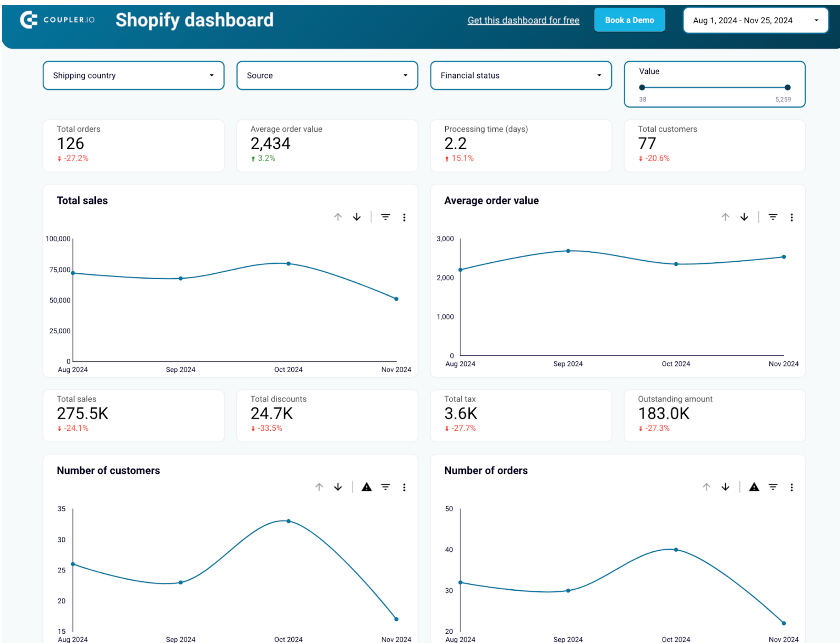
Ecommerce businesses generate immense amounts of data daily—sales figures, customer preferences, and operational metrics. However, data alone doesn’t equate to growth unless analyzed and acted upon effectively. Tools like QuickBooks report templates make this process easier by providing customizable formats that help entrepreneurs track cash flow, monitor expenses, and project future revenue streams.

Best Practices for Data Utilization in Ecommerce

  • Segment your audience: Create targeted campaigns by using customer demographics and shopping behavior.
  • Invest in data archiving solutions: Storing and organizing historical data allows for trend analysis, which can guide long-term strategies.
  • Automate insights generation: Platforms like Shopify and QuickBooks simplify reporting, freeing time to focus on strategic planning.

By making data actionable, startups can identify what’s working, where to cut costs, and how to maximize profits.

Maximize ROI

Source 

Lead Generation: The Lifeline of Ecommerce Growth

For any ecommerce business, growth starts with a steady stream of prospects. Lead generation is not just about numbers but about precisely targeting the right audience. Shopify’s integration with marketing tools can help streamline this process, allowing businesses to create data-driven campaigns that convert.

Strategies to Attract and Convert Leads

  • Leverage social proof: Showcase reviews and testimonials to build trust.
  • Optimize landing pages: Keep designs clean, include a compelling call-to-action, and test for performance.
  • Use email marketing: Personalized campaigns driven by tools like Mailchimp or Klaviyo can help nurture leads effectively.

A user feedback platform can also be a hidden gem in lead generation. By analyzing what prospective customers say during their first interactions with your brand, you can tweak messaging and offerings for better results.

Scaling with Integrated Tools Like QuickBooks and Shopify

Entrepreneurs often juggle multiple responsibilities, from inventory management to marketing campaigns, where integration between ecommerce platforms and accounting tools becomes invaluable. Shopify’s compatibility with QuickBooks simplifies financial tracking, while tools like QuickBooks report templates can generate insights that guide strategic decisions.

Benefits of Integration

  • Streamlined operations: Manage orders, inventory, and finances in one place.
  • Error reduction: Syncing data minimizes manual entry mistakes.
  • Scalable growth: Automated workflows free up time to focus on business expansion.

Investing in such integrated solutions can significantly improve efficiency, whether you’re managing a startup or a growing ecommerce enterprise.

shopify

Source 

Boosting Customer Engagement with Surveys

Surveys are one of the most effective tools for understanding what customers want. A well-crafted survey doesn’t just capture feedback; it provides insights that can improve product offerings and enhance the customer experience. However, not all survey tools are created equal. While SurveyMonkey is popular, many SurveyMonkey alternatives offer tailored features for ecommerce needs, such as brand customization and integration with CRM tools.

How Surveys Improve Ecommerce Growth

  • Refine product offerings: Ask customers what they need, then deliver on those requests.
  • Enhance customer experience: Find out what frustrates users and make improvements.
  • Increase loyalty: Engaged customers are more likely to return and recommend your brand to others.

When implementing surveys, focus on brevity and clarity. Multiple-choice questions are quicker for respondents to complete, leading to higher response rates. Outgrow’s survey maker makes it easy to design interactive, user-friendly surveys that boost engagement.

The Role of User Feedback Platforms

Understanding customer sentiment is critical to ecommerce success, and user feedback platforms make capturing those insights in real time easier. Unlike traditional surveys, these platforms can provide ongoing feedback through reviews, ratings, and live chat interactions.

Examples of How Feedback Translates to Growth

  • A clothing brand could use reviews to refine sizing guides and reduce returns.
  • A tech startup might analyze live chat feedback to improve product usability.
  • A cosmetics company could identify trending ingredients based on customer preferences.

Entrepreneurs actively engaging with user feedback platforms are better equipped to adapt to market demands and retain loyal customers.

The Overlooked Value of Data Archiving Solutions

While real-time data is often the focus, historical data can be equally valuable. Businesses can preserve older datasets for compliance purposes or future analysis by leveraging data archiving solutions. For instance, archived sales data might reveal seasonal trends that help plan future inventory.

Why Archiving Matters

  • Regulatory compliance: Many industries require secure data storage for a specified period.
  • Strategic insights: Analyzing long-term trends can reveal growth opportunities.
  • Disaster recovery: Archived data ensures critical information is not lost during technical failures.

For startups, implementing cost-effective data archiving solutions early on can save headaches as the business scales.

reporting tools

Source 

Entrepreneurs and Startups: Challenges and Opportunities

Startups face unique challenges, from tight budgets to limited human resources. However, they also have the advantage of agility, allowing them to adapt quickly to market shifts. By adopting innovative tools and strategies, even small businesses can compete with more prominent players in the ecommerce space.

Key Takeaways for Entrepreneurs

  • Prioritize ROI: Focus on high-impact investments like Shopify integrations and user feedback platforms.
  • Build a strong foundation: Tools like QuickBooks and data archiving solutions ensure operational stability.
  • Listen to your customers: Continuous feedback loops are essential for growth.

Adapting to Changing Market Trends

In the fast-paced world of ecommerce, staying ahead of market trends is essential for ongoing success. Consumer preferences can shift quickly, and businesses must remain agile to navigate these changes. Embracing tools that allow for quick testing of new ideas, tracking financial fluctuations, and adjusting marketing efforts can help businesses stay competitive. The ability to adapt quickly means minimizing the impact of unexpected changes and capitalizing on new opportunities as they arise.

Key strategies for adapting to trends include:

  • Continuous market research: Regularly analyze customer behavior and industry shifts to identify new opportunities.
  • Rapid product iteration: Test new offerings or refine existing ones based on customer feedback and sales data.
  • Flexibility in marketing campaigns: Adjust your messaging and promotions to meet emerging trends or customer needs.
  • Agile financial planning: Ensure that your budget and financial forecasting processes can quickly respond to unexpected market shifts.

By implementing these strategies, ecommerce businesses can quickly pivot in response to market changes and avoid falling behind competitors.

reporting tools

Source 

Fostering Long-Term Customer Relationships

Building lasting relationships with customers is a cornerstone of sustainable ecommerce growth. Loyal customers not only contribute to steady revenue streams but also act as advocates for your brand. Offering personalized experiences based on their preferences and feedback strengthens these connections, encouraging repeat purchases and increasing customer lifetime value.

Ways to nurture long-term customer relationships include:

  • Personalized communication: Tailor messages and offers based on customer purchase history and preferences.
  • Loyalty programs: Reward repeat customers with exclusive discounts, early access to new products, or special offers.
  • Solicit feedback regularly: Use surveys and other feedback tools to show customers that their opinions matter and that you are committed to improving their experience.
  • Engage on multiple channels: Keep in touch with customers through social media, email, and other touchpoints to create a consistent and welcoming brand presence.

By building genuine relationships and keeping customers engaged, ecommerce businesses can turn one-time buyers into lifelong brand advocates, helping to drive long-term success.

Final thoughts

Maximizing ROI in ecommerce requires more than great products; it’s about creating an ecosystem where data, customer feedback, and automation work together seamlessly. Entrepreneurs and startups can achieve this by leveraging tools like Shopify, QuickBooks, and advanced survey platforms. From understanding customer needs through surveys to scaling efficiently with integrated solutions, the growth path is paved with informed decisions.

As you implement these strategies, remember to stay flexible. Ecommerce is a dynamic landscape, and those who adapt quickly will thrive. By putting customer satisfaction and data-driven insights at the core of your business, you can achieve sustainable growth and long-term success.