UK: +44 2038074555 info@atamgo.com
Best AI Marketing Automation Tools for 2026

Best AI Marketing Automation Tools for 2026

AI Marketing Automation Tools

Introduction: Why AI Marketing Automation Tools Are a Game-Changer in 2026

AI marketing automation tools are no longer a luxury; they’re now essential for anyone serious about scaling their marketing in 2026. From solopreneurs to large brands, everyone is tapping into the power of smart automation to save time, personalize campaigns, and boost ROI. In fact, if you’re still doing everything manually, you’re probably falling behind. These tools are rapidly transforming how we engage audiences, build customer journeys, and analyze performance.

With so many new ai tools for marketing automation launching every year, it’s hard to know which ones are actually worth your time (and money). That’s why we’ve rounded up the best marketing automation AI tools for 2025. Whether you’re looking for AI email campaign tools, smart social media automation, ai tools for presentation, advanced customer journey mapping, or predictive data insights, there’s something here for you.

This list is more than a collection of tools—it’s your shortcut to working smarter, not harder. These ai automation tools for marketing can drastically cut down your workload while giving you better performance metrics and happier customers.

Let’s dive into the top picks for ai marketing automation tools 2025 that are truly reshaping the future of marketing.

From solopreneurs to large brands, and even leading AI services companies, and content platforms such as EssayPro, everyone is tapping into the power of smart automation to save time, personalize campaigns, and boost ROI.

Find More: 10 Powerful Link Acquisition Tactics You’re Not Using (But Should Be)

Best All-in-One AI Marketing Platforms

HubSpot with AI Features

hubspot

HubSpot continues to evolve, and its AI-powered marketing hub in 2025 is smarter than ever. From AI email subject line optimization to predictive lead scoring, it’s an all-in-one beast for B2B and B2C marketers alike. The platform can now identify content gaps, optimize blog SEO in real-time, and even suggest A/B test ideas—all backed by data.

Salesforce Marketing Cloud + Einstein AI

Salesforce

Salesforce was ahead of the curve with Einstein AI, and in 2025, it’s helping marketers create hyper-personalized experiences across every channel. Think predictive analytics, automated content generation, intelligent segmentation, and chatbot-powered customer support—all integrated into your CRM. It’s ideal for enterprise-level operations with complex workflows.

ActiveCampaign’s AI-Powered Automations

ActiveCampaign

ActiveCampaign is loved by small businesses and solopreneurs, and now with built-in AI automation, it suggests best-send times, smart follow-ups, and automatically optimizes workflows for better conversion. The new AI builder also lets you create customer journeys in a visual drag-and-drop interface with predictive path analysis.

RETENO AI Messaging Platform
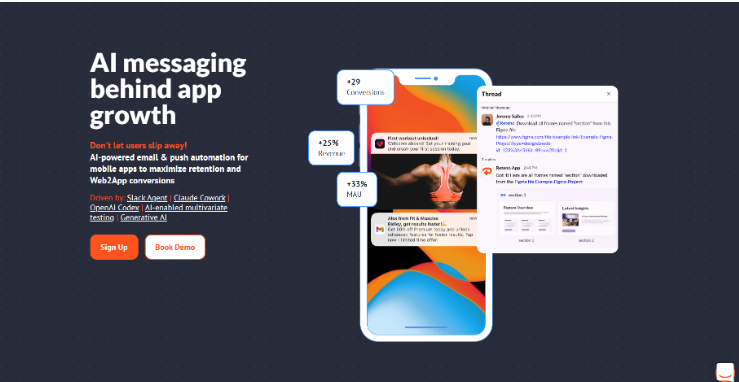
reteno

Reteno is an AI messaging platform for mobile app retention and conversion, built for subscription-driven apps that need faster execution and stronger lifecycle performance. The platform supports email, mobile push, in-app, App Inbox, SMS, web push, and messengers across Web2App, direct install, trial, and freemium funnels.

Teams can manage messaging through AI agents in Slack, Claude Cowork, and OpenAI Codex, then use the built-in AI and One from Many feature to generate content, automate testing, and automatically optimize message variants.

AI Email Marketing Automation Tools

Mailchimp AI Features

Mailchimp

Mailchimp remains a favorite, especially with its revamped AI suite. It now suggests audience segments, generates email content, and even predicts campaign outcomes based on your past performance. A/B testing is now AI-driven too, allowing automatic selection of winning subject lines, layouts, and content blocks in real time.

Smartlead

Smartlead offers advanced AI email marketing automation tools that research prospects, generate hyper-personalized campaigns, and manage deliverability across unlimited inboxes. It dynamically adapts sequences based on real-time opens, replies, spam scores, and engagement patterns, all while forecasting campaign ROI from historical data. It’s AI-driven A/B testing auto-selects optimal subject lines, content, timing, and multi-channel paths for superior results.

ControlHippo
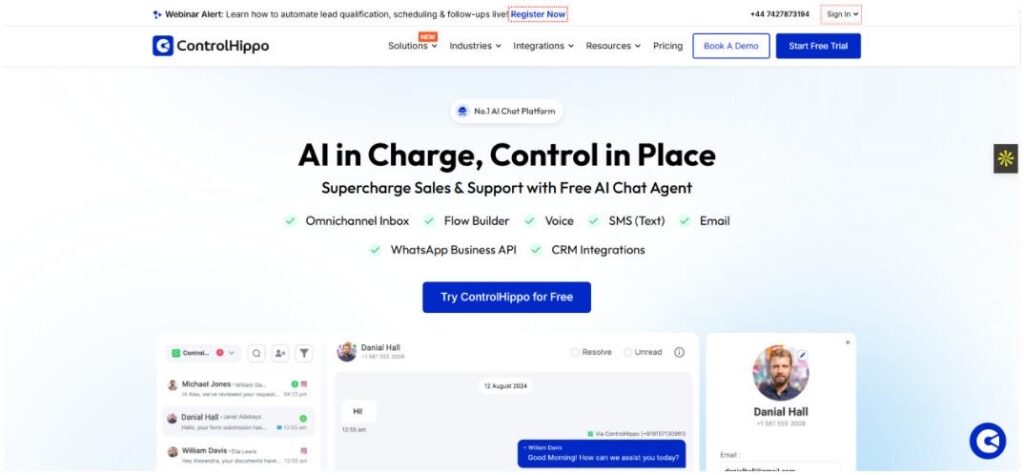
ControlHippo is redefining customer engagement in 2025 with its AI-powered automation and omnichannel communication suite. From no-code workflow automation and chatbot builders to intelligent segmentation and predictive analytics, it helps businesses deliver hyper-personalized experiences across WhatsApp, Instagram, Telegram, and more. Perfect for growing businesses and enterprises looking to simplify complex workflows while boosting efficiency and customer satisfaction.

Omnisend

Omnisend

For ecommerce marketers, Omnisend is a goldmine. It uses AI to generate personalized product recommendations, dynamic content, and real-time cart abandonment follow-ups. In 2025, Omnisend also integrates voice search triggers and AI-enhanced SMS campaigns for multi-channel domination.

Brevo (formerly Sendinblue)

Brevo

Brevo is a rising star in AI email marketing. It combines smart segmentation with content generation, making it easy to run data-driven campaigns without needing a data science degree. It also offers a smart retargeting system and real-time behavior tracking that boosts email engagement by 40% or more.

AI Tools for Social Media Automation

Predis.ai

Predis ai

Predis.ai takes your product links or basic ideas and turns them into complete social media posts—including images, captions, and hashtags—in seconds. It’s a serious time-saver for social media managers. In 2025, it can even suggest posting times based on trending topics and historical engagement.

Ocoya

Ocoya

Ocoya lets you plan, create, and schedule AI-generated content across multiple platforms. Its built-in copywriting AI generates engaging content, and the platform even helps optimize it for different audiences. Their newest feature auto-generates Instagram Reels and TikToks with suggested scripts.

SocialBee with AI Content Generator

SocialBee

SocialBee has added AI to its toolkit, and it shows. Now you can generate post ideas, optimize post timing, and even create variations of posts for different platforms in a click. It also features competitor analysis so you can benchmark your content performance easily.

AI Tools for Content Creation and Personalization

Jasper AI for Marketing Copy

Jasper

Jasper has grown up. In 2025, it’s one of the most powerful content AI tools, helping marketers generate blog intros, product descriptions, landing pages, and more—all optimized for conversion. Their new brand voice memory ensures your content stays on-brand across every channel.

Copy.ai with Workflow Automation

Copy ai

Copy.ai isn’t just about writing anymore. It now connects with your email platforms, CRMs, and more to build automated workflows based on the content it creates. It’s content + automation = gold. The workflow builder even suggests automation templates based on your business niche.

Anyword for Predictive Performance Scoring

Anyword

Anyword doesn’t just generate marketing content—it predicts how it will perform. You get a performance score before even publishing, which is a huge confidence booster. Their 2025 model also offers live market trend data to help you stay one step ahead.

AI Advertising Automation Tools

Adzooma

Adzooma

Managing Google and Meta Ads? Adzooma uses AI to suggest optimizations in real-time. Whether it’s adjusting budgets, improving ad copy, or finding high-performing keywords, it’s like having an ad strategist 24/7. Their new dashboard now shows visual heatmaps of ad performance across platforms.

Smartly.io

Smartly io

Perfect for brands scaling their paid social campaigns. Smartly.io uses AI to automate creative testing, audience targeting, and real-time campaign adjustments across platforms. You can now automatically generate hundreds of ad creatives from a single product feed.

Albert.ai

albert ai

Albert.ai is like an autonomous digital marketer. It runs your campaigns, learns from performance, makes adjustments, and continues to optimize without constant human input. Kind of like hiring a genius robot marketer. It can even generate custom landing pages and test them on the fly.

Niche & Emerging AI Marketing Tools to Watch in 2025

Surfer AI for SEO

Surfer

SEO is far from dead. Surfer AI helps marketers build SEO-optimized content that ranks. It gives you keyword suggestions, structure, and content scores—all based on live SERP analysis. It now integrates with Google Search Console to auto-suggest SEO fixes in real time.

Seventh Sense for AI-Powered Email Timing

Seventh Sense

Timing is everything in email marketing. Seventh Sense uses AI to find the best time to reach each person in your audience, increasing open rates and engagement. It now includes machine learning models that adapt to seasonality and holiday-specific behaviors.

SolaraAI 

SolaraAI is designed for businesses that want professional marketing without the agency price tag, and now with its intelligent AI stack, it automatically creates content, schedules posts, and optimizes ad campaigns based on real-time trend analysis. The platform uses predictive audience targeting to forecast engagement and autonomous optimization loops that continuously refine budgets and creative assets for maximum ROI while you focus on running your business. For marketers who want to explore additional platforms beyond the tools listed here, curated collections like this marketing and advertising AI tools directory help compare solutions across campaign automation, ad optimization, and performance tracking workflows.

How to Choose the Right AI Marketing Automation Tool

With all these amazing options, how do you know what’s right for your business?

  • Know Your Goals: Are you looking to save time, scale content, or boost conversions? Let your goals guide your tool choices.
  • Budget Wisely: Some tools offer great free plans or low-cost tiers for startups. Others are better suited for enterprises.
  • Ease of Use Matters: Don’t get sucked into a platform with a steep learning curve unless you have the time (or team) to master it.
  • Check Integrations: Make sure the AI tool works well with your current stack (Shopify, WordPress, Zapier, etc.)
  • Test Before You Commit: Most tools offer free trials. Take advantage of them to find the best fit for your workflow.
  • Scalability: Choose tools that can grow with your business, not ones you’ll outgrow in six months.

Benefits of Using AI in Marketing Automation

Still on the fence? Here’s why it’s worth jumping in:

  • More Time, Less Stress: Automate repetitive tasks and focus on strategy and creativity.
  • Hyper-Personalization: AI can tailor messages to individual users like never before.
  • Smarter Decisions: Data-backed insights mean better targeting, timing, and performance.
  • Scalability: Whether you have 100 leads or 100,000, AI can handle it.
  • Continuous Learning: Most AI tools improve over time by learning from your results.
  • Cost Savings: Automation reduces the need for large teams or outsourcing, saving you money in the long run.

Conclusion: Power Your Marketing in 2025 with AI Automation

AI marketing automation tools in 2025 are smarter, faster, and more powerful than ever. Whether you’re running a small business or managing enterprise campaigns, there’s a tool out there that can save you time, money, and headaches.

The key? Start small. Try one tool that solves your biggest bottleneck, then expand from there. The future of marketing isn’t just digital—it’s intelligent. And the earlier you adopt, the bigger the edge you get.

So go ahead… let AI handle the grunt work while you focus on big-picture thinking. Embrace the future with confidence, and let smart tools do the heavy lifting.

Find More: Boost Your Sales With SEO Services

FAQs

1. What is the best AI marketing automation tool for small businesses?

ActiveCampaign and Mailchimp are both solid picks for small teams looking to automate without breaking the bank. They offer intuitive interfaces and robust feature sets that grow with your needs.

2. Can AI really replace human marketers?

Not quite. AI is amazing for automation and optimization, but creativity, empathy, and strategy still need the human touch. Think of it more as a super assistant than a replacement.

3. How much do AI marketing automation tools cost in 2025?

Prices range from free (with limited features) to $1000+/month for enterprise solutions. There’s something for every budget, and many offer flexible plans as you scale.

4. Are AI-powered tools safe to use with customer data?

Yes, most top tools follow strict data protection guidelines. Just make sure they’re compliant with GDPR, CCPA, etc. Always read their privacy policy and check for third-party certifications.

5. What industries benefit most from AI marketing automation?

Ecommerce, SaaS, B2B, and agencies are seeing huge gains, but really, any industry that relies on digital marketing can benefit. Even local service businesses and nonprofits are jumping in.

Tags:
Creative Strategies to Drive More Foot Traffic to Local Stores

Creative Strategies to Drive More Foot Traffic to Local Stores

Foot Traffic

So here’s the thing: you can have the best spot in town—corner of Main and Everywhere—but if no one’s walking through your door, what’s the point? Local businesses are the heartbeat of neighborhoods, but these days, with endless online options and shrinking attention spans, getting people to physically show up takes a bit more finesse.

But don’t stress. It’s not about gimmicks or throwing money at ads that barely move the needle. It’s about getting creative in ways that feel human. Real. Personal.

And yes, sometimes that means something as simple as making it easier for people to easily use a bitcoin ATM at your location. Seriously. If your shop offers access to one, that can bring in new foot traffic from people who’d never otherwise walk by.

But let’s zoom out for a second.

Source

Street Presence Isn’t Just Signage—It’s Personality

Think about your storefront. Is it just… there? Or is it saying something?

People notice the weird, the nostalgic, the slightly quirky. A chalkboard with a daily joke, a sidewalk bubble machine for kids, a scent diffuser pumping out cinnamon rolls at 3 PM—even if you’re a hardware store. (It works. Trust me.)

Lighting matters, too. Warm, golden light in the window at dusk creates that cozy, “I-should-check-this-place-out” feeling. Almost like the shop is inviting them in without saying a word.

Events That Don’t Feel Like Events

Hosting an “event” sounds like a lot of work. But think smaller. More intimate. Something that feels less like a calendar obligation and more like stumbling into something cool.

  • A spontaneous tasting table on a S aturday morning—cheese, honey, local beer, whatever fits your vibe.
  • A 15-minute live music set at 6 p.m. when foot traffic peaks. Could be a high schooler with a violin, could be an acoustic duo from the café across the street.
  • An old-school Polaroid photo booth near the entrance. People love taking pics. They’ll stick around.

Make it casual. Loose. People want experiences, but they don’t want pressure.

The Secret Sauce: Unexpected Partnerships

Here’s an underrated trick: collaborate with the businesses around you. Not in a boring “referral card” kind of way, but in the “what if we actually helped each other out?” way.

  • A bookstore teams up with a bakery to serve coffee and scones during readings.
  • A barbershop hosts a pop-up sneaker cleaning booth from a local streetwear shop.
  • A boutique sells tote bags designed by a local tattoo artist.

It doesn’t have to be polished. It just has to feel local.

Tap Into Digital… But Stay Human

Look, social media is noisy. But if you keep it real, people listen. Showcase your staff. Your behind-the-scenes. Your not-so-perfect displays. Your early-morning setups. That moment when the espresso machine hisses just right.

People want to feel connected, not sold to.

Also: don’t sleep on Google Maps. Or local business directories. Or niche searches like “bitcoin ATM near me.” Visibility in those places can trigger walk-ins you weren’t even thinking about.


Foot Traffic

Loyalty Programs That People Actually Like

Everyone’s got a punch card these days. But what if your loyalty program had a twist?

  • Instead of a freebie on visit #10, how about a secret menu item they can only access after three purchases?
  • Create “local legends” status for folks who show up often—maybe a photo on the wall or a free coffee named after them.
  • Give people something mildly ridiculous. Like a “golden token” they get after spending $100 that earns them a prize from the mystery box.

People remember that stuff. They tell their friends.

Make It Feel Like a Place to Be

This one’s subtle but powerful. Think about places you like going to. Not just because of what they sell—but because of how they feel.

Is there a place to sit? A spot to charge a phone? Free Wi-Fi with a fun name (“DropItLikeItsHotspot”)? Is it warm in winter? Cool in summer? Are the employees nice?

These are small things. But they stack up. They make people stay a little longer. Come back a little sooner. Bring a friend next time.

The Bottom Line (But Not Too Bottom Line)

Let’s be honest: foot traffic doesn’t always lead to a sale. Not right away, anyway. But it’s a slow burn. People remember how your place made them feel. Whether it felt like a hidden gem or just another brick-and-mortar hustle.

So try the chalkboard joke. Play the violin playlist at 6 p.m. Join the full list of bitcoin ATMs if you’ve got one installed. And more than anything—be a place worth walking into, even if just to look around.

Because in a world where everything’s one-click-away, sometimes it’s the smallest in-person moments that keep people coming back.

5 Genius Ways to Repost Stories on Instagram That Most People Don’t Know

5 Genius Ways to Repost Stories on Instagram That Most People Don’t Know

Repost Stories on Instagram

Introduction: Why Reposting Stories on Instagram Matters

So you’re wondering how to repost story on Instagram? You’re not alone. Whether it’s a friend’s shoutout, a brand mention, or just something cool you saw and want to share, reposting Instagram Stories is a super handy way to keep your profile fresh and engaging. But here’s the catch — the feature isn’t always straightforward. In fact, figuring out how to repost someone’s story on Instagram can feel like solving a puzzle. Especially if you’re not tagged!

The good news? There are several smart (and lesser-known) ways to make it happen. In this guide, I’ll walk you through how to repost stories on Instagram using five genius methods. Some are built right into Instagram, while others require a bit of creativity or third-party help. Let’s jump right in.

Find More: 13 Genius Ways to Boost Free Instagram Likes Without Buying Bots

1. Use Instagram’s Built-in “Add to Your Story” Feature

how to repost story on instagram

When can you use this feature?

If someone tags you in their story, you’ll get a direct notification in your DMs. And boom — you can repost it instantly. But here’s the key: you can only use this feature if you’re tagged.

Step-by-step guide for reposting a tagged story:

  1. Open Instagram and head to your DMs.
  2. Tap the message that says “@username mentioned you in their story.”
  3. You’ll see an option that says “Add to your story.”
  4. Tap it, customize it (add text, GIFs, stickers), and then hit Share.

Limitations and common errors

  • You can’t repost the story if you’re not tagged.
  • The original story must still be live (within 24 hours).
  • If someone has a private account, only mutual followers can view your repost.

This is by far the easiest way how to repost on Instagram story — when it works.

2. Take a Screenshot or Screen Recording

Sometimes you’re not tagged. Or the story is just too good not to share. Enter the old-school methods: screenshots and screen recordings.

How to repost untagged stories using screenshots

  1. Open the story you want to repost.
  2. Take a screenshot (iPhone: Side + Volume Up; Android: Varies by model).
  3. Go to your story creator, upload the screenshot, and tag the original user.

Ethical considerations and giving credit

Yes, technically this works. But remember: this content isn’t yours. Always tag or credit the original creator, especially if it’s branded, personal, or sensitive.

Pros and cons of this manual method

Pros: Works anytime, no need for apps.
Cons: No animations, less interactive, potential copyright issues.

3. Use a Third-Party App or Reposting Tool

how to repost someone's story on instagram

There are tons of tools out there that let you repost stories — even if you’re not tagged.

Best apps for reposting Instagram stories in 2025

  • Repost for Instagram
  • StorySaver
  • InstaStory

These apps typically let you:

  • Download public stories
  • Save videos or images to your phone
  • Repost them to your own story or feed

How to use these apps safely

  1. Download the app from a trusted source (App Store, Play Store).
  2. Copy the story link or use your Instagram login (careful with credentials).
  3. Follow the app instructions to repost the story.

Risks of using external tools (and how to avoid them)

  • Some apps require login info — avoid those unless verified.
  • Watch out for shady ads or downloads.
  • Stick to apps with good reviews and clear privacy policies.

4. Share the Story Link via DMs or to Your Own Story

Did you know you can share a story’s link? It’s not always about reposting visually — sometimes sharing the source is just as good.

How to copy and share a public story link

  1. Tap the three dots ( … ) on the story.
  2. Select “Copy Link.”
  3. Paste the link in your story or send it via DM.

When this method works best

  • When you’re promoting someone else’s content.
  • When a direct repost isn’t possible.
  • To drive traffic or shout out a creator.

Privacy considerations and who can see it

You can only share public stories this way. Private account stories? No luck. Also, your followers will need to tap the link to view it — it won’t autoplay.

5. Ask the Original Poster to Send the Story

how to repost stories on instagram

I know, it sounds obvious. But most people don’t think to just ask.

Why this underrated method works well

If someone mentioned your brand, showed you love, or posted something relevant to your audience, DM them! Most users are more than happy to share.

How to request a story politely

“Hey! I loved your story from earlier. Would you mind sending it to me so I can repost it and tag you back?”

Simple. Polite. Effective.

Tips for collaborating on user-generated content

  • Offer to tag them or give a shoutout.
  • Save the story and share it when relevant.
  • Build long-term engagement with creators this way.

Conclusion: You’re Now a Story Reposting Pro

There you go — now you know exactly how to repost story on Instagram in five smart, creative, and effective ways. Whether you were tagged, missed the tag, or just want to share something inspiring, there’s a method that fits your vibe.

To recap:

  1. Use the built-in “Add to Your Story” feature when tagged
  2. Screenshot or screen record for quick manual reposts
  3. Try third-party tools (safely!)
  4. Share story links for more visibility
  5. Just ask for the original content!

Now go experiment with these tricks and get more out of your Instagram presence. Your followers (and your feed) will thank you.

Find More: Boost Your Sales With SEO Services

FAQs

1. How do you repost someone’s story on Instagram if you’re not tagged?

You can take a screenshot or use third-party apps like Repost for Instagram or StorySaver. Always credit the original poster!

2. Why can’t I repost a story I’m tagged in?

It could be a private account, or the story might have expired (after 24 hours). Also, double-check your Instagram version for bugs.

3. Are there risks to using third-party Instagram repost apps?

Yes. Avoid apps that ask for your Instagram password directly, and stick to apps with good ratings and transparent privacy policies.

4. Can I repost someone’s story without them knowing?

Technically, yes — via screenshots or screen recordings. But it’s always better to be respectful and ask permission.

5. Does Instagram notify users when their story is shared or reposted?

Instagram only notifies users when their story is shared via the “Add to Your Story” feature after tagging. Screenshots and other reposts? No notifications.

Tags:
The Rise of Shoppable Content and Its Impact on Marketing Attribution

The Rise of Shoppable Content and Its Impact on Marketing Attribution

Shoppable Content

In today’s digital age, consumer behavior continues to evolve rapidly, reshaping how brands engage audiences and measure success. One of the most influential developments in this transformation is the rise of shoppable content—a powerful fusion of content marketing and e-commerce that allows consumers to purchase products directly through interactive and engaging media. From social media posts to videos and editorial-style features, shoppable content has become a cornerstone of modern brand strategy, blurring the lines between inspiration and conversion.

This dynamic shift has not only elevated the consumer journey but also forced marketers to rethink traditional models of attribution. Where once conversions followed a predictable funnel, today’s path to purchase is increasingly fragmented and nonlinear. As consumers interact with content in myriad ways—clicking, swiping, and tapping their way through various digital touchpoints—the challenge of accurately attributing revenue and engagement to specific marketing efforts has grown exponentially.

Seamlessly Integrating Content with Commerce

At the heart of shoppable content lies a compelling proposition: eliminating friction between product discovery and purchase. Instead of requiring users to leave the platform or search externally for items they’re interested in, shoppable experiences bring commerce to the content itself. Whether embedded within a blog, a YouTube video, a TikTok reel, or an Instagram story, the seamless integration of product links enables instant gratification while reinforcing brand relevance in real time.

E-commerce marketing has evolved in tandem with these innovations, adapting its strategies to leverage these high-engagement formats. In the past, digital ads and landing pages acted as primary conversion tools.

Today, branded content is increasingly interactive and transactional, designed to guide the customer through discovery to checkout with minimal disruption. Visit Ecommercemarketingagency.com for more information on how leading agencies are helping brands master this shift with cutting-edge strategies tailored to the fluid dynamics of modern online retail.

By embedding shoppable elements within content that informs, entertains, or inspires, marketers can now meet consumers where they are emotionally and contextually, maximizing relevance and minimizing resistance. It’s not just about the product anymore; it’s about storytelling with the power to convert.

Evolution of Attribution in the Age of Shoppable Touchpoints

Marketing attribution, the practice of determining which touchpoints drive conversions, has long relied on models such as first-click, last-click, or linear attribution. While these methods served well in simpler digital ecosystems, they struggle to capture the nuances of today’s content-rich, multi-channel environment. Shoppable content introduces new touchpoints that often defy traditional classification. Is a purchase made through a shoppable Instagram post the result of that post alone, or the culmination of a week’s worth of email campaigns, influencer impressions, and website visits?

This growing complexity forces brands to adopt more sophisticated attribution models. Data-driven and algorithmic attribution systems are now essential to deciphering the intricate web of interactions that lead to a conversion. These systems analyze user behavior holistically, weighing each touchpoint’s influence using AI and machine learning. With shoppable content, attribution becomes less about assigning credit to a single point and more about understanding the customer journey as a whole.

The Influence of Social Media on Shoppable Strategies

Social media has been a major accelerant in the rise of shoppable content. Platforms like Instagram, TikTok, Pinterest, and Facebook have evolved from promotional vehicles into comprehensive sales engines. Through native commerce tools—such as Instagram’s Product Tags or TikTok’s Shopping Tab—brands can now sell directly within the user interface, transforming passive scrolling into active shopping.

The advantage here is twofold. Firstly, social platforms already command massive user attention and engagement, making them ideal grounds for commerce. Secondly, the content itself is algorithmically tailored to user preferences, increasing the likelihood of relevance and conversion. A user interested in fitness, for instance, may be served a workout reel featuring a pair of leggings, with a direct link to purchase them.

Video Content and the Immersive Path to Purchase

Another major force driving the adoption of shoppable content is video. Platforms like YouTube and TikTok are increasingly enabling interactive video formats where users can click on products while watching. This brings the traditional “infomercial” concept into the digital realm—but with personalization, immediacy, and scale.

Interactive video has immense potential to increase dwell time and engagement. Product demos, tutorials, unboxings, and lifestyle showcases are no longer just informative; they’re transactional. Brands can embed call-to-action buttons, product carousels, or scannable QR codes generated with The QR Code Generator (TQRCG) that lead to instant purchases. The key here is contextual alignment—offering product links at moments of highest relevance within the narrative.

For attribution, however, video presents unique tracking challenges. Multi-session journeys are common; a viewer may watch a shoppable video on mobile, later revisit the brand on desktop, and finally purchase through a newsletter. Without strong cross-device tracking capabilities, marketers risk underestimating the true value of their video content.

Leveraging Influencers and UGC for Measurable Conversions

User-generated content (UGC) and influencer marketing have become critical components of shoppable content strategies. Consumers tend to trust peer recommendations more than branded messaging, making influencer-driven shoppable posts particularly effective. A beauty tutorial by a well-known creator, for instance, can feature embedded product links, codes, or native shopping buttons that drive immediate conversions.

But the decentralized nature of influencer marketing adds another layer of attribution complexity. Unless properly tagged and tracked, influencer-led conversions can slip through the cracks of traditional analytics frameworks. Marketers now deploy affiliate links, custom discount codes, and UTM parameters to close this gap, enabling better visibility into ROI and campaign performance.

The Road Ahead: Navigating Data Privacy and AI Integration

As shoppable content continues to expand, so does the scrutiny around data privacy. With growing regulations and the deprecation of third-party cookies, marketers must tread carefully while balancing personalization with compliance. First-party data becomes invaluable in this context. Brands need to encourage direct interactions—sign-ups, logins, and wishlists—to enrich their customer profiles and power smarter attribution.

Artificial intelligence (AI) is expected to play an even larger role in future attribution strategies. Predictive modeling, sentiment analysis, and real-time decision-making engines can help identify the most influential content formats, timing, and channels. AI can also fill in data gaps caused by privacy restrictions, enabling probabilistic rather than deterministic attribution methods.

The rise of shoppable content has ushered in a new era where entertainment, inspiration, and commerce coexist in fluid harmony. As consumers embrace these immersive experiences, marketers must adapt by adopting more nuanced, cross-channel attribution frameworks. The ability to measure and act on what truly influences a purchase will be the defining factor of success in this content-powered economy.


10 Free VK Video Downloaders That Actually Work in 2025

10 Free VK Video Downloaders That Actually Work in 2025

download vk video

Introduction

If you’ve been trying to download VK video content in 2025 and found most tools either broken, full of ads, or just plain shady — you’re not alone. VK (or VKontakte) is still one of the biggest platforms for videos in Russia and Eastern Europe, and whether you’re trying to save a music video, a documentary, or a hilarious clip someone shared in a group, it shouldn’t feel like hacking a mainframe just to do it.

In this article, I’m going to walk you through 10 reliable, free VK video downloaders that are actually working right now in 2025. No fluff, no spammy software — just real tools that help you download videos from VK without the usual drama.

Before we dive in, here’s a quick heads-up: always use these tools responsibly and for personal, legal use. Some videos may be copyrighted, and downloading them without permission might get you into hot water. Okay, lecture over. Let’s get into it.

Find More: 9 Powerful Reasons QDownloader Is Still the Best in 2025

What You Need to Know Before You Download VK Video in 2025

If you’ve tried a bunch of VK video download tools before, you might’ve noticed some work one week and disappear the next. VK is constantly updating their platform and video hosting methods, so many older tools become useless overnight.

Also, many “free” tools come with nasty strings attached — popups, malware, or a ton of ads. That’s why I’ve hand-picked only the tools that are free, clean, and actually work in 2025.

10 Free VK Video Downloaders That Actually Work in 2025

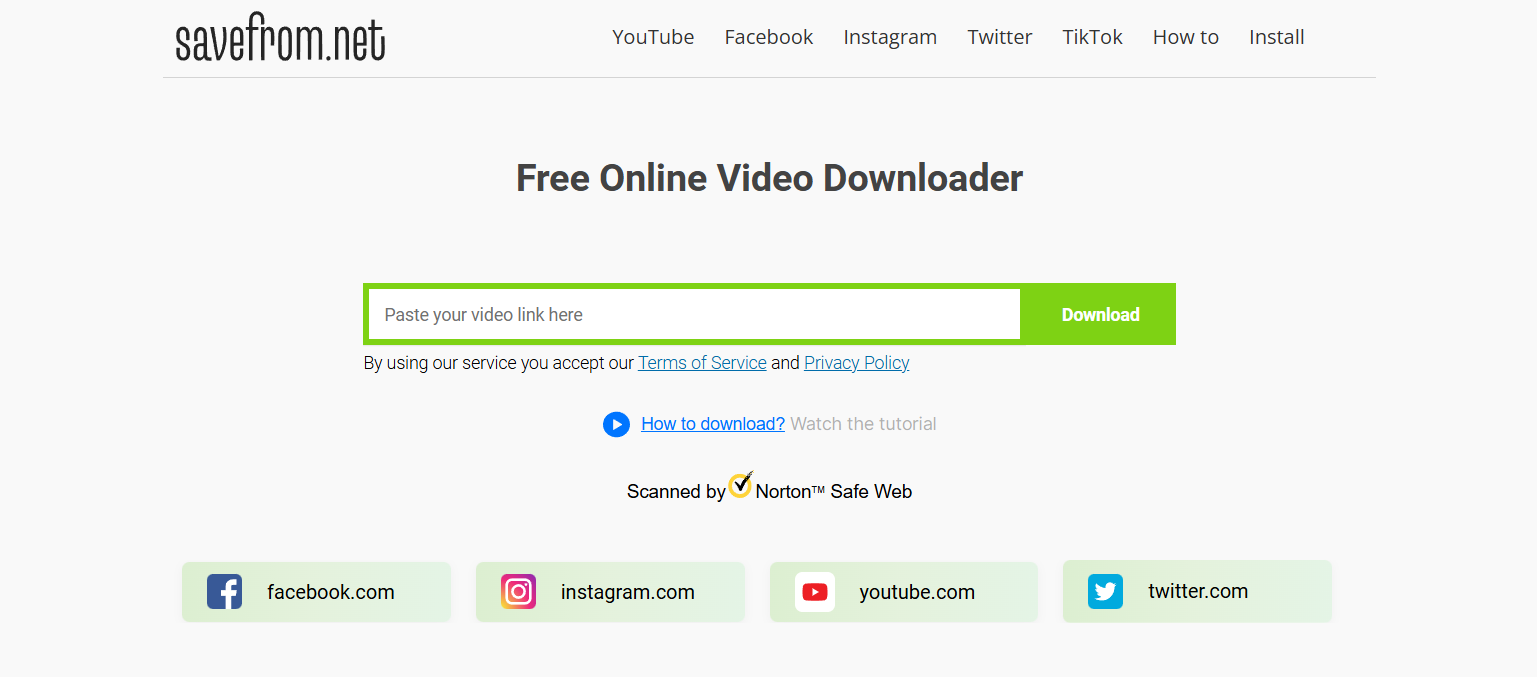
1. SaveFrom.net – The Classic VK Video Downloader Still Going Strong

savefrom

SaveFrom has been around forever, and surprisingly, it’s still working with VK. You just paste the video URL, and boom — you get multiple download options (including MP4 in different resolutions).

✅ Pros: Fast, simple, no sign-up
❌ Cons: Ads, sometimes blocked by browsers

2. SnapSave – Download VK Video in HD for Free

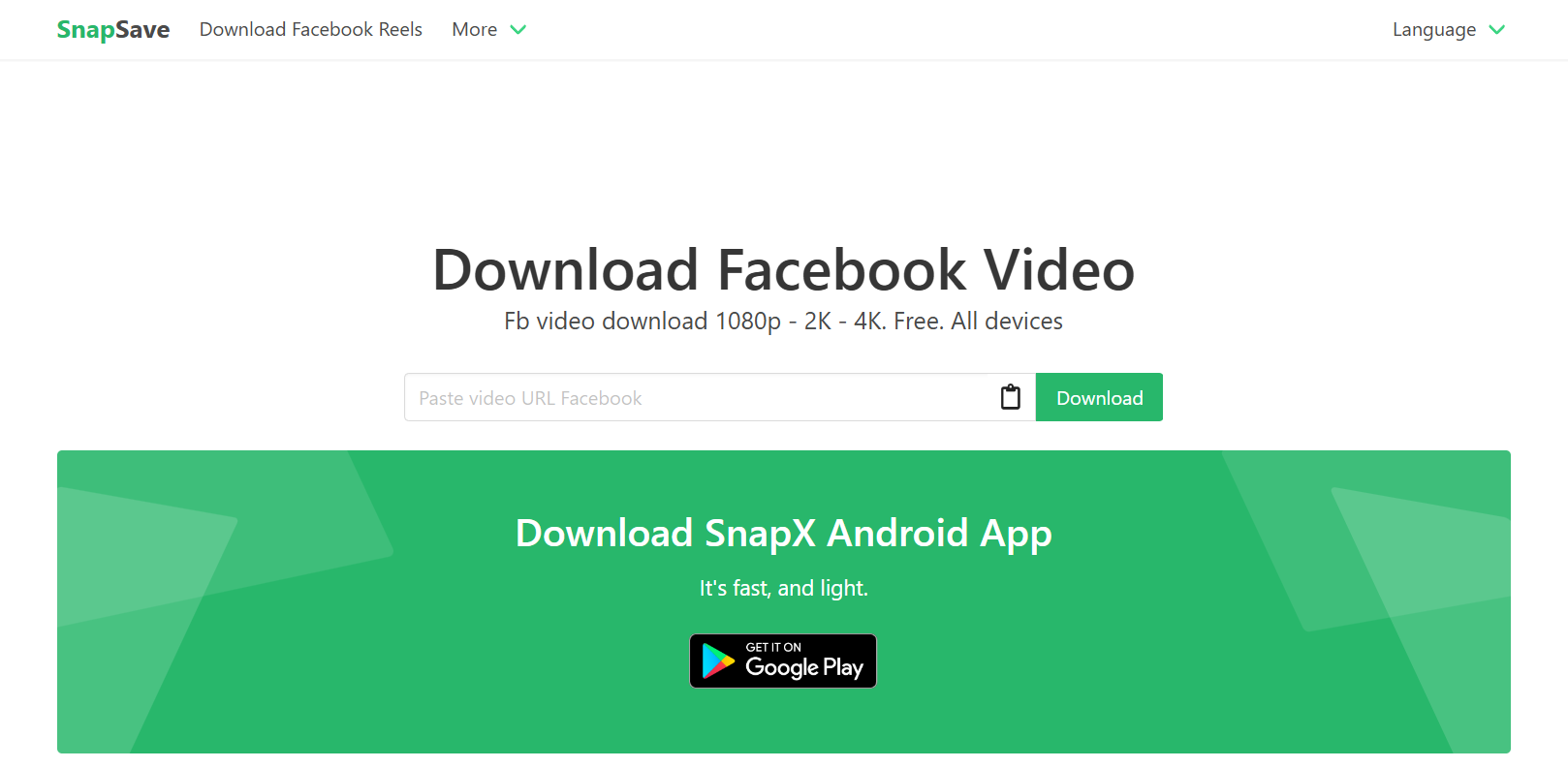
snapsave

Originally made for Facebook and YouTube, SnapSave now supports VK too. The cool part? It supports HD downloads and even gives you audio-only options.

✅ Pros: HD support, clean UI
❌ Cons: Can be slow at times

3. BitDownloader – Fast, Free, and No Registration Needed

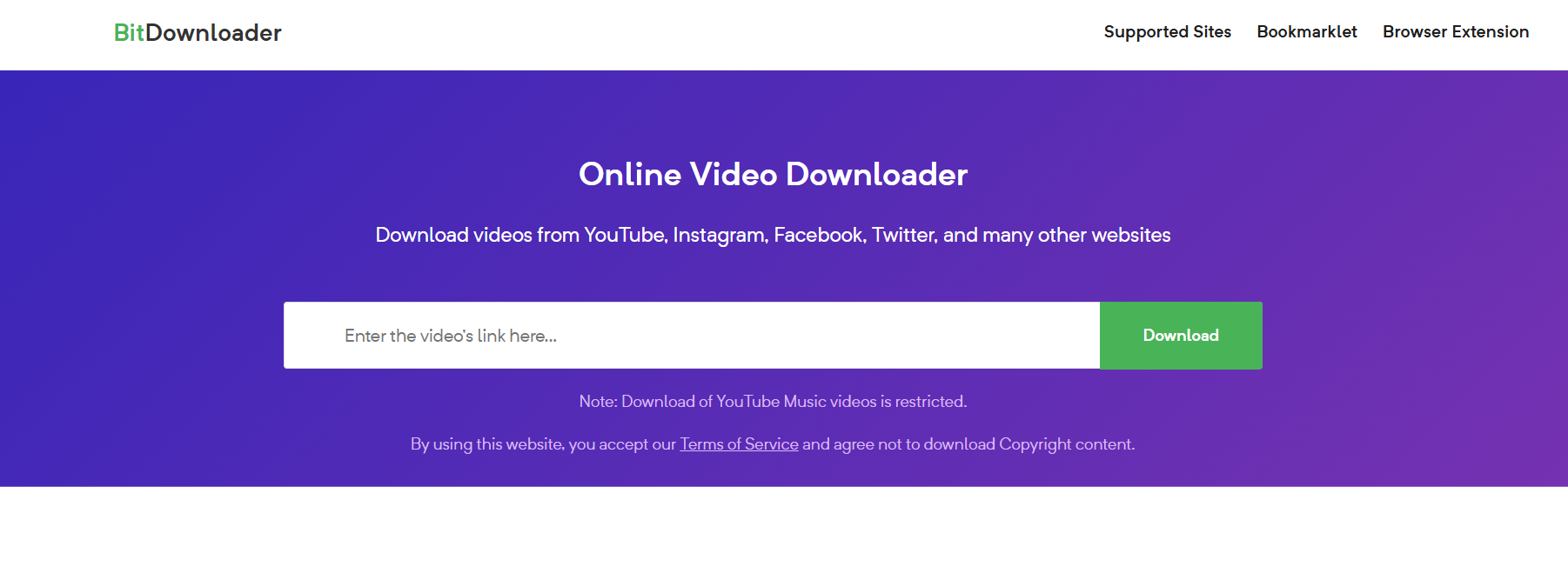
BitDownloader

BitDownloader is an underrated gem. Just paste the VK video link and get a clean, no-frills download experience. Great for people who hate annoying redirects.

✅ Pros: No popups, no accounts
❌ Cons: No batch downloads

4. VK Video Downloader by 9xbuddy – A No-Nonsense Solution

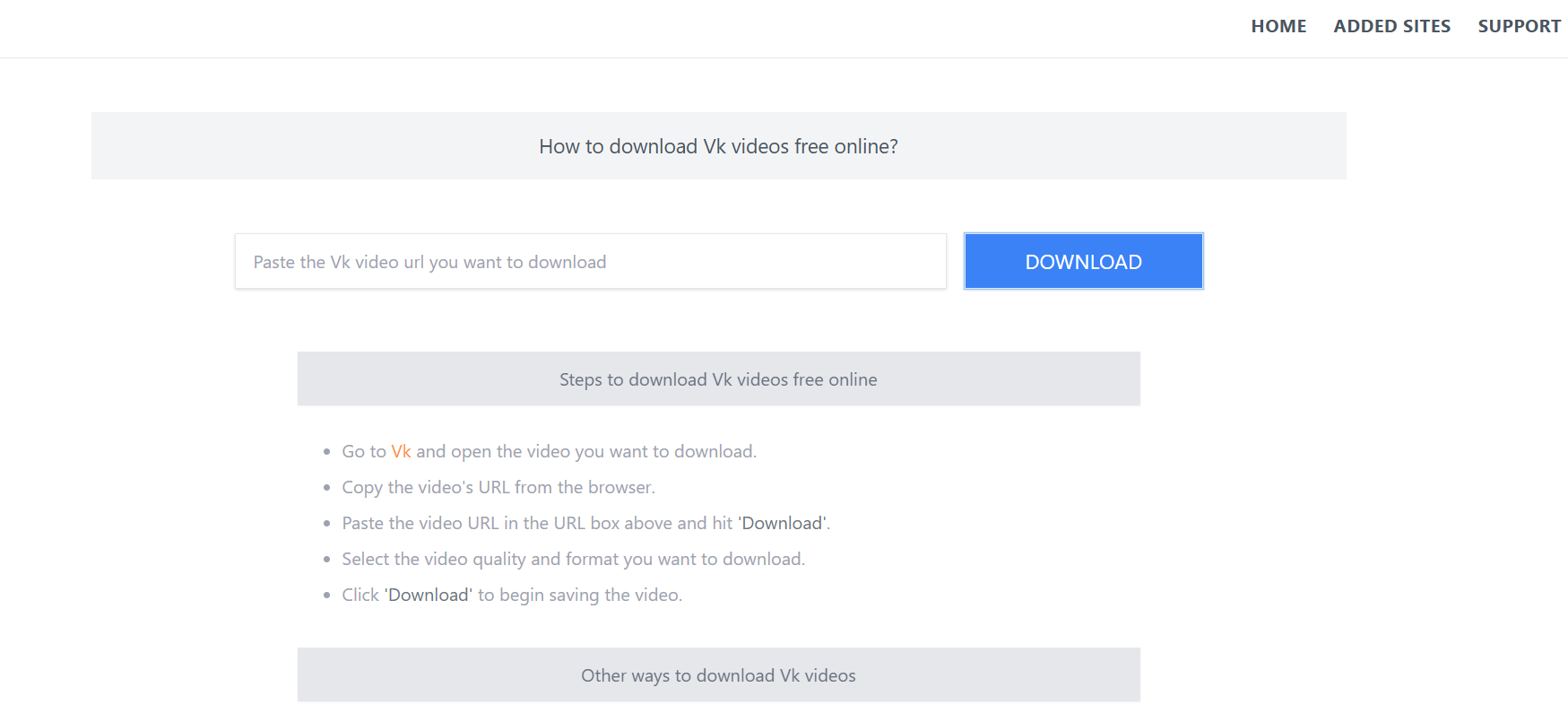
VK Video Downloader by 9xbuddy

This one’s made specifically for VK video download. It automatically detects the video format and resolution and gives you direct links.

✅ Pros: Designed for VK
❌ Cons: Doesn’t always support private videos

5. GetVideo.tv – Simple VK Video Downloads with One Click

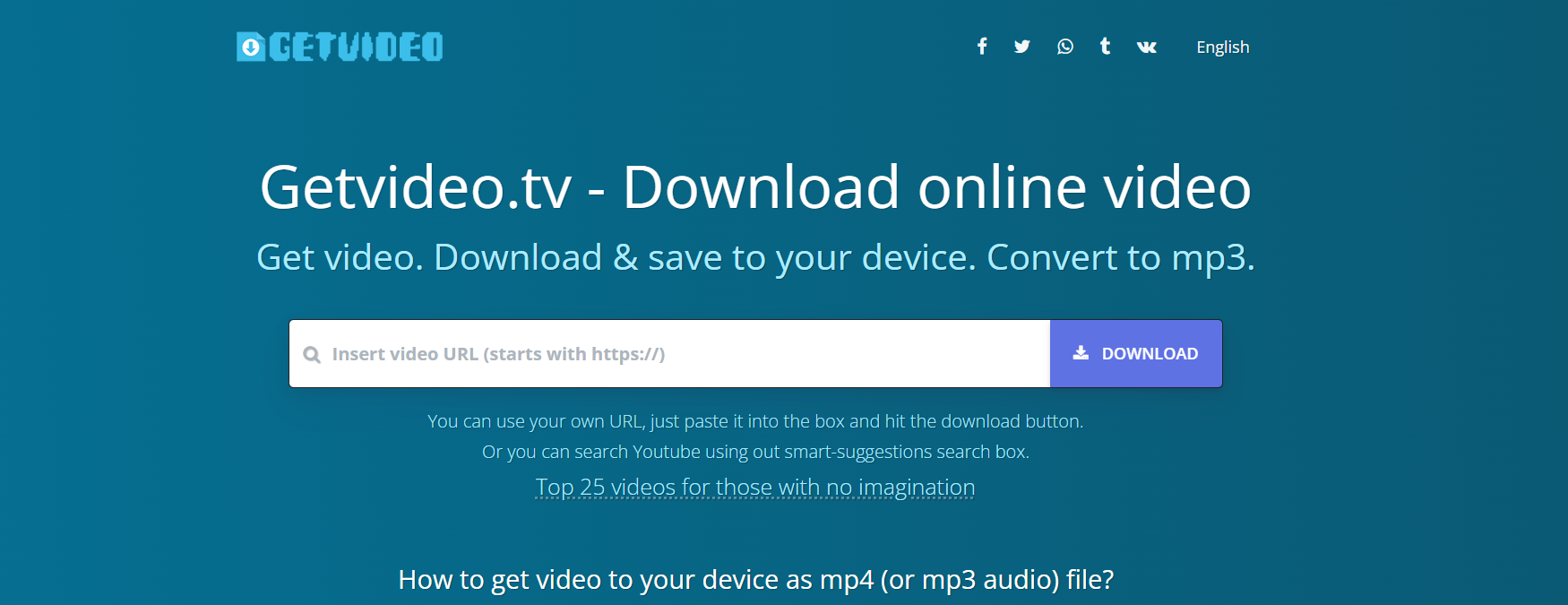
GetVideo

It’s lightweight and minimalistic — no sign-ups, no ads (at least for now), and works well with public VK videos.

✅ Pros: Super lightweight
❌ Cons: Might struggle with videos in VK groups or albums

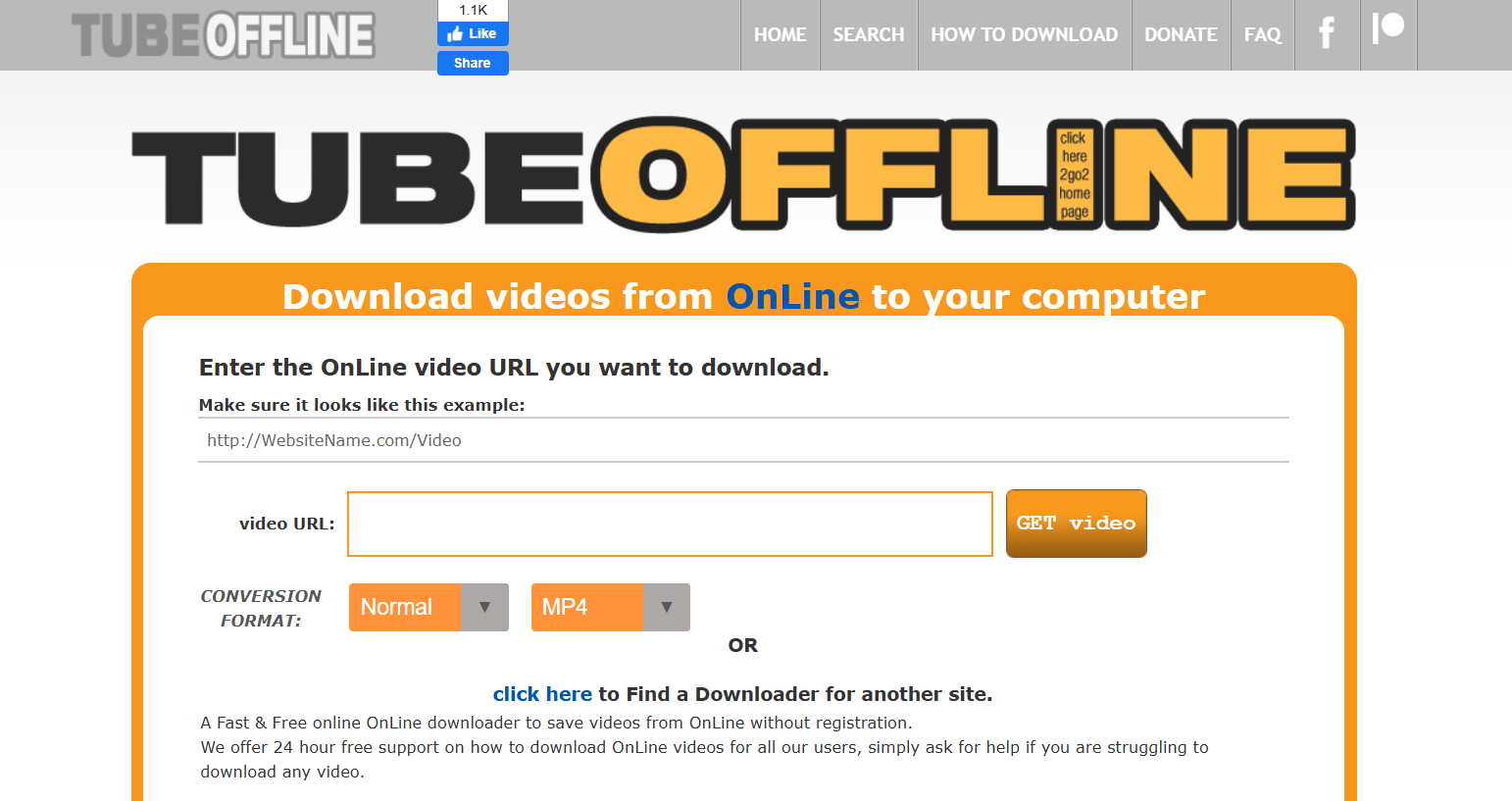
6. TubeOffline – Download VK Video Online Without Extensions

TubeOffline

TubeOffline supports dozens of sites, including VK. It’s got a retro-looking design, but hey — it gets the job done. And it doesn’t need any browser extension.

✅ Pros: No software needed
❌ Cons: UI looks like it’s stuck in 2010

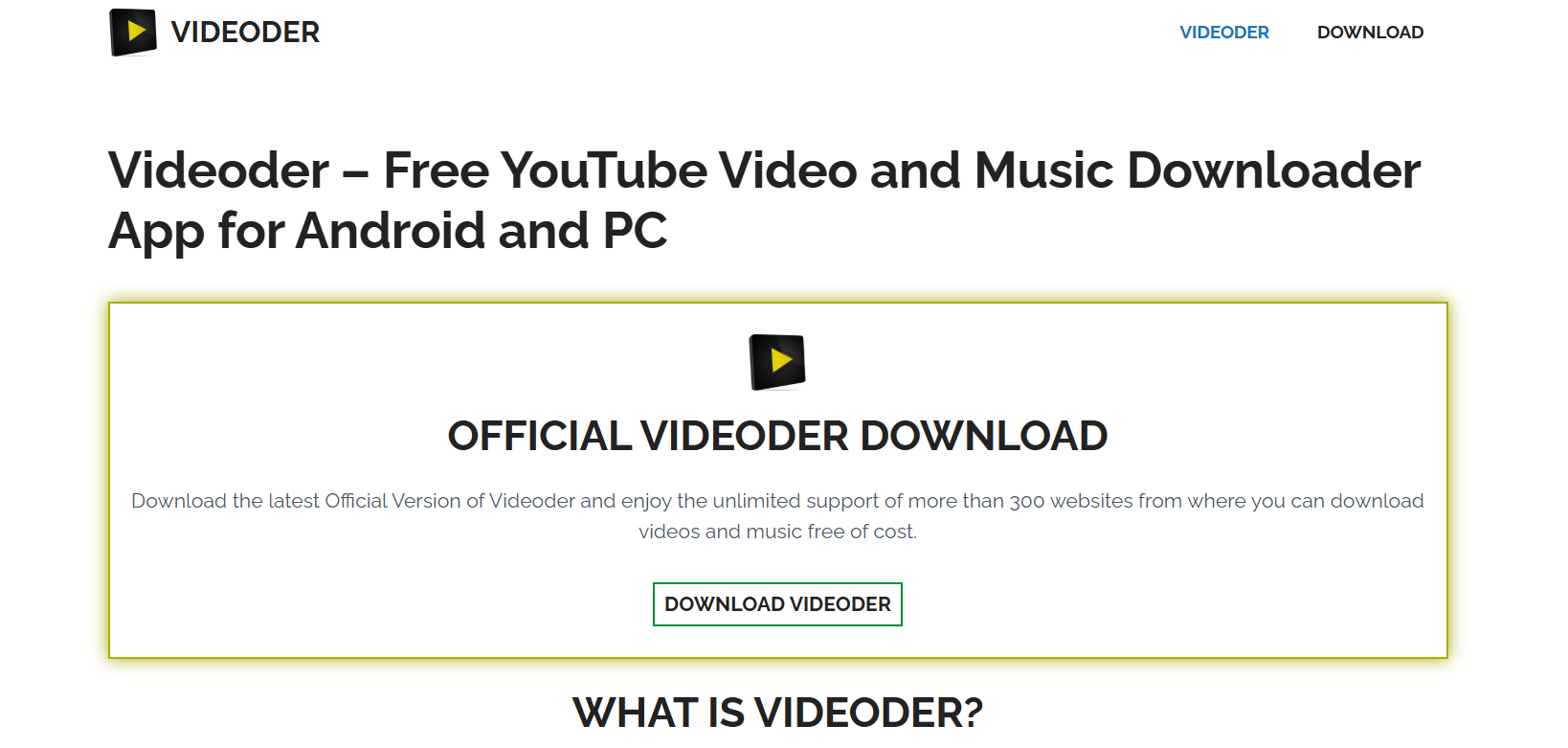
7. Videoder (Desktop & Mobile) – More Than Just for YouTubeVideoder


Videoder is a full-fledged app you can install on Android or Windows. It supports multiple sites, including VK, and lets you download videos in bulk.

✅ Pros: Multi-platform, HD downloads
❌ Cons: Requires installation

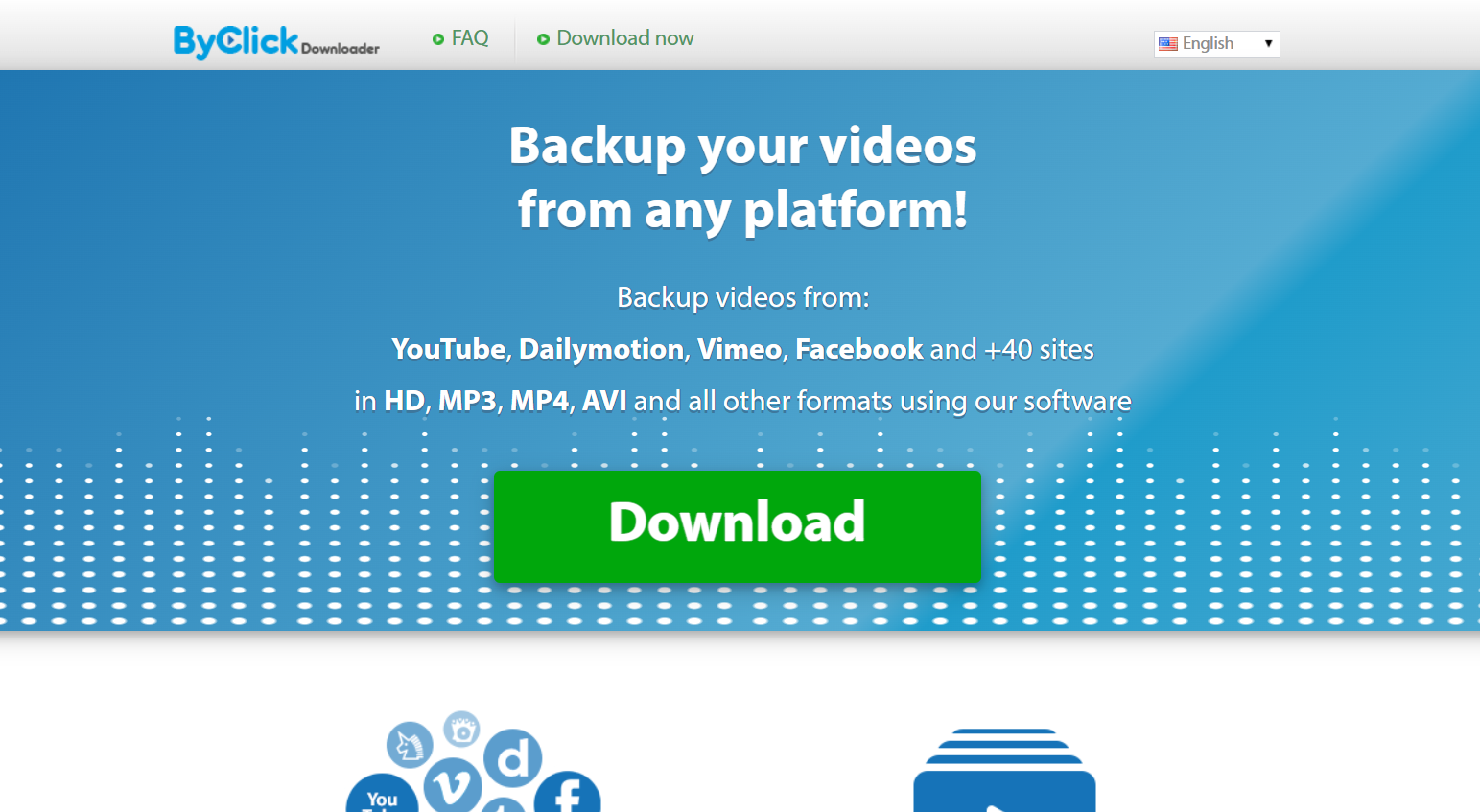
8. ByClick Downloader – One of the Most Powerful VK Video Tools

ByClick

ByClick is like the Swiss Army knife of video downloading. It detects when you copy a VK link and automatically prompts a download. You can even save entire playlists or channels.

✅ Pros: Smart detection, bulk downloads
❌ Cons: Free version has feature limits

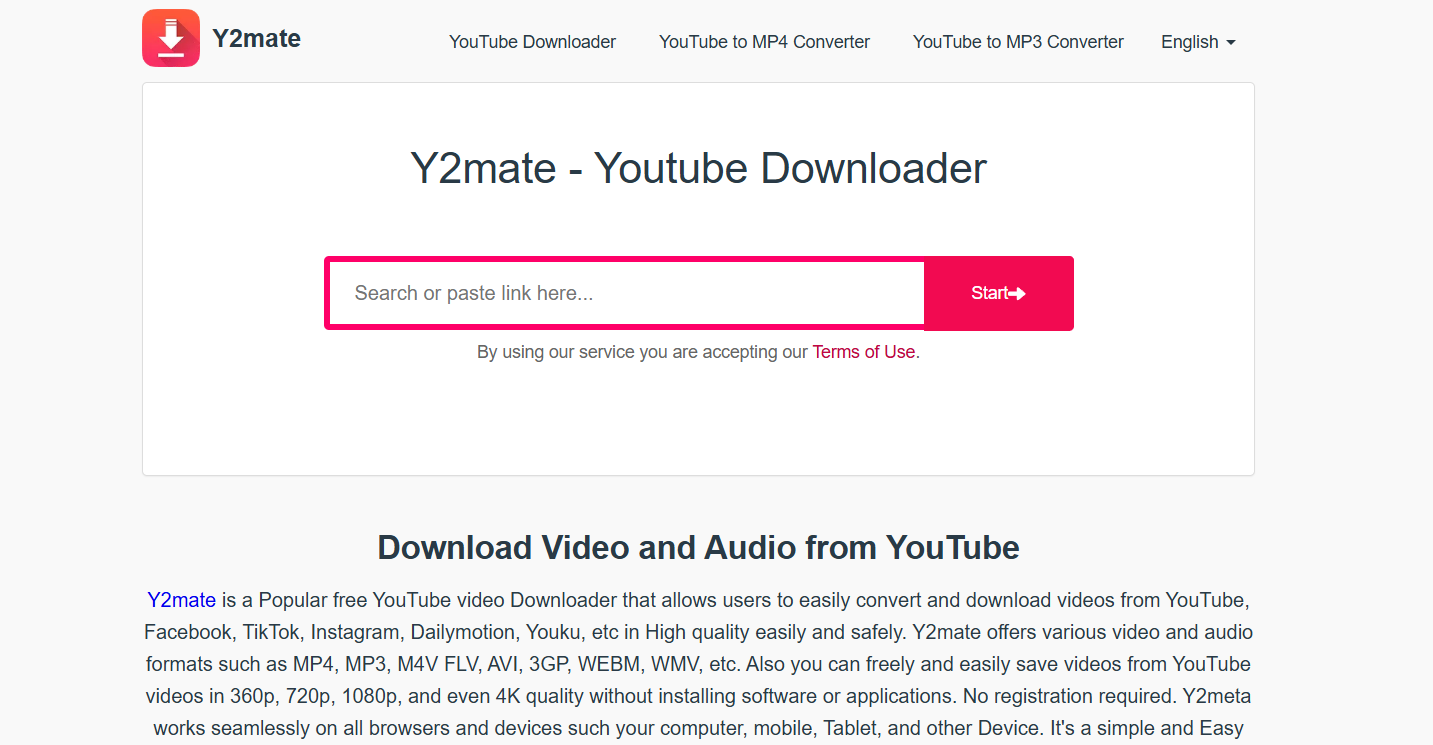
9. Y2Mate VK Downloader – Surprisingly Versatile

Y2Mate

Y2Mate is known for YouTube, but it works with VK too. You paste the video link, choose format and resolution, and hit download. No extras, no fuss.

✅ Pros: Easy to use
❌ Cons: Too many ads

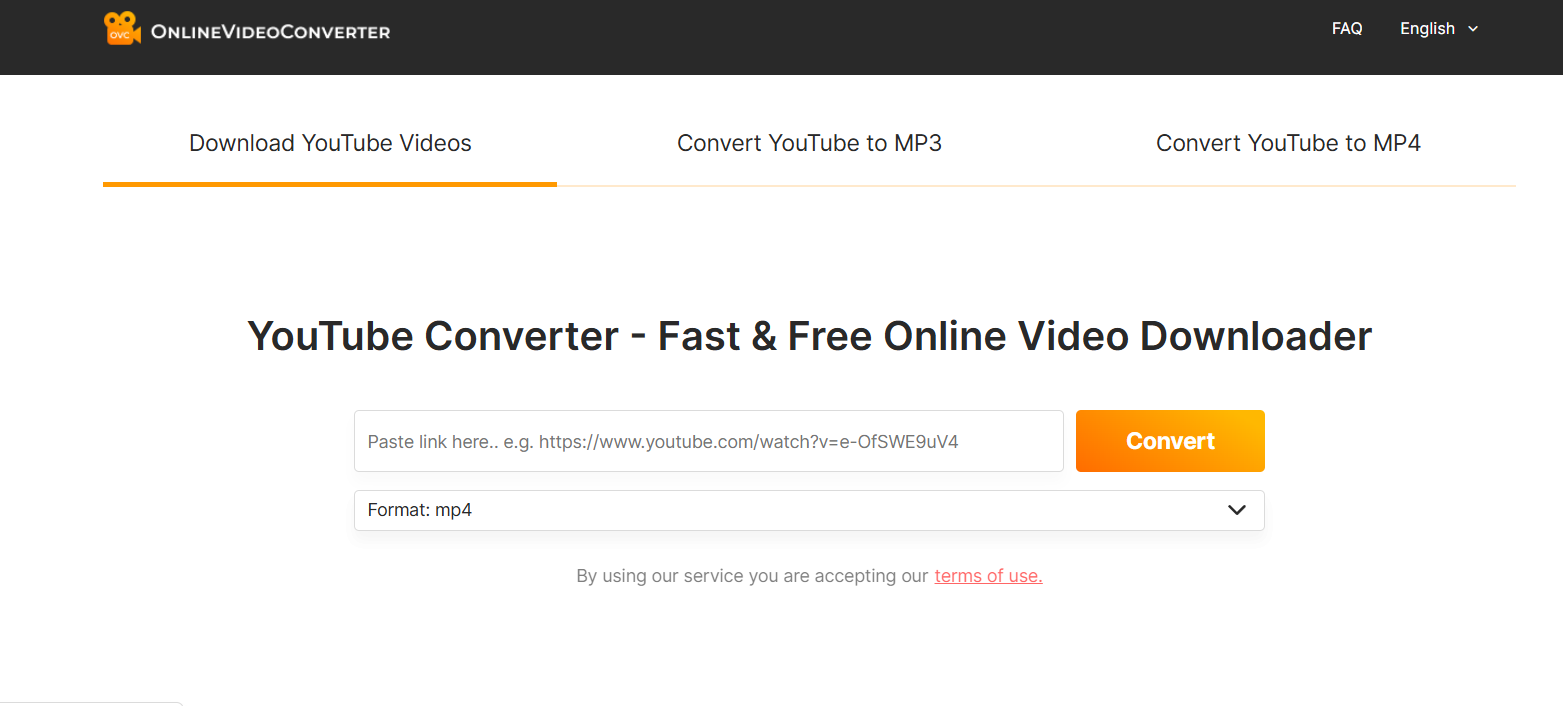
10. OnlineVideoConverter – A Multi-Purpose Tool That Handles VK Videos

OnlineVideoConverter

This one has been around for a while and keeps updating. You can choose different formats (MP4, MP3, etc.) and even cut specific timeframes before downloading.

✅ Pros: Format flexibility
❌ Cons: Sometimes gets flagged by browsers

How to Choose the Right VK Video Downloader for Your Needs

Not all tools are created equal, and the right one for you depends on how often you’re downloading and what device you’re using.

Browser-Based vs Software Tools

If you just need to grab a VK video once in a while, browser-based tools like SaveFrom or SnapSave are your best bet. But if you’re downloading tons of videos regularly, software like ByClick or Videoder is more reliable and powerful.

Download Quality and Format Options

Always check if the downloader supports HD or lets you choose formats like MP4, MP3, or even WebM. Some also let you grab just the audio — great if you’re saving music videos or podcasts.

Mobile Compatibility – iOS, Android, and Tablets

Most browser-based tools work on Android. iOS is trickier due to Apple’s restrictions, but using apps like Documents by Readdle can help bridge the gap. Videoder is a solid choice for Android users.

Speed, Safety, and Ad-Free Experiences

Let’s be real — some of these sites are crawling with spammy ads. Stick to the ones mentioned above that don’t throw 5 popups in your face. Safety matters, especially when downloading software.

Can These Tools Download VK Private Videos?

Short answer: usually no — unless you’re logged in and the tool supports session-based downloads. For private content, you may need specialized tools or screen recording software (though that comes with its own headaches).

Common Issues When Trying to Download VK Video (And Fixes)

Why Some Downloaders Stop Working Overnight

VK changes its video structure and hosting logic frequently. When that happens, many tools break until the developers update their code — which some don’t bother doing anymore.

Avoiding Pop-Ups, Malware, and Sketchy Ads

Use an ad blocker when testing these sites. If the site pushes downloads you didn’t ask for (like fake software), close it immediately. Never install .exe files from unknown sources unless you’re 100% sure it’s legit.

What to Do If a VK Video Downloader Fails

Try a different tool. Honestly, that’s the best fix. Bookmark 2–3 of your favorites from this list so you always have a backup.

Conclusion – Which VK Video Downloader Should You Use in 2025?

If you just want a quick, browser-based tool — go with SnapSave or BitDownloader. If you want a long-term solution with more features, ByClick Downloader is worth a look, even with its limited free version.

My personal favorite combo? SnapSave for quick downloads, and Videoder when I need batch or HD downloading. Either way, with the right tool, you’ll never struggle to download VK videos again.

Find More: Boost Your Sales With SEO Services

FAQs

1. Is it legal to download VK videos for personal use?

It depends on your country’s laws and whether the content is copyrighted. Always download responsibly and for personal use.

2. Can I download private VK videos using these tools?

Most of the time, no — unless you’re logged into your VK account and the downloader supports session cookies, which is rare.

3. Do I need to install software to download VK videos?

Nope! Many browser-based tools work just fine. But apps like Videoder or ByClick offer extra features if you’re okay with installing software.

4. What’s the best downloader for HD VK videos?

SnapSave and Videoder both do a great job with HD content. Just make sure the original video is uploaded in high resolution.

5. Are these tools free forever or do they have hidden limits?

Most are totally free, though some software options (like ByClick) offer premium upgrades with extra features. Always read the fine print.

Tags:
Top 5 Tips for Buying TikTok Followers Safely

Top 5 Tips for Buying TikTok Followers Safely

Buying TikTok Followers

TikTok has exploded in popularity, and with that growth comes a wave of creators looking to expand their audience quickly. 

While organic growth is ideal, many people consider buying followers to boost credibility. But here’s the truth — not all services are safe or legit. If you’re thinking about taking this step, make sure you do it wisely.

To stay on the safe side, always start with the safest platform for buying followers, one that offers transparency, secure payments, and real user reviews. Now let’s dive into the top 5 tips to help you buy Tiktok followers without putting your account at risk.

1. Do Your Research First

Don’t just pick the first service you see. Start by searching for reviews, checking independent forums, and comparing platforms. A trustworthy provider will have a professional website, clear pricing, and accessible customer support. Avoid sketchy websites with vague promises or no refund policy.

Ask yourself:

  • Do they offer real followers or bots?
  • Is there a money-back guarantee?
  • Are their reviews genuine?

Research is your first layer of protection.

2. Prioritize Real and Active Followers

Not all followers are created equal. Buying fake or inactive followers may give your account a temporary boost, but it often leads to long-term problems, like lower engagement rates or account restrictions from TikTok.

Look for services that provide real followers with active profiles. This keeps your engagement looking natural and helps you grow more sustainably over time.

3. Start Small and Monitor Results

Don’t go from 200 followers to 20,000 overnight. That’s a red flag — both to TikTok and your audience. Start with a small package, observe the quality of the followers, and check how your metrics respond.

Watch for things like:

  • Sudden drop-offs in followers
  • Poor engagement
  • Spammy profile activity

If things look off, stop right away and contact the platform’s support.

4. Use a Secure Payment Method

Always choose a platform that supports secure payment options, such as PayPal or credit cards with buyer protection. Avoid bank transfers or shady payment processors.

This gives you peace of mind in case you need a refund or run into any issues. A legitimate platform won’t hesitate to offer a secure checkout and transparent billing.

5. Avoid Overpromising Sites

If a site promises instant fame, guaranteed virality, or millions of followers overnight, walk away. These claims are often unrealistic and signal that the platform might use bots or violate TikTok’s policies.

Stick to services that offer gradual delivery, real users, and reasonable expectations. Slow and steady growth is always safer and more sustainable.

Final Thoughts

Buying TikTok followers can give your account a head start, but only if done responsibly. 

Look for transparency, start small, and never risk your account’s safety for a quick boost. Use the tips above to guide your decision and protect your online presence.

When used carefully, buying followers can be a smart way to gain momentum. But remember: long-term success still depends on great content, consistency, and authentic engagement.