UK: +44 2038074555 info@atamgo.com
Ways to Automate Your eCommerce Marketing to Boost Sales

Ways to Automate Your eCommerce Marketing to Boost Sales

Ways to Automate Your eCommerce Marketing

Every online seller wants to see their business thrive. That’s why they look for different strategies to increase their traffic and sales. There are many online marketing methods, and choosing which to put in place for your business can be challenging.

The ecommerce landscape is ever-changing. Trends change daily, so if you want to be successful, you must keep up with the marketplace’s fast pace. Automation is one of the best ways to keep your business competitive online. 

Here are some automation tips to help your ecommerce business boost sales. 

What is Automation? 

Ecommerce automation pertains to using tools or software to automate or do repetitive tasks for your business. Automation helps organize, manage, and make business operations run faster. 

Here are a few of the top automation techniques you can consider using an ecommerce content automation platform for:

Writing eCommerce content with AI

Creating engaging product texts using AI can save a lot of time and improve the quality of the text. The latest AI systems even automate the keyword analysis process so that the copywriter does not have to spend a lot of time researching for keywords. This is also convenient for Shopify webshops selling a diverse set of products. 

As a product begins to rank the text can automatically be rewritten using keywords with a higher search volume. AI not only reduces content creation tasks but also ensures that ecommerce sites are always optimized for the best keywords as search pattern changes. To further streamline this process, an AI Summarize API can condense product descriptions and marketing content into concise, high-impact summaries, saving time while maintaining quality.

Track and Give Rewards to Active Customers 

Show appreciation to your loyal customers by giving them rewards to encourage them to try more of your products and continue to purchase from your business.

There are ecommerce marketing automation tools that allow you to know which customers spend the most time on your page. You can have software in place that sends your most loyal customers gift card through emails as a token of your appreciation.  

By paying attention to people who are already considering your products, you can boost your sales between 20 to 95% and have retention rates of as much as 5%.  

Utilize Dynamic Content for Visitor Engagement 

Have you noticed the last time you logged into your Amazon account? Your home page is filled with suggestions based on your search history and purchasing pattern, giving you a more personalized experience when using the app.  

Creating dynamic content is the best way to keep your customers engaged. The dynamic content allows your webpage to adapt its images and elements depending on the user’s in-session behavior, characteristics, and demographics.  Uniqode’s QR code generator further enhances this by enabling QR codes that adapt to user behavior, offering instant access to personalized promotions or content. Data shows businesses that utilize dynamic content increase their conversion rate by up to 35%.  

Run PPC campaigns

PPC advertising is the backbone of small and big online businesses. PPC targets online ad spaces on search engines, social media, and websites to lead traffic to your company and potentially turn into sales.  

When done right, PPC offers a great return on investment. To help you run an effective PPC campaign, here are ecommerce PPC mistakes you should avoid.  

  • Not having specific goals. Ensure you know the purpose of your PPC campaign.  Not having specific goals can limit success—ensure you clearly define the purpose of your PPC campaign, especially when investing in ecommerce ppc services. Is it for leads? Who is your target audience? Ask these essential questions to build a suitable campaign for your business. 
  • Failing to track your campaign. PPC is not a set-it, forget-it strategy. You need to follow your campaign if it’s working. If it’s not leading traffic and conversions, you are wasting resources on it. 
  • Trying to do PPC on your own. If you don’t have PPC experience, it can quickly turn into a disaster. Always seek help from professionals who can run successful campaigns and lower your Amazon acos.

Maximize Chatbots for Customer Service 

Effective customer service is essential for an online business. That’s why many companies invest part of their resources in 24/7 customer support. If you have a small business, hiring actual people could be expensive. Instead, using an AI Chatbot Platform can serve as the front line of your customer service, providing instant responses and support around the clock.

Chatbots can provide automated customer service for basic questions, like following up on concerns or providing information about the product. To enhance these capabilities, partnering with an AI chatbot development company can allow for even more sophisticated and responsive chatbot services, tailoring interactions to individual customer needs and providing a seamless, efficient user experience.  

Have Automated Email Campaigns 

When you ask your customers for their email addresses, what do you do with them? You use them for effective email campaigns to advertise your products and boost your online presence.  

Here are some email campaign strategies that will delight your customers.  

  • Send welcome emails to customers who completed a purchase from your business. 
  • Send newsletters and notifications about new items, promotional deals, product advice, and business updates. 
  • Send personal thank you letters to your most loyal customers. 
  • Use emails to get valuable feedback from customers.

Automate Checkout Process 

One of the reasons why people abandon their shopping carts is because of the tedious checkout process. Make their purchase seamless and more convenient by automating the checkout process. Automation can automatically fill in the necessary information and display preferred payment options.  

Automation increases chances of customers completing the purchase. You can also put a live chatbox in the checkout process to help your customer with their questions. Partnering with an AI automation agency like aifreaks can help your business implement seamless workflows, leverage machine learning, and achieve higher conversion rates through advanced process automation solutions.

Upselling and Cross-Selling Products 

“Would you like to upsize your fries?”  

We often hear this in fast food chains. This is a prime example of upselling products where you offer a more premium product than the customer initially chose. This approach is more effective in boosting sales than acquiring a new customer. 

Upselling

There are instances when people don’t know a better option is available. Once you offer a better option, they will more likely upgrade.  

For example, your business is selling gadgets. You can upsell by offering a model with more significant memory or a faster processor. Ensure to explain the difference clearly so your customer may consider upgrading. 

Cross-selling

You can also do cross-selling. For example, if a customer is happy with their gadget purchase, you can offer them accessories that go with it. Remember, when upselling or cross-selling, offer items relevant to their original choice and be sensitive about their price range.  

Utilize Amazon FBA 

The shipping process is one of the most complex parts of an online business. Instead of packing and sending items by yourself, Amazon can do it for you. Their fulfillment program handles the necessary shipping process for business owners. 

Selling on Amazon FBA is a great convenience, especially when you have bulk orders. The longer you ship, the higher the chance customers may cancel, but with the Amazon FBA program, all you need to keep an eye on is your inventory levels so you can continue selling to your customers.  

Say Yes to Automation 

According to research, almost 50% of ecommerce businesses already have automation in place. If you’re just discovering these practices, it’s never too late to start with them. Many business owners use specific tools that help them be as efficient as possible, such as Salesforce operation reports, which help you have all of the important data in one place. You should begin using automation for your business, so you don’t lag behind competitors. Consider integrating Salesforce with marketing automation platforms to unify your data and enhance efficiency.

Consider these automation tips and explore automation tools to help your ecommerce business boost its sales and grow exponentially.

Main Use Cases For ChatGPT In eCommerce

Main Use Cases For ChatGPT In eCommerce

ChatGPT In eCommerce

I. Introduction

A. Explanation of ChatGPT and its capabilities

ChatGPT is a language model developed by OpenAI that is capable of understanding and generating human-like text. It is a variation of the GPT (Generative Pre-training Transformer) model, which is trained on a large corpus of text data to generate natural language text that is coherent and contextually appropriate.

ChatGPT is capable of performing a variety of natural language processing (NLP) tasks such as text generation, text completion, text summarization, and question answering. It can understand and respond to different types of language inputs, including questions, statements, and commands.

One of the key capabilities of ChatGPT is its ability to generate human-like text. It is trained on a massive corpus of text data which enables it to understand the nuances and patterns of human language. This allows it to generate text that is coherent, contextually appropriate, and almost indistinguishable from text written by a human.

Another important capability of ChatGPT is its ability to understand and respond to context. It is able to maintain a “memory” of previous interactions and use that information to generate more accurate and appropriate responses. This allows it to handle multi-turn conversations and maintain coherence in the conversation.

ChatGPT also has the ability to perform text completion, which means it can predict the next word or phrase in a sentence or paragraph. This can be used to generate text summaries or to help users complete sentences or paragraphs.

Overall, ChatGPT is a powerful language model that has the ability to understand and generate human-like text, maintain context in conversations, perform text completion, and many other NLP tasks. It is being used in various industries for a wide range of applications.

B. Purpose of the model in eCommerce

The purpose of ChatGPT in eCommerce is to improve the customer experience by providing fast and accurate responses to customer queries, as well as automate customer service and support tasks.

One of the main use cases for ChatGPT in eCommerce is product search and recommendations. The model can understand and respond to customer queries about products, providing detailed information and recommendations based on their preferences. This can help customers find the products they are looking for more quickly and easily, leading to increased customer satisfaction and sales.

Another important use case is customer service and support. ChatGPT can be used to handle common customer service tasks such as answering questions about shipping, returns, and order tracking. This can save time and resources for eCommerce businesses, as well as improve the customer experience by providing fast and accurate responses to customer queries.

In addition, ChatGPT can be used to assist with order tracking and management. It can understand and respond to customer queries about order status, shipping tracking information, and other related topics. This can help customers stay informed about the status of their orders and improve the overall customer experience.

Overall, the purpose of ChatGPT in eCommerce is to improve the customer experience, increase efficiency, and automate customer service and support tasks. The model can be integrated with eCommerce platforms and can be used to handle a variety of customer queries and tasks. 

II. eCommerce Use Cases

A. Product search and recommendations

Product search and recommendations is one of the main use cases for ChatGPT in eCommerce. The model can understand and respond to customer queries about products, providing detailed information and recommendations based on their preferences. This can help customers find the products they are looking for more quickly and easily, leading to increased customer satisfaction and sales.

ChatGPT can be trained on a large corpus of product information and customer data to understand the characteristics and attributes of different products, and the preferences of different customers. This allows it to generate accurate and relevant product recommendations based on the customer’s query.

For example, if a customer asks “I am looking for a new pair of running shoes, what do you recommend?” ChatGPT will be able to understand the context of the query, and generate a list of running shoes that are suitable for the customer’s needs and preferences, such as their size, budget, and brand preference. The model can also provide detailed information about the product, such as its features, specifications, and customer reviews.

Additionally, ChatGPT can be integrated with e-commerce platforms to extract data such as browsing history, purchase history, and customer reviews to make personalized product recommendations.

Product search and recommendations is a crucial aspect of eCommerce, as it can have a significant impact on customer satisfaction and sales. ChatGPT’s ability to understand customer queries and generate accurate and relevant product recommendations can greatly improve the customer experience and drive sales for eCommerce businesses. 

B. Customer service and support

Customer service and support is another important use case for ChatGPT in eCommerce. The model can be used to handle common customer service tasks such as answering questions about shipping, returns, and order tracking. This can save time and resources for eCommerce businesses, as well as improve the customer experience by providing fast and accurate responses to customer queries.

ChatGPT can be trained on a large corpus of customer service data and FAQs, which allows it to understand and respond to a wide range of customer queries. It can also be integrated with eCommerce platforms to access customer information such as purchase history and shipping tracking data, which can help it provide more accurate and relevant responses.

For example, if a customer asks “Where is my order?” ChatGPT will be able to understand the context of the query and provide the customer with detailed information about the status of their order and shipping tracking information.

ChatGPT can also be used to handle other customer service tasks such as answering questions about returns and exchanges, providing information about warranty and guarantees and many other customer service related tasks.

By automating customer service and support tasks, ChatGPT can save time and resources for eCommerce businesses and improve the customer experience by providing fast and accurate responses to customer queries. This can lead to increased customer satisfaction and loyalty, which can ultimately drive sales for eCommerce businesses. 

C. Order tracking and management

Order tracking and management is another important use case for ChatGPT in eCommerce. The model can be used to assist customers with understanding the status of their orders and tracking their shipping information. It can also be used to assist with other order management tasks such as canceling, modifying, or returning orders.

ChatGPT can be trained on a large corpus of order management data, which allows it to understand and respond to a wide range of customer queries related to order status and tracking. It can also be integrated with eCommerce platforms to access customer information such as purchase history, shipping tracking data, and inventory information, which can help it provide more accurate and relevant responses.

For example, if a customer asks “When will my order arrive?”, ChatGPT will be able to understand the context of the query and provide the customer with detailed information about the estimated delivery date and tracking information of their order.

ChatGPT can also be used to handle other order management tasks such as canceling, modifying, or returning orders, by understanding the context of the customer queries, providing accurate and relevant information and guiding customers through the process.

By automating order tracking and management tasks, ChatGPT can save time and resources for eCommerce businesses and improve the customer experience by providing fast and accurate responses to customer queries. This can lead to increased customer satisfaction and loyalty, which can ultimately drive sales for eCommerce businesses.

III. Integration and Implementation

A. Integrating ChatGPT with eCommerce platforms

Integrating ChatGPT with eCommerce platforms is a crucial step in using the model for eCommerce applications. The integration process allows eCommerce businesses to leverage the capabilities of ChatGPT to improve the customer experience, increase efficiency, and automate customer service and support tasks.

One way to integrate ChatGPT with an eCommerce platform is to use an API (Application Programming Interface). This allows the model to communicate with the eCommerce platform and access customer data, product information, and order management data. This data can be used to provide more accurate and relevant responses to customer queries.

Another way to integrate ChatGPT is through the use of a chatbot. A chatbot is a software that can simulate a conversation with a human and can be integrated with a website or mobile application. ChatGPT can be used to generate natural language responses for the chatbot, which can then be used to handle customer queries and tasks.

Additionally, ChatGPT can be integrated with other natural language processing (NLP) tools, such as sentiment analysis, to provide more accurate and personalized responses. This integration can also help ChatGPT to understand better the context of the customer queries.

Overall, integrating ChatGPT with eCommerce platforms allows eCommerce businesses to leverage the capabilities of the model to improve the customer experience, increase efficiency, and automate customer service and support tasks. This can ultimately drive sales and improve customer satisfaction for eCommerce businesses.

B. Implementing natural language processing for customer interactions

Implementing natural language processing (NLP) for customer interactions is a key step in using ChatGPT for eCommerce applications. NLP is a branch of artificial intelligence that deals with the interaction between computers and human language, and it enables ChatGPT to understand and respond to customer queries in a natural and human-like way.

The first step in implementing NLP for customer interactions is to train ChatGPT on a large corpus of customer data and customer service information. This allows the model to understand the nuances and patterns of human language, and to generate natural and contextually appropriate responses to customer queries.

Once the model is trained, it can be integrated with an eCommerce platform using an API (Application Programming Interface) or a chatbot, as described earlier. This allows the model to communicate with the eCommerce platform and access customer data, product information, and order management data, which can be used to provide more accurate and relevant responses to customer queries.

Additionally, NLP can be used to perform text completion, which means ChatGPT can predict the next word or phrase in a sentence or paragraph. This can be used to generate text summaries or to help users complete sentences or paragraphs.

Implementing NLP for customer interactions allows eCommerce businesses to improve the customer experience by providing fast and accurate responses to customer queries in a natural and human-like way. It also enables businesses to automate customer service and support tasks, which can save time and resources, and ultimately drive sales and improve customer satisfaction. 

C. Personalization and customization options

Personalization and customization options are important features that can be achieved by integrating ChatGPT with eCommerce platforms. These options allow eCommerce businesses to tailor their interactions with customers and provide a more personalized and engaging experience.

One way to achieve personalization is by using ChatGPT to generate personalized product recommendations based on a customer’s purchase history, browsing history, and preferences. This can be done by integrating ChatGPT with an eCommerce platform’s customer data and product information, and training the model on this data. This allows ChatGPT to understand a customer’s preferences and generate personalized product recommendations.

Another way to achieve personalization is by using ChatGPT to generate personalized responses to customer queries, this can be done by integrating ChatGPT with sentiment analysis, which can help the model to understand the tone and intent of the customer’s query. This allows ChatGPT to generate responses that are more in tune with the customer’s needs and preferences.

Customization options can also be achieved by allowing eCommerce businesses to configure ChatGPT’s responses to customer queries. This can be done by providing businesses with the ability to edit or add to the model’s training data, allowing them to tailor the model’s responses to their specific needs. Additionally, businesses can also use ChatGPT’s API to generate responses on-the-fly, giving them more control over the output.

Overall, personalization and customization options are important features that can be achieved by integrating ChatGPT with eCommerce platforms. These options allow eCommerce businesses to tailor their interactions with customers and provide a more personalized and engaging experience, which can ultimately drive sales and improve customer satisfaction. 

IV. Benefits and Advantages

A. Improved customer experience

An improved customer experience is one of the main benefits of using ChatGPT in eCommerce. The model’s ability to understand and respond to customer queries in a natural and human-like way, as well as its ability to generate personalized and relevant responses, can greatly enhance the customer experience.

ChatGPT can improve the customer experience in a variety of ways:

  • Product search and recommendations: ChatGPT can understand customer queries about products and provide detailed information and personalized recommendations based on their preferences. This can help customers find the products they are looking for more quickly and easily, leading to increased customer satisfaction.
  • Customer service and support: ChatGPT can automate common customer service tasks such as answering questions about shipping, returns, and order tracking. This can save time and resources for eCommerce businesses, as well as improve the customer experience by providing fast and accurate responses to customer queries.
  • Order tracking and management: ChatGPT can assist customers with understanding the status of their orders and tracking their shipping information, as well as handle other order management tasks such as canceling, modifying, or returning orders, providing customers with accurate and relevant information, which can improve the overall customer experience.
  • Personalization: ChatGPT can generate personalized product recommendations and responses to customer queries based on their purchase history, browsing history, and preferences, which can greatly enhance the customer experience, making it more personalized and engaging.

Overall, ChatGPT can greatly improve the customer experience in eCommerce by providing fast, accurate and personalized responses to customer queries, automating customer service and support tasks and providing a more efficient and tailored experience.

B. Increased efficiency and automation

Increased efficiency and automation are major benefits of using ChatGPT in eCommerce. By automating common customer service and support tasks, ChatGPT can save time and resources for eCommerce businesses and improve their overall performance.

One way ChatGPT can increase efficiency is by automating product search and recommendations. The model’s ability to understand customer queries and provide detailed information and personalized recommendations can greatly speed up the process of finding products, which can save time and resources for eCommerce businesses and improve their performance.

Another way ChatGPT can increase efficiency is by automating customer service and support tasks. The model’s ability to understand and respond to customer queries in a natural and human-like way can save time and resources for eCommerce businesses and improve their performance. ChatGPT can handle common customer service tasks such as answering questions about shipping, returns, and order tracking, which can help businesses to reduce the workload of their customer support teams.

Additionally, ChatGPT can assist with order tracking and management, by providing accurate and relevant information about the status of the order, shipping tracking information and other order management related tasks. This can greatly speed up the process of handling customer queries and improve the efficiency of the overall process.

Finally, by using ChatGPT for personalization and customization options, eCommerce businesses can automate the process of providing tailored and personalized responses to customer queries.

Overall, ChatGPT can increase efficiency and automation in eCommerce by automating common customer service and support tasks, as well as providing accurate and relevant information, which can save time and resources for eCommerce businesses, and improve their overall performance.

V. Limitations and Future Work

A. Current limitations of ChatGPT in eCommerce

While ChatGPT has shown to be a powerful tool for eCommerce, it has some limitations that need to be considered when using it for eCommerce applications.

  • Data bias: Like any machine learning model, ChatGPT is only as good as the data it is trained on. If the training data contains biases or inaccuracies, the model will reflect these biases in its responses. This can lead to inaccuracies or offensive responses when dealing with certain customer queries.
  • Limited understanding of context: ChatGPT can maintain a “memory” of previous interactions and use that information to generate more accurate and appropriate responses. However, it still has limitations in understanding the context of a customer query, and it might generate irrelevant or nonsensical responses to certain queries.
  • Difficulty in understanding idiomatic expressions and sarcasm: ChatGPT is trained on a large corpus of text data, but it still has difficulty in understanding idiomatic expressions, sarcasm, and figurative language. This can lead to misinterpretation of customer queries and generate inappropriate responses.
  • Dependence on a large corpus of training data: ChatGPT’s ability to understand and generate human-like text is directly tied to the amount and quality of the data it is trained on. A lack of relevant data can lead to poor performance, and difficulty in understanding certain queries.
  • Limited ability to handle complex queries: ChatGPT’s ability to understand and respond to customer queries is limited to the scope of the training data it was exposed to, and it might have difficulty in handling complex or

B. Possible areas of improvement

  • Addressing data bias: One way to address data bias is to use a diverse and representative dataset when training the model, and actively monitoring and addressing biases in the training data. Additionally, using techniques such as counterfactual data augmentation and fairness-aware learning can also be used to mitigate bias.
  • Improving context understanding: To improve context understanding, researchers and developers can leverage techniques such as transfer learning, multi-task learning, and dialogue-specific pre-training to enhance the model’s ability to understand context.
  • Handling idiomatic expressions and sarcasm: To improve the model’s ability to understand idiomatic expressions and sarcasm, researchers and developers can leverage techniques such as sentiment analysis, sarcasm detection, and data augmentation to improve the model’s understanding of these nuances of language.
  • Increasing the amount and quality of training data: To improve the model’s performance, researchers and developers can increase the amount and quality of the training data. This can be done by collecting more diverse and representative data, or by using techniques such as data augmentation to improve the quality of the data.
  • Handling complex queries: To handle more complex queries, researchers and developers can leverage techniques such as multi-task learning, transfer learning, and fine-tuning to improve the model’s understanding of complex queries. Additionally, they can use techniques such as active learning and interactive learning to improve the model’s performance in handling complex queries.

Overall, by addressing these areas of improvement, ChatGPT’s performance in eCommerce can be further enhanced and can provide more accurate and relevant responses, improving the customer experience 

VI. Conclusion

A. Summary of key points

ChatGPT is a powerful language model that can be used for eCommerce applications to improve the customer experience, increase efficiency and automate customer service and support tasks. Some of the key points of using ChatGPT in eCommerce are:

  • Product search and recommendations: ChatGPT can understand customer queries about products and provide detailed information and personalized recommendations based on their preferences, which can help customers find the products they are looking for more quickly and easily.
  • Customer service and support: ChatGPT can automate common customer service tasks such as answering questions about shipping, returns, and order tracking, which can save time and resources for eCommerce businesses.
  • Order tracking and management: ChatGPT can assist customers with understanding the status of their orders and tracking their shipping information, as well as handle other order management tasks such as canceling, modifying, or returning orders.
  • Personalization and customization options: ChatGPT can generate personalized product recommendations and responses to customer queries based on their purchase history, browsing history, and preferences.
  • Improved customer experience: ChatGPT can improve the customer experience by providing fast, accurate and personalized responses to customer queries, automating customer service and support tasks and providing a more efficient and tailored experience.
  • Increased efficiency and automation: ChatGPT can increase efficiency and automation in eCommerce by automating common customer service and support tasks, as well as providing accurate and relevant information, which can save time and resources for eCommerce businesses.

However, ChatGPT also has some limitations that need to be considered when using it for eCommerce applications. These include data bias, limited understanding 

B. Potential of ChatGPT in revolutionizing the eCommerce industry.

ChatGPT has the potential to revolutionize the eCommerce industry by providing businesses with the ability to automate customer service and support tasks, generate personalized product recommendations, and improve the overall customer experience.

One of the most significant potentials of ChatGPT in eCommerce is its ability to automate customer service and support tasks. By providing fast and accurate responses to customer queries, ChatGPT can save time and resources for eCommerce businesses, and improve the customer experience. This can lead to increased customer satisfaction and loyalty, which can ultimately drive sales for eCommerce businesses.

Another potential of ChatGPT in eCommerce is its ability to generate personalized product recommendations based on a customer’s purchase history, browsing history, and preferences. This can greatly enhance the customer experience by providing a more personalized and engaging experience, which can drive sales and improve customer satisfaction.

Additionally, ChatGPT’s capability of handling order management tasks such as tracking, canceling, modifying, or returning orders, can greatly improve the efficiency of the process and provide a more seamless experience for the customers.

Furthermore, ChatGPT’s ability to personalize and customize responses to customer queries, allows businesses to tailor their interactions with customers and provide a more personalized and engaging experience, which can ultimately drive sales and improve customer satisfaction.

Overall, ChatGPT has the potential to revolutionize the eCommerce industry by automating customer service and support tasks, generating personalized product recommendations, handling order management tasks, and providing a more personalized and engaging experience for customers. This can ultimately drive sales and improve customer satisfaction for eCommerce businesses.


 

Tags:

Author: Wail Amrani

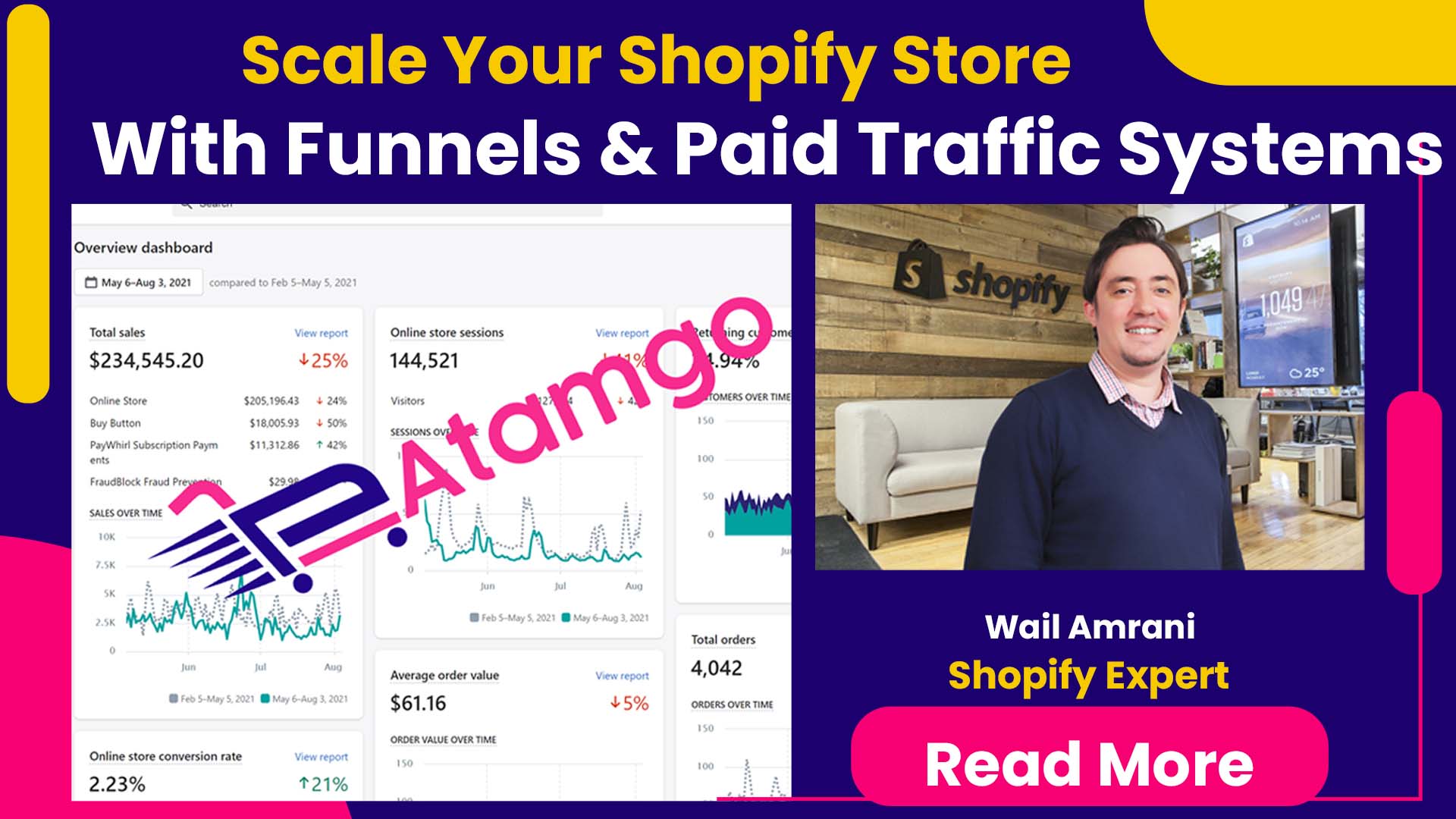
Wail is a Shopify Expert & eCommerce Growth Consultant. Former digital marketing manager at Shopify I’m helping brands & retailers build 8-figure eCommerce. I’ve been leading digital growth for both online and retail brands for over 7 years.

Why You Should Run Your Ecommerce Website on WordPress Instead of Shopify

Why You Should Run Your Ecommerce Website on WordPress Instead of Shopify

shopify-or-wordpress

The success of Shopify and its seeming ease of use has made it almost the default for a lot of people who want to start an eCommerce website. While the platform does have many benefits, you should also know that it has many limitations and that there may be better options for you out there. One of them is WordPress.

Hosting your website on WordPress instead could give you many of the platform’s benefits of Shopify but without its downsides, and you should learn what the benefits of WordPress are before you rush to a hosted platform. Let’s take a look at why you should consider running your site on WordPress instead of Shopify.

You’ll Have More Creative Freedom

One of the biggest benefits of WordPress websites is that there are virtually no limits to what you can do with them. Shopify sites will not allow you to go as deep into the code and customise your site as much. Your site will always have to look like a Shopify site, and you will not be able to go as crazy with the design, which could be frustrating for you.

If you want something more original, consider the development of a WordPress website with the help of a professional. They will be able to build a website that will feel like your own, and you’ll be able to make site-wide changes just as fast as you would on Shopify by using alternative themes.

Easy to Manage

Managing a WordPress website is just as easy as managing a Shopify one. You have extensions like WooCommerce that will provide you with a clean interface so you can manage orders, and it’s just as user-friendly as any other hosted platform. So, don’t assume that managing your site will be more complicated.

It’s Much Cheaper

One of the things many people are surprised by when they use Shopify is how expensive it can get. Sure, their packages look nice when you first look at them, but that’s before you realise that every little extension and feature you want to add to your site will cost you money.

You could end up having to pay simply to improve your site’s SEO or manage returns. And the costs can make a huge difference at the end of the month, so this is another thing you’ll need to account for when looking at both options.

You’ll Have More Control Over Your Site’s Destiny

It’s important to realise that your site will remain on Shopify’s servers forever if you decide to build a website on the platform. This means that you could have issues if you want to sell your website later on or feel like you would be better served with a self-hosted solution.

Now that you know a bit more about the advantages that WordPress has over Shopify, you’ll be able to evaluate both options more accurately. Don’t hesitate to get as many opinions as possible from users of both, and take your expertise, future objectives, and budget into consideration before you make a decision.

Can I Sell Jewelry on Shopify? A Step-by-Step Guide

Can I Sell Jewelry on Shopify? A Step-by-Step Guide

Sell Jewelry on Shopify

Introduction

Selling jewellery on Shopify can be an extremely lucrative business. However, it’s also one of the most competitive niches on the market, so you need to ensure that your company has a competitive advantage and that you know what you’re doing before you begin investing in inventory or setting up an online store. 

In this guide, you’ll learn everything you need to know about selling jewellery on Shopify, including how to avoid competition and boost sales with effective marketing strategies and funnels. 

It’s strikingly simple to learn how to sell on Shopify’s beginner-friendly framework. Shopify is the ideal sell-anywhere quick fix, regardless of whether you offer goods or services or have a brilliant concept for a new business. Here are some easy steps to selling on Shopify, as well as some pointers to get you started. 

Let us tell you about your Question Can I Sell Jewelry on Shopify? A Step-by-Step Guide here:

  • Choose your niche

Jewellery is one of the most popular and profitable products to sell online. However, ensuring you’re getting the highest quality jewellery for your customers is essential. 

When sourcing jewellery for your store, it’s important to know what’s in demand now, which styles are trending, and what materials are most popular. For example, if you want to sell genuine silver and gold bracelets this season, then stay away from pearls or anything that might go out of style.

  • Research your competition

Jewellery is a highly competitive industry, so it’s essential to make sure you have a strong understanding of what the competition looks like. When researching competitors, use these questions: 

What do they offer? How are their prices different from yours? What are their advantages and disadvantages in comparison to yours? How many reviews do they have per item on average, and how many reviews total across all items sold versus your company’s average studies per item and total reviews across all items sold? What marketing strategies do they use that might be helpful for you as well (e.g., testimonials)?

  • Create a brand identity

Creating a brand identity is the first step in building your business. Your brand will be everything from the logo to the colours, the words you use, and, most importantly, how people feel about it.  

A great way to start is by taking time to think about what makes you different from everyone else. What can you do to make people excited when they see or hear it? How do you want people to feel when they interact with your brand? Check out Jewlr for personalized heart necklace online designed for every occasion.

  • Choose your product range

Jewellery is one of the most popular products to sell online. There are many options for starting a jewellery business, but let’s focus on selling it through a Shopify store. 

You’ll need to buy or make your jewellery, set up an account with Shopify, and then decide what type of shipping you want to offer. After that, it’s just a matter of setting up your products and getting customers in the door!

  • Set up your Shopify store

Sign up for a free 14-day trial of Shopify and create your store. You’ll need to enter your credit card information when you sign up, but you won’t be charged during the trial period. After signing up:

  • Head to the Online Store tab in the left sidebar.
  • Click Create Your Free Store.
  • Select the theme you want to use for your store.
  • Fill out all the details about your business and products.
  • Analyze and optimize your results

The first step to selling jewellery is to create your store. You can do this by signing up for a free 14-day trial of Shopify, and once you’re signed up, all you need to do is log in and create your store. 

The second step is to come up with a name for your store. This will be the name that appears in search results and the name that customers will see when they visit your site. The third step is to start adding products to your store. 

If you are using photos of your products from an outside source, ensure that those images have been edited to be high resolution. If you take them yourself, make sure they are bright and clear – which may mean taking some new photos if necessary. Add each product individually or upload an Excel file with a list of products (see below). 

Each product should have its page where customers can find out more about it. Make sure each page has at least one image – ideally from different angles – but also includes plenty of information about the product, including what materials it’s made from and how big it is. Finally, add product categories, so people know where to look for what they want.

  • Create high-quality product photos

One of the most important things to do when starting a business is to take product photos. You want to ensure that your product photos are high quality and give potential customers a clear understanding of what your product is and what it looks like. Use natural light, take multiple angles, and use props to enhance the overall look of your product.

  • Write compelling product descriptions

Shopify is an ecommerce platform that allows you to create a store and sell products. If you’re looking to start a jewellery business, this guide will walk you through how to get started. It’s essential to have compelling product descriptions because these are the first thing people see before they purchase your product. 

One of the best ways to do this is by using catchy phrases in your titles. Terms like the perfect gift for someone special or a gem for every day are popular with shoppers, but it’s also essential to find one that fits with your brand identity. 

In addition to having a catchy title, ensure you include as many details as possible in your description so shoppers can make an informed decision about their purchase without having any questions unanswered.

  • Choose the right pricing strategy

Trying to figure out how to price your products can be a challenge, but it’s essential to have a strategy in place. You can set your prices by looking at the competition and seeing what they are charging. If you’re worried about pricing too low, remember that as long as your prices are competitive with the rest of the market, shoppers will still buy from you. 

  • Promote your store

You can create your jewellery business and sell online with a website like Shopify. These simple steps will give you everything you need to launch your jewellery store. 

  1. Sign up for an account at Shopify. 2. Select the theme for your site and customise it to suit your needs with easy drag-and-drop tools.

Conclusion

As you can see, there are many steps to starting a business. You need to know your costs and margins, find a niche for your products, source materials, hire employees, etc. 

But with the proper knowledge and preparation, it’s possible to start your own business! When compared to certain other top e-commerce platforms, attempting to learn how to sell jewelry on Shopify is swift and simple.

The challenge is to avoid getting bogged down in store design details when attempting to launch. Because the huge majority of shoppers now shop on mobile devices, full-screen design excellence is no longer necessary.We hope this guide has given you some of the necessary tools to get started in entrepreneurship.

Tips for Creating a Killer Cyber Monday Ecommerce Strategy

Tips for Creating a Killer Cyber Monday Ecommerce Strategy

Cyber Monday Ecommerce Strategy

Cyber Monday’s been around since the 1950s and has become one of the busiest shopping days in the US. Of course, we’re talking about Cyber Monday. It’s the official start of the holiday shopping season. So it’s no wonder that for many online retailers, it’s one of the busiest days of the year. In fact, it’s predicted that more than 50% of US consumers will participate in this shopping event.

So, how can eCommerce sites make the most out of Cyber Monday?

Plan. In. Advance.

So, here we’ll provide our nine top tips for preparing your Cyber Monday eCommerce strategy. From engaging with customers to creating a social media presence to managing inventory, read on to learn how to ready your business for Cyber Monday.

Cyber Monday Ecommerce Strategy – Tip 1: Social Media Marketing

Over the past three years, eCommerce website traffic from social media tripled! But, more specifically to Cyber Monday – during the weekend before, some prospective customers used the following social media channels to research the deals they could expect from their favorite brands:

  • 17% of shoppers used Facebook
  • 9% Instagram
  • 4% on Pinterest
  • 4% Twitter

As for demographics:

  • Of the 17% using Facebook, 28% are aged 25-34, and 27% are aged 17-24
  • Of the 9% using Instagram, 17% are aged 25-34, and 21% are aged 17-24
  • Of the 4% using Pinterest, 7% are aged 25-34, and 6% are aged 17-24
  • Of the 4% using Twitter, 5% are aged 25-34, and 5% are aged 17-24

So, if you’re not marketing on at least one of these channels, now’s the time to change that! It’s also worth noting that multichannel shopping continues to rise year-by-year, with US multichannel retailers generating more than $492 billion this year alone! So, if you have the time, we highly recommend launching a multichannel Cyber Monday social media campaign.

Pro Tip: A stream of non-stop, overly salesy promotions isn’t likely to attract customers – interestingly, 44% of social media users find ads irrelevant, and 74% think there are too many ads. Instead, high-quality, entertaining, and informative content will likely boast higher engagement rates. Of course, these posts can still relate to Cyber Monday, but try to have a little fun with it.

For instance, you could try publishing:

  • A countdown timer showcasing how long’s left of the sale
  • Product demos and reviews
  • Guest takeovers
  • Competitions and giveaways
  • Gift guides and inspiration

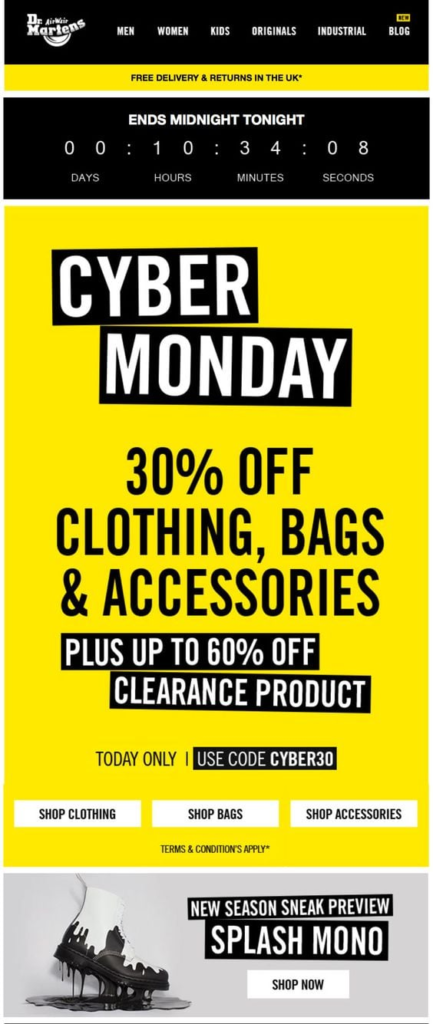
If you’re looking for inspiration, plenty can be found online. For example, Sephora created a gift guide to give shoppers a flavor of what’s on offer. Elsewhere, Dr. Marten placed a countdown bar at the top of their email marketing pushes to create a sense of urgency.


Cyber Monday Ecommerce Strategy


Pro Tip: Many social channels allow you to A/B test different imagery, headlines, and descriptions to help you refine your marketing campaigns to generate the highest possible online sales. If you’re unfamiliar with A/B testing, this is when you test a campaign but change one of the variables to see which works best for your target audience (as illustrated above). For example, on Instagram, you can A/B test video content vs. photo content with the same caption or story copy to see whether video or images works best.

Cyber Monday eCommerce Strategy – Tip 2: Engage Customers

With so much cash to be made on Cyber Monday, it’s no wonder retailers are implementing increasingly unique ways to engage customers. For instance, over the last few years, we’ve noticed tons of stores offering discounts well before the big day arrives, with the best deals reserved for Cyber Monday. For instance Sports Direct started with 40% off in the first hour of its sale, graduating to 50% in the next hour. Elsewhere, Home Depot discounts began on Halloween.

This is an excellent strategy for driving traffic to your website and provides ample opportunity to communicate how customers can make the most of your Cyber Monday promotions. That way, when the big day eventually comes, you should have a pool of shoppers ready and waiting to buy!

Of course, this is just one of many customer engagement strategies you could adopt; below, we’ve jotted down a few other ideas:

  • Offer mystery savings via a digital scratch card to build anticipation and interaction
  • Offer your long-time/high-spending/VIP/loyalty program customers early access to your sale
  • Offer conditional free shipping when customers spend over a certain amount

Here are some examples of the above in action:

Forever 21 created a scratch card that customers could interact with to win 15%, 20%, or 25% off on their Cyber Monday Deal. RayBan offered its email subscribers (called The Ones) an early bird 20% off in its Cyber Monday deal to encourage sales and engagement and deter unsubscribes. Elsewhere, Anthropologie offered free shipping on Cyber Monday purchases over $50

Cyber Monday Ecommerce Strategy


The best thing to do here is to do some research and check out what your competitors did last year and try them out for yourself.

Cyber Monday eCommerce Strategy – Tip 3: Sell Custom Merch

Creating and selling custom merch unique to the day is a great idea. For example, if you sell clothing, you could design a t-shirt that’s only available on Cyber Monday using t-shirt design software. This works wonders for creating a sense of urgency and exclusivity.

Alternatively, you could give away custom merch as part of your marketing strategy. Maybe as a social media competition prize? Or as a limited edition gift? Perhaps you could incentivize customers to spend over a certain amount on Cyber Monday to automatically receive a piece of merch when they check out?

The easiest way to offer custom products is touse a print-on-demand (POD) company like Printful. POD services make it a breeze to upload your design onto blank products to sell on your online store. Best of all, POD works similarly to dropshipping in that there’s no large outlay for merchandising, warehousing, buying inventory, etc.


Black Friday eCommerce Strategy

Cyber Monday eCommerce Strategy – Tip 4: Publish Blog Posts

When it comes to planning Cyber Monday-related blog content, it can seem overwhelming. This is especially true if you have a vast product catalog and you’re discounting most of it. If this is your situation, you’ll need to plan ahead. This includes thinking about content relevant to Cyber Monday and ensuring that it meets your customers’ needs and pain points.

The first step is to brainstorm a list of ideas, for example:

  • How To guides for the products you’re selling. For example, How to Make The Best of Your New Coffee Maker/Smart TV/Mobile phone, and so on.
  • Look Books with inspiration on how to put different fashion accessories or outfits together that include links to discounted products.
  • Use video content – for example, if you sell beauty products, embed videos on how to apply the makeup you’ll be selling on Cyber Monday.

While creating a list of blog topics, it’s wise to conduct keyword research. You want to focus on why users should buy without sounding overly sales orientated. Here are a few tips on how to do keyword research for Cyber Monday:

  • Use Google Trends and Keyword Planner and input a wide range of potential search terms into the search function to see which words work best and peak in October and November.
  • Use popular keywords such as Cyber Monday, Cyber Monday 2022, Cyber Monday deals US, deals, discounts, offers, sales, as well as words relating to specific products (e.g., TV, games consoles, clothing, and so on).
  • Don’t forget to insert keywords into your blog posts that will pop up in Google search rankings, including: best Cyber Monday deals, Cyber Monday offers, best Cyber Monday sales, and so on.

On top of that, you’ll want to keep an eye on the competition to see what they’re writing about. This is crucial for staying ahead of the curve and ensuring you have a good idea of what’s trending. Alternatively, if your competitors haven’t released their Cyber Monday content yet, what did they publish last year?

Once you have your list, it’s time to start writing. Try to prepare and publish as many articles in advance. Not only is this better for SEO, but by the time Cyber Monday rolls around, you’ll likely be swamped with a million other things to do! That said, if you have the resources, it’s wise to leave a few gaps in your content schedule to capitalize on new trends as they arise.

One of the great things about long-form content is that you can recycle them into shorter content for your socials and email marketing, which leads us nicely to our next point…

Cyber Monday eCommerce Strategy – Tip 5: Schedule Email Marketing Campaigns

Although 60% of customers buy impulsively, the remaining 40% plan ahead. They want to know what their choices are before committing to a purchase. This is where you can utilize email content to your advantage. For example, ensure customers know what Cyber Monday discounts you’ll offer on the day itself and if you plan on providing discounts on the lead-up.


You can further plan ahead by scheduling and automating email content to best reach your audience. This frees up time to focus on other aspects of your business during such a busy period. For example, you can schedule automated emails to welcome new customers. During the lead-up to Cyber Monday, these messages should include info about your Cyber Monday sale. To boost sales, you could also ping potential customers a coupon code and/or a free gift to entice shoppers to make a Cyber Monday purchase. Of course, these tactics can also be used in your cart abandonment emails!

Of course, you’ll need to build up an email list in advance to do the above. Here are a few tips for doing that:

  • Launch social media ads that funnel visitors to a landing page advertising an incentive for users to sign up for your mailing list.
  • Ensure you have an email signup form on your homepage and other key pages, such as checkout and product pages.
  • Entice customers with a loyalty program that offers deals and discounts by asking them to provide you with their email addresses.
  • Use popups but not ones that appear as soon as someone hits your page (it’s annoying!). Instead, have them at intervals throughout your customer journey.

If you’re not already using an email marketing platform, a tool like Sendinblue makes scheduling email campaigns much more manageable. There are free and paid solutions on the market, so do some digging to find the best tool for your business’s needs. It’s also a good idea to send email notifications tailored to the recipient. For example, some tools can automatically generate subject lines with the user’s name and interests to entice them to open your emails, so be sure to bear that in mind during your search!

Cyber Monday eCommerce Strategy – Tip 6: SEO

If you’re hoping to make the most of organic traffic to your eCommerce store, you need to optimize your site for SEO. Search engine optimization (SEO) is the process of optimizing your website so that Google and other search engines can easily find and rank your web pages. The better optimized your content, your chances of being indexed highly by search engines are greater.

This goes hand in hand with the keyword research we spoke about earlier. To optimize your site for maximum sales, you need to know what customers are searching for and which of your products will likely draw the most traffic.

For instance, in 2021, jewelry sales increased by 14% and footwear by 3%. Conversely, home goods went down by -9% and health and beauty by -15%. Of course, these are just a few of the many product categories you could sell. You’ll need to conduct your own research to get a sense of which products will likely be your bestsellers so that you can optimize your website accordingly.

To hit the ground running with this, we suggest that aside from your keyword research (see above), you do the following:

  • Look at your search volumes. In other words, how many people are searching for particular keywords? You’ll get some sense then of how much in demand it is.
  • Search Engine Results Page (SERP) details give you information about which of your links perform the best. In other words, you get an insight into what your audience prefers and clicks on.

There are plenty of helpful SEO tools out there, and some are free, including:

  • Ahrefs Webmaster Tools
  • Ahrefs Backlink Checker
  • Google Ads Keyword Planner
  • Answer the Public
  • Google Analytics
  • Google Pagespeed Insights

When it comes to optimizing your site for Cyber Monday, there are a few best practices to bear in mind:

  • Include keywords in relevant titles and meta descriptions
  • Mentioning deals throughout your website copy
  • Aim for a keyword density of 1-2% across your website. You can use Google Adwords to determine this percentage.
  • Ensure your site is mobile-friendly. Both Google and Bing algorithms detect when a visitor uses a mobile device. If your website’s mobile-friendly, it generally outranks those that aren’t.
  • Ensure the fastest possible load times
  • Ahead of Cyber Monday do a complete website audit. Use Google PageSpeed Insights to ensure your pages load fast and fix any issues you may have, including broken backlinks.

Cyber Monday eCommerce Strategy – Tip 7: Website Maintenance

On average, website traffic on Cyber Monday is 110% higher than on regular days; this surge in activity can dramatically affect site performance – for the worse. Needless to say, a poor-performing website will hinder the customer experience and could deter customers from buying. Almost 60% of customers will abandon their shopping cart if the website they use has a poor loading time (i.e., more than three seconds).

Fortunately, you can improve site speed by optimizing the following:

  • Images: Reduce the file size of your photos using image compressors (ensure quality isn’t lost during the process).
  • Scripts: Keep the number of scripts to a minimum.
  • Plugins: Only install the plugins you actually need.

There are popular tools you can use to improve your website performance. Many of them use bots to crawl your website, find broken links, and see what’s slowing it down. Then with this info to hand, you can then fix the problem.

Some excellent, free examples include:

Cyber Monday eCommerce Strategy – Tip 8: Prepare Your Inventory

To stay on top of Cyber Monday demand, you can’t underestimate the importance of preparing your inventory. As many as 69% of abandoned carts occur because just one item in the shopper’s basket was out of stock. Cyber Monday is about excitement, spontaneity, and discovery – anything that gets in the way of this can kill the customer’s desire to buy.

So, with that said, the most important thing is to ensure your inventory is fully stocked.

Needless to say, many of your items will form part of a wider supply chain, which isn’t without its logistical challenges.

For instance, on Cyber Monday in 2021, consumer electronics took the most significant hit, with more than 40% of items out of stock. The retail insights company Bluecore suggests this was due to the impact the pandemic had on electronic materials shortages.

Although COVID isn’t as much of an issue, keep in mind we’re in a state of worldwide transition. Many countries are experiencing higher inflation rates, increased oil and gas prices, and skills shortages. Also, the ongoing conflict in Ukraine will likely impact supply and demand worldwide. Of course, preparing for these issues is easier said than done. But it’s worth discussing these concerns with suppliers in advance or looking at alternative stock options.

Cyber Monday eCommerce Strategy – Tip 9: Prepare Your Team

Preparing your team for Cyber Monday is crucial for ensuring everyone gets through the day in one piece – especially for those that haven’t experienced Cyber Monday before.

First, give your team a brief overview of how you expect the day will go. Perhaps schedule a team meeting a couple of weeks in advance to ensure everyone’s on the same page. This is a great opportunity for staff to raise any questions they may have and for you to provide a list of what they should be doing and what to focus on. It might be helpful to break down tasks into sections – i.e., customer service process, shipping, order fulfillment, etc., to make it more manageable.

It’s also wise to prepare your team for what could go wrong. Lots of moving pieces ensure Cyber Monday’s success, so there’s a good chance something will go awry. Try to predict these issues and provide your team with examples of how to cope and respond.

Pro Tip: Consider hiring extra temporary technical support and/or customer service members to ease the pressure on your team.

Are You Ready to Pen Your Cyber Monday Marketing Strategy?

According to an in-depth study by Future Publishing, Cyber Monday shopping is expected to bring in $158 billion in consumer sales this year.

In short, these holiday sales present an ideal opportunity to:

  • Grow your email mailing list
  • Increase customer engagement
  • Boost brand awareness
  • Check out what your competition is doing
  • Use your customer’s interactions with your business as an opportunity to get to know them better
  • Be inspired by other brands to get creative with your campaigns

In other words, if you want to succeed this 25th November, you must be prepared, and part of that preparation is to have a strong eCommerce strategy. Think of it as an investment in your business’s and your customers’ future. Then, once you have your strategy in place, all you need to do is dust it off and adapt it for future Cyber Monday and Cyber Mondays!

That’s all for our Cyber Monday eCommerce strategy tips! Let us know how you get on and whether our tips yielded fruit for your brand.

Infographic created by HALO Branded Solutions, a branded merchandise company

Author: Wail Amrani

Wail is a Shopify Expert & eCommerce Growth Consultant. Former digital marketing manager at Shopify I’m helping brands & retailers build 8-figure eCommerce. I’ve been leading digital growth for both online and retail brands for over 7 years.

How To Write Super-Effective Abandoned Cart Emails

How To Write Super-Effective Abandoned Cart Emails

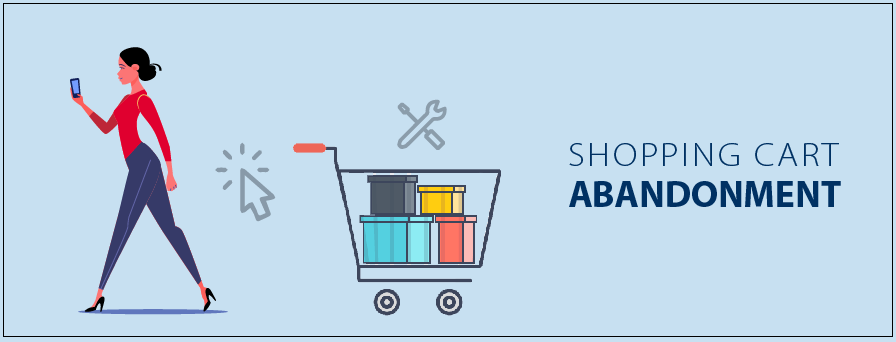
We all have been there, developed a super-fast store from a reliable company like IKONIC US. What happened next? Now you watch your customers leaving the Shopify store after putting stuff into the cart? Although you did get the store right, you can’t figure out why it is happening. Well, you are not the only one. A study found that the average cart abandonment rate is 69.99%. With such a high ratio, you might wonder how you will get things straight. But fret not. Like always, we have a solution.

Your Shopify Customers May have Abandoned Carts But This Email Strategy Will Bring Them Back For Sure

How To Write Super-Effective Abandoned Cart Emails


To fix this issue in the Shopify store, you need an email strategy. According to research, 44.1% of abandoned cart emails are opened. Almost a third of clicks on abandoned cart emails (29.9%) lead to a recovered sale. For this email strategy, you need to understand why your shopper left. Was he just a “window shopper” who saw a Black Friday deal and added it to the cart on a whim? One other reason can be that your offer was not compelling enough or your checkout process is a bit more technical. The first thing that you need to do is analyze why your customers have left the cart. If you have pointed out your exact issue, then let us move forward to how you can send emails to reduce the cart abandonment rate. 

Make Them Open Your Email

Okay, first things first. You need your customers to open your emails. Your email opening rate and CTR are inextricably linked because if your subscribers don’t open your emails, they won’t click on any of your links. Improving your open rates is thus an excellent place to begin. 

There is a simple rule for increasing conversion rate, Personalization, Personalization, and Personalization. Changing the sender’s name and the subject line is one of the best techniques to ensure subscribers open your emails. Why not try using a specific individual’s name as the sender instead than your company name? 

Using the first name may appear to be a tiny thing, but it can make a significant difference. According to research, adding a personal name can raise open rates by up to 35%. 

Another important influence in whether or not clients open your emails is the title. Shorter topic lines may increase open rates. 

Here are a few more pointers to help you enhance your subject lines: 

  • Use the buyer’s first name in the subject line.
  • Don’t bother asking questions. Open rates are lower for subject lines that end with a question mark.
  • Avoid using emojis in the subject line; this may turn off many individuals. 

Take Away Their Hesitation

You’ll want to grab users’ attention using short, quick, and urgent sentences in your email copy. After all, urgency is a well-known psychological motivator. You can also be fun with your call to action and pitch for people to re-engage, depending on what works best for your brand language. 

“Oh no! You’ll miss out on cuddling your dinosaur plushie if you wait too long.” 

“You only have 17 hours until your offer expires.” 

You can also try including social proof to demonstrate that other customers like their abandoned product. Customer reviews are becoming increasingly crucial in the modern consumer’s decision-making process. Therefore including a direct statement or endorsement of the product in question increases the likelihood that users will take action. 

Another option to address users’ concerns about checking out with an item in their basket is to explain the security of their money and a simple return policy. Addressing these pain points in your email message might give your users the confidence they need to execute the required action. 

Give Them A Special Offer Or Discount

How To Write Super-Effective Abandoned Cart Emails

Another strategy to increase conversions from abandoned basket emails is to offer your visitors a unique discount on the product or products in issue. You can further incentivize speedy action by framing your offer as a last-chance or time-sensitive offer. If you’re aiming to sell out a specific product category towards the end of a season, for example, some firms may benefit from going the additional mile and offering a discount on a specific group of items in their inventory. 

It may be worthwhile to offer a seasonal discount on items such as Halloween costumes, Christmas decorations, and so on. Using promotions or discounts to encourage users to return to their carts can be an effective method for increasing engagement with these campaigns. 

Optimize Emails For Mobile

According to a Placed study, up to 73% of shoppers use an average of two shopping apps. 

Another 42.8% of buyers check for coupons on their mobile apps, compared to 35.9% on print media, 16.8% on desktop, and 28.8% on mobile apps (all three channels). Based on these findings, you should optimize your abandoned cart emails for mobile devices to enhance conversion rates. 

You can put this concept into action by creating responsive emails that look good on a variety of mobile devices with varying screen widths. Or you may include a cart session link, which allows customers to click and return to the point on the checkout page where they left off. Including a CTA with eye-catching colors and fonts can also increase the likelihood that your prospects will click the abandoned basket email and complete the purchase. 

Recommendations That Are Appropriate

You can grab your reader’s attention in yet another tried-and-true way by including some product recommendations in the email you send them. This helps to attract customers who are on the fence about making a purchase by recommending complementary items that can pique their interest or inspire them to return to their carts. Your customer’s interest must be directly related to the content of the email you send them for you to have any chance of increasing your click-through rate. You have the advantage of knowing exactly what your target audience already wants if you build abandoned cart emails for customers who have shopped on your website but have not completed their purchase. 

Suppose your email solution is coupled with an AI-powered product recommender. In that case, it will be simple for you to compose a personalized email that contains product recommendations that are specific to the interests of a particular consumer. In such a case, you might want to try segmenting your target audiences according to the products they removed from their shopping carts. Then you can utilize A/B testing to optimize the product recommendations that each segment receives. You will be able to adapt future recommendations to your customer base in a manner that is more effective if you measure the CTR of these tests. 

Include a compelling CTA

Without a compelling call to action (CTA). An abandoned cart message is incomplete. People are taken back to their shopping carts so they may complete their purchases when they click the CTA button. Words that encourage action should be included in it more than anything else, as this will be the most effective way to encourage people to move forward with the process. Consider the use of phrases such as “get,” “shop,” and “purchase.” It is considerably more compelling than merely saying “click here,” and it informs readers of the next step they need to take. 

If you have more than one call-to-action button that you’d like to include in your reminder, you certainly may. For instance, you may choose to include one in the header and two in the body of your document. Both can be placed on the same page, one above and one below the copy. The objective here is to provide recipients with as many opportunities to click on a relevant shopping basket link as is humanly practical. 

Split Test Your Emails

If you are new to email marketing, it is possible that, at first, it will feel somewhat daunting to you. You might make things simpler for yourself by selecting one of the points discussed in this article and then conducting an A/B split test on that specific aspect of your email marketing campaign. 

Your email marketing provider needs to make it simple to test variations of the following, among others: 

  • Email subject line
  • Email content Images
  • Text for CTA
  • Buttons versus. Hyperlinks

Split testing two alternative calls to action (CTAs) to determine which one is more successful than the other is a smart place to start. You might also try out a few different button colors to see which one receives the most positive response from your target demographic. 

Rolling It All Up

Cart Abandonment strategy is not a game of 5 minutes. It takes time and optimization. Don’t send just a single email and call it a day. You have to constantly monitor and refine your strategy to decrease the abandonment rate of a Shopify store.