...
UK: +44 2038074555 info@atamgo.com
5 Amazing Things Narakeet Can Do That Most Users Don’t Realize
5 Amazing Things Narakeet Can Do That Most Users Don’t Realize

narakeet

Introduction

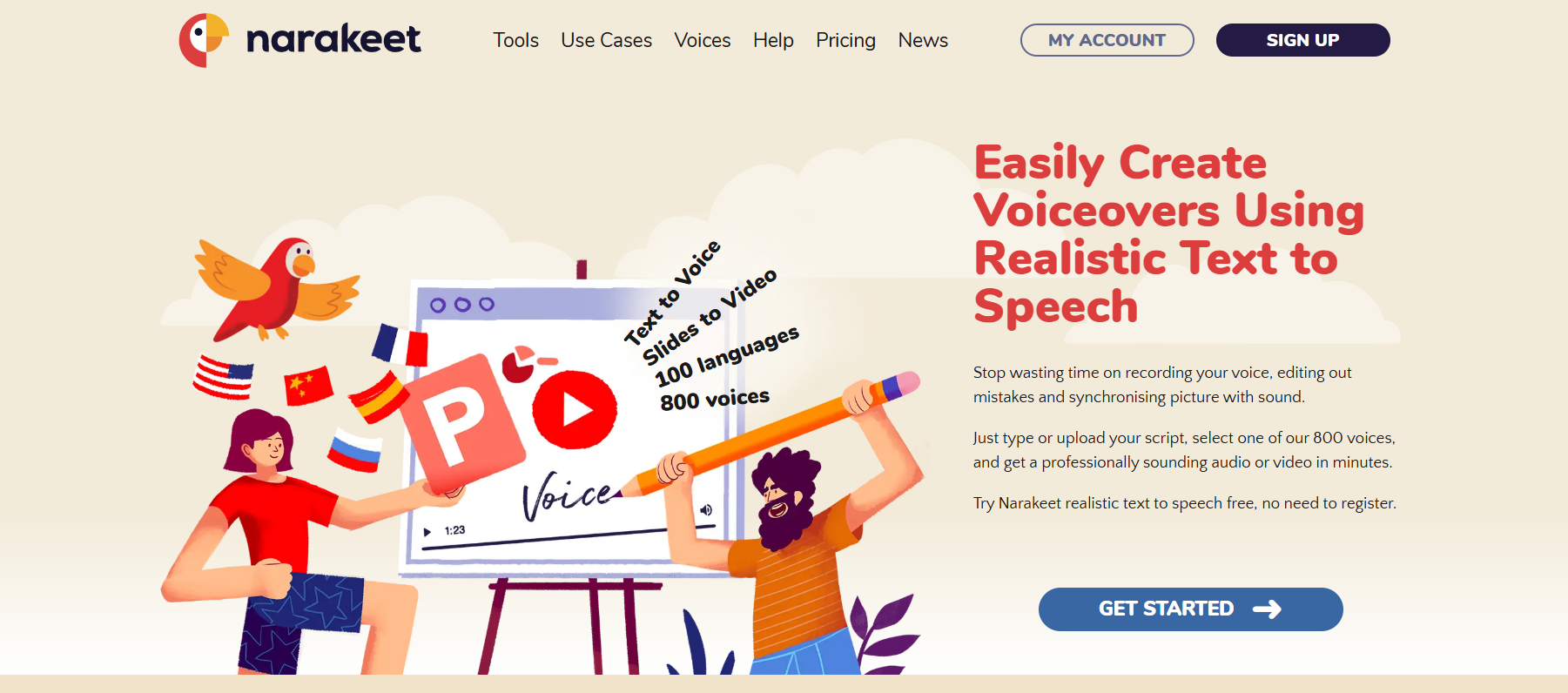
Narakeet is one of those tools you stumble upon and immediately wonder how you didn’t know about it earlier. At first glance, it looks like just another text-to-speech program, but once you dig deeper you realize it’s much more than that. Think of it as having your own AI-powered production studio in your browser. With it, you can create professional voiceovers, narrated videos, and even fully narrated presentations without dealing with microphones, messy audio setups, or expensive freelancers.

If you’ve been researching Narakeet text to speech, or maybe you’ve seen people debating about Narakeet pricing, you probably have questions. Is it really good enough to replace a human narrator? Is it too expensive for small creators? Does it work for serious projects like e-learning or audiobooks? Spoiler alert: it does far more than most people think, and it’s designed to save you time and stress. In this article, I’ll break down five amazing things Narakeet can do that most users don’t realize — along with real-life examples of how you might actually use them.

Find More: 10 Game-Changing Apps for Content Creation You’ll Wish You Knew Sooner

5 Amazing Things Narakeet Can Do That Most Users Don’t Realize
narakeet

1. Turn Scripts into Professional Voiceovers Instantly

Let’s start with the feature most people know about, but don’t fully appreciate: Narakeet AI voice generator. There are plenty of text-to-speech tools online, but here’s the thing — most of them sound either robotic, monotone, or just plain distracting. Narakeet manages to pull off something better. It gives you a wide library of natural-sounding voices in different accents and tones. When you listen, you’ll often have to double-check whether it’s AI or a real person reading.

Think about the last time you tried recording your own audio. Maybe you had to do multiple takes, fight with background noise, or cringe at how your voice sounded in playback. With Narakeet, you paste your script, choose a Narakeet voice that matches your vibe, and within minutes you’ve got a polished voiceover ready to go.

Best use cases:

  • YouTube creators who don’t want to be on camera or record their own voice
  • Small businesses making product demos or explainer ads
  • Educators preparing training materials for online courses
  • Podcasters testing episode ideas quickly before committing to a full production

And the speed is what makes it shine. Instead of waiting days for a freelancer or spending hours editing, you can literally generate a voiceover in the same time it takes to brew a cup of coffee.

2. Convert PowerPoint Presentations into Narrated Videos

PowerPoint Presentation

This one feels almost hidden — but it’s easily one of the most powerful features. Did you know that Narakeet can take your PowerPoint slides and instantly transform them into a narrated video? No screen recording software, no awkward voiceover attempts, and no complicated editing.

Picture this: you’ve put together a slide deck for a client, but instead of emailing static slides, you send them a sleek video that walks through the entire presentation with clear narration. That’s not just convenient — it’s impressive.

Who benefits the most:

  • Teachers creating online lessons without needing to record live lectures
  • Salespeople who want to send polished video pitches instead of just sending PDFs
  • Marketers turning pitch decks into shareable video content on social media
  • Corporate trainers making onboarding presentations more engaging

How it works: You upload your presentation, select a Narakeet voice, and the platform automatically syncs narration with your slides. That means each slide gets read at the right moment, with zero manual editing. Instead of boring silent slides, you now have a professional video asset you can share, repurpose, or even upload to YouTube.

And the best part? You don’t need video editing experience. Narakeet handles all of it in the background, letting you focus on content instead of production.

3. Support for 90+ Languages and Accents

If you’ve ever wanted to make your content global, this feature is a dream. Narakeet isn’t just an English-only tool — it supports more than 90 languages and countless regional accents. That means you can create localized versions of your content with almost no effort.

For example, imagine you’re a course creator. Instead of only serving English-speaking students, you can release versions in Spanish, French, German, Arabic, or even niche regional accents to connect better with specific audiences. Businesses expanding into new countries can make training materials, product demos, or explainer videos without the high cost of hiring multilingual narrators.

Real-world benefits:

  • A software company can launch the same tutorial in ten languages overnight
  • An online educator can reach students across multiple continents
  • Podcasters can expand their audience by offering translated versions of episodes
  • Marketers can create ads that sound native to the region they’re targeting

For anyone who’s thought about “going global” but found the costs and logistics intimidating, this is the shortcut you’ve been waiting for. You don’t need a team of translators and actors — Narakeet gives you the tools right out of the box.

4. Generate Audiobooks, Podcasts, and Training Material Effortlessly

Here’s where Narakeet goes beyond expectations. Most people assume it’s only good for short content like voiceovers or scripts, but in reality, it handles long-form projects like a champ. We’re talking audiobooks, podcasts, employee onboarding modules, or full e-learning courses.

Recording long audio the traditional way is brutal. Your throat gets sore, you trip over words, and editing becomes a never-ending nightmare. Narakeet changes the game by generating hours of audio at once, with consistent tone and no fatigue.

Who benefits the most:

  • Authors who want to release audiobook versions of their books without spending thousands on narration
  • Podcasters who want to test concepts or create episodes faster
  • Trainers and HR teams producing compliance videos and onboarding materials
  • Nonprofits and educators turning guides into accessible audio for learners

It’s also a great way to repurpose content. That blog post you wrote? It could become a podcast episode. That training manual collecting dust? It can be a narrated video module. Narakeet makes scaling content creation not only possible but easy.

5. Customize Voice Speed, Tone, and Style for Unique Results

Finally, let’s talk about customization. This is where Narakeet moves past being “just another AI tool.” You’re not locked into a single robotic-sounding voice. Instead, you can adjust speed, tone, pitch, and emphasis to give your narration personality.

Want a serious corporate training vibe? Keep the tone steady and professional. Need a warm, friendly tutorial voice? Lighten the tone and increase pace slightly. Making a dramatic video intro? Slow the narration and add weight for impact.

Examples of how customization changes the outcome:

  • A high-energy sports promo can be made more exciting by adjusting pitch and speed
  • A meditation app can use slower, calmer tones for relaxation content
  • A professional e-learning course can emphasize clarity and pacing for better comprehension

By tailoring the voice to your project, you strip away the typical “AI voice” feel and get something that genuinely resonates with your audience. That’s a huge edge, especially if you’re competing with others who rely on generic text-to-speech solutions.

Conclusion

Narakeet isn’t just another text-to-speech app you try once and forget. It’s more like a Swiss Army knife for content creators, educators, marketers, and businesses. From instant voiceovers and narrated presentations to multilingual support, audiobooks, and full customization, it covers way more than most users expect. The versatility is what makes it stand out.

If you’ve been on the fence about Narakeet pricing or you’re unsure whether it’s worth committing to, think about what you usually spend on freelancers, studio gear, or editing time. Narakeet compresses all of that into a single, easy-to-use platform. It saves time, money, and stress — and in today’s fast-moving content world, that’s priceless.

So here’s the question: what’s stopping you from giving it a shot? Whether you’re a solo creator, a teacher, a marketer, or a business leader, the possibilities with Narakeet are way bigger than most people realize.

Find More: Boost Your Sales With SEO Services

FAQs

1. What is Narakeet used for?

Narakeet is used to turn text, scripts, and presentations into narrated videos, voiceovers, and audio content using AI-generated voices. It’s especially popular with creators who want to save time while producing professional-quality audio.

2. Is Narakeet free to use?

Narakeet offers free credits to let you test the platform. For serious or ongoing projects, you’ll need to check Narakeet pricing plans, which vary depending on how much content you want to generate.

3. How does Narakeet compare to other text-to-speech tools?

Narakeet usually sounds more natural than most alternatives. Plus, it offers unique features like PowerPoint-to-video conversion and multilingual support, which many competitors don’t handle as well.

4. Can I use Narakeet for YouTube or commercial projects?

Yes! Many YouTubers, marketers, and educators use it for commercial projects. Just make sure you’re on the right subscription level to cover commercial rights.

5. Does Narakeet support different voice styles and emotions?

Yes. You can tweak tone, speed, and emphasis to suit your content, making the narration more dynamic and less robotic.

6. Is Narakeet safe and reliable for professional use?

Absolutely. Thousands of businesses, teachers, and creators rely on it daily. The platform is stable, and the results are professional enough for everything from YouTube videos to corporate training.
Tags:
AI Humanizer Made Me Stop Using Paraphrasing Tools for Removing AI Content

AI Humanizer Made Me Stop Using Paraphrasing Tools for Removing AI Content

AI Humanizer

More often, I used paraphrasing tools to make AI-generated text sound more natural, but honestly, the results never felt quite right. The text often sounded mechanical, repetitive, or just slightly off, like something was missing.

53% of adults believe AI will help them handle repetitive tasks more effectively. After getting the unsatisfactory results from a paraphrasing tool, I discovered an AI humanizer to humanize with DetectingAI — it provides much better results and makes my content sound natural.

Let me tell you how an AI humanizer stops me using other paraphrasing tools for removing AI content.

Why paraphrasing tools didn’t work for me

I’ve tried many well-known paraphrasing tools like QuillBot, Fueon, Grammarly, and other AI rewriters. While they do a decent job of rewording sentences but I noticed some problems:

  • The writing still felt AI-generated even after paraphrasing, the text lacked natural flow and human-like tone.
  • Some tools changed the main ideas in my writing and made it sound awkward and inaccurate.
  • Paraphrasing tools mostly just swap words or rearrange sentences, but they don’t add emotional depth or human-like touch.

So, after facing these troubles, I decided to use something else to make my writing perfect and meaningful. I need a tool that is efficient in rewriting the text while maintaining the original intent and I find a perfect AI humanizer for this purpose.

This AI text humanizer is totally different from other paraphrasing tools. It uses AI techniques to turn AI content into unique and engaging human-like content. Besides this, the tool also improves the readability and quality of your given text and maintains the real meaning.

Reasons to switched from paraphrasing tools to AI humanizer to humanize the content

AI Humanizer

If you’ve been using paraphrasing tools to rewrite content, you might have noticed something that they change words but lacks in making the content sounds natural.  

So, now let’s talk about why using an AI humanizer is a smart act to maintain the SEO and the actual performance of the website:

1. Paraphrasing tools responses sound too robotic

Most paraphrasing tools just swap words with synonyms or slightly change sentence structures. This makes the sentences that sound awkward or unnatural.

I feel too offensive for this type of response. That’s why I started using an AI humanizer tool to bypass detection and improve readability score.

2. AI humanizers keep the flow and meaning intact

Paraphrasing tools sometimes mess up the meaning of a sentence. On the other hand, humanizers understand context and rewrite content without distorting the original idea.

Mostly, what I do is use an AI detector to detect the text generated by AI. This is the most advanced and reliable tool for detecting content from AI writing tools like ChatGPT, Gemini, Claude, and others. After detecting the AI similar content I humanized it using AI humanizer to make my content undetectable.

3. Improves engagement and readability score

AI humanizers rewrite content in a way that feels like a real person wrote it. This makes it more engaging for readers, which is especially important for blogs, articles, or marketing content.

Paraphrasers are ont considered too reliable to gain a better readability score because it makes the content generic and difficult to read and understand for the users.

4. Use of humanizer tool saves editing time

You often have to manually fix awkward sentences in the generated response by paraphrasing tools. A chatbot-powered AI tool is best at that, automatically correcting all mistakes while generating the content.

Who is getting more benefit from using an AI humanizer tool?

Let’s get to know that for whom an AI humanizer performing too well:

  • If you’re writing blog posts or articles with AI assistance, an AI humanizer makes your content sound natural and engaging instead of robotic.
  • AI-generated content can hurt SEO rankings if it’s detected as AI-written. humanizers help make content organic and search-engine friendly.
  • AI-written posts can feel stiff. An AI humanizer helps social media managers in writing engaging, natural-sounding captions and content that connect with audiences.

So, a humanizer is providing more benefit than a paraphrasing tool. Once I generated text from ChatGPT and checked it by using an AI detector and guess what? All the content is detected as AI similar. From that day, I’m humanizing my content with an AI humanizer or using alternatives for different languages like the humanizador.net that will give you a quick solution and give it a real vibe.

Final thoughts

If you want human-like, readable, and undetectable content, AI humanizer is the best option for you. But if you just need quick rewording, a paraphrasing tool can still be useful.

Remember, human creativity is always superior to AI. So. use the tools only to assist you and do tweaks to make the content humanized and more readable!

7 Powerful Reasons Alaya AI Is Changing the Future of Artificial Intelligence

7 Powerful Reasons Alaya AI Is Changing the Future of Artificial Intelligence

alaya ai

Introduction: How Alaya AI Is Disrupting the Artificial Intelligence Landscape

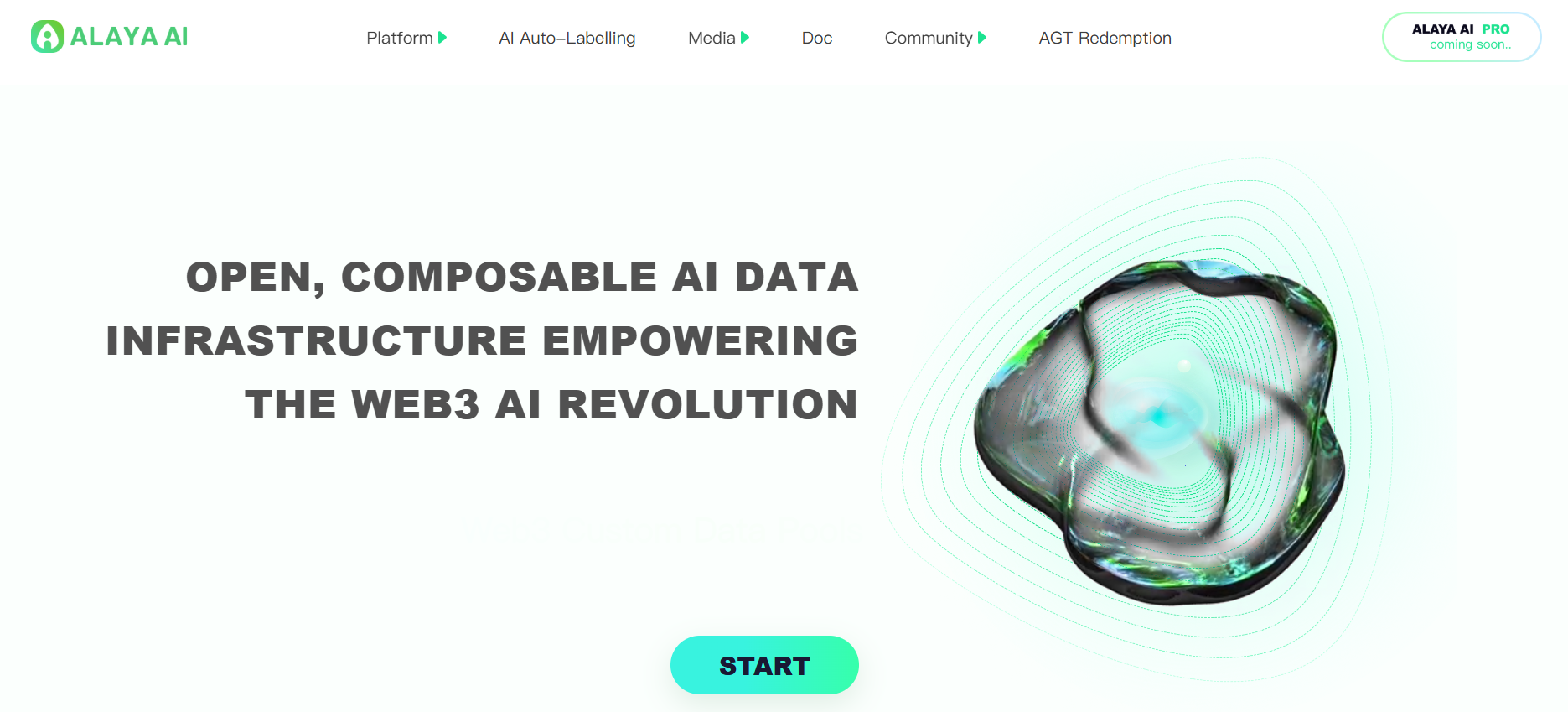
Alaya AI isn’t just another AI platform — it’s a bold, forward-thinking approach to how artificial intelligence gets trained and how valuable datasets are created, verified, and owned. If you’ve been hearing the buzz around blockchain technology Alaya AI, you’re in good company. This platform blends Web3 principles, gamification, and community-driven data labeling into a seamless, rewarding ecosystem. Whether you’re an AI developer looking for quality datasets, a data contributor eager to earn while participating, or simply curious about cutting-edge AI tools Alaya AI has in store, there’s a lot here worth exploring.

In this article, I’ll unpack 7 powerful reasons why Alaya AI is changing the future of artificial intelligence — and how it might change the way we all interact with AI.

Find More: Cybersecurity Maturity Models for OT: C2M2, CRR & More

1. Alaya AI’s Decentralized Data Collection Model

alaya ai

AI models are only as good as the data they’re trained on, and traditionally, that data comes from centralized providers who decide what gets included. This can lead to biased results and limited representation. Alaya AI turns this model on its head by letting anyone, anywhere contribute to AI training through a decentralized network.

Empowering a Global Network of Contributors

Picture contributors from every corner of the world labeling images, transcribing audio, categorizing videos, or annotating text — all while earning rewards. This diversity not only improves the richness of the datasets but also helps reduce bias in AI models, making them more accurate and fair.

How Blockchain Technology Ensures Data Transparency

This is where blockchain technology Alaya AI truly stands out. Every single contribution is recorded on-chain, making it transparent, tamper-proof, and verifiable. No hidden changes. No behind-the-scenes data swaps. Just an open, auditable history of contributions.

2. Gamified AI Data Labeling That Drives User Engagement

blockchain technology alaya ai

Data labeling might sound dull, but Alaya AI transforms it into an engaging, competitive experience.

Rewards, NFTs, and Reputation Systems

Each completed task earns you tokens, collectible NFTs, and reputation points. Higher reputation unlocks advanced, better-paying projects. The more consistent and accurate you are, the more opportunities you get.

Why Gamification Improves Data Quality

When contributors are motivated, they naturally focus more on accuracy. Gamification creates a feedback loop — engaged contributors produce better data, and better data leads to stronger AI models.

3. Tokenized Incentives Through ALA and AGT Tokens

At the core of Alaya AI’s economy are two tokens with different purposes.

Understanding the ALA Token Utility

ALA is the reward token you earn for contributing. You can use it within the platform to unlock tools, stake it for bonuses, or trade it in the crypto market.

Governance and Decision-Making via AGT Tokens

AGT gives you voting power in the platform’s DAO. That means you help shape updates, features, and even reward distribution. It’s a way for contributors and developers alike to steer the project together.

4. High-Quality AI Training Data Through Hybrid Validation

ai tools alaya ai

Bad data equals bad AI — it’s that simple. Alaya AI ensures data quality with a smart mix of automation and human review.

Automated Pre-Processing Tools

AI tools Alaya AI uses advanced algorithms to detect and remove clear errors before tasks ever reach human eyes, saving time and improving efficiency.

Human Consensus and Double-Check Systems

Multiple contributors review each item, and results are only finalized when there’s strong agreement. Disputes trigger extra review, ensuring datasets are trustworthy.

5. Wide Industry Applications of Alaya AI

Alaya AI’s versatility means it can support AI advancements across a wide range of sectors.

Healthcare and Medical AI Innovations

From annotating medical scans to structuring patient data, accurate datasets can enhance diagnosis tools and support medical research breakthroughs.

Finance, Retail, and Autonomous Systems

Financial systems can benefit from better fraud detection algorithms, retail can offer smarter recommendations, and autonomous vehicles can improve navigation and safety recognition.

6. Privacy and Data Ownership for Contributors

One of the biggest issues in AI development is that contributors often lose all control of their data once submitted. Alaya AI changes that narrative.

User-Controlled Data Policies

Contributors can define usage rights for their data, ensuring they maintain ownership and control.

Blockchain Security for Sensitive Data

The integration of blockchain keeps sensitive data encrypted and secure, while still enabling its use for AI training under the contributor’s terms.

7. Future-Proof AI Development with Community Governance

With AI evolving so rapidly, flexibility and adaptability are critical. Alaya AI’s DAO structure ensures the platform can evolve without bottlenecks.

How the DAO Model Shapes Alaya AI’s Roadmap

Any user holding governance tokens can propose changes or vote on new features, ensuring decisions reflect community needs.

Scaling AI Projects Without Centralized Control

Without corporate bureaucracy, Alaya AI can quickly pivot to new trends, tech integrations, or industry demands.

Conclusion – Why Alaya AI Is a Game-Changer for the AI Industry

We’ve explored seven key strengths of Alaya AI: its decentralized network, gamification features, dual-token system, hybrid validation process, multi-sector adaptability, contributor-first privacy, and community-led growth.

If you’re curious about AI’s next chapter, Alaya AI offers a way to be part of it — not just as a spectator, but as a contributor and decision-maker. The earlier you join, the more you stand to learn, earn, and shape the future of AI.

Find More: Boost Your Sales With SEO Services

FAQs

1. Is Alaya AI Free to Use?

Yes. You can sign up, start contributing, and earn rewards without paying. Some premium tools may require tokens.

2. How Do I Earn Rewards on Alaya AI?

By labeling data, joining campaigns, participating in governance, and staking tokens.

3. Is Alaya AI Suitable for AI Developers or Just Data Labelers?

Both. Developers can access quality datasets, and labelers can monetize their contributions.

4. What Makes Alaya AI Different from Other AI Platforms?

Its unique blend of blockchain transparency, gamified engagement, and community-led governance.

5. Can I Sell or Transfer My ALA Tokens?

Yes. ALA tokens can be traded on exchanges that support them.

Tags:
Zero-Effort Email Campaigns: How to Use AI to Draft, Segment, and Predict Open Rates

Zero-Effort Email Campaigns: How to Use AI to Draft, Segment, and Predict Open Rates

use the logo colors to generate image for Ask AI to Create Zero-Effort Email Marketing Campaigns

For every dollar spent on email marketing, you can expect to earn about $36 on average. This means that for every dollar spent, you get $3600 back, making it one of the best ways to market your business online today.

But many businesses have a hard time creating interesting campaigns that people actually open and read. The solution is simple. Artificial intelligence is changing email marketing. It’s making it more automated and efficient. It can create content, segment audiences, and predict which subject lines will perform best.

Why Use AI for Email Marketing

Traditional email marketing requires a lot of manual work. You need to:

  1. Learn about the people who will see your work.
  2. Write interesting subject lines.
  3. Write interesting content.
  4. Design templates
  5. Divide your lists into sections.
  6. Look at the performance data.

This process can take days or even weeks for a single campaign. But AI can do most of this work for you.

Smart AI assistants can:

  • Analyze thousands of data points about your subscribers in seconds
  • Use past behavior to predict which subscribers are most likely to open emails.
  • Suggest the best times for sending different types of messages.
  • Write content that is specifically tailored to appeal to certain audience groups.

Technology has improved a lot in recent years. Modern AI tools can understand context, maintain a consistent brand voice, and generate content that sounds human-like.

This means you can create professional-quality email campaigns without spending as much time on them.

How to Create Email Campaigns With AI

1. Brainstorm Main Ideas

Start by telling your AI three main things:

  1. About your business
  2. About the people you want to reach
  3. What you want to achieve with your campaign.

The AI will generate content ideas based on current trends, seasonal opportunities, and your audience’s interests. Just enter some basic info like your industry, product features, or upcoming deals.

Most AI platforms can look at the performance data from your existing emails to suggest topics that have worked well in the past. They can also find problems in your current strategy and suggest new ways to do things.

2. Write

After you have your main ideas, AI can create complete email campaigns for you. These campaigns will include things like subject lines, preview text, body content, and calls-to-action. Advanced tools understand your brand’s voice by looking at your past communications and can make sure your content always has the same voice.

The writing process becomes like a conversation.

You can ask the AI to make content more casual, add urgency, include specific product details, or adjust the tone for different audience segments. Most platforms allow you to make changes and improvements in real time until the content is exactly what you want.

AI is really good at personalizing things on a large scale. Instead of writing one generic email, you can create multiple versions. Each version can be customized for different types of customers, locations, or based on a customer’s past purchases. This saves you time.

Predict Open Rates

Perhaps the most powerful AI feature is predictive analytics.

These tools look at things like the subject lines, send times, sender names, and content to predict how well something will perform before you send it.

For example, the AI looks at things like how long the subject line is, what makes people emotional, how urgent something is, and how personal the message is, compare these against industry standards and your past data, and make accurate predictions about how many people will open the email.

This feature allows you to test multiple versions virtually before sending, so you can be sure that your emails will look the way you want them to. You can improve campaigns until they meet your performance goals.

Best AI Email Marketing Tools

Overchat AI

Overchat AI Stand is an AI application that handles every aspect of email marketing. The platform lets you ask AI about creating content, dividing audiences, predicting performance, and automating campaigns all in one place. Overchat AI is particularly valuable because it can learn from your specific business data while using broader industry insights. It can create campaigns that sound like your brand, using strategies that have worked for other brands in different industries.

Mailchimp

Mailchimp’s AI features include predicting who will open your email, choosing the best time to send your email, and suggesting content based on how well your email campaign performs. The platform uses machine learning to identify your most successful content and suggest similar approaches for future campaigns. Their AI-powered subject line helper looks at your suggested headlines and compares them to billions of emails in their database to predict how well they will perform. The tool also offers automated A/B testing that optimizes campaigns in real time.

Constant Contact

Constant Contact’s AI assistant helps you create email campaigns through conversational prompts. You can describe your goals and the people you want to reach. The AI will then generate complete campaigns for you, including images, text, and design elements.The platform’s predictive sending feature looks at how people act to determine the best time to send messages to each person. This can increase the number of people who open your messages by up to 30% compared to regular scheduling.

Bottom Line

AI has changed email marketing a lot. It used to be a manual process that took a lot of time. Now, it is an efficient, data-driven operation. Modern AI tools can handle everything from coming up with ideas to predicting how well something will perform. This allows marketers to create professional campaigns in minutes rather than days. People who start using these tools now will have a big advantage over their competitors as this technology becomes common in all industries.


Best AI Marketing Automation Tools for 2026

Best AI Marketing Automation Tools for 2026

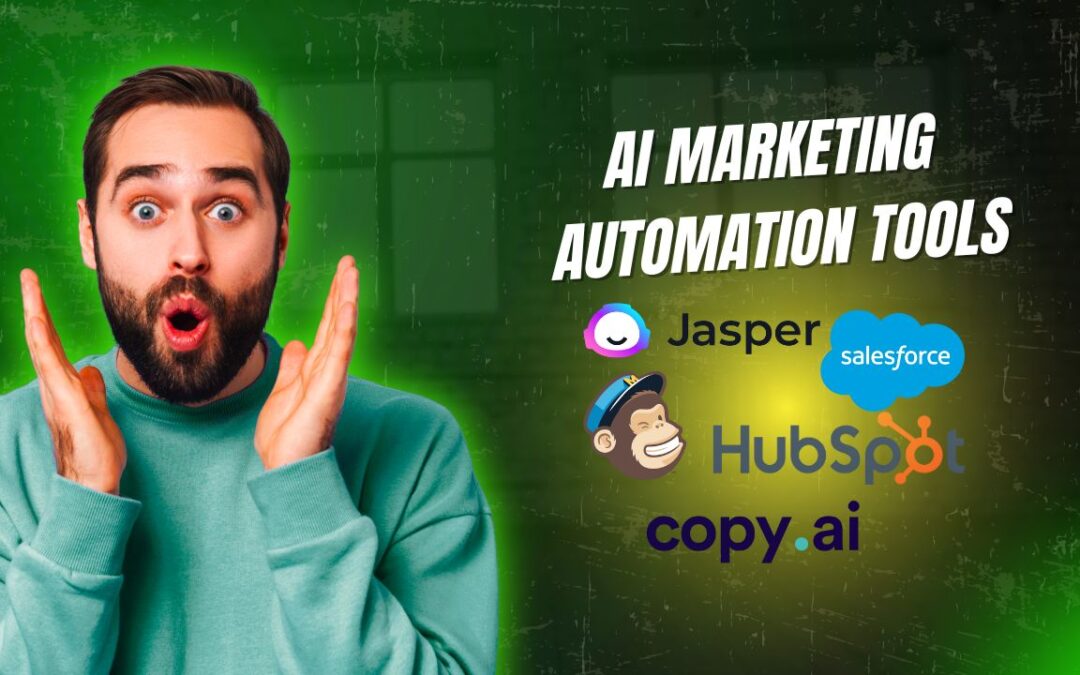
AI Marketing Automation Tools

Introduction: Why AI Marketing Automation Tools Are a Game-Changer in 2026

AI marketing automation tools are no longer a luxury; they’re now essential for anyone serious about scaling their marketing in 2026. From solopreneurs to large brands, everyone is tapping into the power of smart automation to save time, personalize campaigns, and boost ROI. In fact, if you’re still doing everything manually, you’re probably falling behind. These tools are rapidly transforming how we engage audiences, build customer journeys, and analyze performance.

With so many new ai tools for marketing automation launching every year, it’s hard to know which ones are actually worth your time (and money). That’s why we’ve rounded up the best marketing automation AI tools for 2025. Whether you’re looking for AI email campaign tools, smart social media automation, ai tools for presentation, advanced customer journey mapping, or predictive data insights, there’s something here for you.

This list is more than a collection of tools—it’s your shortcut to working smarter, not harder. These ai automation tools for marketing can drastically cut down your workload while giving you better performance metrics and happier customers.

Let’s dive into the top picks for ai marketing automation tools 2025 that are truly reshaping the future of marketing.

From solopreneurs to large brands, and even leading AI services companies, and content platforms such as EssayPro, everyone is tapping into the power of smart automation to save time, personalize campaigns, and boost ROI.

Find More: 10 Powerful Link Acquisition Tactics You’re Not Using (But Should Be)

Best All-in-One AI Marketing Platforms 

HubSpot with AI Features

hubspot

HubSpot continues to evolve, and its AI-powered marketing hub in 2025 is smarter than ever. From AI email subject line optimization to predictive lead scoring, it’s an all-in-one beast for B2B and B2C marketers alike. The platform can now identify content gaps, optimize blog SEO in real-time, and even suggest A/B test ideas—all backed by data.

Salesforce Marketing Cloud + Einstein AI

Salesforce

Salesforce was ahead of the curve with Einstein AI, and in 2025, it’s helping marketers create hyper-personalized experiences across every channel. Think predictive analytics, automated content generation, intelligent segmentation, and chatbot-powered customer support—all integrated into your CRM. It’s ideal for enterprise-level operations with complex workflows.

ActiveCampaign’s AI-Powered Automations

ActiveCampaign

ActiveCampaign is loved by small businesses and solopreneurs, and now with built-in AI automation, it suggests best-send times, smart follow-ups, and automatically optimizes workflows for better conversion. The new AI builder also lets you create customer journeys in a visual drag-and-drop interface with predictive path analysis.

AI Email Marketing Automation Tools

Mailchimp AI Features

Mailchimp

Mailchimp remains a favorite, especially with its revamped AI suite. It now suggests audience segments, generates email content, and even predicts campaign outcomes based on your past performance. A/B testing is now AI-driven too, allowing automatic selection of winning subject lines, layouts, and content blocks in real time.

ControlHippo

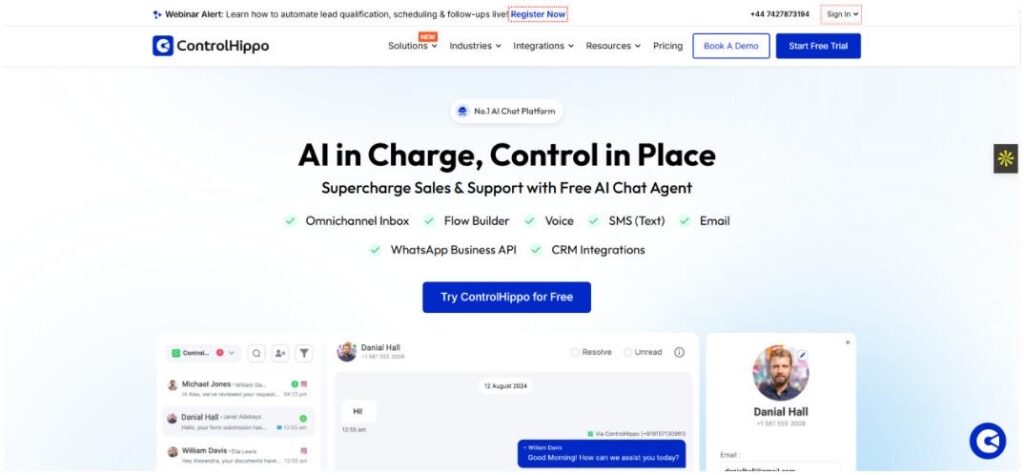
ControlHippo is redefining customer engagement in 2025 with its AI-powered automation and omnichannel communication suite. From no-code workflow automation and chatbot builders to intelligent segmentation and predictive analytics, it helps businesses deliver hyper-personalized experiences across WhatsApp, Instagram, Telegram, and more. Perfect for growing businesses and enterprises looking to simplify complex workflows while boosting efficiency and customer satisfaction.

Omnisend

Omnisend

For ecommerce marketers, Omnisend is a goldmine. It uses AI to generate personalized product recommendations, dynamic content, and real-time cart abandonment follow-ups. In 2025, Omnisend also integrates voice search triggers and AI-enhanced SMS campaigns for multi-channel domination.

Brevo (formerly Sendinblue)

Brevo

Brevo is a rising star in AI email marketing. It combines smart segmentation with content generation, making it easy to run data-driven campaigns without needing a data science degree. It also offers a smart retargeting system and real-time behavior tracking that boosts email engagement by 40% or more.

AI Tools for Social Media Automation

Predis.ai

Predis ai

Predis.ai takes your product links or basic ideas and turns them into complete social media posts—including images, captions, and hashtags—in seconds. It’s a serious time-saver for social media managers. In 2025, it can even suggest posting times based on trending topics and historical engagement.

Ocoya

Ocoya

Ocoya lets you plan, create, and schedule AI-generated content across multiple platforms. Its built-in copywriting AI generates engaging content, and the platform even helps optimize it for different audiences. Their newest feature auto-generates Instagram Reels and TikToks with suggested scripts.

SocialBee with AI Content Generator

SocialBee

SocialBee has added AI to its toolkit, and it shows. Now you can generate post ideas, optimize post timing, and even create variations of posts for different platforms in a click. It also features competitor analysis so you can benchmark your content performance easily.

AI Tools for Content Creation and Personalization

Jasper AI for Marketing Copy

Jasper

Jasper has grown up. In 2025, it’s one of the most powerful content AI tools, helping marketers generate blog intros, product descriptions, landing pages, and more—all optimized for conversion. Their new brand voice memory ensures your content stays on-brand across every channel.

Copy.ai with Workflow Automation

Copy ai

Copy.ai isn’t just about writing anymore. It now connects with your email platforms, CRMs, and more to build automated workflows based on the content it creates. It’s content + automation = gold. The workflow builder even suggests automation templates based on your business niche.

Anyword for Predictive Performance Scoring

Anyword

Anyword doesn’t just generate marketing content—it predicts how it will perform. You get a performance score before even publishing, which is a huge confidence booster. Their 2025 model also offers live market trend data to help you stay one step ahead.

AI Advertising Automation Tools

Adzooma

Adzooma

Managing Google and Meta Ads? Adzooma uses AI to suggest optimizations in real-time. Whether it’s adjusting budgets, improving ad copy, or finding high-performing keywords, it’s like having an ad strategist 24/7. Their new dashboard now shows visual heatmaps of ad performance across platforms.

Smartly.io

Smartly io

Perfect for brands scaling their paid social campaigns. Smartly.io uses AI to automate creative testing, audience targeting, and real-time campaign adjustments across platforms. You can now automatically generate hundreds of ad creatives from a single product feed.

Albert.ai

albert ai

Albert.ai is like an autonomous digital marketer. It runs your campaigns, learns from performance, makes adjustments, and continues to optimize without constant human input. Kind of like hiring a genius robot marketer. It can even generate custom landing pages and test them on the fly.

Niche & Emerging AI Marketing Tools to Watch in 2025

Surfer AI for SEO

Surfer

SEO is far from dead. Surfer AI helps marketers build SEO-optimized content that ranks. It gives you keyword suggestions, structure, and content scores—all based on live SERP analysis. It now integrates with Google Search Console to auto-suggest SEO fixes in real time.

Seventh Sense for AI-Powered Email Timing

Seventh Sense

Timing is everything in email marketing. Seventh Sense uses AI to find the best time to reach each person in your audience, increasing open rates and engagement. It now includes machine learning models that adapt to seasonality and holiday-specific behaviors.

SolaraAI 

SolaraAI is designed for businesses that want professional marketing without the agency price tag, and now with its intelligent AI stack, it automatically creates content, schedules posts, and optimizes ad campaigns based on real-time trend analysis. The platform uses predictive audience targeting to forecast engagement and autonomous optimization loops that continuously refine budgets and creative assets for maximum ROI while you focus on running your business.

How to Choose the Right AI Marketing Automation Tool

With all these amazing options, how do you know what’s right for your business?

  • Know Your Goals: Are you looking to save time, scale content, or boost conversions? Let your goals guide your tool choices.
  • Budget Wisely: Some tools offer great free plans or low-cost tiers for startups. Others are better suited for enterprises.
  • Ease of Use Matters: Don’t get sucked into a platform with a steep learning curve unless you have the time (or team) to master it.
  • Check Integrations: Make sure the AI tool works well with your current stack (Shopify, WordPress, Zapier, etc.)
  • Test Before You Commit: Most tools offer free trials. Take advantage of them to find the best fit for your workflow.
  • Scalability: Choose tools that can grow with your business, not ones you’ll outgrow in six months.

Benefits of Using AI in Marketing Automation

Still on the fence? Here’s why it’s worth jumping in:

  • More Time, Less Stress: Automate repetitive tasks and focus on strategy and creativity.
  • Hyper-Personalization: AI can tailor messages to individual users like never before.
  • Smarter Decisions: Data-backed insights mean better targeting, timing, and performance.
  • Scalability: Whether you have 100 leads or 100,000, AI can handle it.
  • Continuous Learning: Most AI tools improve over time by learning from your results.
  • Cost Savings: Automation reduces the need for large teams or outsourcing, saving you money in the long run.

Conclusion: Power Your Marketing in 2025 with AI Automation

AI marketing automation tools in 2025 are smarter, faster, and more powerful than ever. Whether you’re running a small business or managing enterprise campaigns, there’s a tool out there that can save you time, money, and headaches.

The key? Start small. Try one tool that solves your biggest bottleneck, then expand from there. The future of marketing isn’t just digital—it’s intelligent. And the earlier you adopt, the bigger the edge you get.

So go ahead… let AI handle the grunt work while you focus on big-picture thinking. Embrace the future with confidence, and let smart tools do the heavy lifting.

Find More: Boost Your Sales With SEO Services

FAQs

1. What is the best AI marketing automation tool for small businesses?

ActiveCampaign and Mailchimp are both solid picks for small teams looking to automate without breaking the bank. They offer intuitive interfaces and robust feature sets that grow with your needs.

2. Can AI really replace human marketers?

Not quite. AI is amazing for automation and optimization, but creativity, empathy, and strategy still need the human touch. Think of it more as a super assistant than a replacement.

3. How much do AI marketing automation tools cost in 2025?

Prices range from free (with limited features) to $1000+/month for enterprise solutions. There’s something for every budget, and many offer flexible plans as you scale.

4. Are AI-powered tools safe to use with customer data?

Yes, most top tools follow strict data protection guidelines. Just make sure they’re compliant with GDPR, CCPA, etc. Always read their privacy policy and check for third-party certifications.

5. What industries benefit most from AI marketing automation?

Ecommerce, SaaS, B2B, and agencies are seeing huge gains, but really, any industry that relies on digital marketing can benefit. Even local service businesses and nonprofits are jumping in.

Tags:
How Can Business AI Chatbots Improve Customer Service?

How Can Business AI Chatbots Improve Customer Service?

AI Chatbots

As businesses continue to adapt to the digital age, customer expectations are evolving. With consumers expecting quicker responses, more personalized interactions, and consistent support across multiple channels, traditional customer service methods are being put to the test. Enter AI chatbots, a transformative solution that is reshaping the way businesses handle customer service.

In this post, we’ll explore in detail how AI chatbots can elevate customer service, focusing on their ability to streamline operations, enhance personalization, and improve overall customer satisfaction. While some may question whether AI can fully replace human agents, it’s important to understand that chatbots aren’t about replacing people—they’re about augmenting human efforts to improve efficiency, accuracy, and experience.

1. AI Chatbots Enhance Availability and Response Time

One of the most significant advantages of business AI chatbots is their ability to provide 24/7 support. In a world where businesses need to operate around the clock to cater to a global audience, AI chatbots ensure that customers always have access to help, no matter the time zone. This constant availability drastically reduces response times, something that human agents simply cannot achieve.

Imagine a customer having an urgent issue with a product at 3 a.m. The customer might not be able to reach a support team at that hour, but a chatbot is always ready to assist. This instant response time is vital in today’s fast-paced digital world, where waiting hours—or even minutes—can lead to frustration and lost business opportunities.

AI chatbots can quickly resolve frequently asked questions (FAQs) and handle simple tasks like checking order statuses, resetting passwords, or providing product recommendations. This immediacy not only improves customer satisfaction but also allows human agents to focus on more complex issues that require personalized attention. Reddit users on Zendesk often highlight how AI chatbots help reduce response times and keep support available 24/7, showing how critical these tools are for modern customer service.

2. Streamlining Repetitive Tasks for Efficiency

Customer service teams are often bogged down by repetitive tasks that can eat up valuable time, responding to common inquiries, checking stock availability, or processing simple requests. By leveraging AI chatbots to handle these tasks, businesses can ensure that human agents spend their time on high-value interactions that require emotional intelligence, complex problem-solving, or product expertise.

For instance, chatbots can immediately answer questions such as, “What are your business hours?” or “How can I track my order?” without human intervention. By offloading these repetitive queries to AI chatbots, businesses can drastically improve the efficiency of their customer service operations and ensure that agents have the bandwidth to tackle more pressing issues.

Furthermore, chatbots can be integrated into customer relationship management (CRM) systems, which allows them to automatically log customer interactions, track issues, and update records. This streamlines internal processes and helps businesses maintain accurate data without additional administrative work.

3. Improved Personalization for Customers

One of the most powerful aspects of AI chatbots is their ability to deliver personalized experiences. Traditional customer service typically relies on human agents to recall customer preferences, purchase histories, and past interactions. This often requires the customer to repeat themselves, leading to frustration. AI chatbots, however, can integrate with a business’s CRM system to provide a highly personalized experience by accessing data from previous interactions.

For example, an AI-powered chatbot can greet customers by name, suggest products based on past purchases, or even offer solutions to problems based on a customer’s previous inquiries. If a customer has previously purchased a pair of shoes, the chatbot might suggest matching accessories or a special offer on related items.

Chatbots can also gather information during interactions and adapt responses to suit individual needs. This allows businesses to offer tailored product recommendations, promotions, and assistance that feels more intuitive and customer-centric. As AI chatbots continuously interact with customers, they learn and evolve, becoming increasingly effective at predicting customer preferences and providing solutions that resonate with each user.

4. Consistency Across Multiple Channels

Customers expect to engage with businesses across multiple platforms, whether that be through a website, social media, mobile apps, or messaging services like WhatsApp. AI chatbots provide the advantage of delivering consistent service across these channels, ensuring that customers receive the same level of support regardless of the medium they use. As customer interactions scale across multiple channels, many organizations begin to look at the broader role an enterprise CX platform can play in maintaining continuity and visibility across the entire customer journey, beyond any single tool or interaction.

Consider a scenario where a customer reaches out via a website chatbot in the morning and then continues the conversation through Facebook Messenger in the afternoon. With AI chatbots, the conversation history can be synced seamlessly across both channels, allowing the customer to pick up where they left off. This eliminates the need for customers to repeat themselves, improving the overall experience.

By centralizing communication, businesses can streamline their customer service strategy, ensuring no query is lost between platforms. AI chatbots can handle inquiries from social media, live chat, email, and SMS, all while maintaining a unified voice and brand identity.

5. Advanced Natural Language Processing (NLP) for Better Understanding

AI chatbots equipped with advanced Natural Language Processing (NLP) capabilities are able to understand and interpret customer queries with impressive accuracy. NLP allows chatbots to process human language in a way that feels more intuitive and conversational, which is essential for maintaining a natural flow in communication.

NLP enables chatbots to understand context, intent, and even sentiment in customer messages, allowing them to respond in a way that makes sense. For instance, if a customer asks, “Why is my order delayed?” the chatbot can interpret the sentiment behind the query and respond empathetically, offering solutions and reassurance. In some cases, chatbots are even capable of detecting when a customer is frustrated or upset, providing an appropriate, more empathetic response.

As AI continues to improve, chatbots will become even more adept at handling complex inquiries, allowing businesses to provide more sophisticated customer support that rivals human agents.

6. Reducing Operational Costs

For many businesses, especially startups or smaller enterprises, providing high-quality customer service can be a significant expense. From staffing a customer service team to managing long-term training and development, the costs can quickly add up. AI chatbots help reduce these operational costs by automating many aspects of customer service.

With AI chatbots, businesses can scale their customer support operations without the need for hiring additional staff. The chatbot can handle thousands of inquiries at once, ensuring that businesses can cater to a large volume of customers without the added expense of expanding their workforce. Furthermore, chatbots can work around the clock, eliminating the need for overtime or additional shifts for customer service agents.

Although setting up AI chatbots requires an initial investment, the long-term cost savings make them an excellent solution for businesses looking to maintain high-quality service without breaking the bank.

7. Handling Complex Inquiries and Escalation

While AI chatbots are excellent at handling simple queries, they are also increasingly capable of handling more complex customer service tasks. Thanks to advanced machine learning and deep learning algorithms, AI chatbots are continuously improving and can now manage more intricate customer inquiries, such as troubleshooting technical issues or providing detailed product advice.

When a chatbot encounters an issue it cannot resolve, it can seamlessly escalate the query to a human agent, ensuring a smooth transition without causing delays or frustration. This hybrid approach, where AI handles basic tasks and human agents address more complex issues, ensures customers receive fast, accurate service while preserving the human touch when needed.

8. Building Customer Loyalty and Satisfaction

Ultimately, the goal of customer service is to ensure that customers are satisfied with their experience, which builds loyalty over time. By integrating AI chatbots into customer service, businesses can provide faster, more efficient, and more personalized service, all of which contribute to improved customer satisfaction.

AI chatbots can handle large volumes of inquiries simultaneously, ensuring that customers don’t have to wait for extended periods to get help. This instant support helps build trust with customers, as they know they can always rely on prompt and accurate assistance when needed.

Moreover, because AI chatbots learn from every interaction, they continually improve over time. As they become better at predicting and addressing customer needs, businesses will see an increase in customer retention and overall loyalty.

Conclusion

AI chatbots are far more than just a passing trend; they represent a fundamental shift in how businesses can improve their customer service. By automating repetitive tasks, enhancing personalization, ensuring consistent support, and improving operational efficiency, AI chatbots are reshaping the customer service landscape in profound ways.

While chatbots cannot fully replace the human touch, they certainly enhance the overall customer experience, offering businesses an invaluable tool for scaling their customer support efforts and staying competitive in an increasingly digital world. As we move into 2025 and beyond, businesses that embrace AI chatbots will be better positioned to meet the growing demands of their customers, improve satisfaction, and reduce operational costs.